免费咨询旅行专家——定制行程、本地贴士、无忧规划。
通常24小时内回复
Beijing
Beijing, the capital of the People's Republic of China, is a municipality direct…
INTRODUCTION
Beijing, the capital of the People's Republic of China, is a municipality directly under the central government and a national central city. Located at the northern end of the North China Plain, it borders the Xishan Mountains (western extension of the Taihang Mountains) to the west, the Yanshan Mountains to the north, and faces the North China Plain to the southeast. Covering a total area of 16,410 square kilometers, it administers 16 districts including Dongcheng, Xicheng, Chaoyang, Haidian, Fengtai, and Shijingshan, with a permanent population of approximately 21.89 million (2023).
Beijing has a history of over 3,000 years as a city and over 860 years as a capital, making it one of the Four Great Ancient Capitals of China. Since the Jin Dynasty established its capital here in 1153, through the Yuan Dynasty's Dadu and the Ming and Qing dynasties' capital, Beijing has served as China's capital for over 800 years. Its profound historical heritage includes seven UNESCO World Heritage sites: the Forbidden City, the Great Wall, the Temple of Heaven, the Summer Palace, the Ming Tombs, the Peking Man Site at Zhoukoudian, and the Grand Canal, making it the city with the most World Heritage sites in the world.
Beijing is the national political center, cultural center, international exchange center, and science and technology innovation center. It is home to over 90 higher education institutions including Tsinghua University and Peking University, over a thousand research institutions such as the Chinese Academy of Sciences, more than 100 museums including the National Museum of China, the National Library of China, and the Capital Museum, as well as top cultural venues like the Palace Museum and the National Art Museum of China. Beijing is also a core hub of China's railway and aviation networks, with Beijing Capital International Airport's annual passenger throughput consistently ranking among the highest globally.
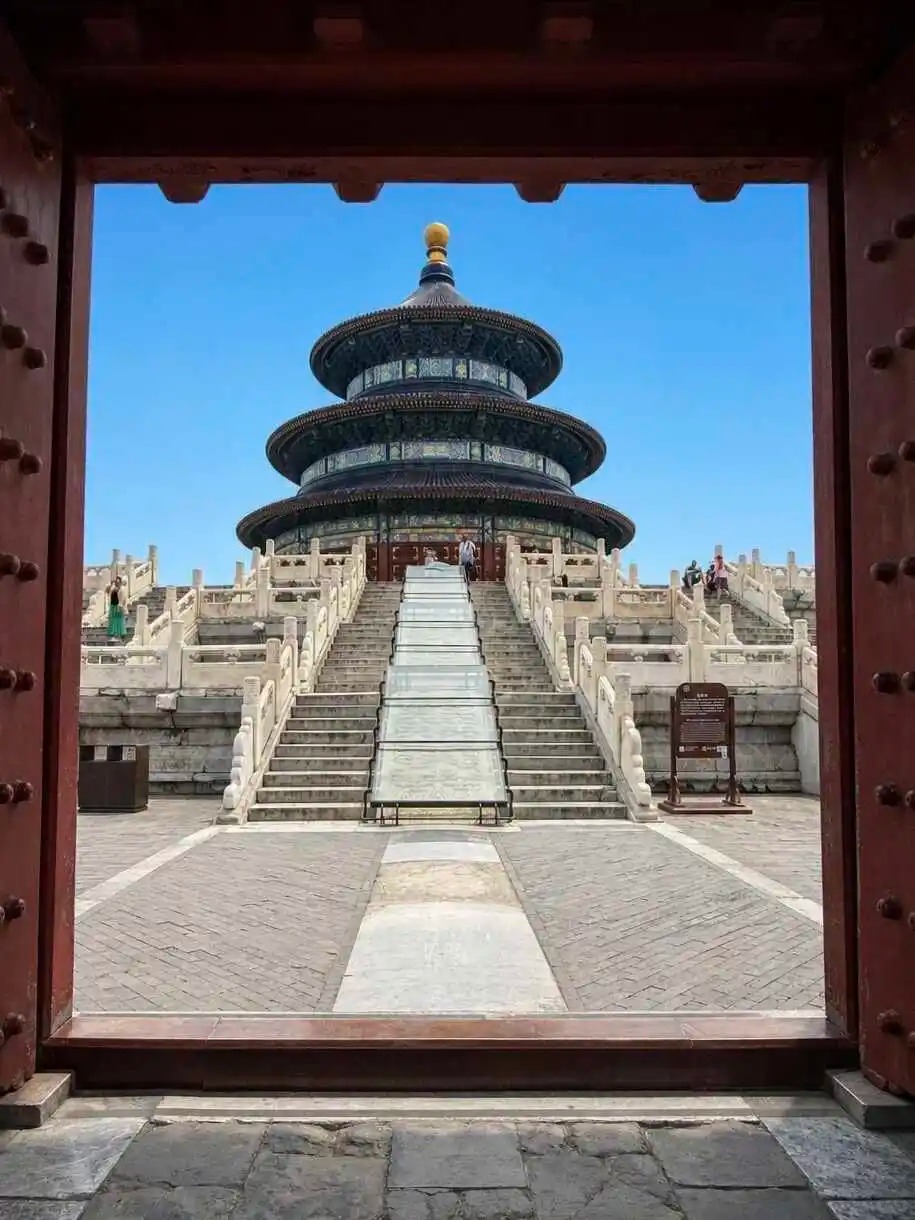
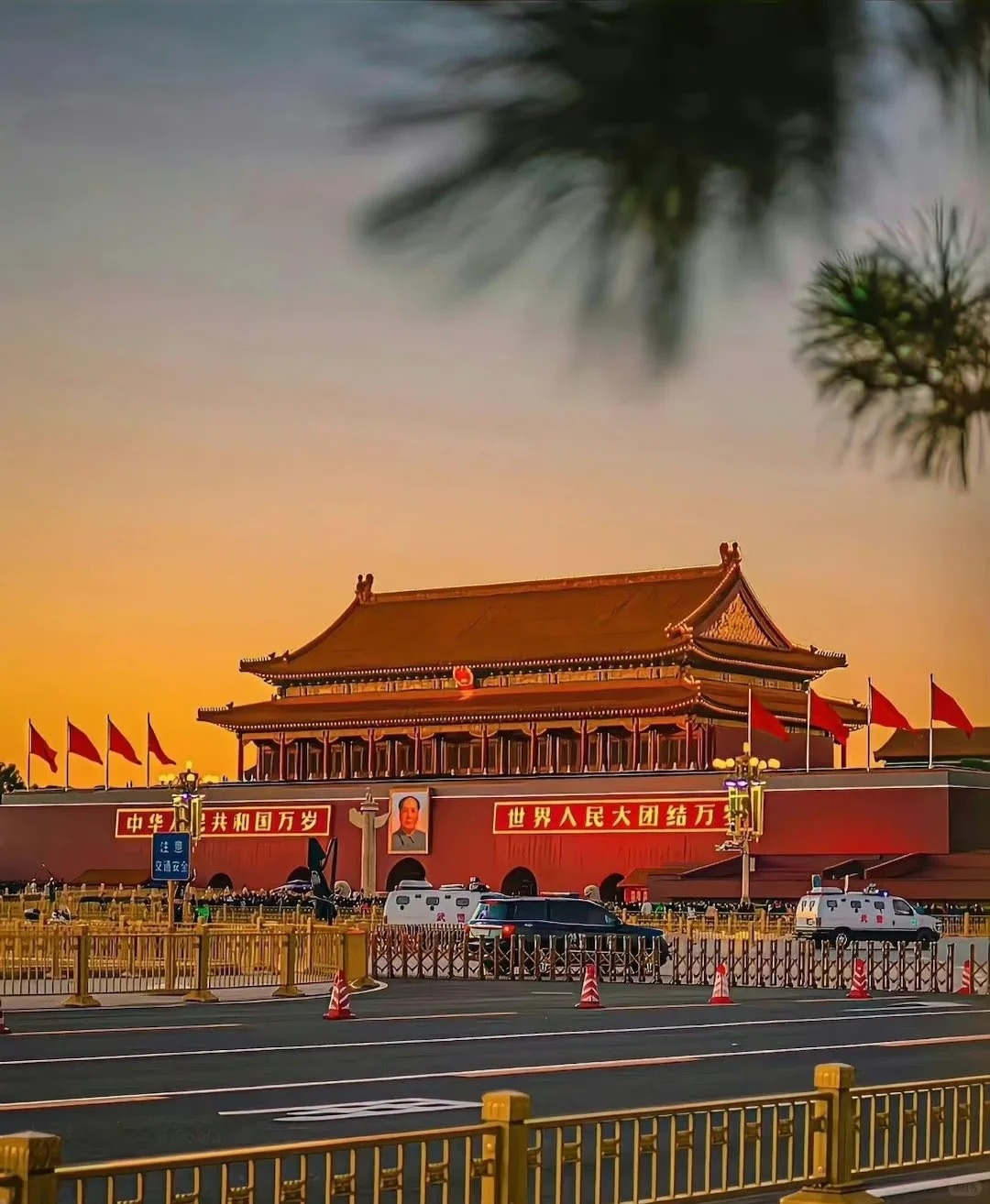
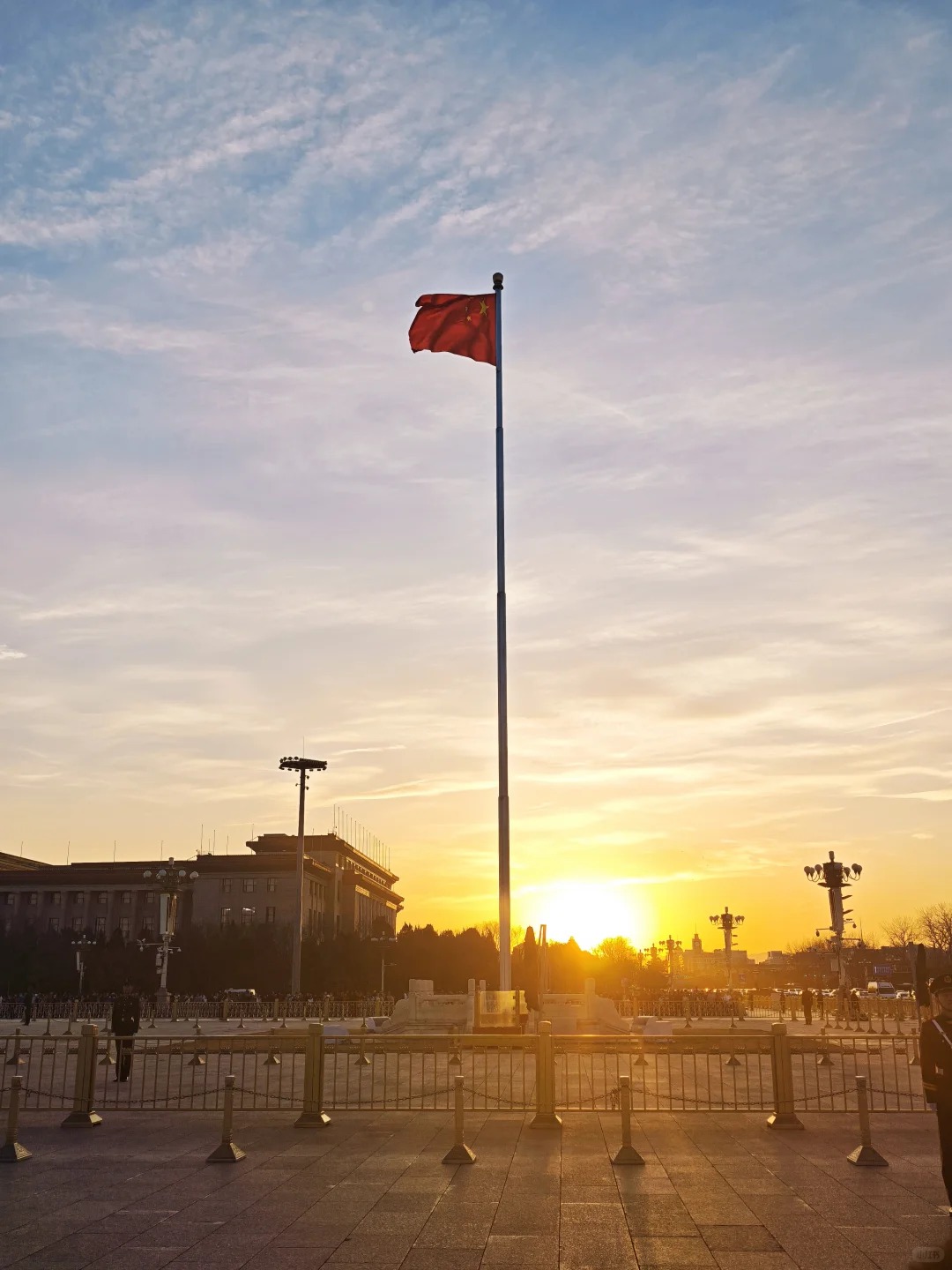
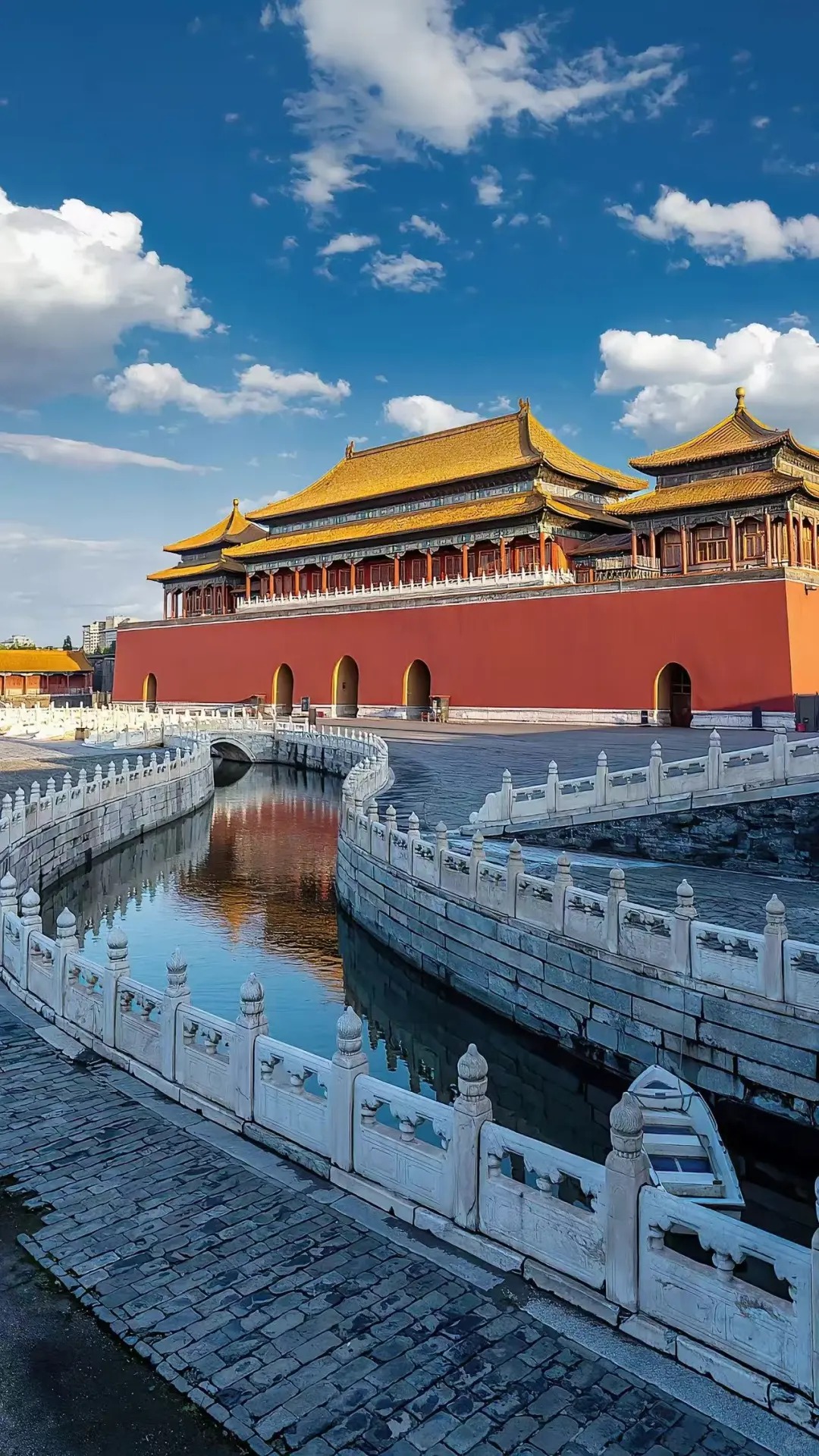
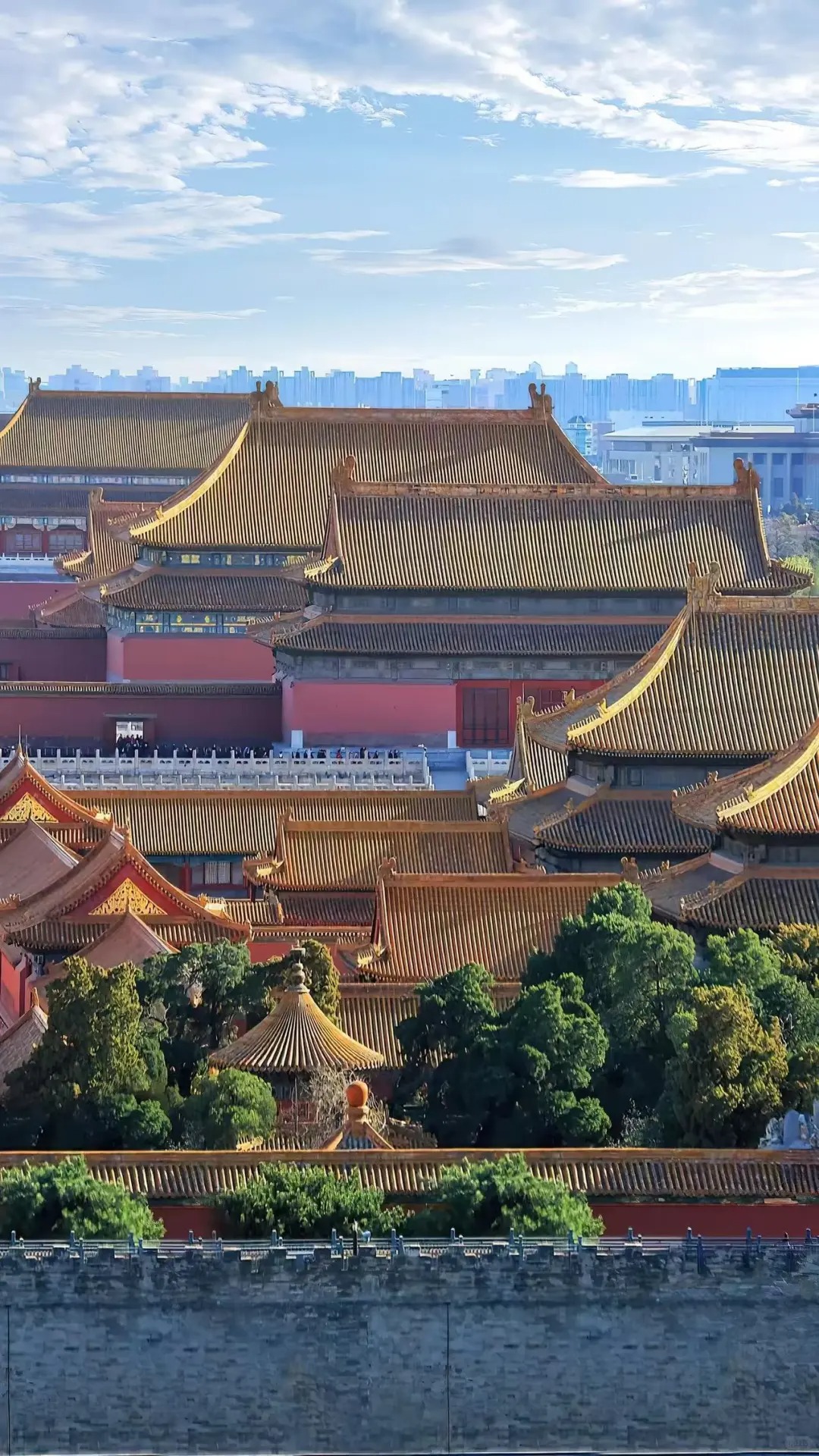
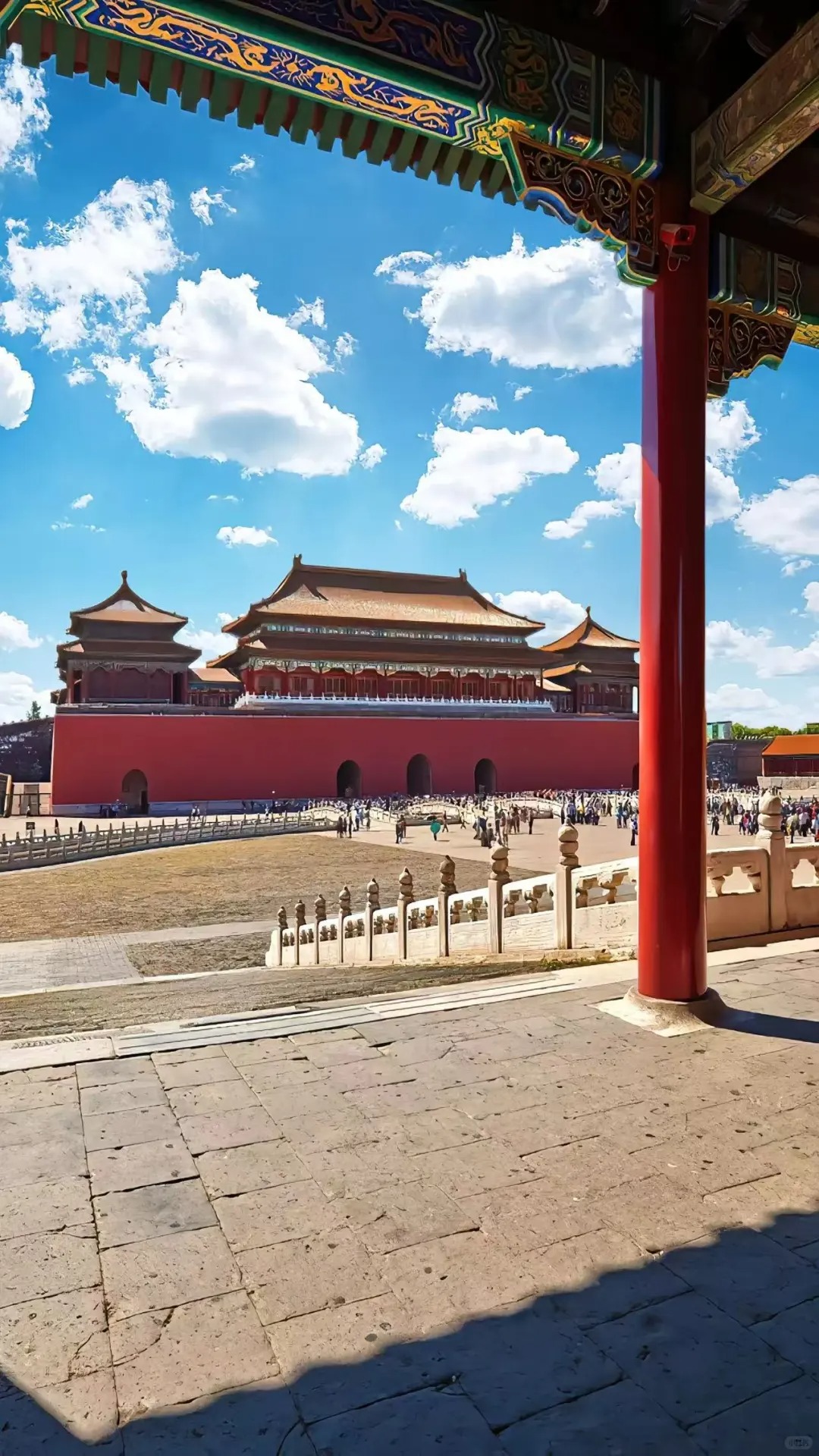
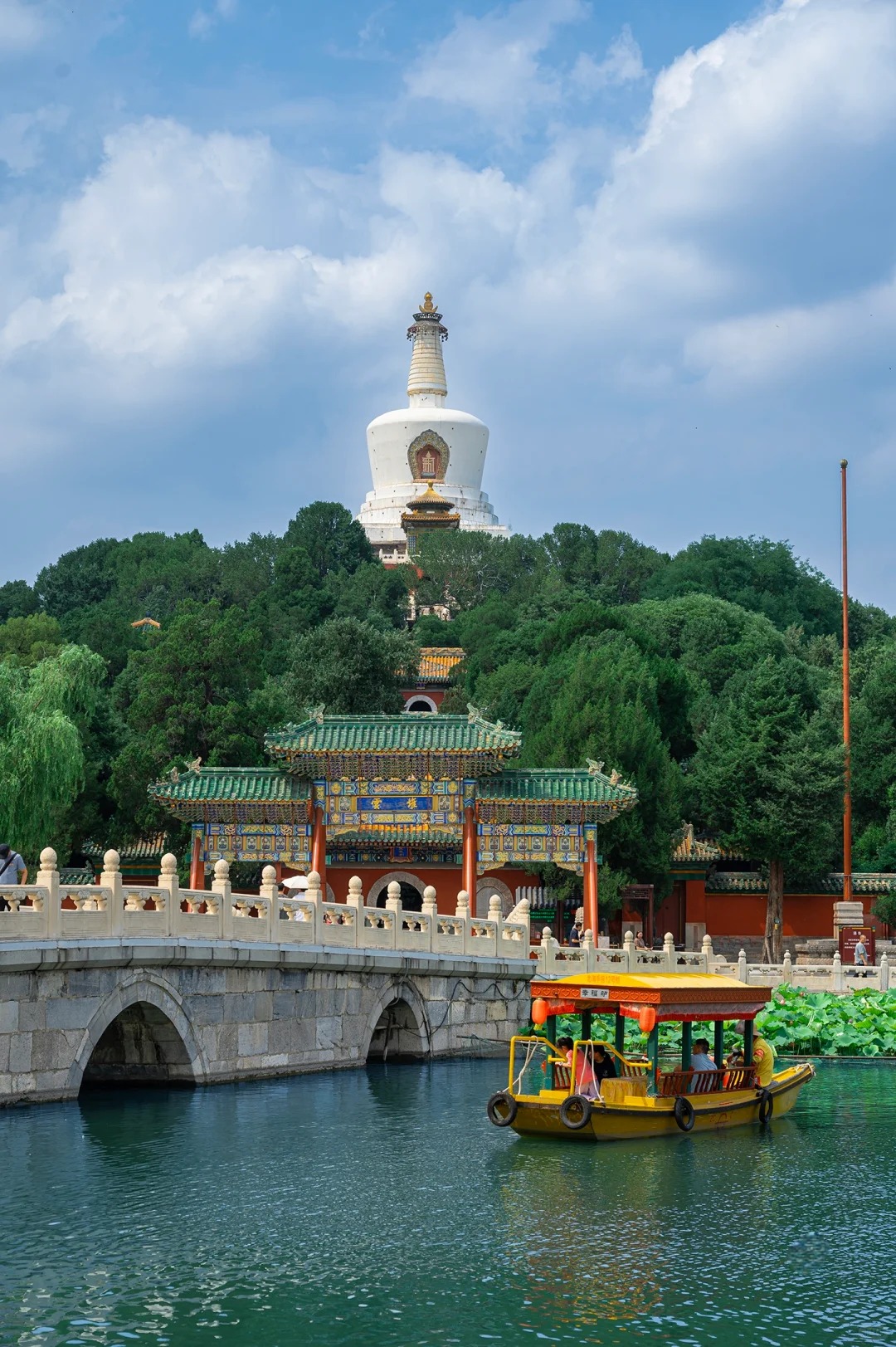
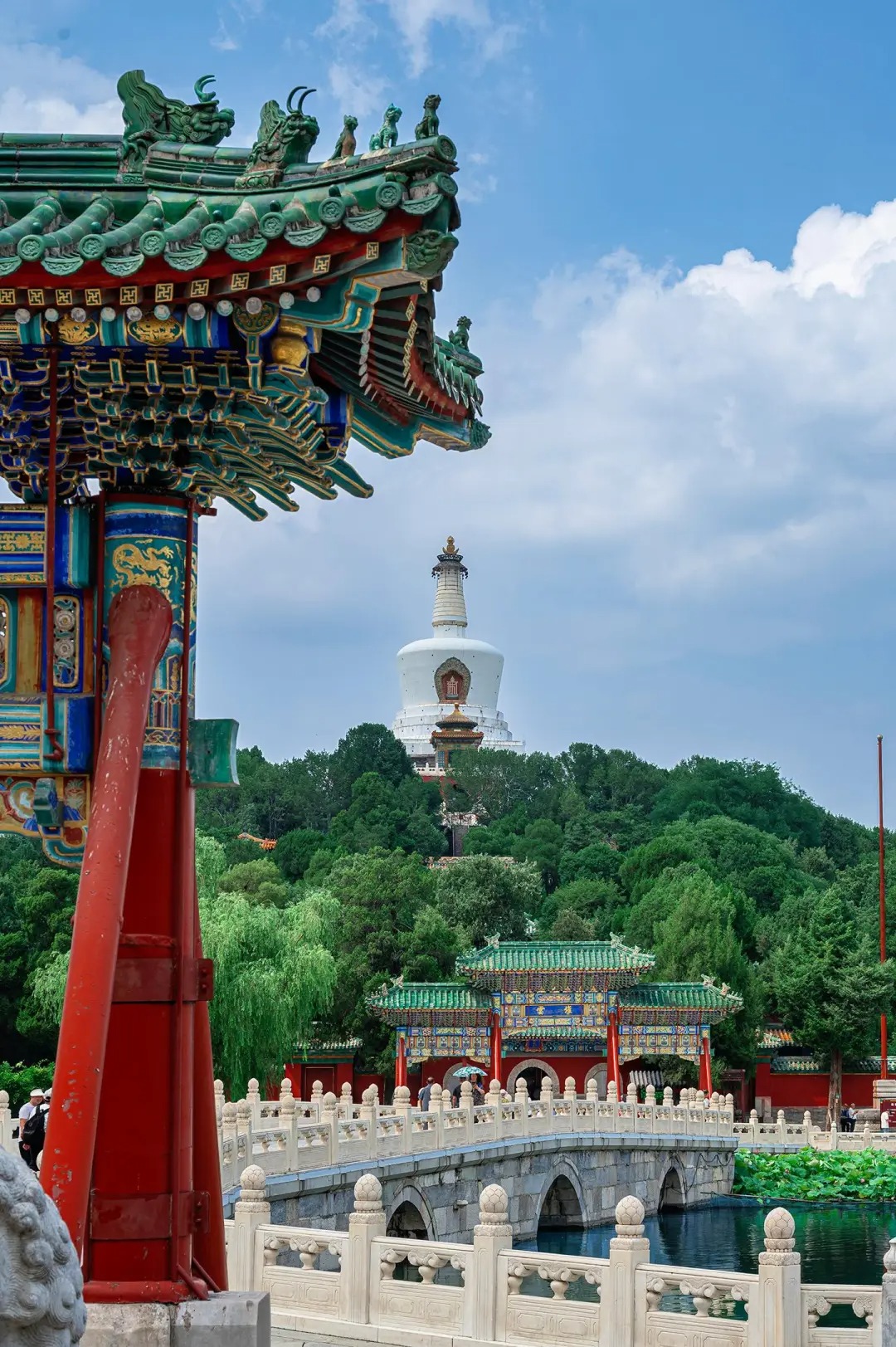
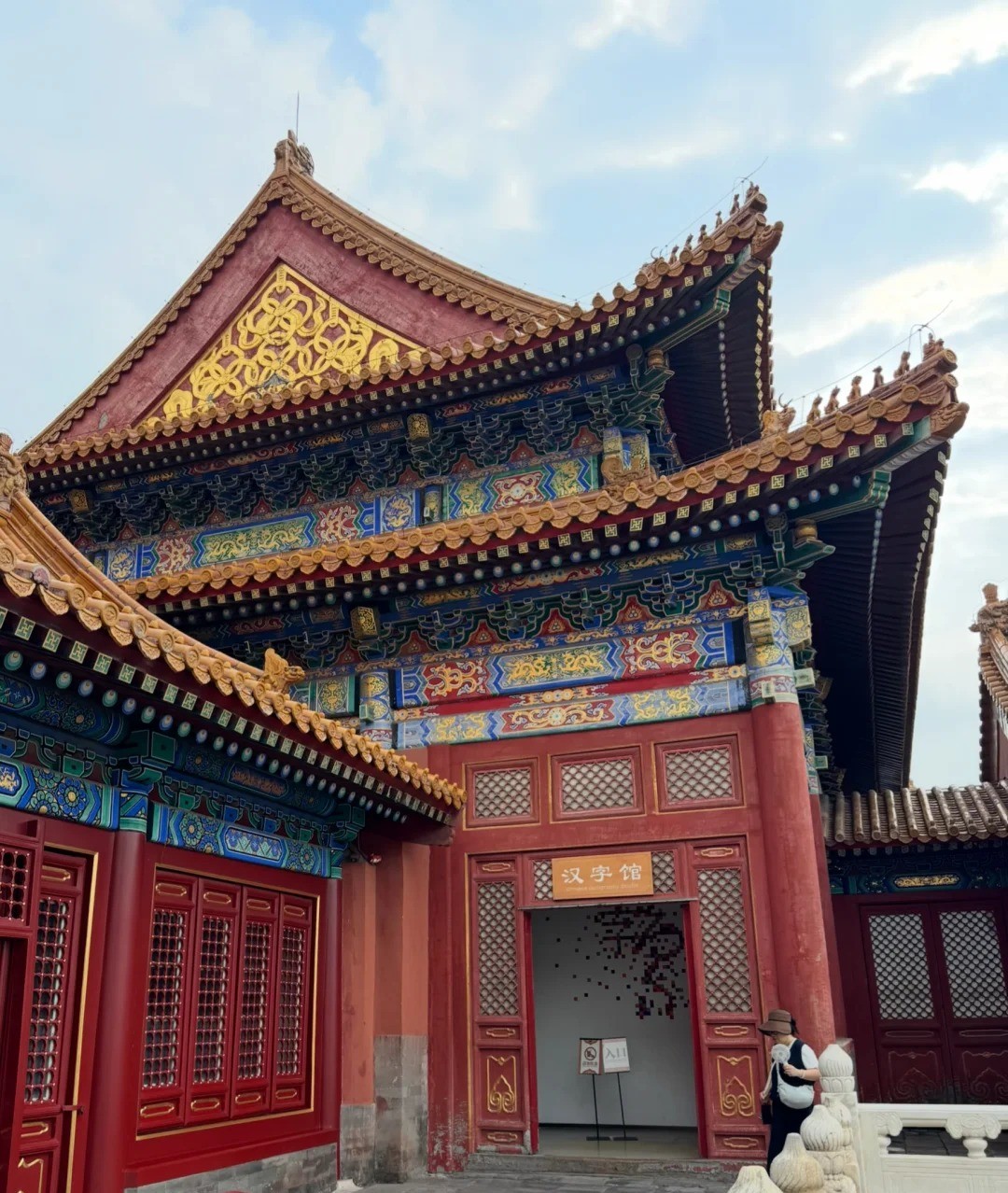
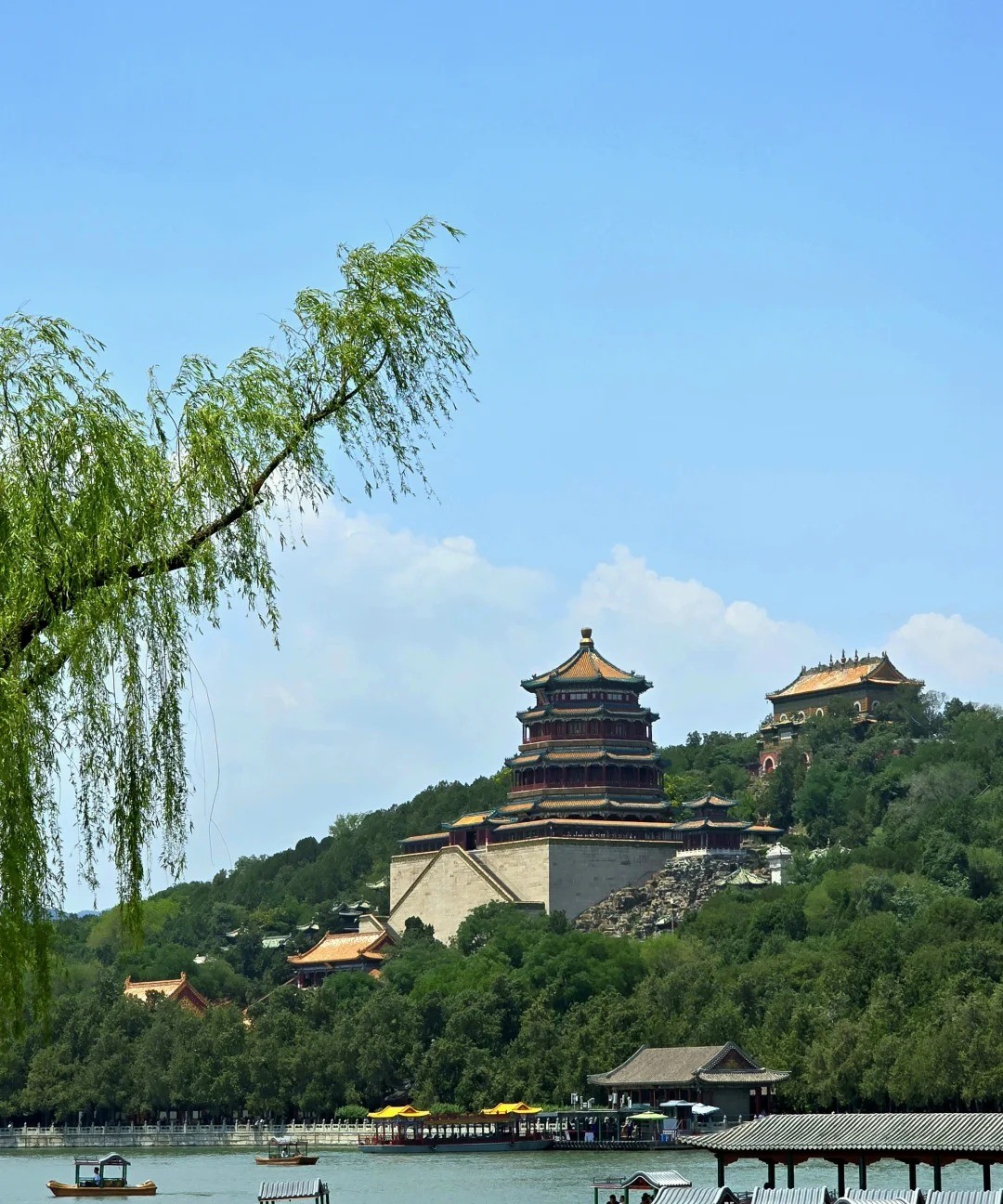
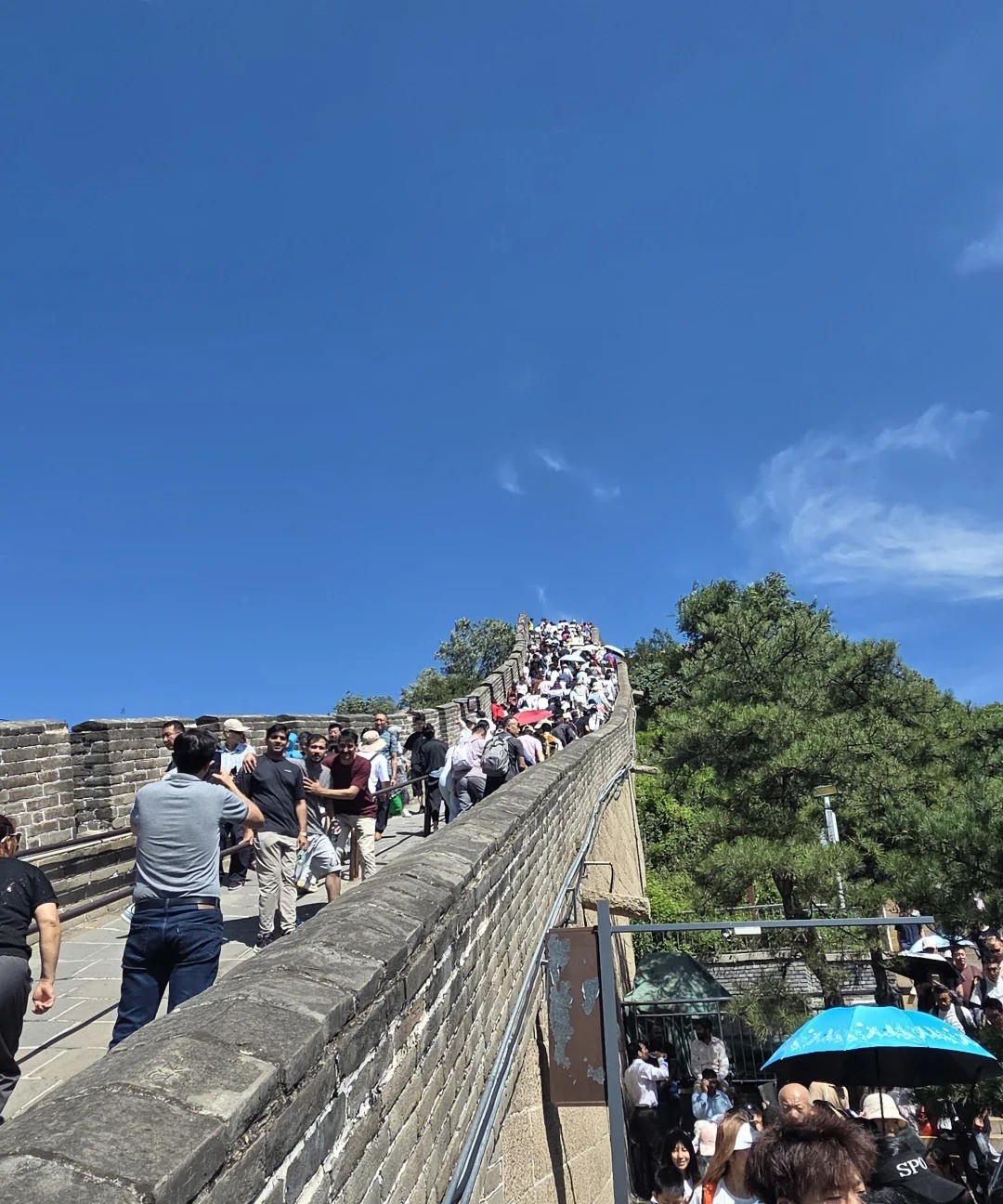
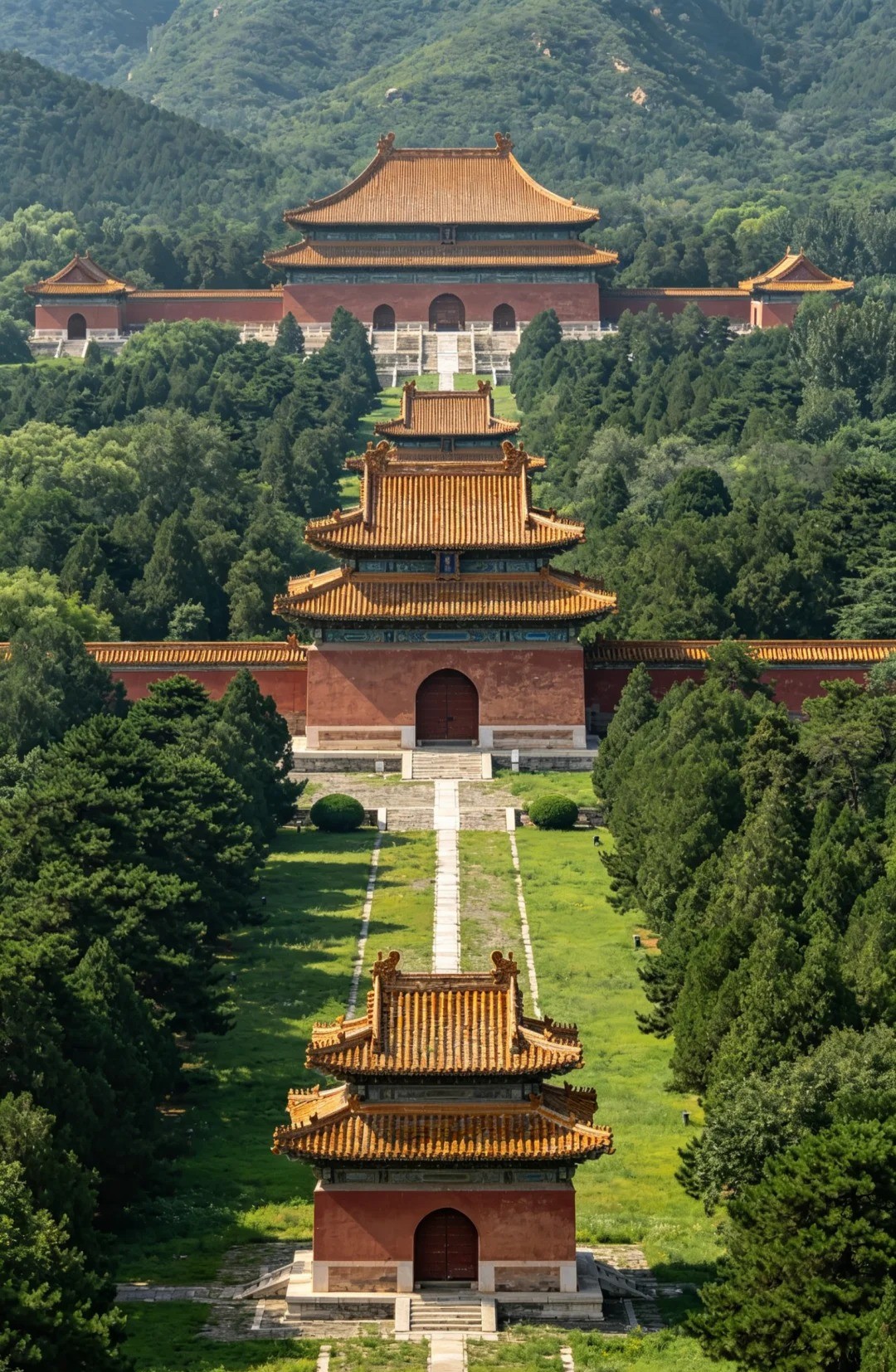
Beijing is the first stop for inbound tourists to understand China, boasting the richest tourism resources in the country.<br><br>I. World Cultural Heritage Sites<br><br>1. The Forbidden City (Palace Museum)<br>The imperial palace of the Ming and Qing dynasties, it is the largest and best-preserved ancient wooden structure complex in the world. Covering 720,000 square meters, it has over 9,000 rooms and houses more than 1.86 million cultural relics. Recommended visit time: 4-6 hours. Book online in advance; closed on Mondays.<br><br>2. The Great Wall (Badaling / Mutianyu)<br>Badaling Great Wall, 70 km from the city center, is the best-preserved and most representative section of the Ming Great Wall. Mutianyu Great Wall, 73 km from the city center, has fewer visitors and is ideal for in-depth exploration. Both sections offer cable car or chairlift access.<br><br>3. Temple of Heaven<br>Where Ming and Qing emperors performed ceremonies to pray for good harvests, covering 2.73 million square meters, it is the largest sacrificial building complex in the world. The main structure, the Hall of Prayer for Good Harvests, features a circular triple-eaved roof with blue glazed tiles, a classic symbol of ancient Chinese architecture.<br><br>4. Summer Palace<br>A Qing dynasty imperial garden covering 2.9 million square meters, built around Kunming Lake and Longevity Hill, it epitomizes Chinese garden art. The 728-meter Long Corridor, adorned with over 14,000 paintings, is the longest gallery in the world.<br><br>5. Ming Tombs<br>The burial site of 13 Ming emperors, with Changling, Dingling, and Zhaoling open to the public. The Dingling Underground Palace, the only excavated imperial mausoleum, is 27 meters deep and yielded nearly 3,000 artifacts.<br><br>6. Zhoukoudian Peking Man Site<br>About 50 km from the city center, it is the richest site for Homo erectus fossils. In 1929, Pei Wenzhong discovered the first complete "Peking Man" skull here.<br><br>7. Grand Canal (Beijing Section)<br>Including the Tongzhou Grand Canal and Shichahai sections, it is the longest and earliest artificial canal in the world, inscribed as a World Heritage site in 2014.<br><br>II. Historic Districts and Hutongs<br><br>Tiananmen Square: The world's largest city square, covering 440,000 square meters and accommodating up to 1 million people. It features Tiananmen Tower, the Monument to the People's Heroes, Chairman Mao Memorial Hall, the National Museum of China, and the Great Hall of the People.<br><br>Nanluoguxiang: A Yuan dynasty hutong neighborhood and one of Beijing's oldest districts, stretching 786 meters with 16 hutongs on either side, preserving many siheyuan (courtyard) buildings.<br><br>Shichahai: Comprising Qianhai, Houhai, and Xihai lakes, surrounded by attractions like Prince Gong's Mansion, Soong Ching Ling's Former Residence, and Guo Moruo Memorial Hall, it is an excellent place to experience old Beijing hutong culture.<br><br>Qianmen Street: A 600-year-old commercial street, with the Dashilan area home to century-old brands such as Quanjude, Tongrentang, and Ruifuxiang.<br><br>III. Museums and Art<br><br>National Museum of China: The largest single-building museum in the world, housing 1.43 million artifacts. Permanent exhibitions include "Ancient China" and "The Road to Rejuvenation." Free admission, reservation required.<br><br>Capital Museum: Focused on Beijing artifacts, with permanent exhibitions like "Ancient Capital Beijing: History and Culture" and "Old Beijing Folk Customs."<br><br>798 Art District: Converted from the former State-owned 718 Factory, it now hosts over 500 cultural institutions, including galleries, art studios, and design companies, making it a key landmark of contemporary Chinese art.<br><br>National Art Museum of China: Houses over 130,000 works of Chinese painting, oil painting, sculpture, and more, frequently hosting major domestic and international art exhibitions.<br><br>IV. Parks and Nature<br><br>Xiangshan Park: Famous for autumn red leaves, with an altitude of 557 meters. From October to November, the hills are ablaze with color. The Shuangqing Villa inside was Mao Zedong's residence before entering Beijing in 1949.<br><br>Beihai Park: One of China's oldest and best-preserved imperial gardens. The White Pagoda, built in 1651 (Qing Shunzhi reign), is an iconic Beijing landmark.<br><br>Jingshan Park: Located north of the Forbidden City, with Wanchun Pavilion at 88.35 meters, it is the highest point on the central axis of old Beijing, offering a panoramic view of the Forbidden City.<br><br>V. Culinary Culture<br><br>Beijing Roast Duck: Represented by Quanjude (founded 1864) and Bianyifang (founded 1416), featuring crispy skin and tender meat, served with thin pancakes, scallion strips, and sweet bean sauce.<br><br>Old Beijing Instant-Boiled Mutton: Cooked in a copper pot with charcoal fire and clear broth, the mutton is tender, paired with sesame sauce dip. Donglaishun (founded 1903) is a representative time-honored brand.<br><br>Beijing Snacks: Including douzhi (fermented bean drink) with jiaoquan (fried rings), chao gan (stir-fried liver), luzhu huoshao (stewed pork in bread), baodu (quick-boiled tripe), lvdagun (glutinous rice rolls with red bean paste), and aiwowo (steamed rice balls with sweet filling). Huguosi Snack Street and Niujie are great places to try traditional snacks.<br><br>VI. Transportation Guide<br><br>Air: Beijing Capital International Airport (PEK) is 25 km northeast of the city center, accessible via the Airport Express subway line. Beijing Daxing International Airport (PKX) is 46 km south, reachable by high-speed rail and subway.<br><br>Rail: Major stations include Beijing Railway Station, Beijing West, Beijing South, Beijing North, Beijing Chaoyang, and Fengtai, with high-speed rail connections nationwide.<br><br>Subway: 27 lines covering 836 km, serving major attractions and transport hubs. Single-ticket fare: 3-10 yuan.<br><br>Bus: Over 1,000 routes covering the entire city. Fare: 1-3 yuan.<br><br>VII. Best Time to Visit<br><br>Autumn (September-November) is the best season, with clear skies and pleasant temperatures (15-25°C), featuring stunning red leaves at Xiangshan and ginkgo-lined avenues. Spring (April-May) is also good, with blooming flowers but occasional dust storms. Summer (June-August) is hot and rainy, while winter (December-February) is cold and dry, but offers ice and snow sports and temple fairs.
Beijing为直辖市(直辖管理市区)
该地区没有下属城市,可直接浏览本页的景点、风光与旅行指南来规划行程。
TRAVEL GUIDES
GALLERY
REGION
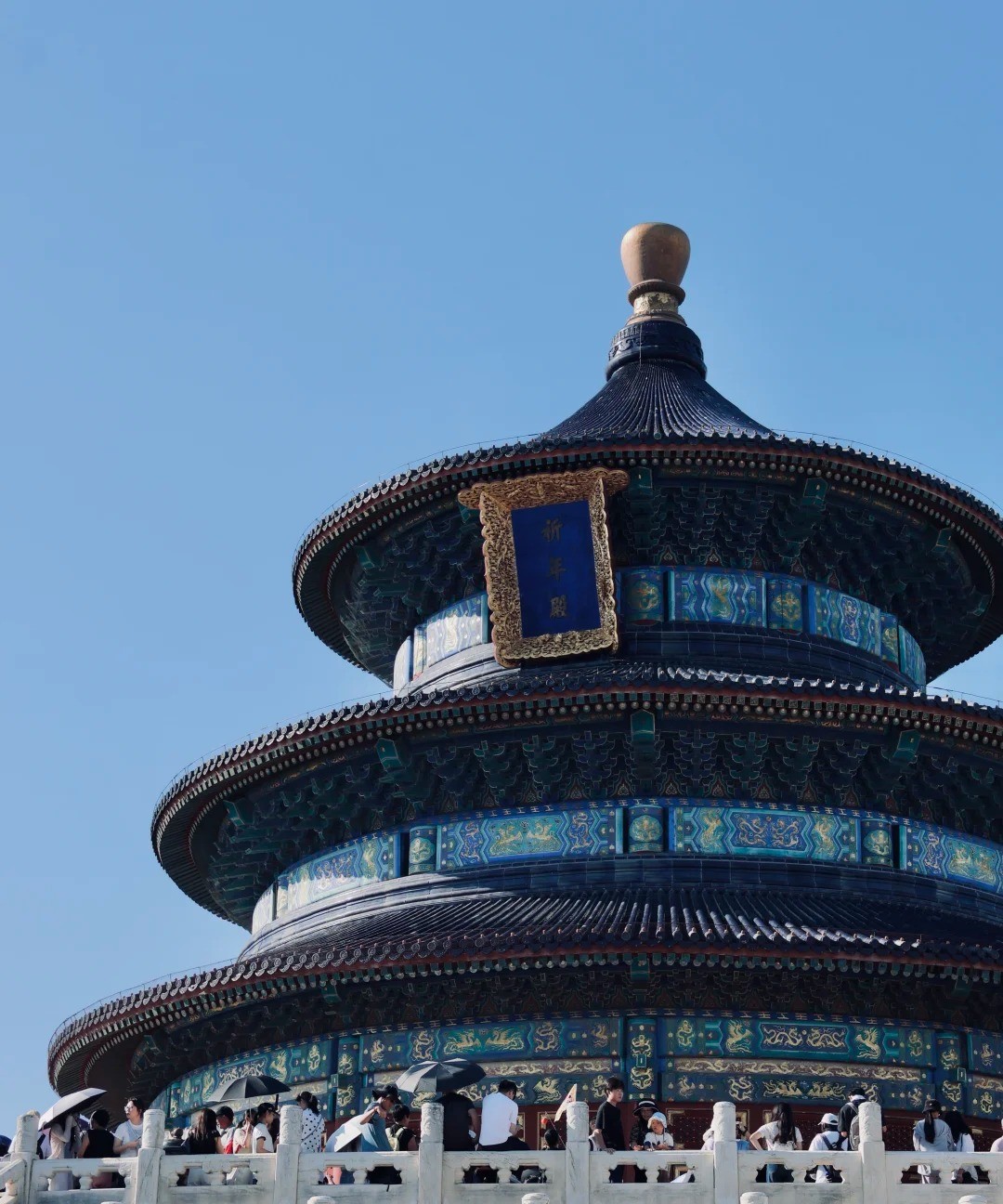
The Temple of Heaven, a UNESCO World Heritage Site and 5A scenic area in Beijing, is a roy…
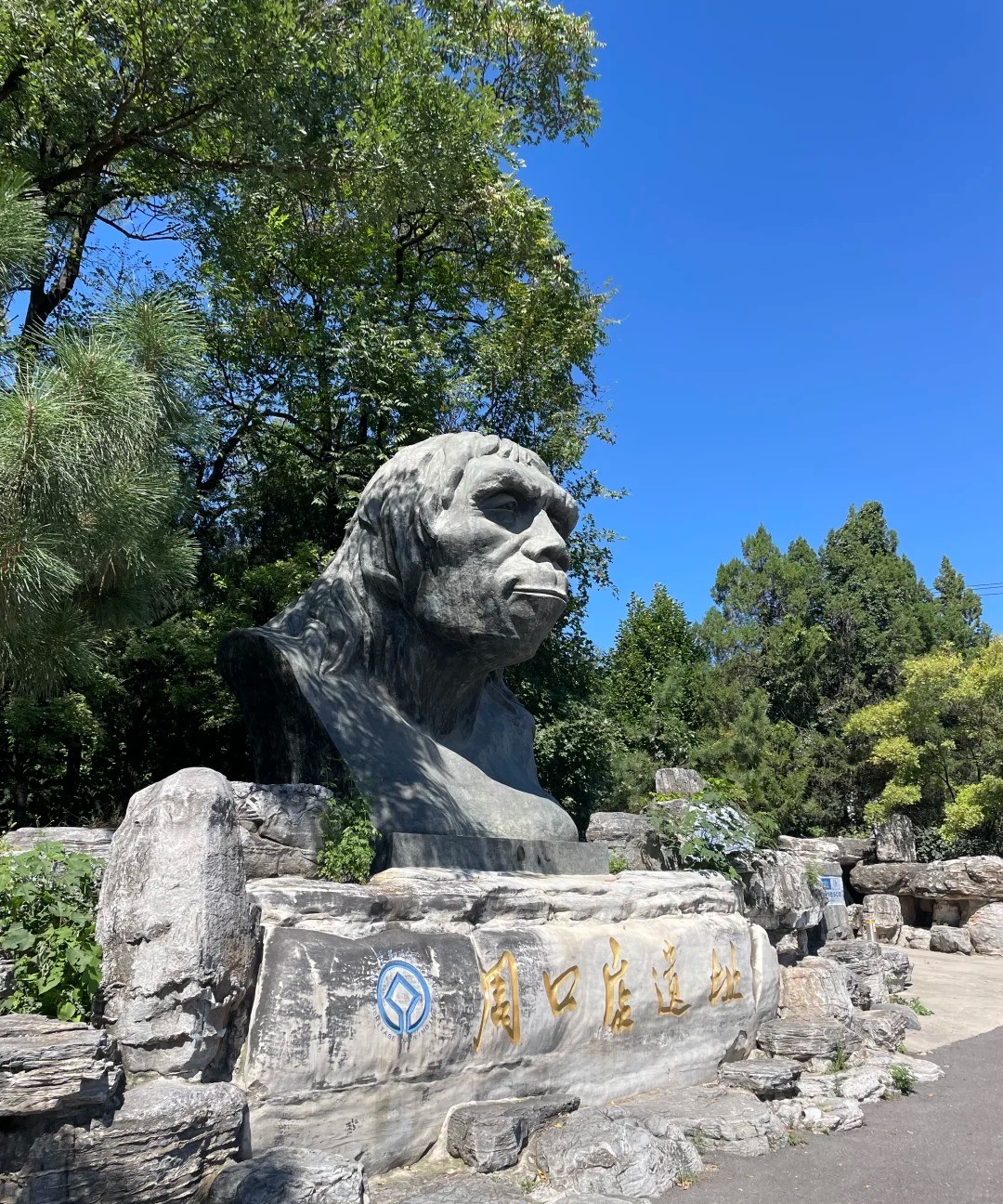
Zhoukoudian Peking Man Site, a World Cultural Heritage site in Beijing's Fangshan District…
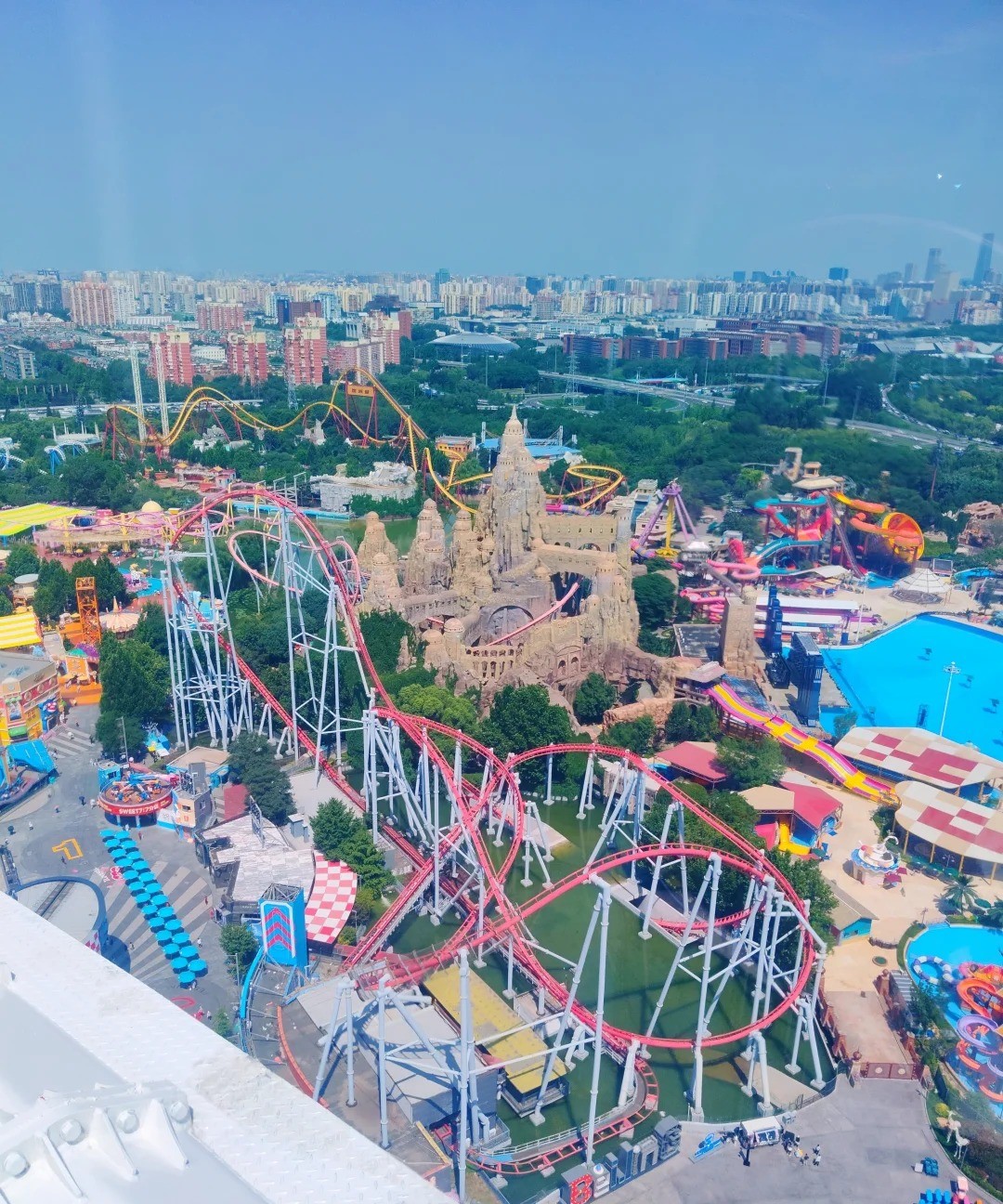
Beijing Happy Valley, a national 4A scenic spot, is the largest theme park cluster in Nort…
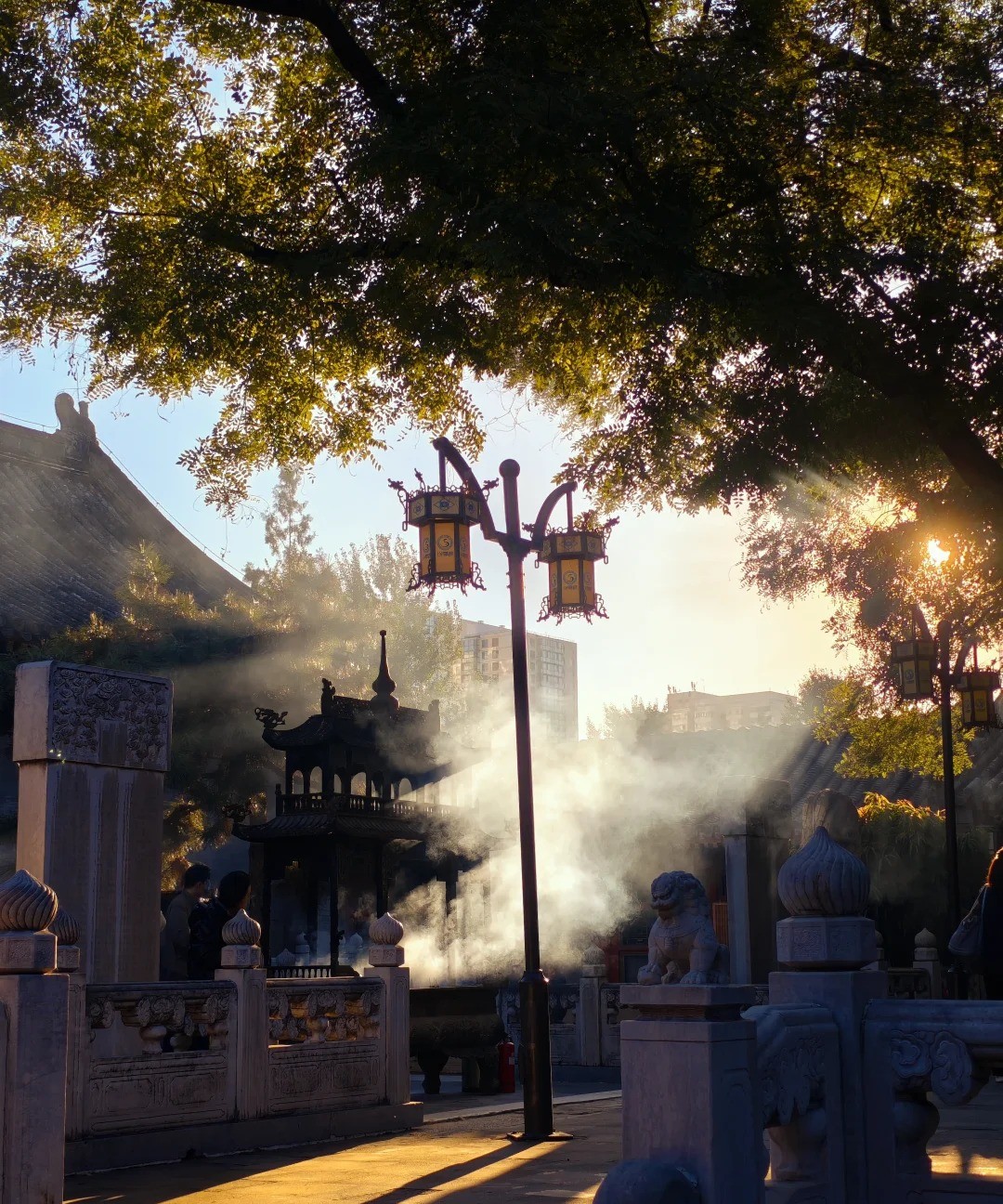
Beijing White Cloud Temple, the foremost temple of Quanzhen Taoism, first built in the Tan…
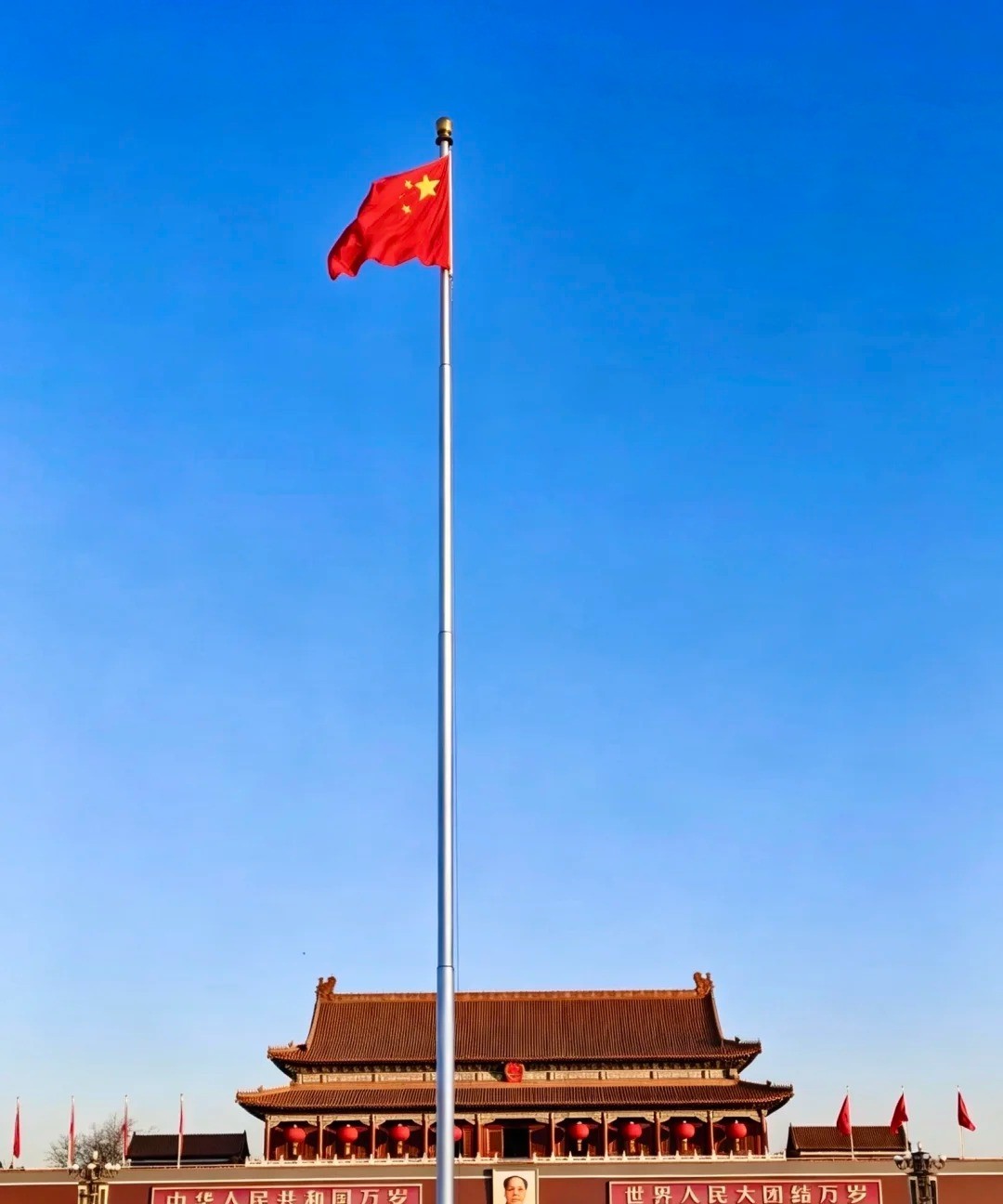
Tiananmen Square in Beijing is the world's largest city-center square, capable of holding …
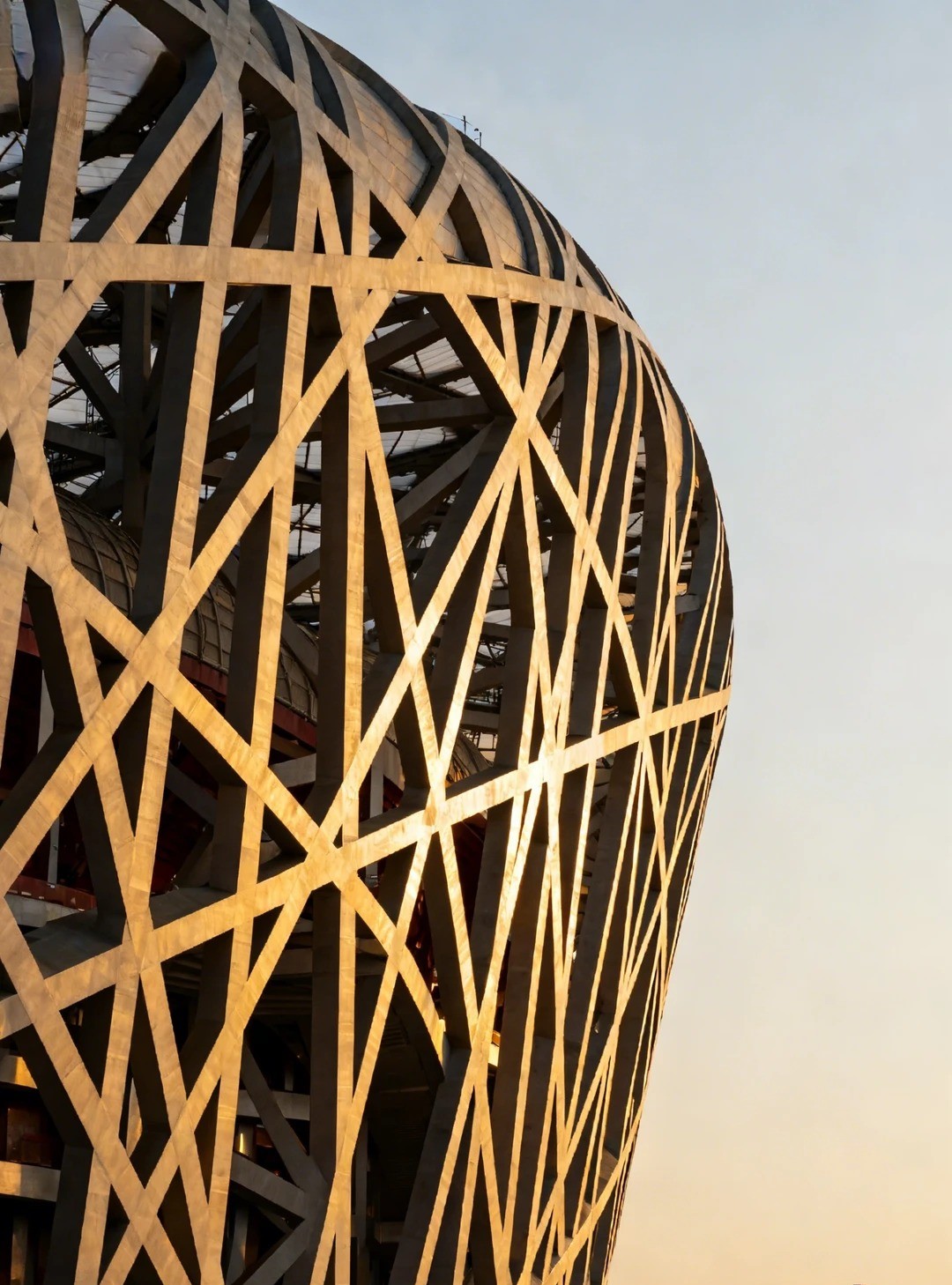
The National Stadium (Bird's Nest) is the main stadium of the 2008 Beijing Olympics, known…
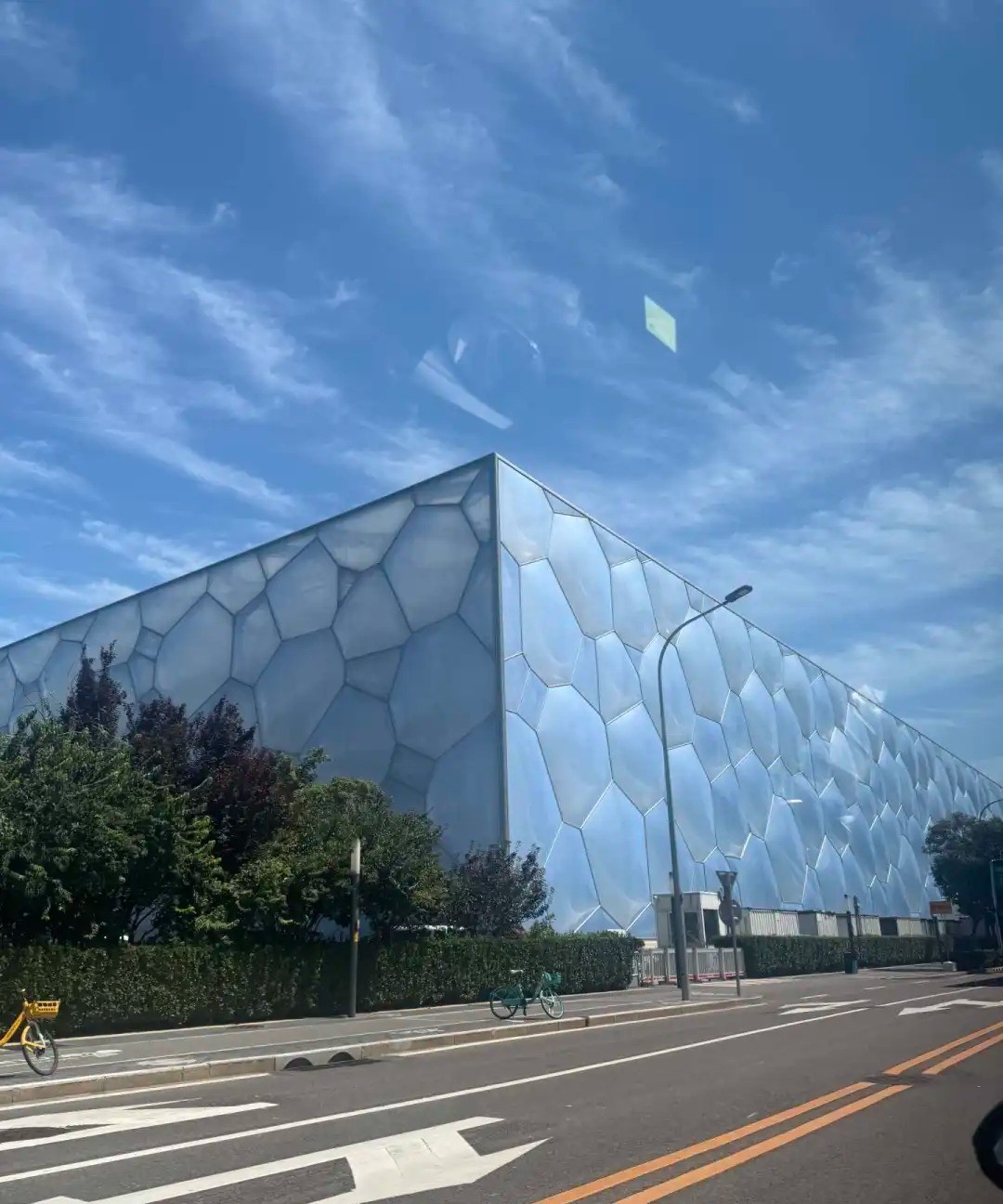
The National Aquatics Center (Water Cube) is a Beijing Olympic landmark, featuring a uniqu…
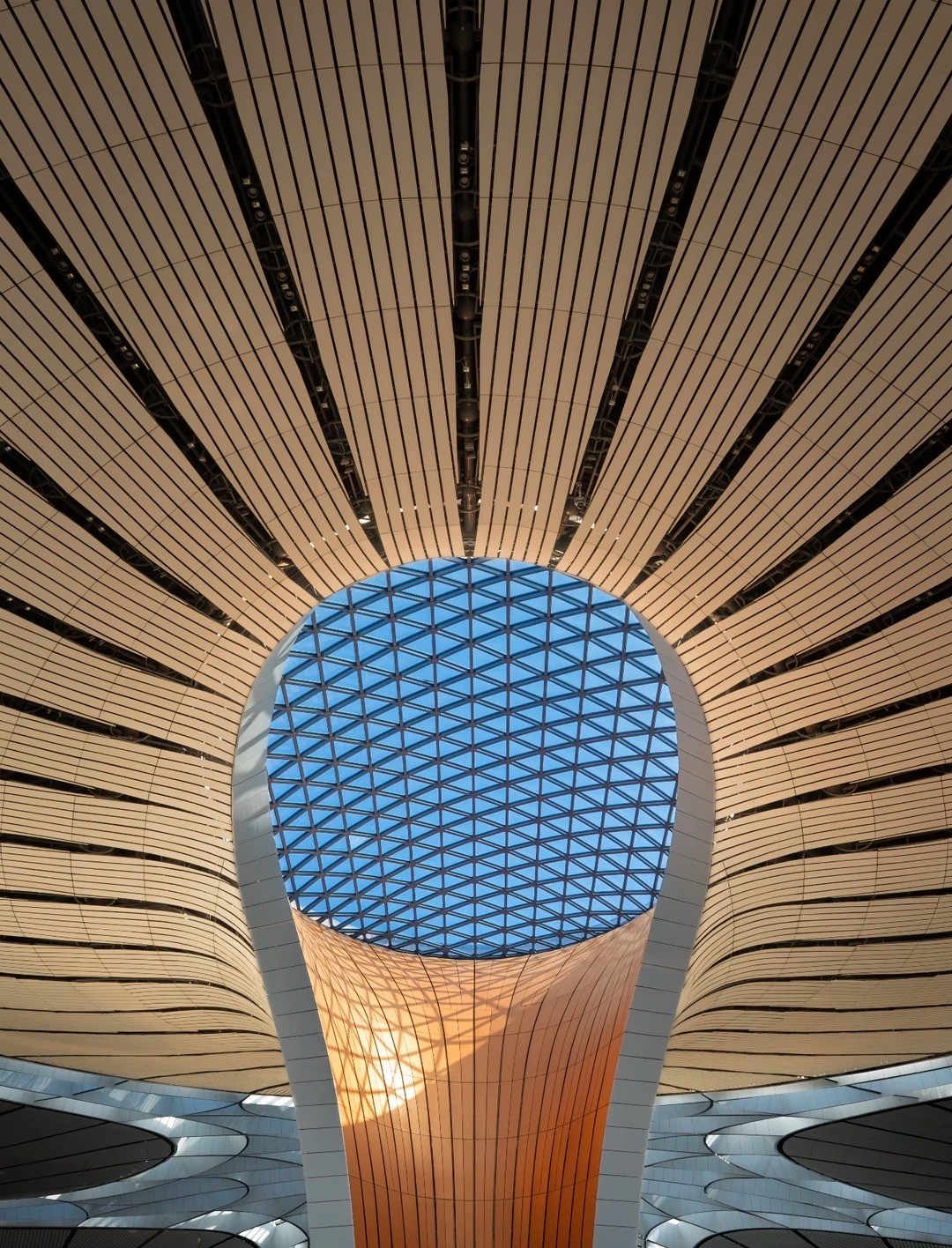
Beijing Daxing International Airport, the world's largest single-terminal airport, is hail…
BLOG