免费咨询旅行专家——定制行程、本地贴士、无忧规划。
通常24小时内回复
China Attractions
从世界遗产到隐秘村落,探索中国 294 个精选目的地
294 个景点
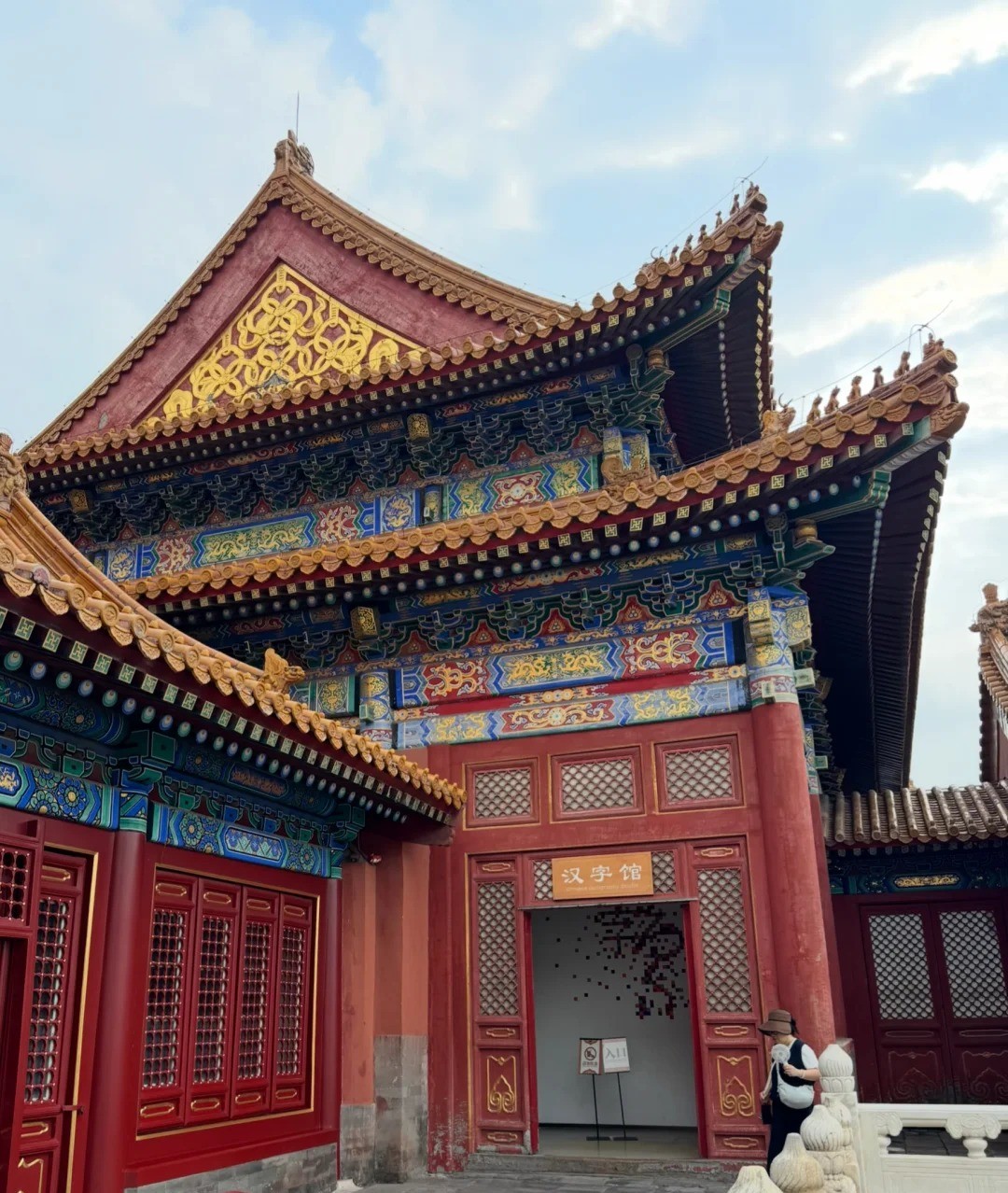
The Forbidden City, a UNESCO World Cultural Heritage site, served as the imperial palace for the Ming and Qing dynasties. As the world's largest wooden palace complex, it houses over a million artifacts, bearing witness to six hundred years of Chinese civilization.
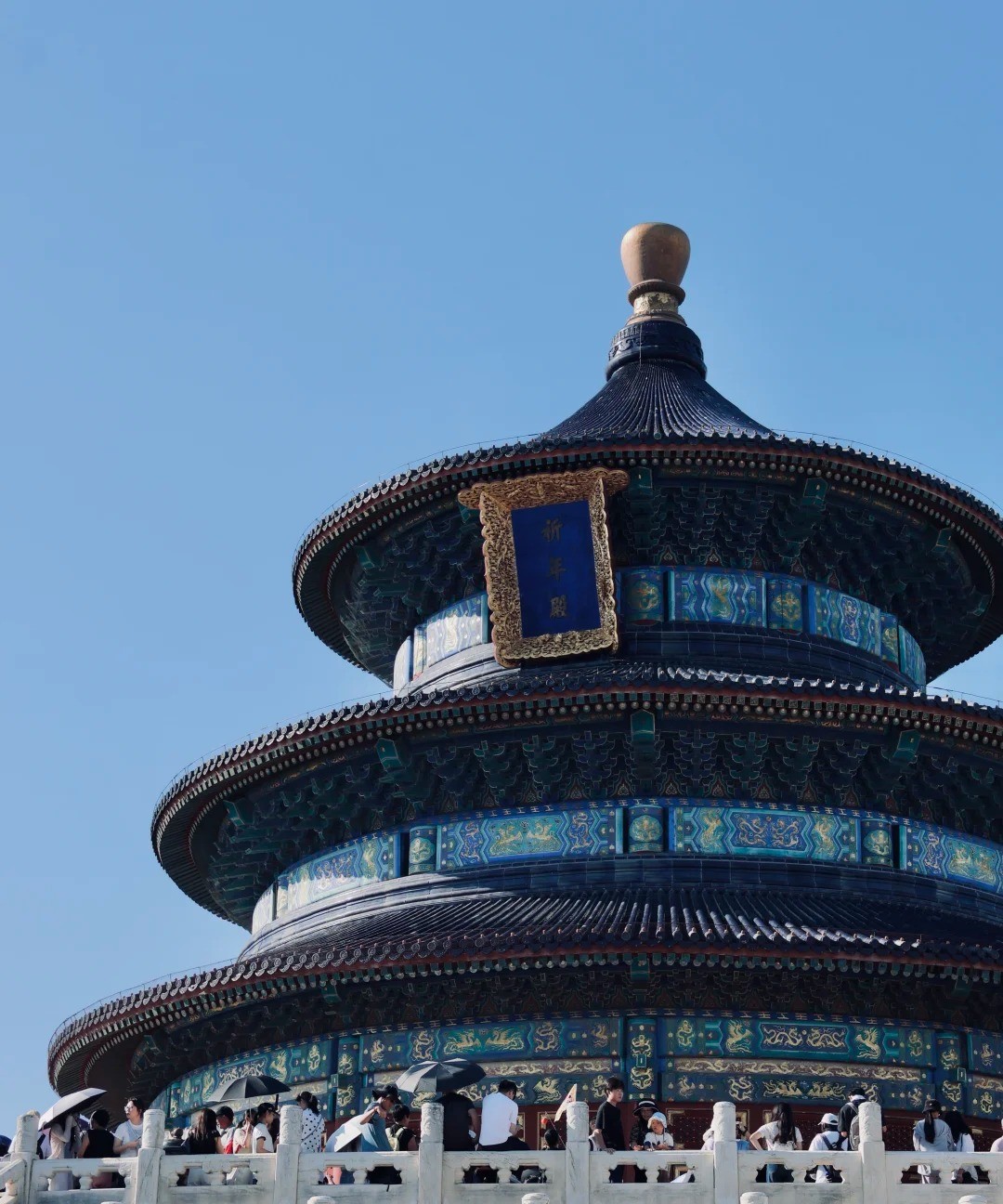
The Temple of Heaven, a UNESCO World Heritage Site, is a royal architectural complex where emperors of the Ming and Qing dynasties performed ceremonies to pray for good harvests and communicate with heaven. Its iconic Hall of Prayer for Good Harvests is a masterpiece of ancient architecture, perfectly embodying the philosophy of harmony between heaven and humanity.
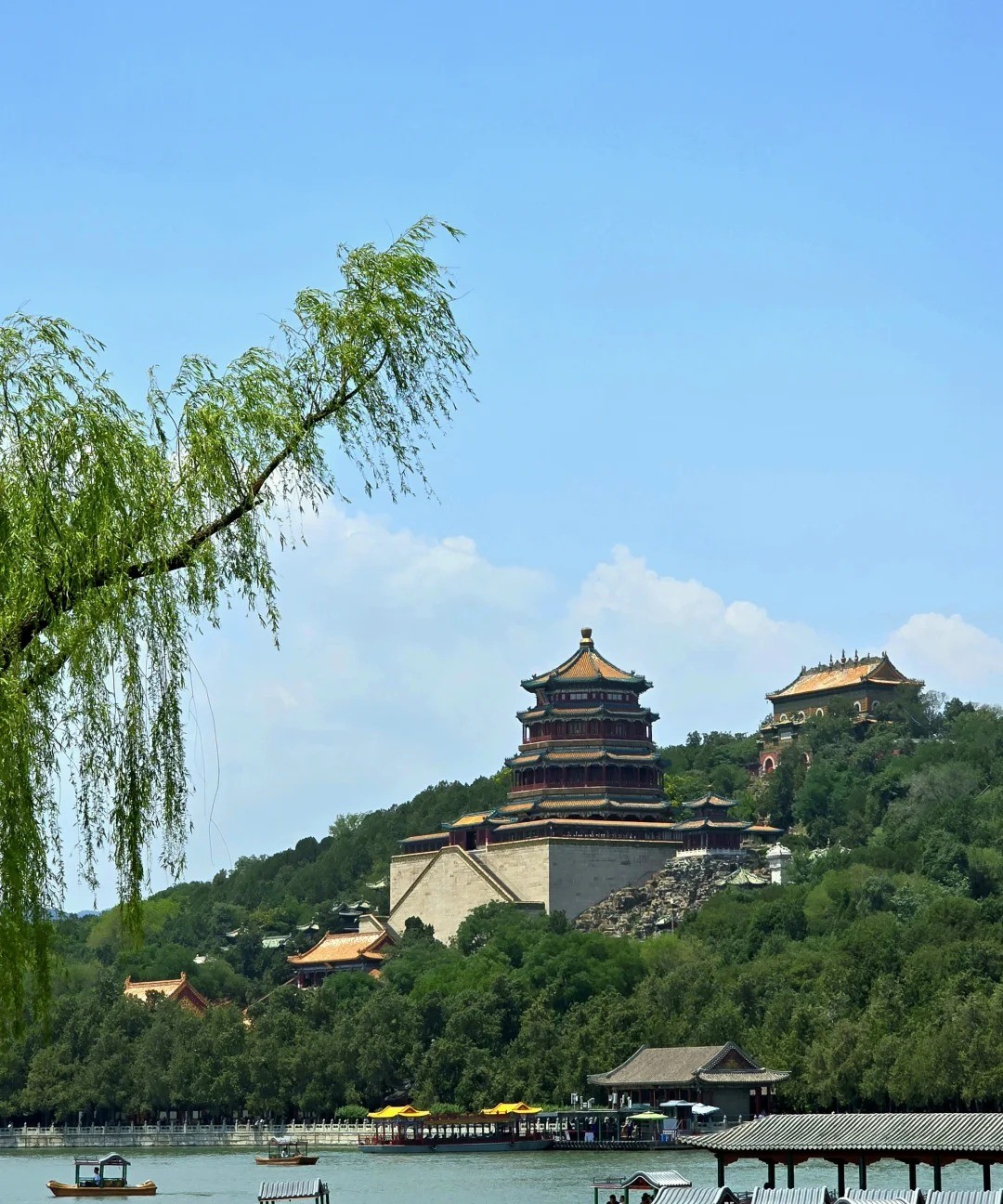
A UNESCO World Heritage Site and the epitome of Qing Dynasty imperial gardens, the Summer Palace features the Longevity Hill and Kunming Lake as its core, and boasts the world's longest gallery, the Long Corridor, showcasing imperial grandeur and Jiangnan charm.
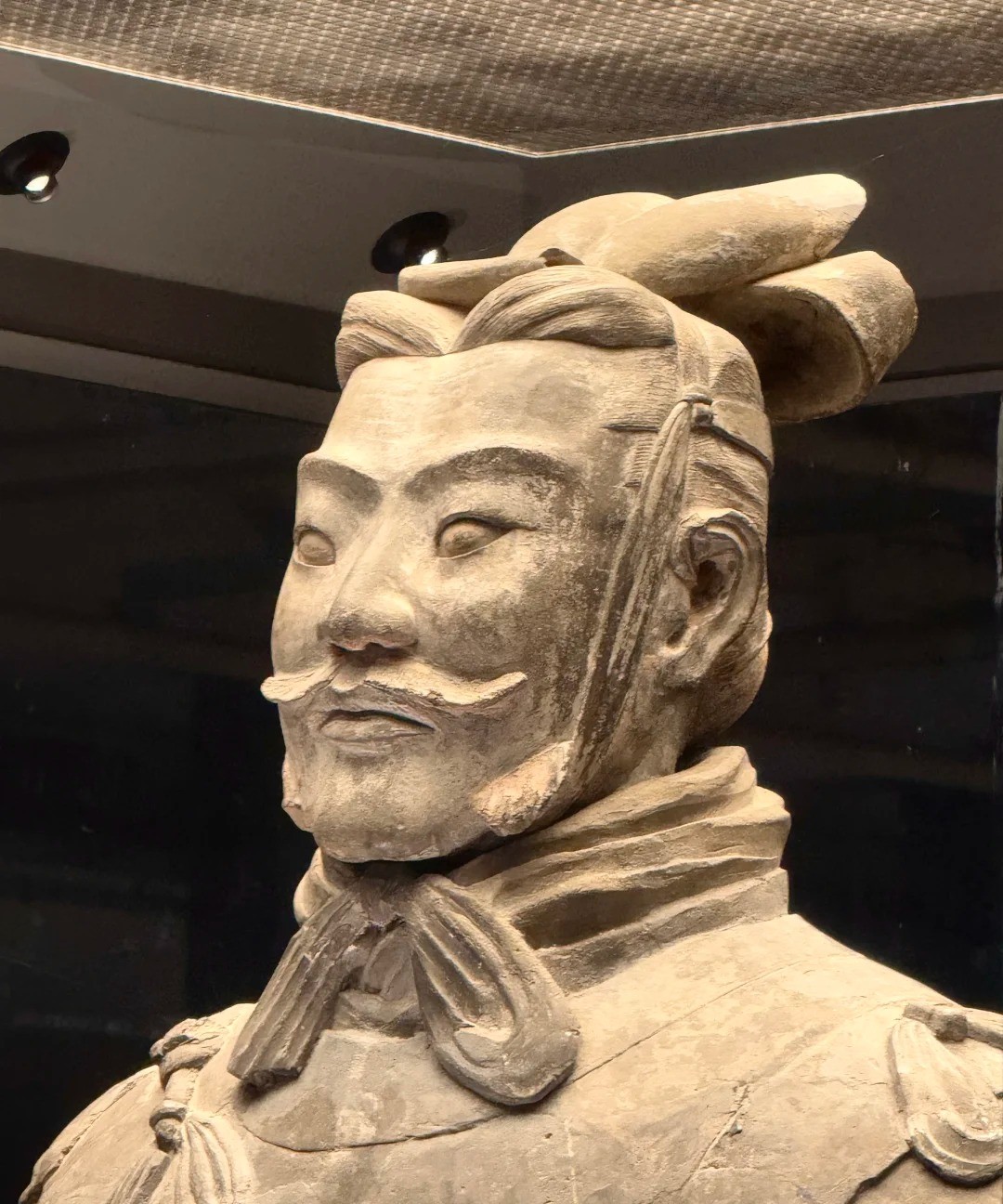
A UNESCO World Heritage Site, known as the 'Eighth Wonder of the World'. Thousands of life-sized Qin Dynasty terracotta warriors and horses, each with unique features, form a majestic underground army, recreating the grandeur of the Qin Empire.
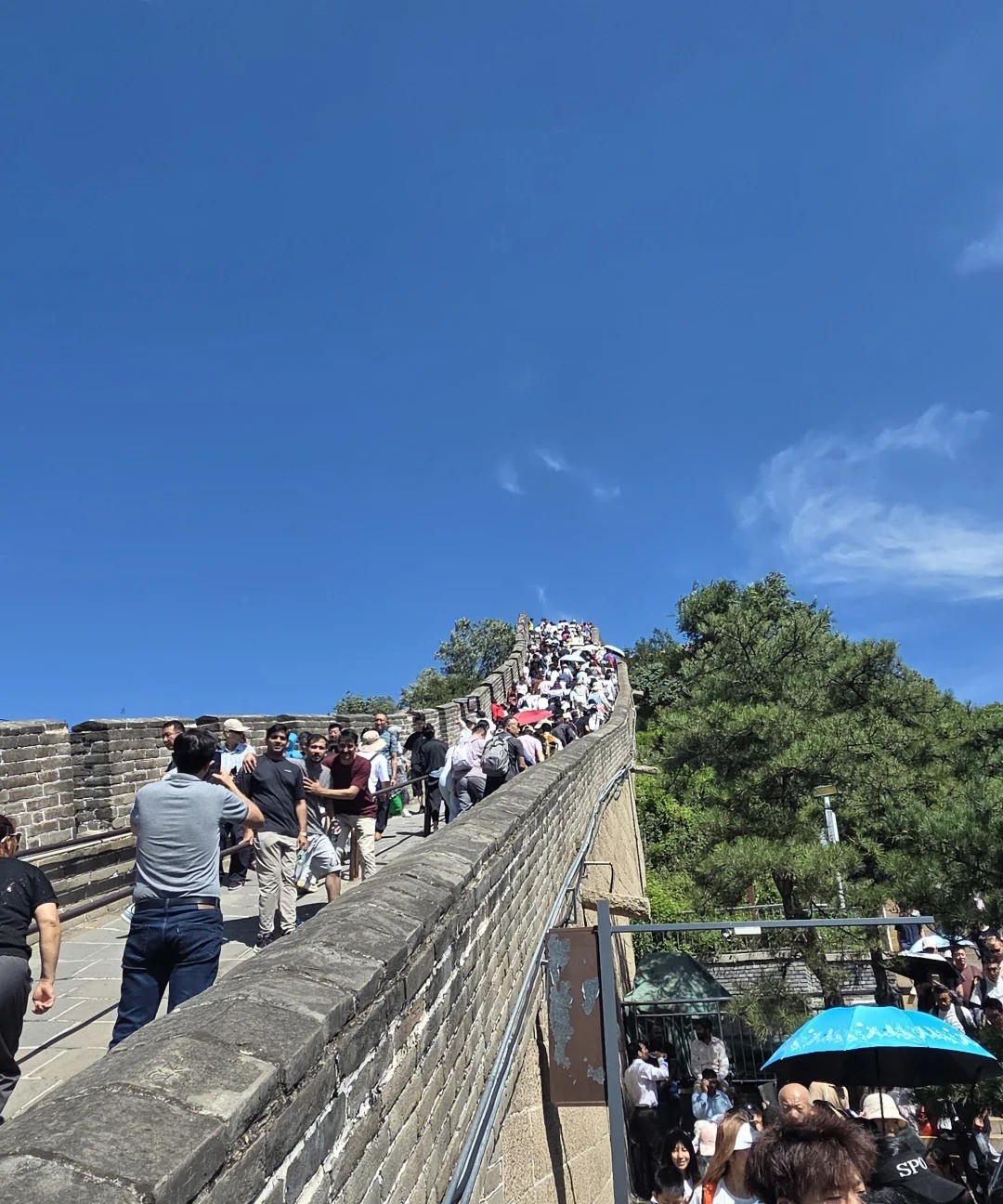
The Badaling Great Wall, a Ming Dynasty fortress, winds majestically through rugged mountains. Ascend the beacon towers to overlook the dragon-like wall and feel the weight of millennia and the spirit of the Chinese nation.
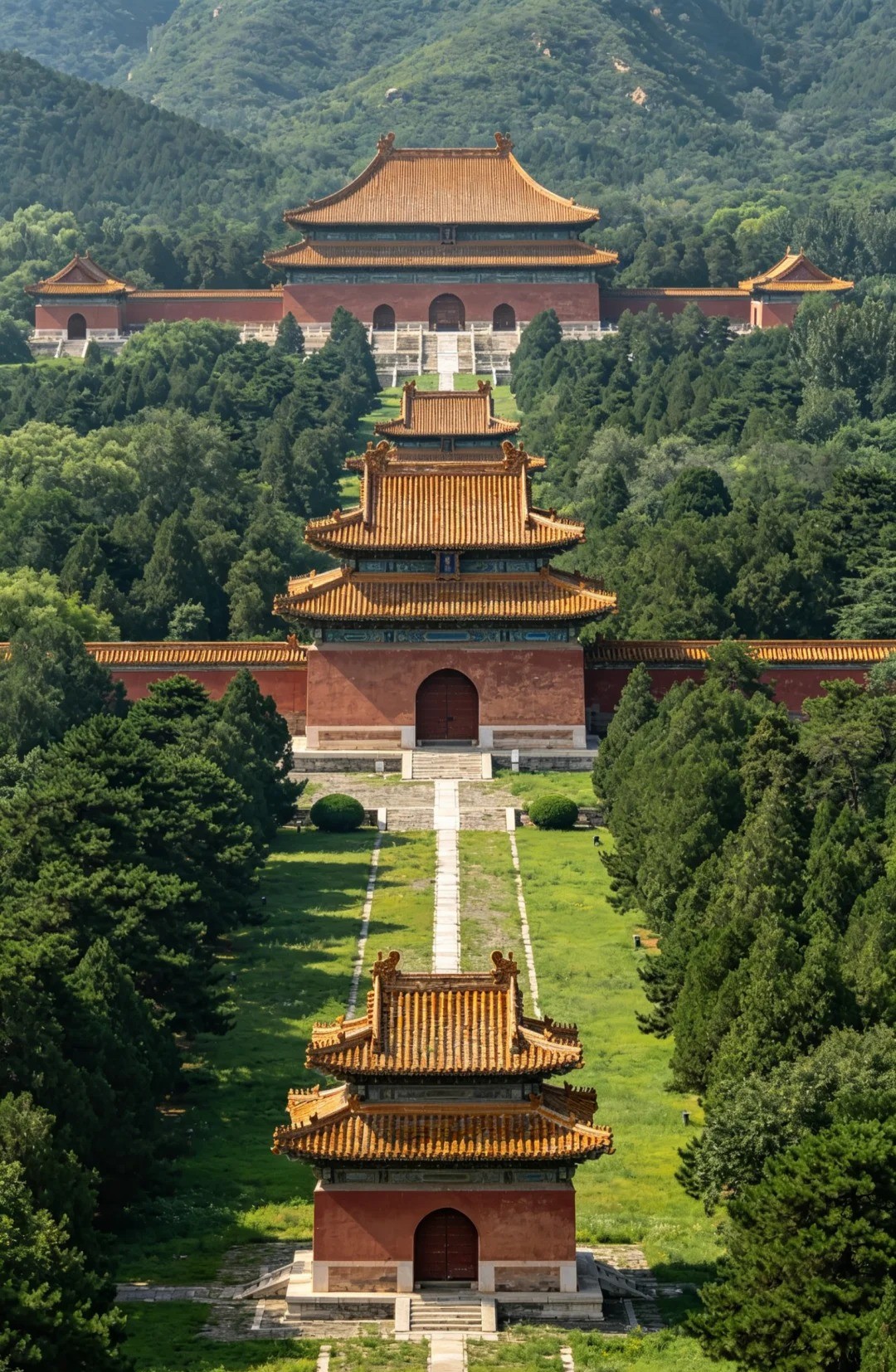
The Ming Tombs, a UNESCO World Heritage Site, is the burial complex of thirteen Ming Dynasty emperors. Nestled against Tianshou Mountain, the site features a grand layout, solemn stone statues along the Sacred Way, and the awe-inspiring underground palace of Dingling, showcasing imperial grandeur and historical depth.
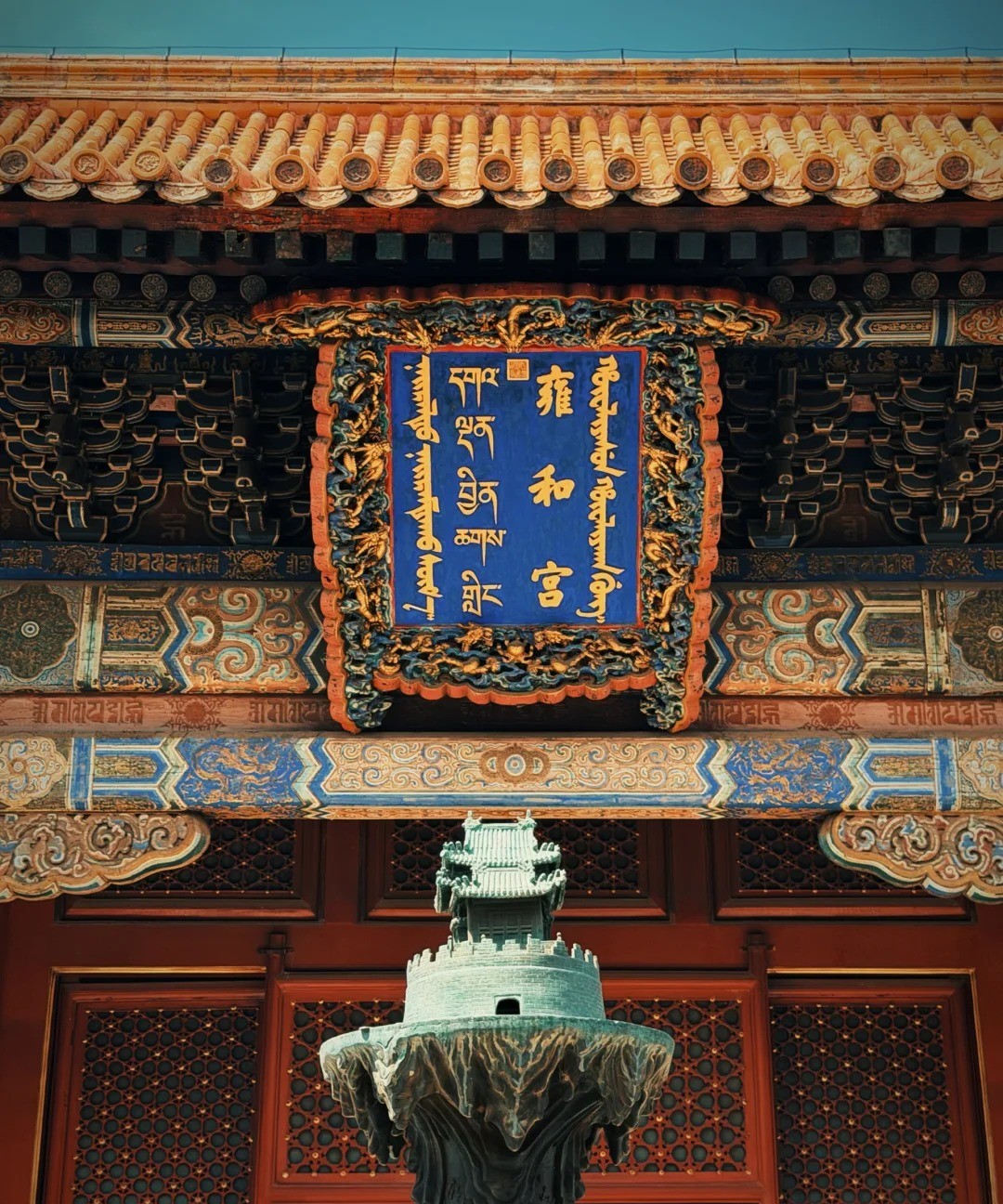
The Lama Temple, Beijing's largest Tibetan Buddhist temple, was originally the residence of Prince Yong and the birthplace of Emperor Qianlong. With its red walls and yellow tiles, it blends Han, Mongolian, and Tibetan architectural styles, making it a must-visit site for prayer and experiencing royal Buddhist culture.
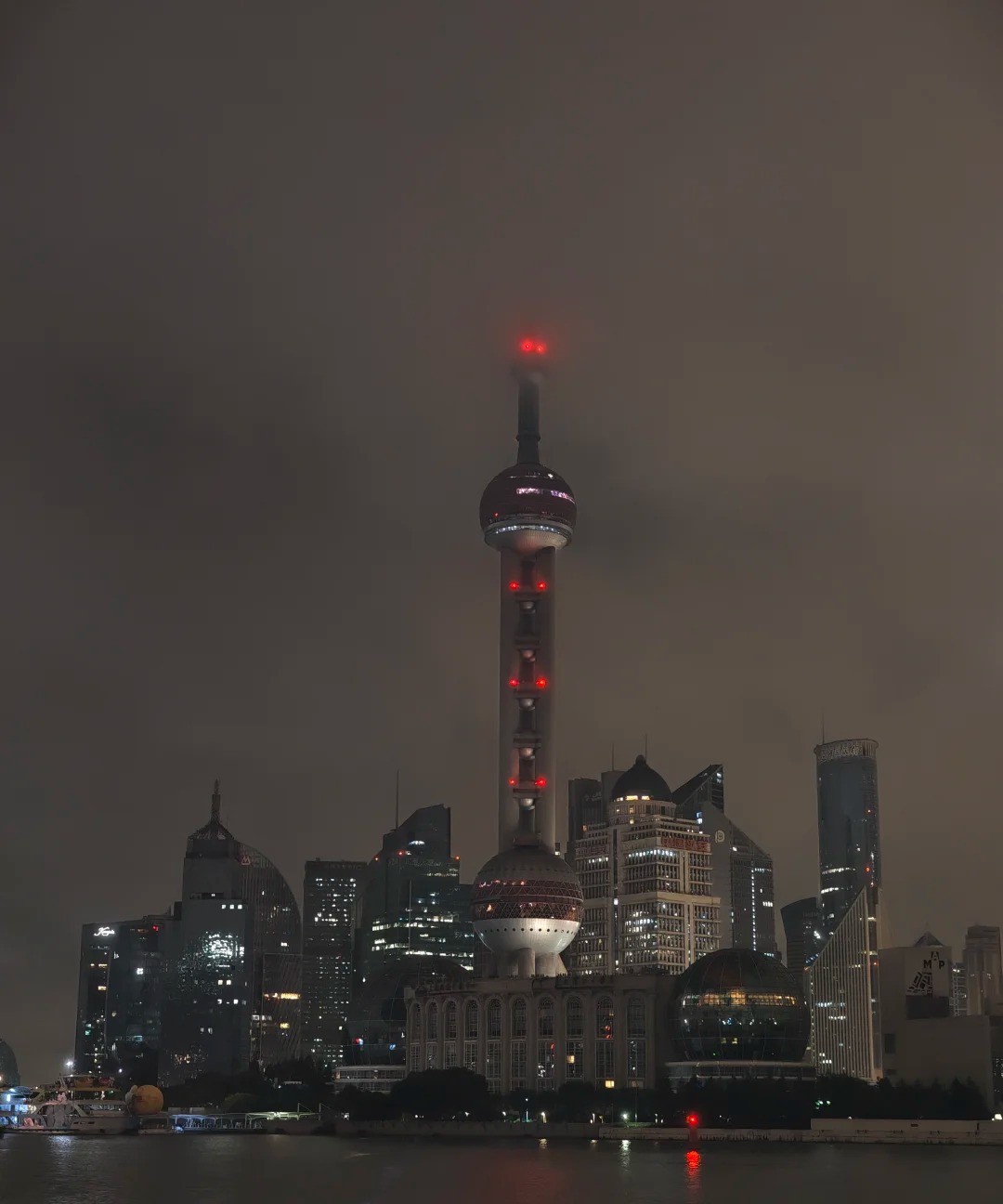
On the banks of the Huangpu River, the World Architecture Cluster faces the Lujiazui skyline across the water. The century-old Bund bears witness to Shanghai's transformation from a bustling foreign concession to an international metropolis. Stroll along here to feel the blend of history and modernity.
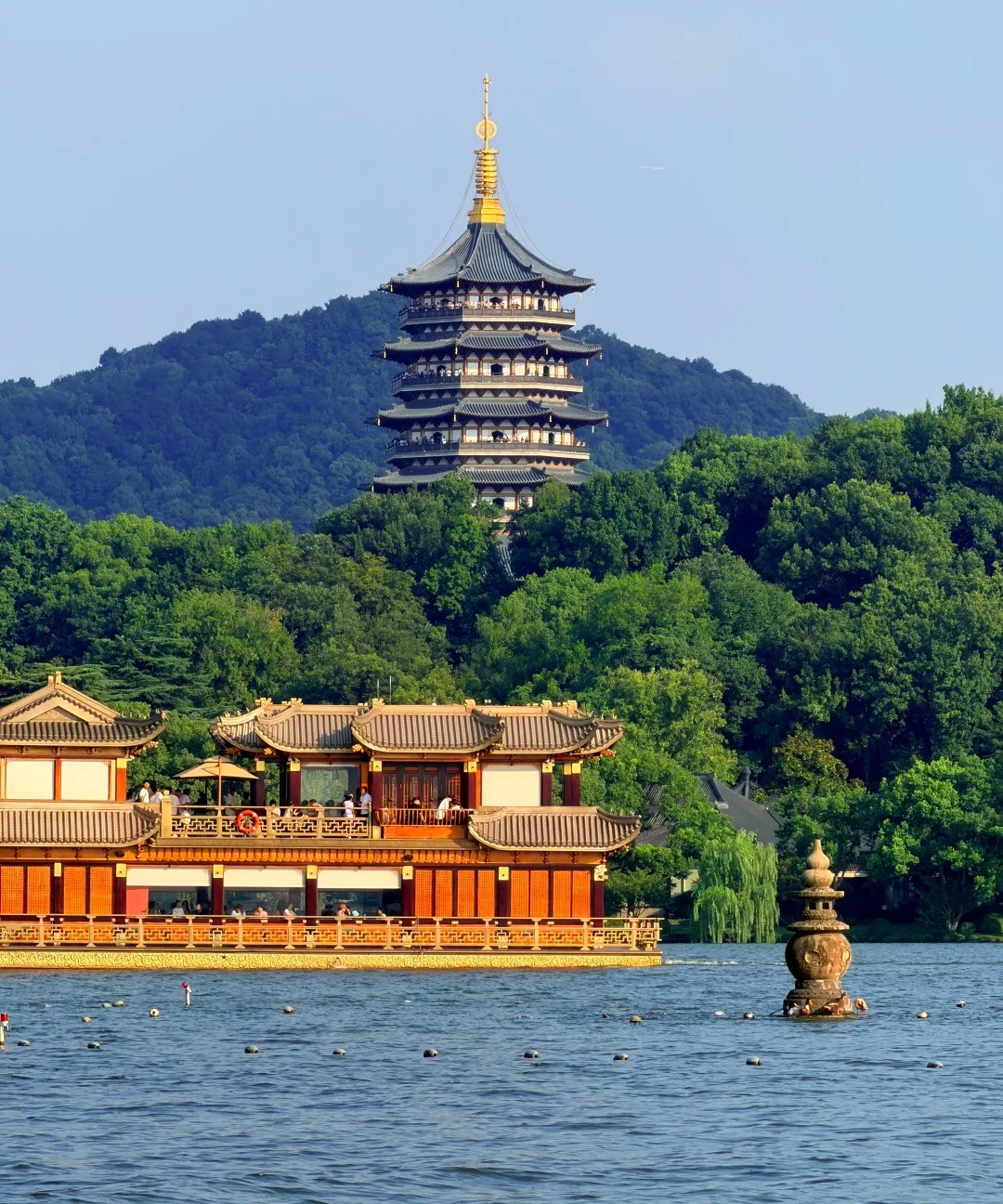
West Lake, the pearl of Hangzhou, is surrounded by clouds and mountains on three sides and a city on one side. With iconic scenes like Broken Bridge with Remnant Snow, Leifeng Pagoda in Evening Glow, and Su Causeway in Spring Dawn, it is picturesque in all seasons. Boating on the lake, savoring Longjing tea, and listening to thousand-year-old legends, you can fully enjoy the poetry and tranquility of this earthly paradise.
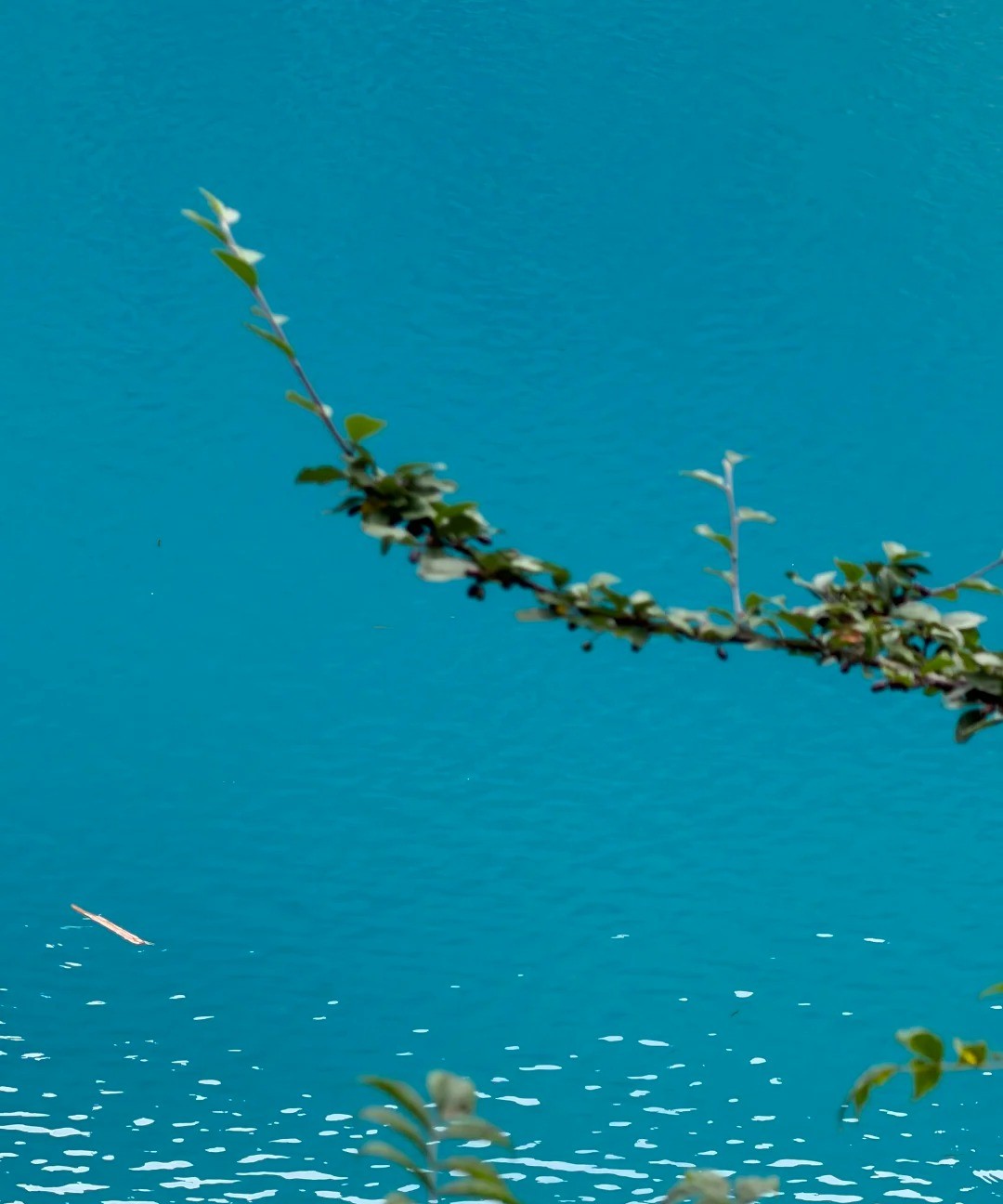
Jiuzhaigou, a fairyland on earth, is renowned for its six wonders: emerald lakes, layered waterfalls, colorful forests, snow peaks, Tibetan customs, and blue ice. Water is the soul, with lakes, springs, waterfalls, and shoals connected in a dynamic and tranquil combination, ever-changing, earning it the title 'Fairy Tale World'.
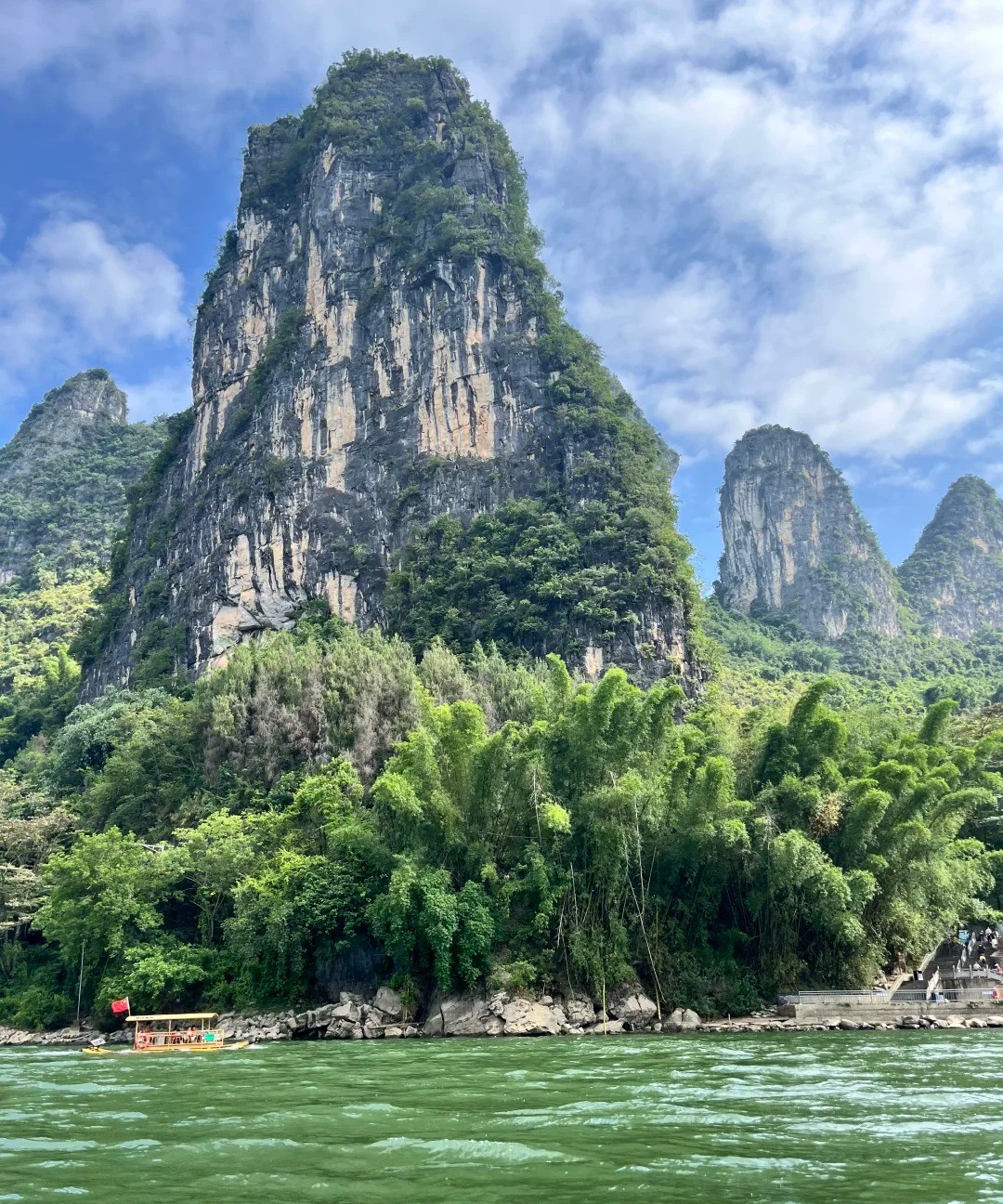
The Li River in Guilin is renowned as the most beautiful scenery under heaven. With its winding emerald waters and layered green peaks, it presents a picturesque landscape. Drifting on a bamboo raft, you can admire the Nine Horses Fresco Hill and the Reflection of Yellow Cloth, experiencing the poetic charm of 'sailing on the blue waves, wandering in a painting.'
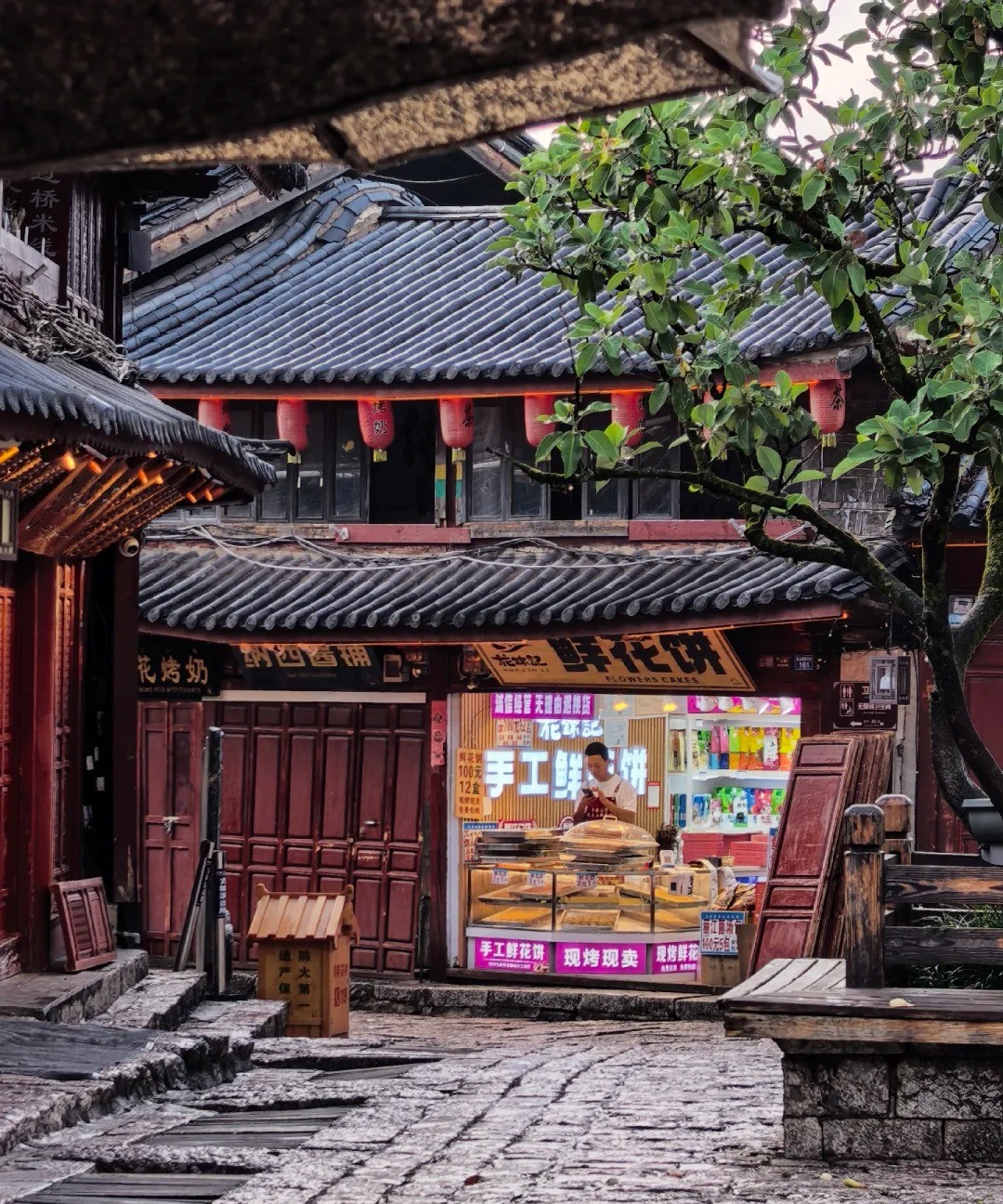
Lijiang Old Town, a pearl on the Ancient Tea Horse Road, features small bridges, flowing water, and Naxi charm. Winding bluestone paths and ancient wooden buildings exude timeless elegance, set against the backdrop of snow-capped mountains, where time slows to a poetic pace.
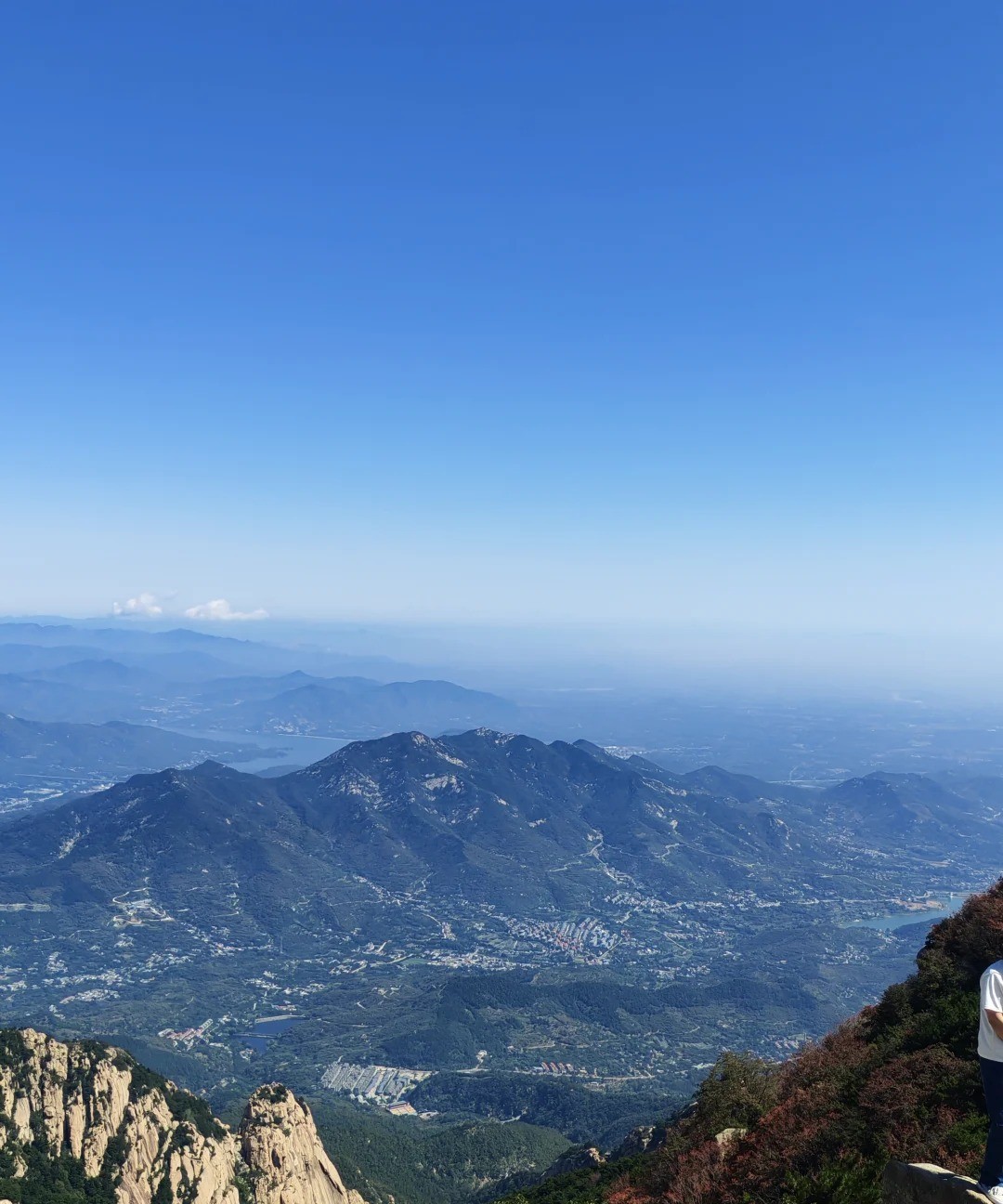
Mount Tai, the first of the Five Great Mountains, is renowned for its majestic and precipitous scenery. Ascending to the summit offers views of seas of clouds and sunrises, evoking the grandeur of 'reaching the peak'. It was the site of imperial Fengshan ceremonies, with stone inscriptions scattered throughout, blending nature and culture as a symbol of the Chinese spirit.
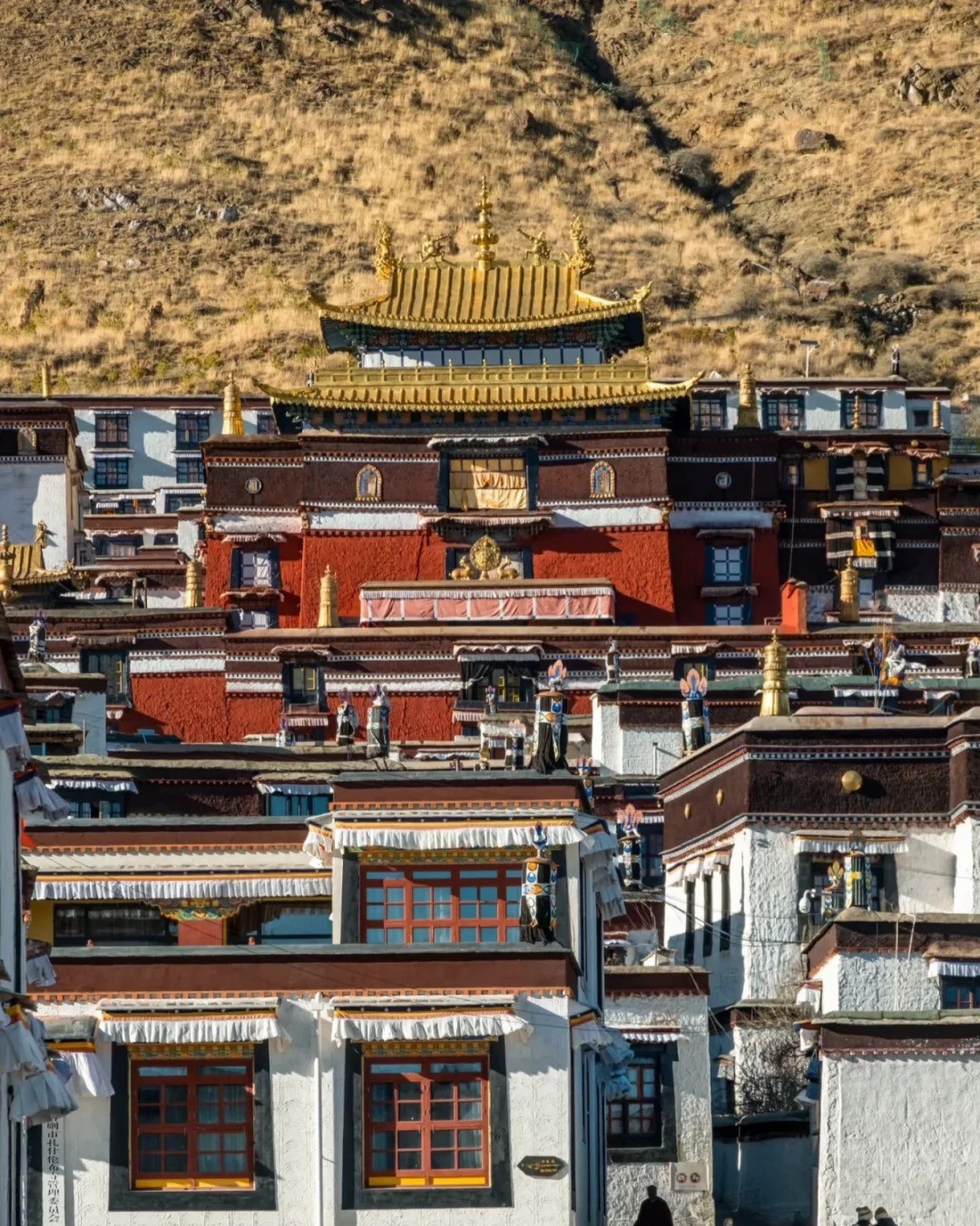
Zhangjiajie National Forest Park is renowned for its towering quartz sandstone pillars and crystal-clear streams, creating a misty, ethereal landscape. The park offers a perfect blend of natural wonders and wild experiences, with the Golden Whip Stream winding through and macaques playing in the forests. Explore the filming location of Avatar and marvel at the awe-inspiring beauty of this World Natural Heritage site.
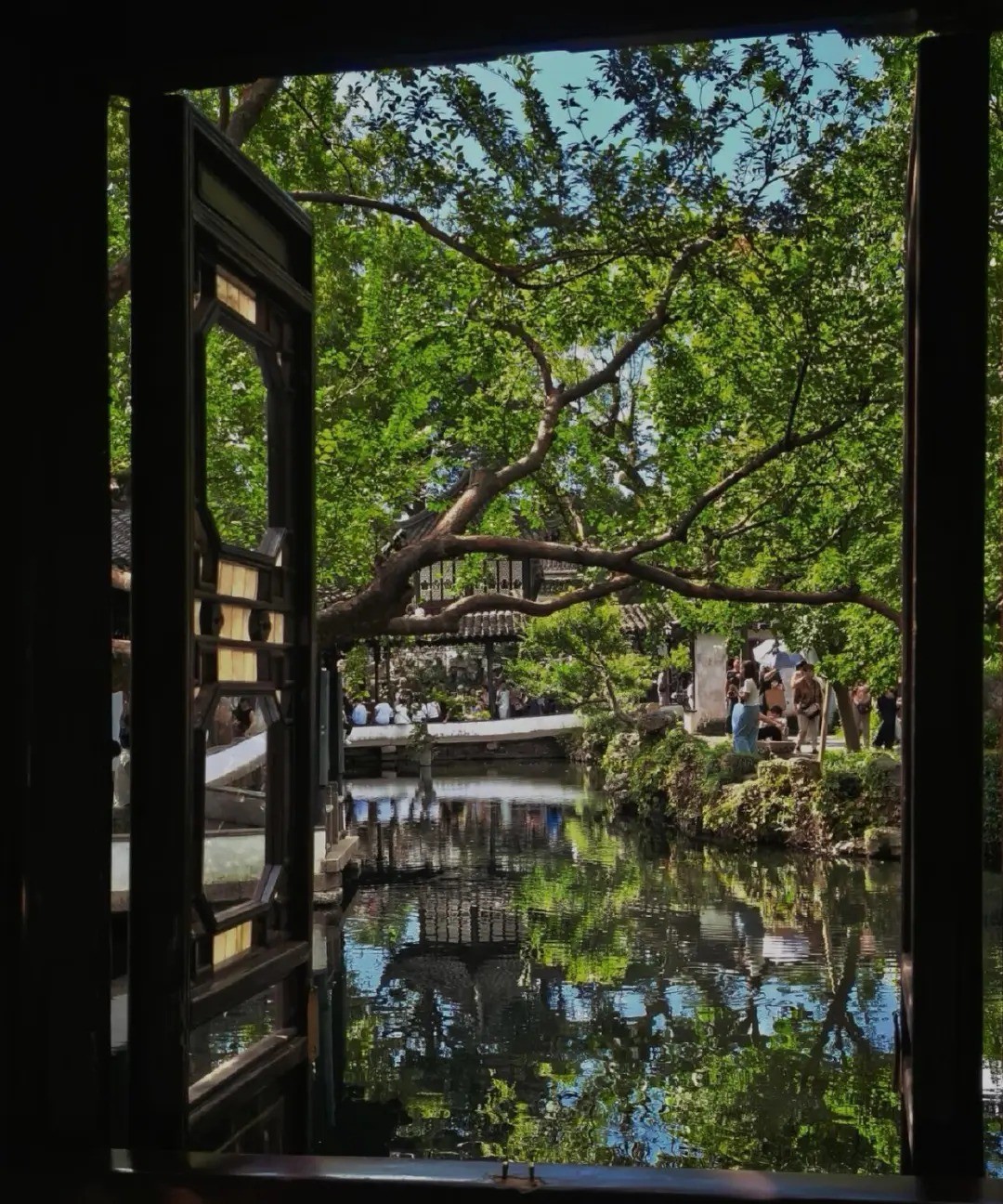
The Humble Administrator's Garden is a masterpiece of classical Chinese gardens, renowned for its water-centric design, elegant pavilions, and lush vegetation. Its ingenious use of borrowed scenery and contrasting views showcases the refined aesthetics and poetic charm of Jiangnan gardens.
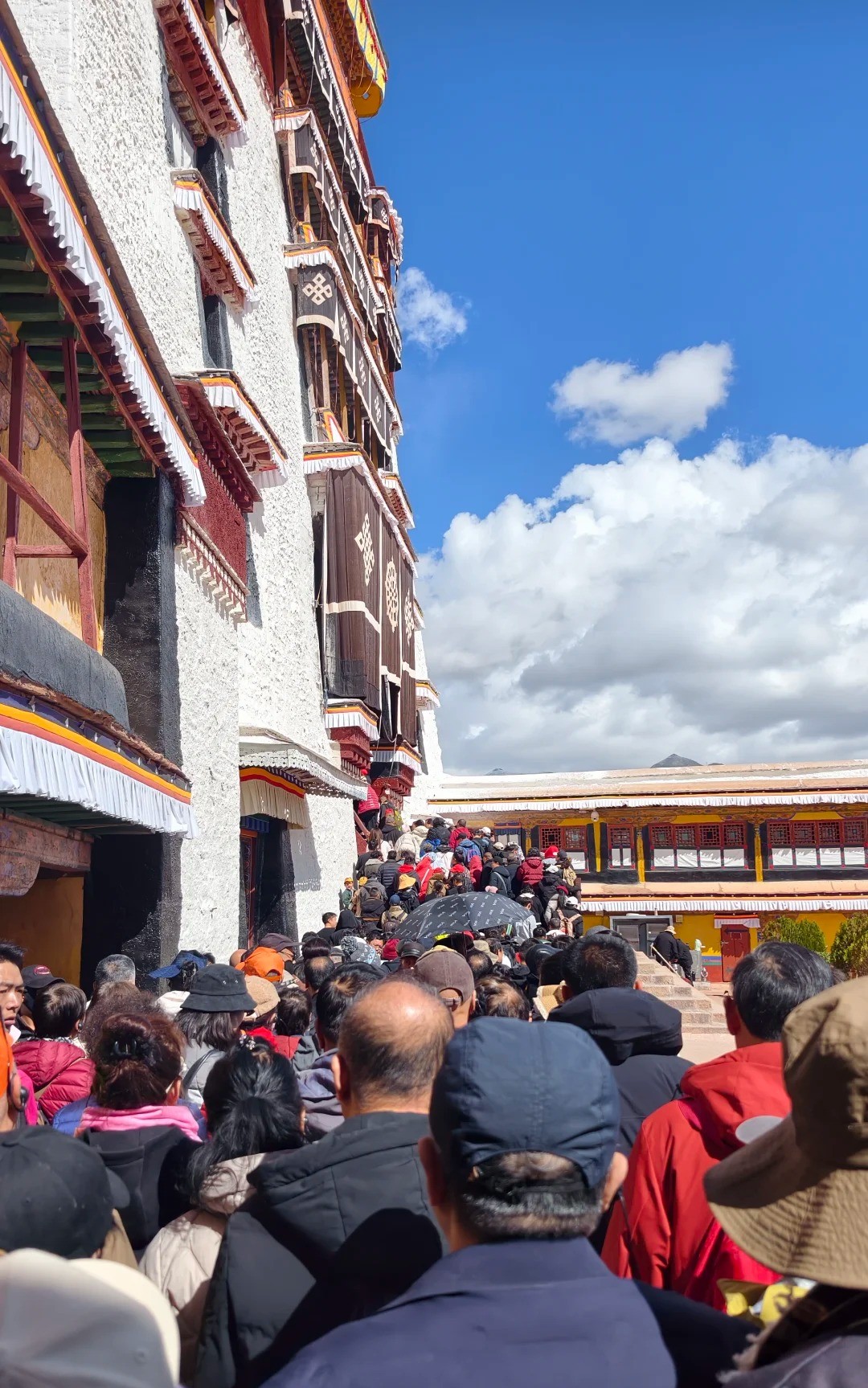
The Potala Palace, a pearl on the roof of the world, is a sacred site of Tibetan Buddhism. This red-and-white fortress, built into the mountainside with gleaming golden roofs, houses countless cultural relics and scriptures.
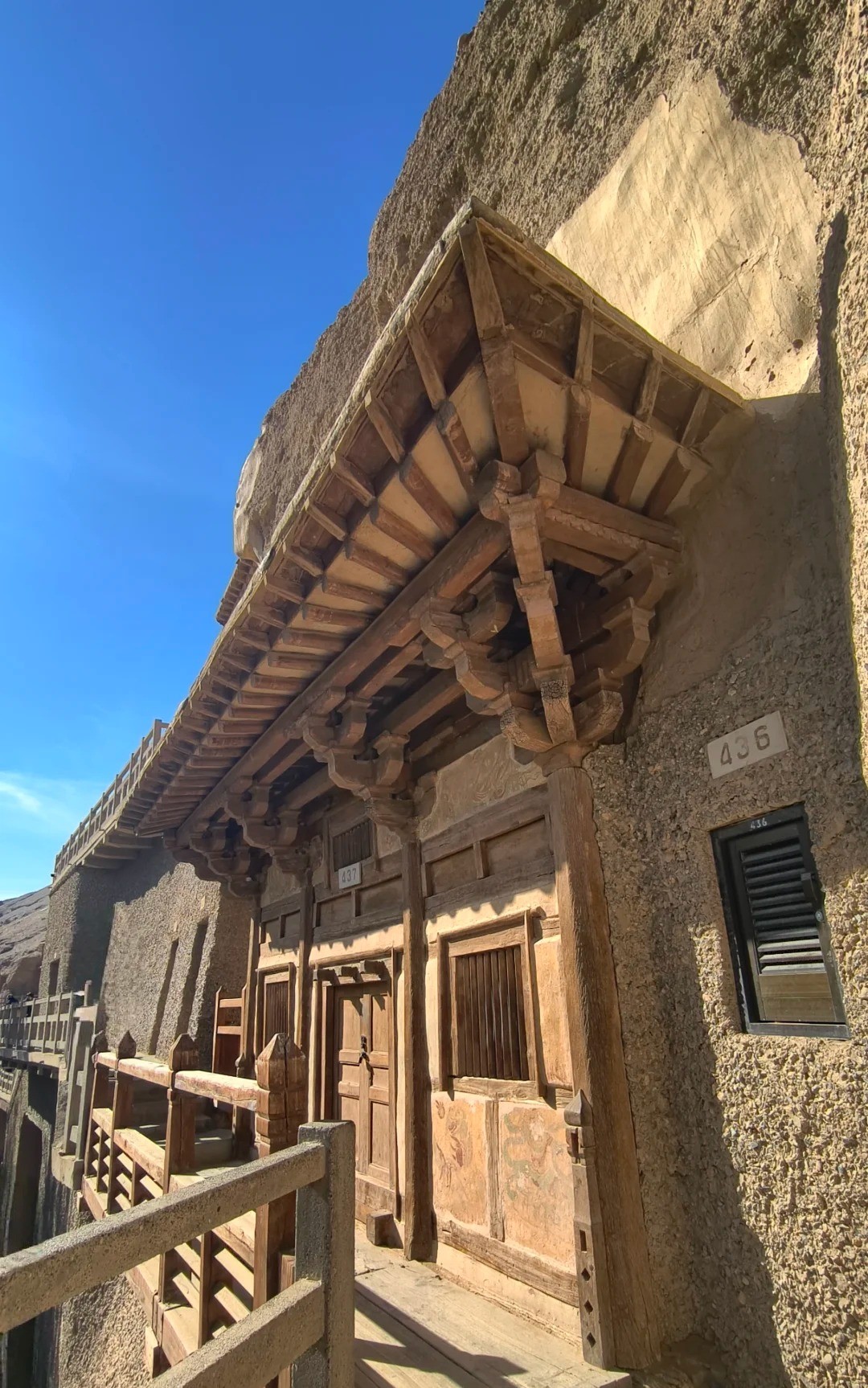
For a thousand years, Dunhuang has been a pearl on the Silk Road. In the Library Cave of the Mogao Caves, flying Apsaras dance across murals while Buddhist statues stand in silent meditation. Every stroke of pigment is a symphony of faith and art.
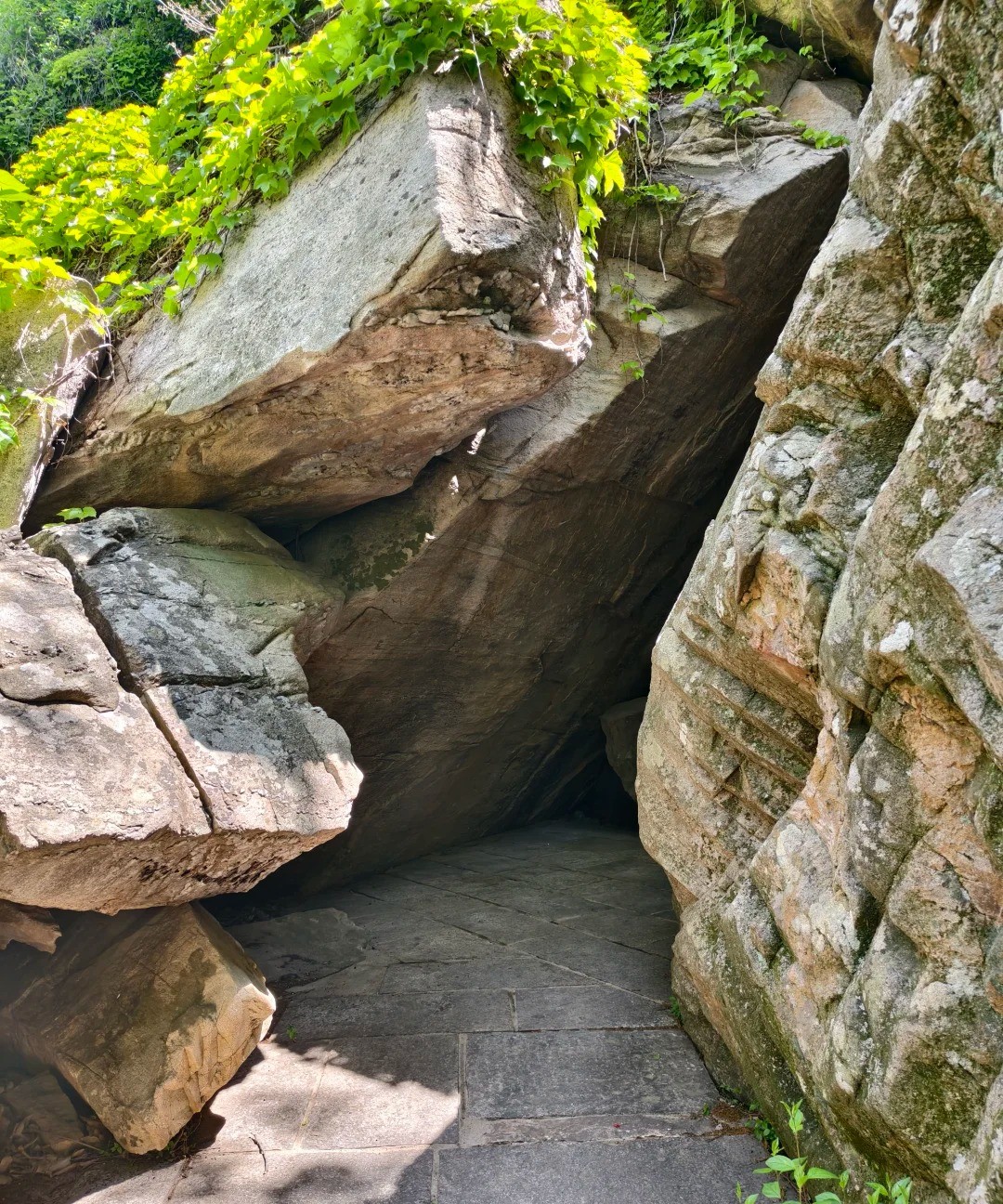
Huaguo Mountain, the peak of Lianyungang, blends myth and nature. Yunti Peak offers sea of clouds, Shuilian Cave hides legends, and macaques play in the woods. Climbing this mountain, you can trace the legacy of 'Journey to the West' and enjoy the wonders of all seasons, feeling the spirit of heaven and earth.
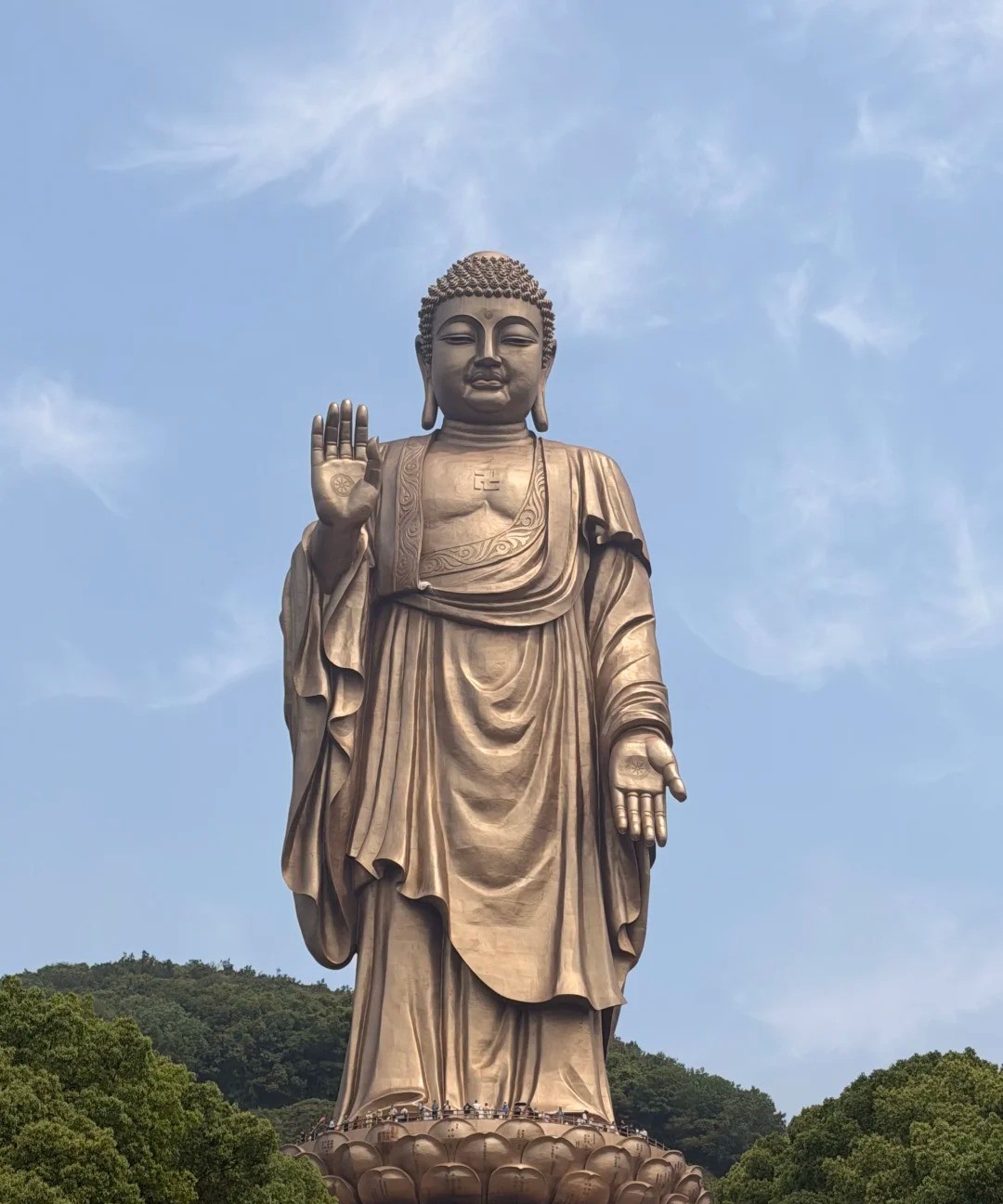
Lingshan Grand Buddha in Wuxi is an 88-meter-tall bronze statue, majestic and serene, backed by Lingshan Mountain and facing Taihu Lake. The scenic area integrates Buddhist culture with natural landscapes, featuring attractions like the Nine Dragons Bathing the Buddha and the Brahma Palace, making it an ideal place for prayer, tranquility, and experiencing Zen.
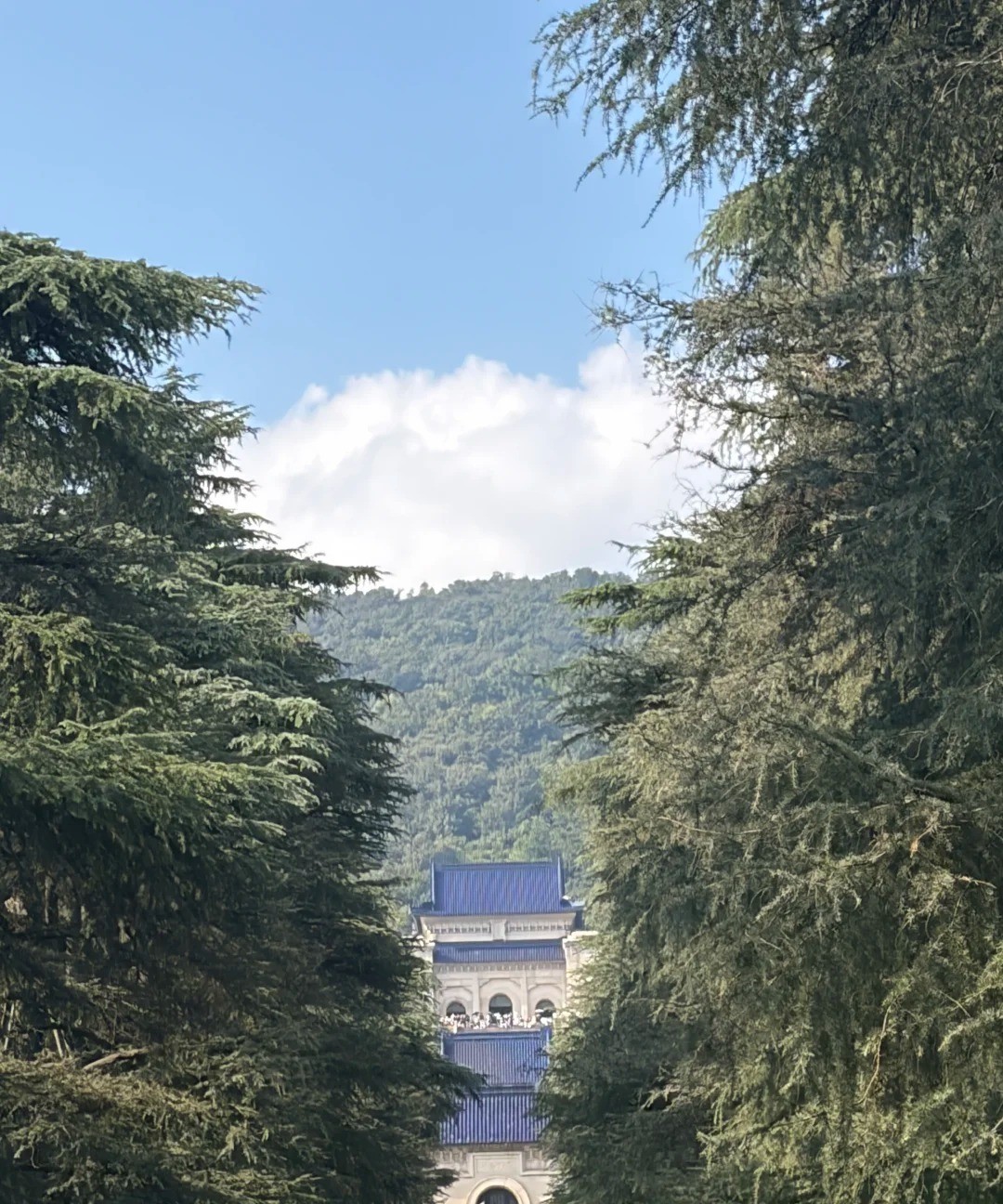
The Sun Yat-sen Mausoleum, resting place of Dr. Sun Yat-sen, is built against the Purple Mountain in Nanjing. Its 392 steps symbolize the Three Principles of the People and national unity. With blue tiles and white walls blending Chinese and Western styles, it offers panoramic views of the ancient capital and stands as a sacred site for remembering a great leader and reflecting on history.