免费咨询旅行专家——定制行程、本地贴士、无忧规划。
通常24小时内回复
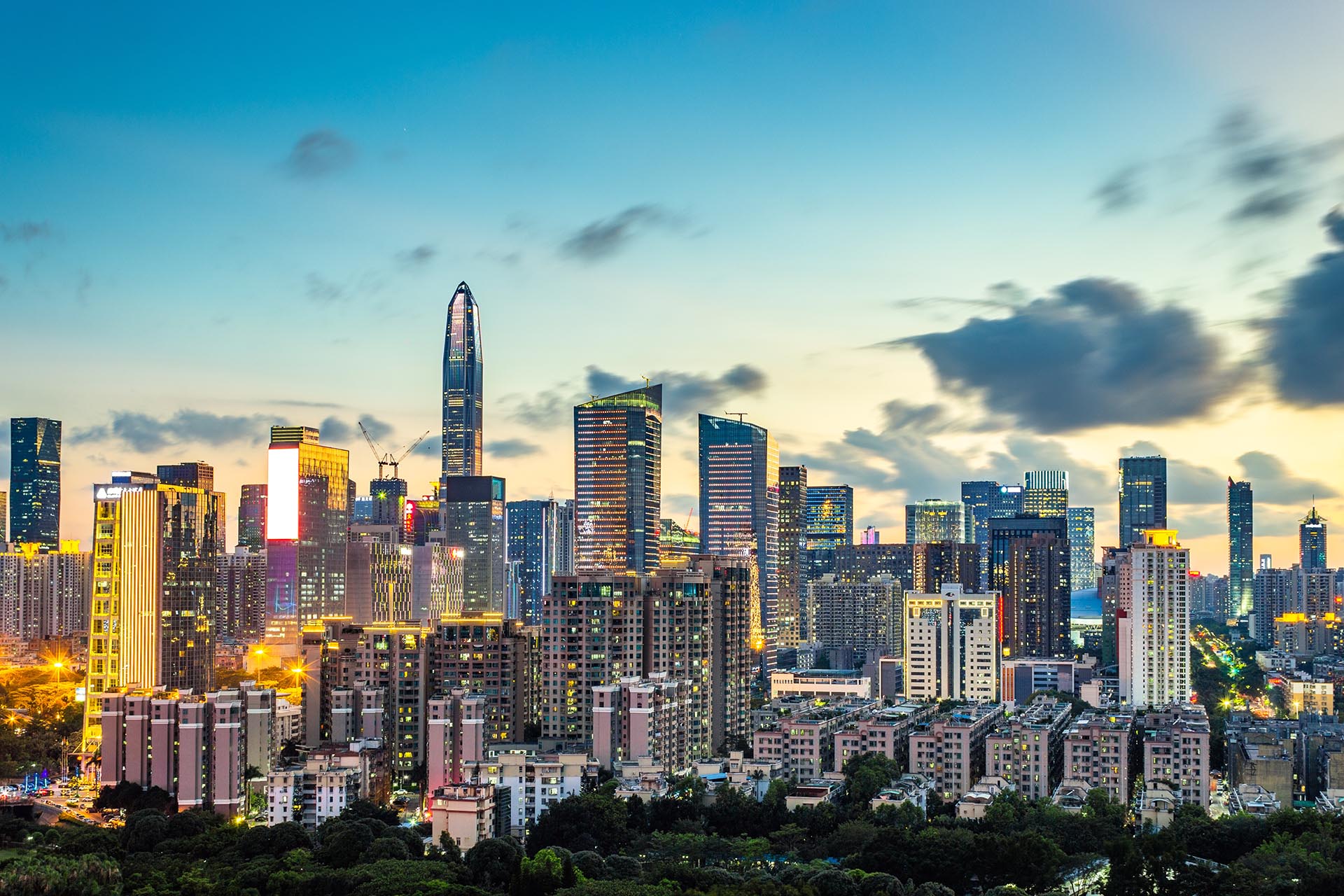
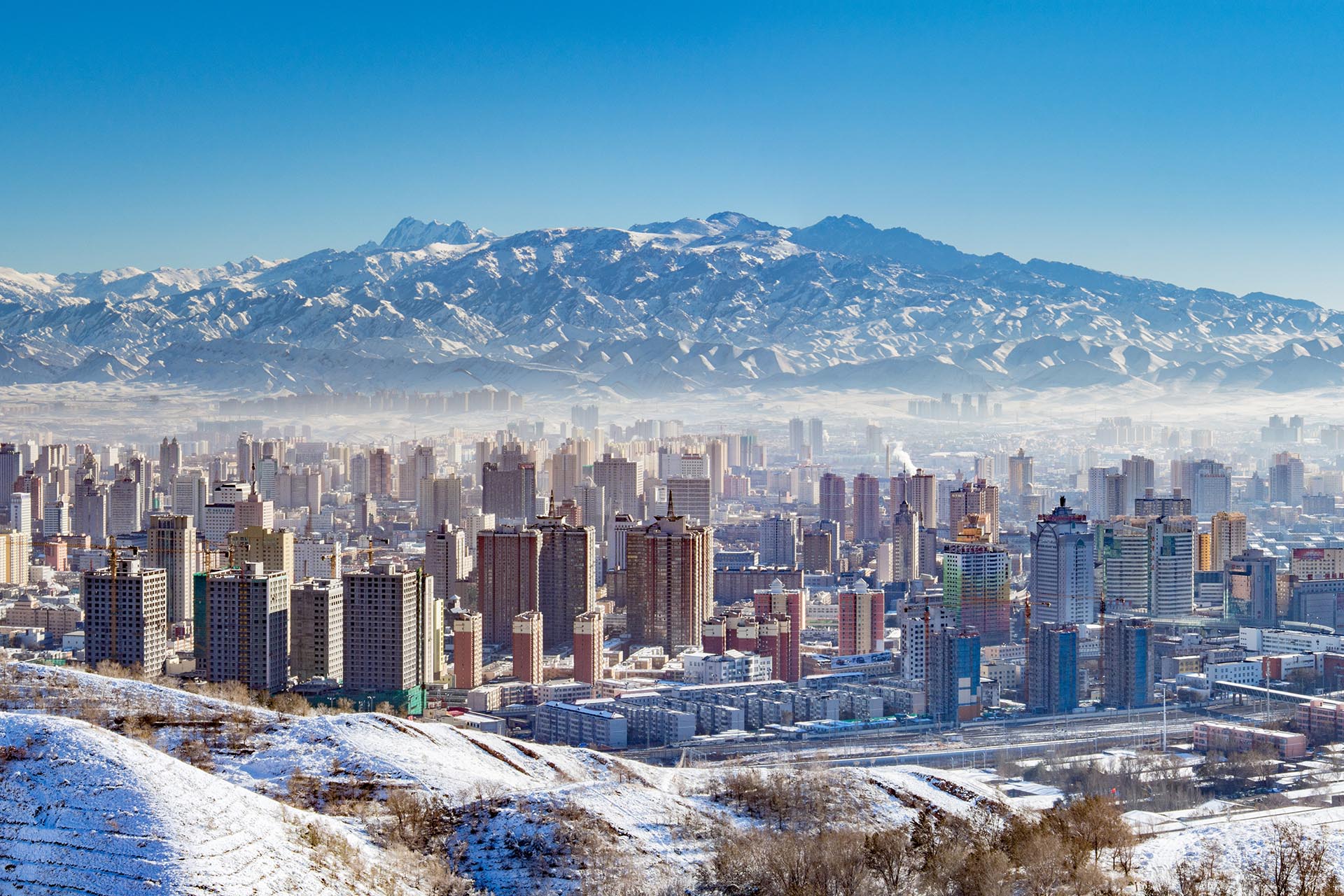
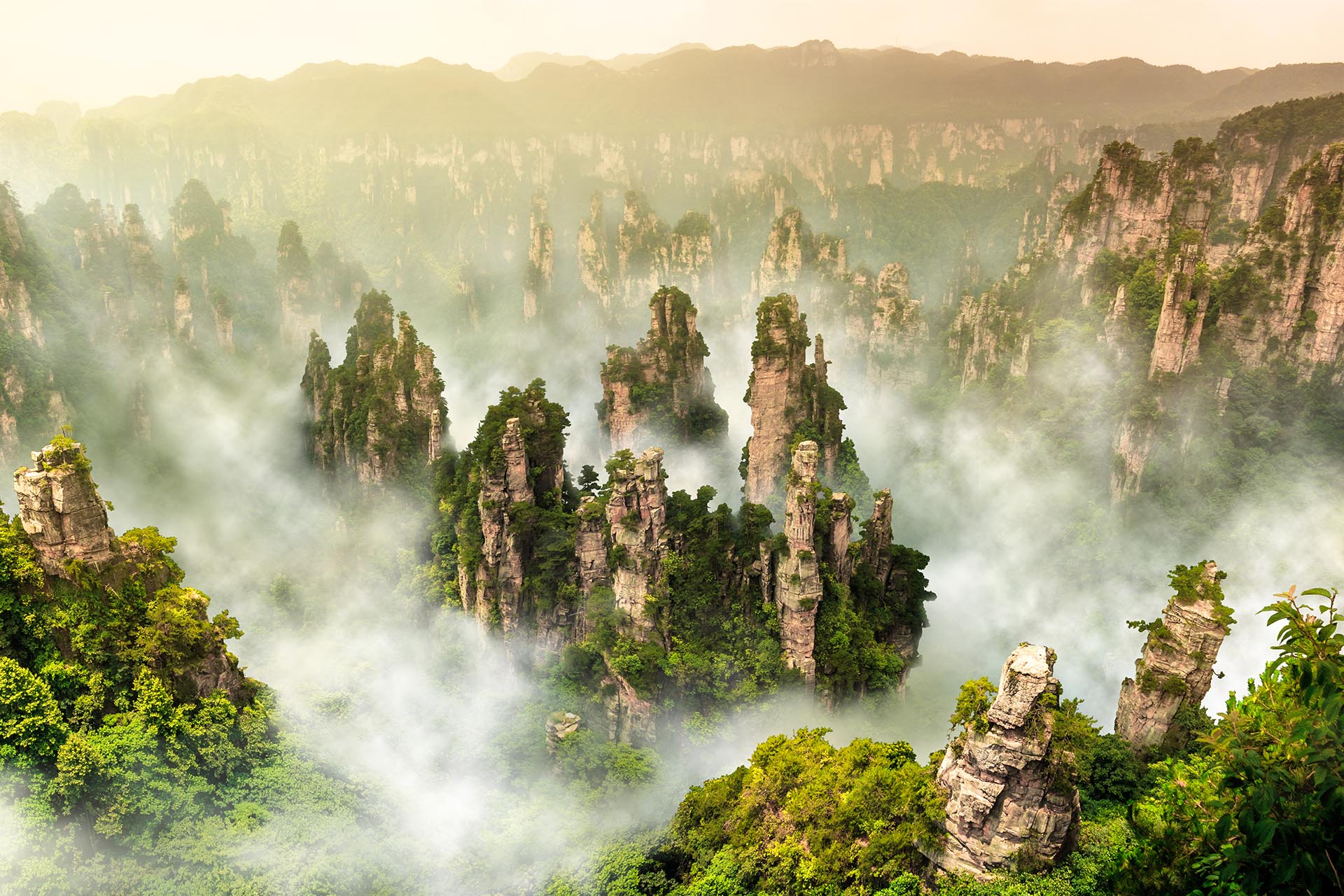
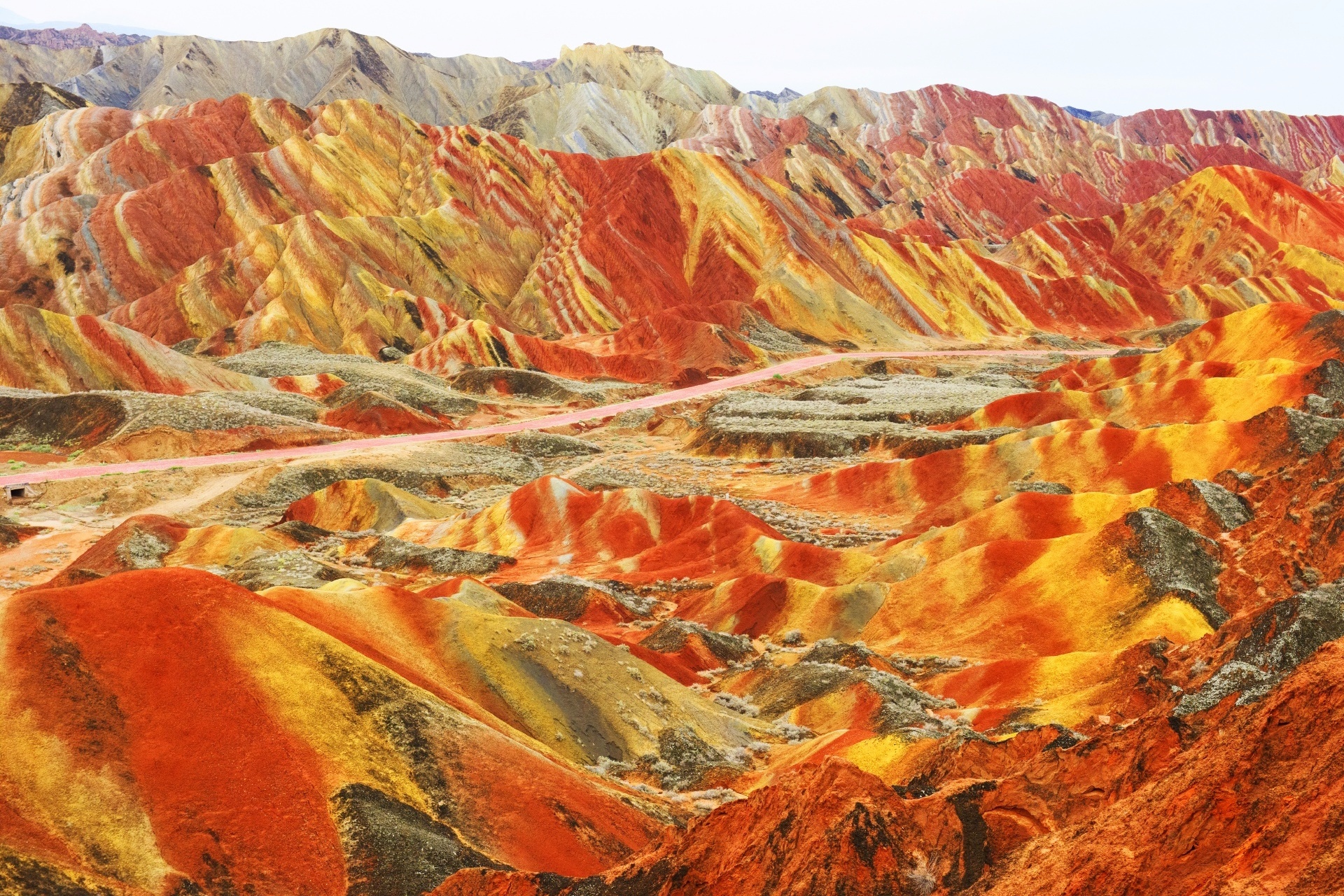
从古丝绸之路到现代都市,从雪域高原到热带雨林
34 个省份 · 399+ 座城市 · 294+ 个景点——您的中国旅行完整指南
01 — INDEPENDENT CHINA TRAVEL
We don't sell tickets, book hotels, or take commissions — only our judgment, protecting your China trip.
01 — ITINERARY REVIEW
Independent review of every step — blocking hidden shopping stops, forced extras and zigzag routes before you pay.
Fee-only · zero commissionWhy you need it
The itinerary an agency hands you is usually the version they can sell — not the one that fits you.
We re-audit every leg against your real conditions — companions' age, health, budget, season — and flag hidden shopping stops, forced extras, remote lodging and zigzag routes.
You receive a neutral report. You decide: adopt, revise, or walk away.
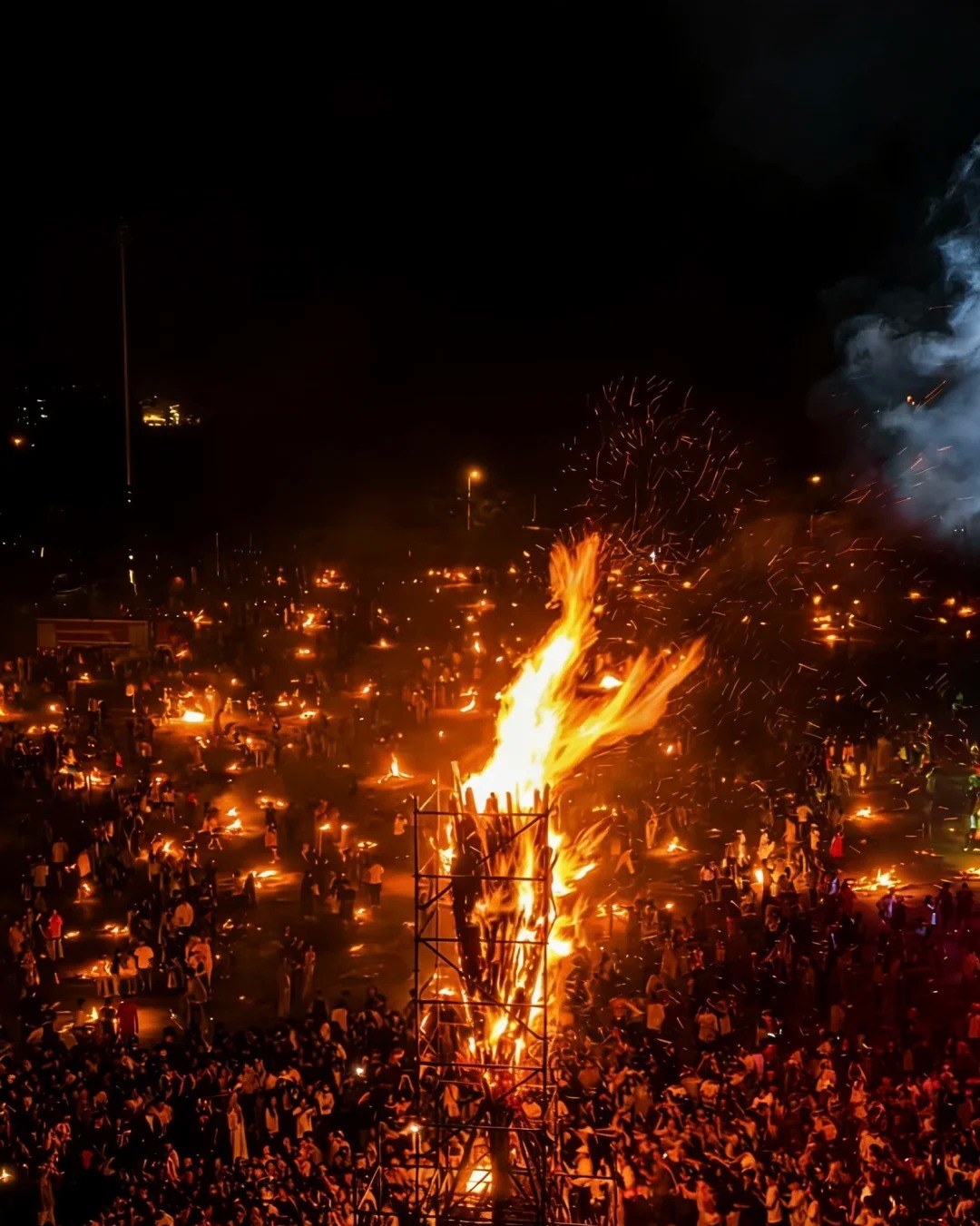
Festival Videos
China's festivals on film — joy through the ages.
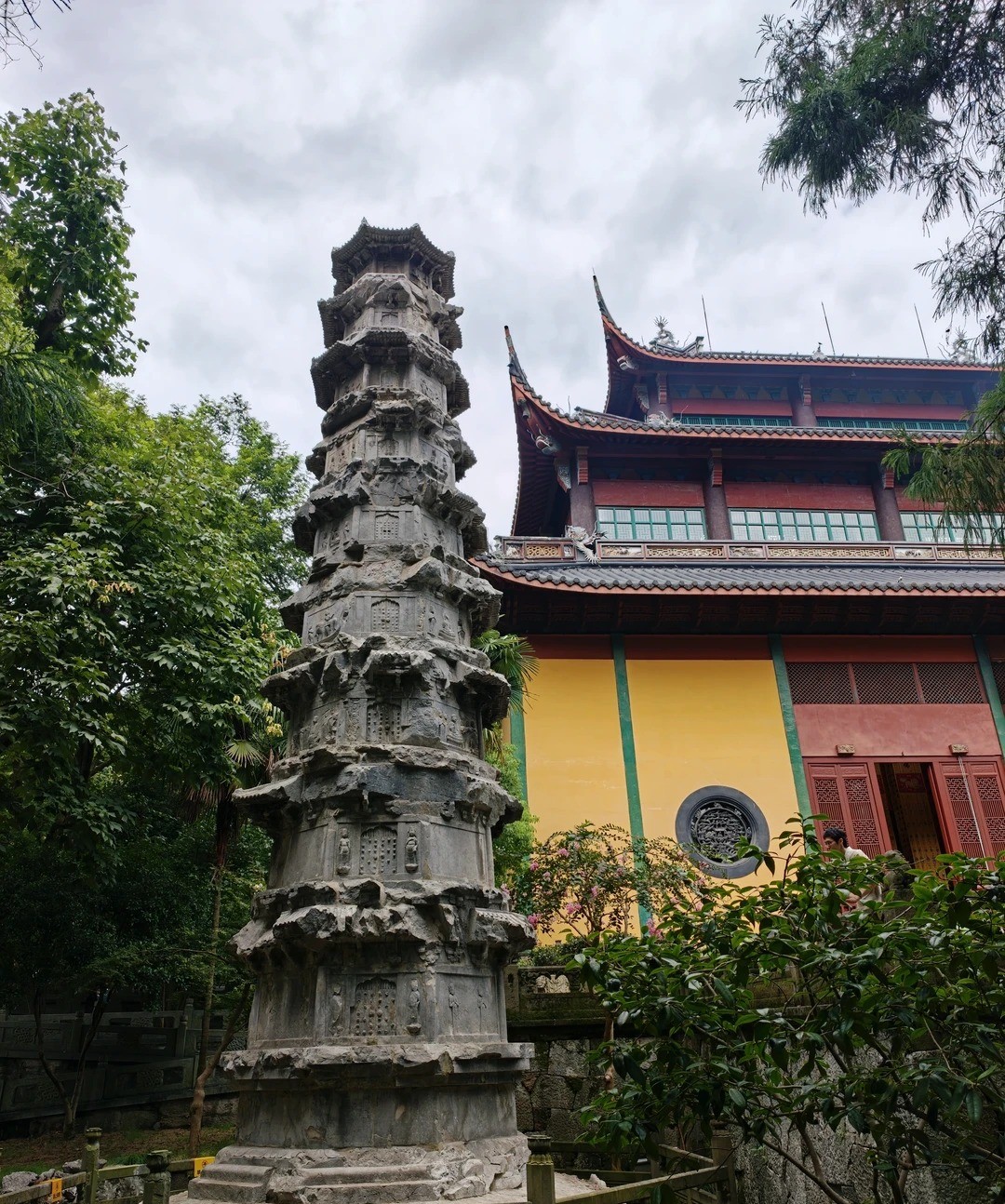
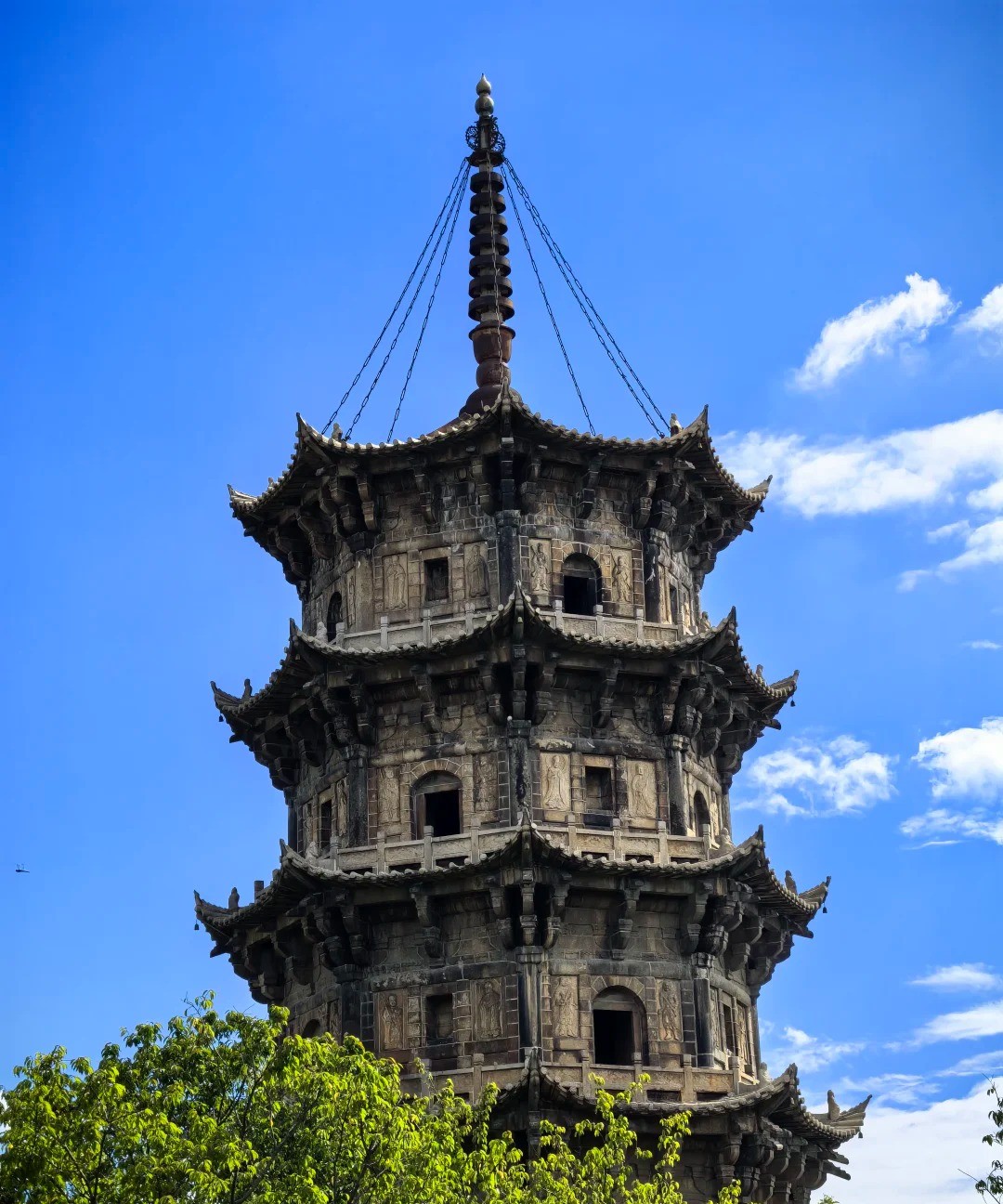
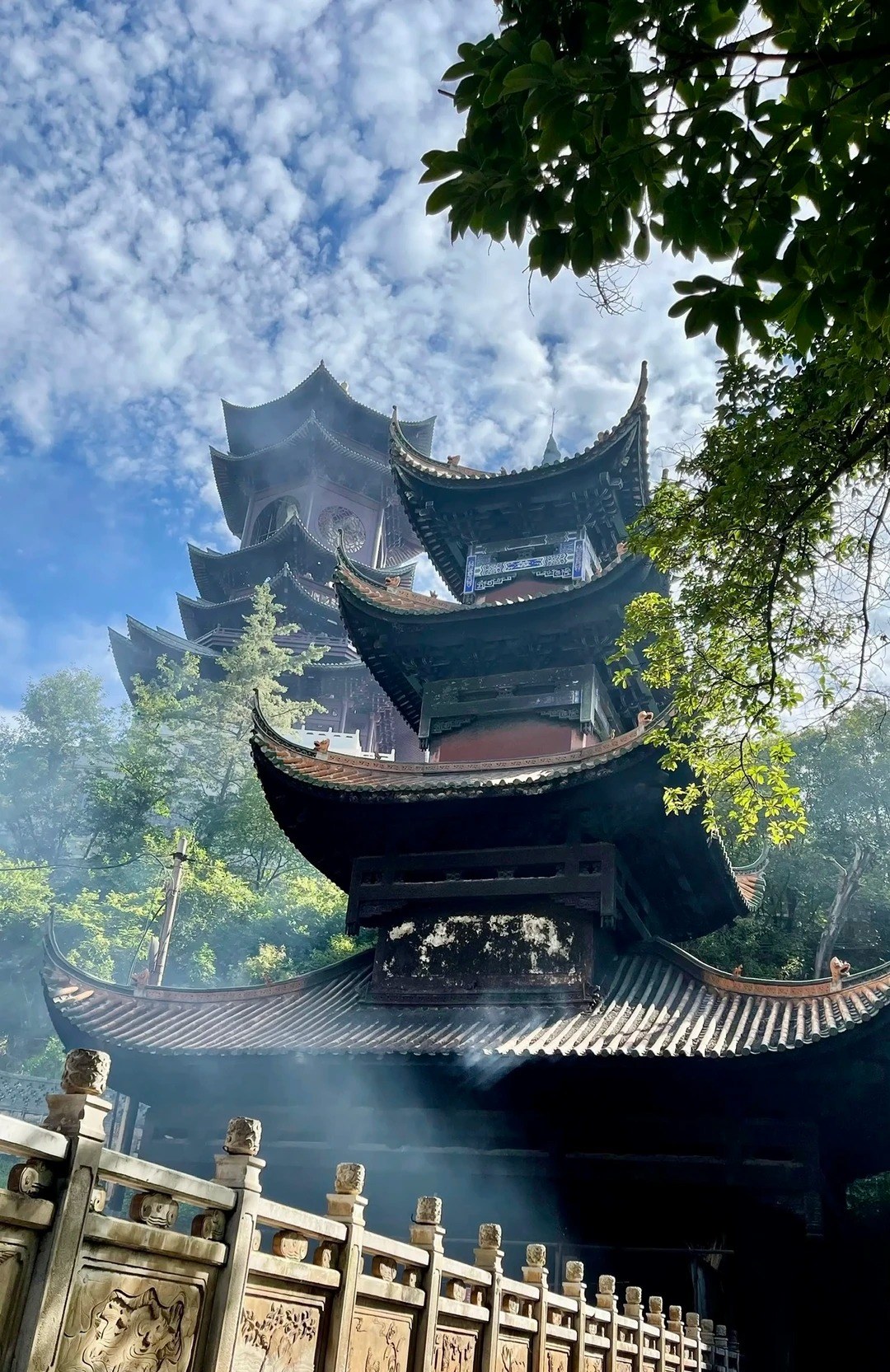
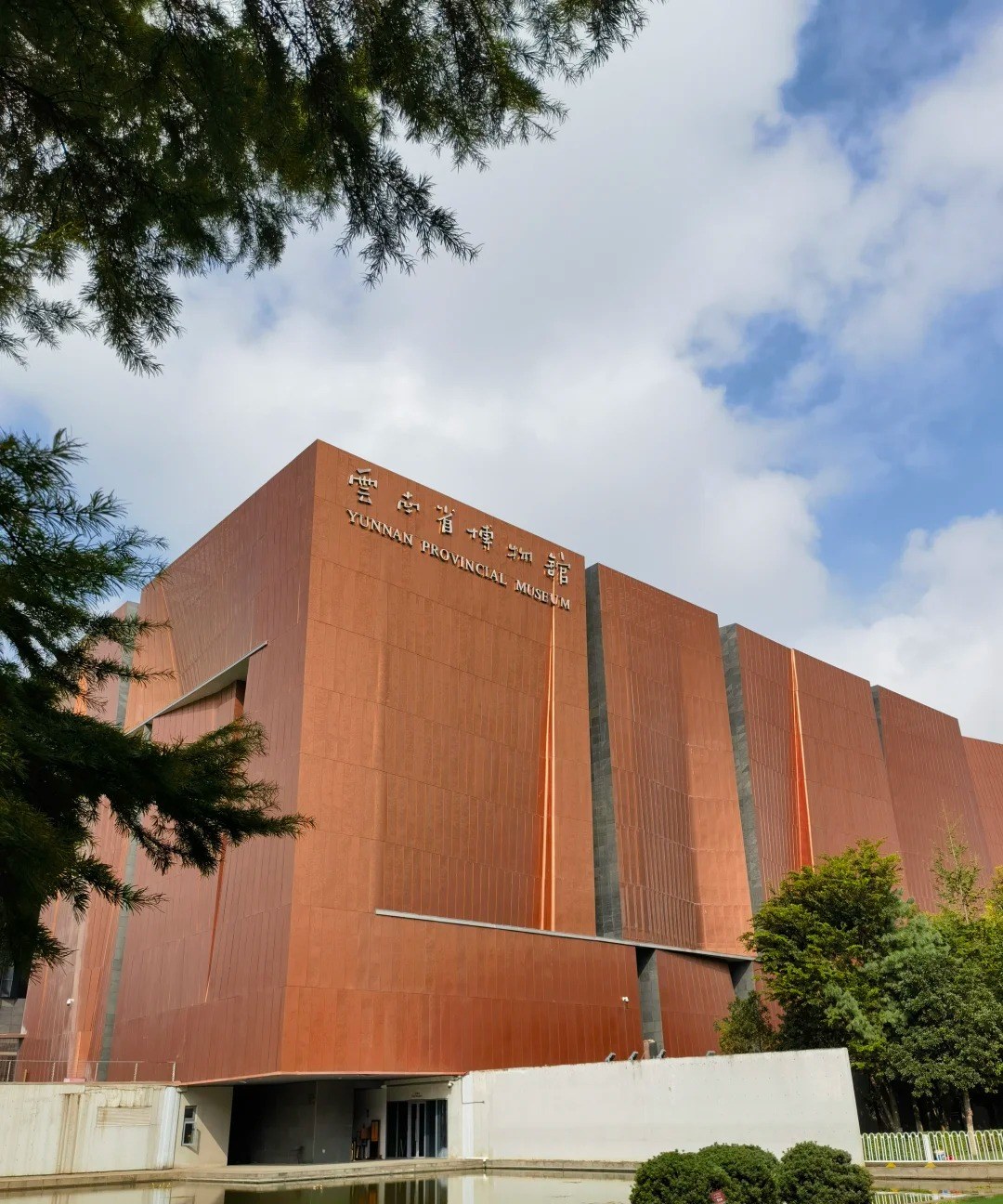
HISTORICAL SITES
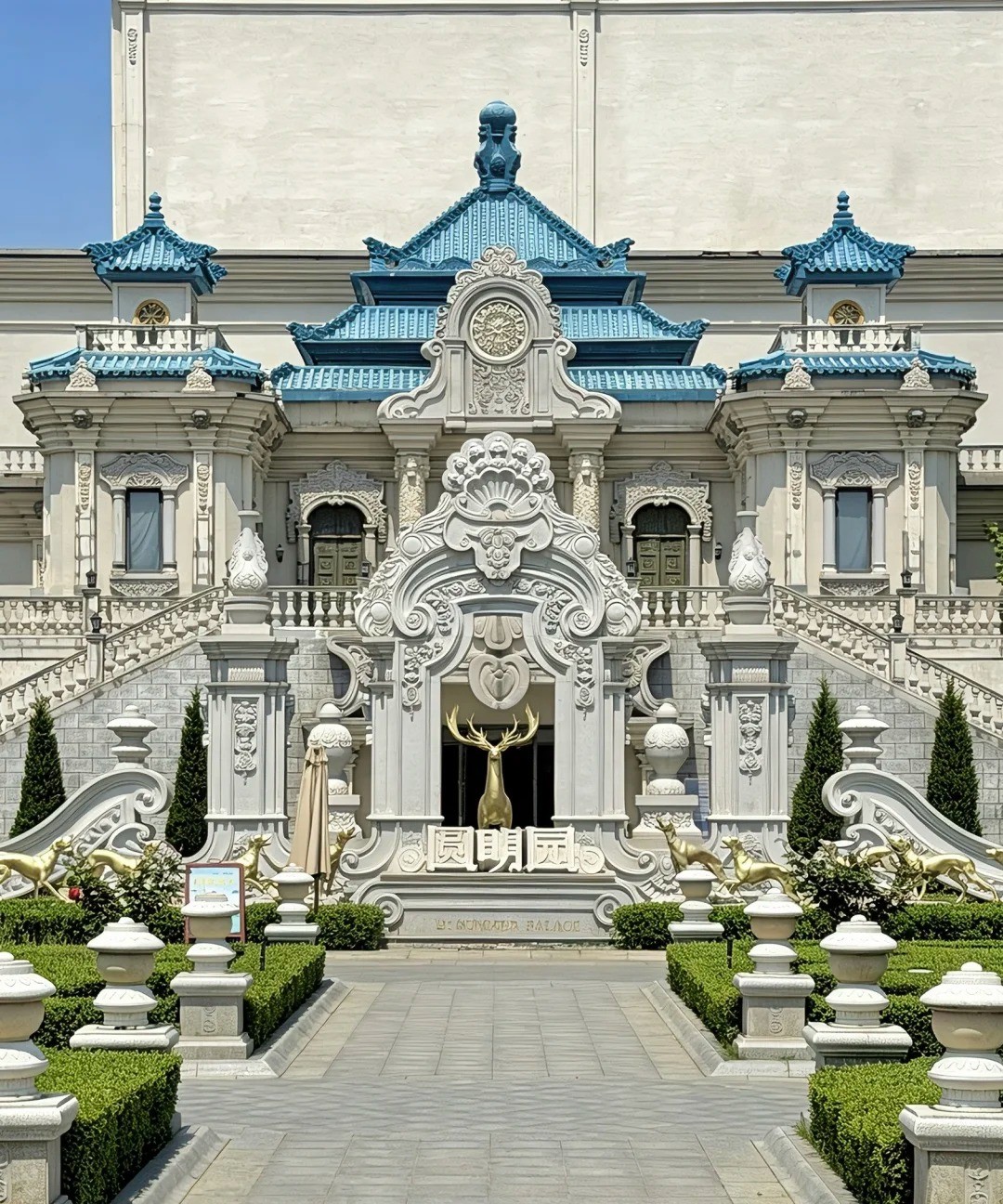
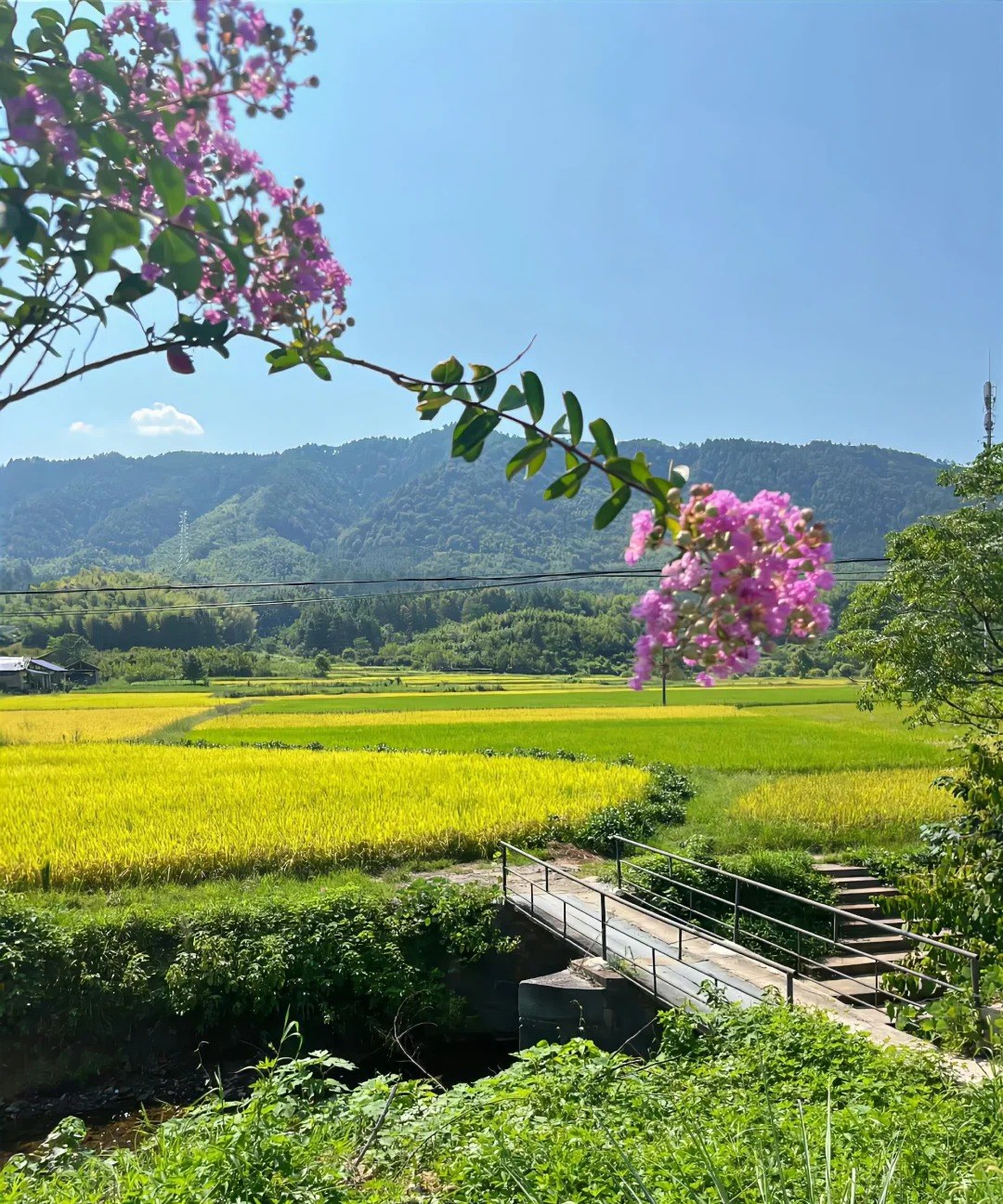
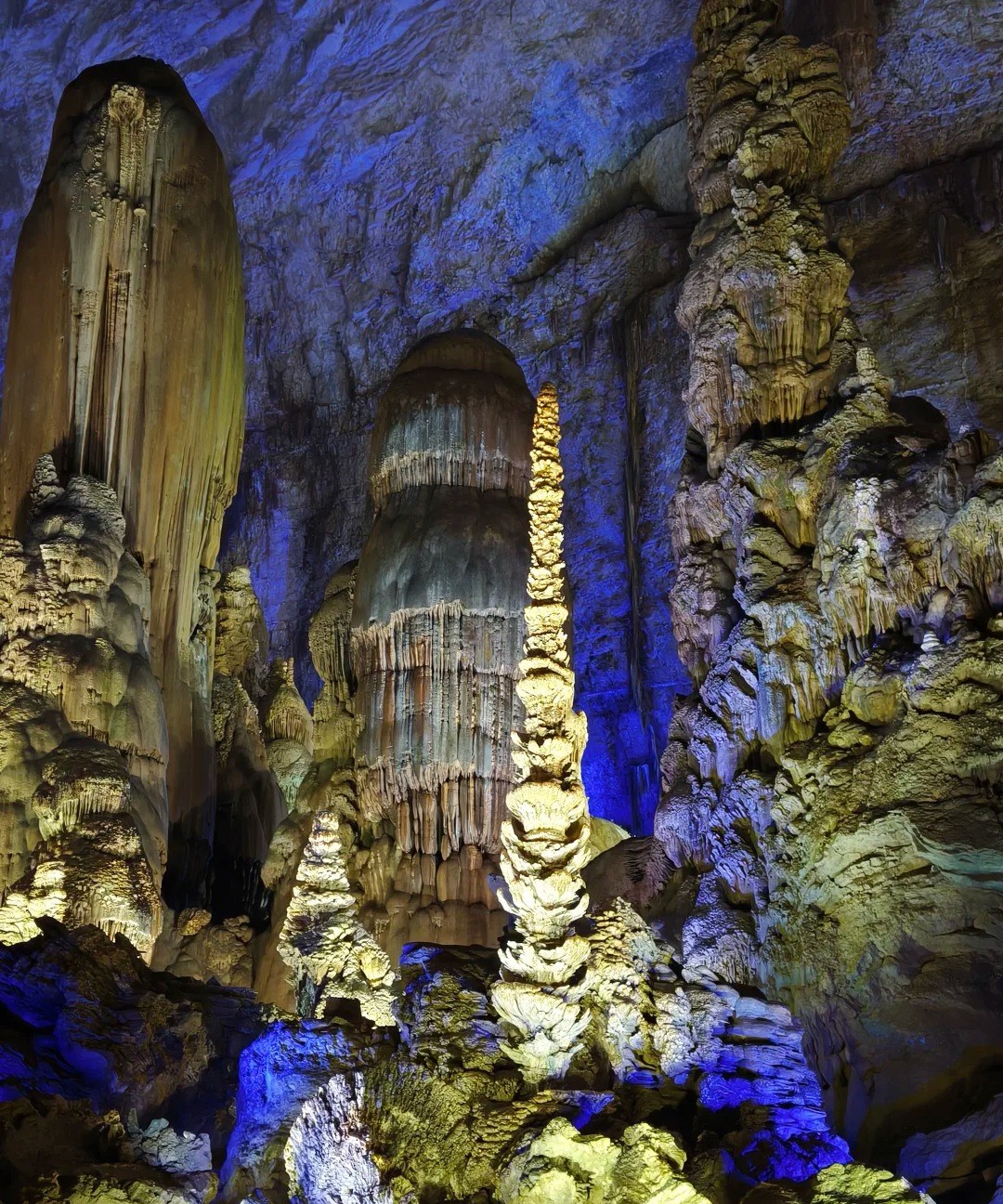
CULTURAL HERITAGE
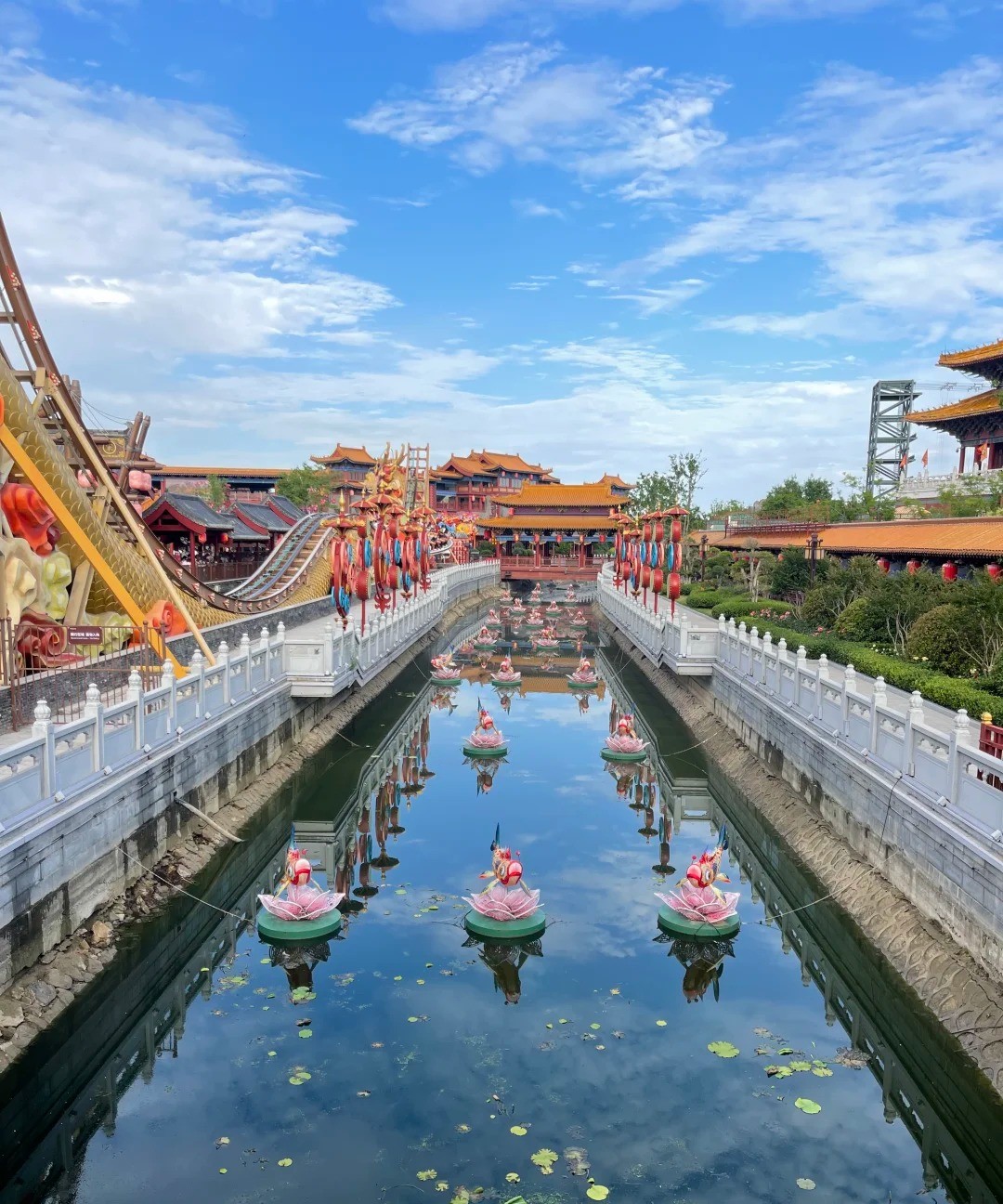
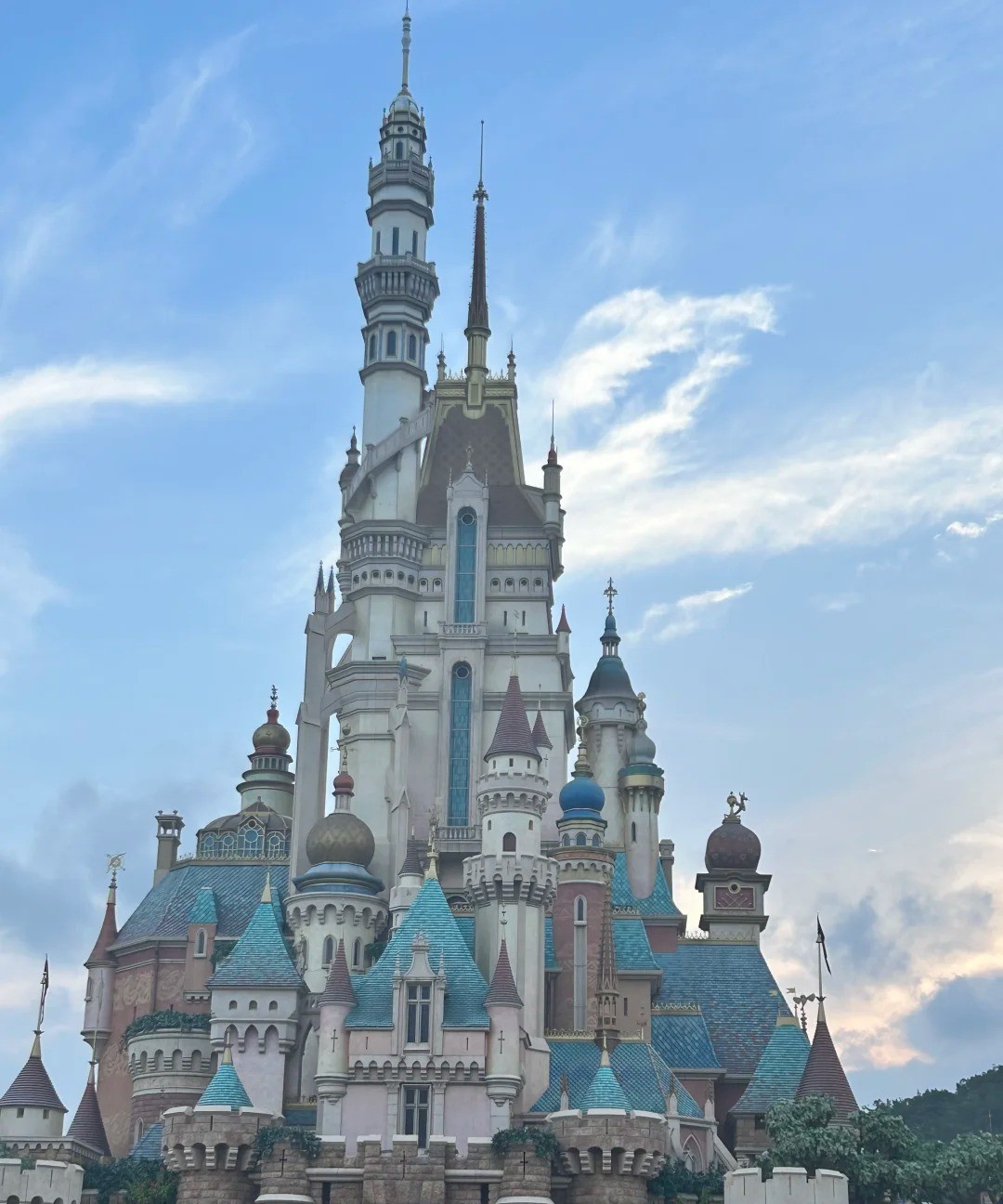
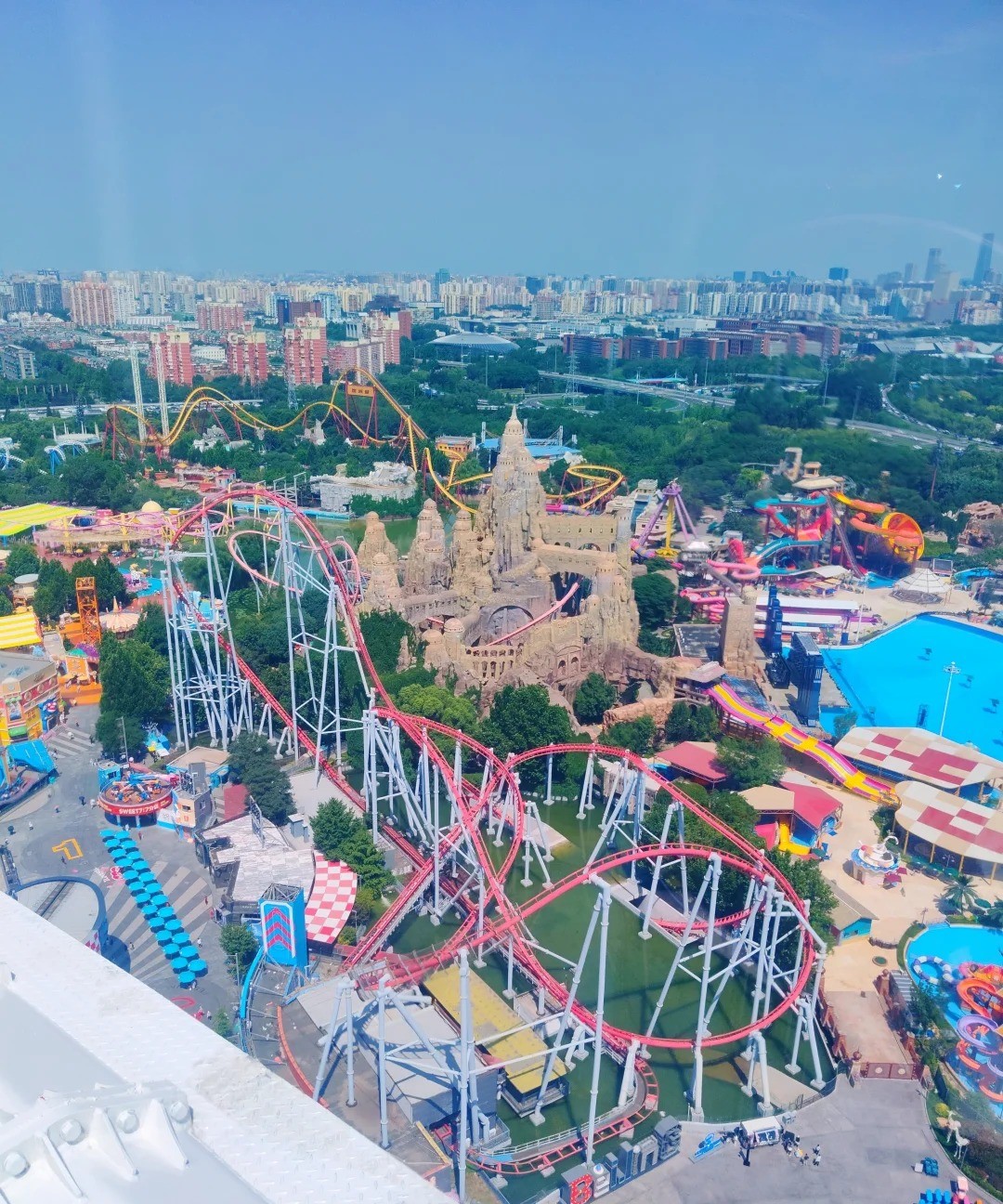
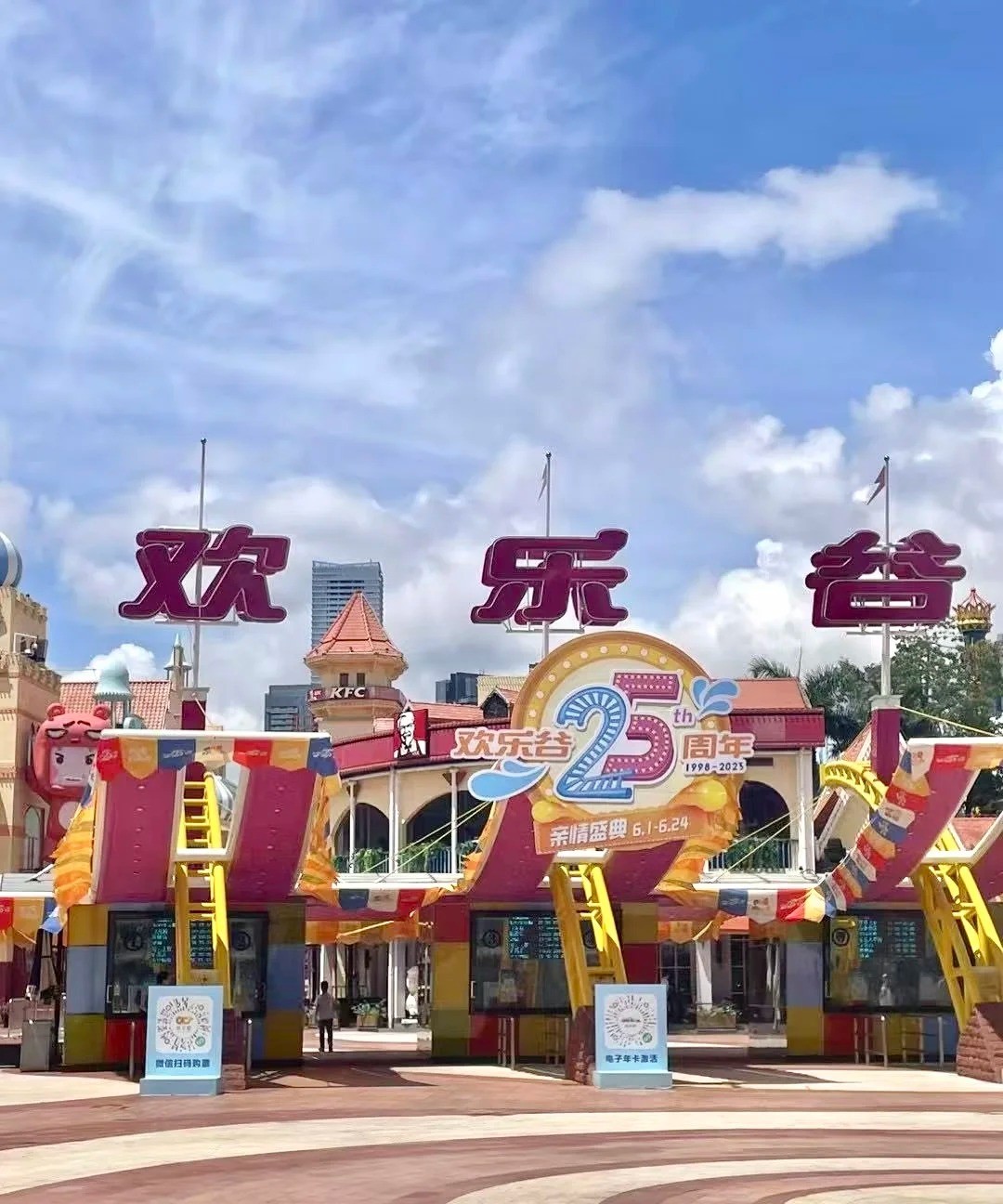
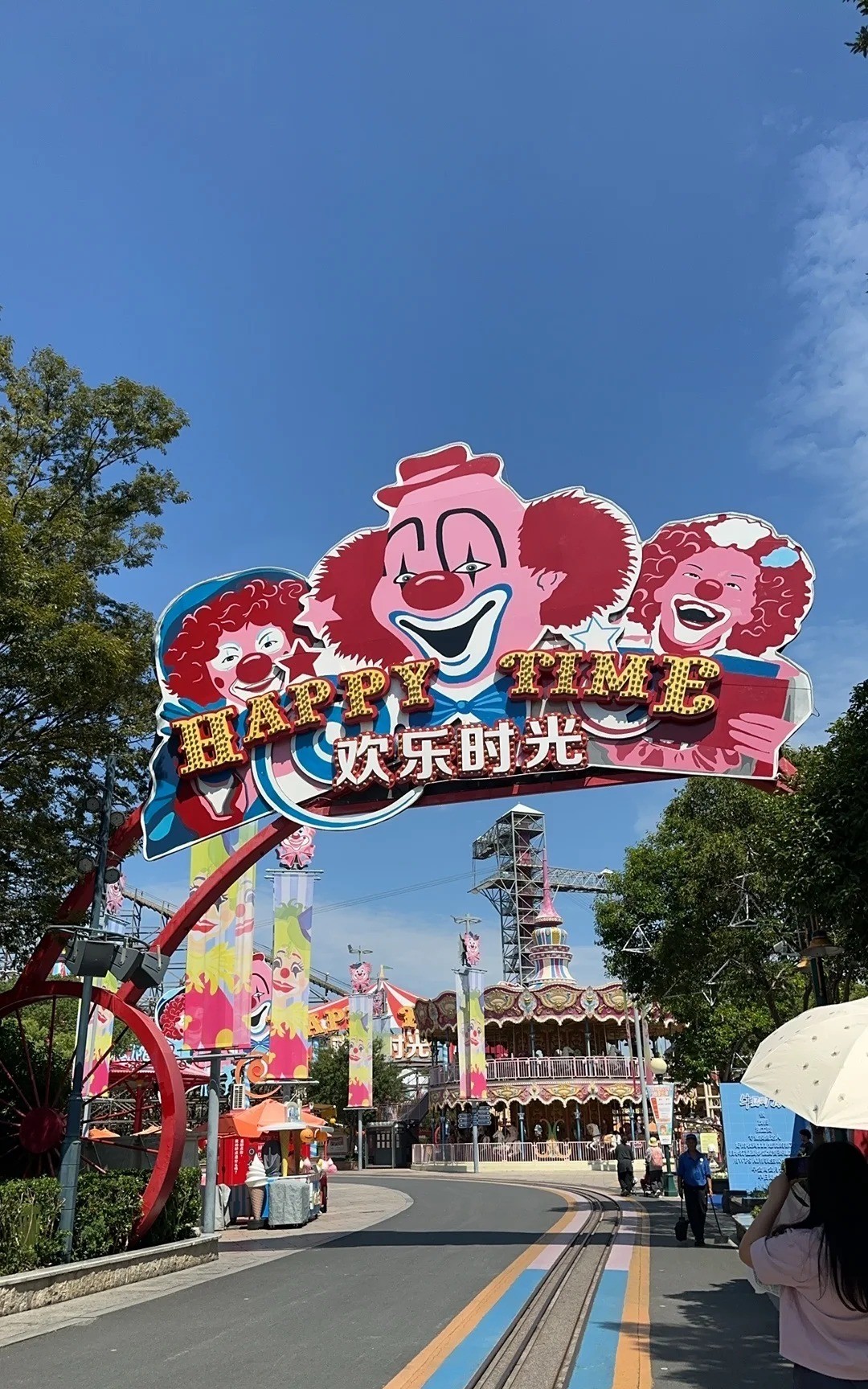
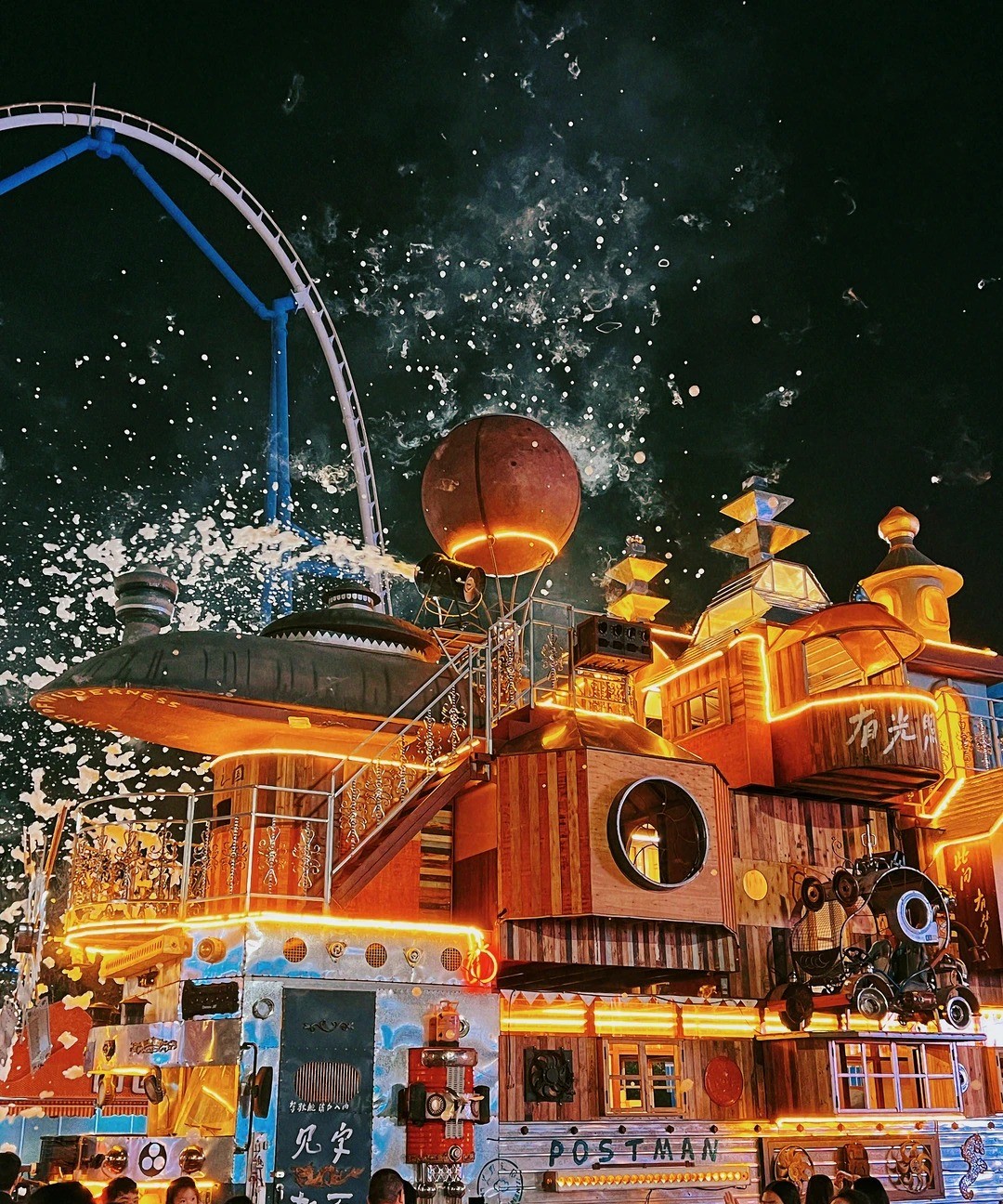
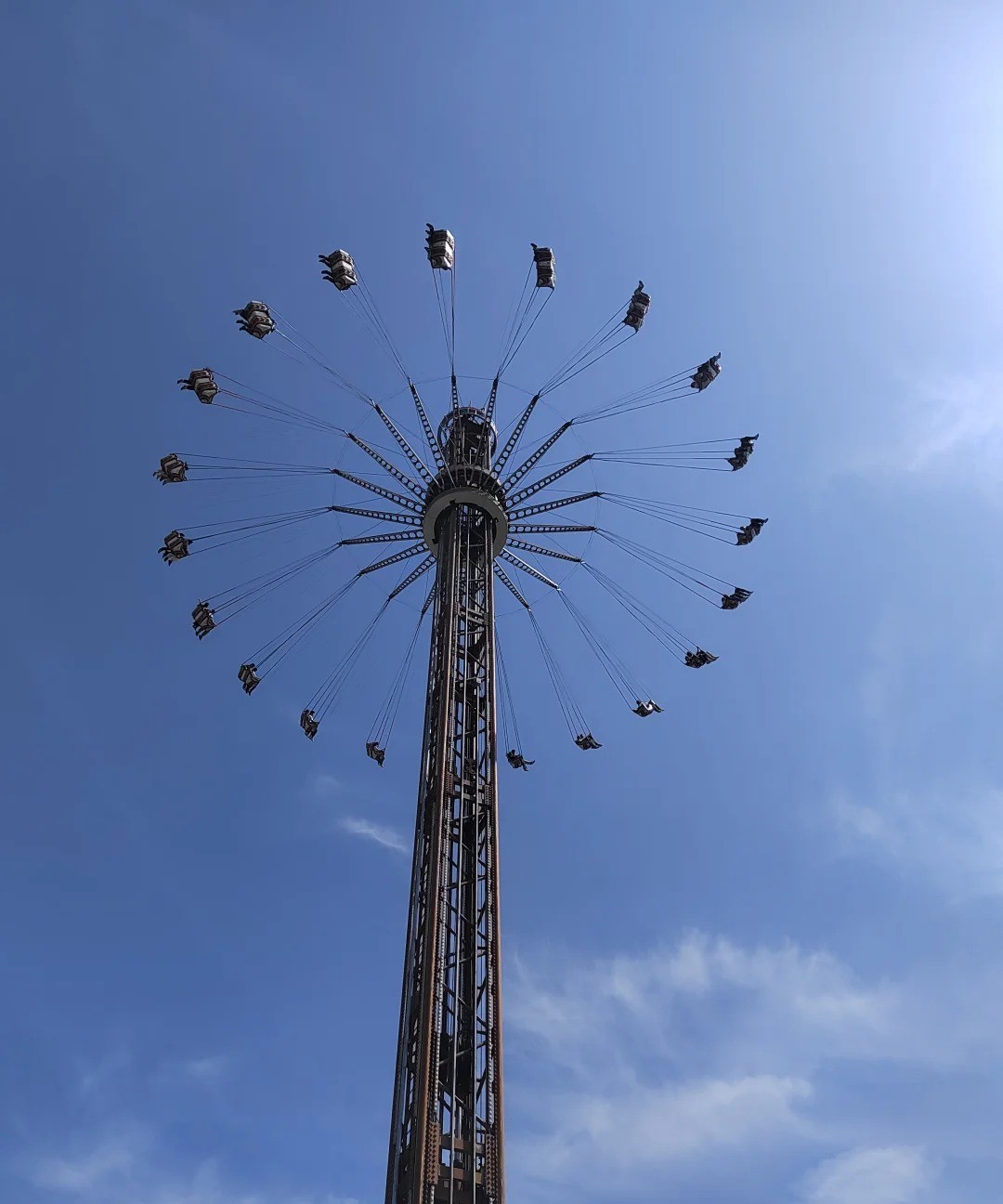
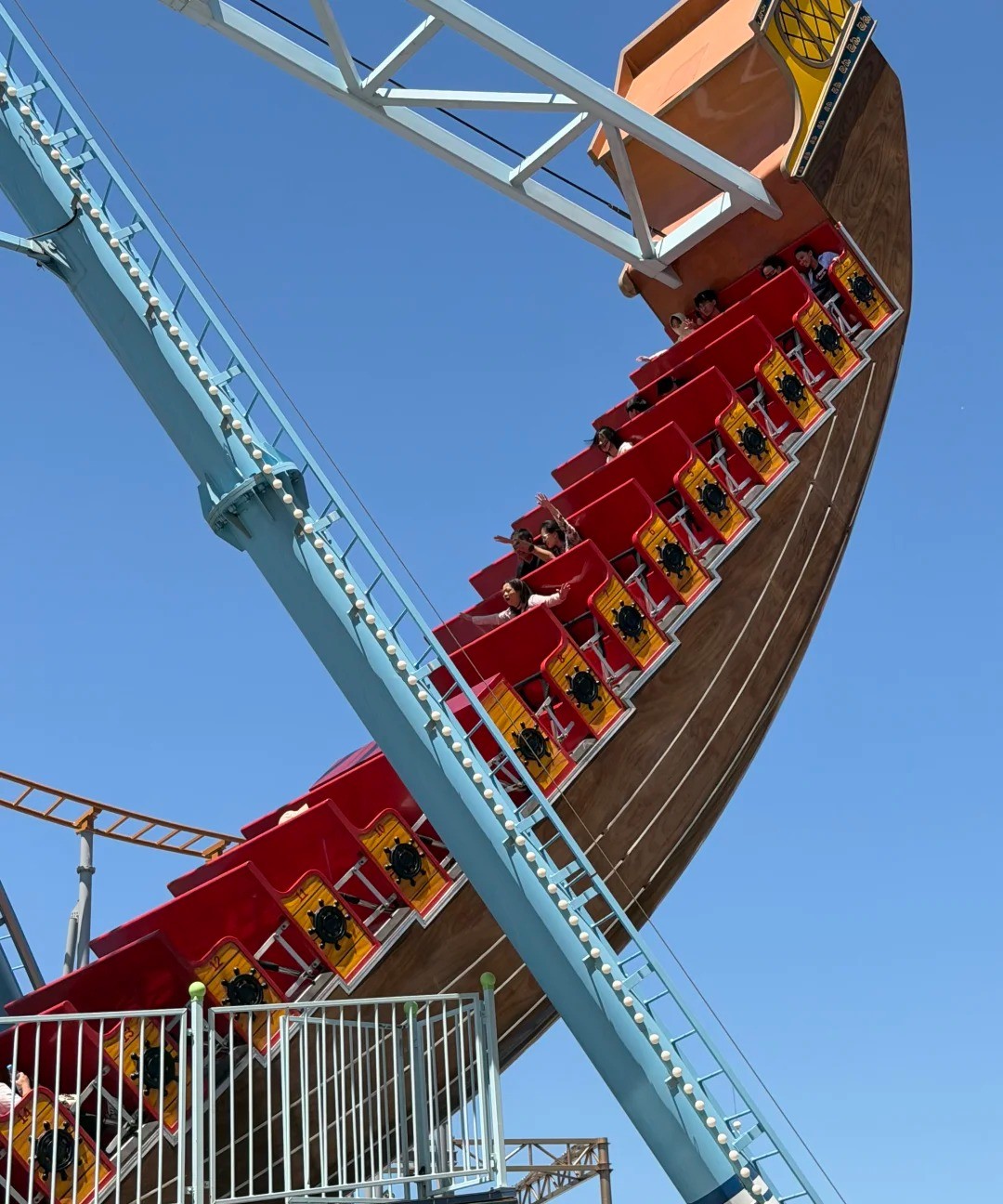
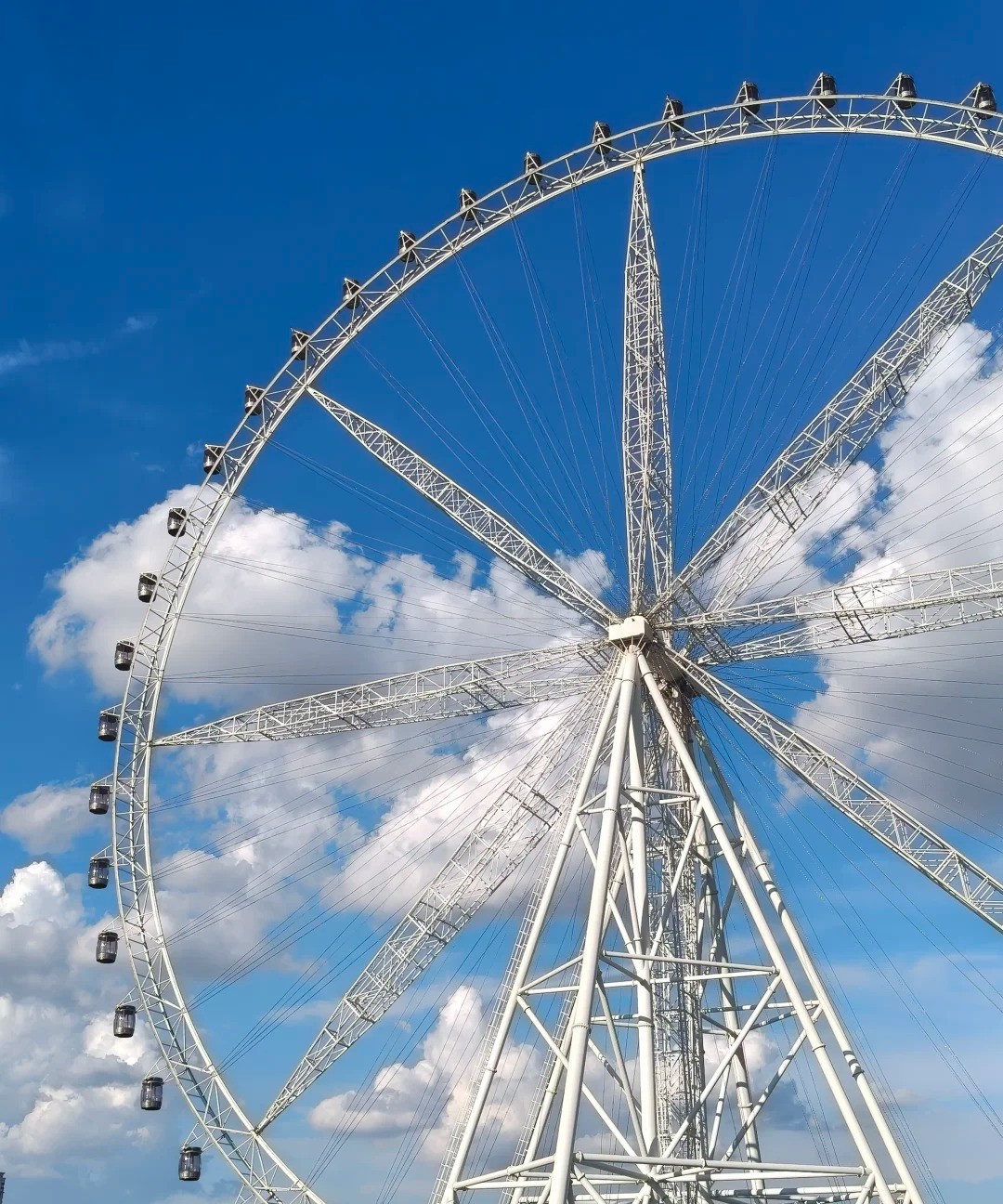
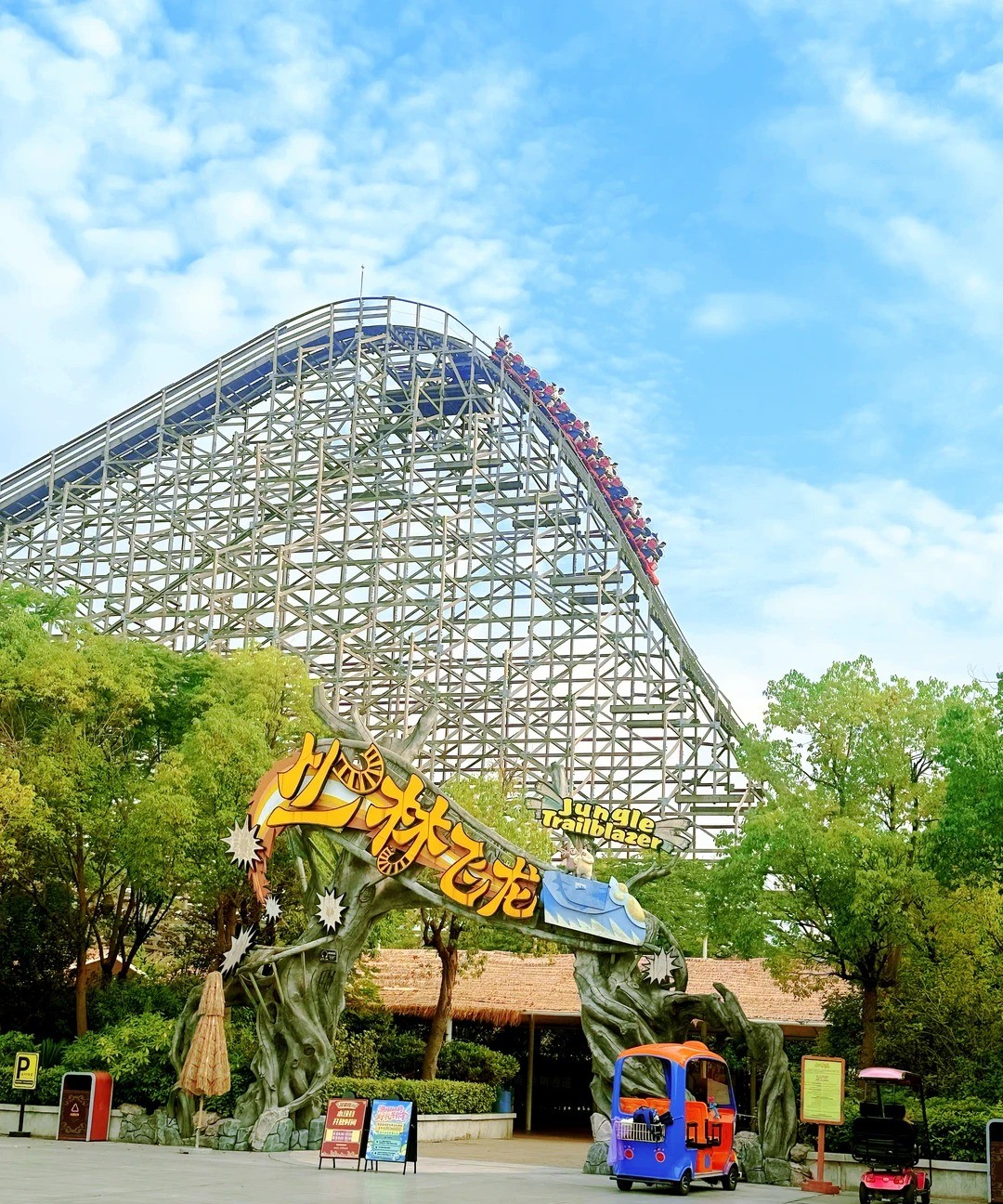
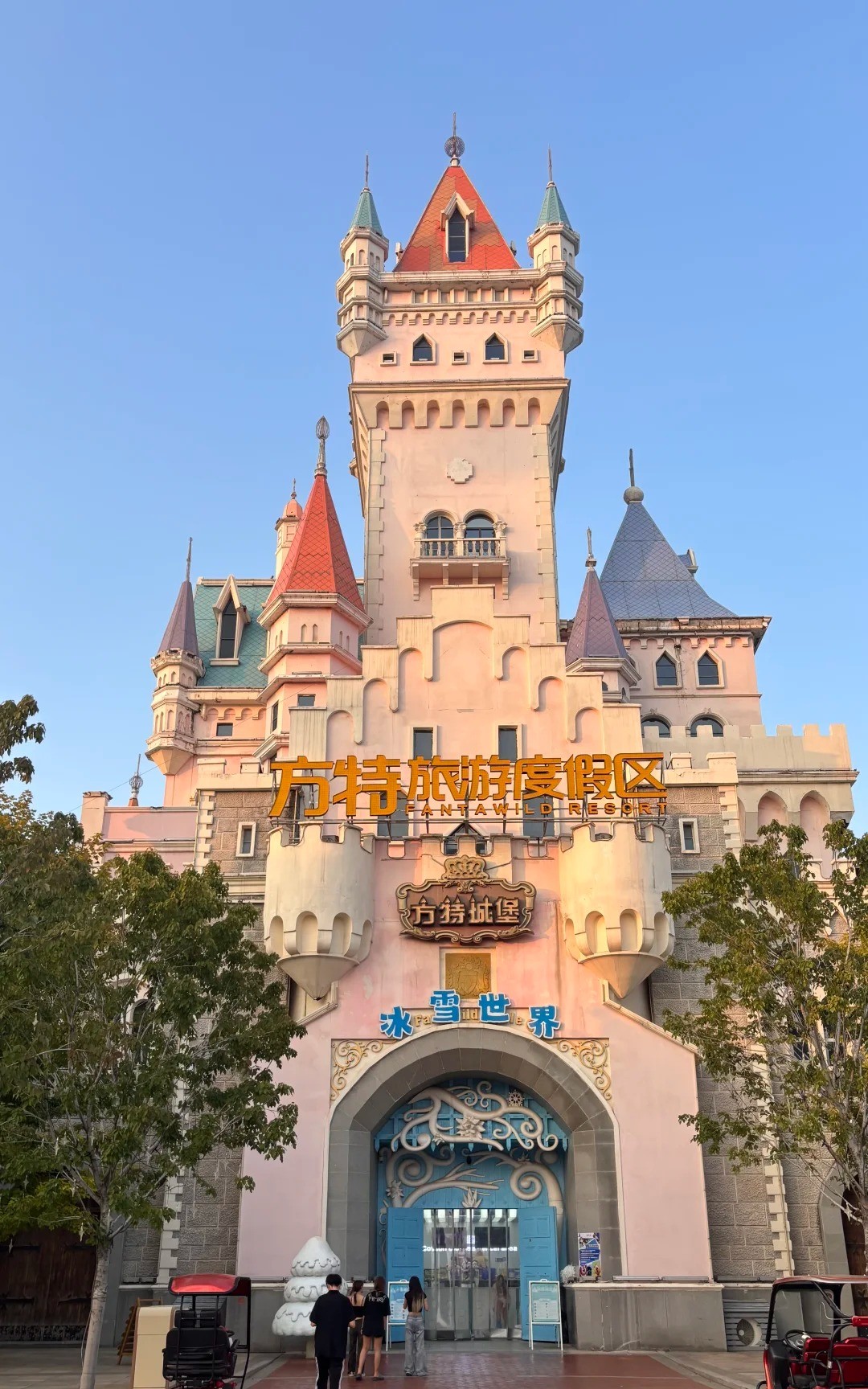
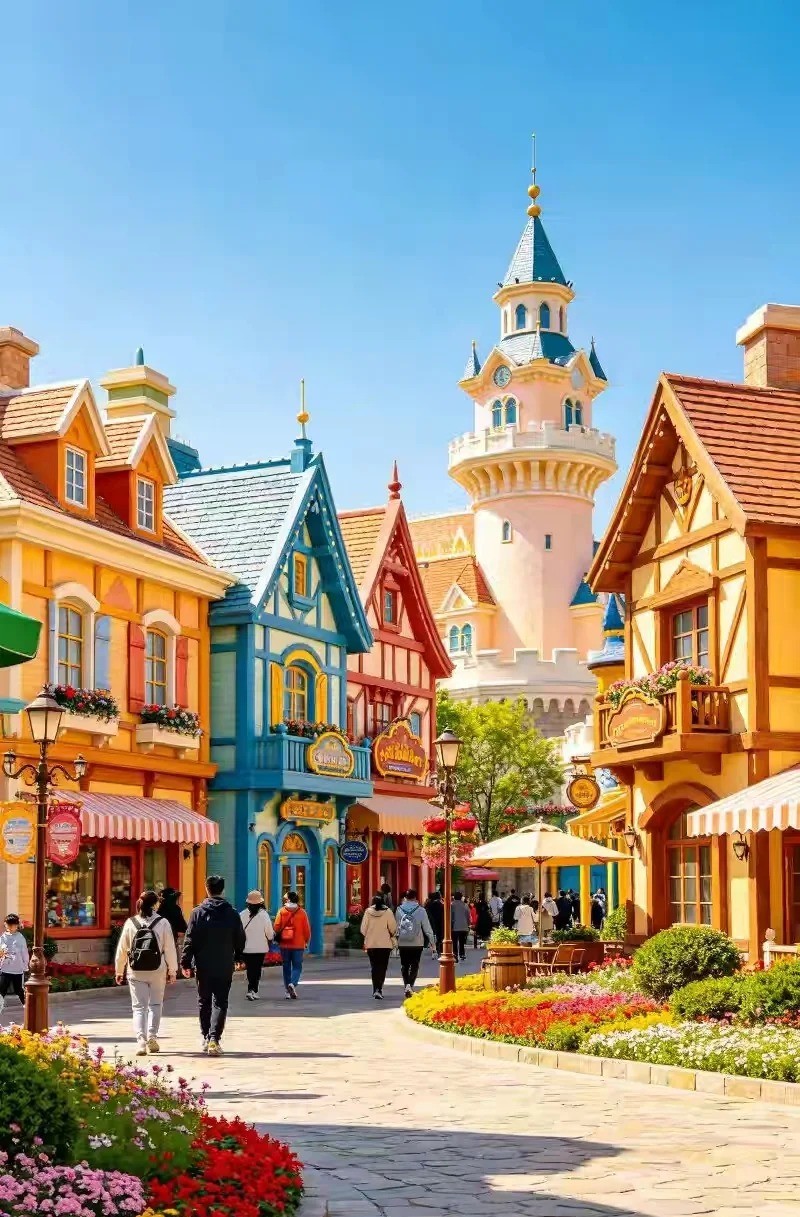
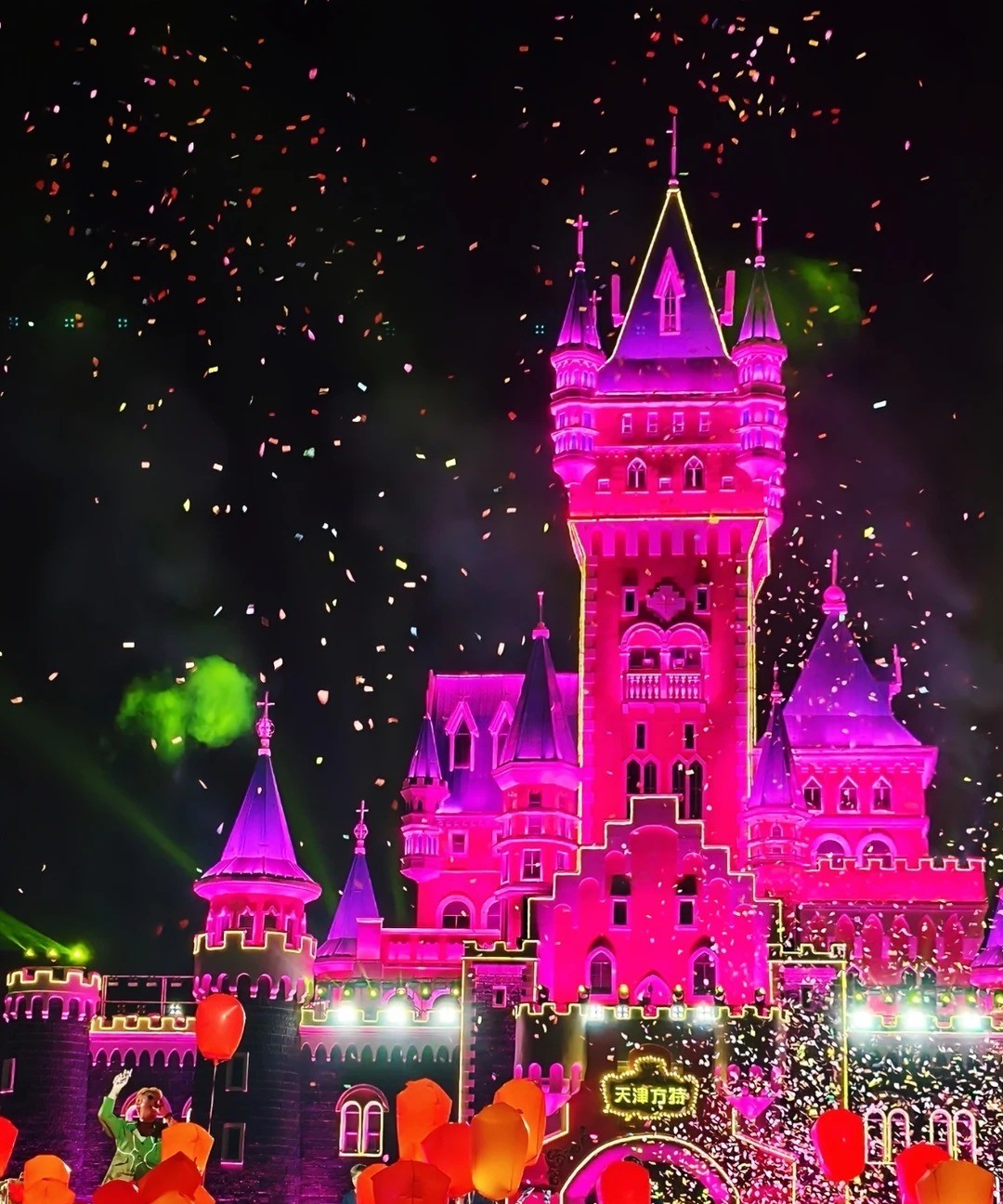
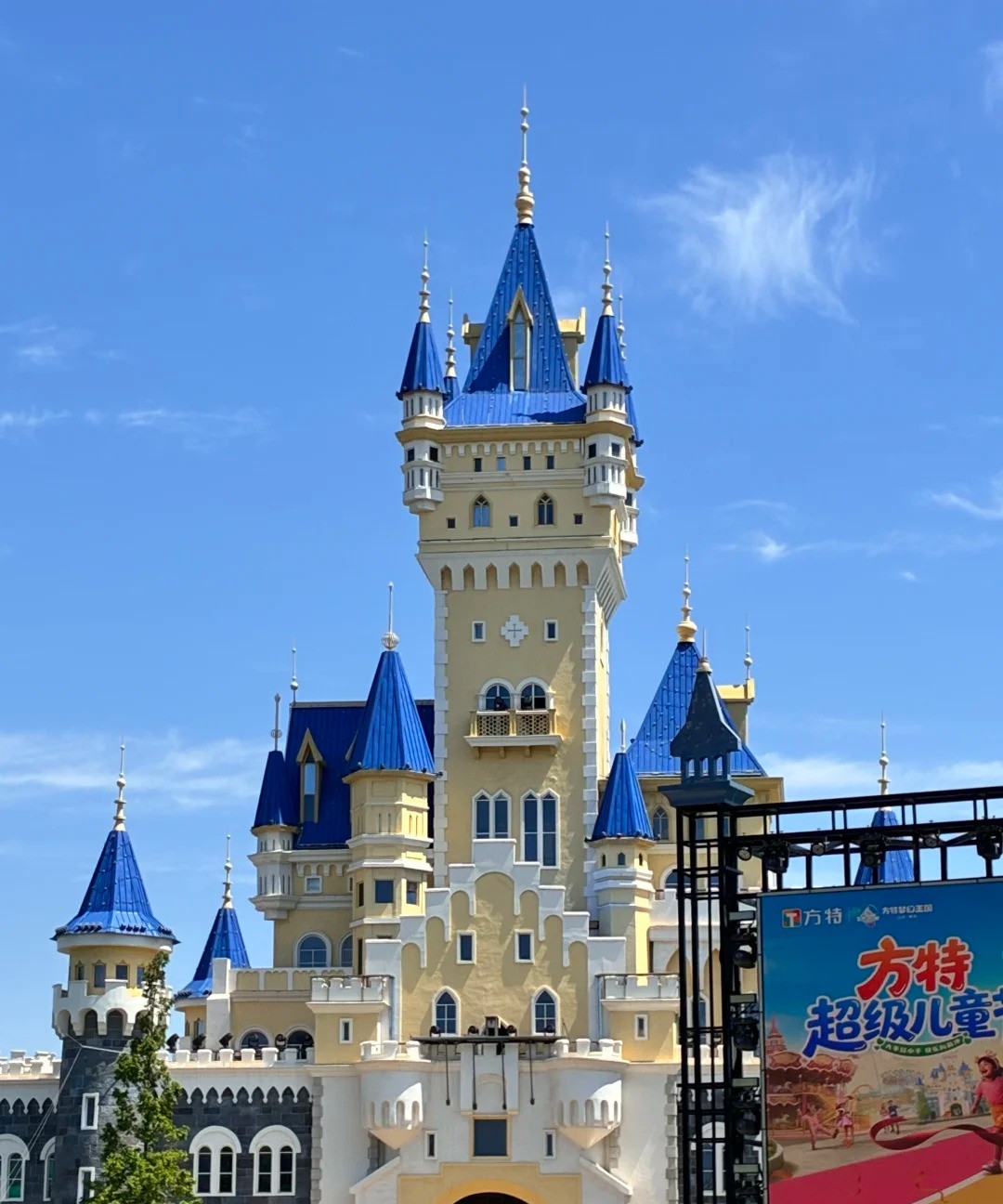
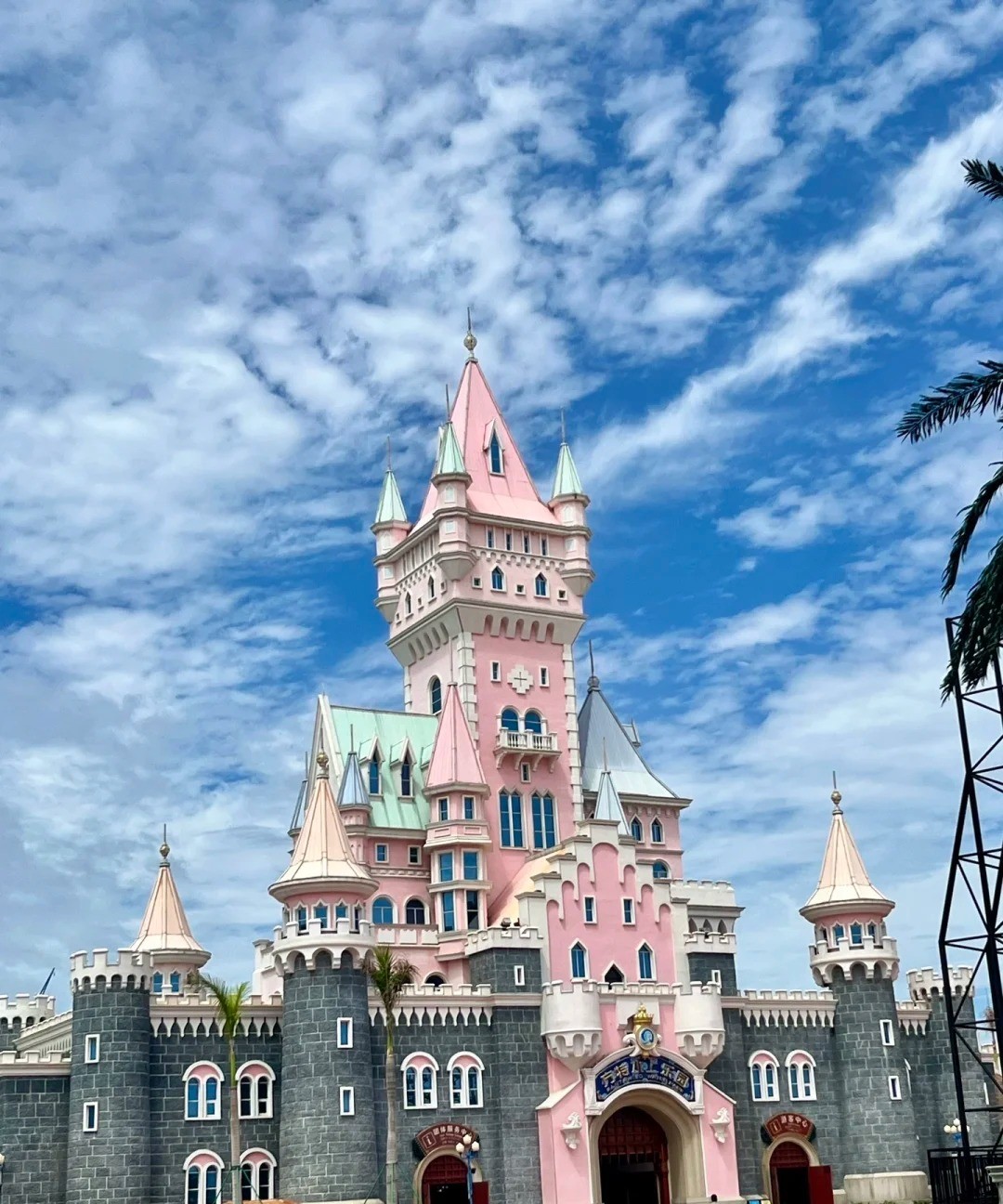
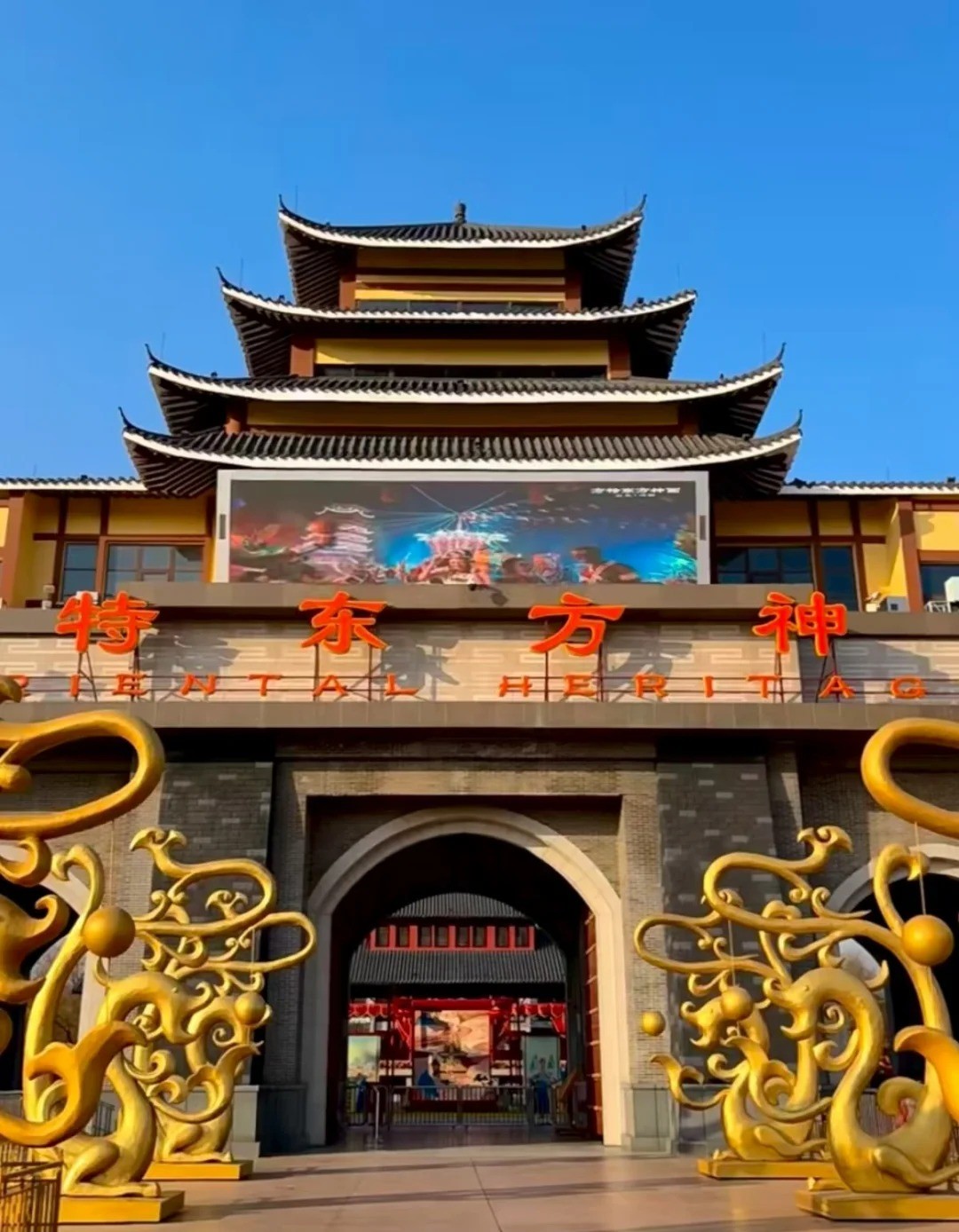
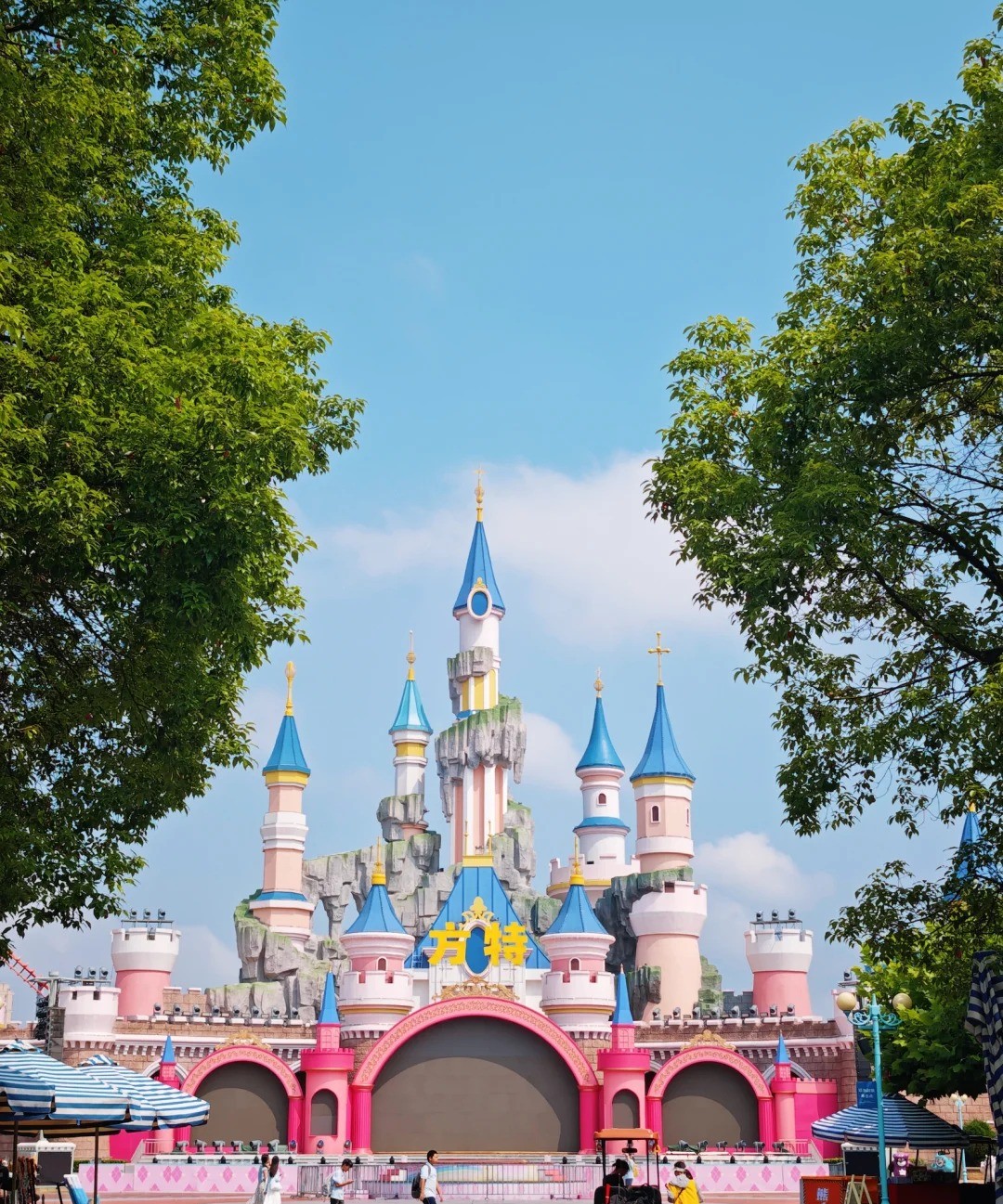
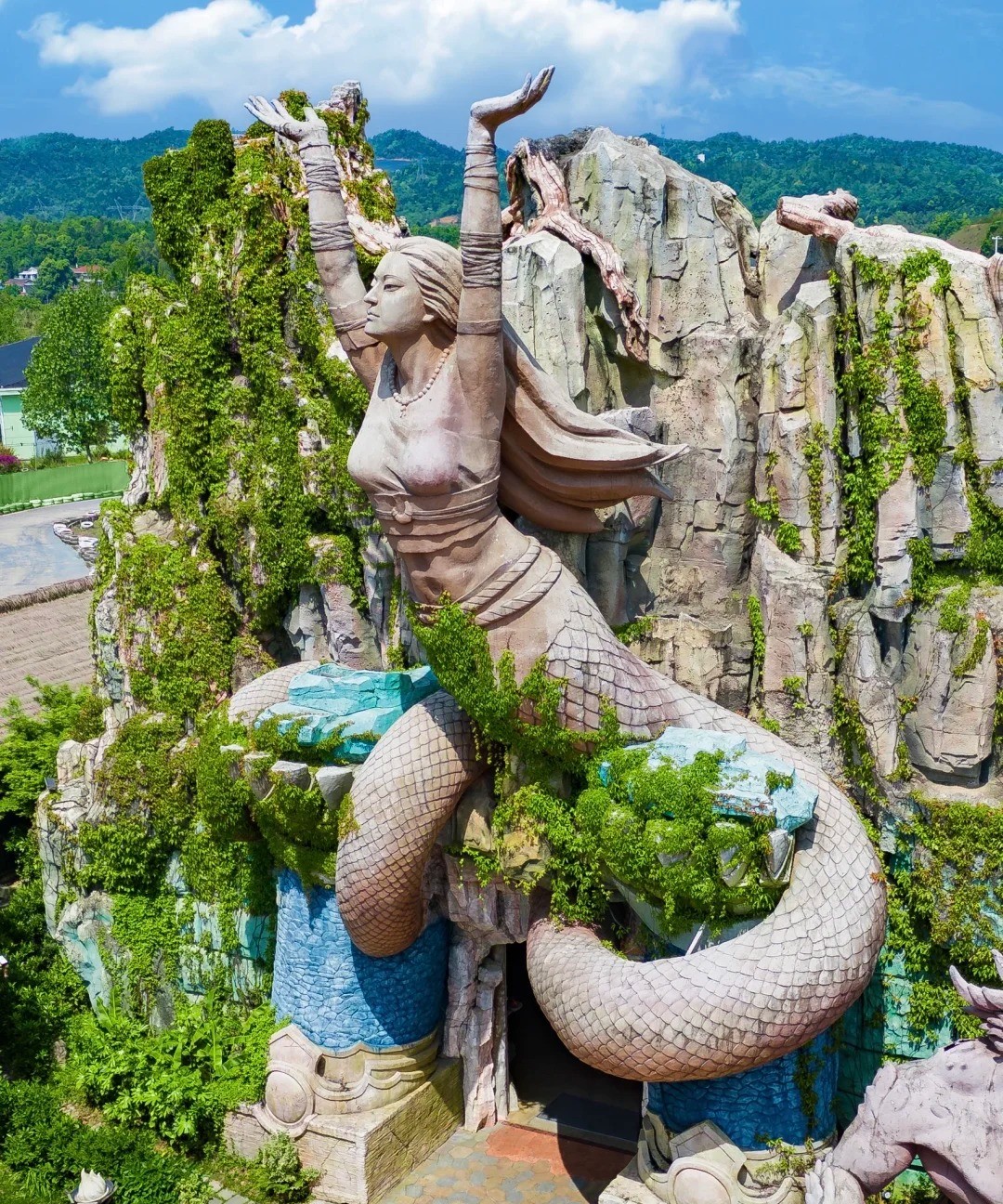
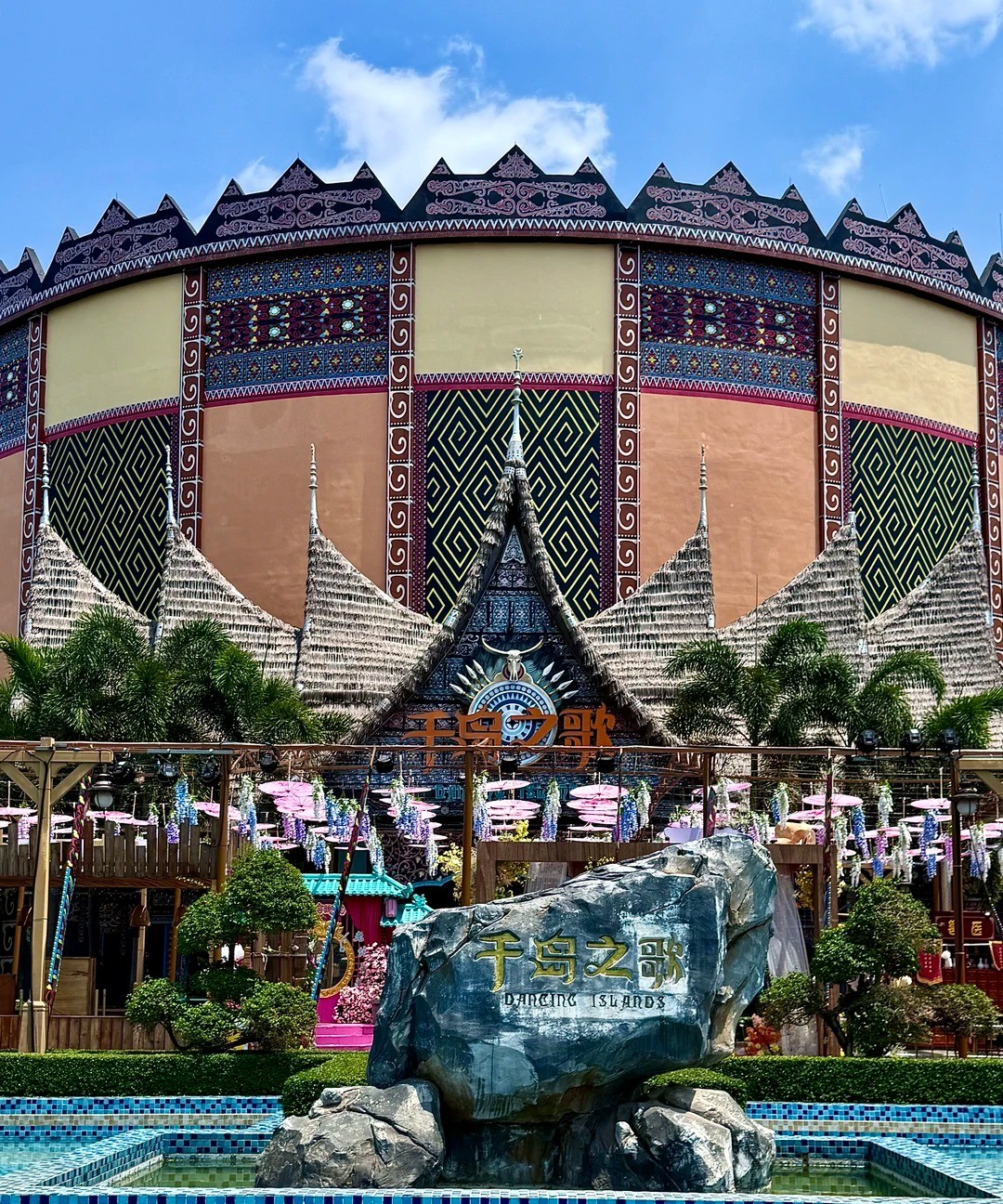
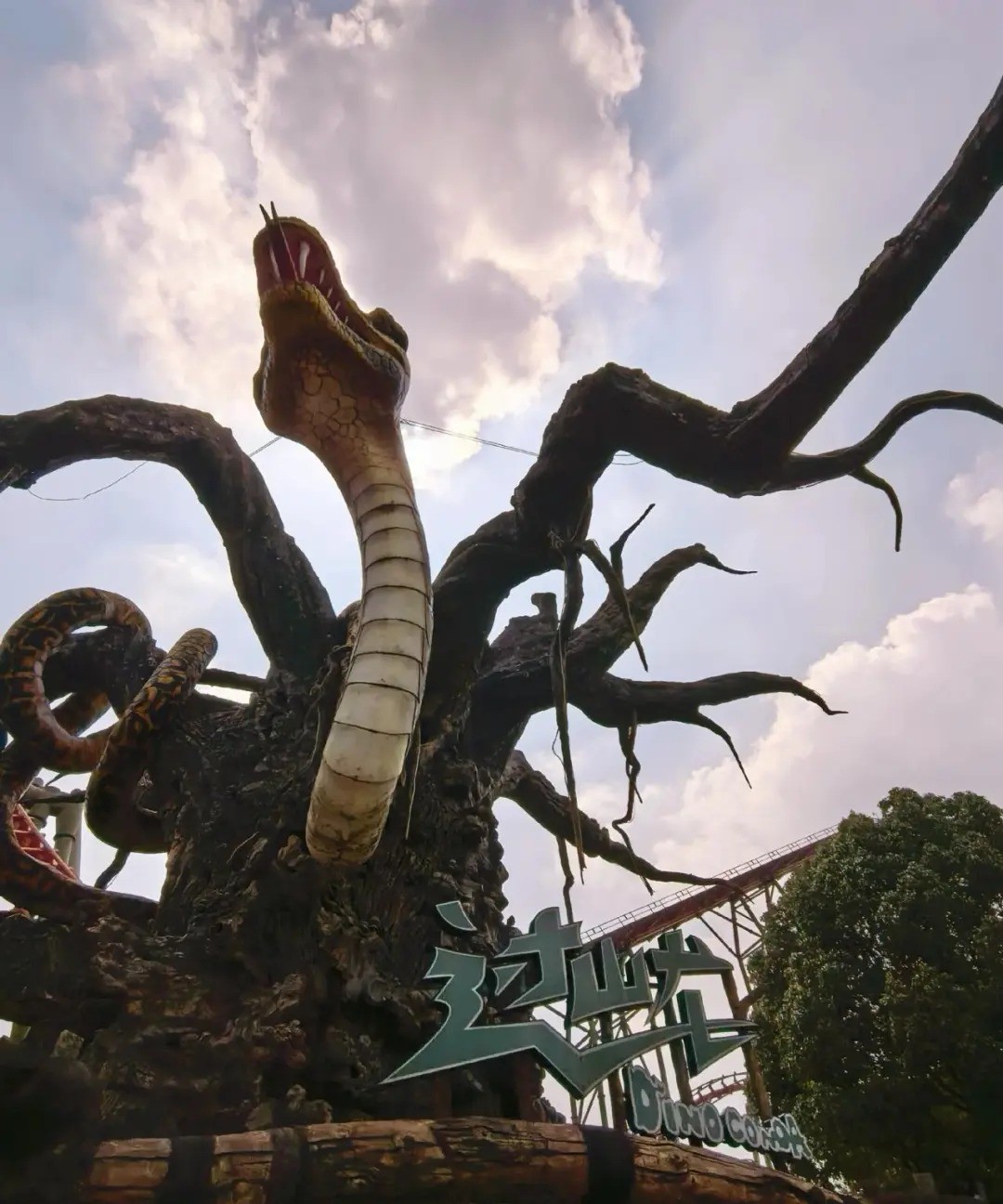
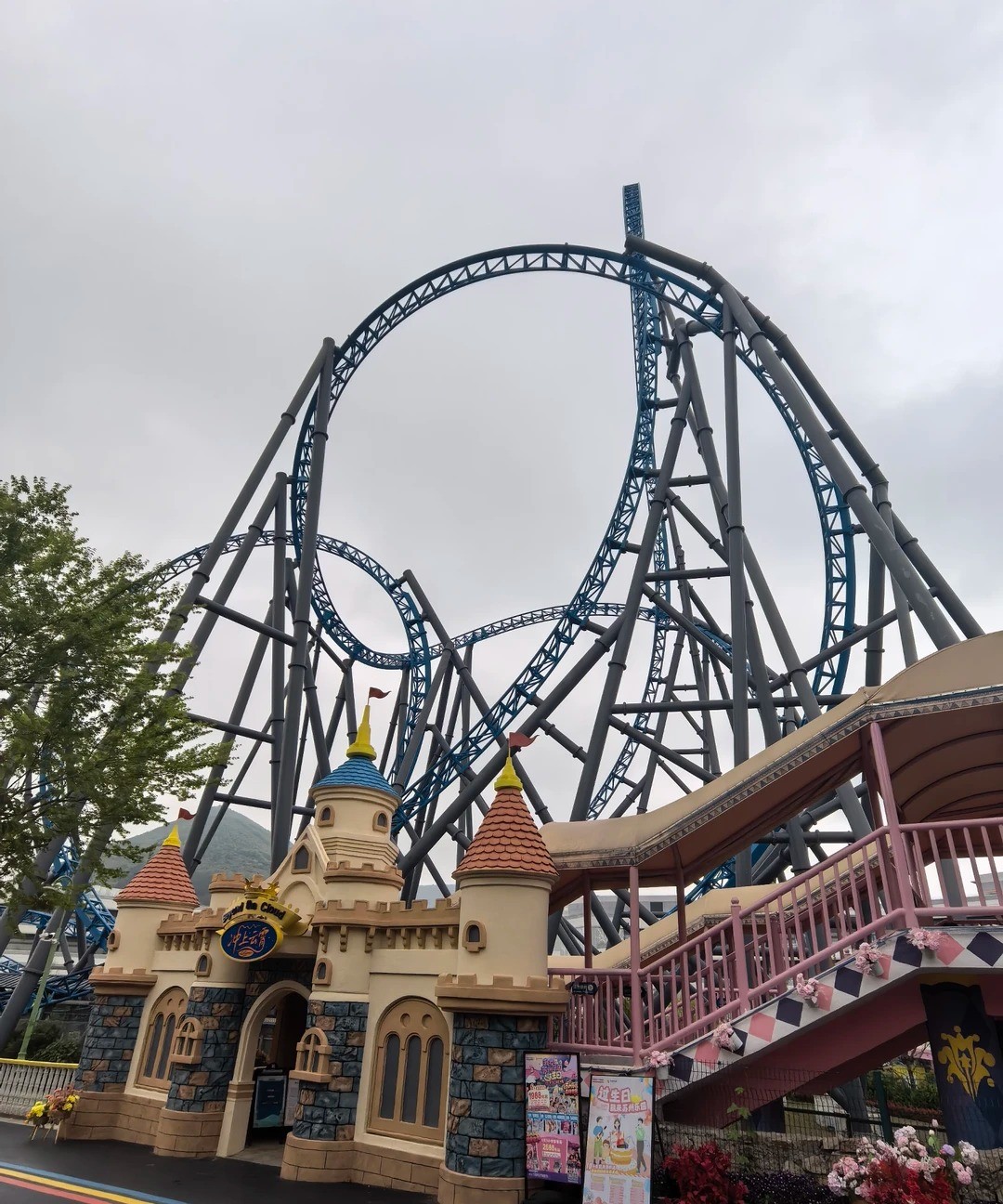
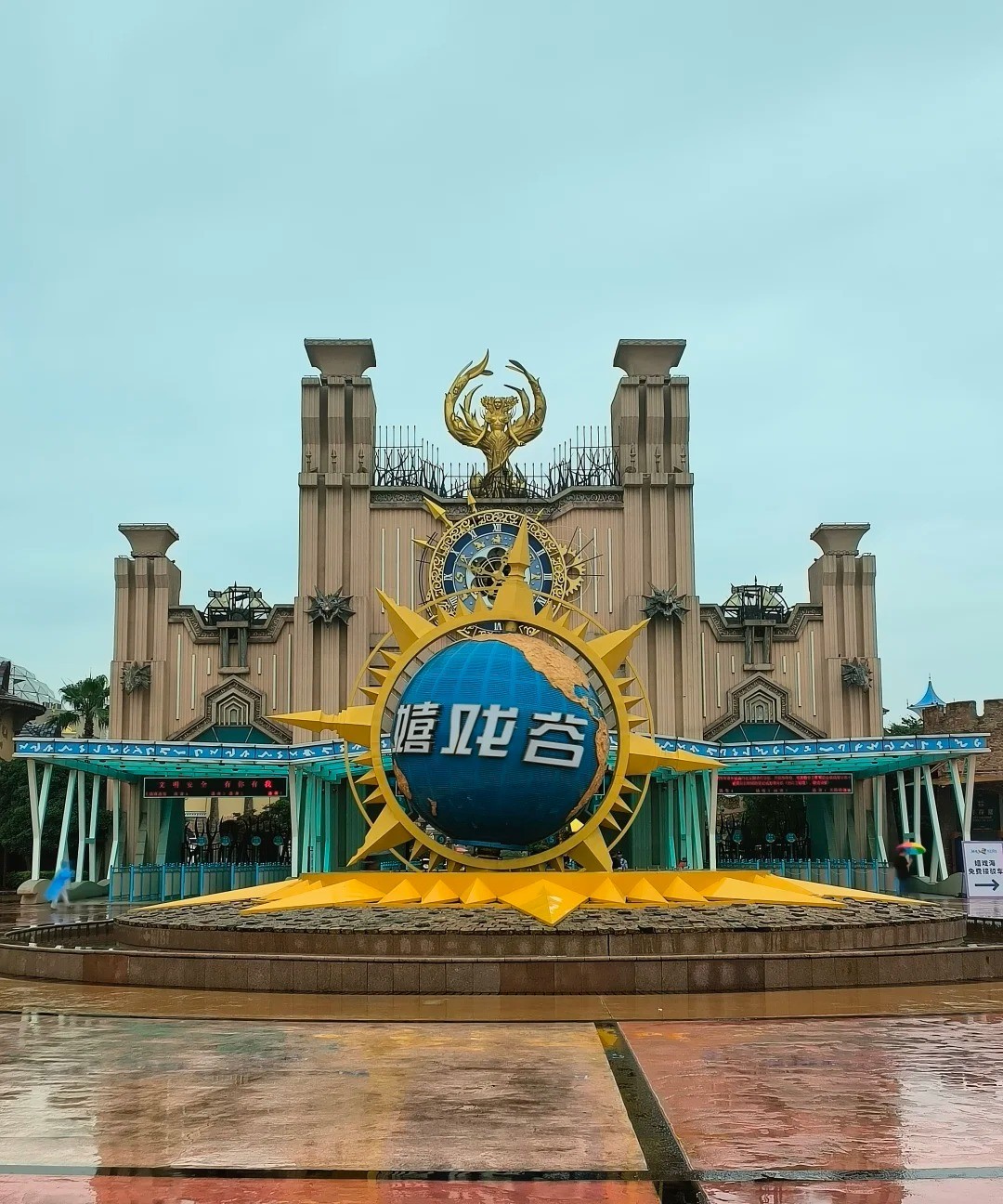
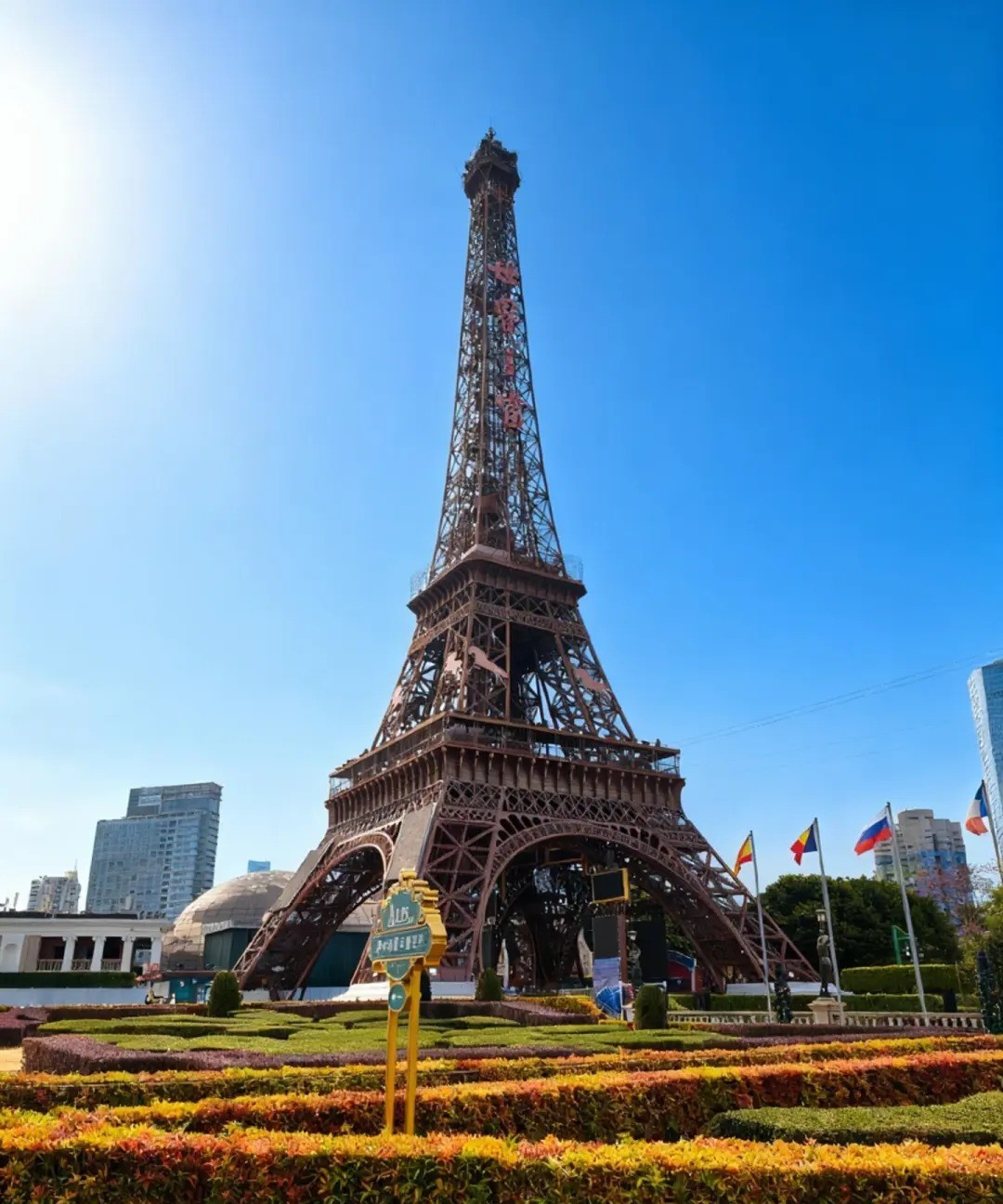
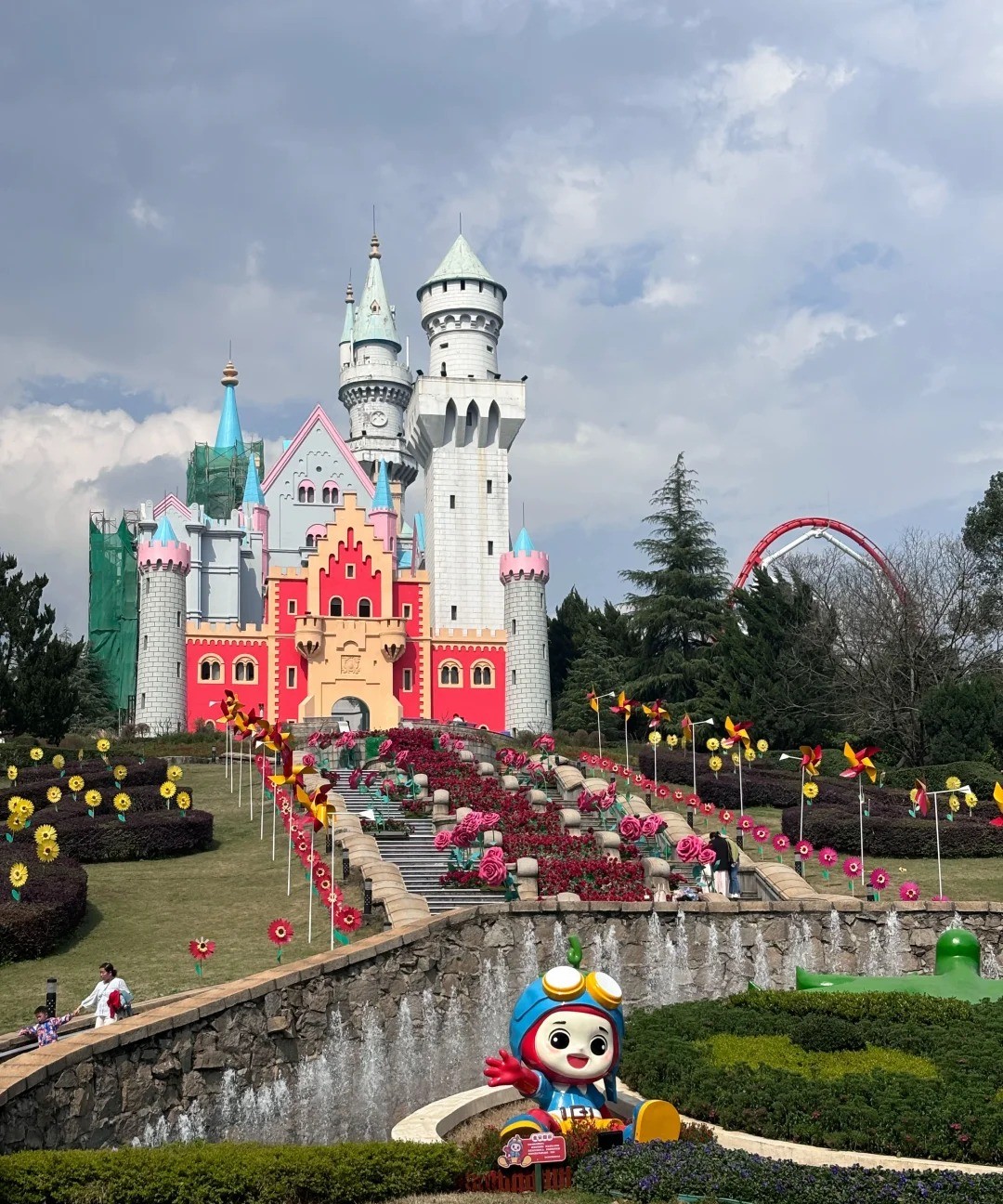
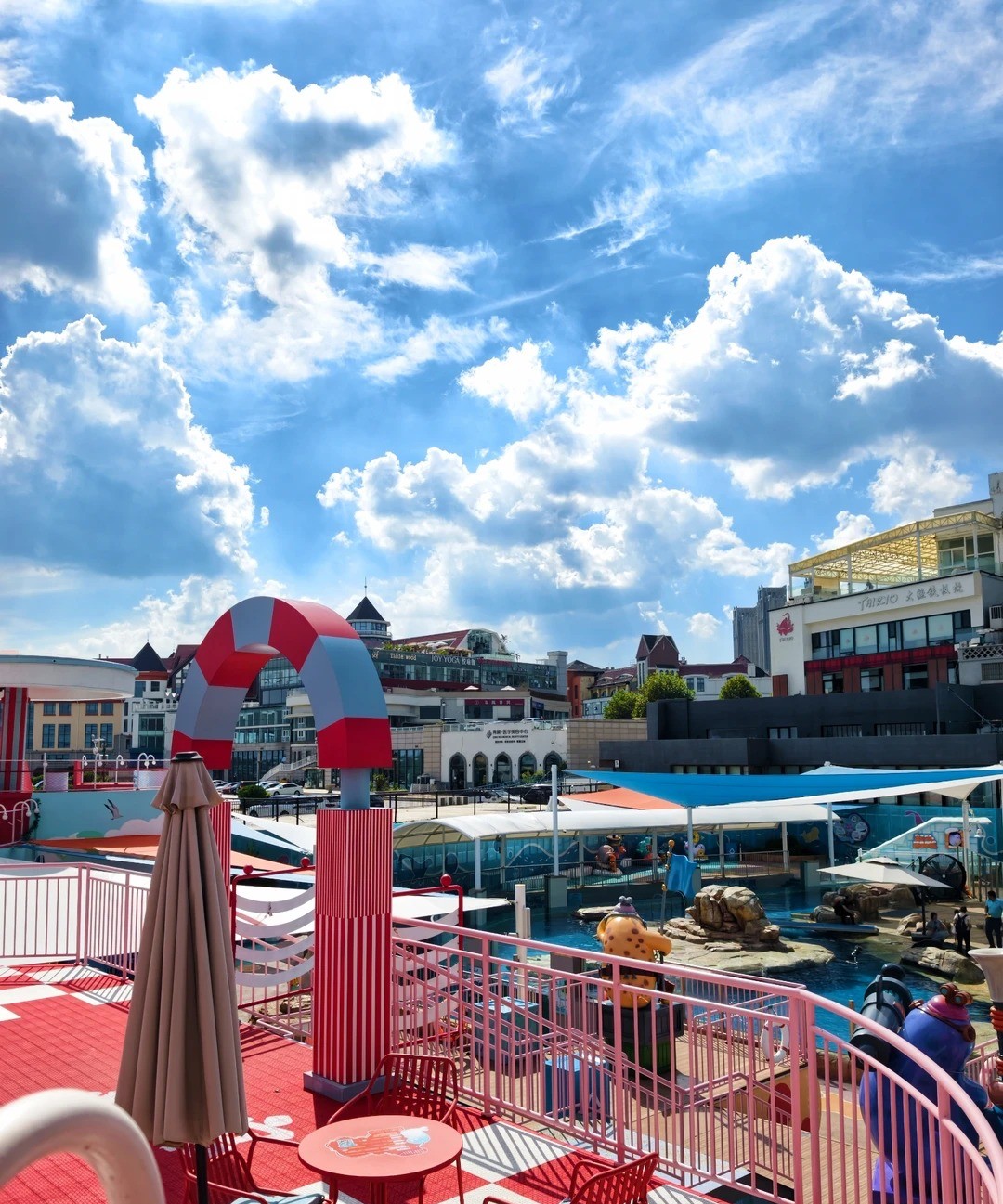
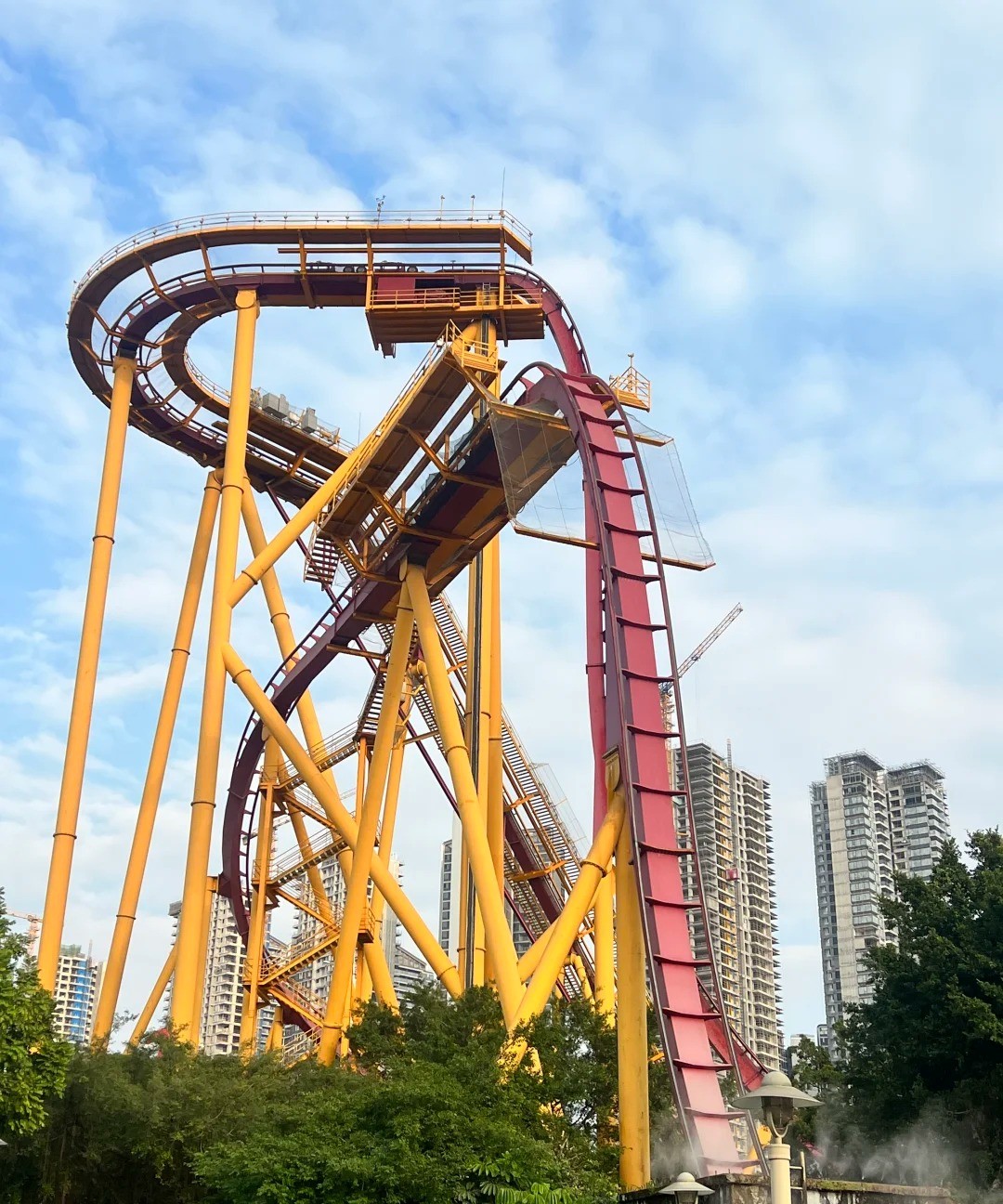
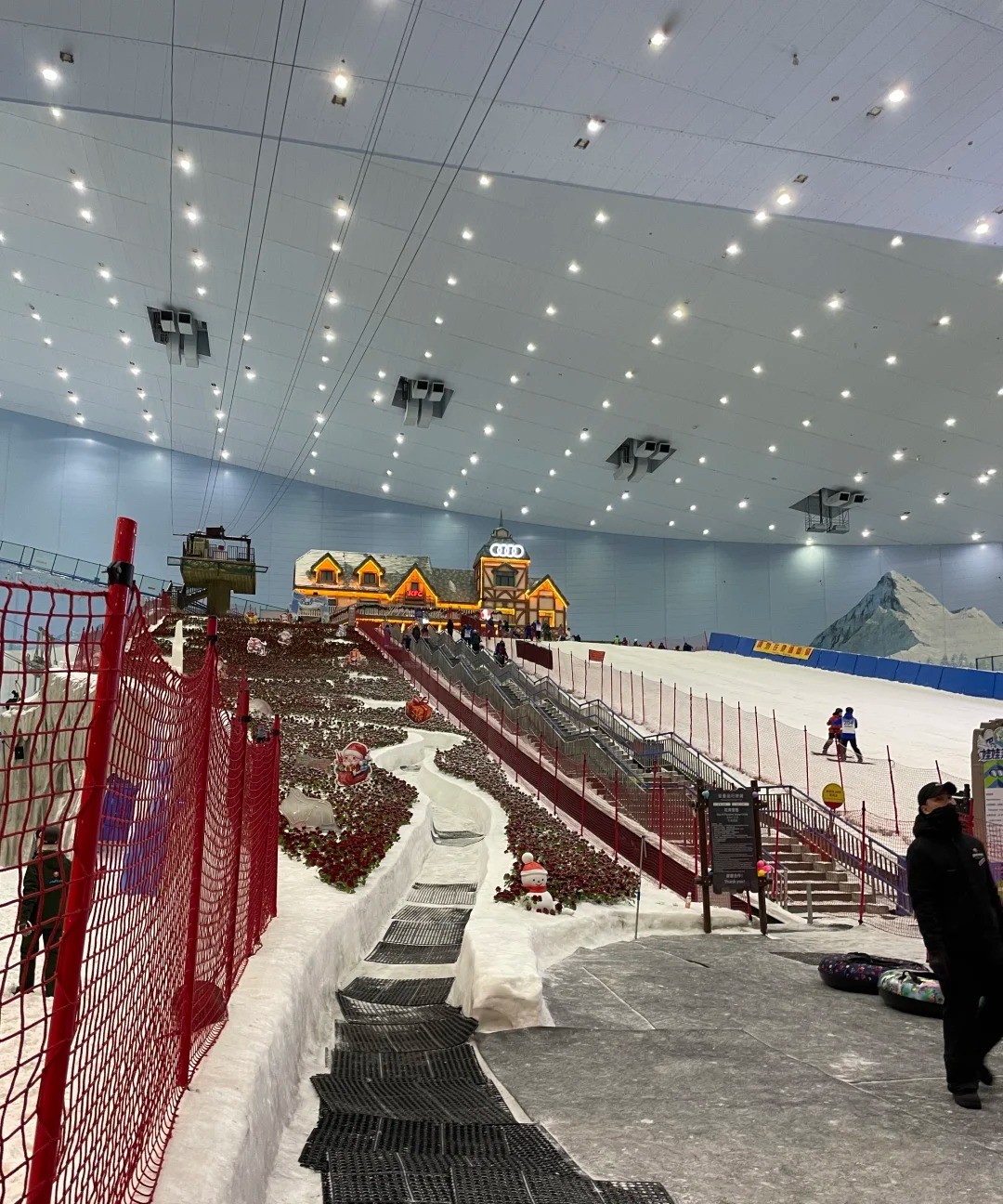
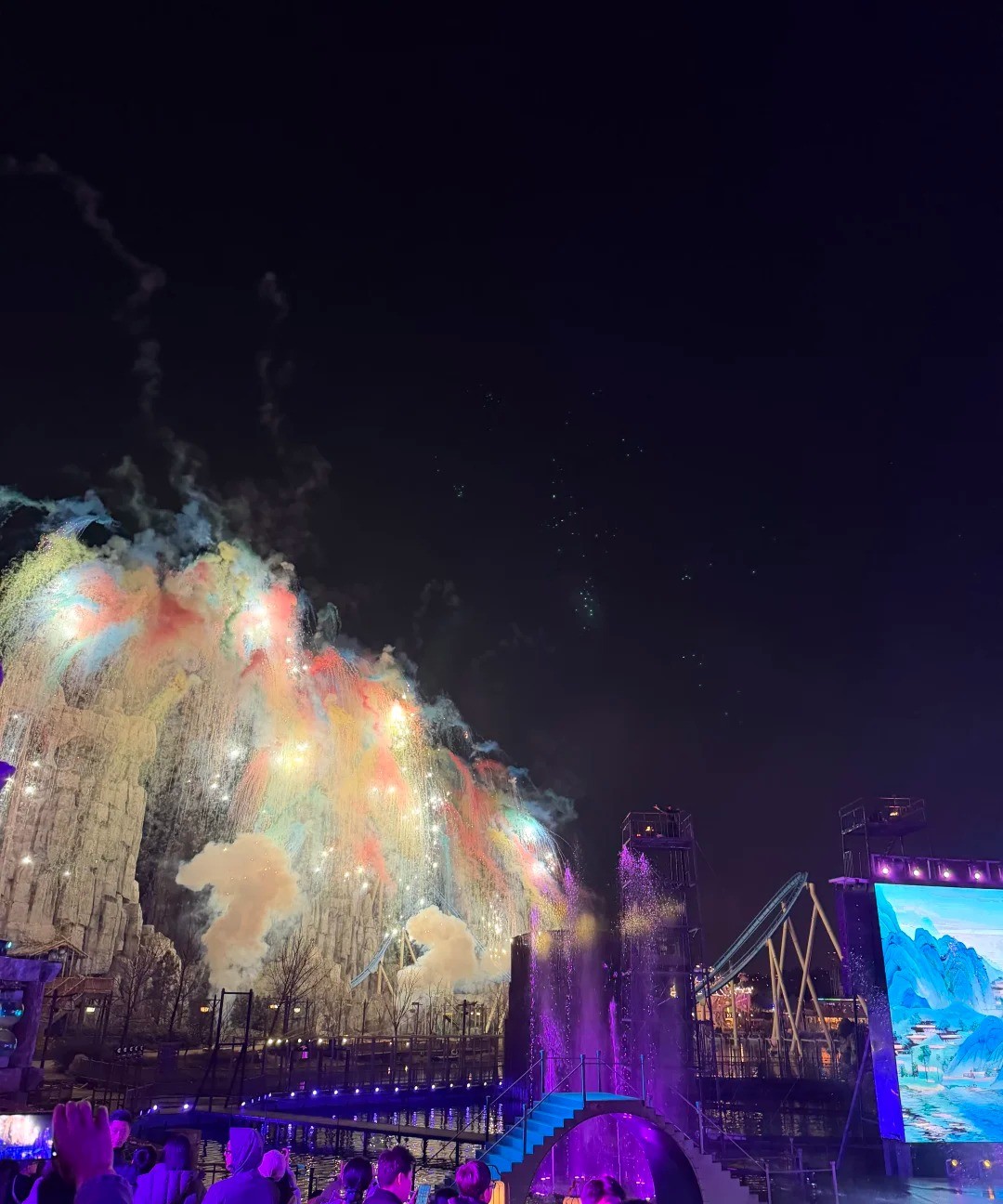
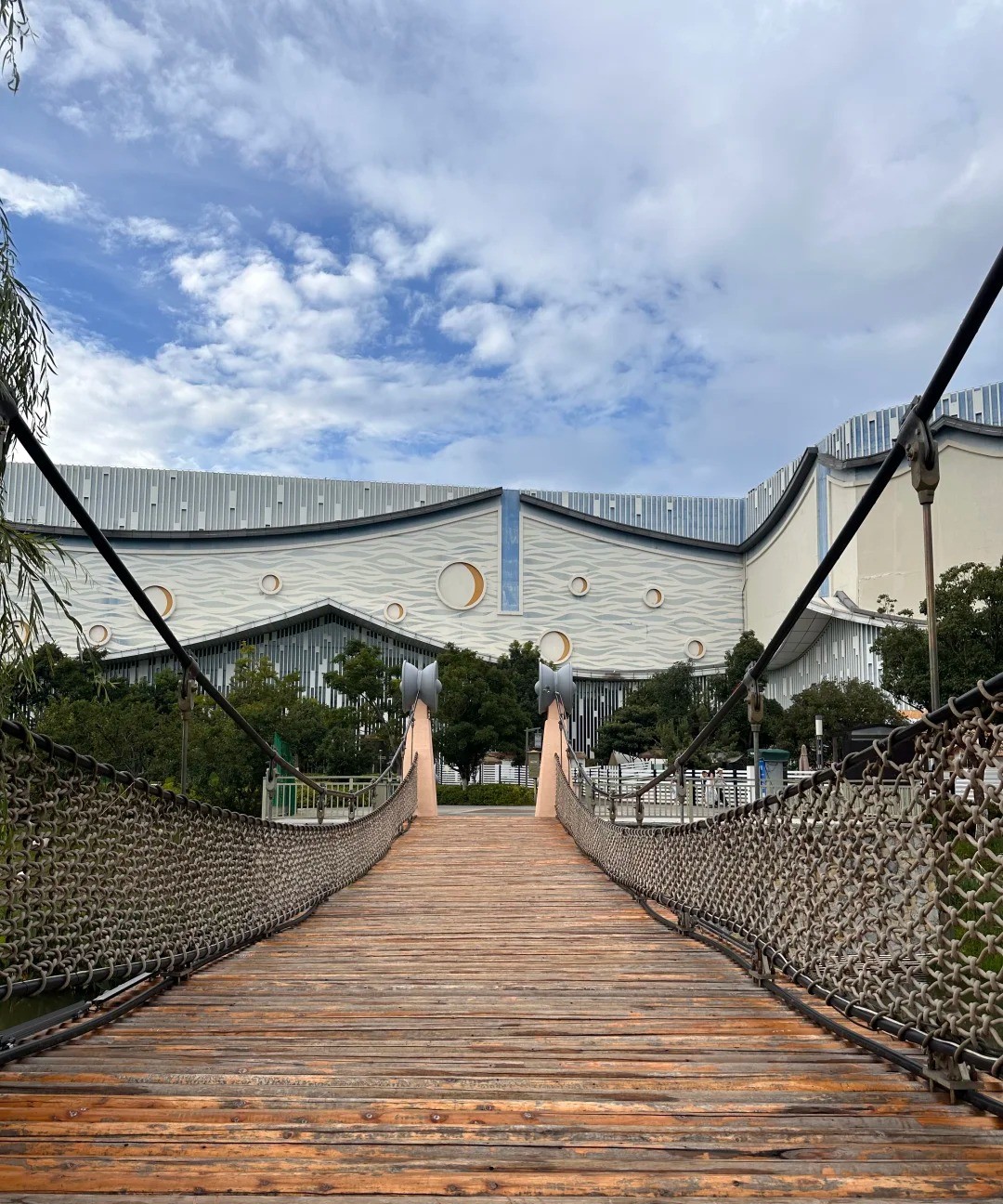
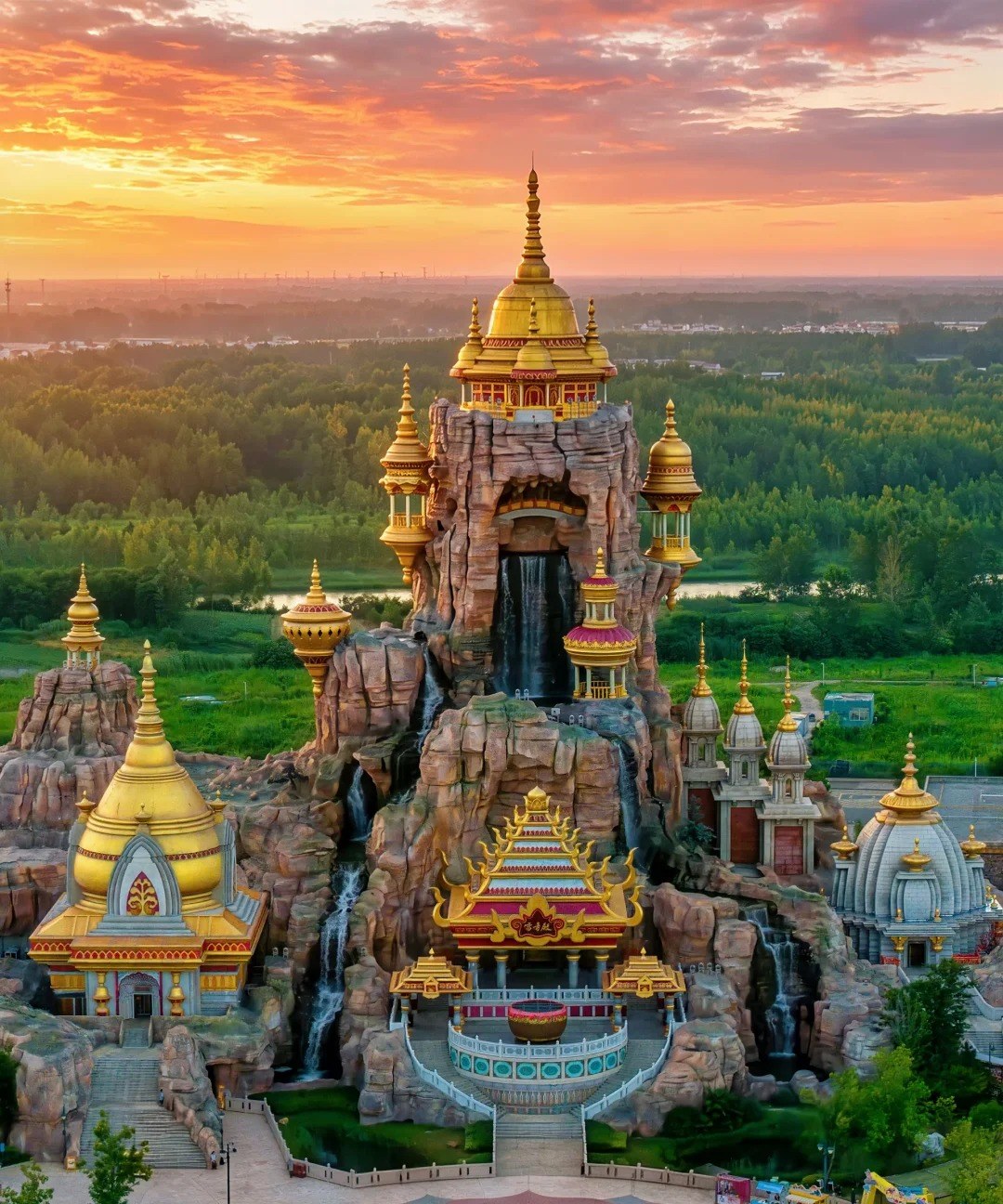
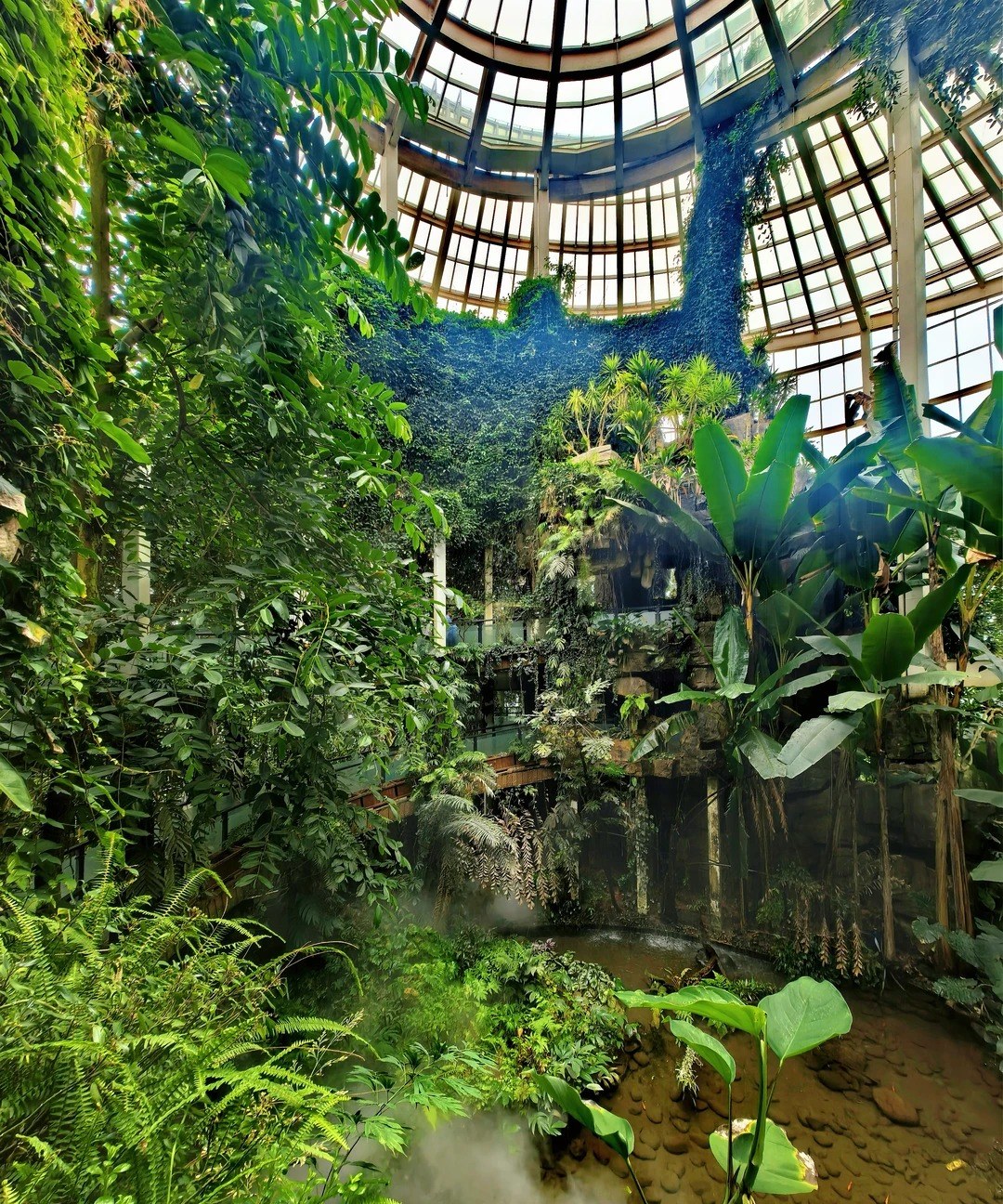
THEME PARK
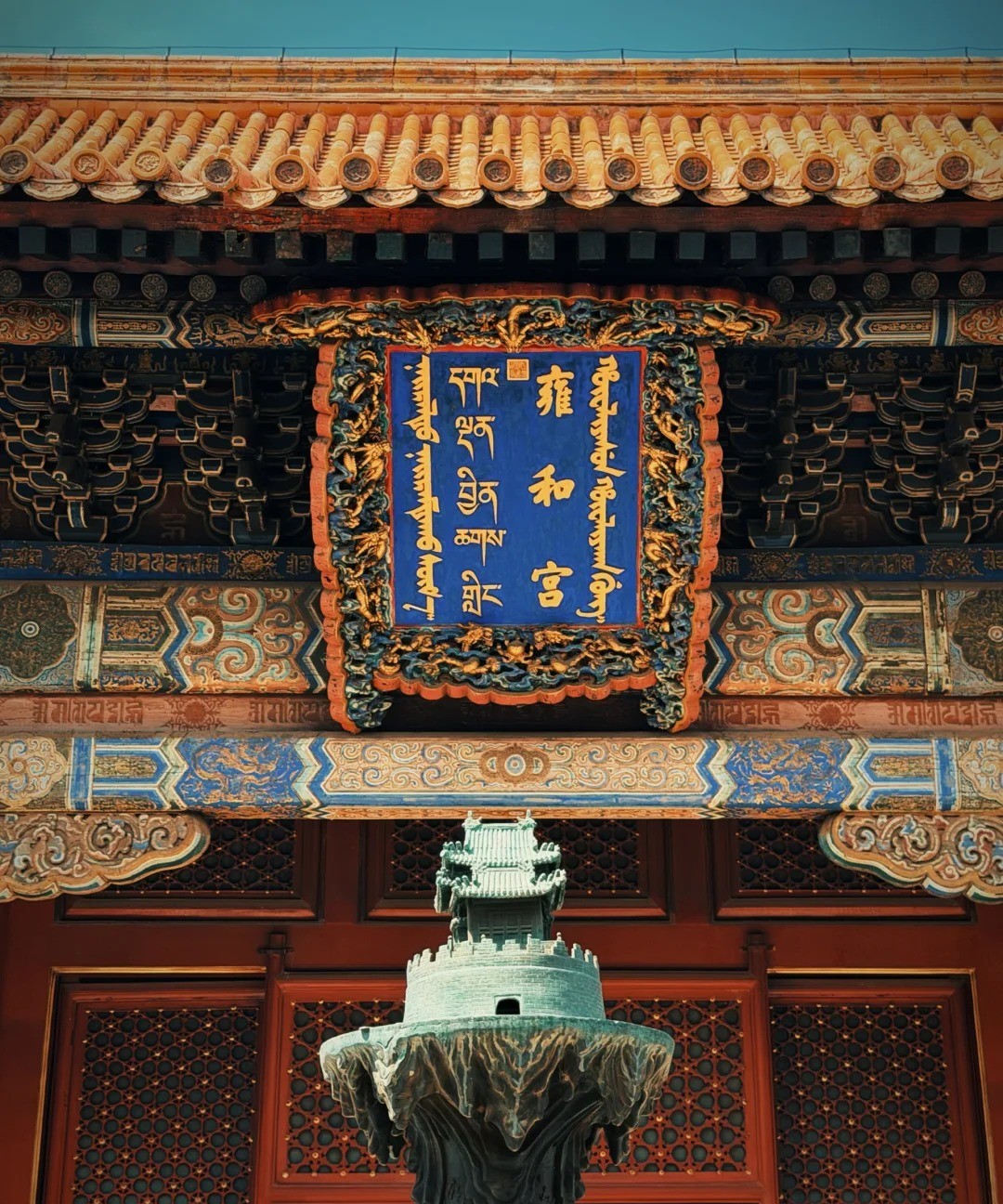
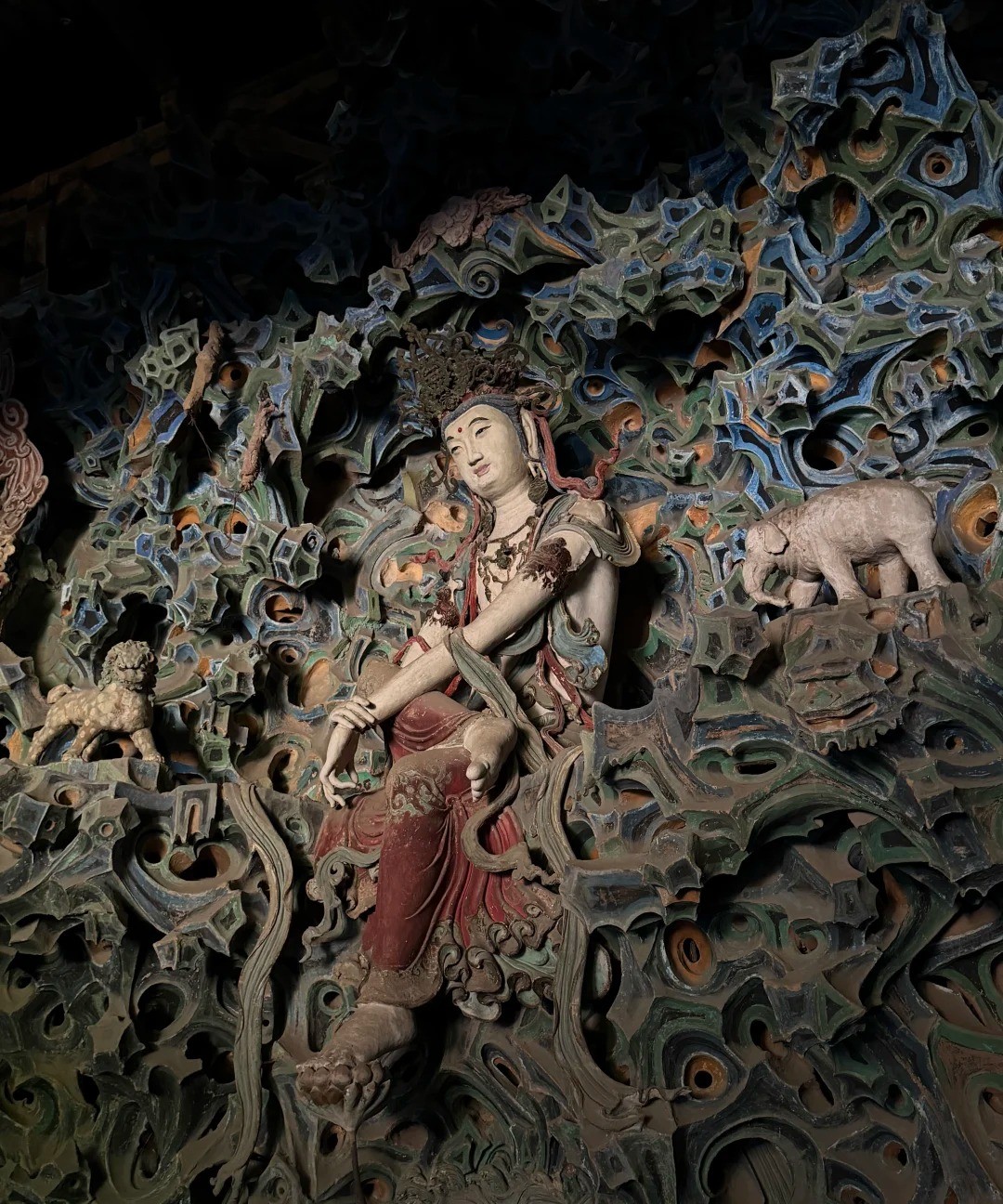
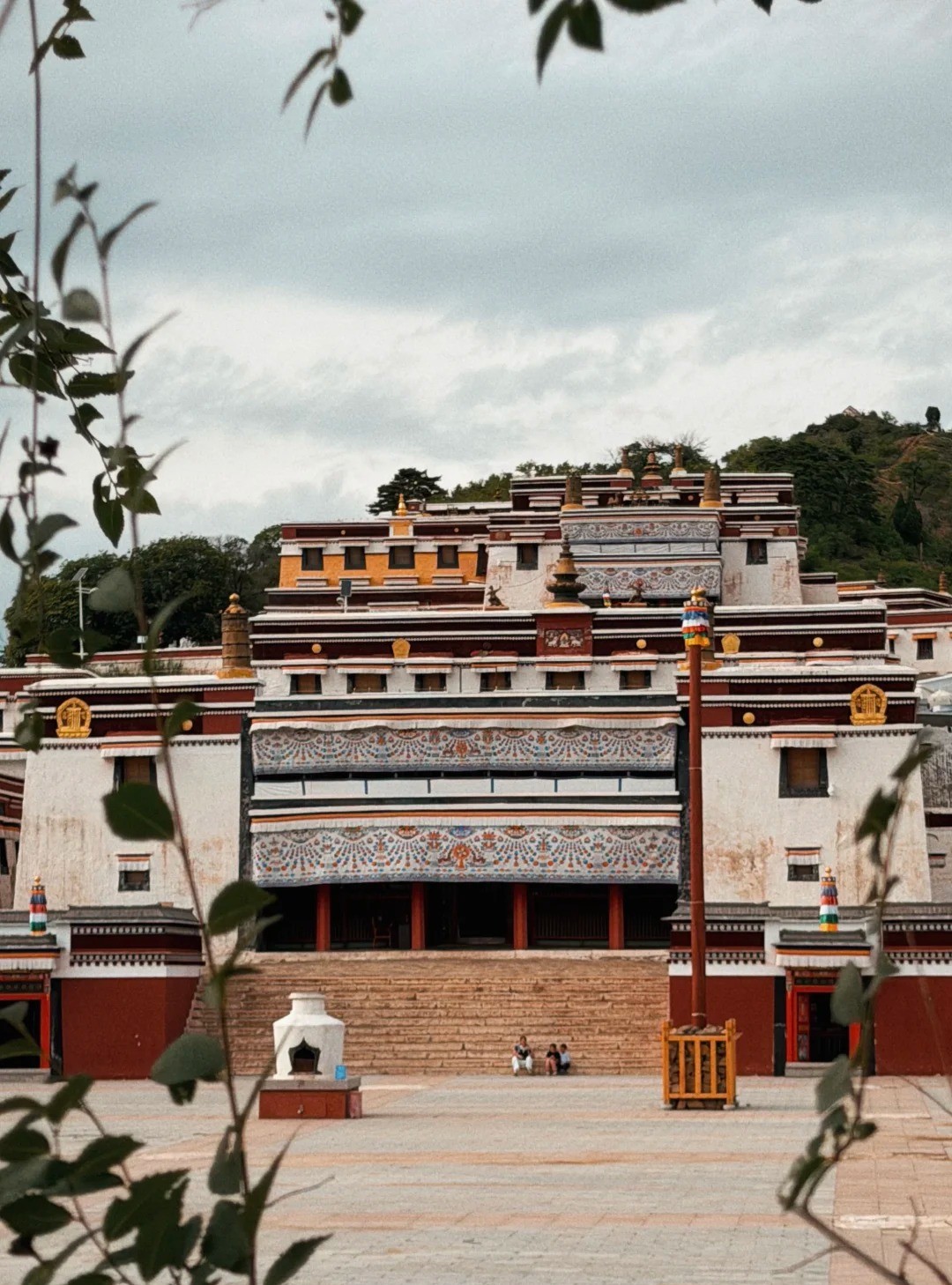
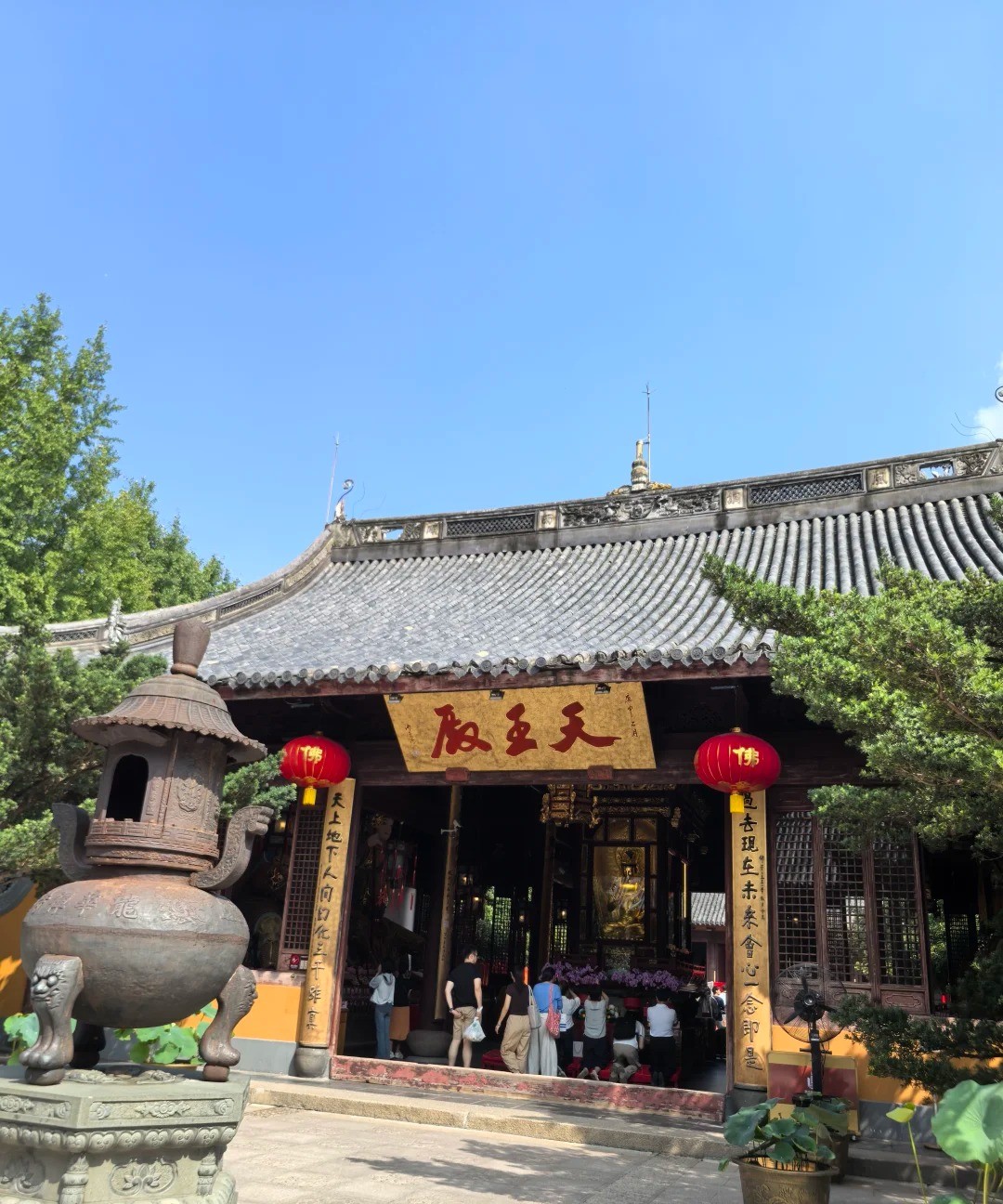
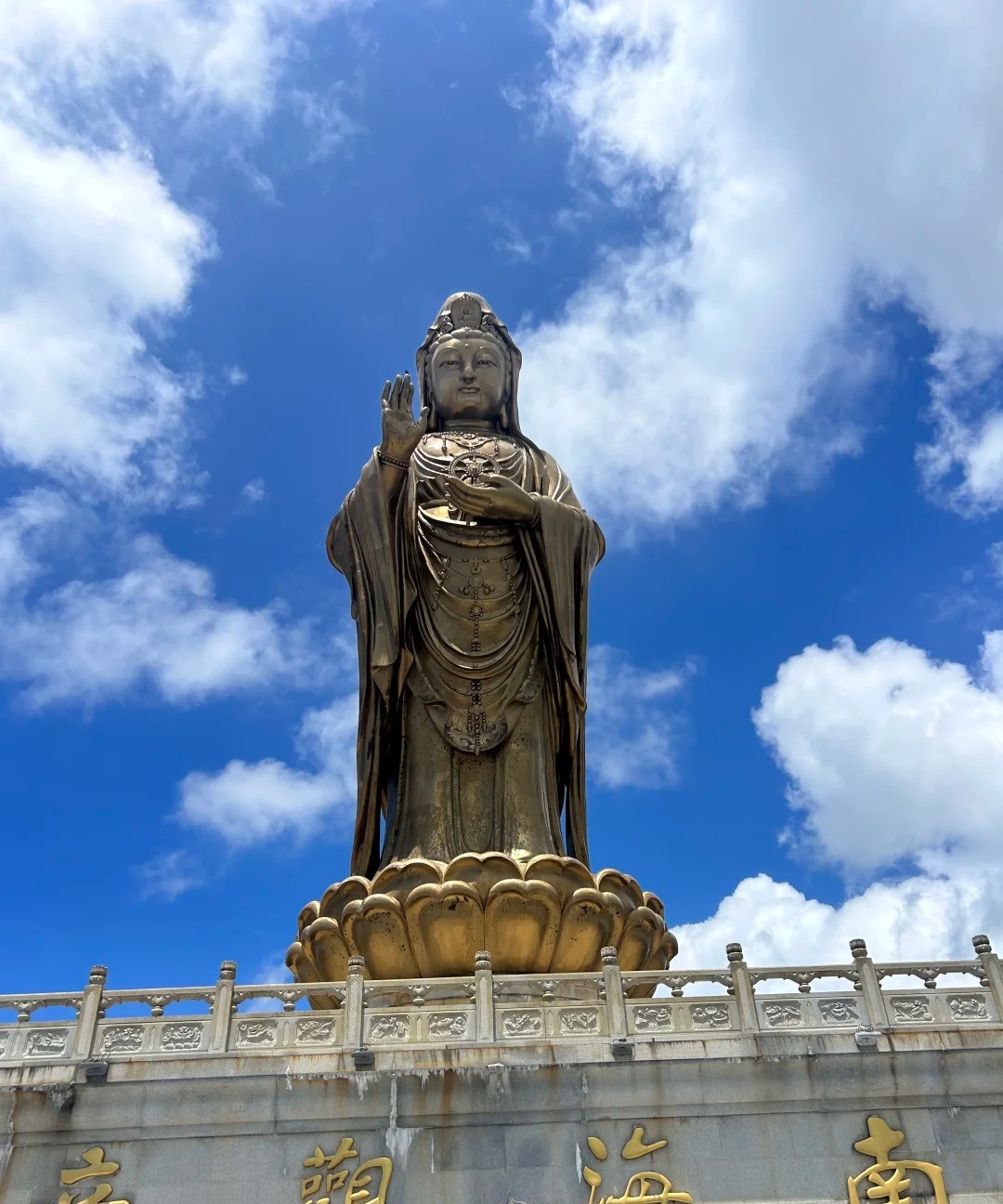
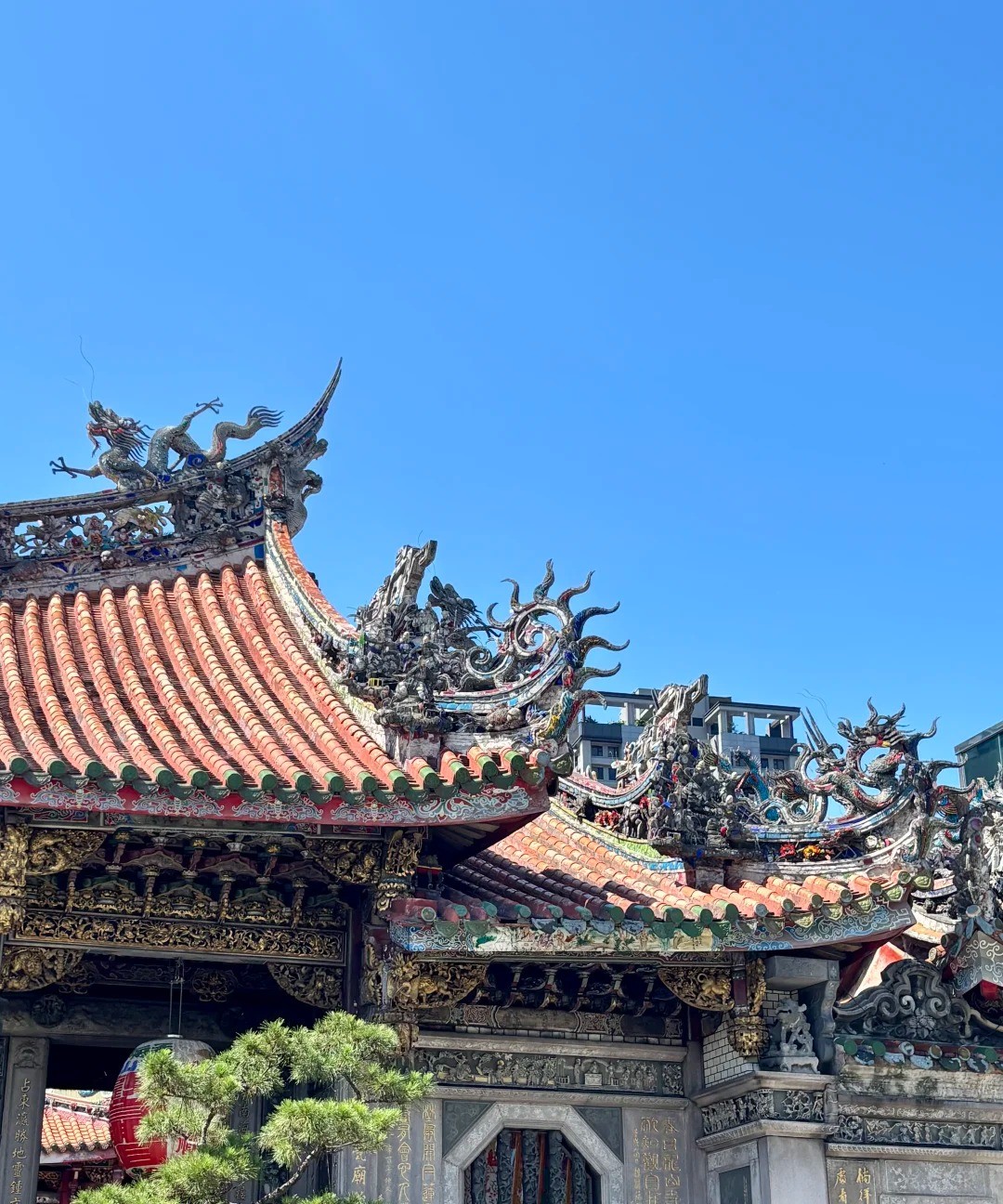
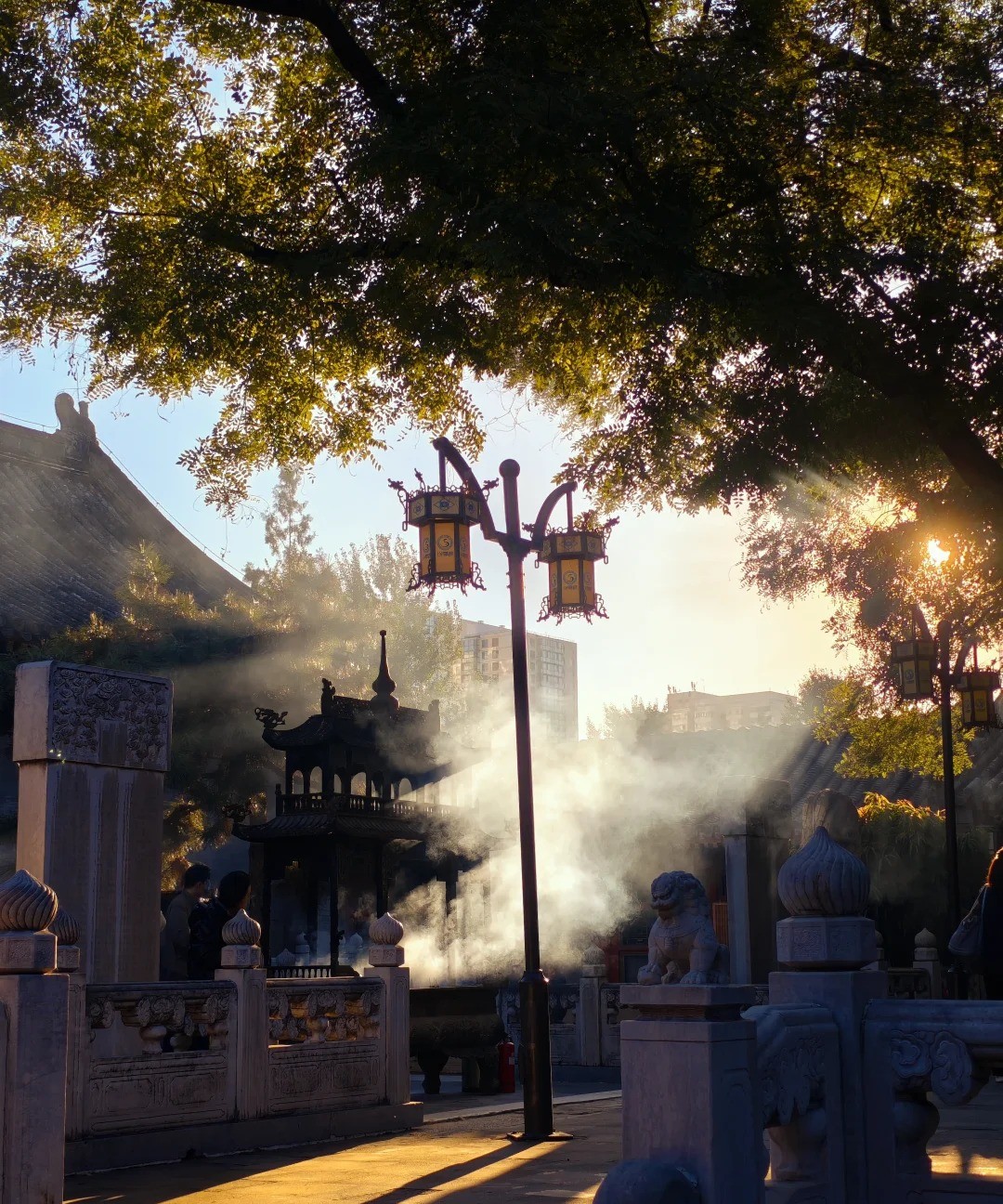
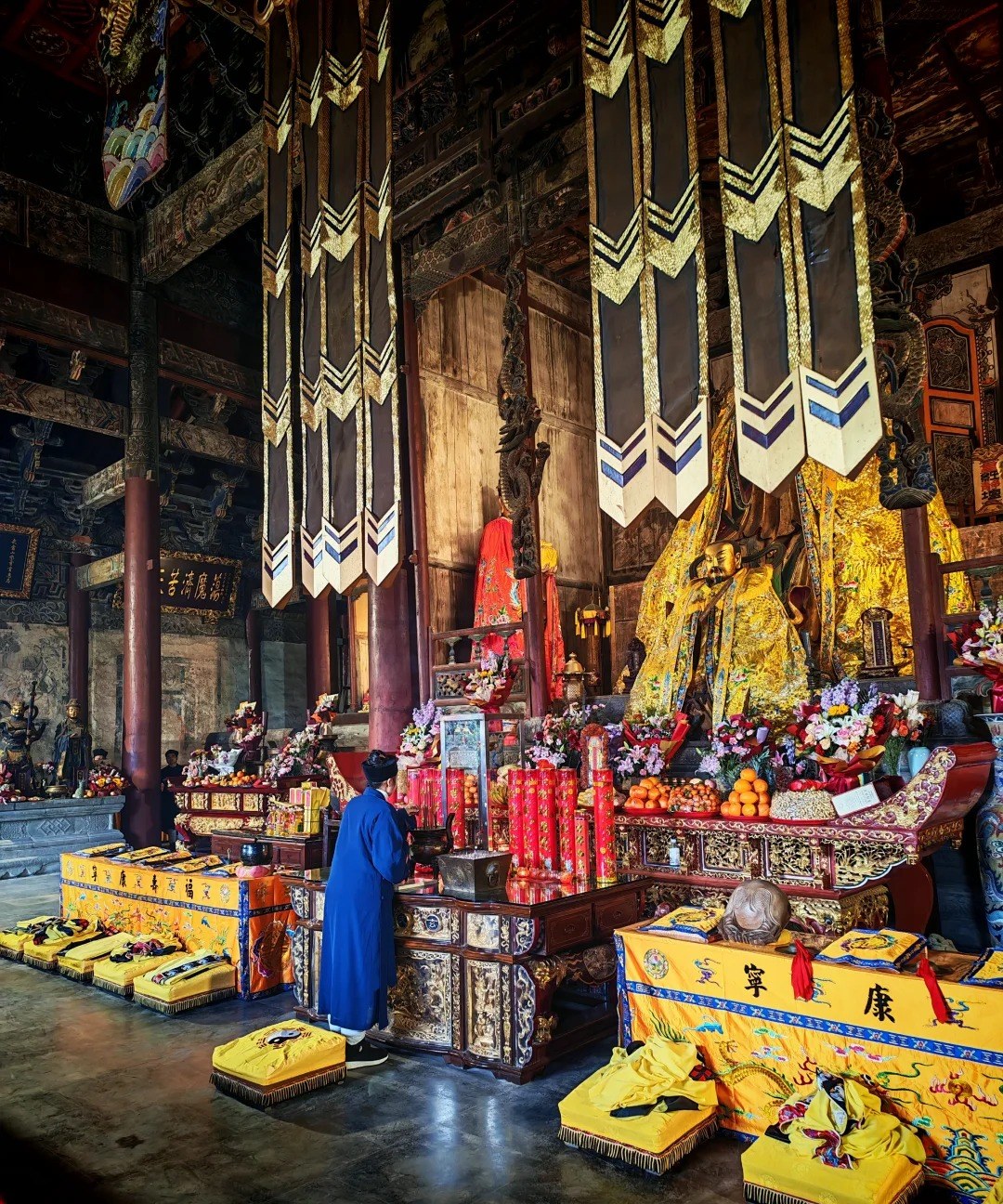
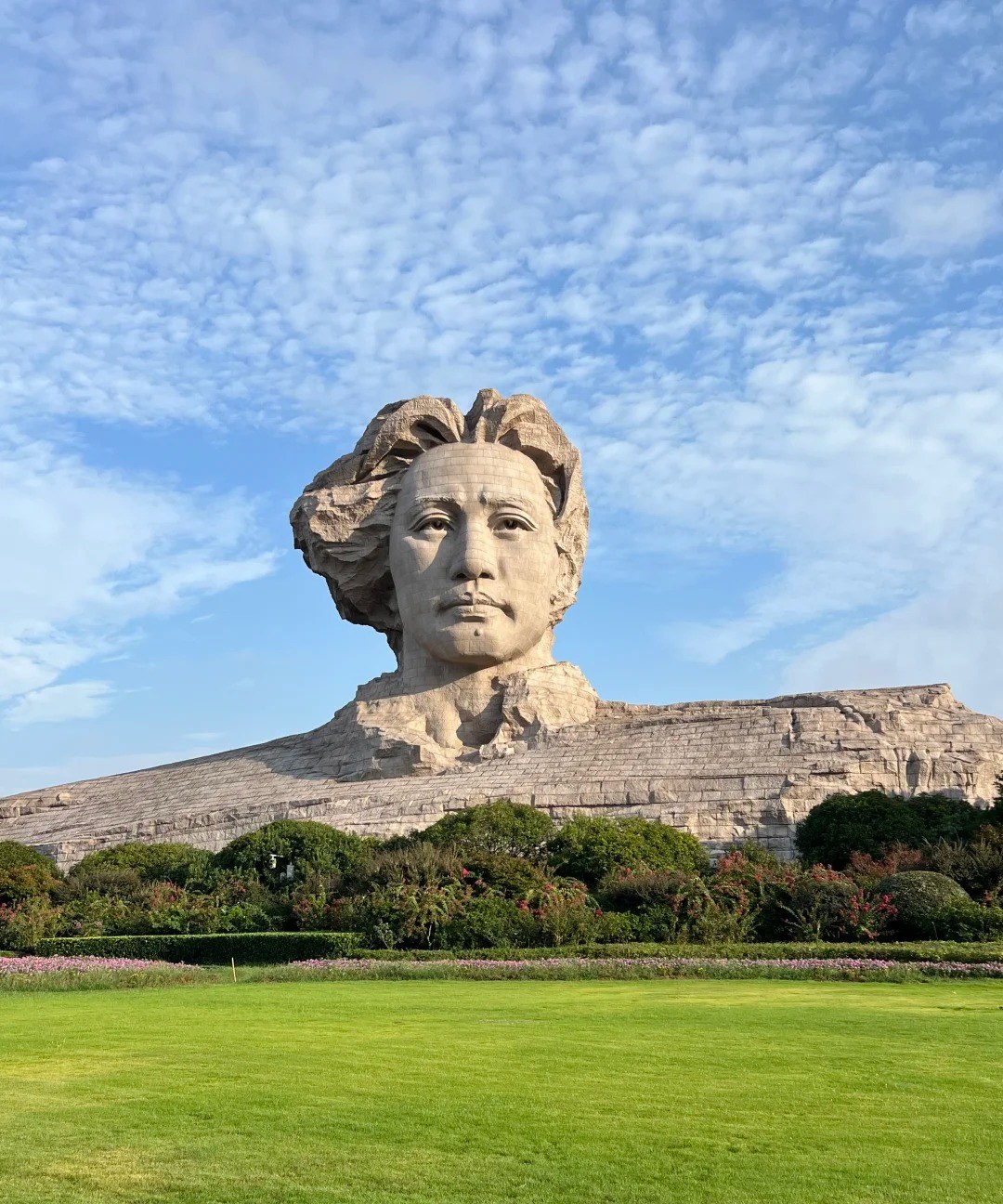
RELIGIOUS SITE
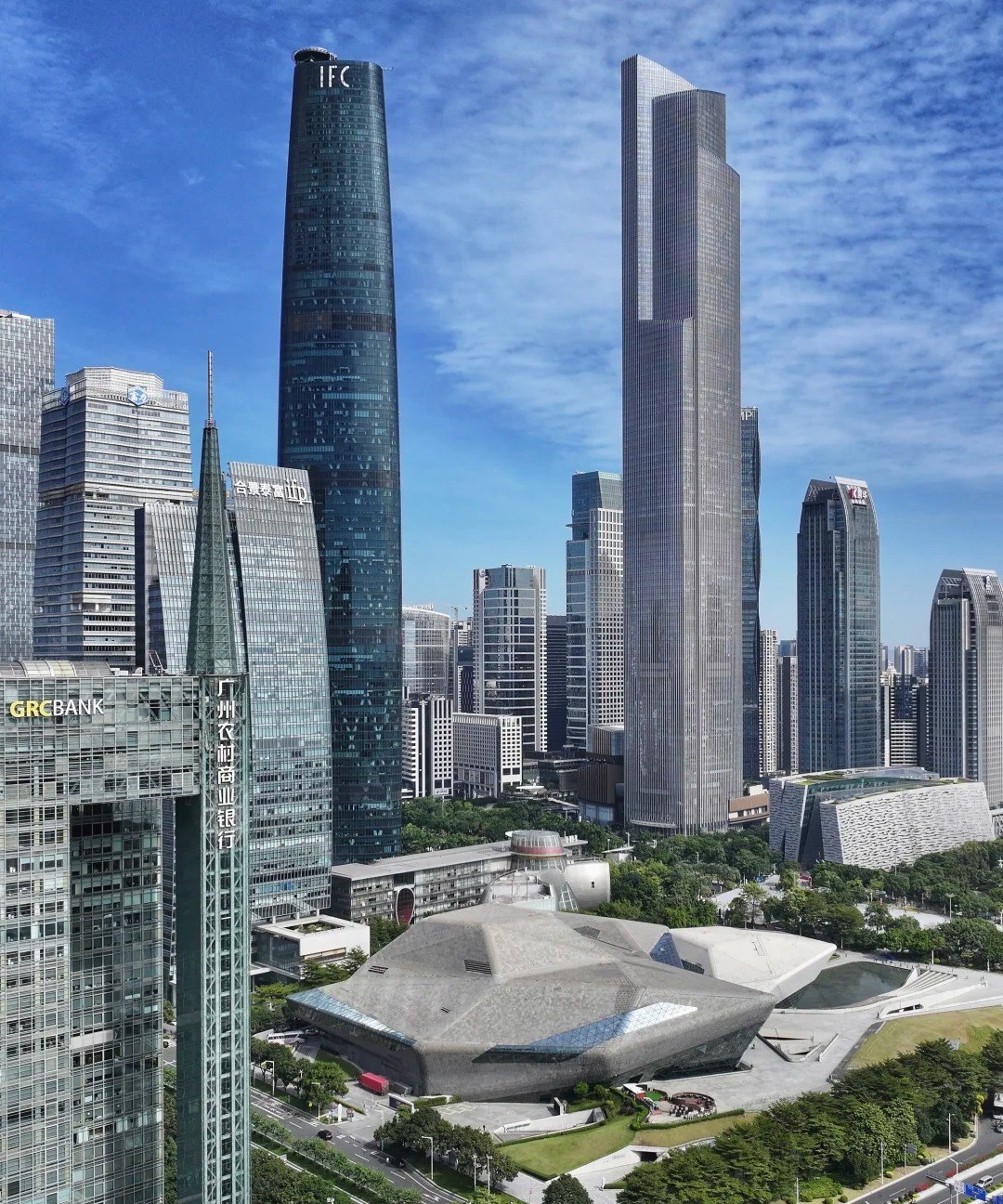
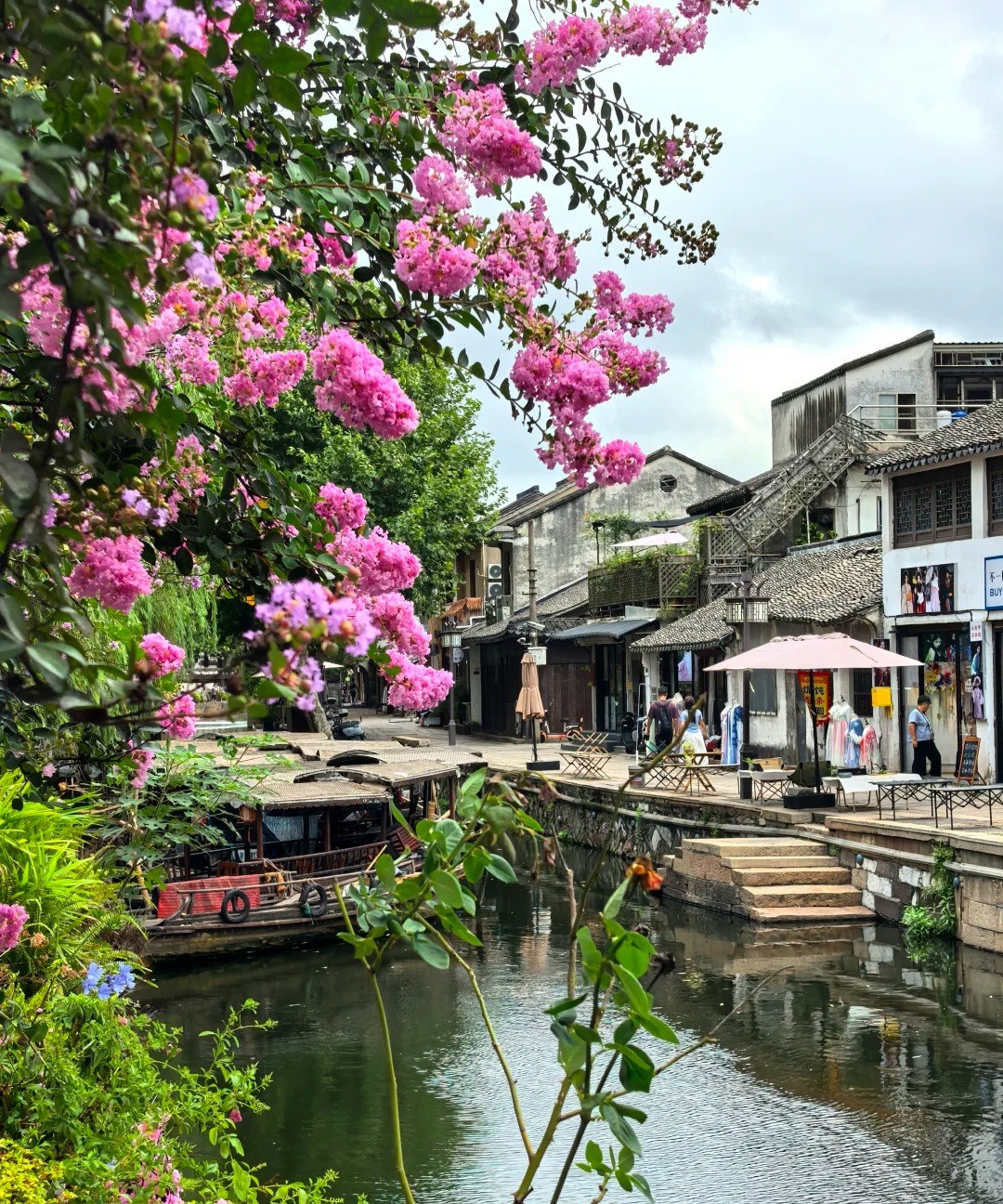
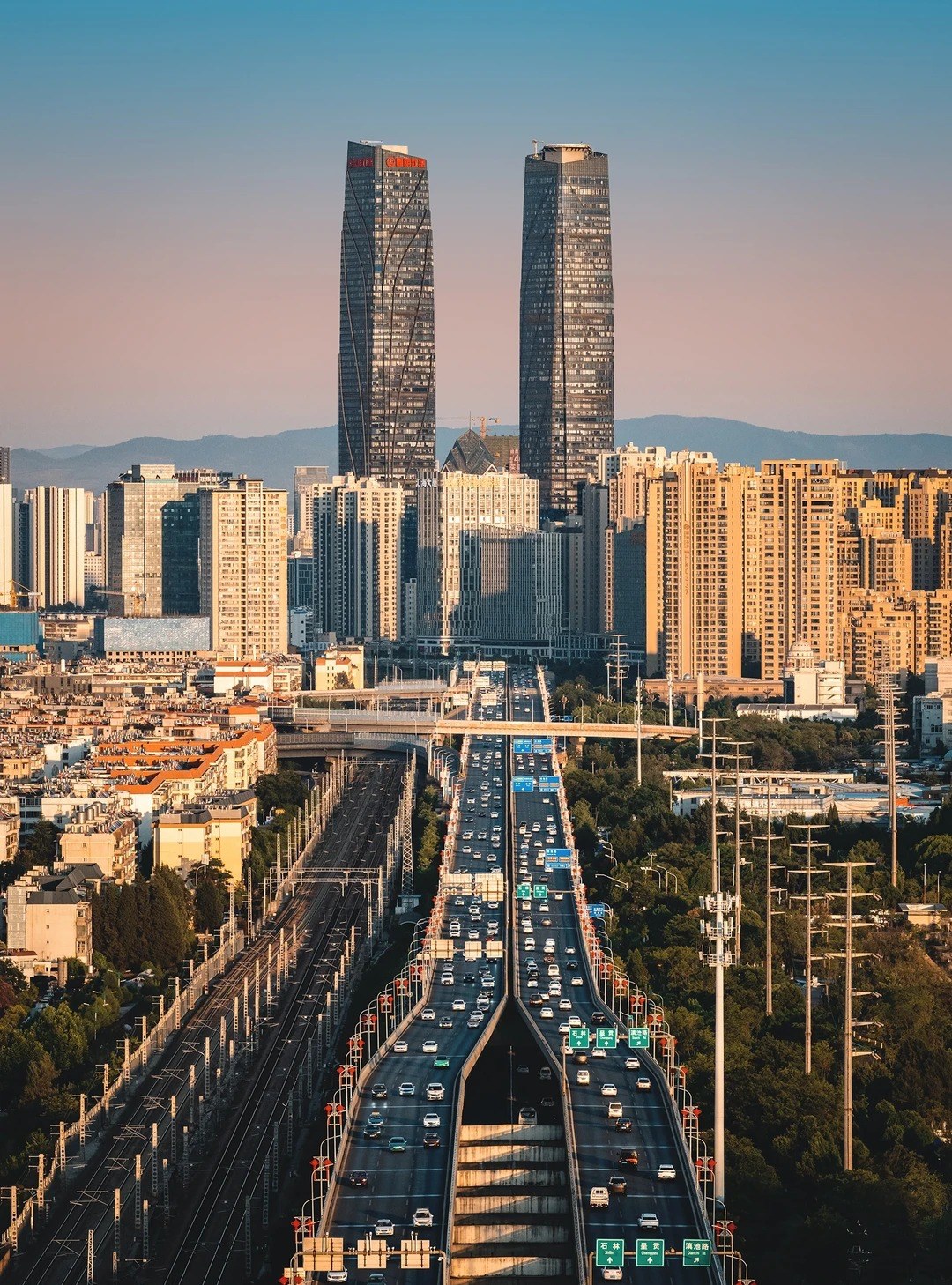
CITY SIGHTSEEING
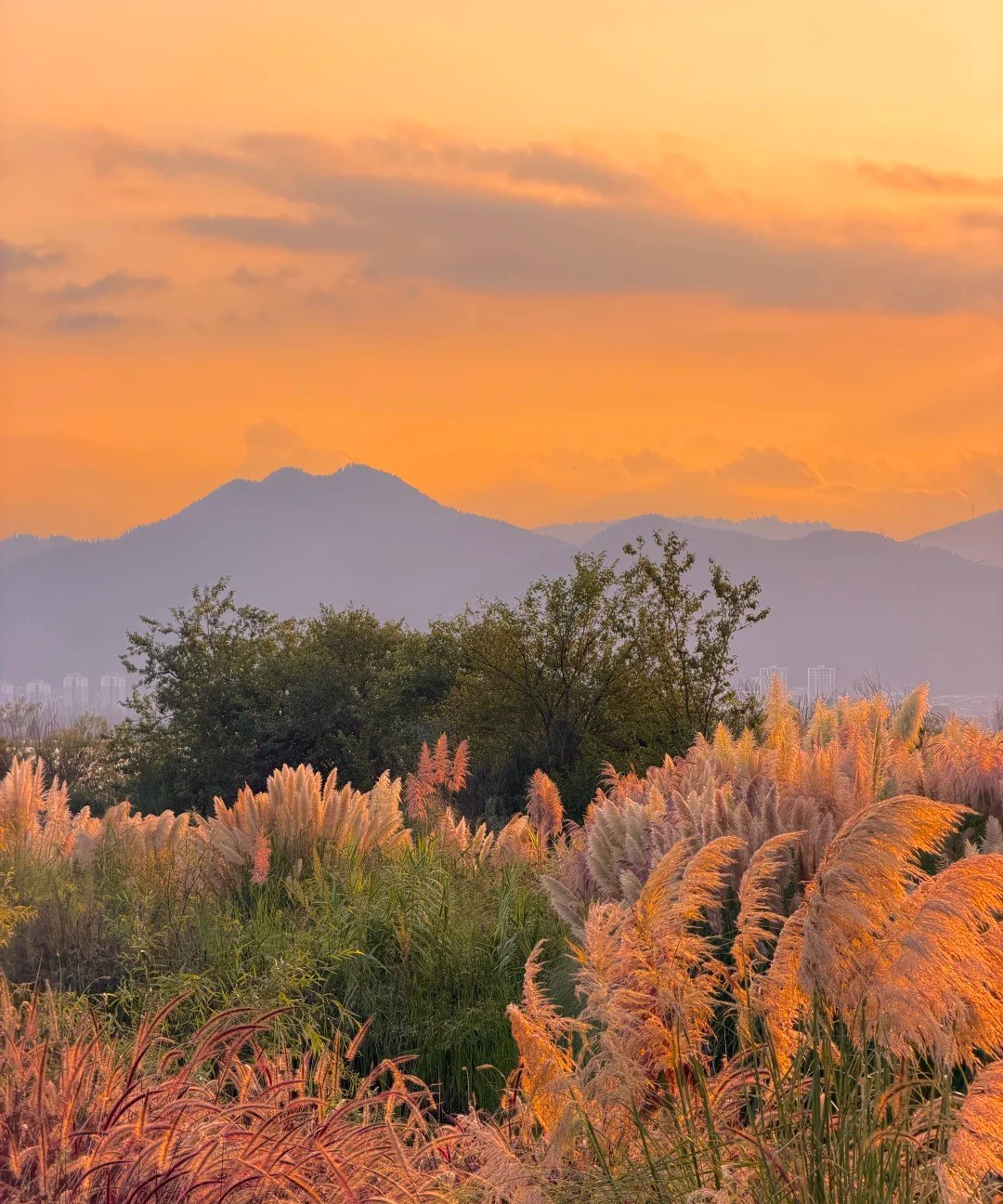
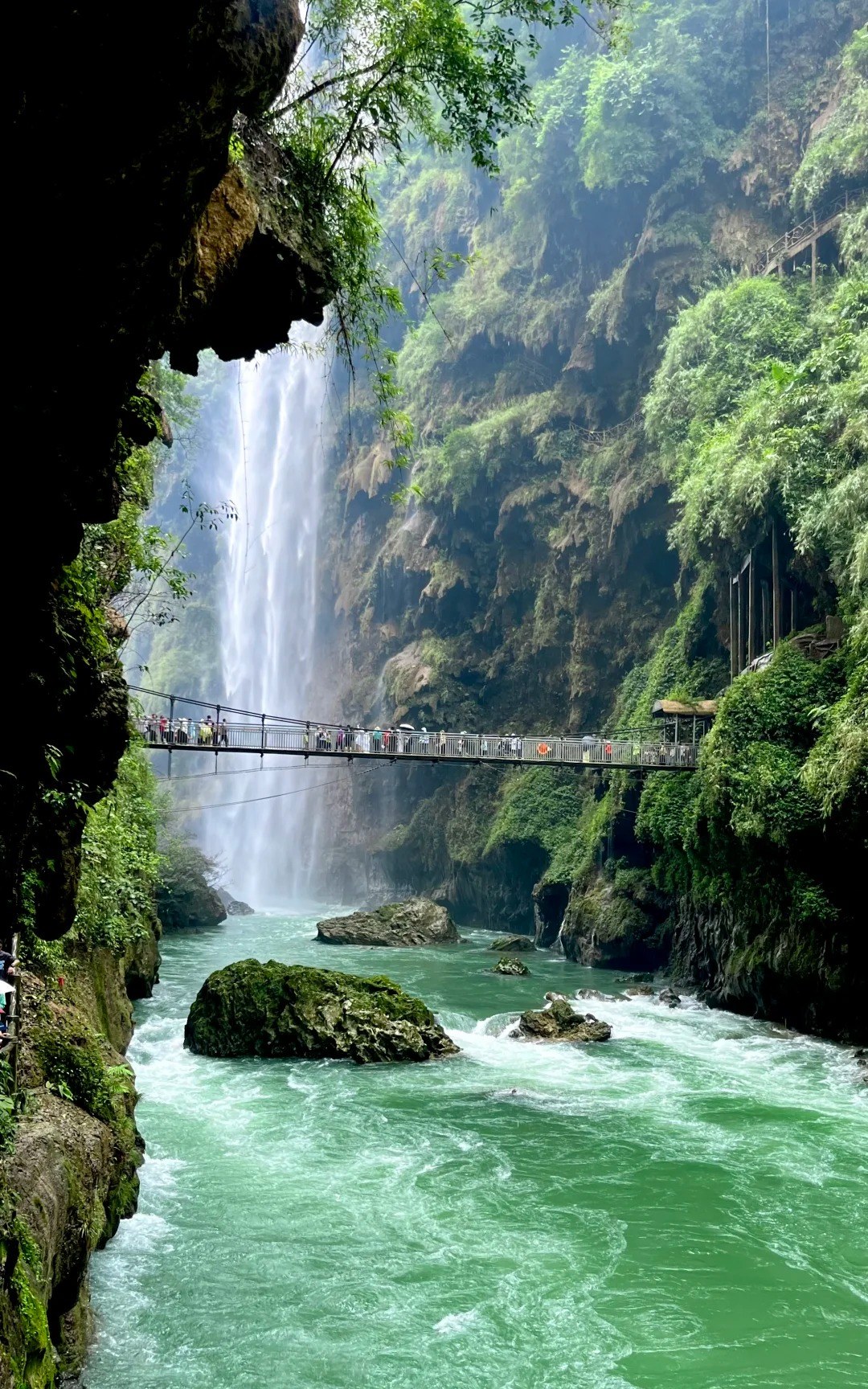
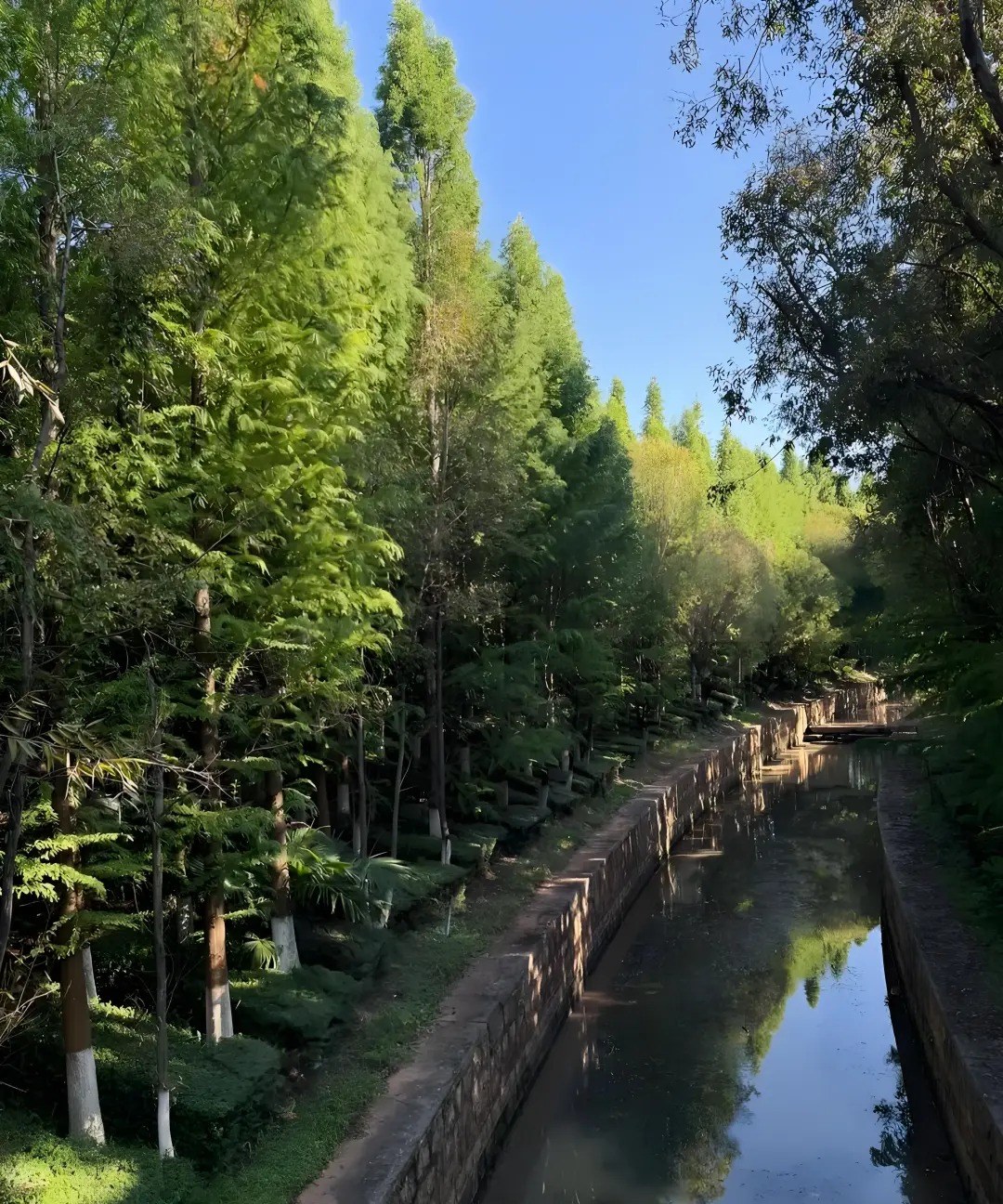
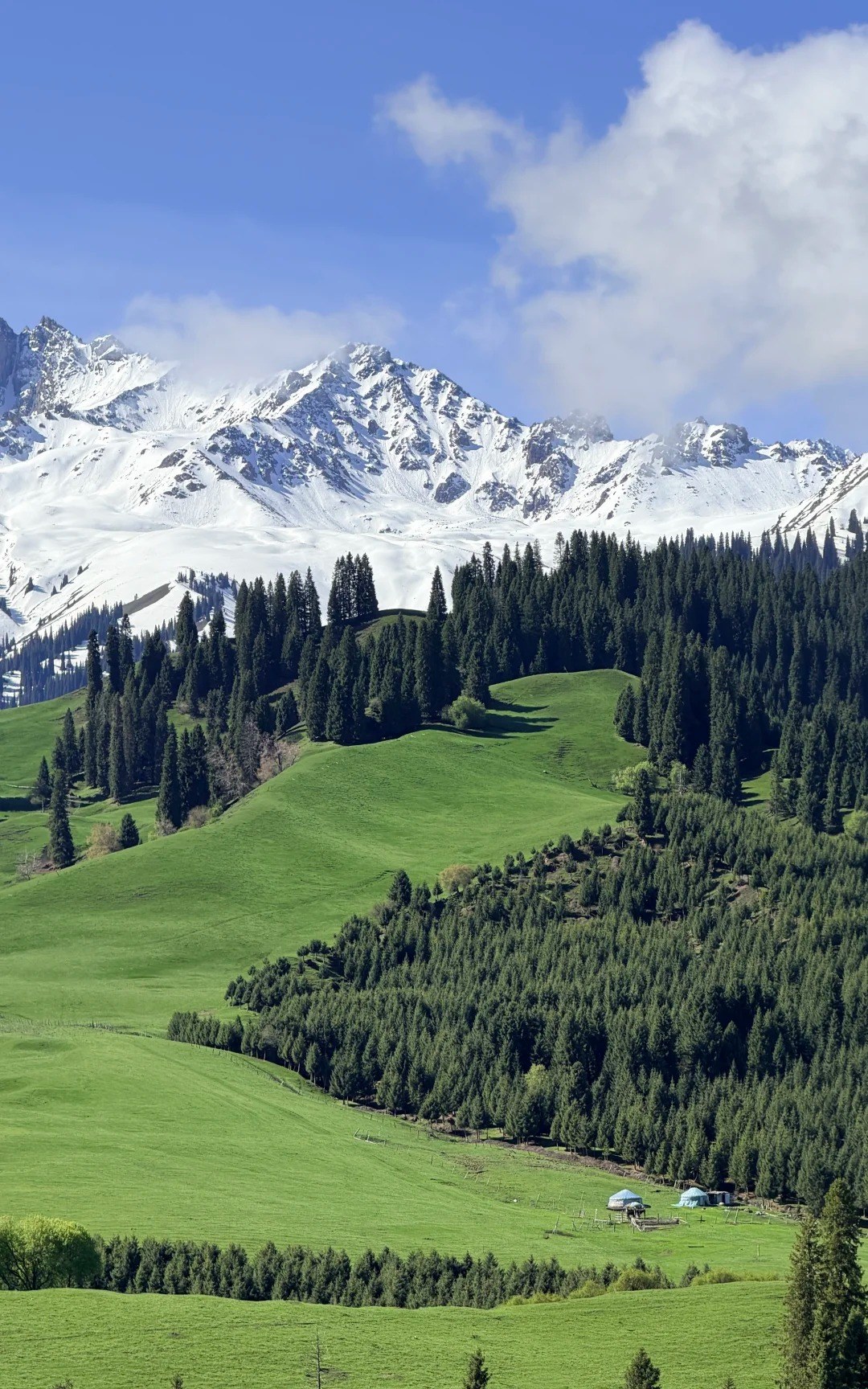
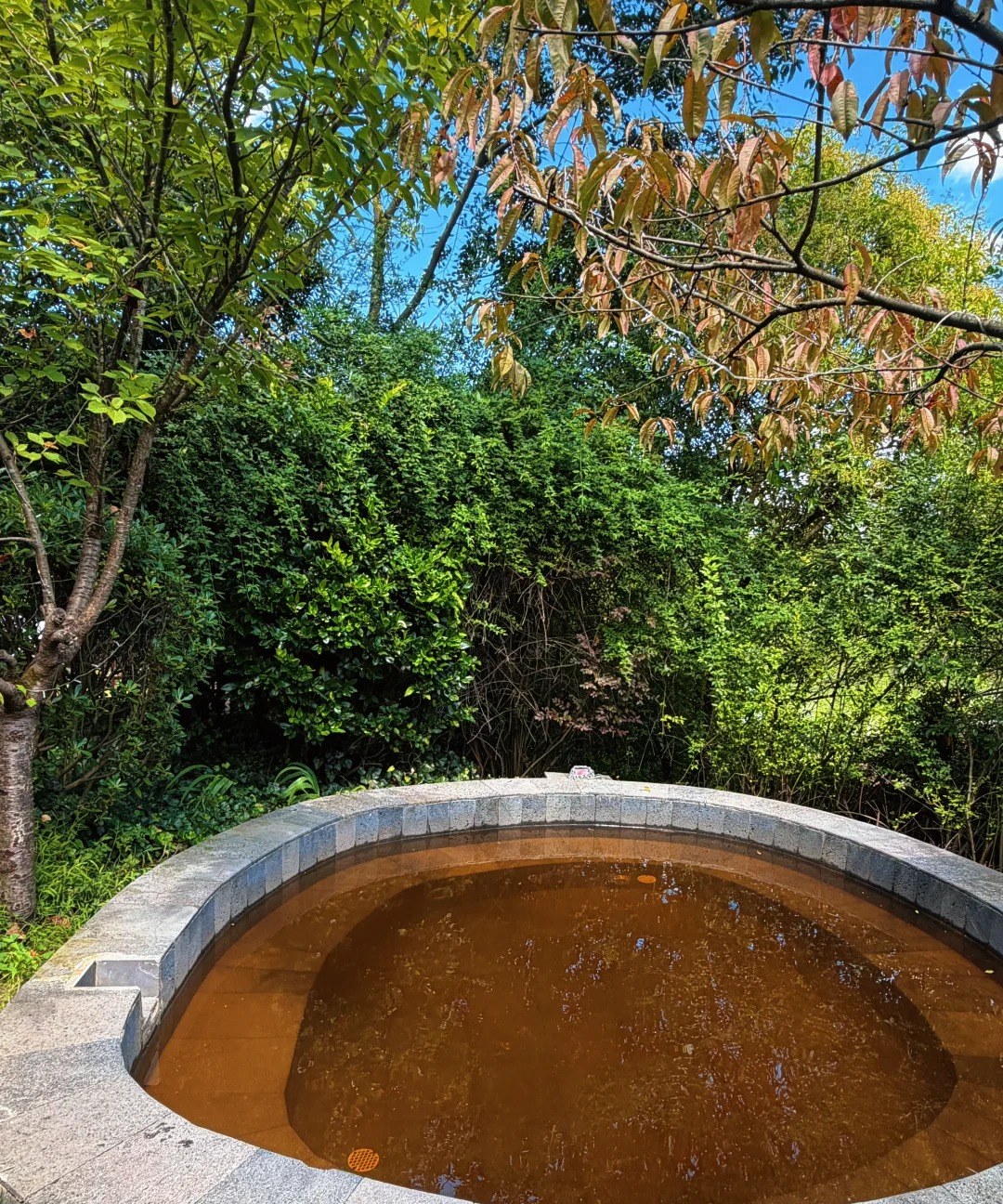
OUTDOOR ADVENTURE


TRAVEL GUIDES
攻略内容即将上线
在后台「攻略管理」中添加攻略后,将自动展示在这里。
ETHNIC
我们正在整理中国 56 个民族的风情、聚居地与节庆,即将上线。
REGION
TOP
TRAVEL PLANS
行程计划即将上线
在后台「行程计划」中添加行程后,将自动展示在这里。
BLOG

Ancient walls and palaces of China's long story.
China's heritage sites guarding craft and spirit.
Parks with rides, shows, and family fun.
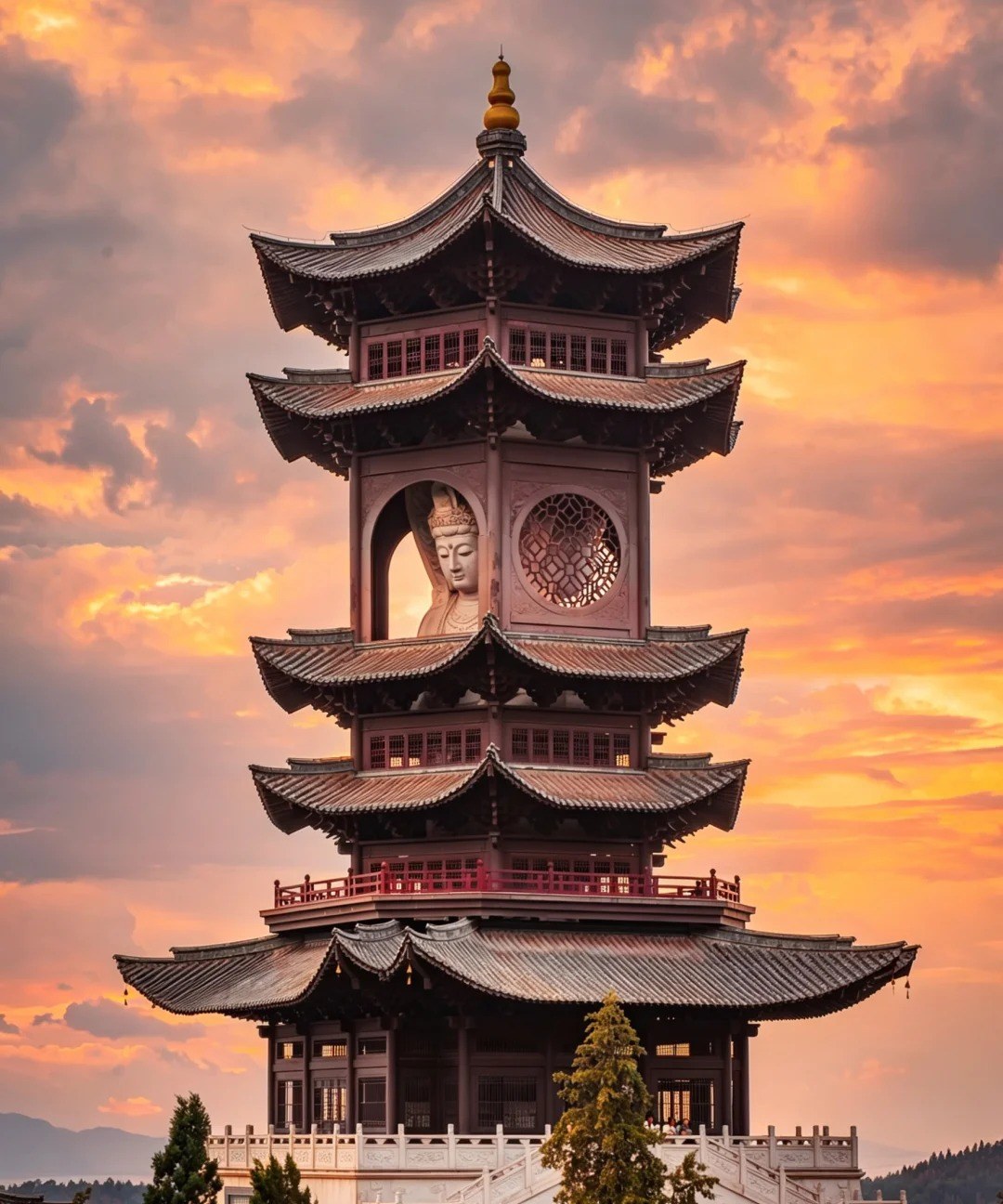
Temples and sacred mountains of calm faith.
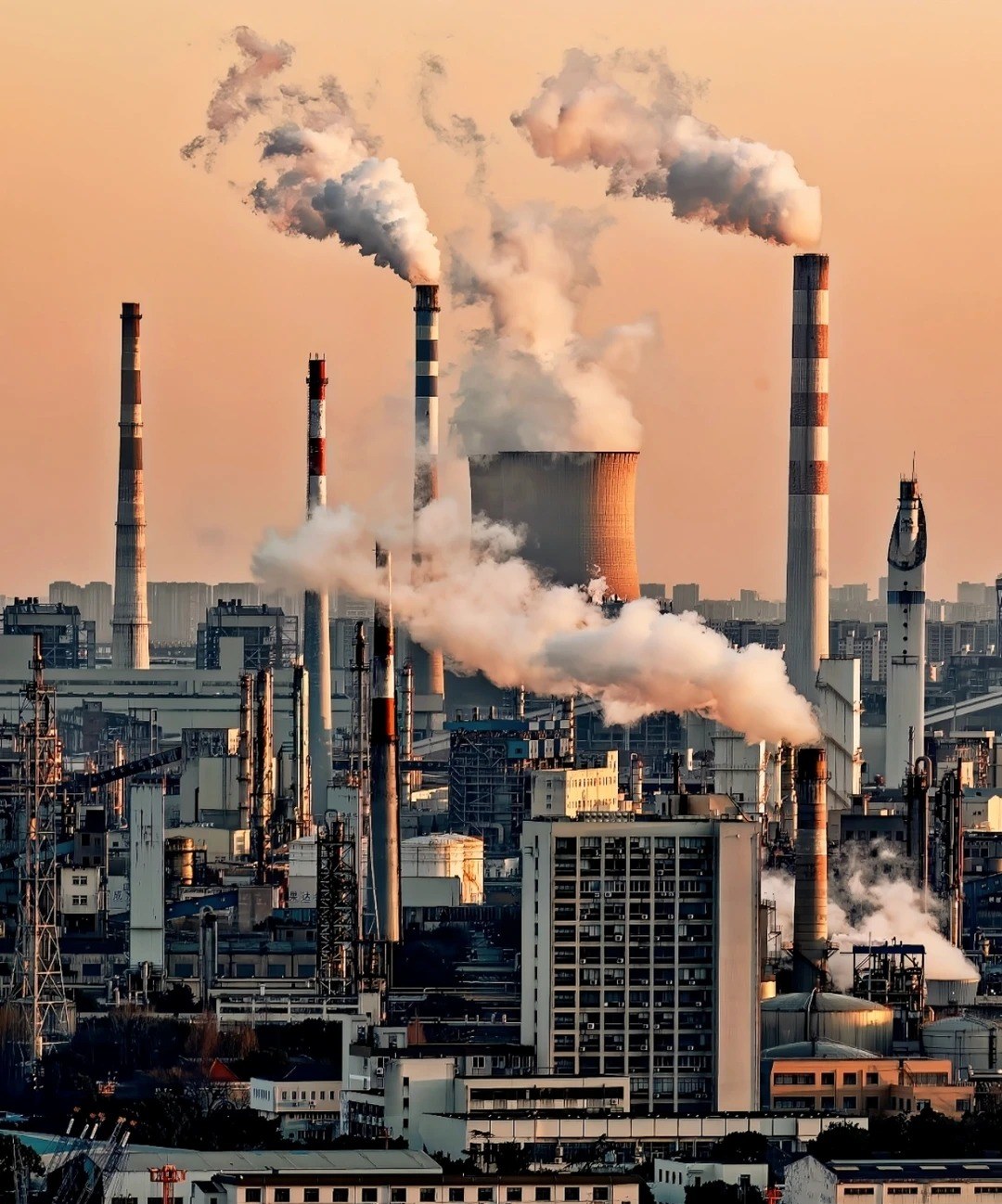
Modern skylines and old lanes full of city life.
High peaks and wild trails for bold journeys.
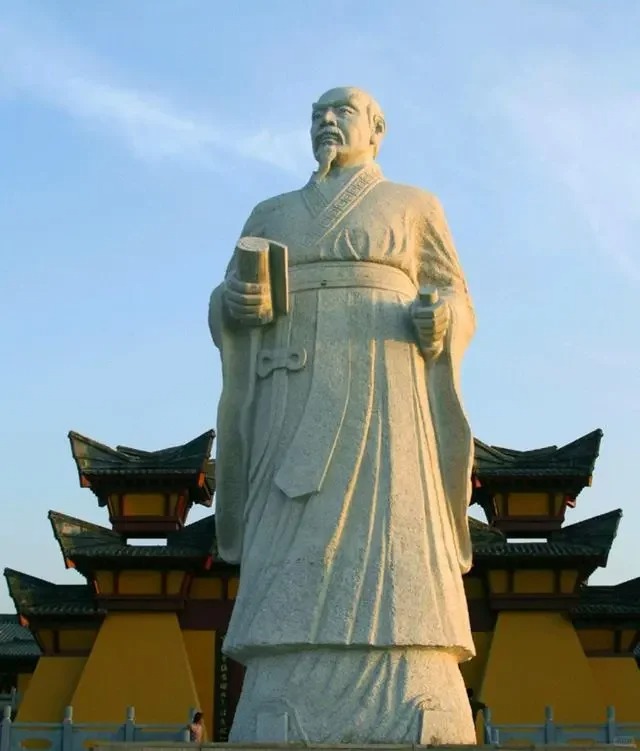
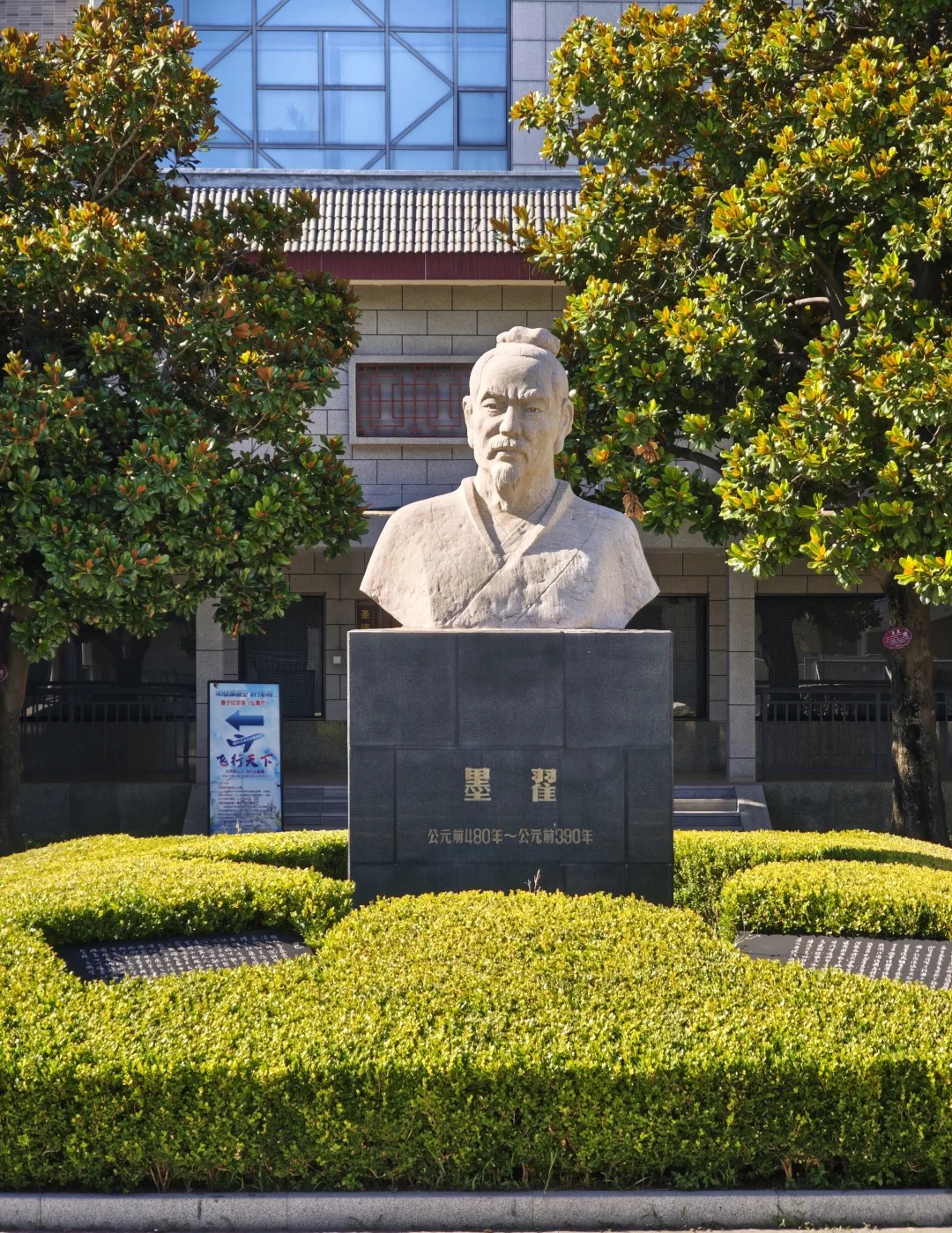
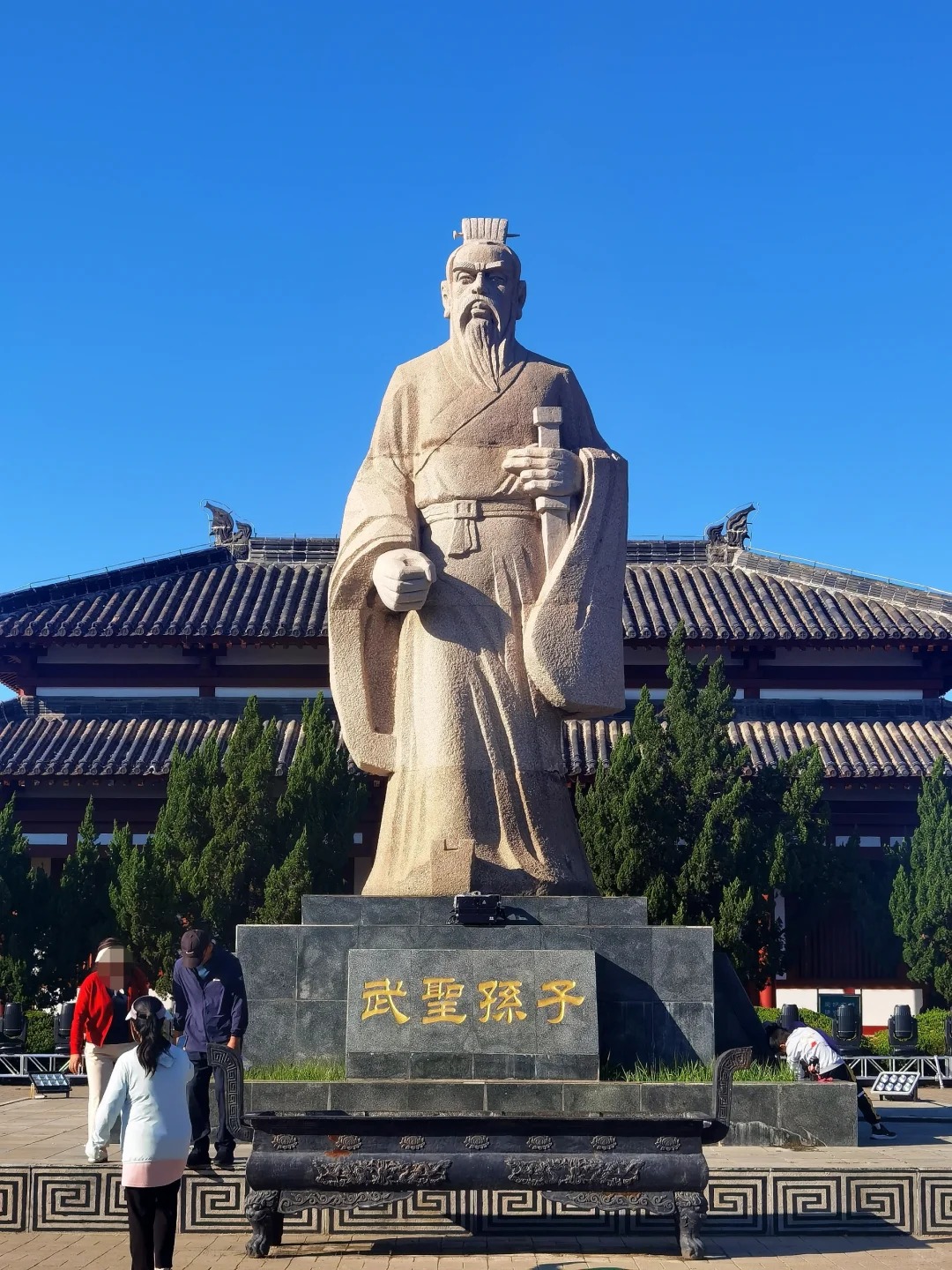
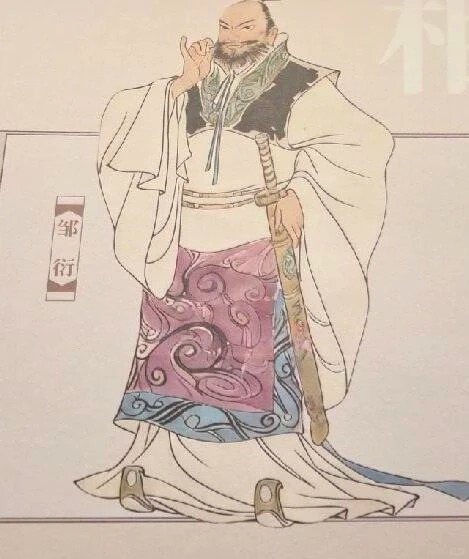
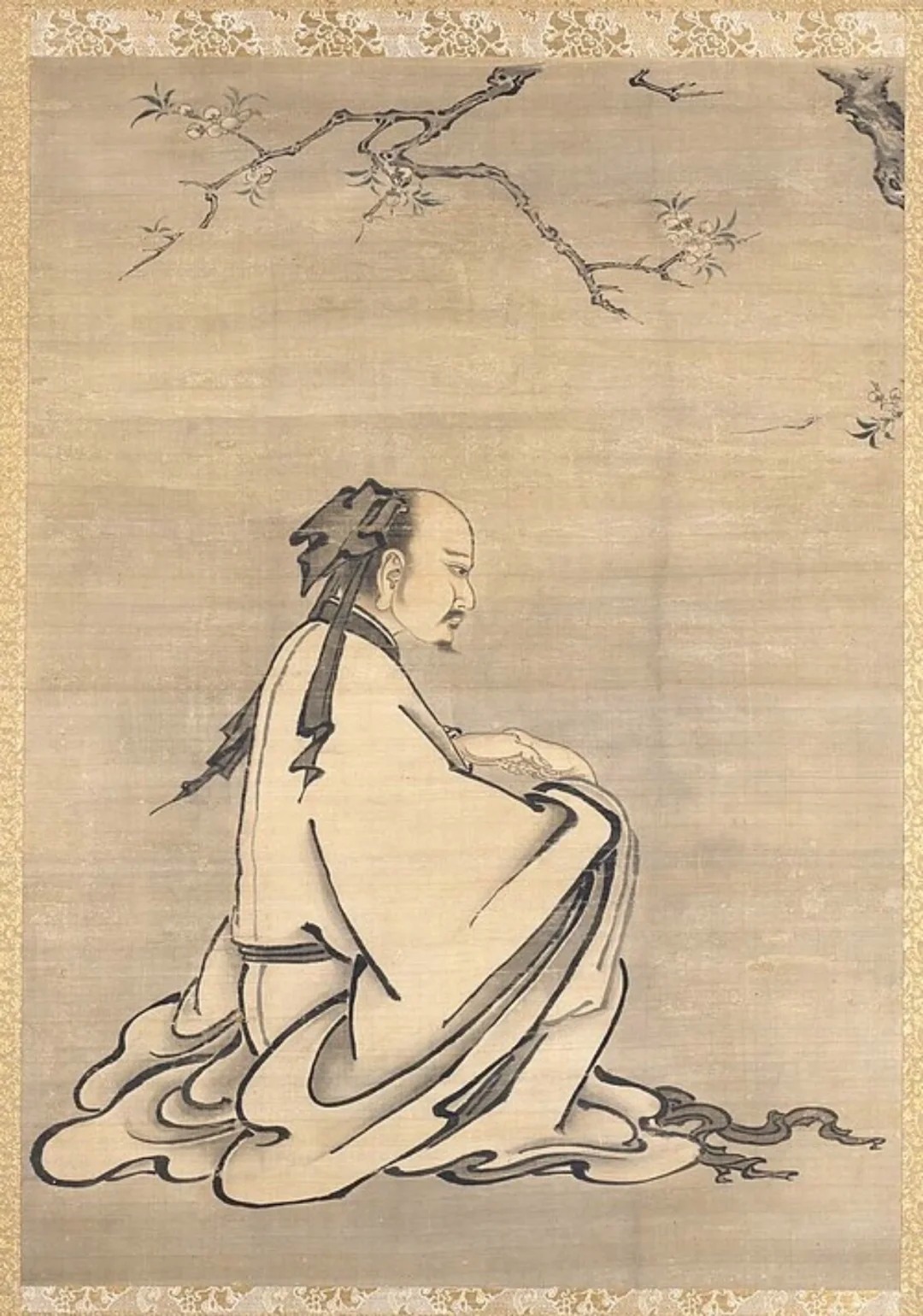
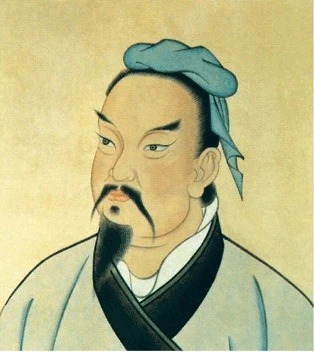
法家是战国时期主张以法治国、强化君主集权的思想流派,强调法、术、势结合,通过严刑峻法与耕战政策实现富国强兵,为秦统一六国提供了理论基础与制度设计,深刻影响了中国历代政治与法律实践。
Nature and Landscapes
山水、国家公园与自然奇观,亲近纯净风光。
 直辖市
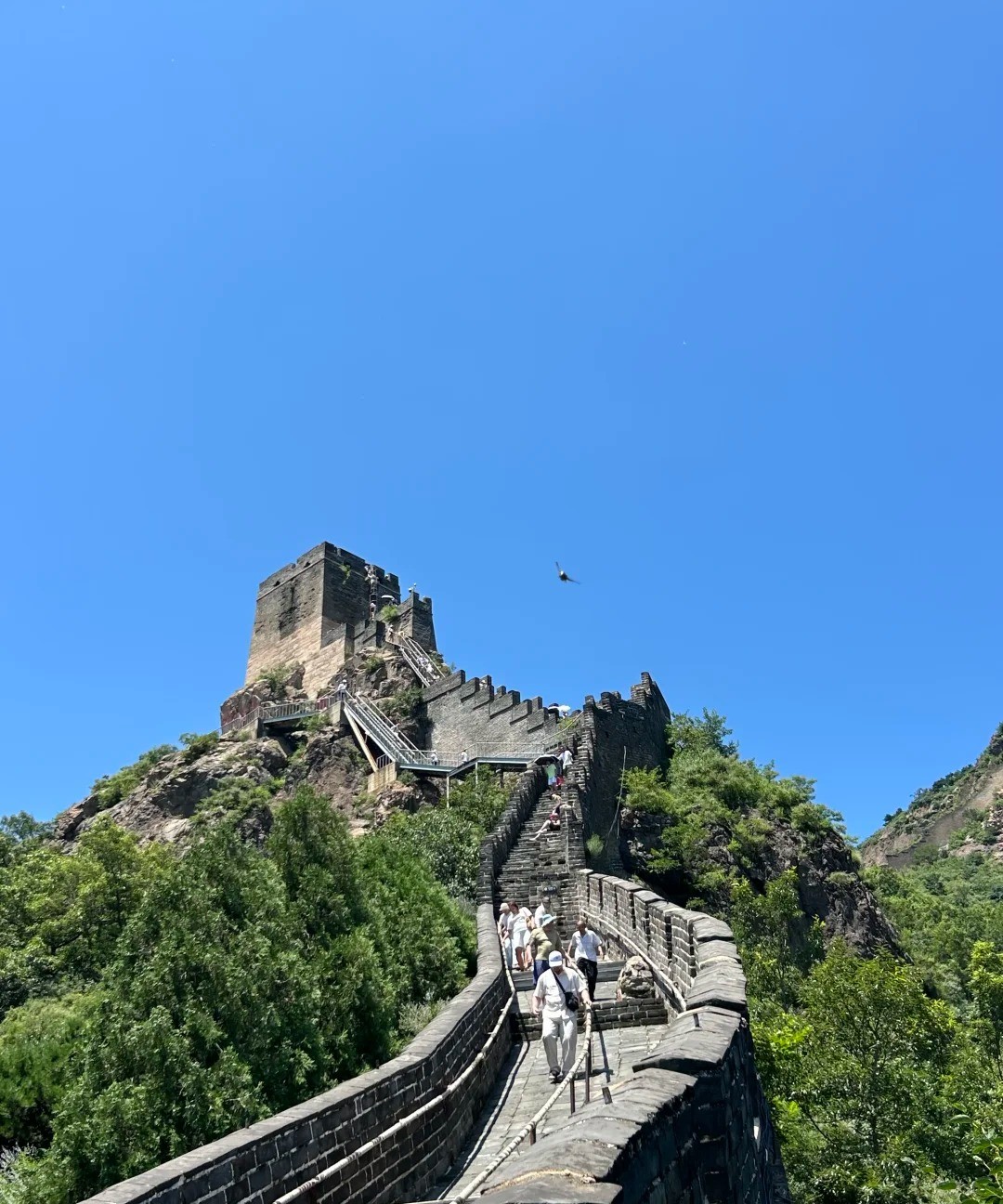
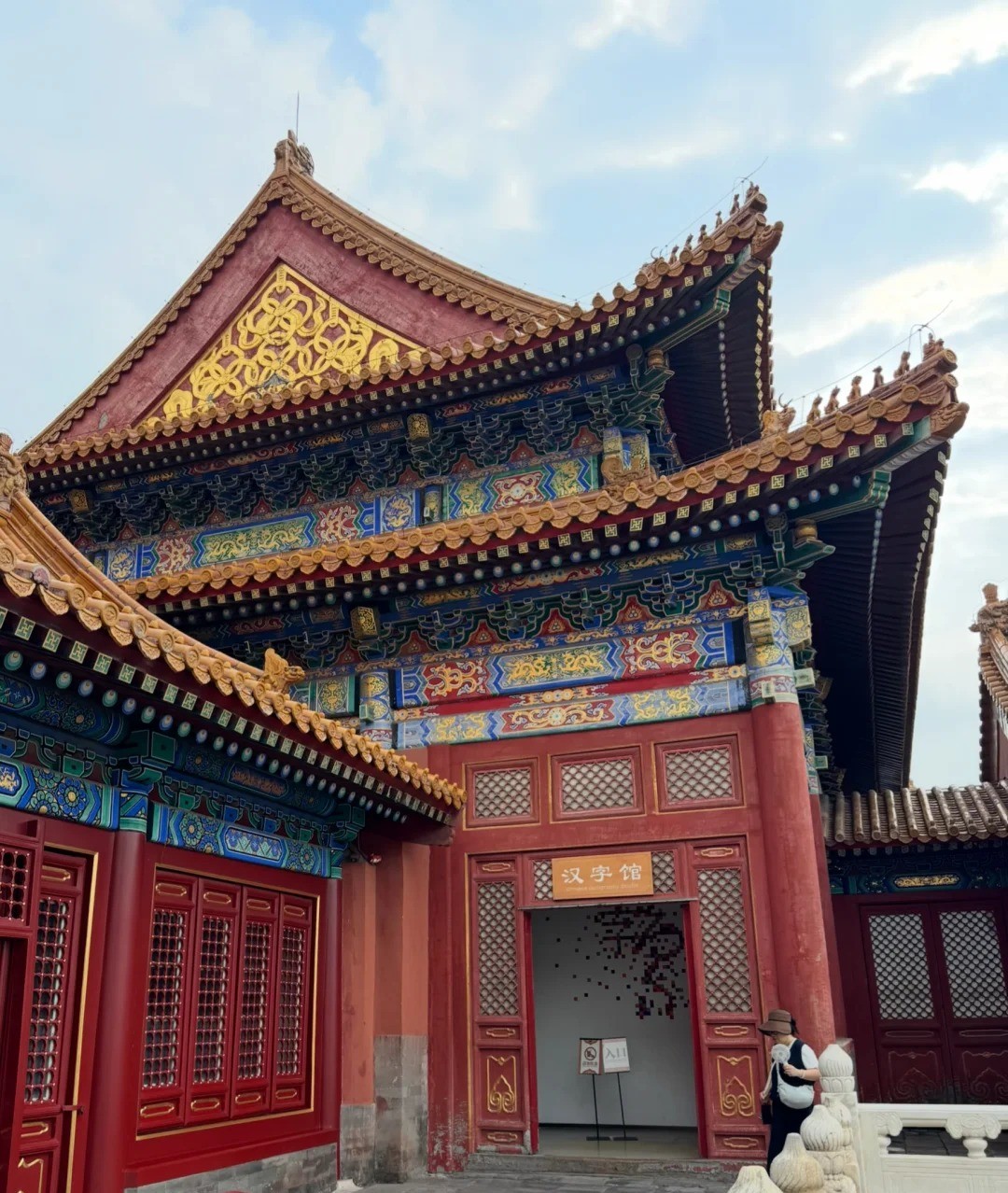
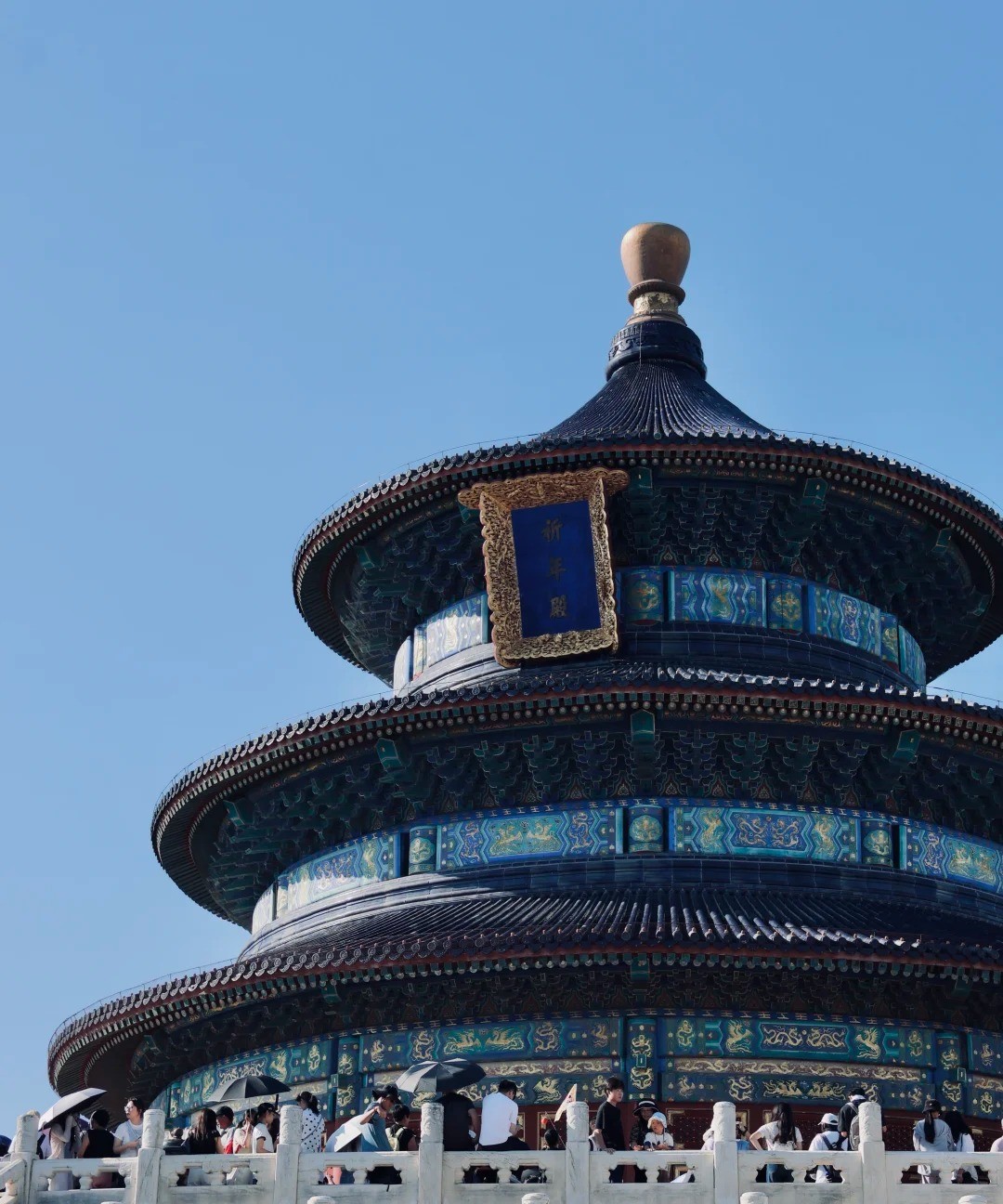
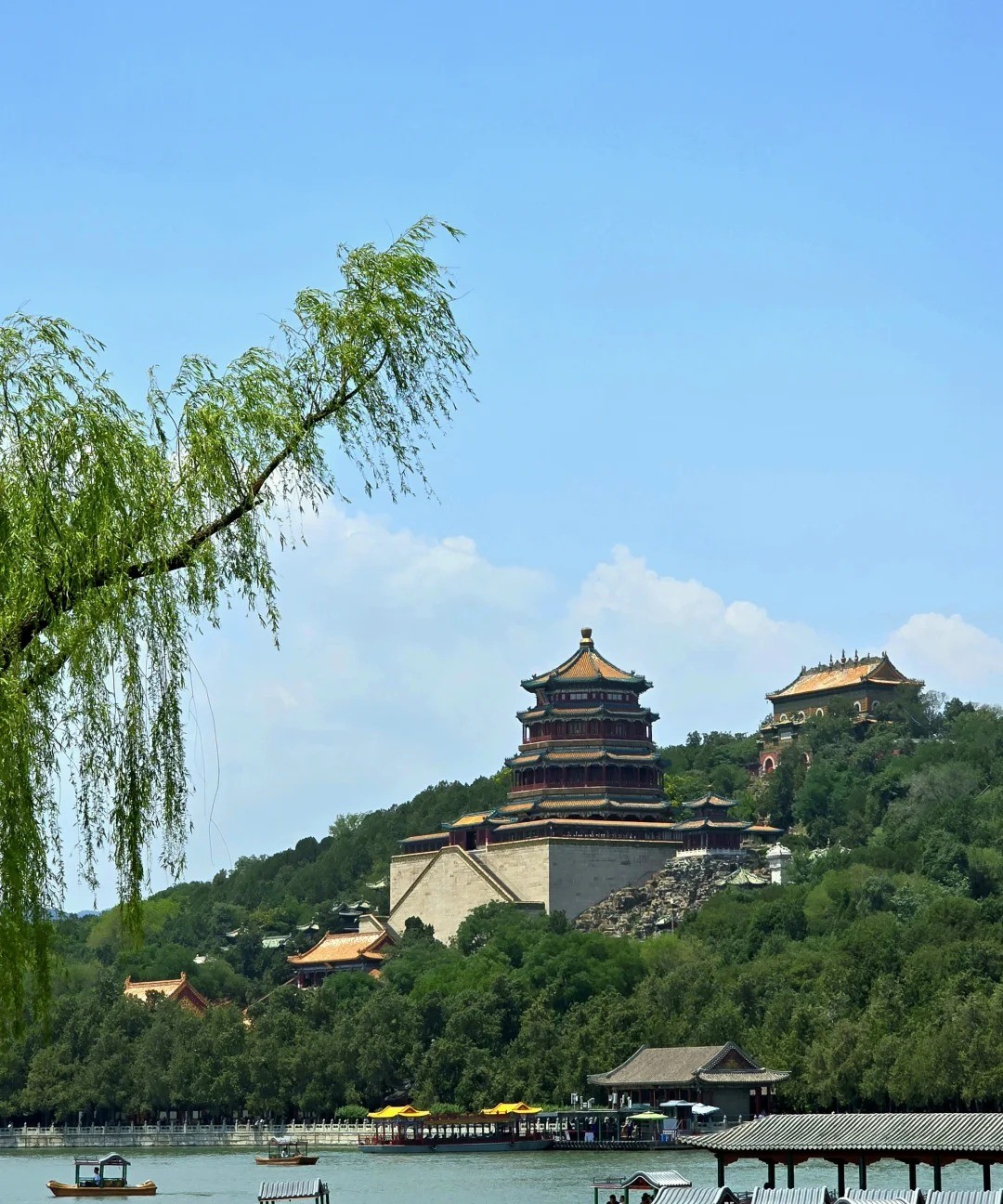
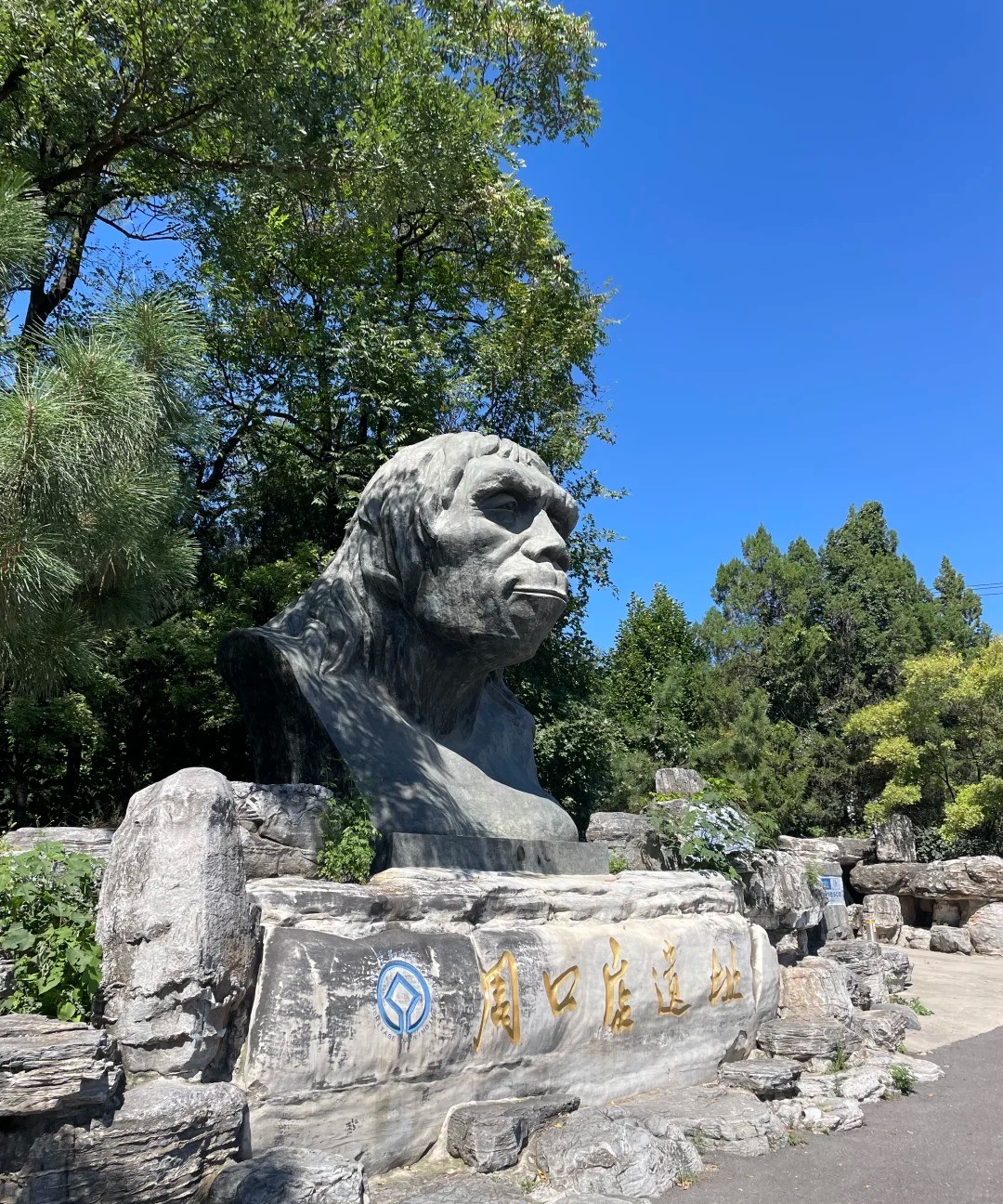
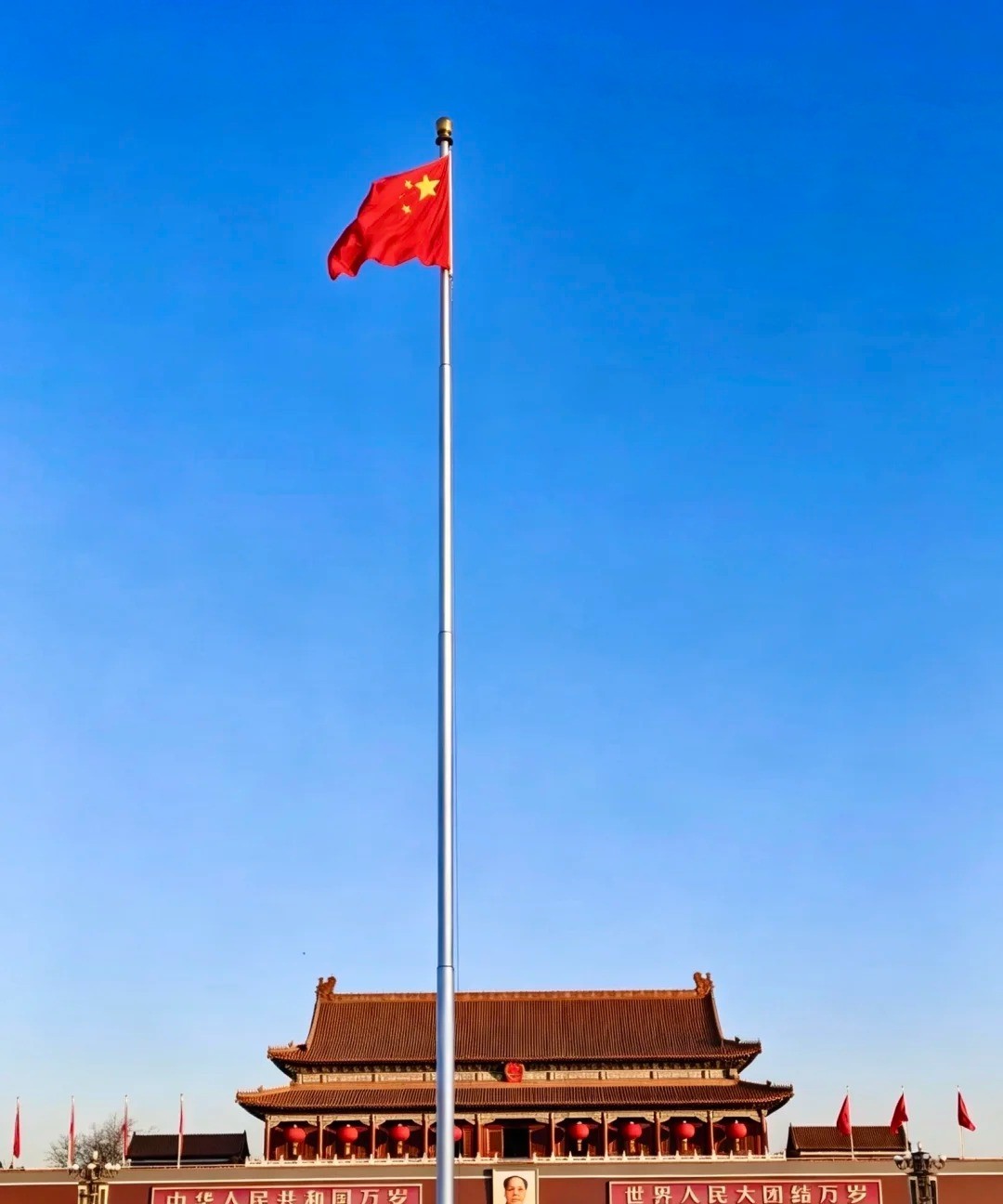
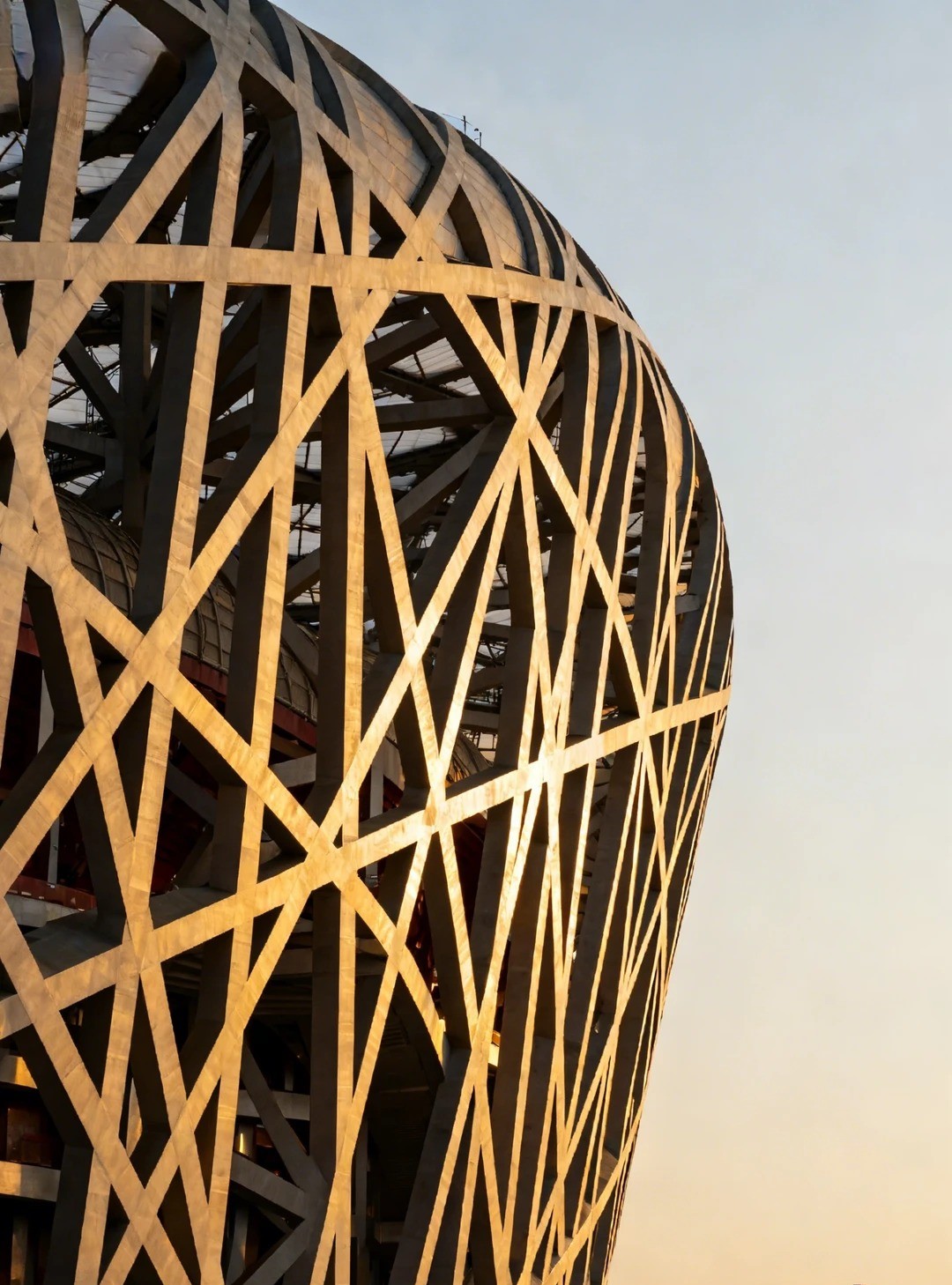
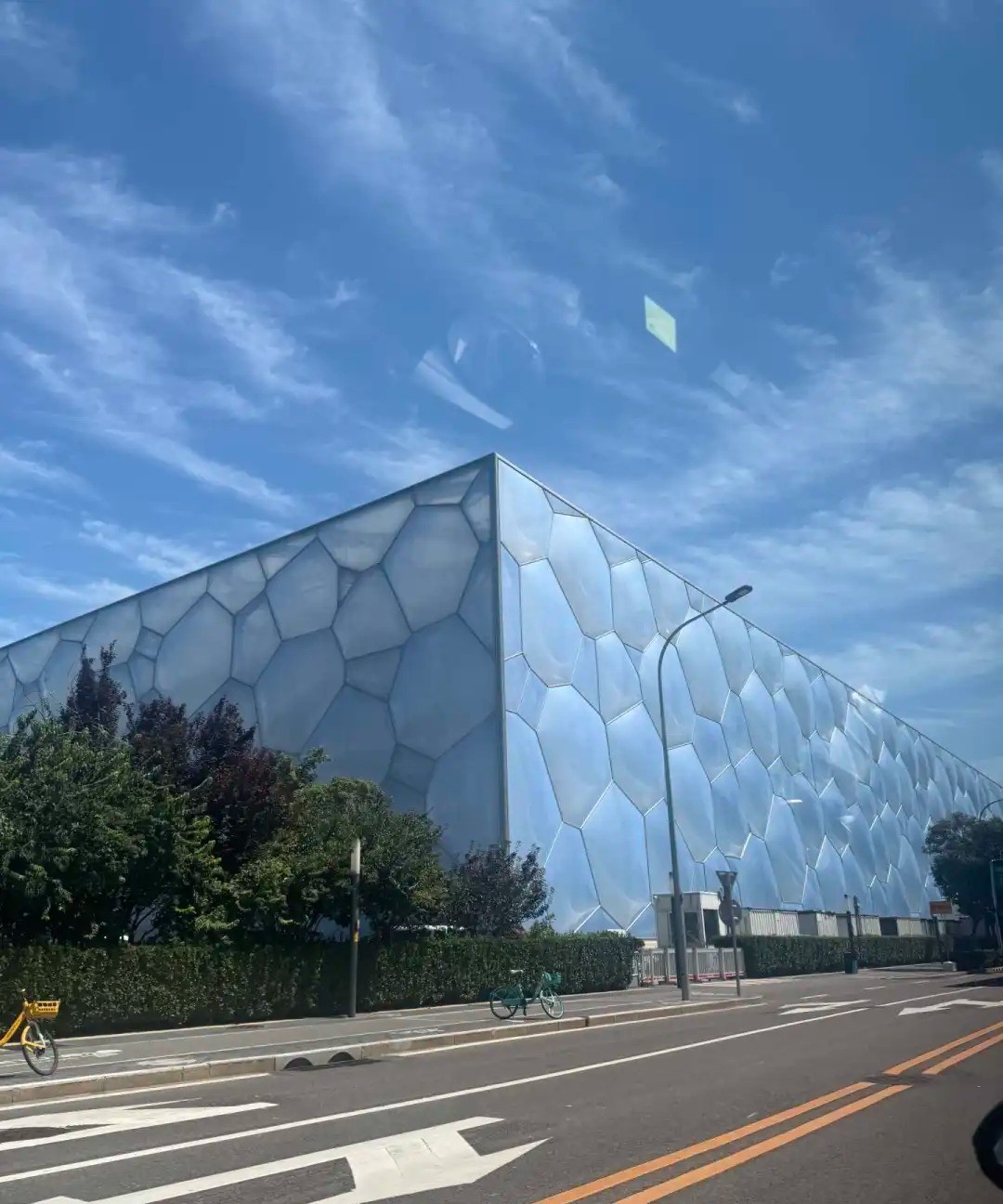
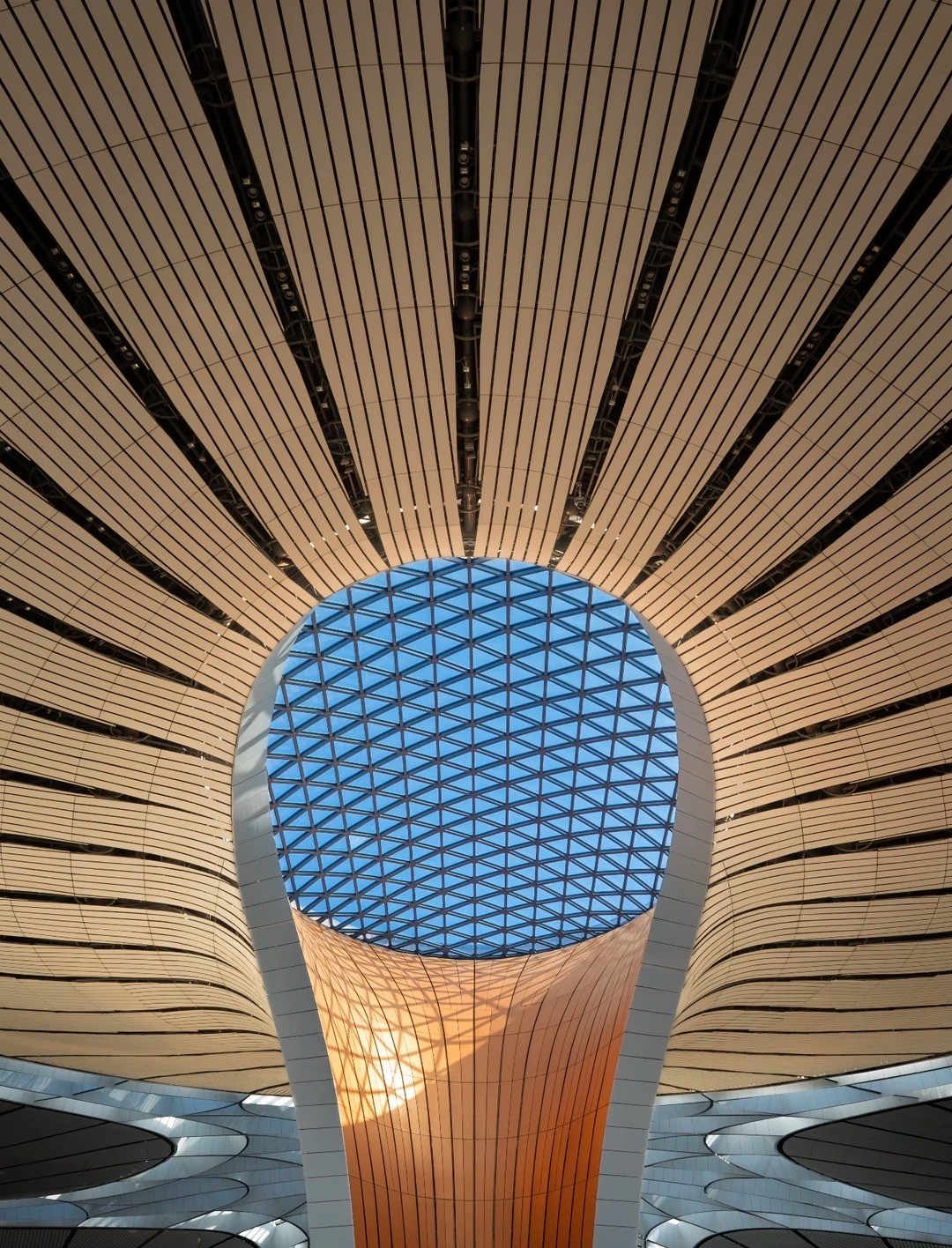
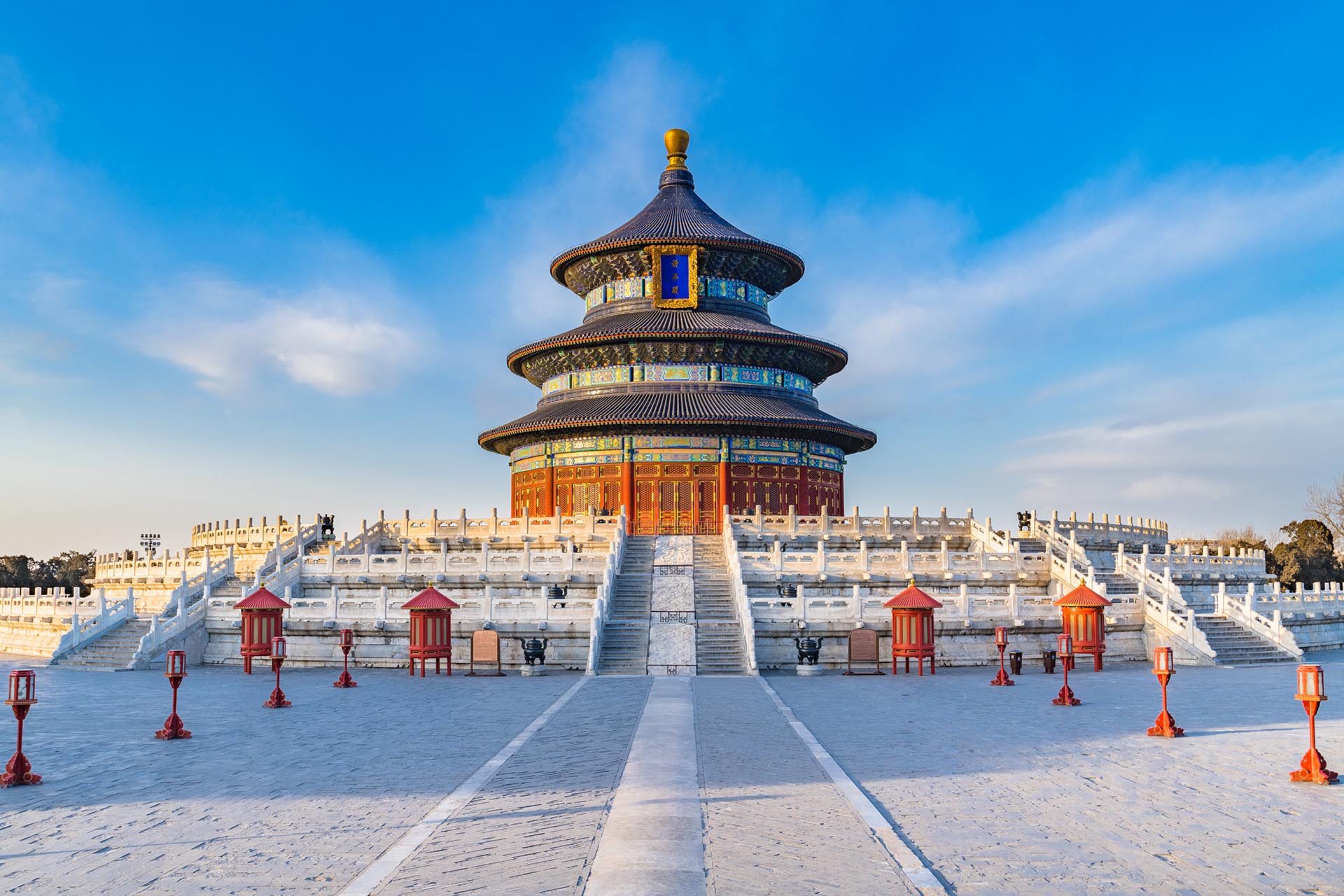
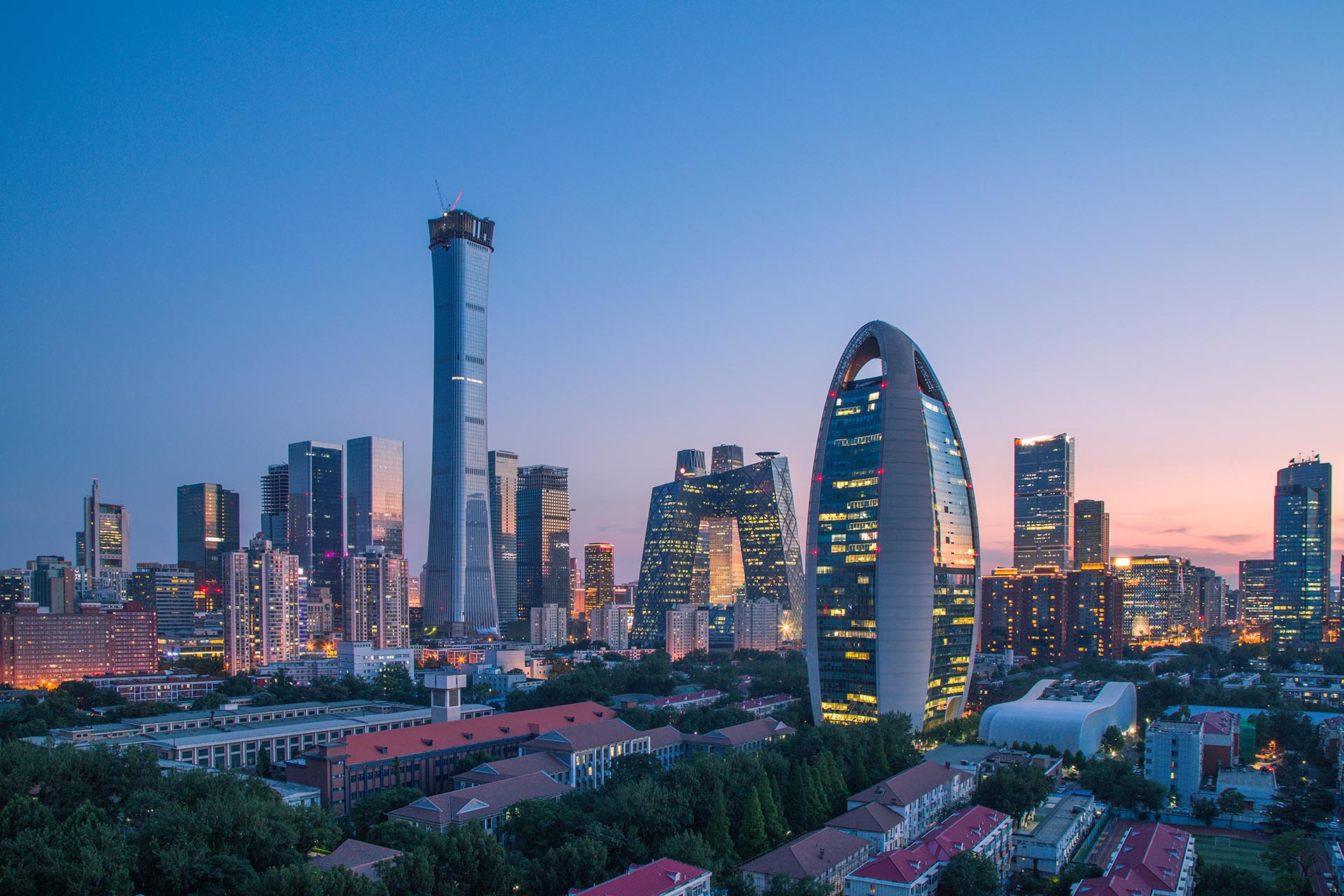
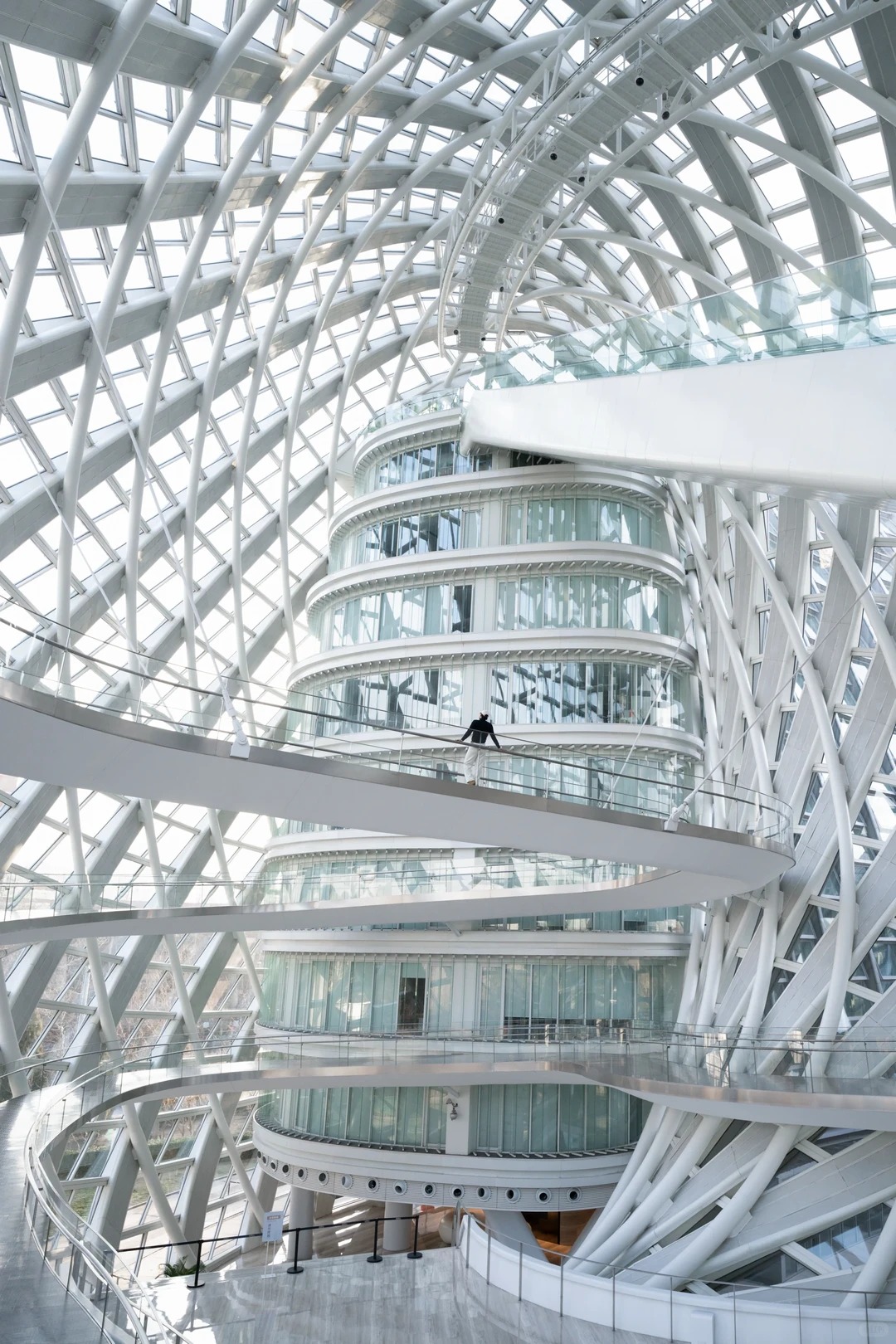
直辖市Beijing, the capital of the People's Republic of China, is a municipality directly under the central government and a national central city. Located at the northern end of the North China Plain, it borders the Xishan Mountains (western extension of the Taihang Mountains) to the west, the Yanshan Mountains to the north, and faces the North China Plain to the southeast. Covering a total area of 16,410 square kilometers, it administers 16 districts including Dongcheng, Xicheng, Chaoyang, Haidian, Fengtai, and Shijingshan, with a permanent population of approximately 21.89 million (2023). Beijing has a history of over 3,000 years as a city and over 860 years as a capital, making it one of the Four Great Ancient Capitals of China. Since the Jin Dynasty established its capital here in 1153, through the Yuan Dynasty's Dadu and the Ming and Qing dynasties' capital, Beijing has served as China's capital for over 800 years. Its profound historical heritage includes seven UNESCO World Heritage sites: the Forbidden City, the Great Wall, the Temple of Heaven, the Summer Palace, the Ming Tombs, the Peking Man Site at Zhoukoudian, and the Grand Canal, making it the city with the most World Heritage sites in the world. Beijing is the national political center, cultural center, international exchange center, and science and technology innovation center. It is home to over 90 higher education institutions including Tsinghua University and Peking University, over a thousand research institutions such as the Chinese Academy of Sciences, more than 100 museums including the National Museum of China, the National Library of China, and the Capital Museum, as well as top cultural venues like the Palace Museum and the National Art Museum of China. Beijing is also a core hub of China's railway and aviation networks, with Beijing Capital International Airport's annual passenger throughput consistently ranking among the highest globally.
 直辖市
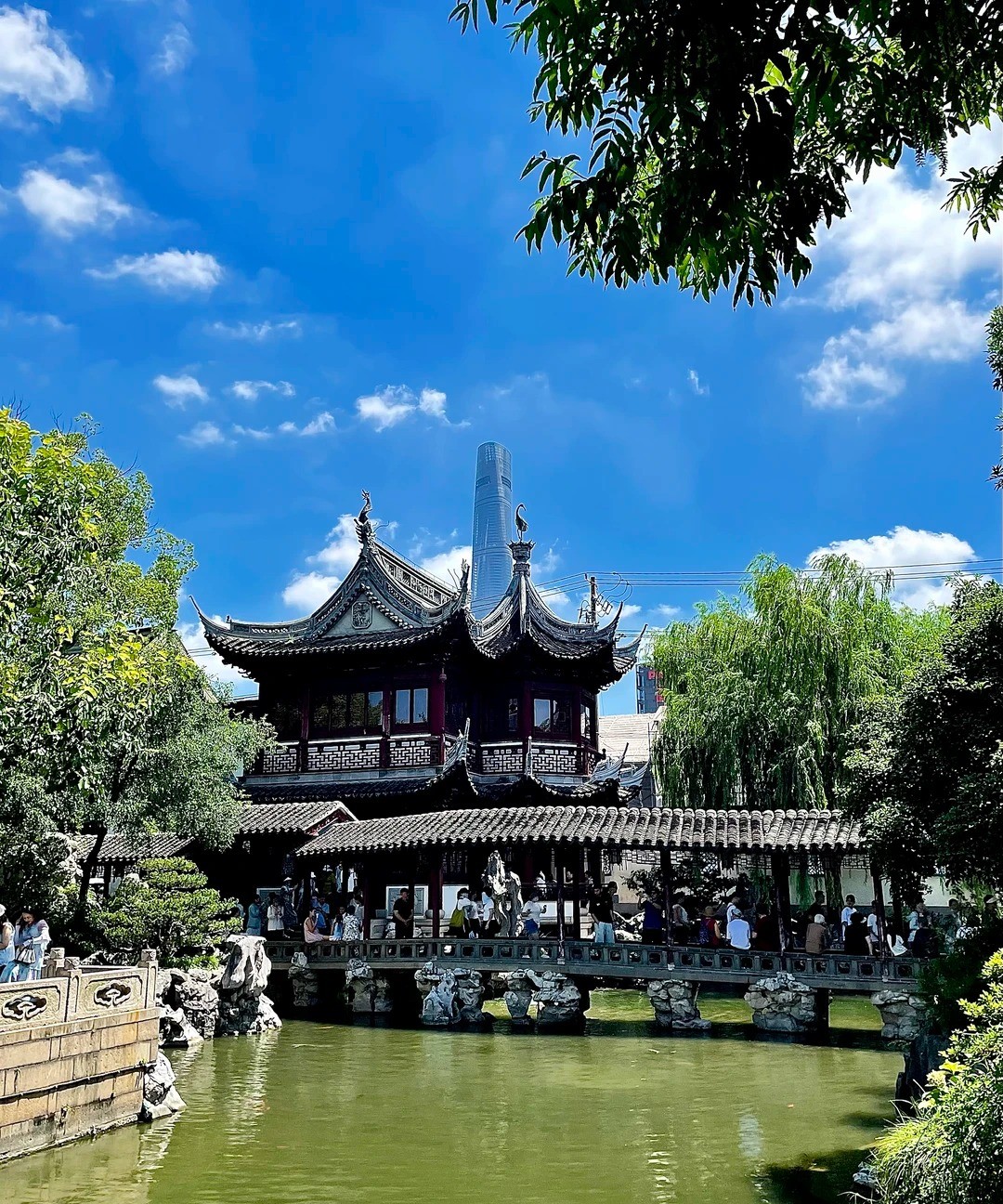
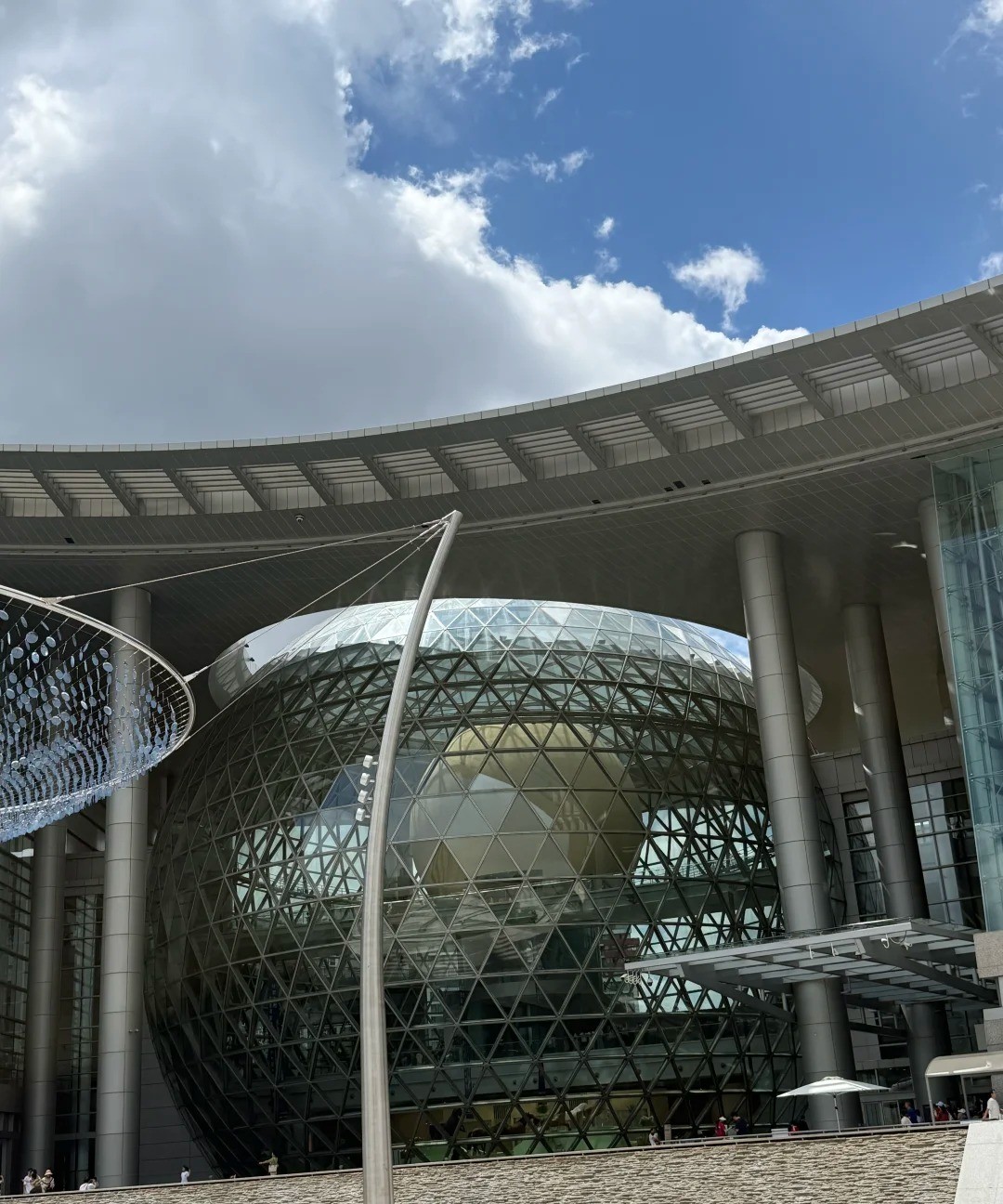
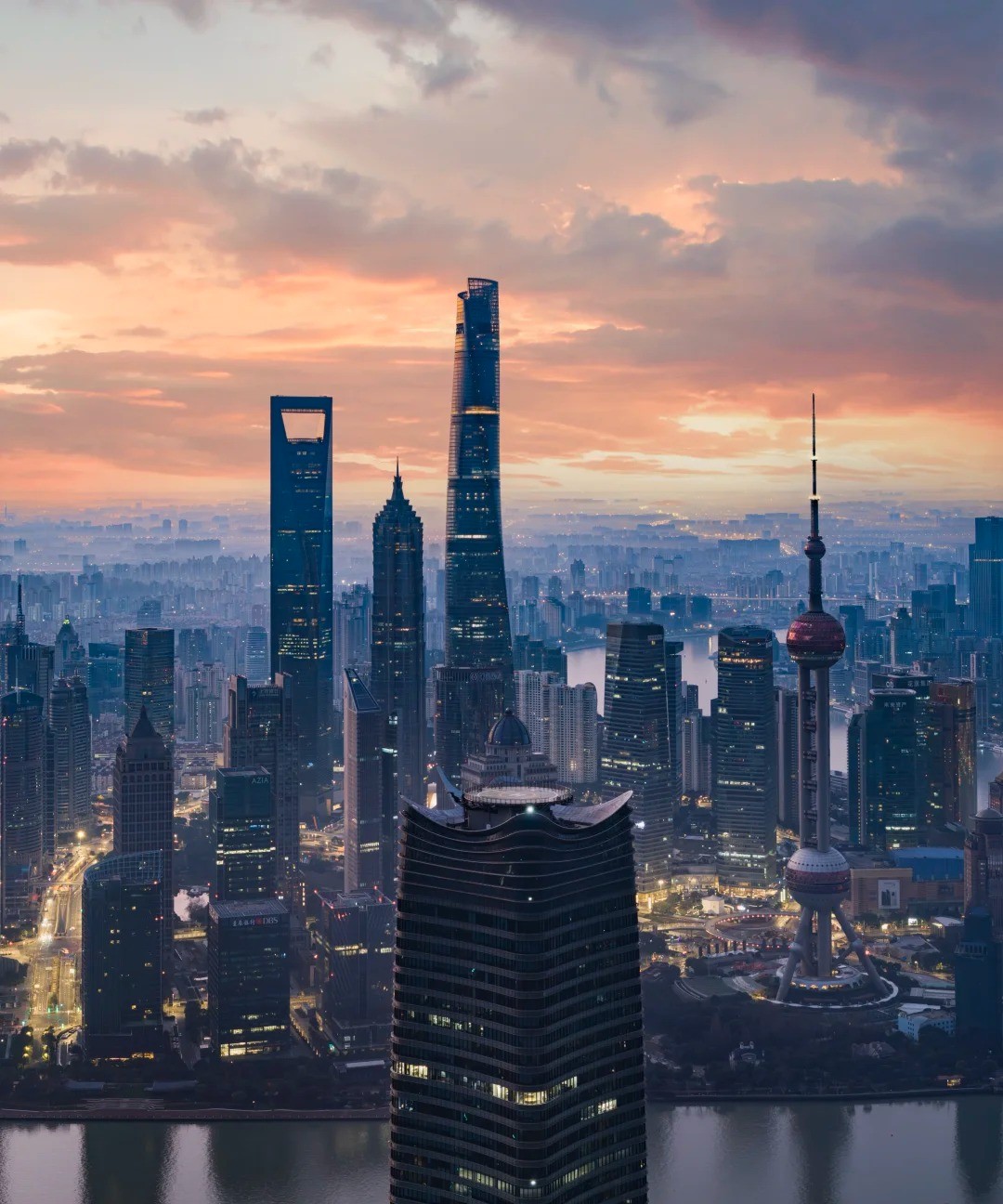
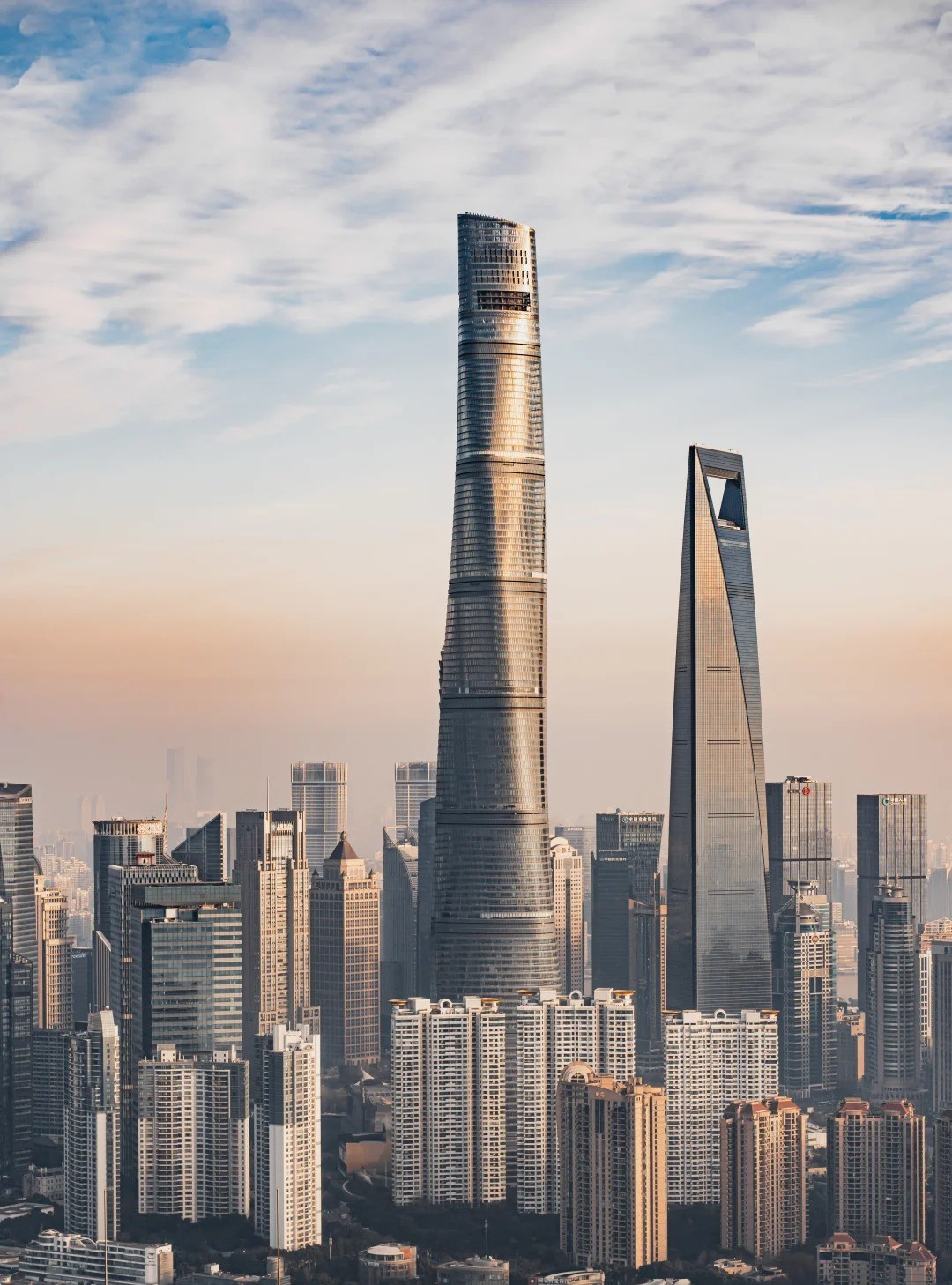
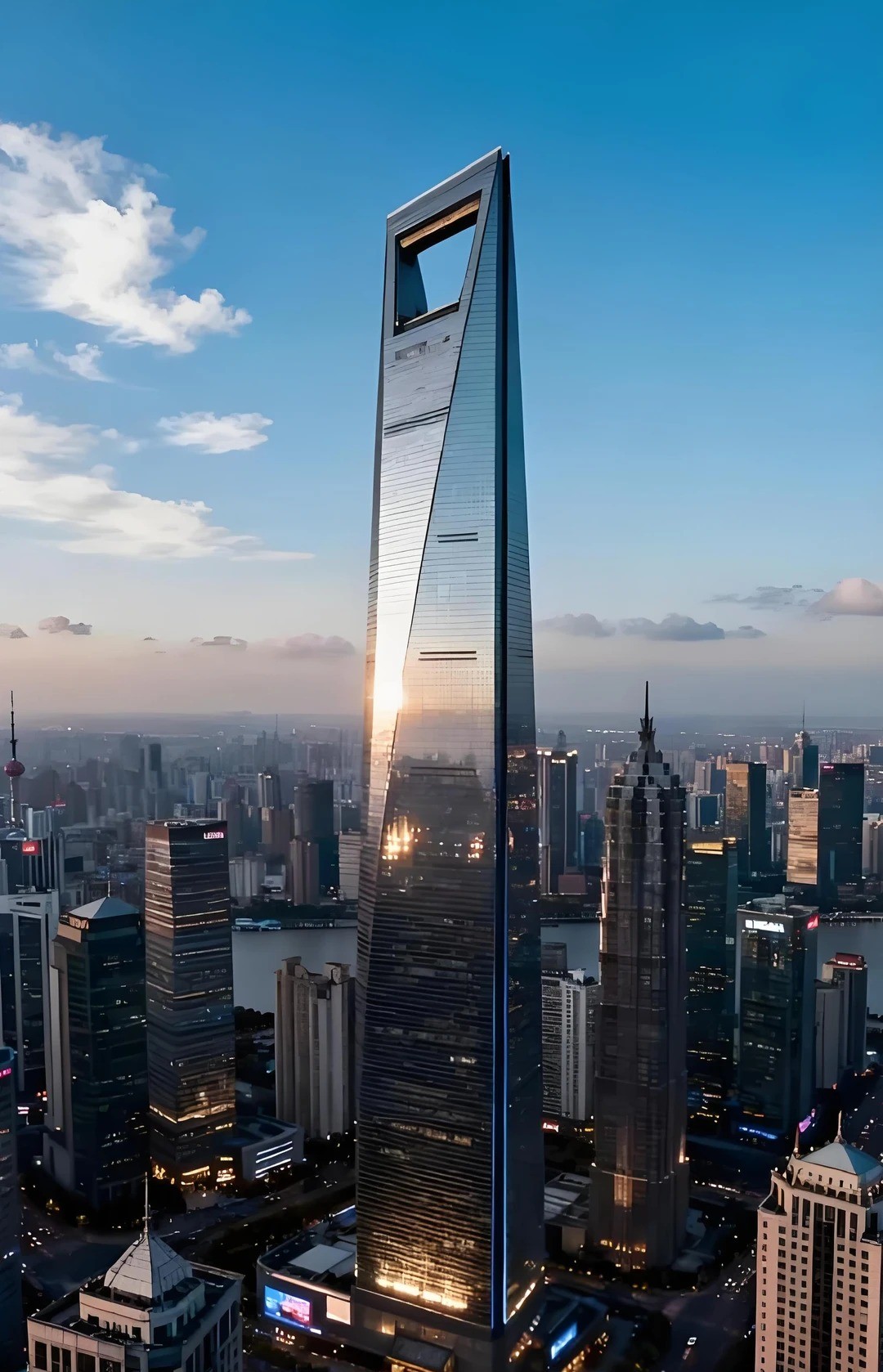
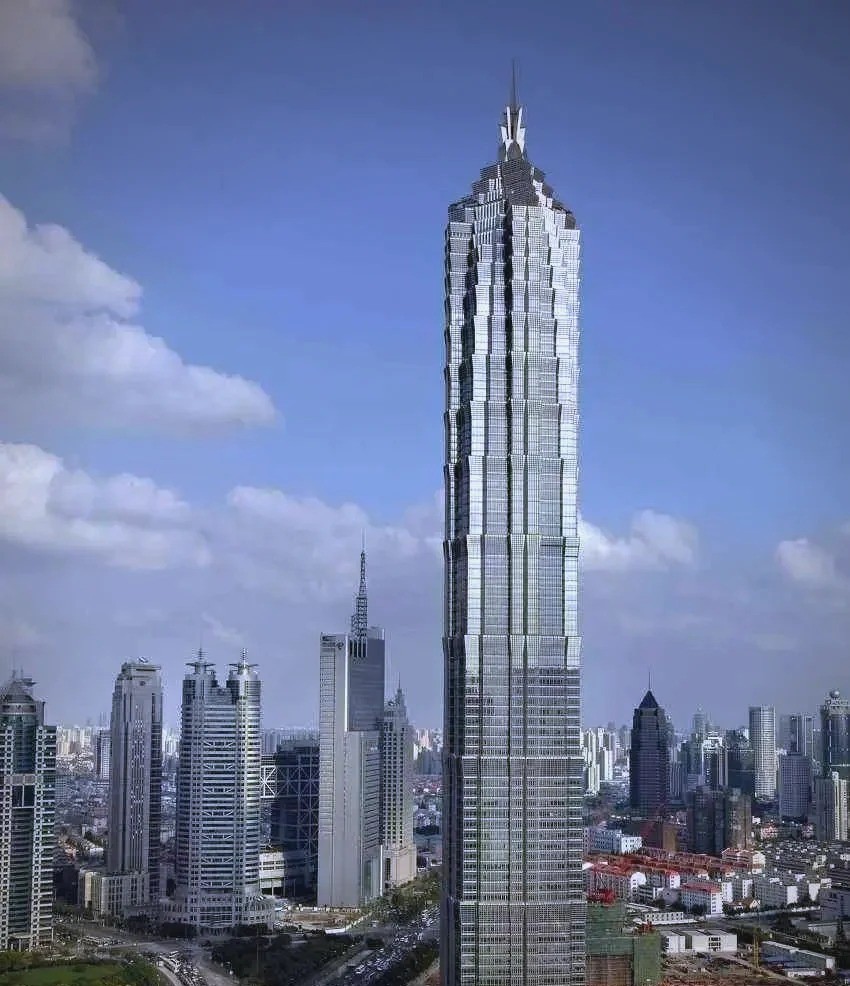
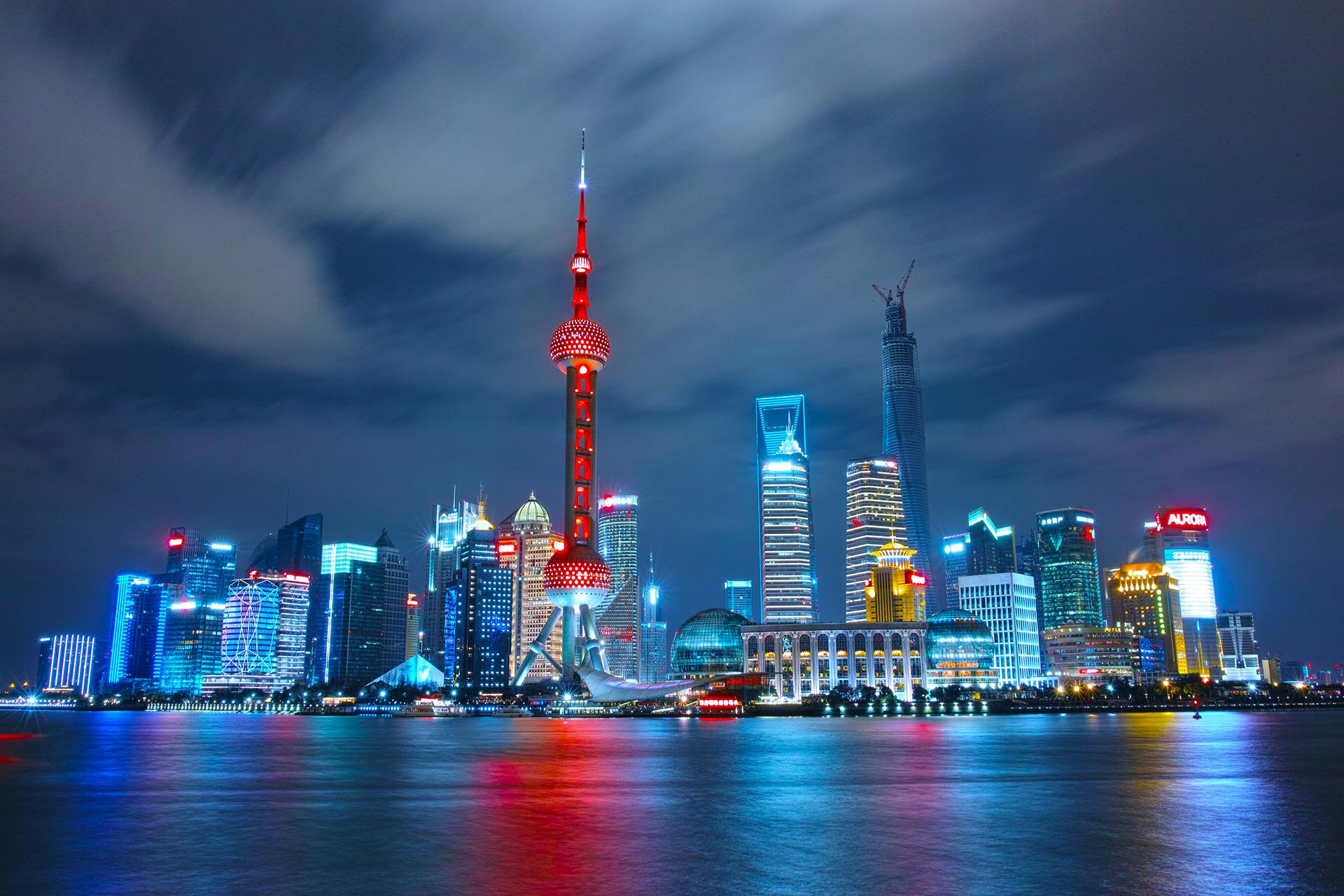
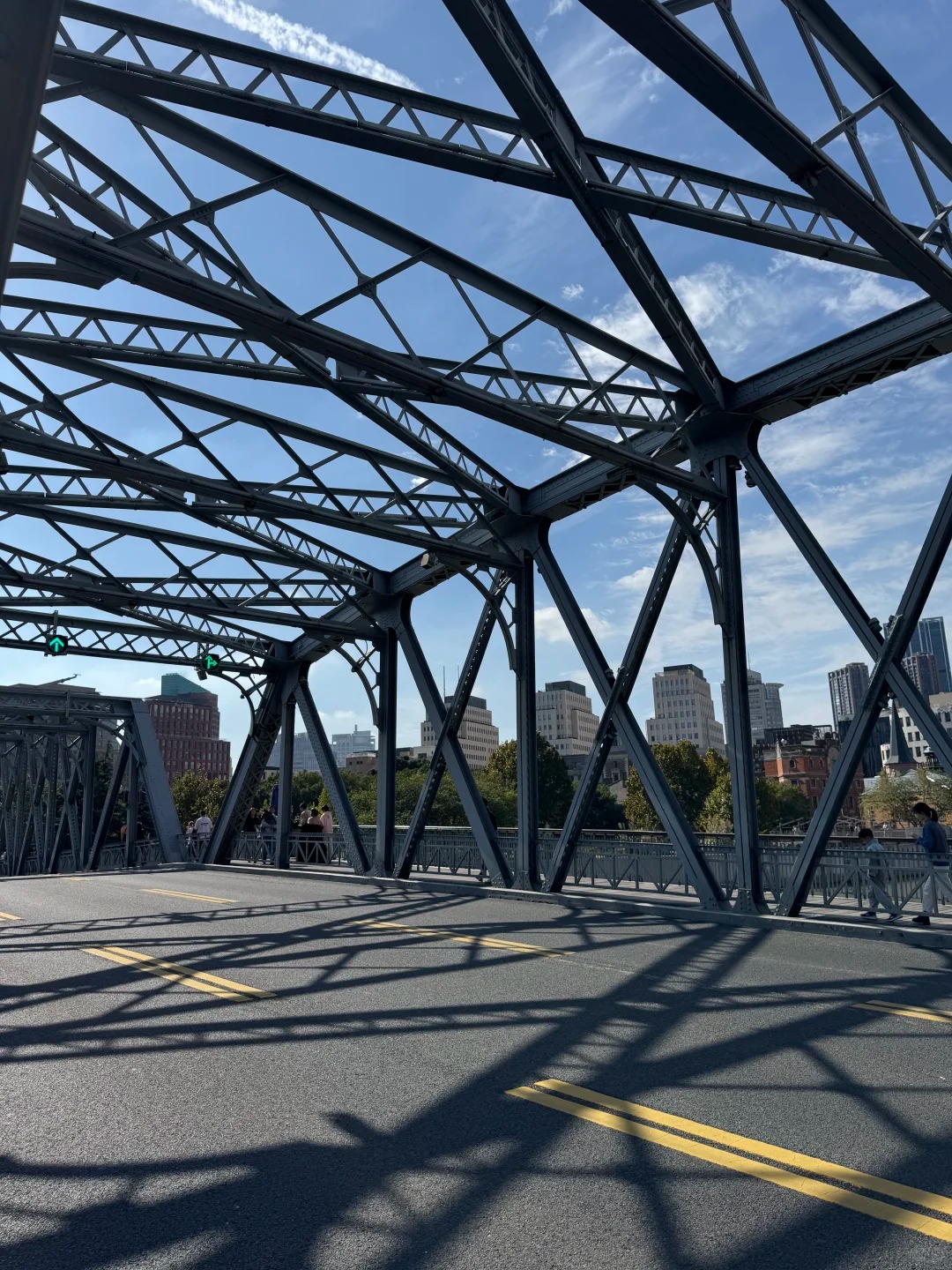
直辖市Shanghai, located on the eastern coast of China at the mouth of the Yangtze River, abbreviated as "Hu" or "Shen", is a municipality directly under the Central Government of the People's Republic of China, a national central city, and a megacity. It covers a total area of 6,340.5 square kilometers and has a permanent population of approximately 24.75 million (2023). Shanghai has a long history: it belonged to the State of Wu in the Spring and Autumn period, the State of Chu in the Warring States period, Huating County was established in the Tang Dynasty, and Shanghai County was established in the 29th year of the Zhiyuan era of the Yuan Dynasty (1292). After the Treaty of Nanking in 1842, it opened as a port and quickly became an international metropolis in the Far East. As one of the birthplaces of modern Chinese industry, finance, and culture, Shanghai boasts numerous historical sites such as the Bund's World Architecture Expo, Yuyuan Garden, and the Site of the First National Congress of the Communist Party of China. It is also famous for modern landmarks like Lujiazui Financial and Trade Zone, Nanjing Road Pedestrian Street, and Shanghai Disneyland. Shanghai is a meeting point of Jiangnan culture and Western civilization, with unique cultural symbols like Shikumen alleys, cheongsam culture, and Shanghai-style literature having a profound influence. Its economic aggregate ranks first among Chinese cities, and its port cargo throughput is the largest in the world, making it an international center for shipping, finance, trade, and technological innovation.
 直辖市
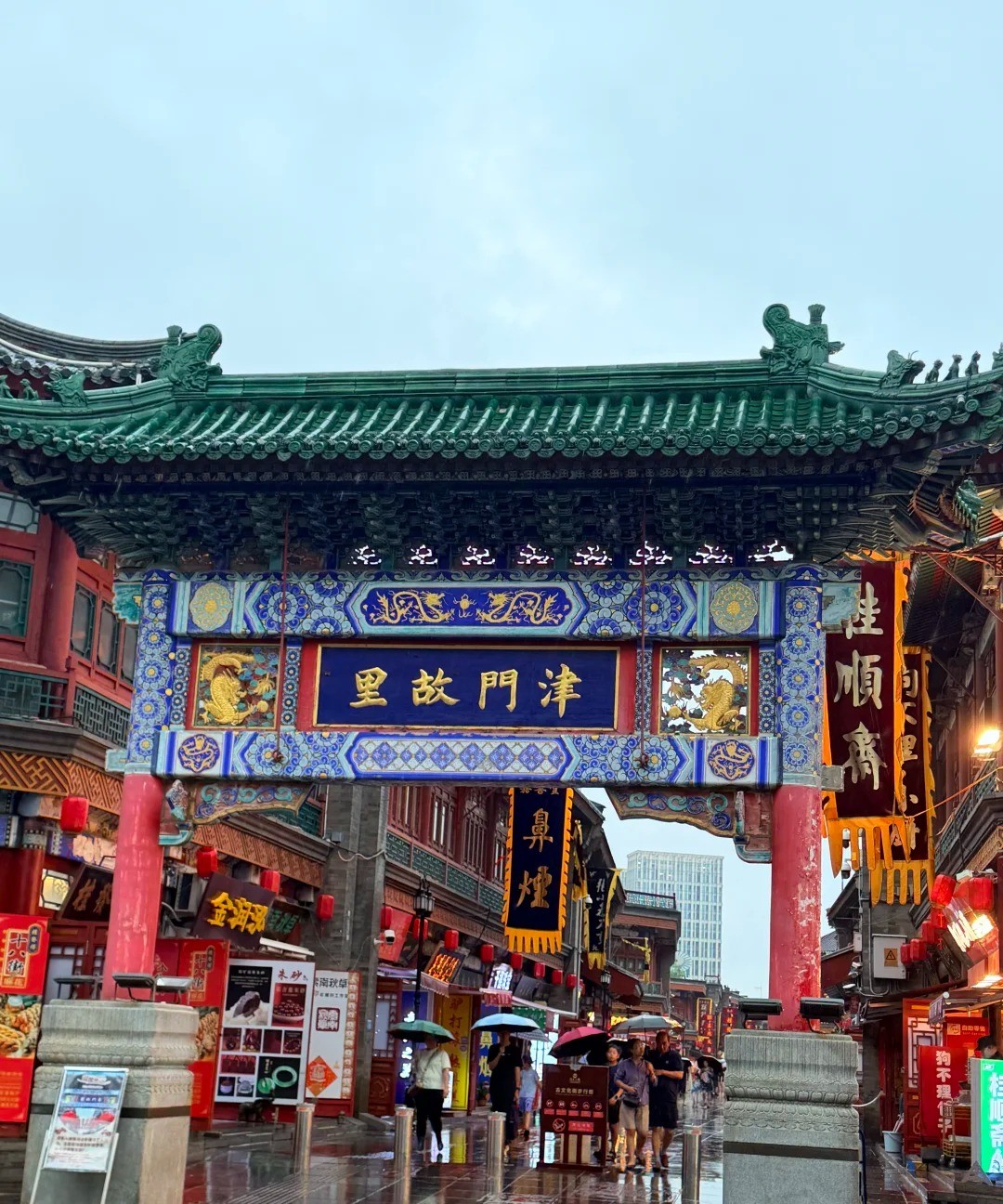
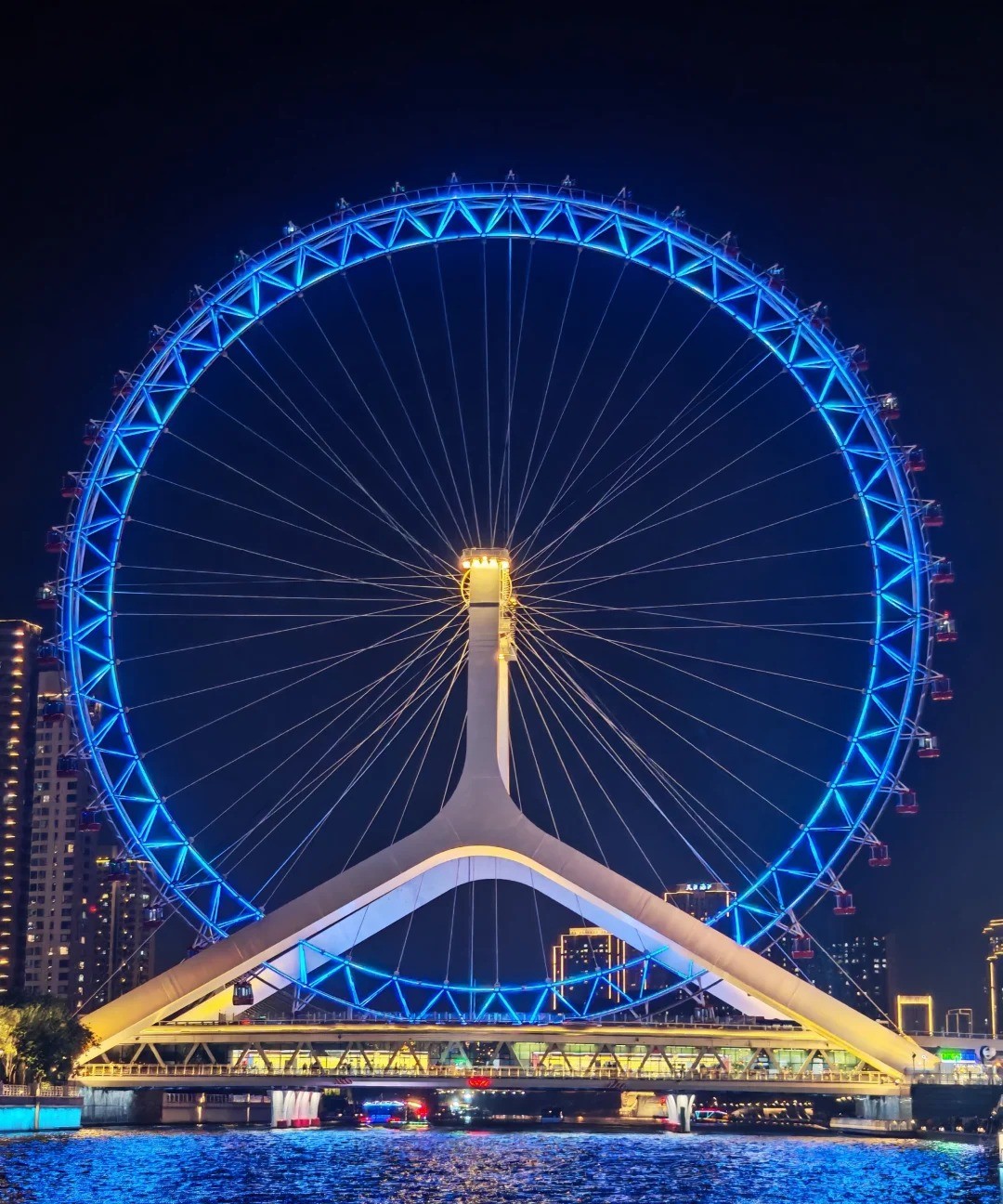
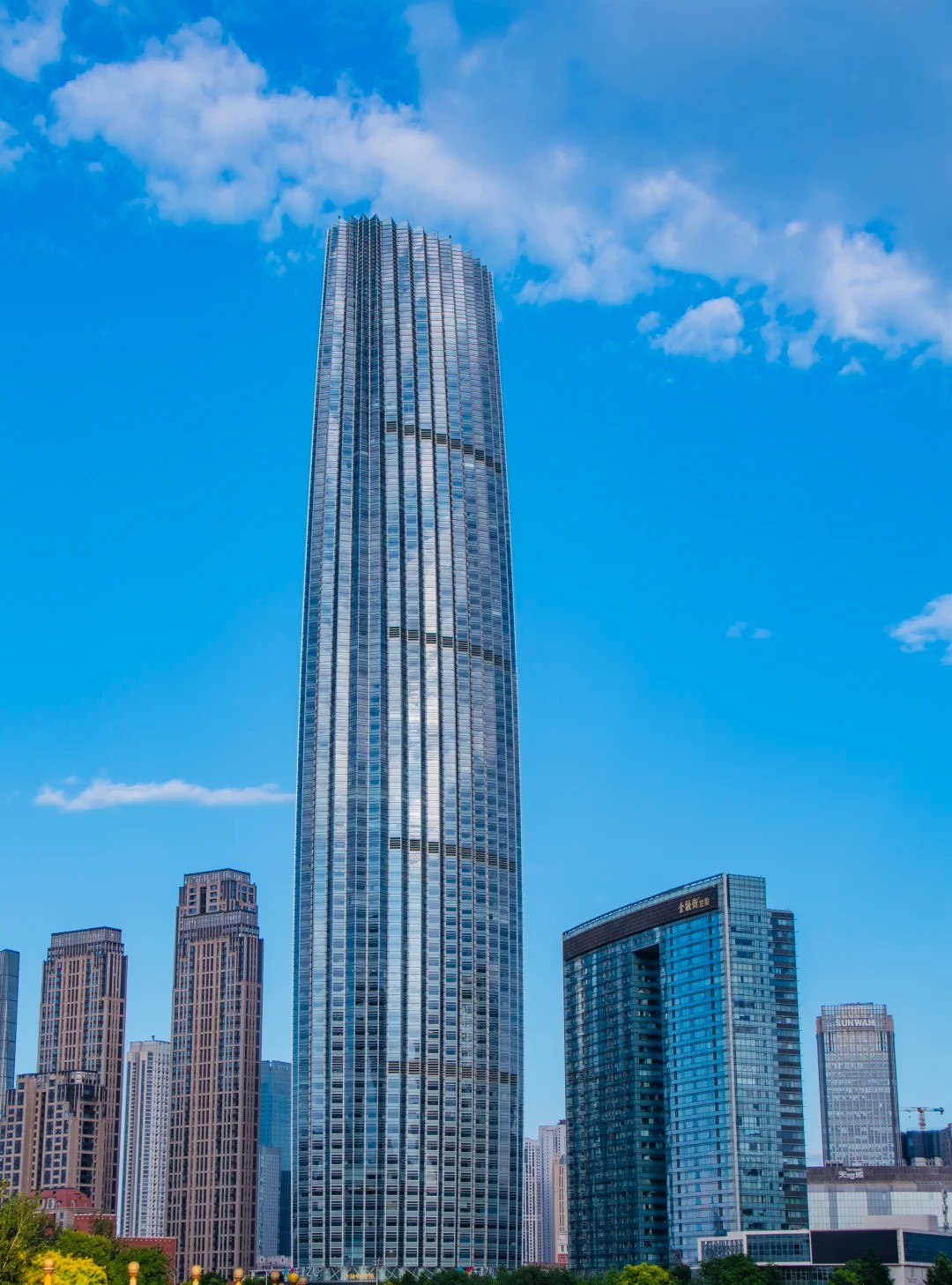
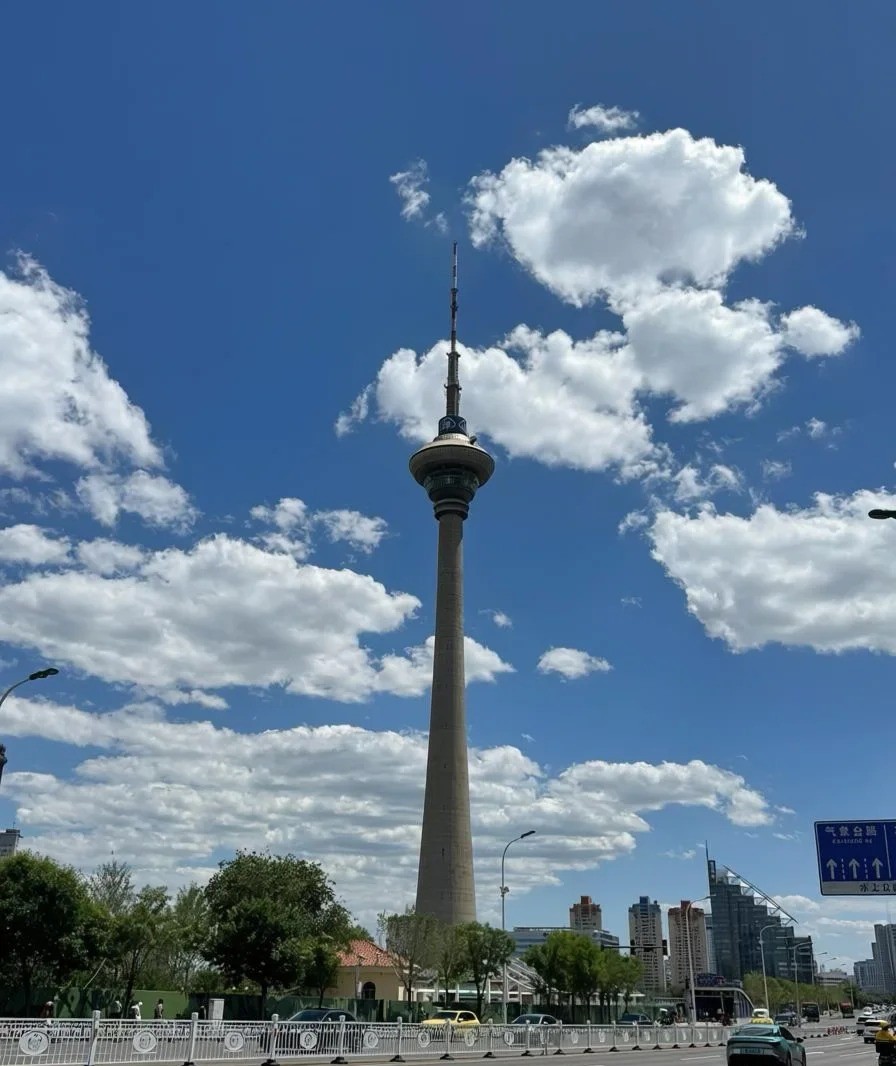
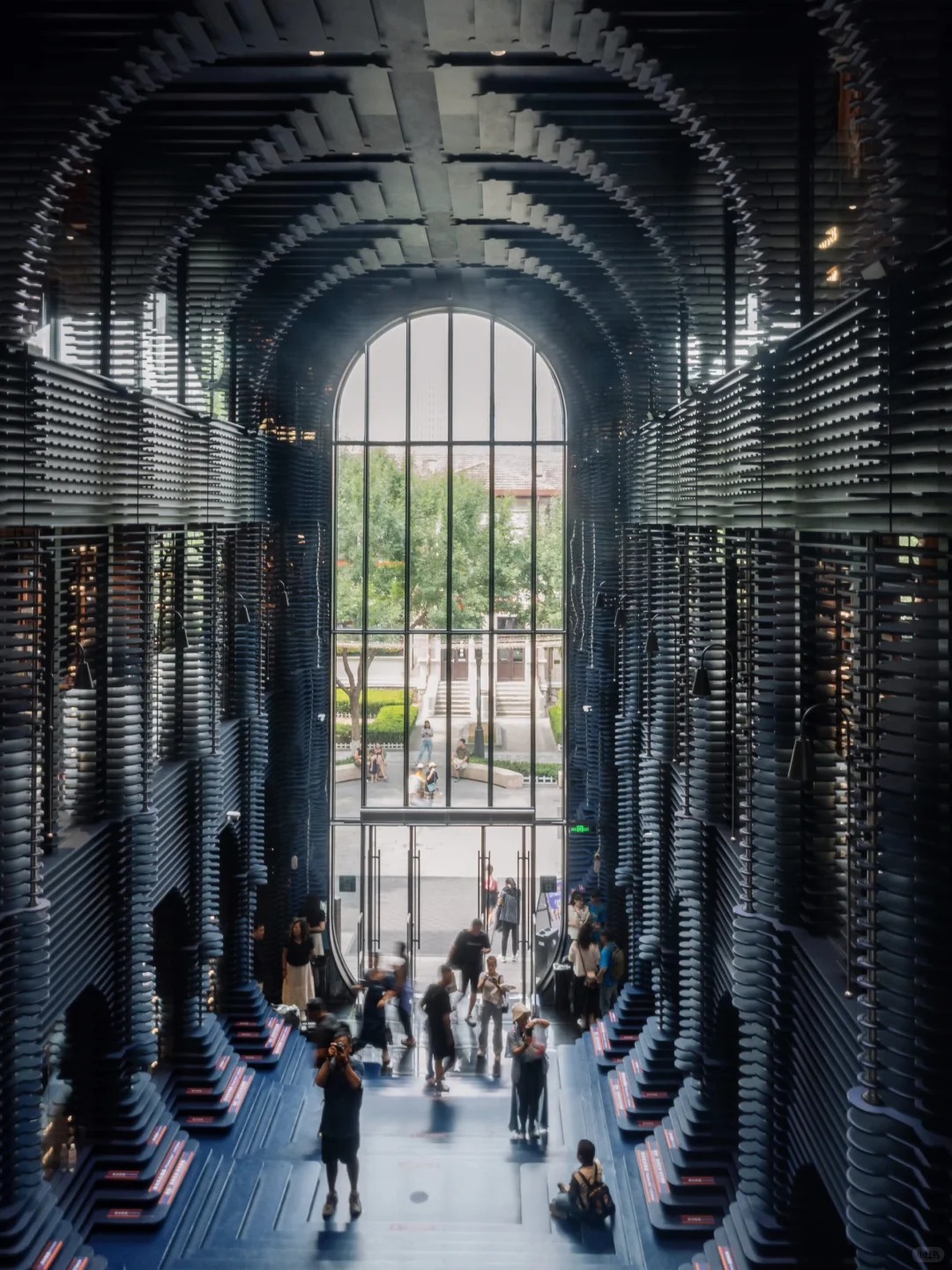
直辖市Tianjin, abbreviated as Jin, is one of China's four direct-administered municipalities. Located in the northeastern part of the North China Plain, it borders the Bohai Sea to the east and the Yanshan Mountains to the north. Covering a total area of approximately 11,966 square kilometers, it has a permanent population of about 13.63 million (2023). Tianjin rose due to grain transport by water. Since its official establishment as a city and garrison in the second year of Yongle of the Ming Dynasty (1404), it has a history of over 600 years, making it the only ancient Chinese city with a precise recorded founding date. As the largest coastal open city in northern China and one of the birthplaces of modern industry, Tianjin is known as the 'Expo of World Architecture.' Areas like the Five Great Avenues and the Italian Style Town feature buildings of British, French, Italian, German, and other styles, serving as important witnesses to modern Chinese history. Tianjin is also the cradle of Chinese crosstalk, Peking opera, Pingju opera, and other folk arts. Traditional delicacies such as Goubuli steamed buns, Shibajie mahua, and Erduoyan fried cake are renowned nationwide. Its unique geographical location and historical culture make it a tourist destination blending Chinese and Western elements, as well as ancient and modern features.
 直辖市
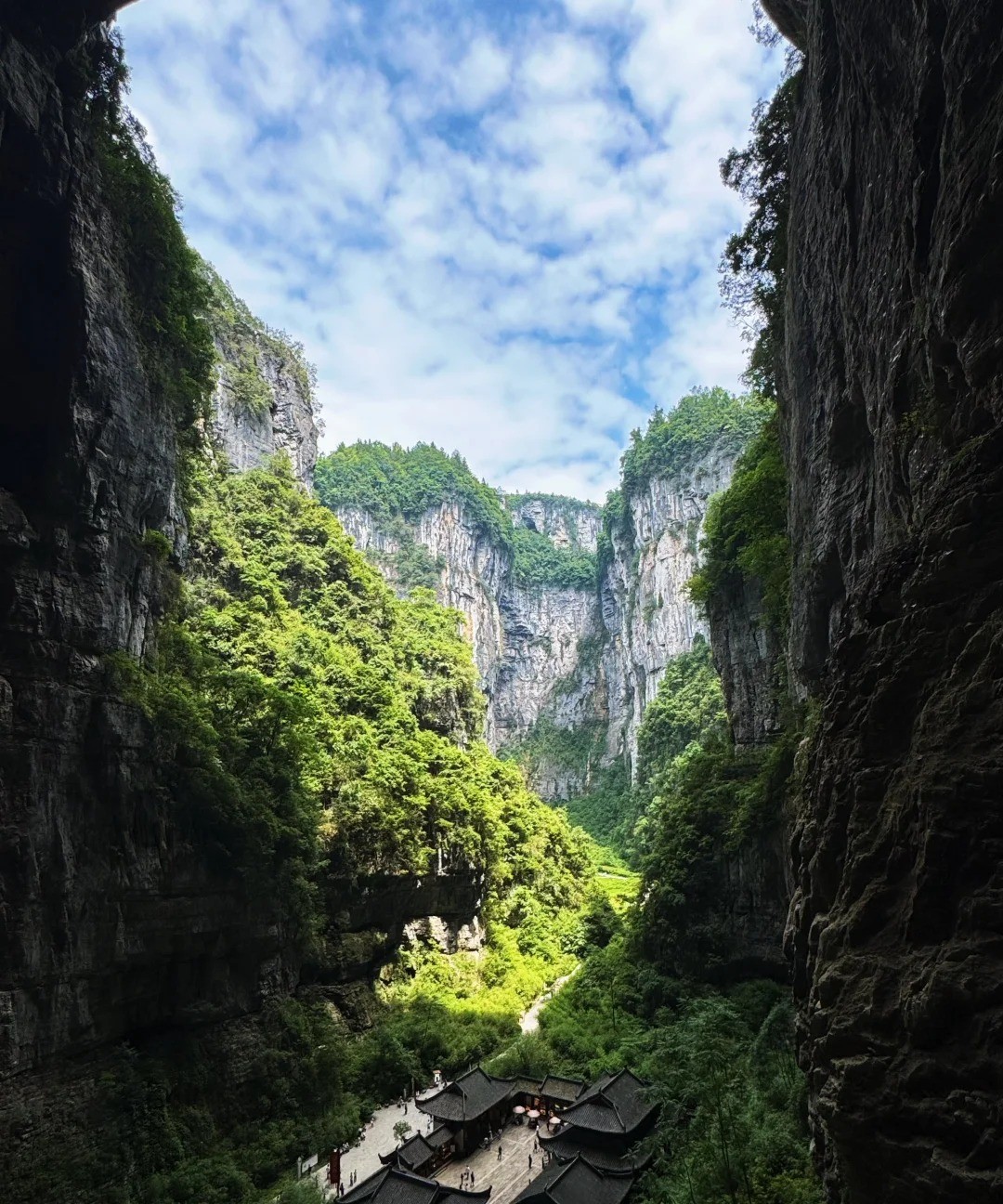
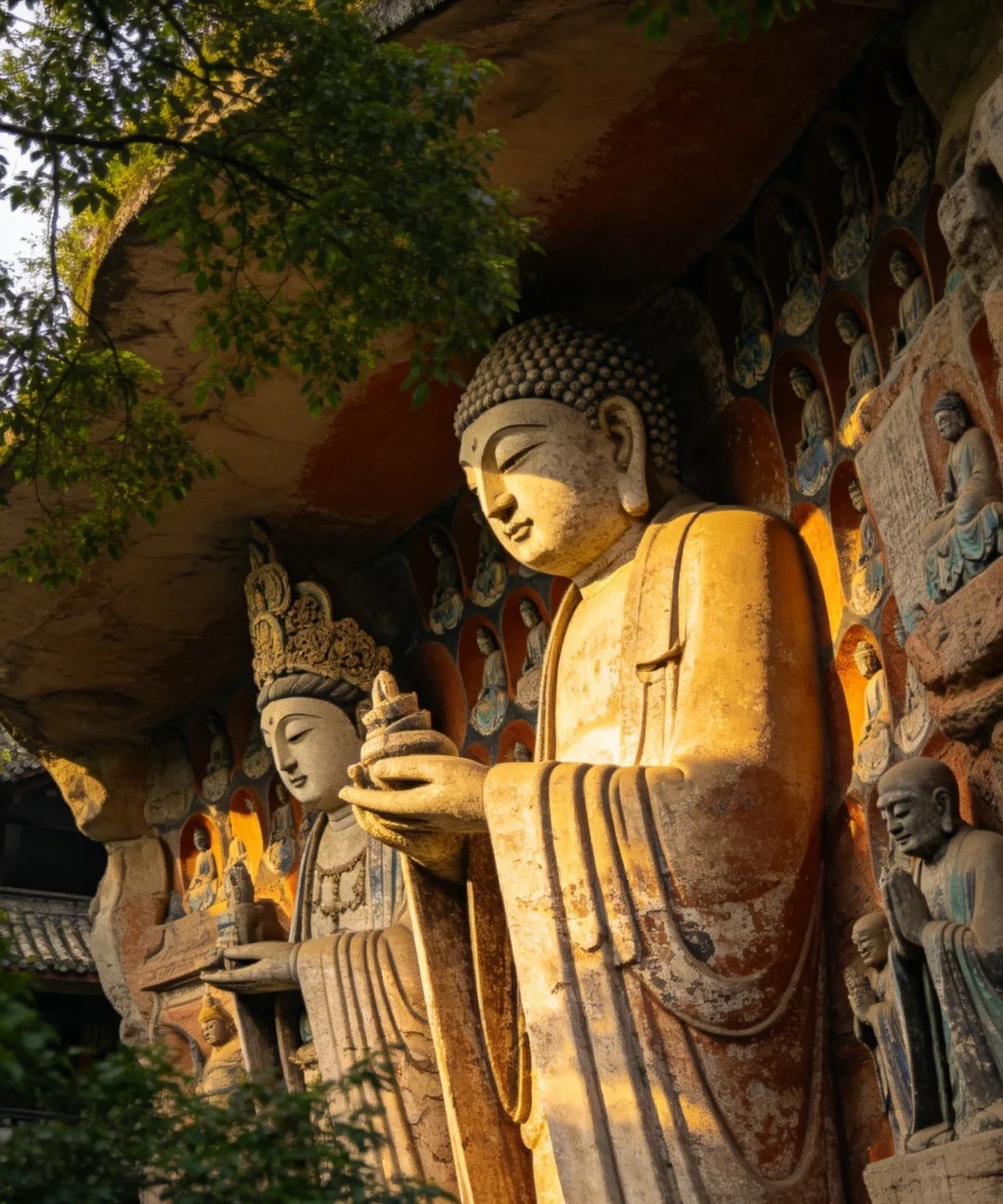
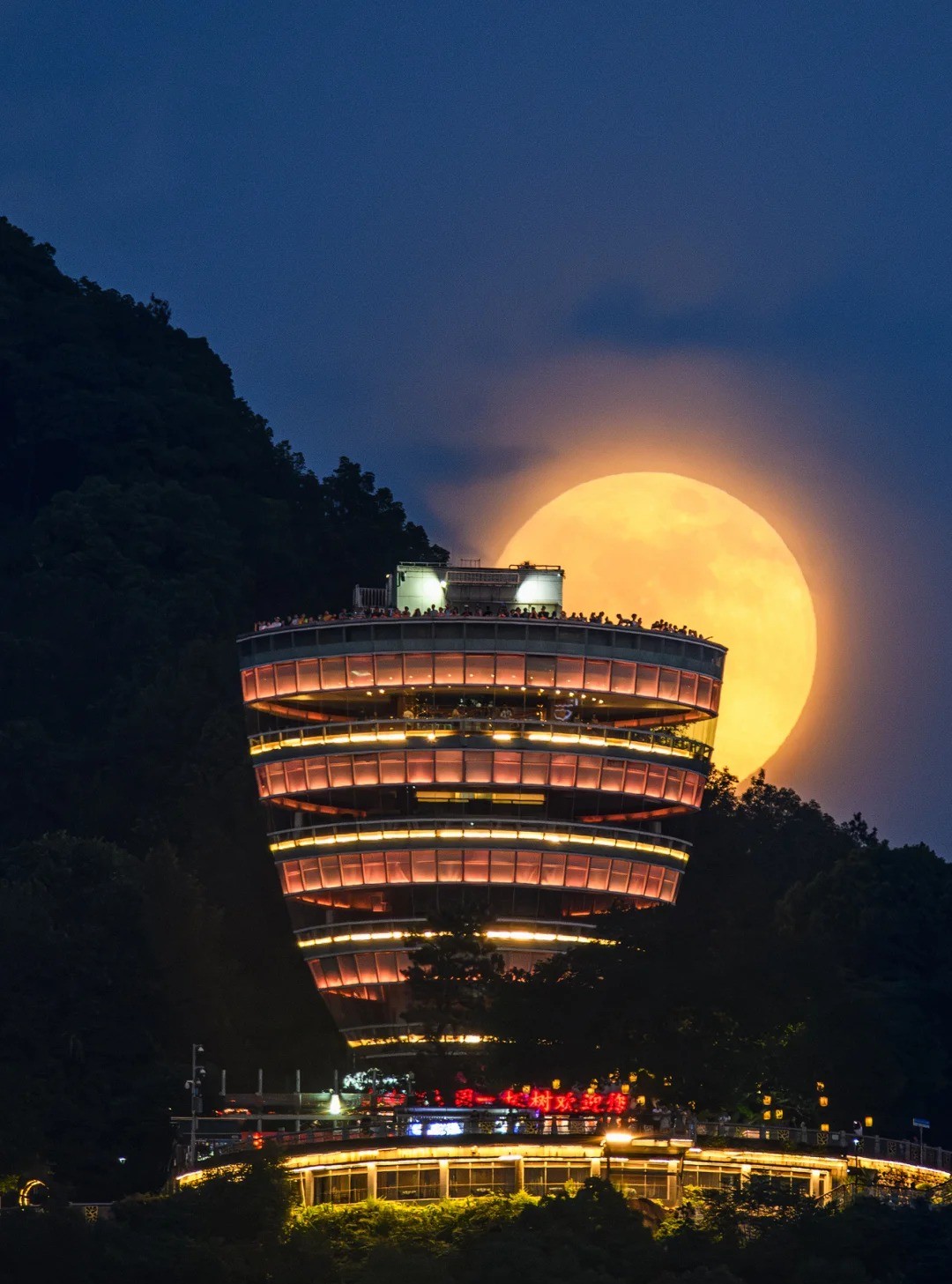
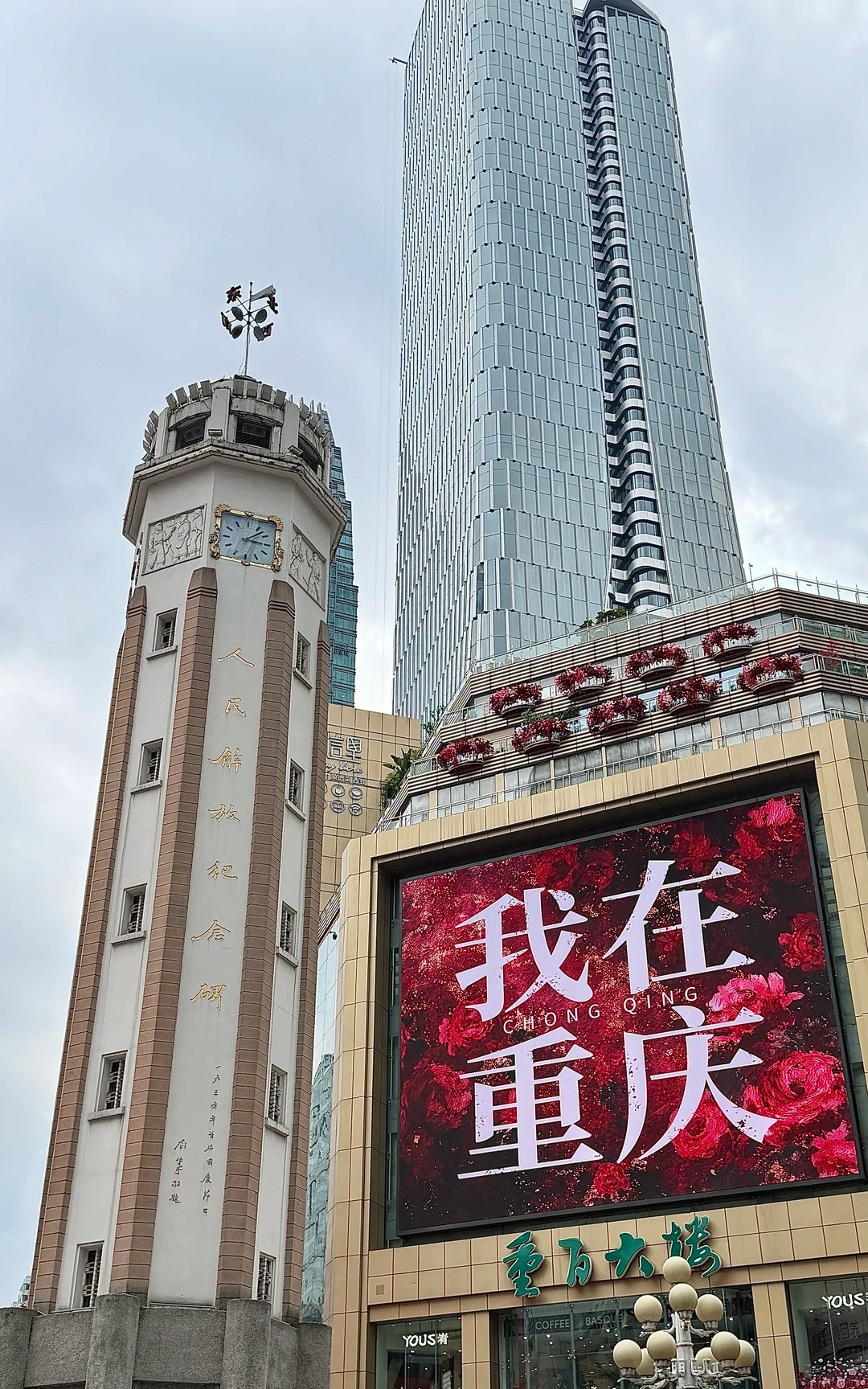
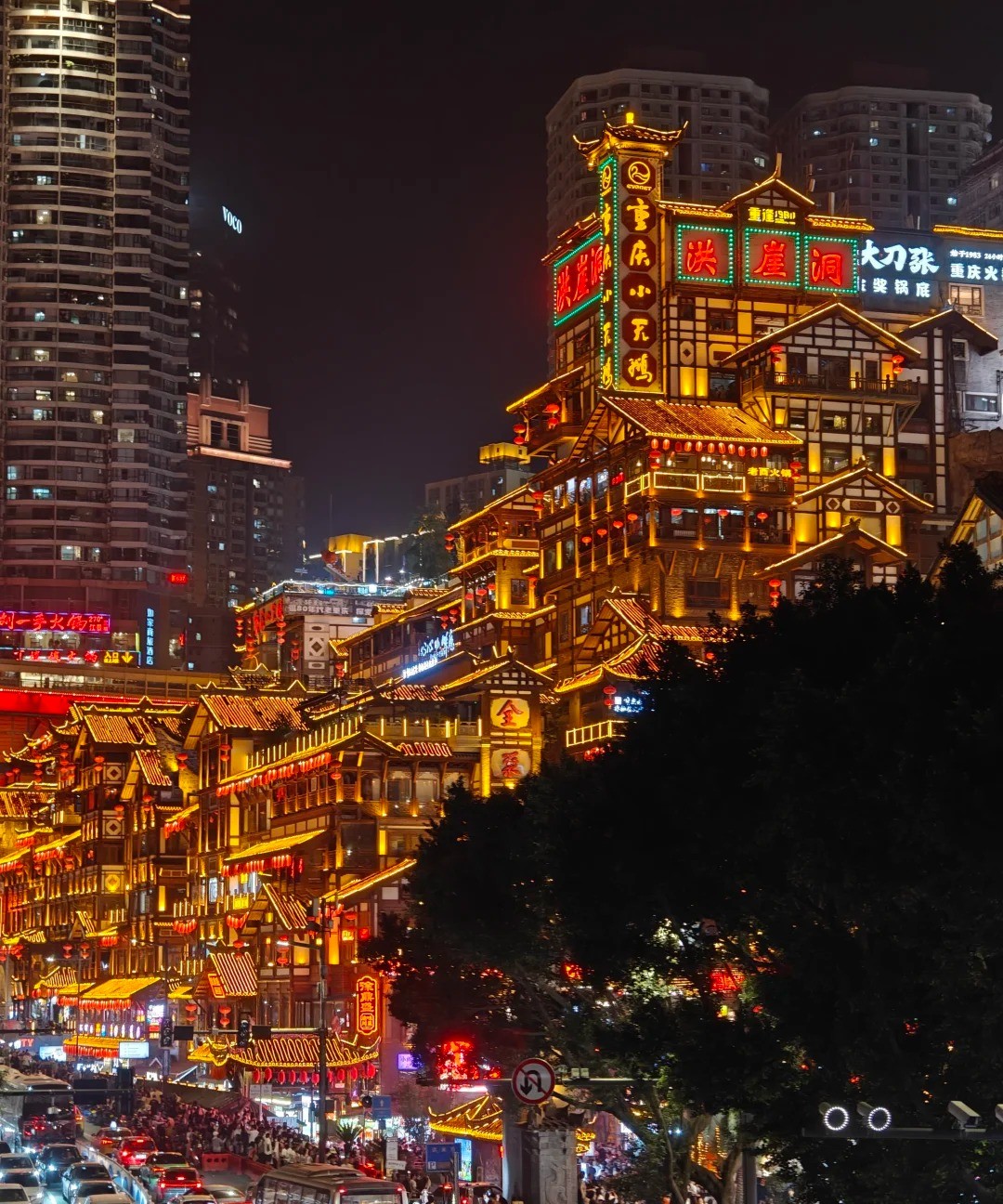
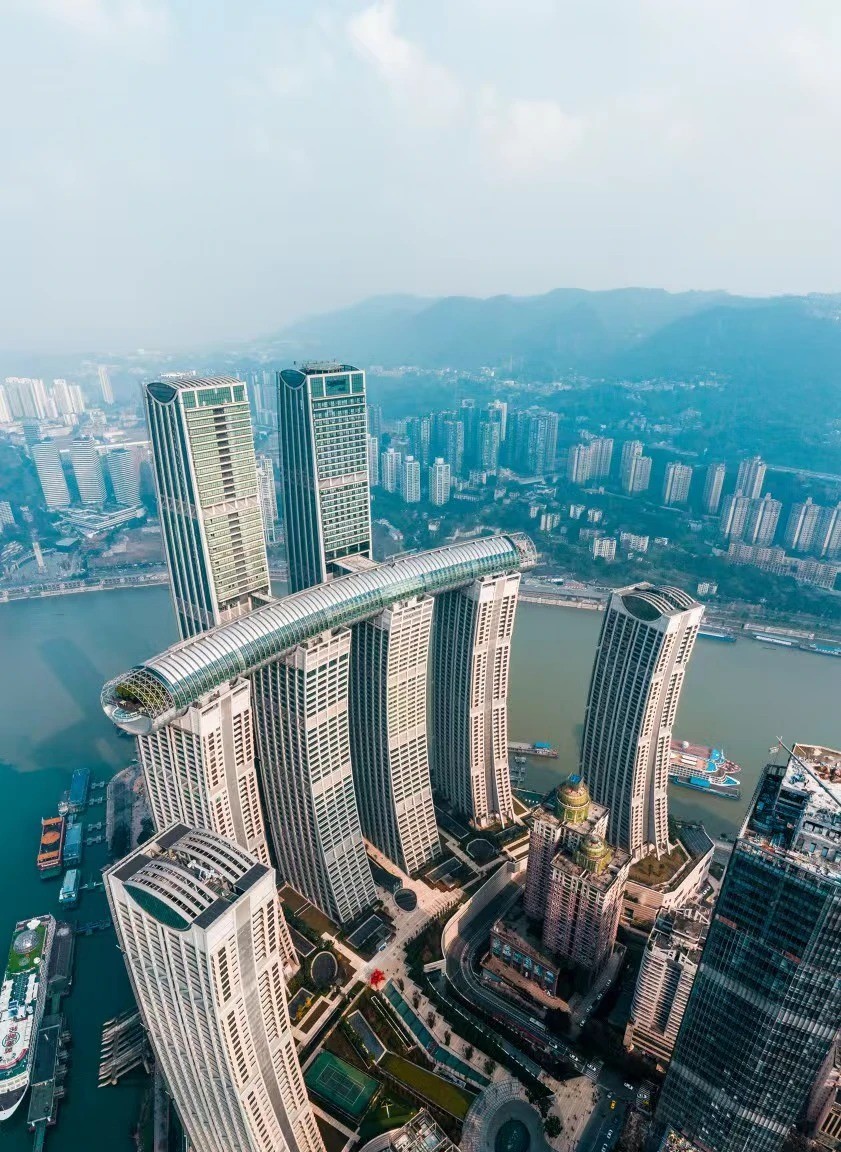
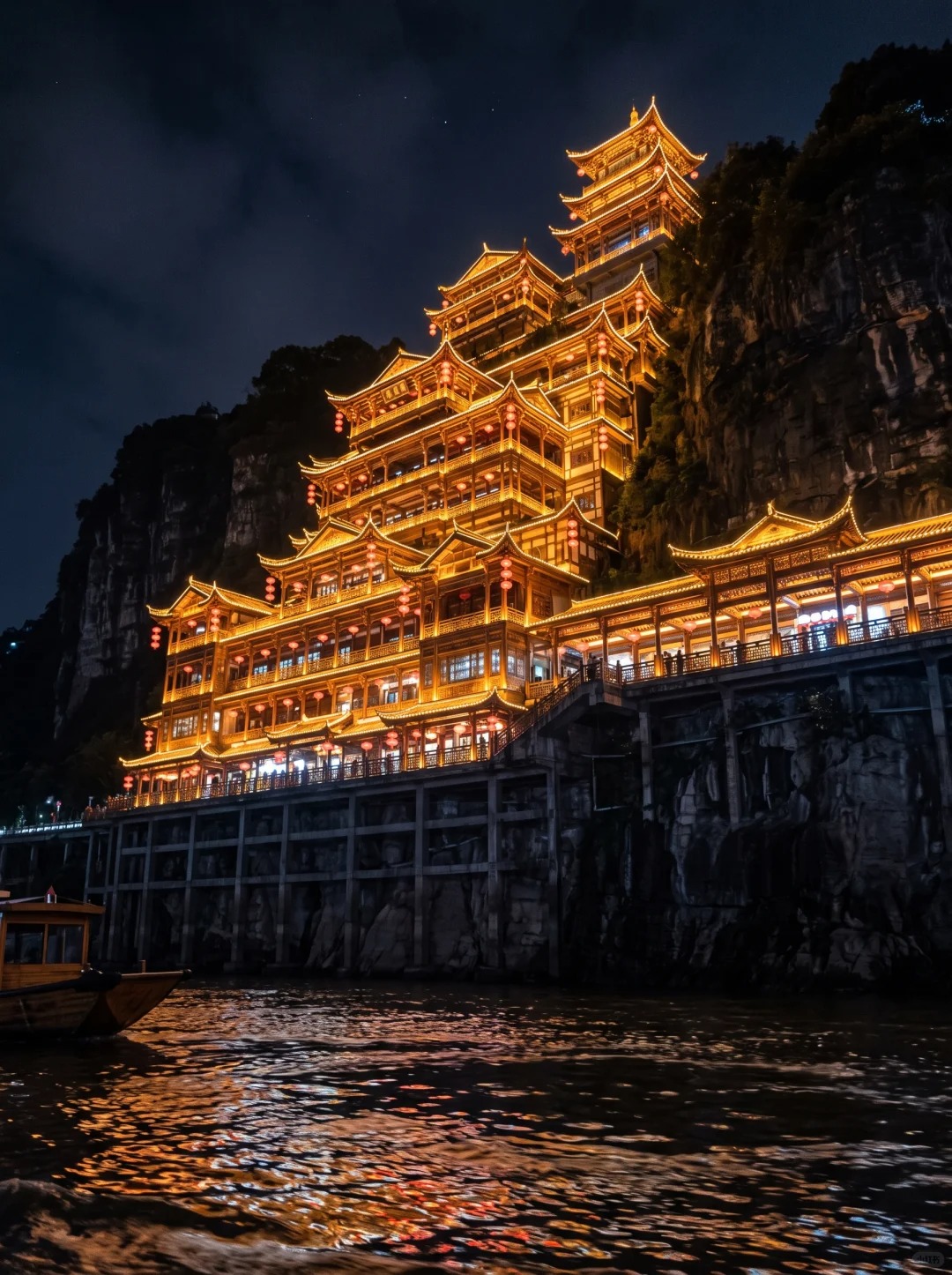
直辖市Chongqing, abbreviated as Yu, is located in southwestern China, in the upper reaches of the Yangtze River, on the southeastern edge of the Sichuan Basin. It covers an area of 82,400 square kilometers and has a population of about 32 million. As one of China's four direct-controlled municipalities, Chongqing has a history of over 3,000 years and is the birthplace of Bayu culture. In ancient times, it was the capital of the Ba State. During the Ming and Qing dynasties, it became a major city in the southwest due to its prosperous water transport. During the War of Resistance Against Japan, it served as the provisional capital of the Republic of China. Today, it is a national central city. Known as a mountain city, river city, hotpot city, and for its night views, Chongqing is an economic center in the upper Yangtze River and a strategic pivot for the Western Development Strategy. Its culture blends Bayu, immigrant, and wartime cultures, earning it the titles '8D Magic City' and 'China's Hotpot Capital'.
 直辖市
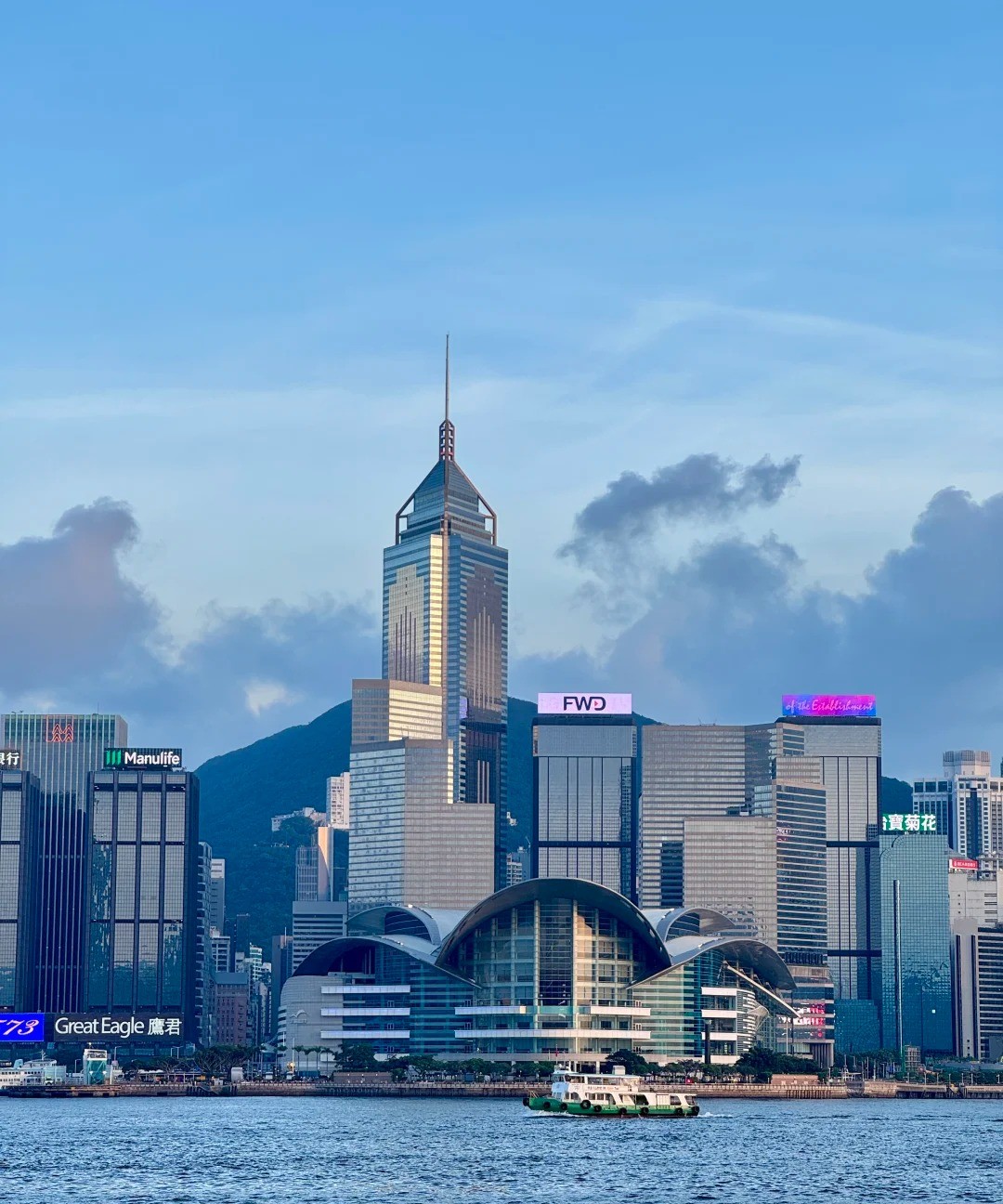
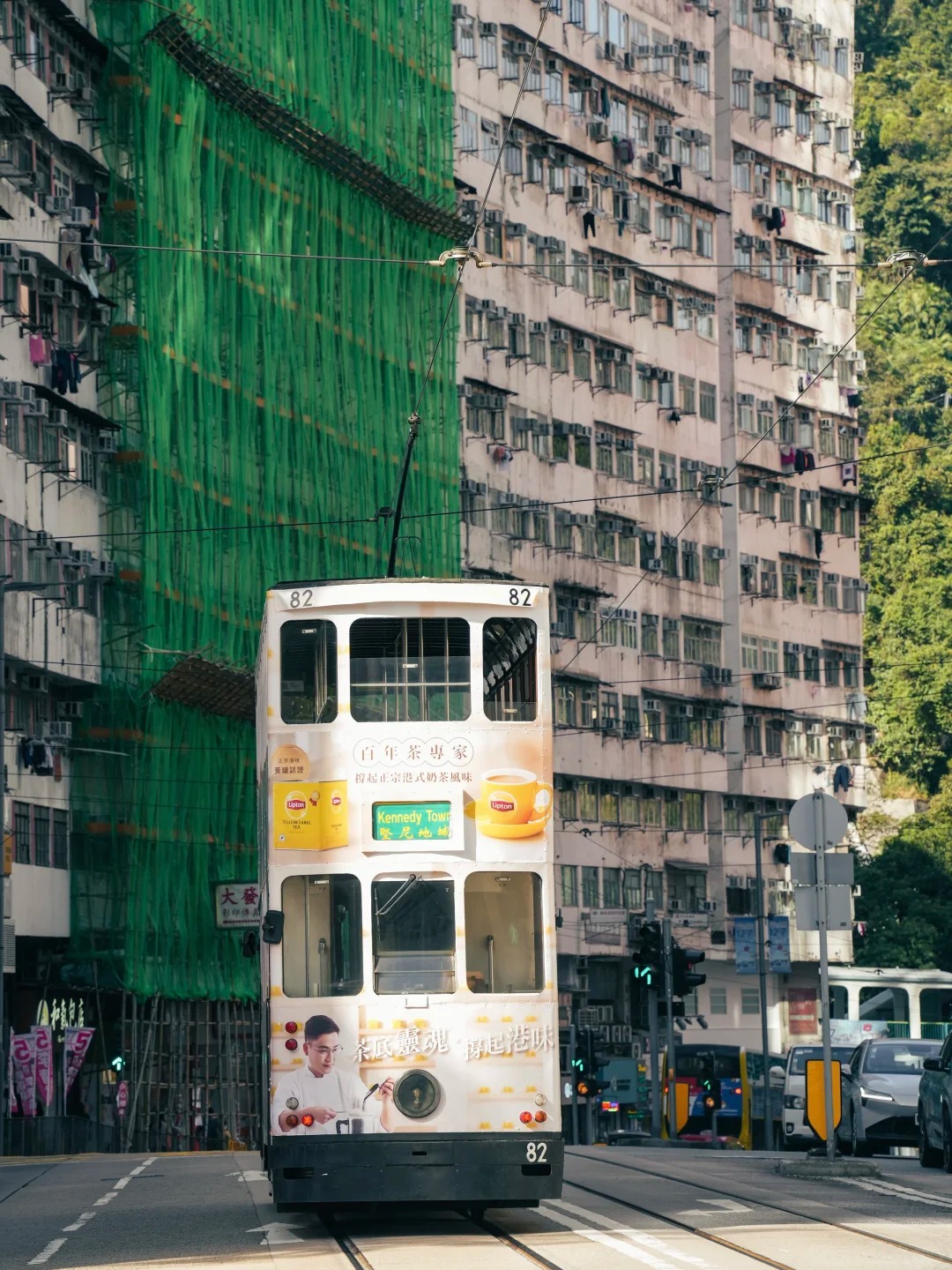
直辖市The Hong Kong Special Administrative Region is located in southern China, on the eastern side of the Pearl River Estuary, bordering Shenzhen City, Guangdong Province to the north and the South China Sea to the south. It covers a total area of approximately 1,106 square kilometers (including Hong Kong Island, Kowloon Peninsula, the New Territories, and outlying islands), with a population of about 7.5 million as of 2023. Hong Kong has been Chinese territory since ancient times. It was under British colonial rule from 1842 to 1997 and returned to the motherland on July 1, 1997, implementing 'one country, two systems'. Hong Kong is a major international financial, trade, shipping, and innovation technology center, with a highly free economic system and a well-established legal environment. Its uniqueness lies in: a blend of Chinese and Western cultures, dense skyscrapers coexisting with well-preserved natural countryside, world-class shopping and culinary paradise, and the dazzling night view of Victoria Harbour. Hong Kong boasts rich cultural heritage, including historical buildings, traditional festivals (such as Cheung Chau Bun Festival and Tai O Dragon Boat Water Parade), and intangible cultural heritage (such as Cantonese opera and Hong Kong-style milk tea making techniques). It is both a bustling modern metropolis and a gateway to mainland China and Southeast Asia.
 直辖市
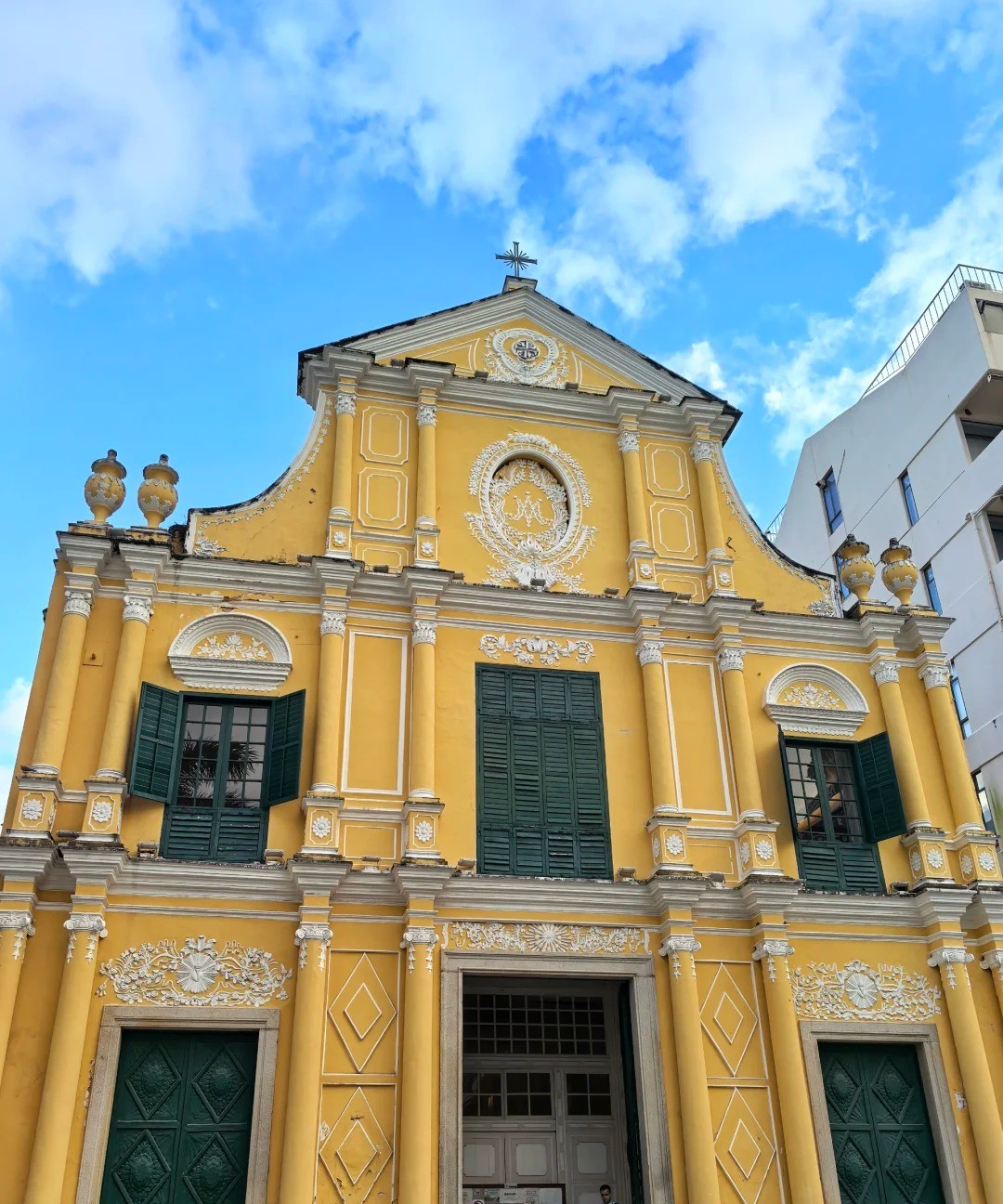
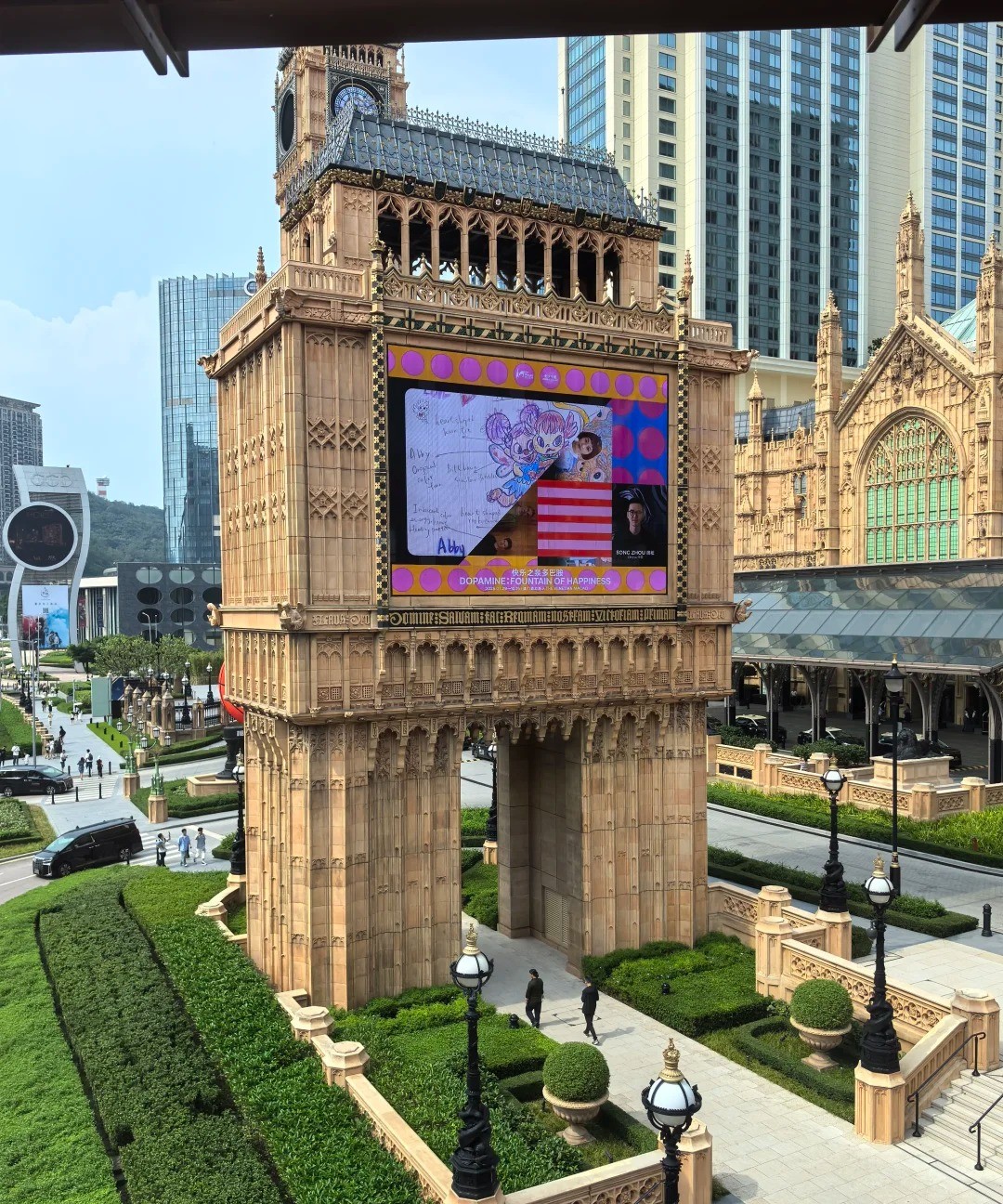
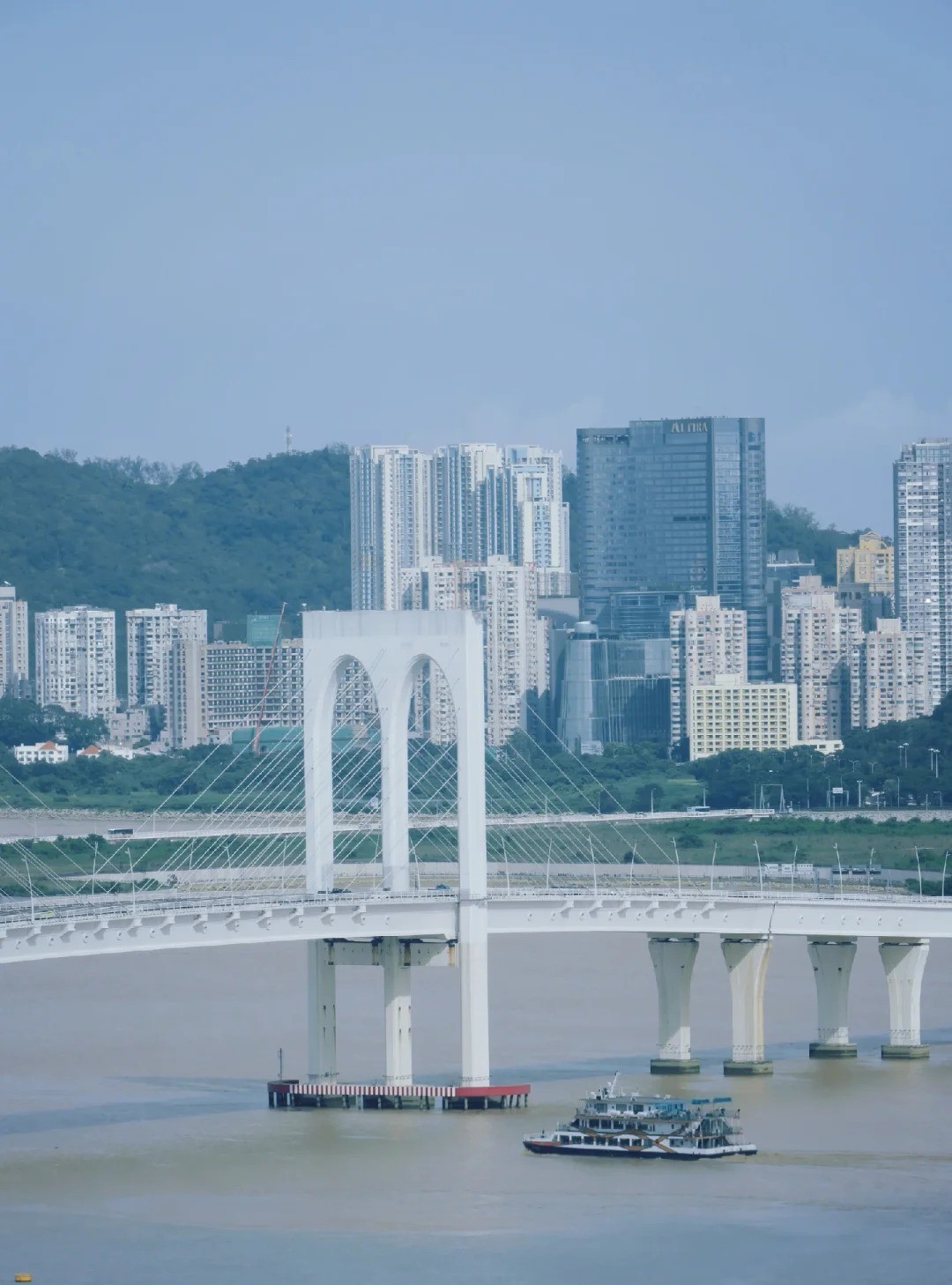
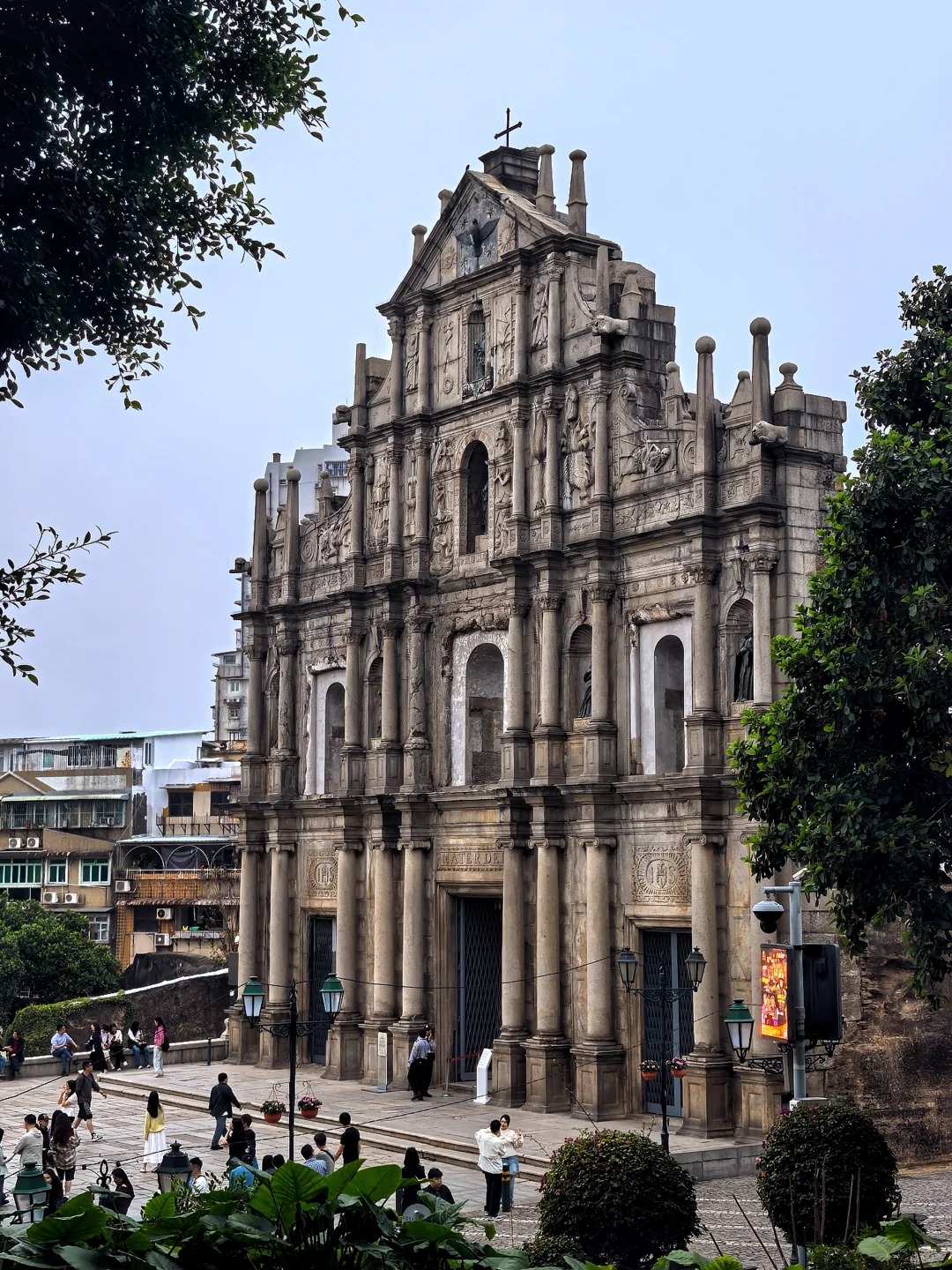
直辖市Macao, officially the Macao Special Administrative Region of the People's Republic of China, is located on the west bank of the Pearl River Delta in southern China, adjacent to Zhuhai City in Guangdong Province, and facing Hong Kong across the Lingdingyang Sea to the east. With a total area of approximately 33.3 square kilometers (2024 data), it consists of the Macao Peninsula, Taipa Island, Coloane Island, and the reclaimed Cotai area, with a population of about 700,000 (2024 estimate). Since the 16th century, Macao was gradually leased by the Portuguese, becoming a unique window for Sino-Western cultural integration. It returned to China on December 20, 1999, under the 'one country, two systems' principle. As a world tourism and leisure center, Macao is globally renowned for its gaming industry, earning the nickname 'Las Vegas of the East.' However, its true charm lies in over 400 years of historical heritage: the Ruins of St. Paul's, A-Ma Temple, and other World Heritage sites (the Historic Centre of Macao was inscribed on the UNESCO World Heritage List in 2005), along with its blend of Chinese and Western architecture, cuisine, and festivals. Macao is China's second free port after Hong Kong, with an economy heavily reliant on tourism and gaming, welcoming over 28 million visitors in 2023. Its uniqueness lies in condensing Portuguese colonial European style, Lingnan traditions, and modern casinos into an area less than one ten-thousandth of China's land, making it the only micro-city in the world with Chinese temples, Western churches, and large casinos.
 21 城
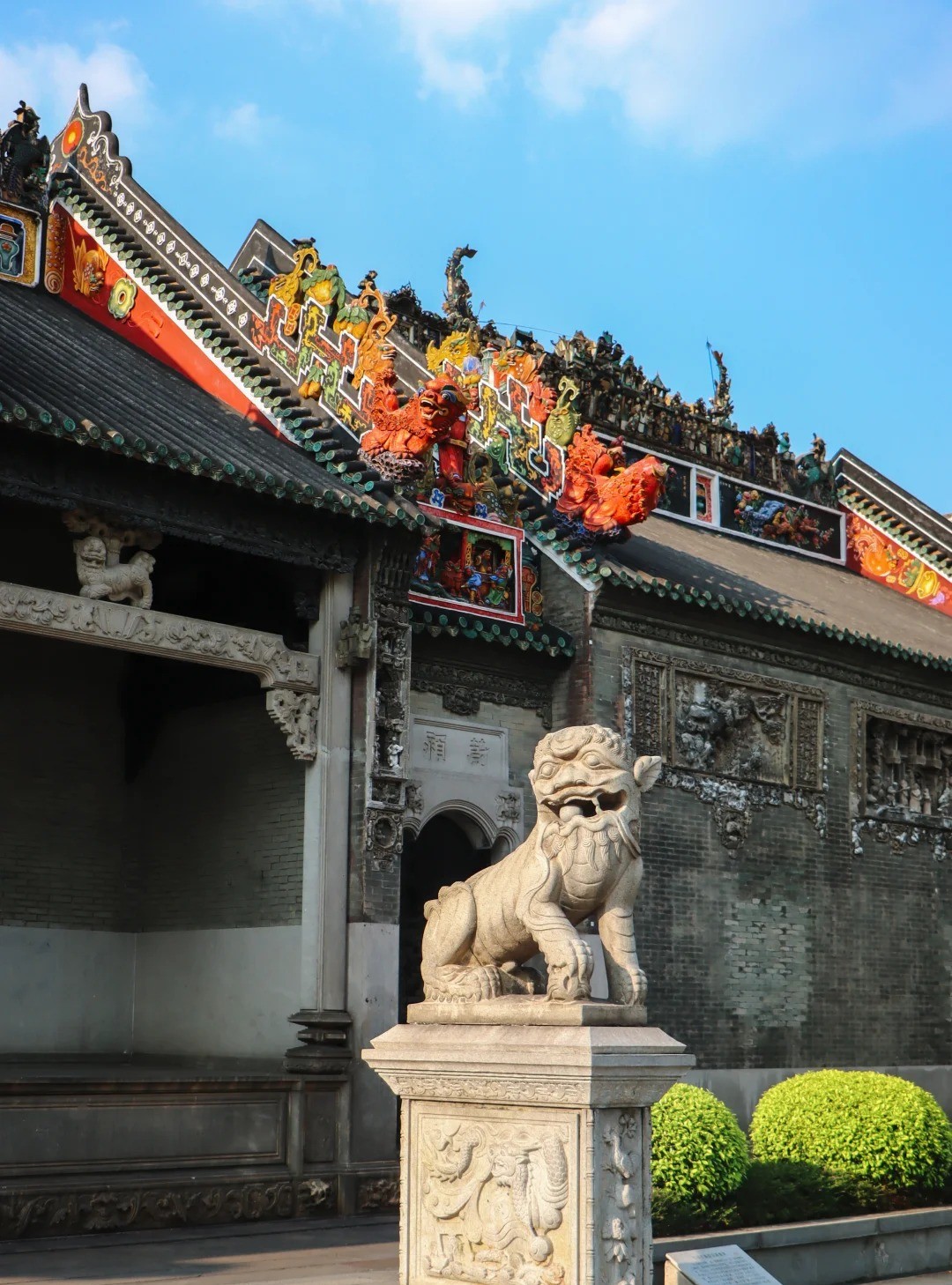
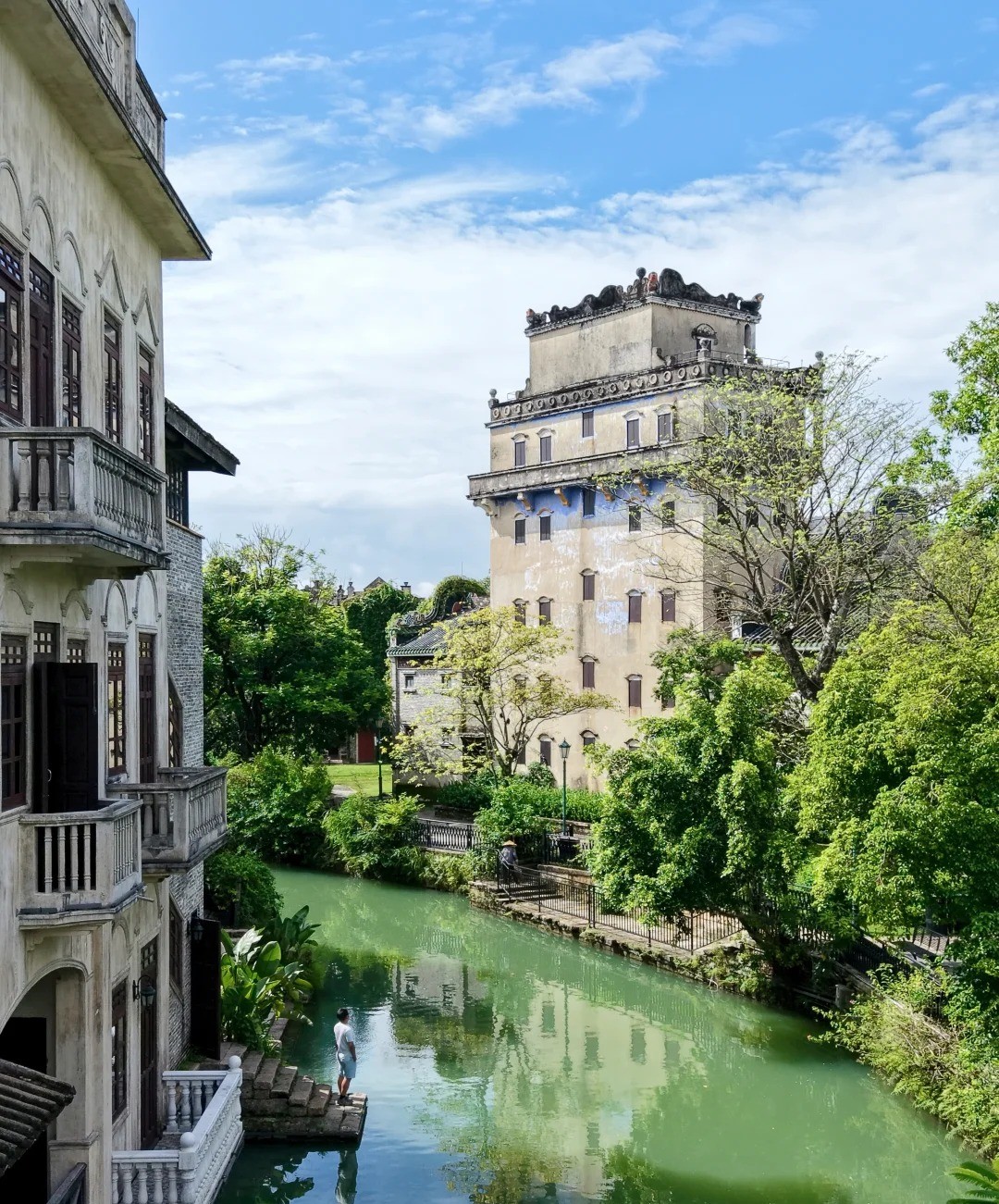
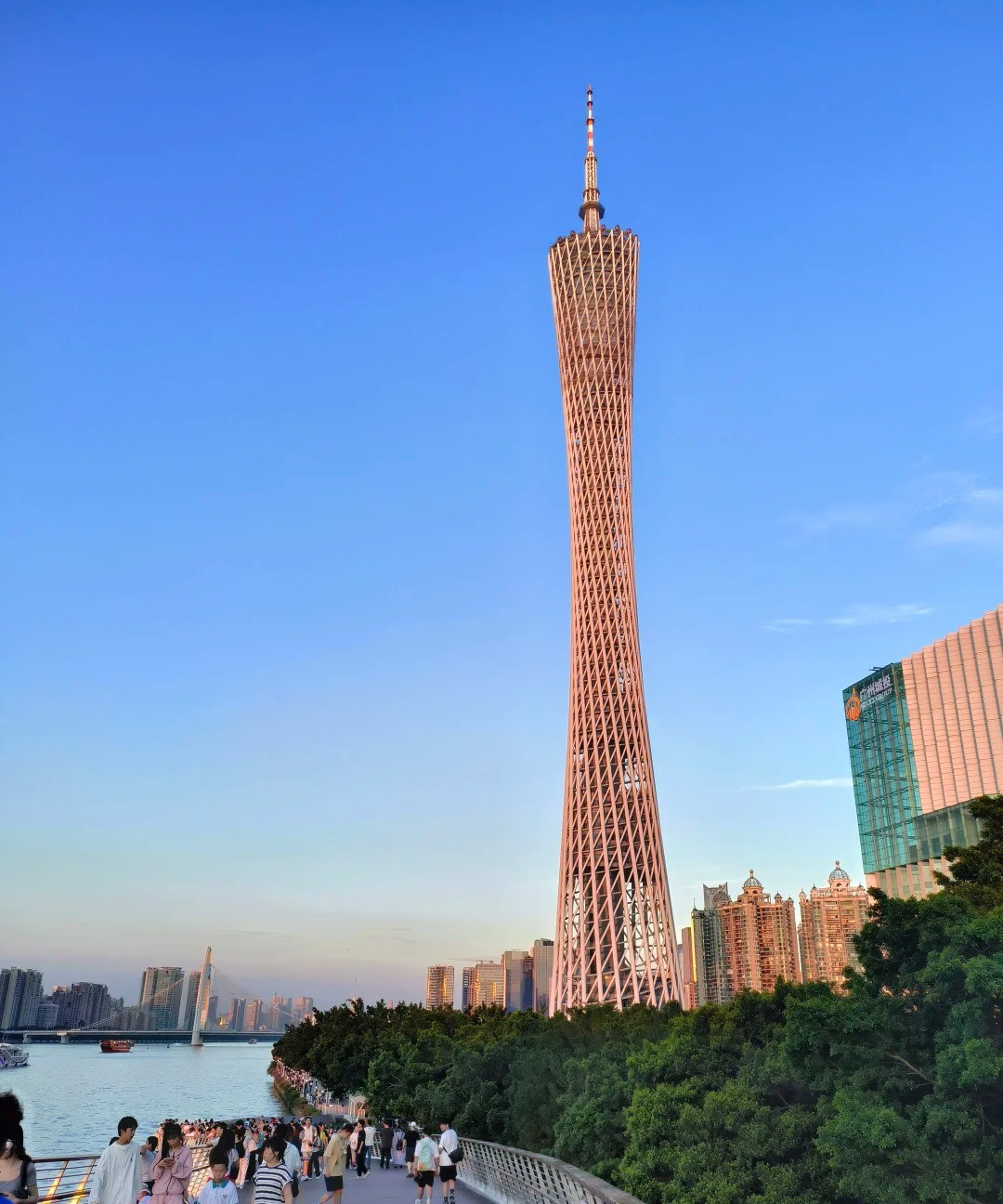
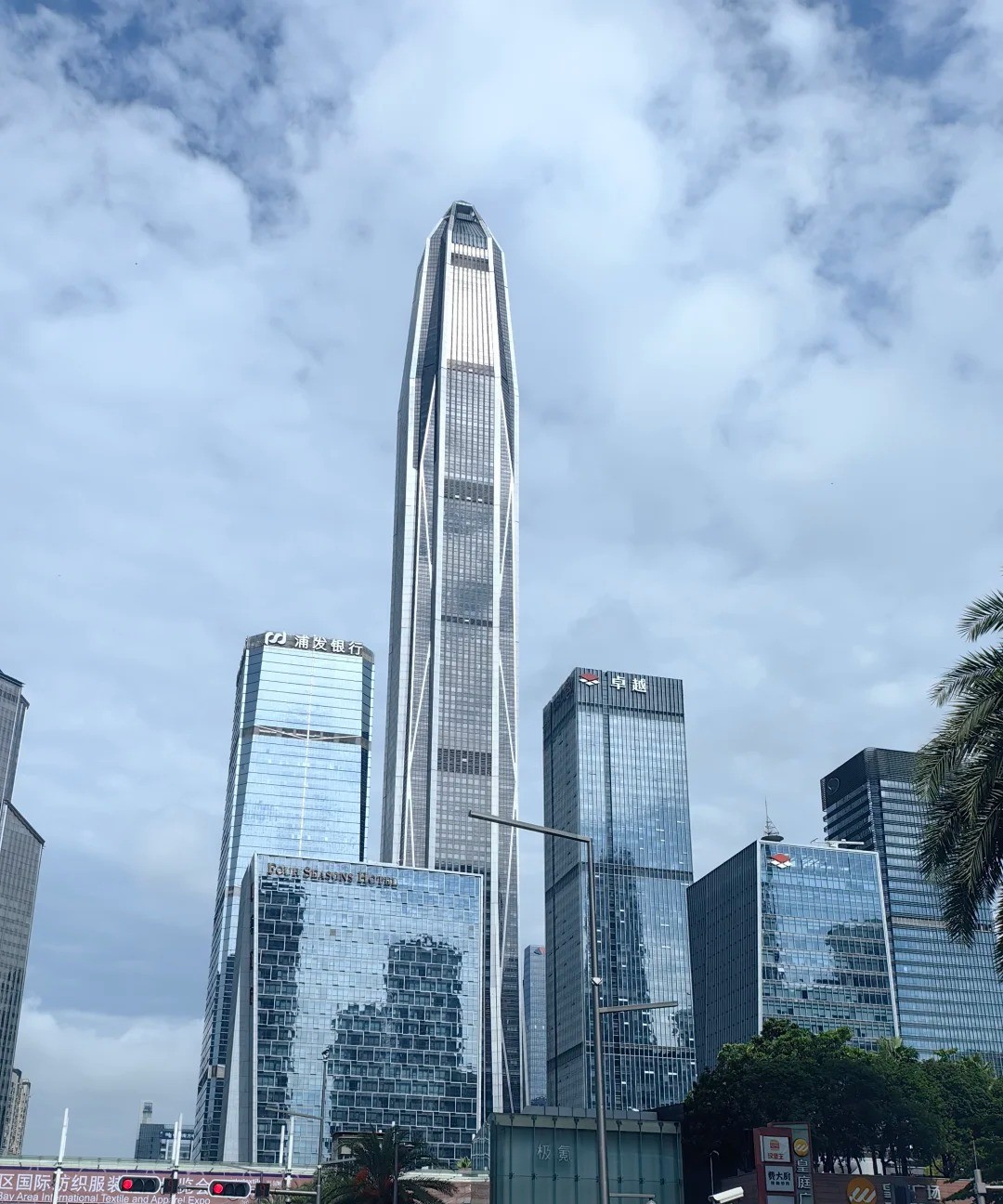
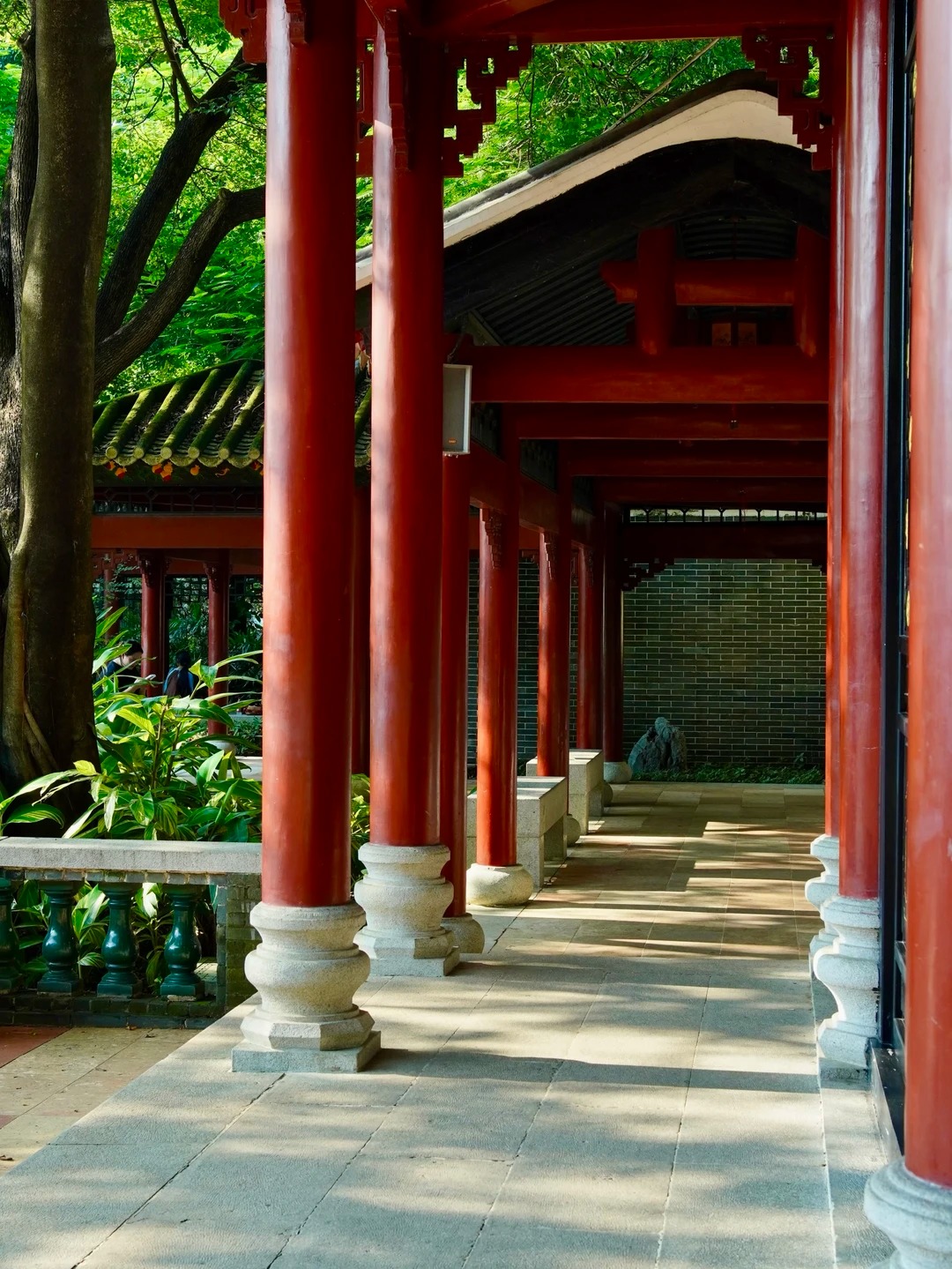
21 城Guangdong, abbreviated as Yue, is located south of the Nanling Mountains and along the South China Sea. It borders Hong Kong, Macao, Guangxi, Hunan, Jiangxi, and Fujian, covering an area of approximately 179,700 square kilometers. As of 2023, its permanent population is about 127 million, making it the most populous province in China. Guangdong has a long history, having been under central jurisdiction as early as the Qin Dynasty. It is an important birthplace of Lingnan culture, Cantonese culture, Chaoshan culture, and Hakka culture. As one of the starting points of the Maritime Silk Road, Guangdong has been a hub of Sino-foreign trade since the Tang and Song dynasties. In modern times, it has been at the forefront of China's reform and opening-up, with its economic output ranking first in the country for many consecutive years. Its unique geographical location and tradition of openness have shaped Guangdong's inclusive, pragmatic, and innovative cultural character. Cultural symbols such as Cantonese language, Cantonese opera, Guangdong music, Lingnan painting school, and Cantonese cuisine have a profound influence. The province is home to world natural and cultural heritage sites like Danxia Mountain and Kaiping Diaolou and Villages, as well as unique cultural landscapes such as the Pearl River Delta water towns and the ancient post roads of southern Guangdong, making it one of China's most dynamic tourist destinations.
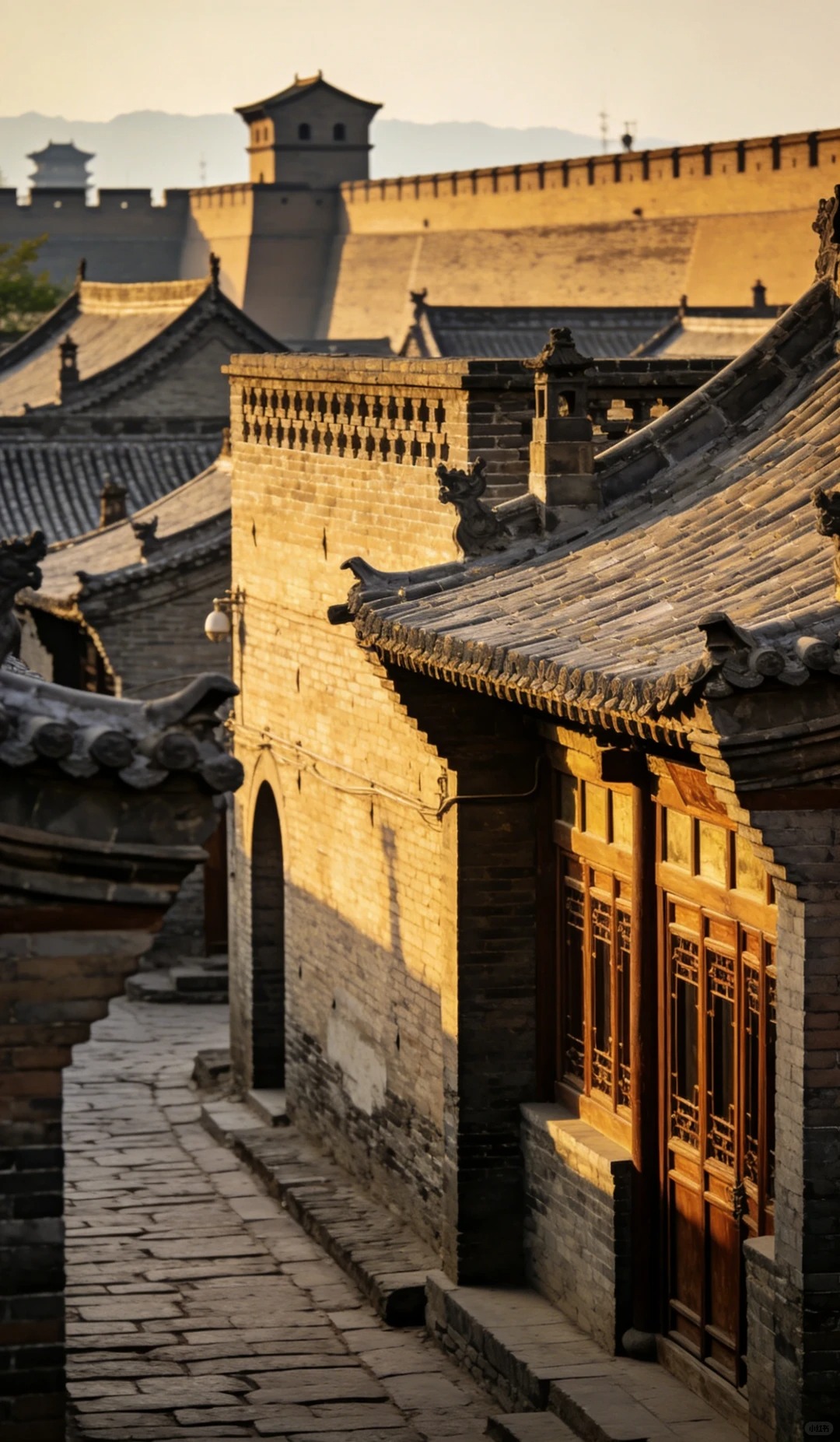 13 城
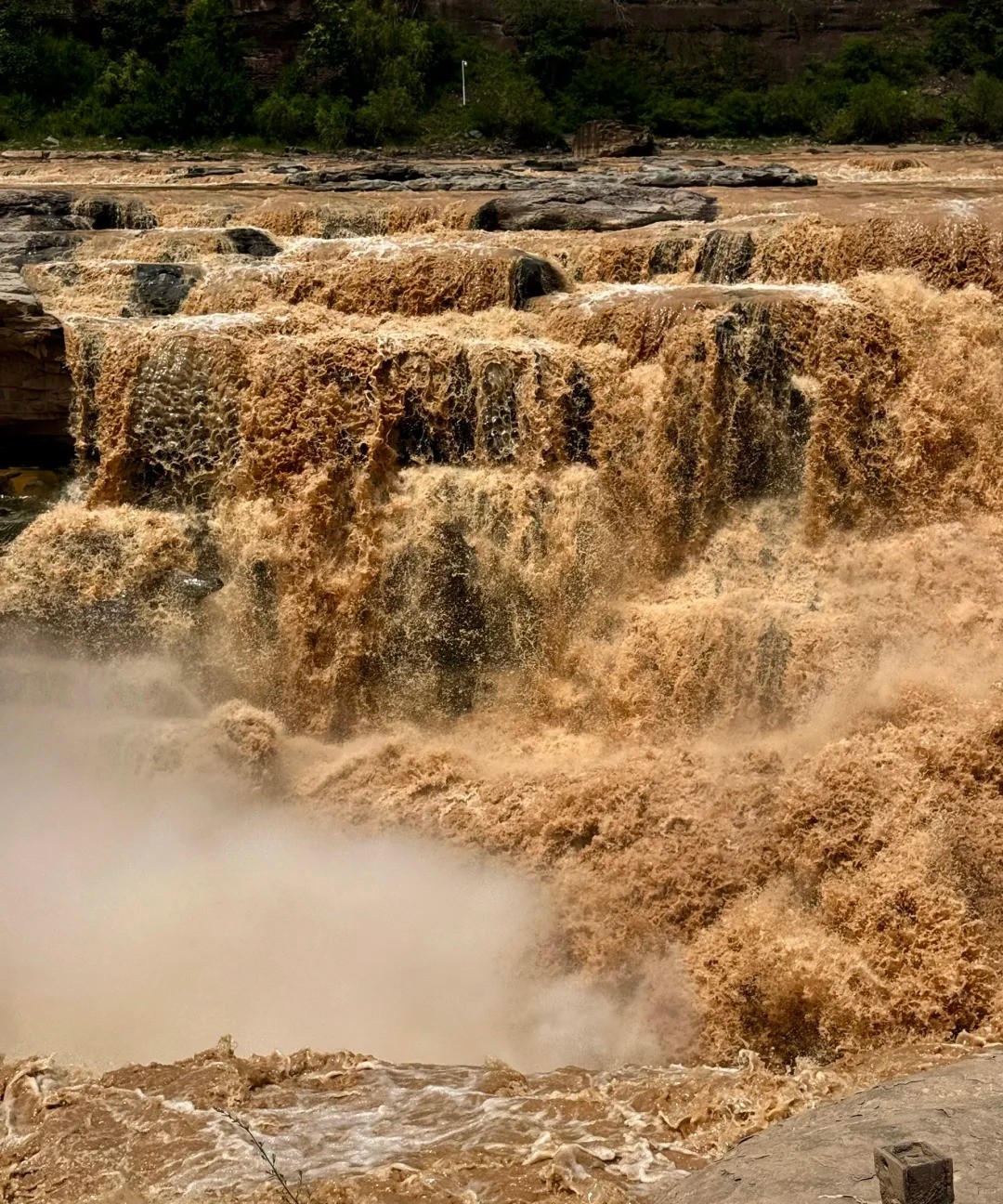
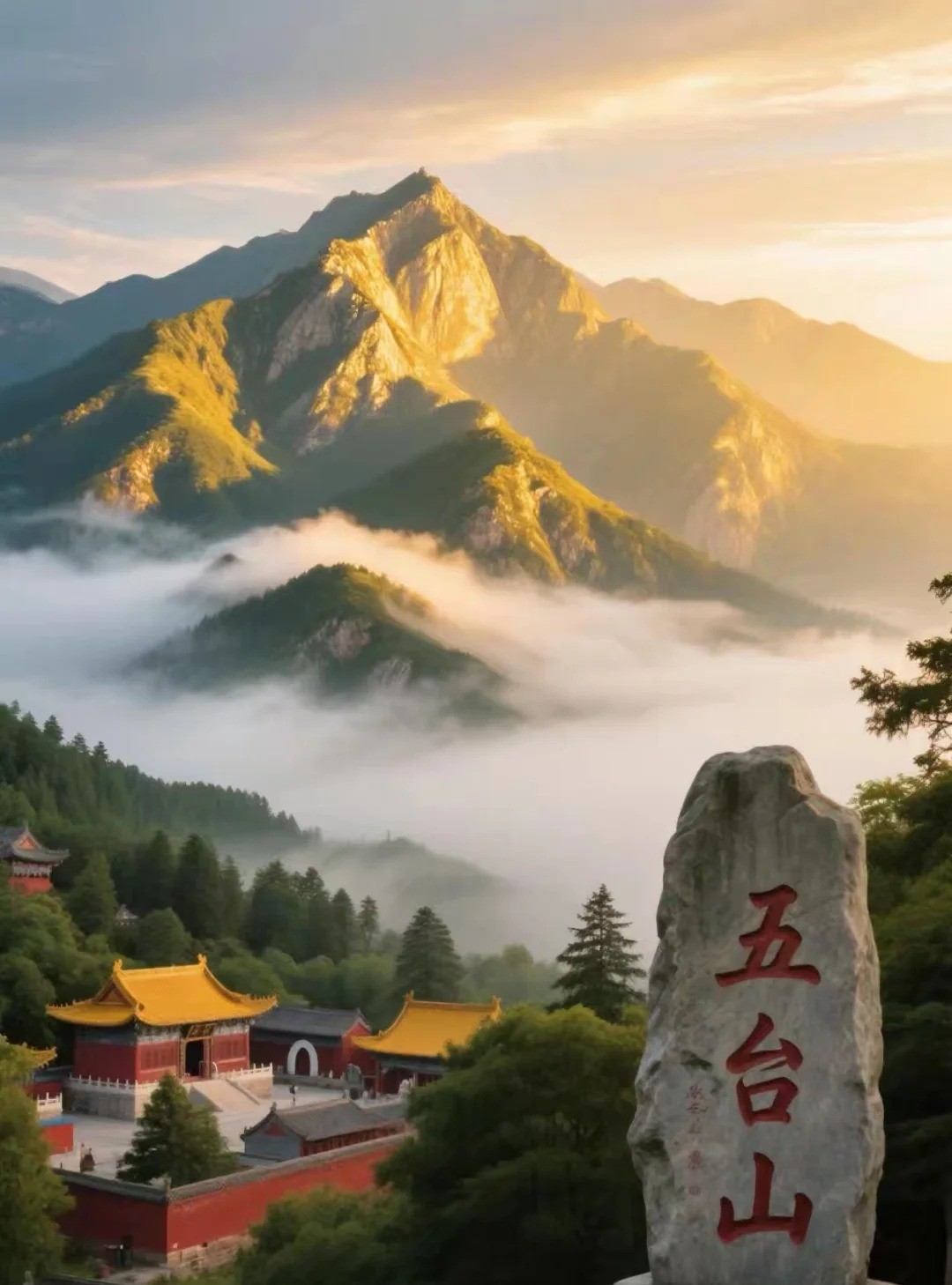
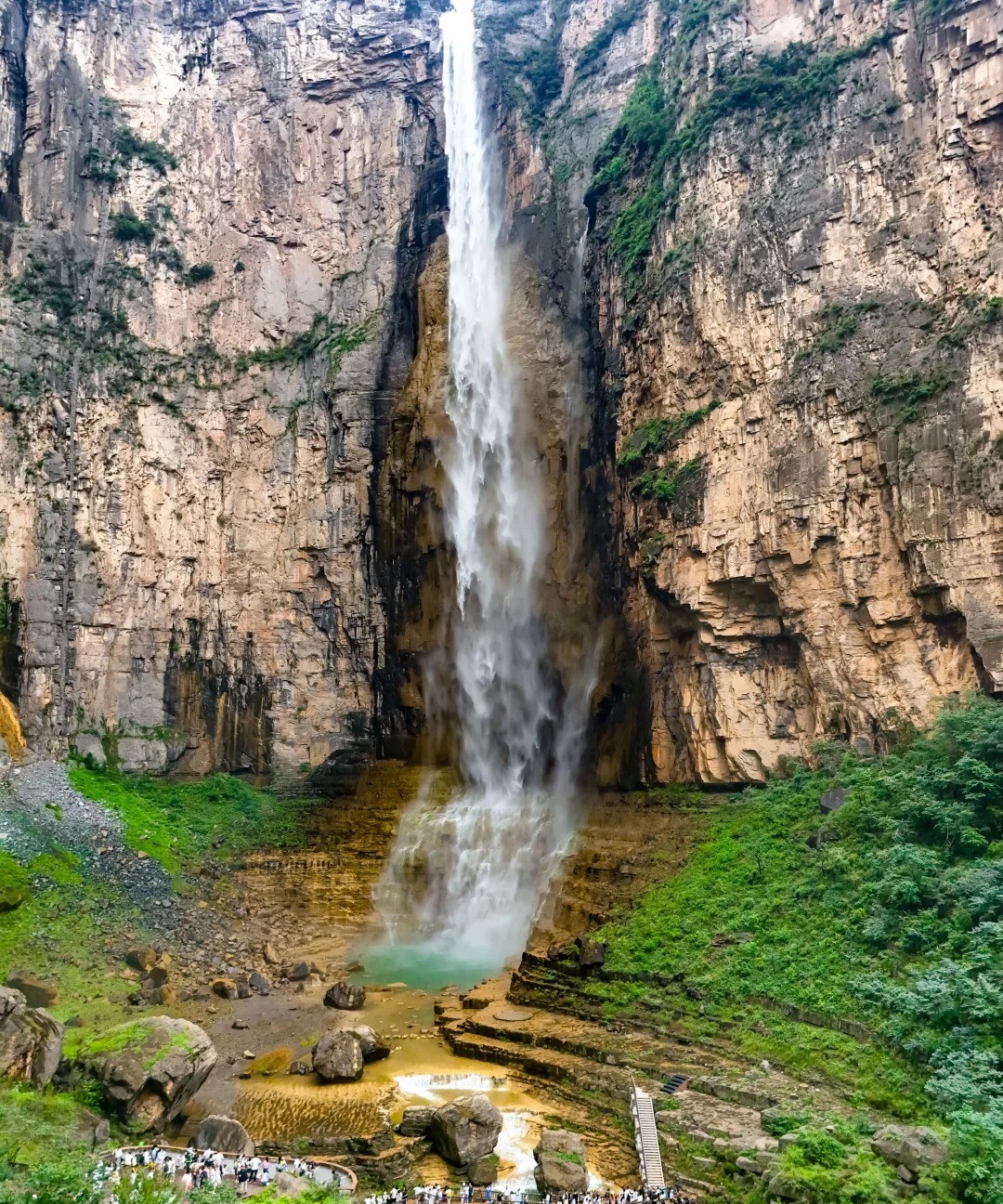
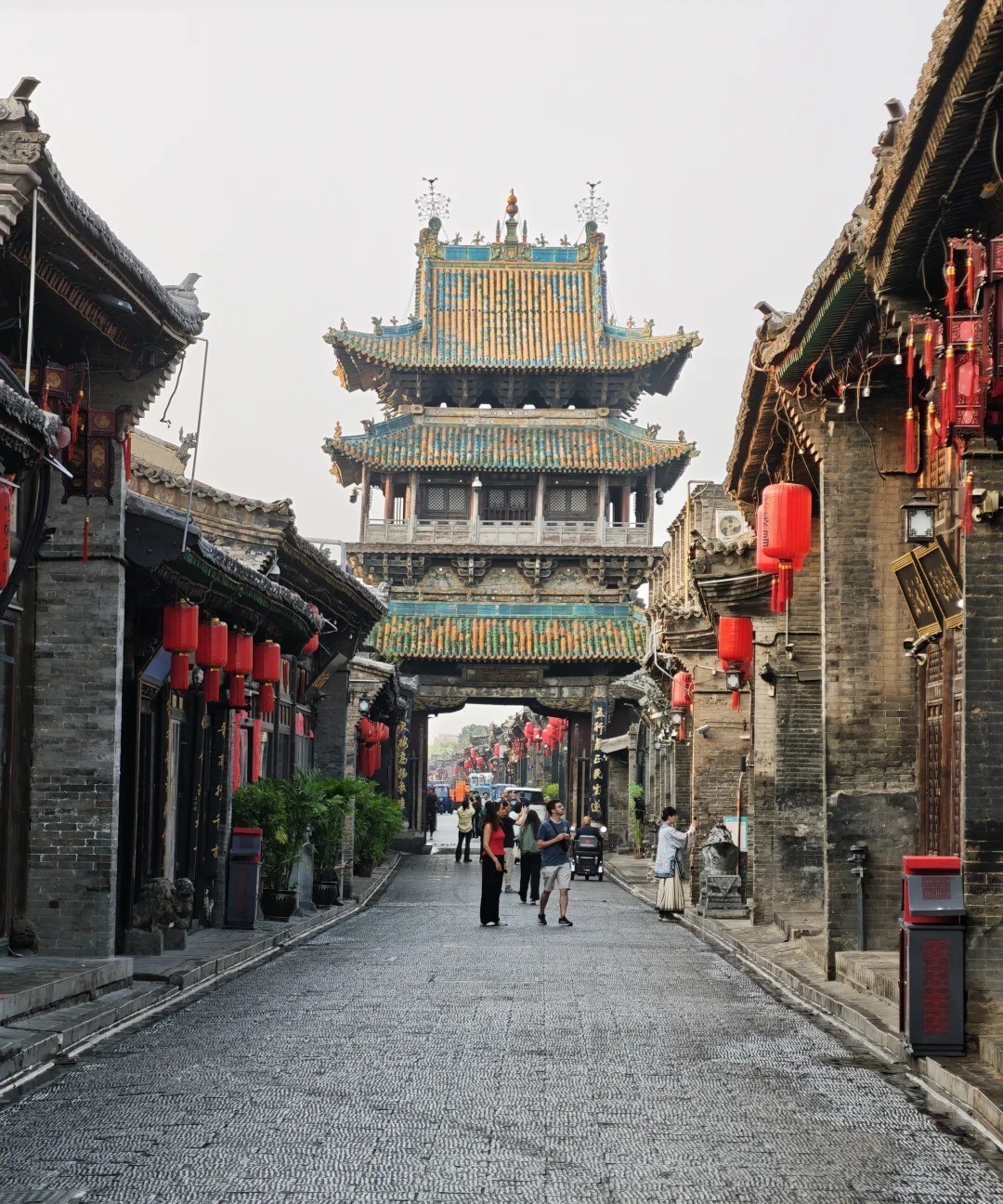
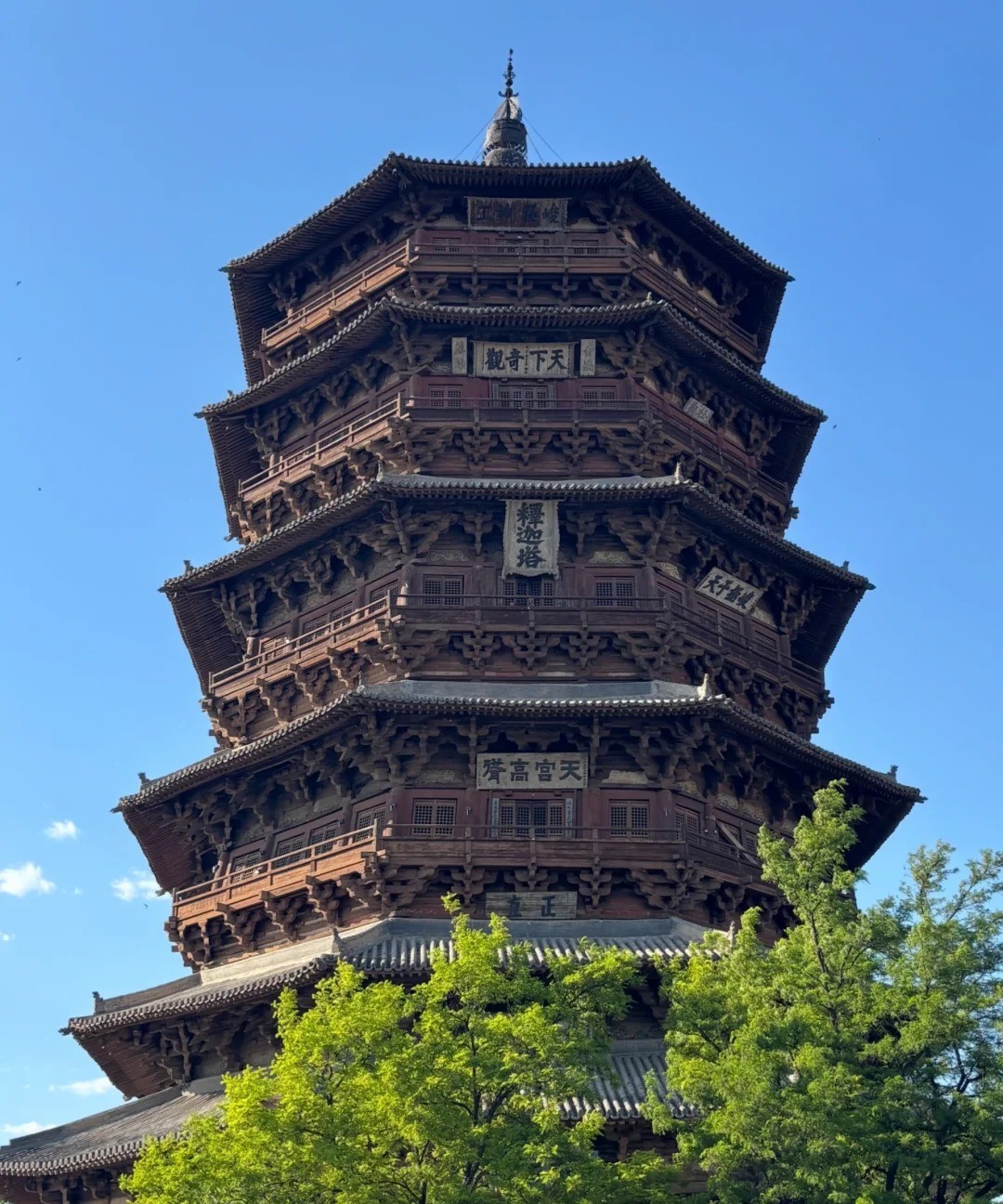
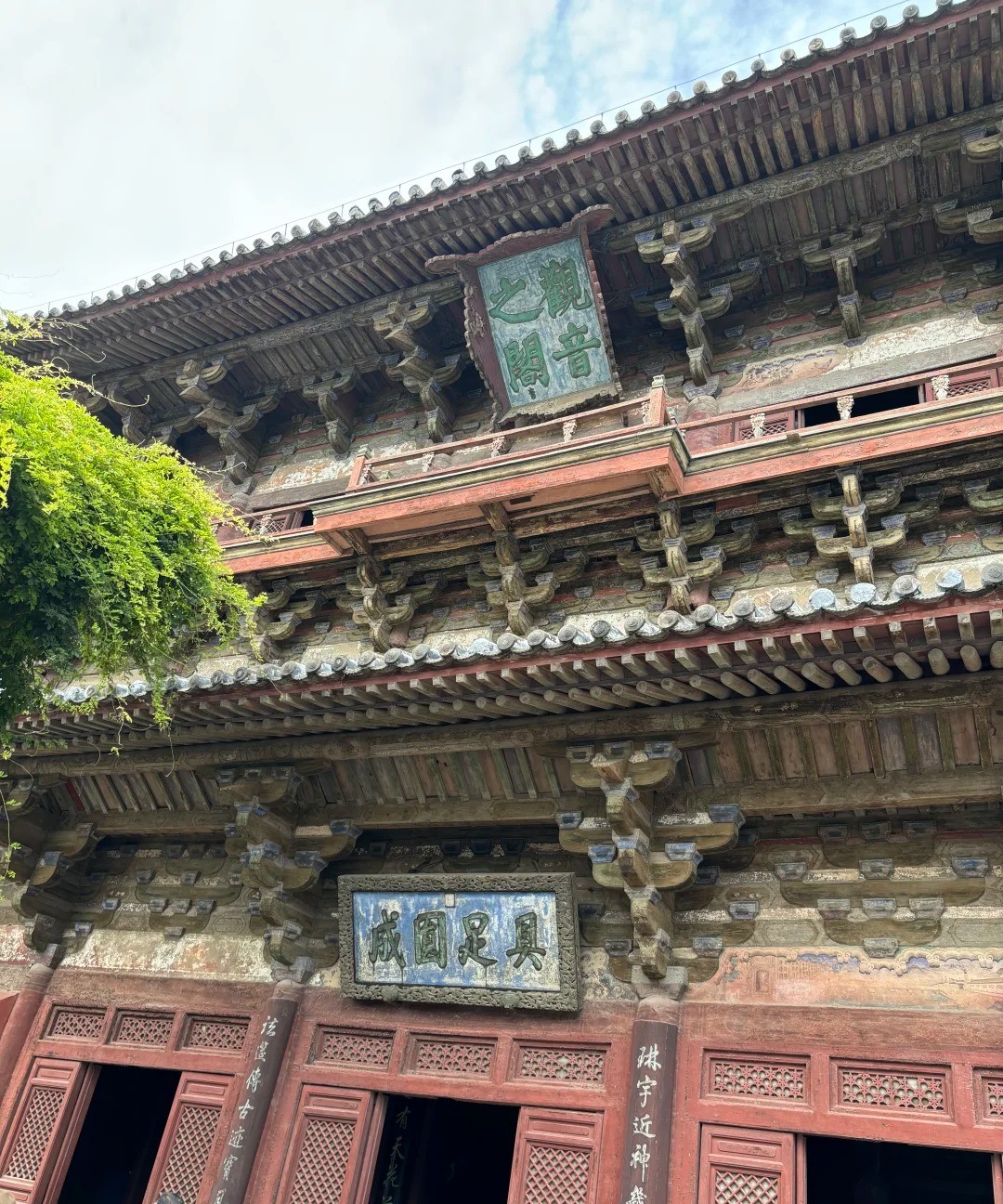
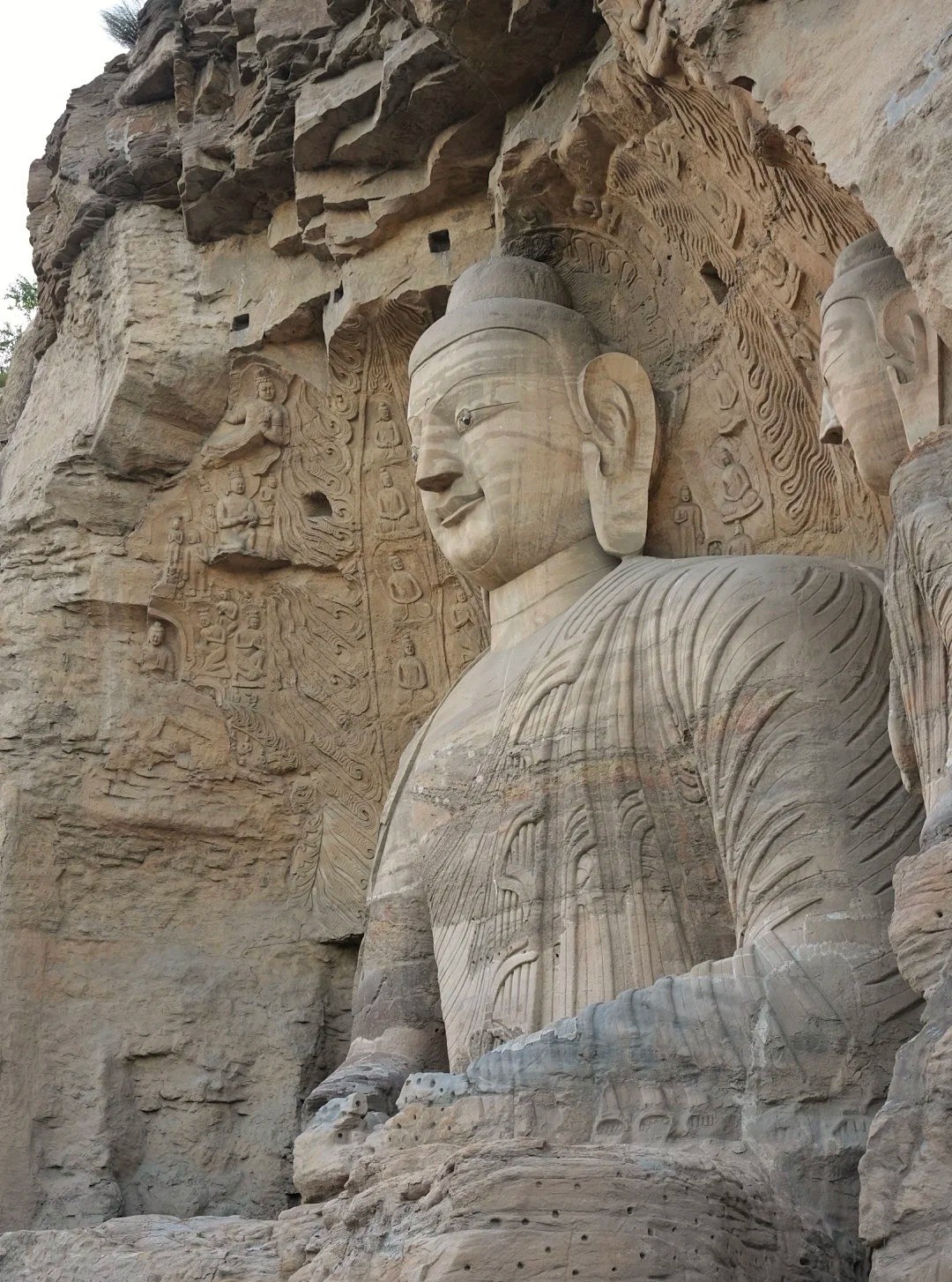
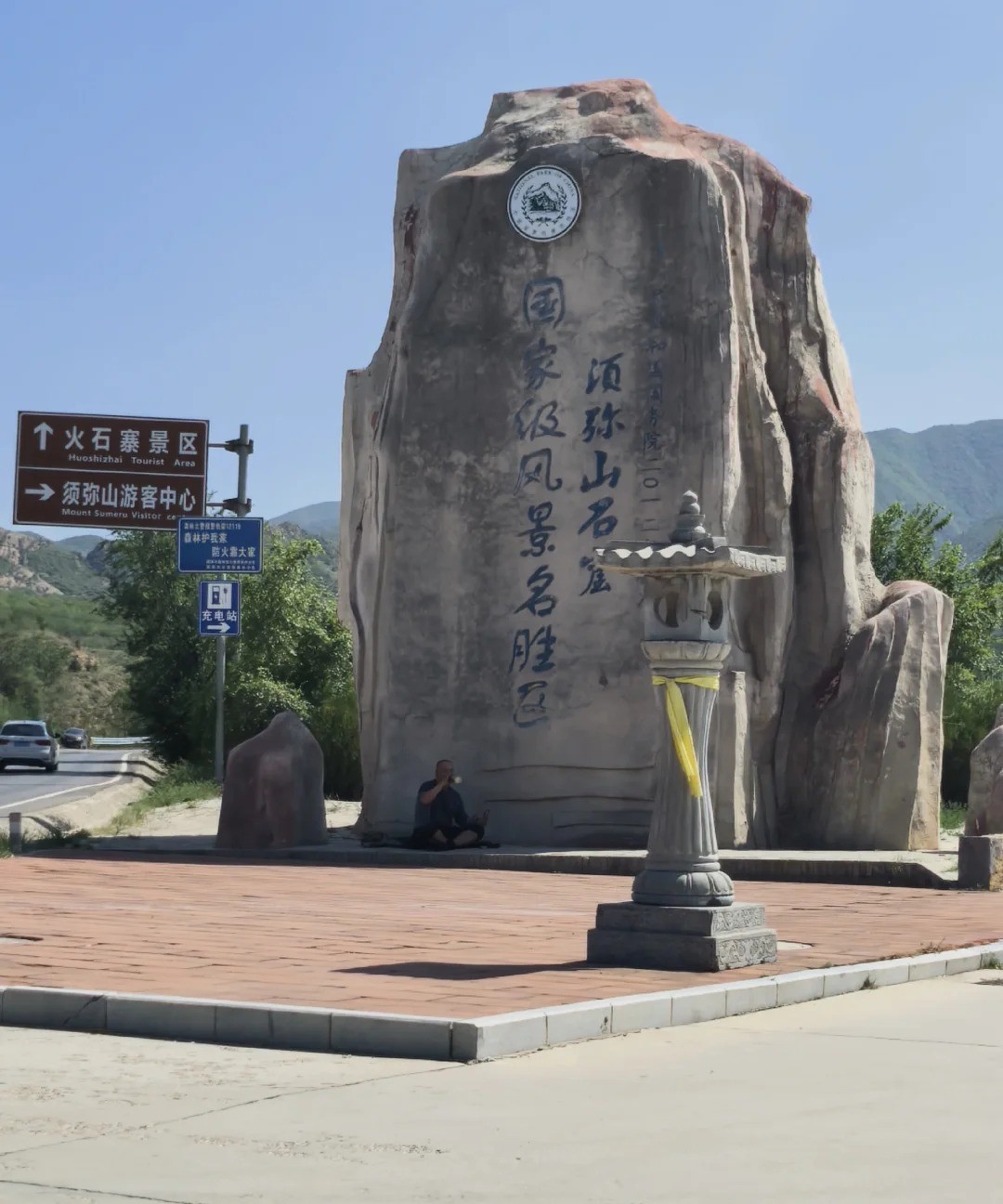
13 城Shanxi Province is located in North China, covering an area of 156,700 square kilometers with a permanent population of approximately 34.8 million (2023). Shanxi is one of the important birthplaces of Chinese civilization, earning the reputation 'Five thousand years of civilization, look to Shanxi.' Historically, Shanxi was a major activity area of the Huaxia people, where Yao, Shun, and Yu established their capitals. During the Spring and Autumn period, it belonged to the State of Jin, hence the abbreviation 'Jin.' Named for its location west of the Taihang Mountains, Shanxi is rich in coal resources, known as the 'Sea of Coal,' and is a major energy base in China. But Shanxi is much more than that; it boasts the largest number of wooden structures from before the Yuan Dynasty (over 75% of the national total), as well as three World Cultural Heritage sites: Yungang Grottoes, Pingyao Ancient City, and Mount Wutai. The terrain is mainly mountainous and plateau, with the majestic Hukou Waterfall on the Yellow River, the millennia-old Hanging Temple on Mount Heng, and the ingenious Yingxian Wooden Pagoda all showcasing the profound heritage of this land. Shanxi is also the birthplace of Jin merchant culture. During the Ming and Qing dynasties, Jin merchants traveled across Eurasia, leaving behind grand merchant residences such as the Qiao Family Compound and the Wang Family Compound. Shanxi's noodle culture is unparalleled, with dishes like knife-cut noodles, oat noodle rolls, and Pingyao beef renowned both at home and abroad.
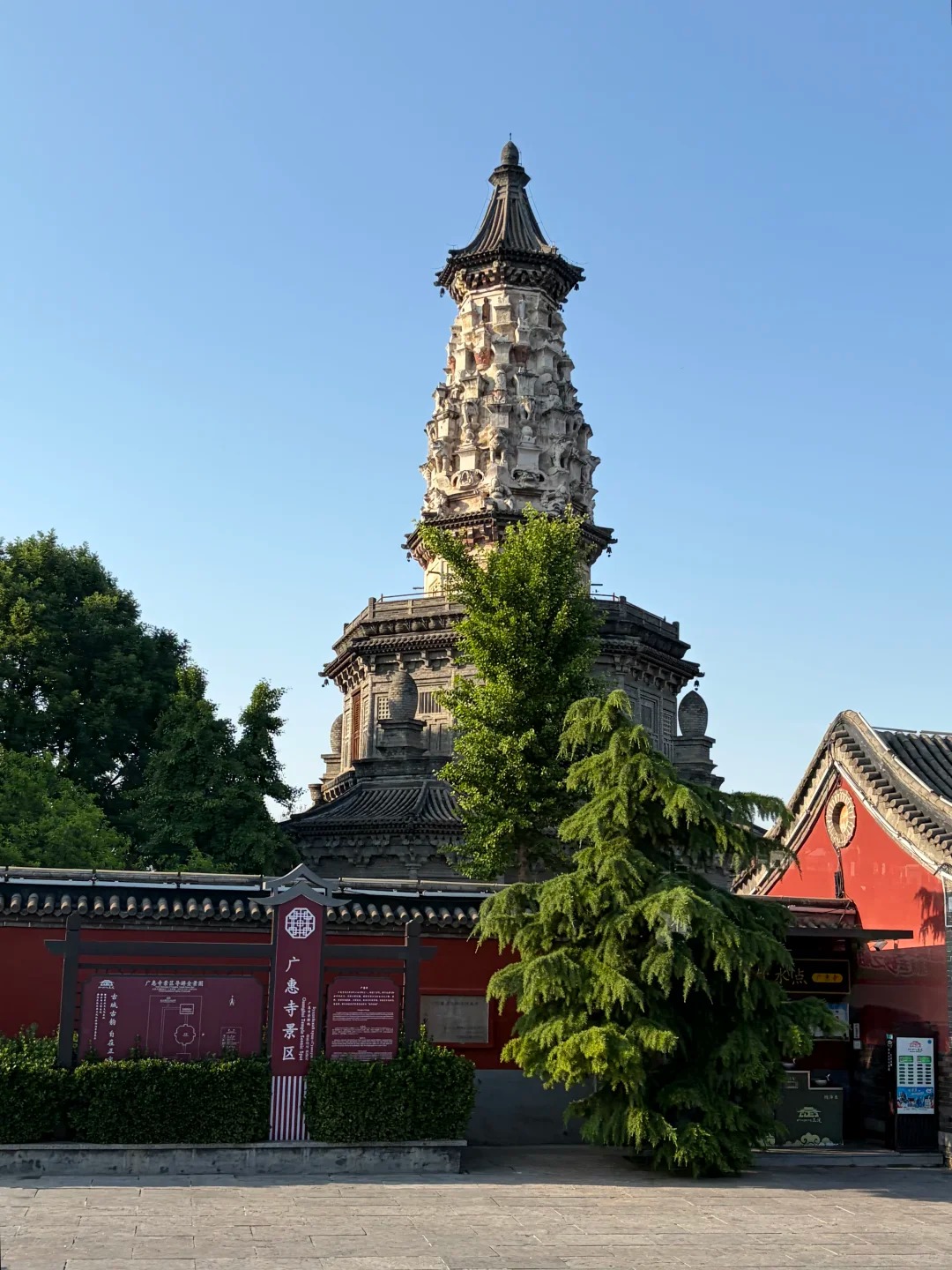 12 城
12 城Hebei Province, abbreviated as Ji, is located in North China, surrounding the capital Beijing and bordering the Bohai Sea to the east. It covers an area of 188,800 square kilometers and has a permanent population of approximately 74.2 million (2023). Hebei is one of the important birthplaces of Chinese civilization, boasting four World Heritage sites: Chengde Mountain Resort and its surrounding temples, the Great Wall (Hebei section), the Imperial Tombs of the Ming and Qing Dynasties (Eastern Qing Tombs and Western Qing Tombs), and the Grand Canal (Hebei section). Historically known as the land of Yan and Zhao, it has profound cultural heritage, featuring magnificent natural landscapes such as Bashang Grassland and Baishi Mountain, as well as rich historical relics like Zhengding Ancient City and Shanhai Pass. The terrain is high in the northwest and low in the southeast, with diverse landforms. Hebei is the only province in China that encompasses plateaus, mountains, hills, plains, lakes, and coastline. As a key part of the Beijing-Tianjin-Hebei coordinated development, Hebei has convenient transportation and a developed high-speed rail network, making it an ideal destination for exploring northern China's history and nature.
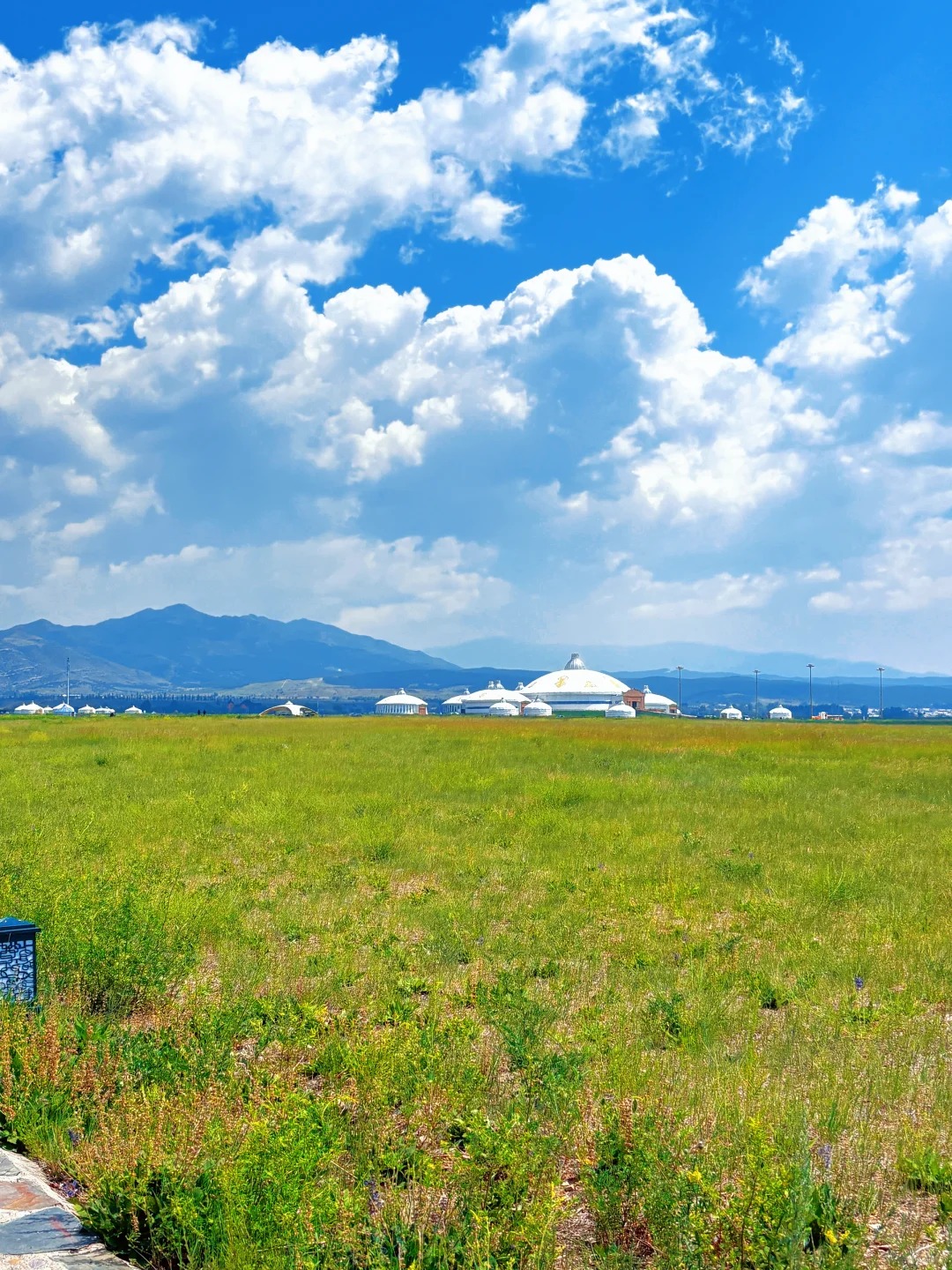 12 城
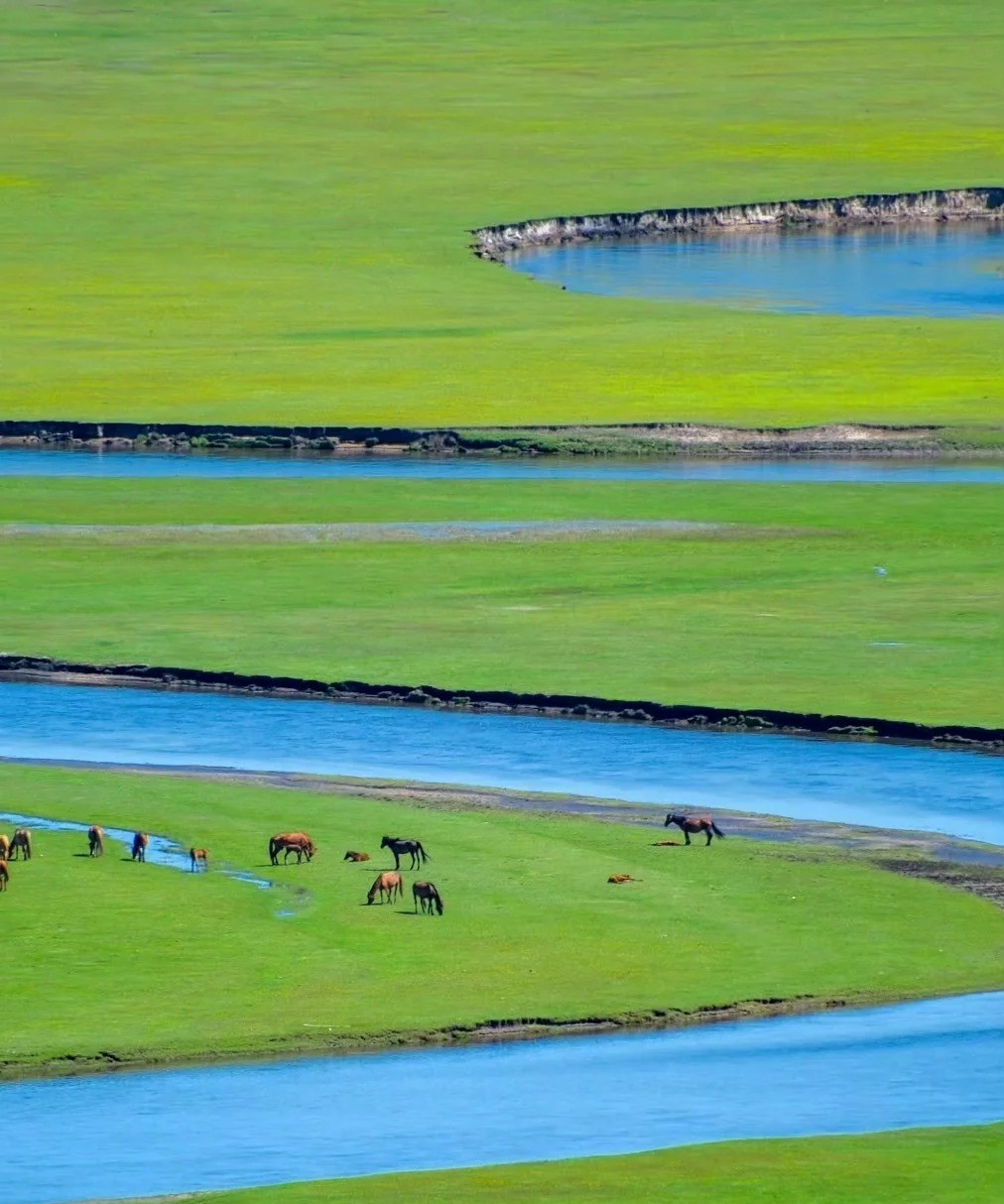
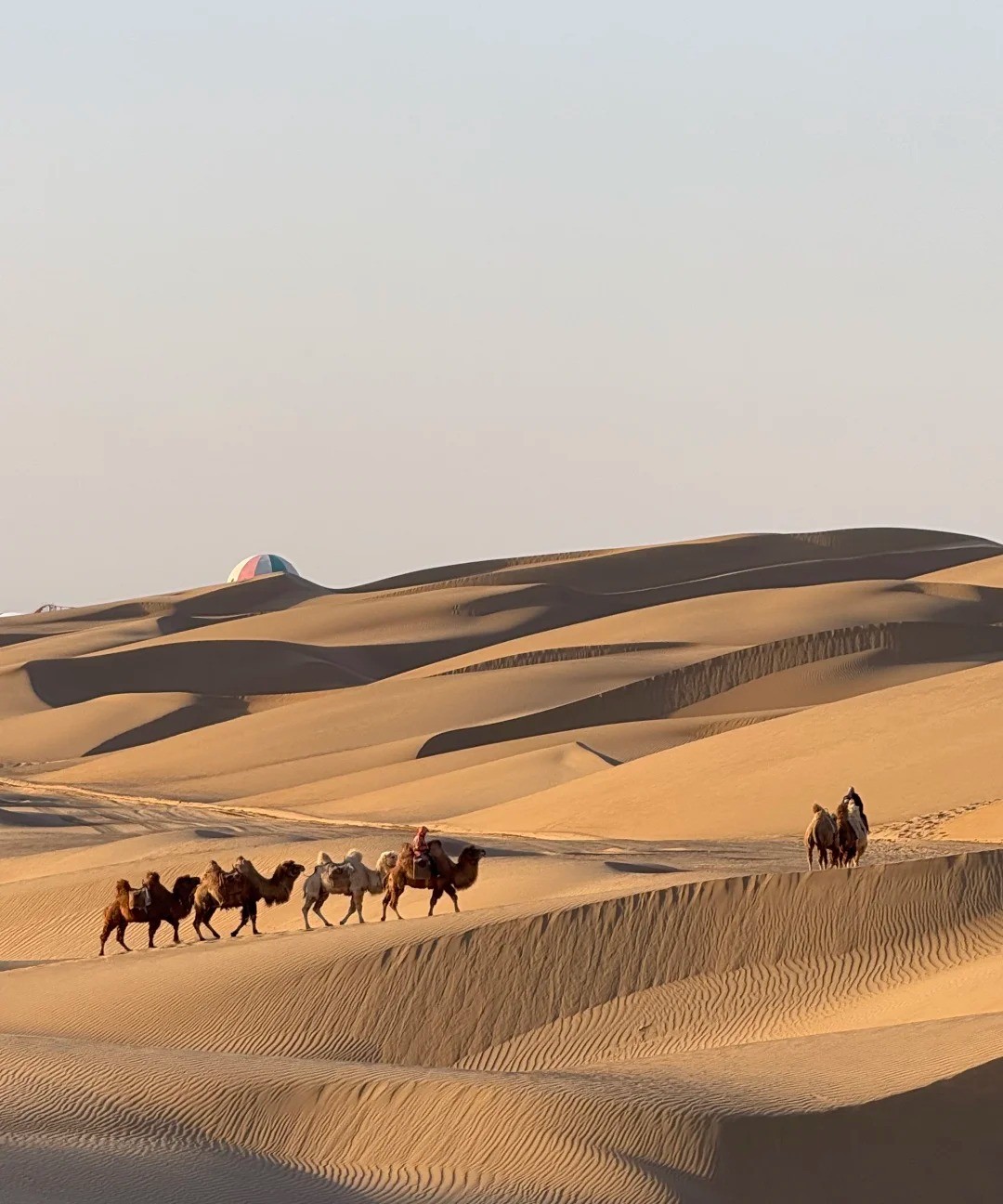
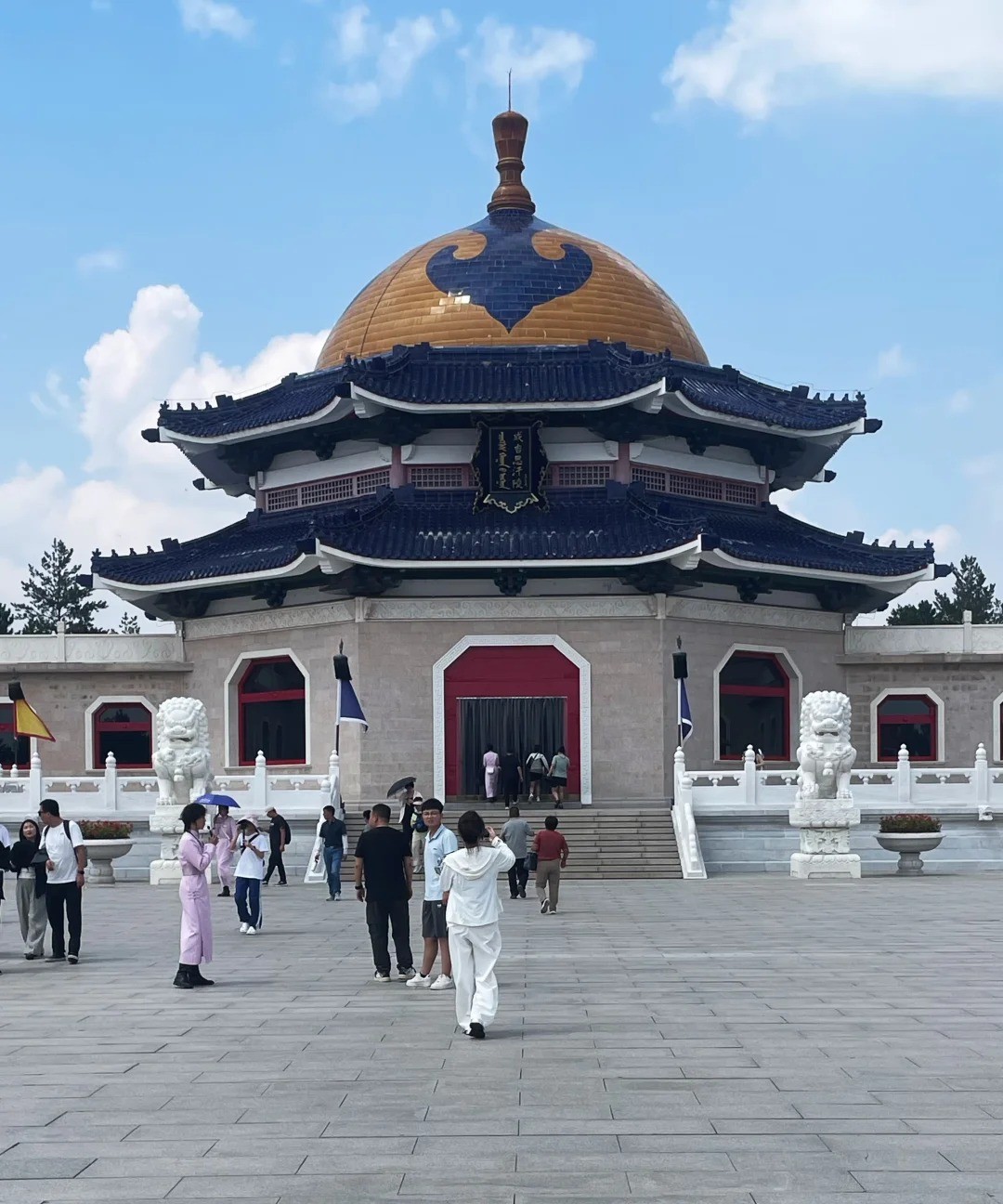
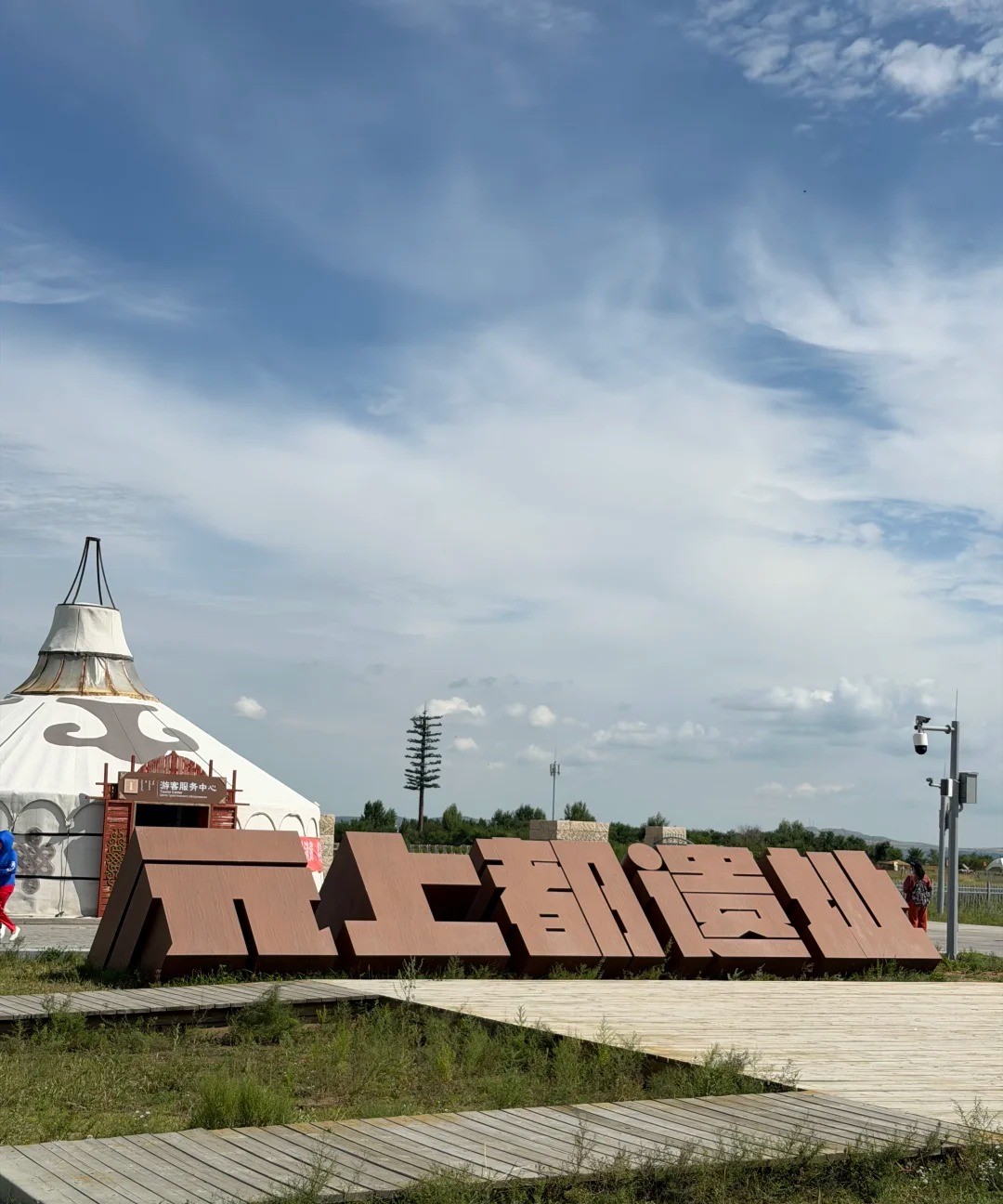
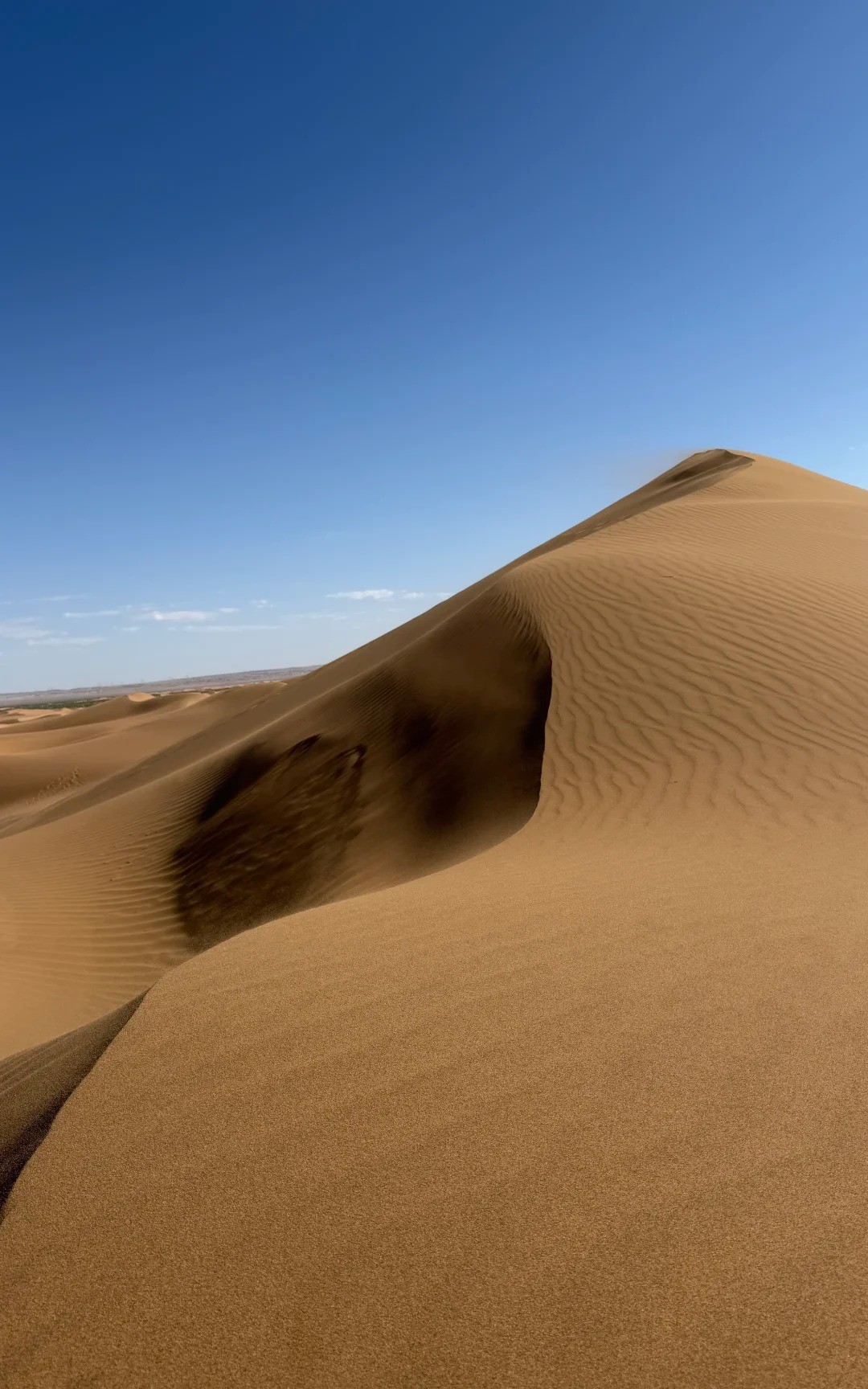
12 城Inner Mongolia Autonomous Region is located on the northern border of China, covering an area of 1.183 million square kilometers, making it the third largest provincial-level administrative region in China. As of 2022, its permanent population is approximately 24 million. Inner Mongolia has a long history, being the hometown of Genghis Khan and the birthplace of the Mongol ethnic group, with a rich grassland culture and nomadic traditions. It is famous for the vast Hulunbuir Grassland and Xilingol Grassland, as well as spectacular deserts like the Badain Jaran Desert and abundant mineral resources. Inner Mongolia is an important hub connecting China with Mongolia and Russia. Its unique ethnic customs, Naadam Festival, horse-head fiddle music, and Mongolian cuisine (such as hand-grabbed lamb and milk tea) make it a popular tourist destination.
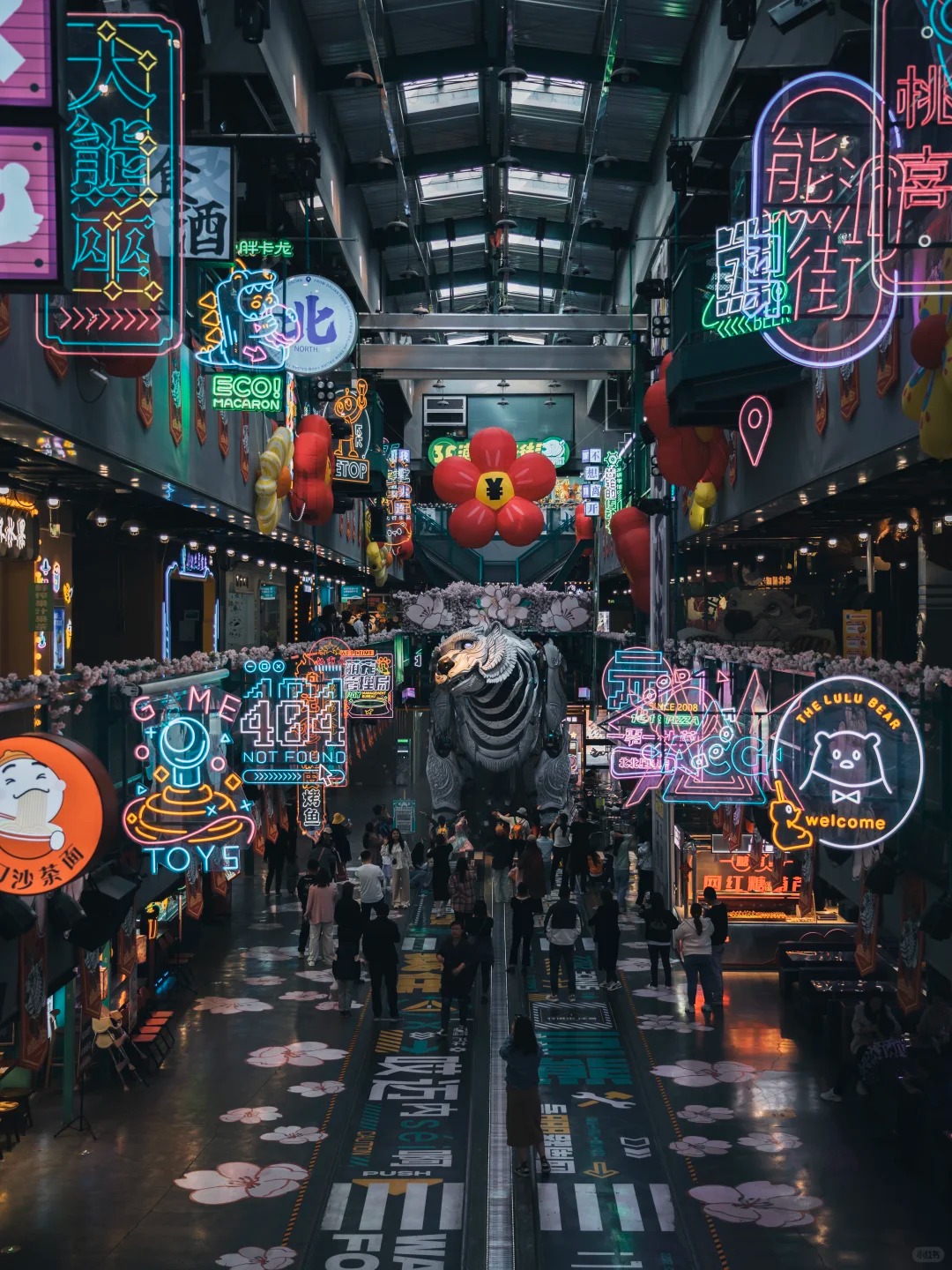 14 城
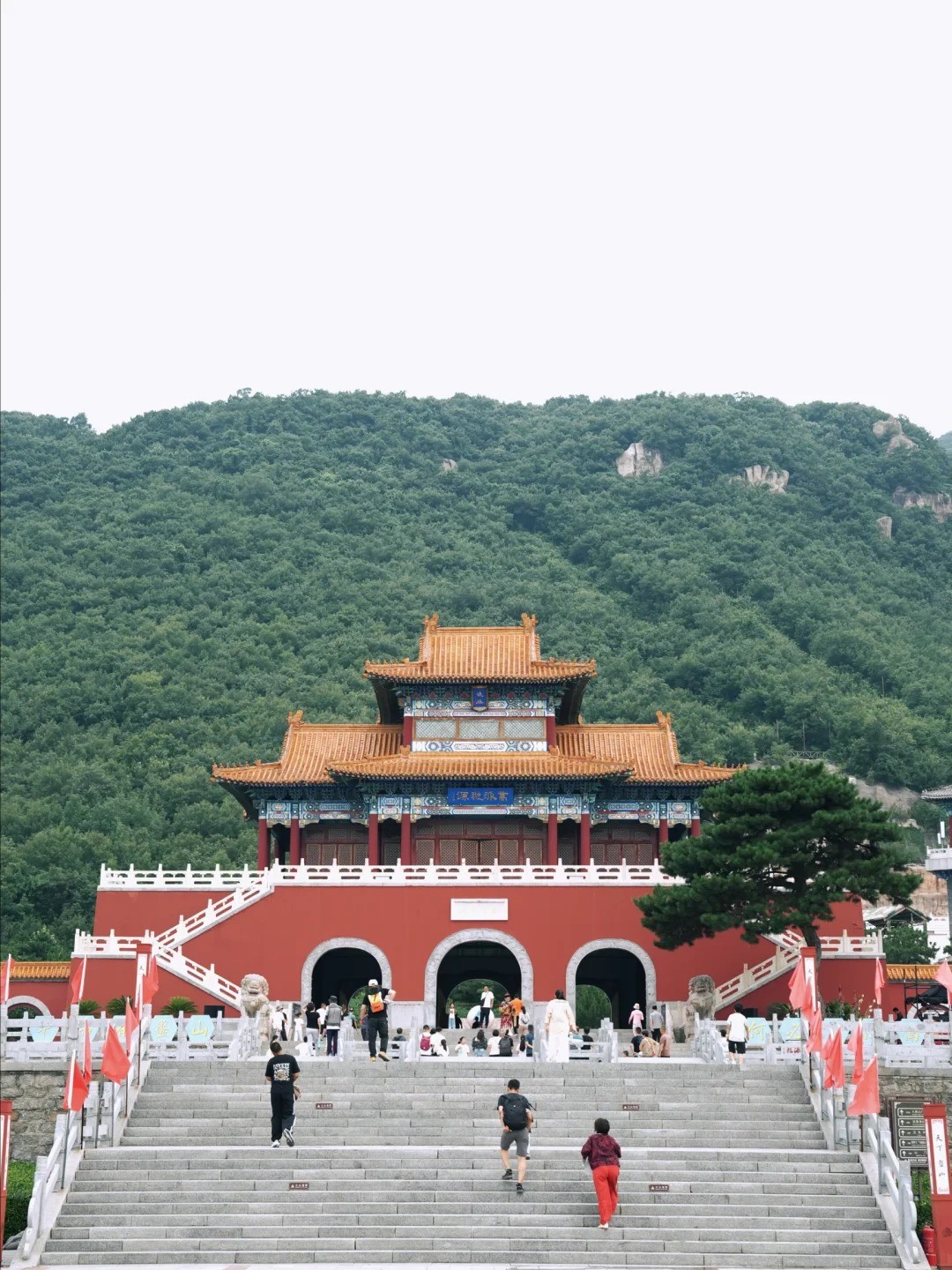
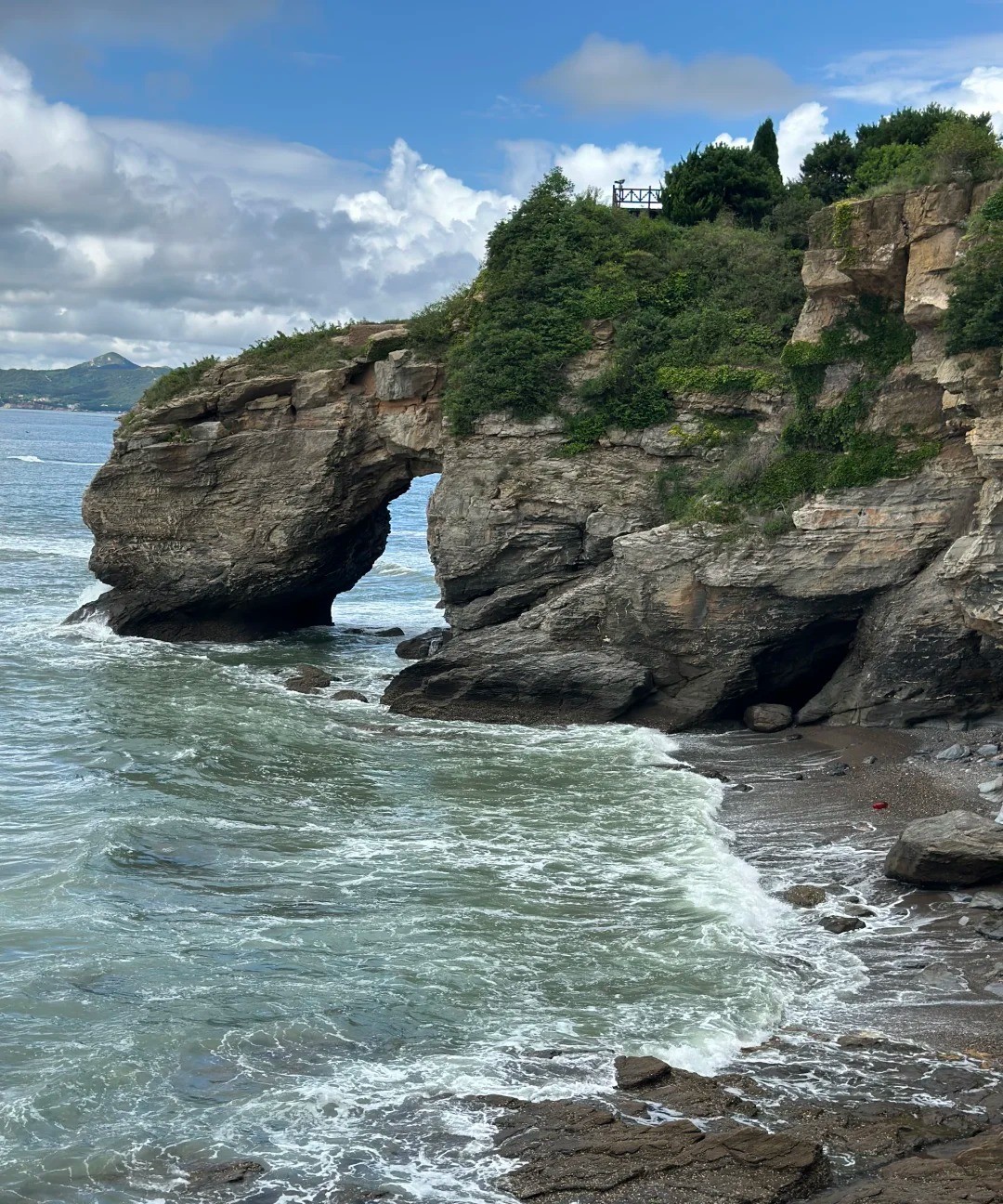
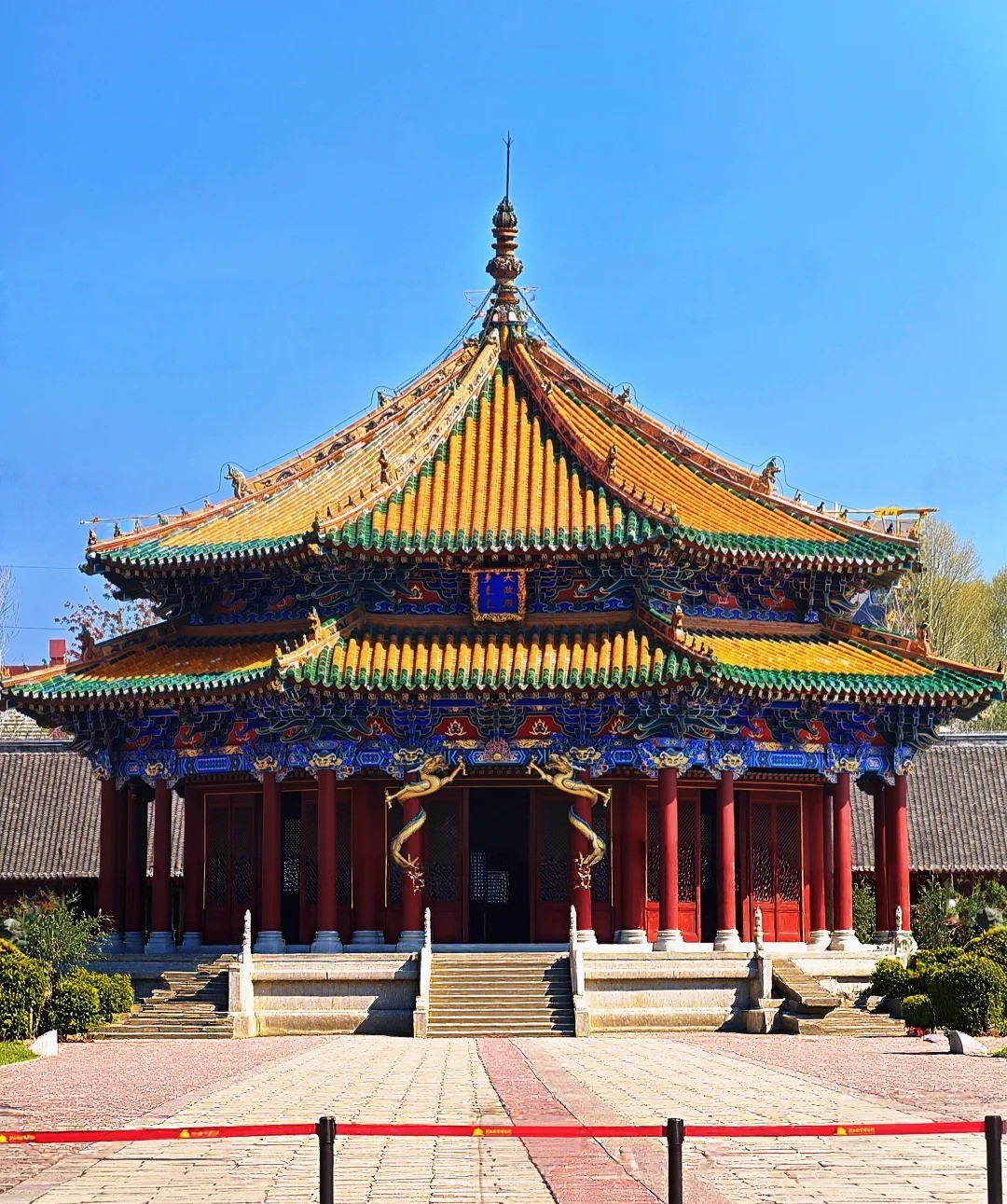
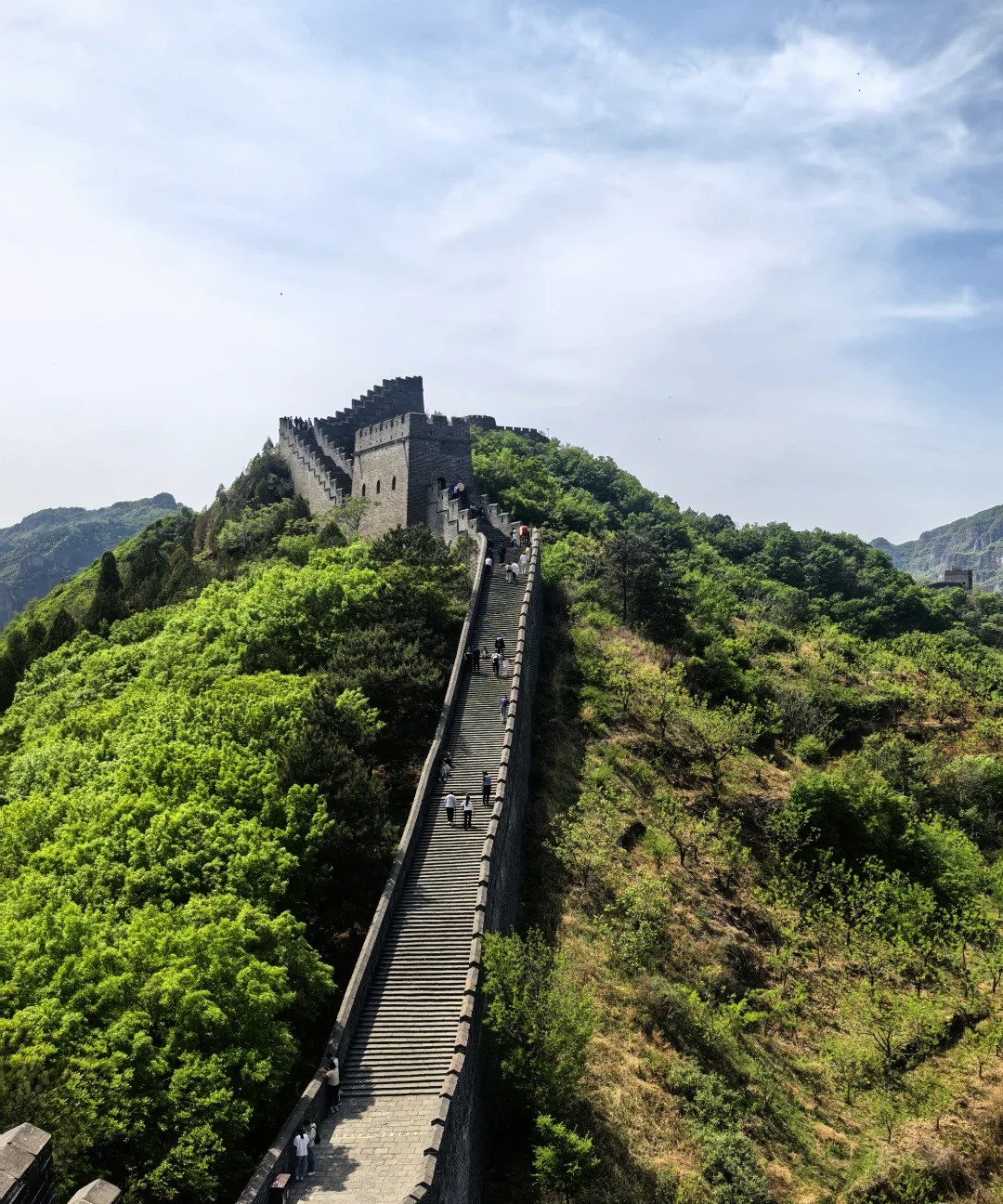
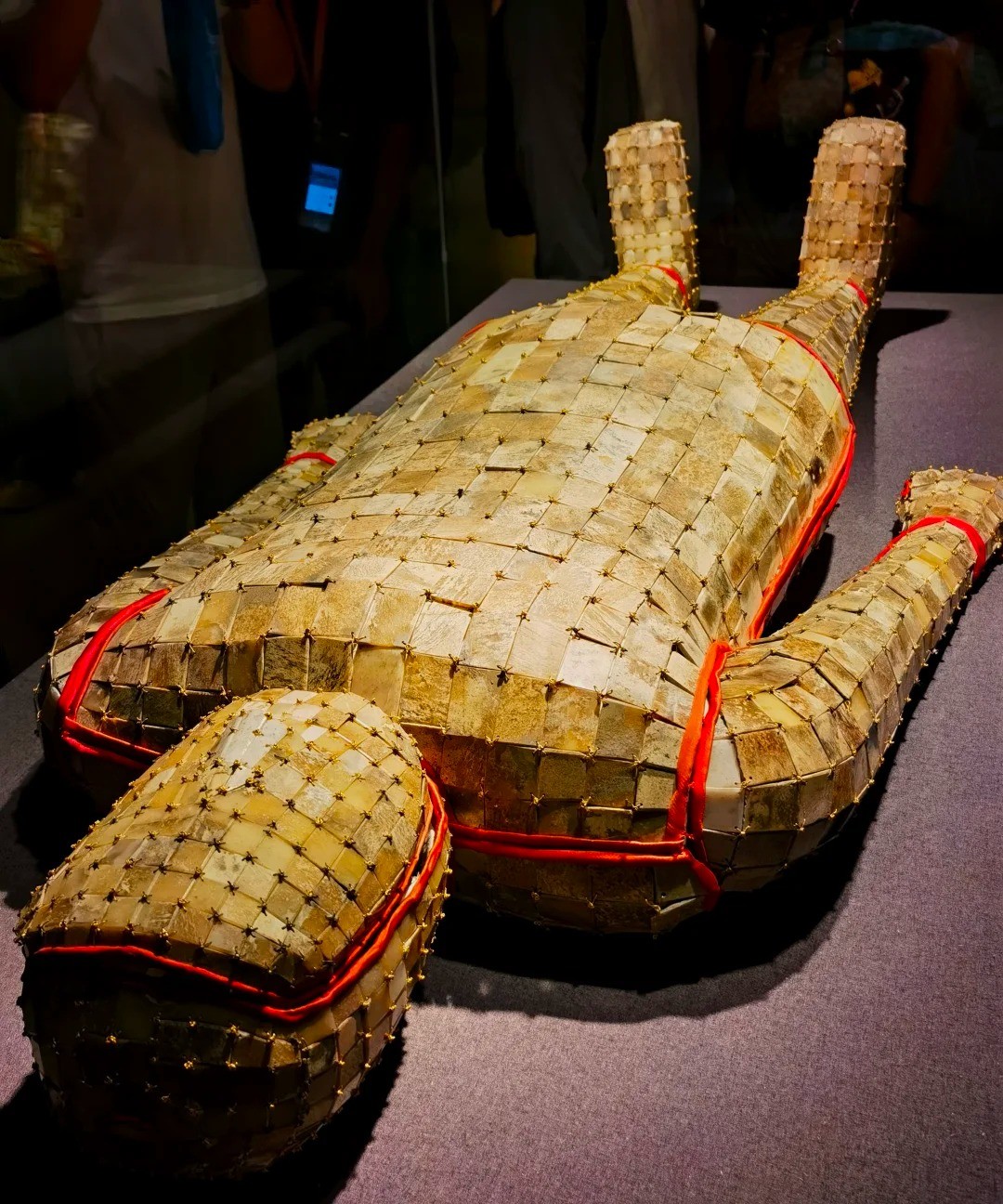
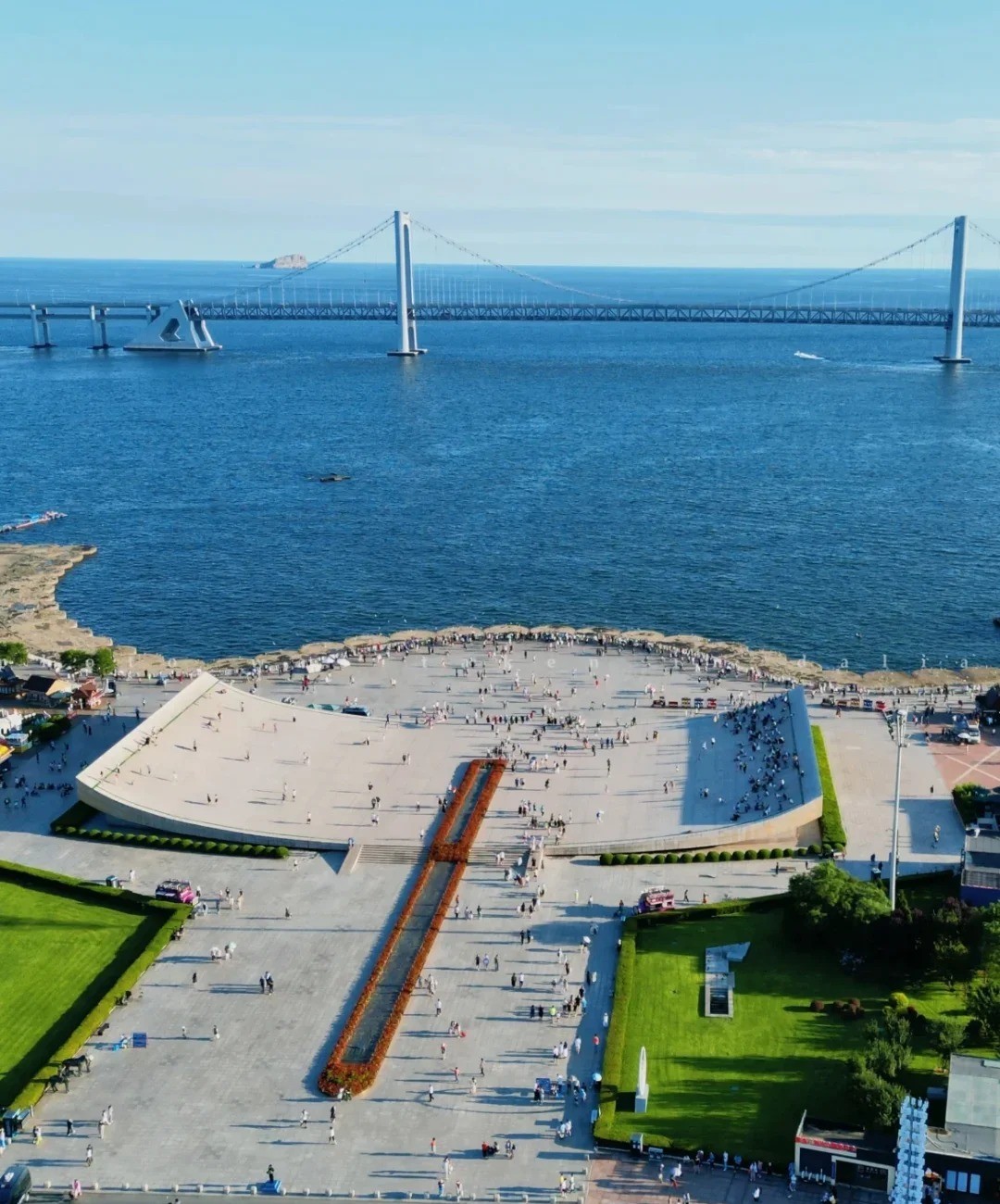
14 城Liaoning is located in the southern part of Northeast China, covering an area of approximately 148,600 square kilometers, with a permanent population of about 42.59 million (2023). As the only coastal province in Northeast China, Liaoning has a coastline of over 2,100 kilometers and is known as the cradle of New China's industry, earning the title 'Eldest Son of the Republic.' The Liao River Basin is one of the important birthplaces of Chinese civilization, where the Hongshan Culture (about 5,000 years ago) unearthed the jade dragon known as 'China's First Dragon.' Historically, Liaoning was the birthplace of the Qing Dynasty, and the Shenyang Imperial Palace is one of only two surviving royal palaces in China. Industrial heritage, Manchu culture, coastal scenery, and Korean ethnic customs blend here, creating a unique regional charm. Dalian is the most romantic coastal city in Northeast China, Shenyang is an ancient capital where heavy industry and history coexist, and Dandong faces North Korea across the Yalu River. Liaoning has six World Heritage sites: Shenyang Imperial Palace, Yongling Tomb, Fuling Tomb, Zhaoling Tomb, Wunü Mountain City in Benxi, and the Great Wall at Jiumenkou in Suizhong. Liaoning is also an important old industrial base in China, home to well-known enterprises such as Ansteel and Dalian Shipyard.
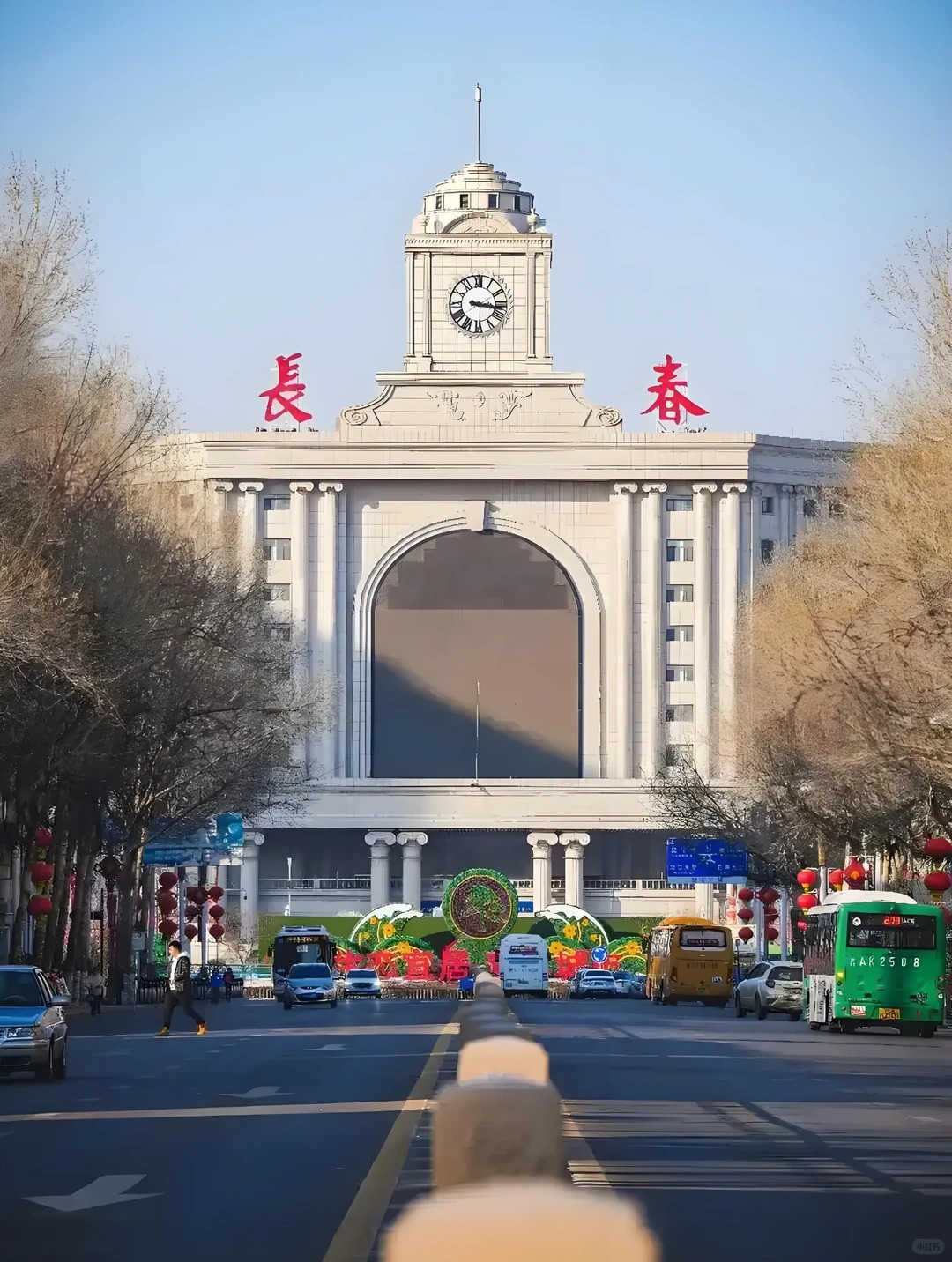 11 城
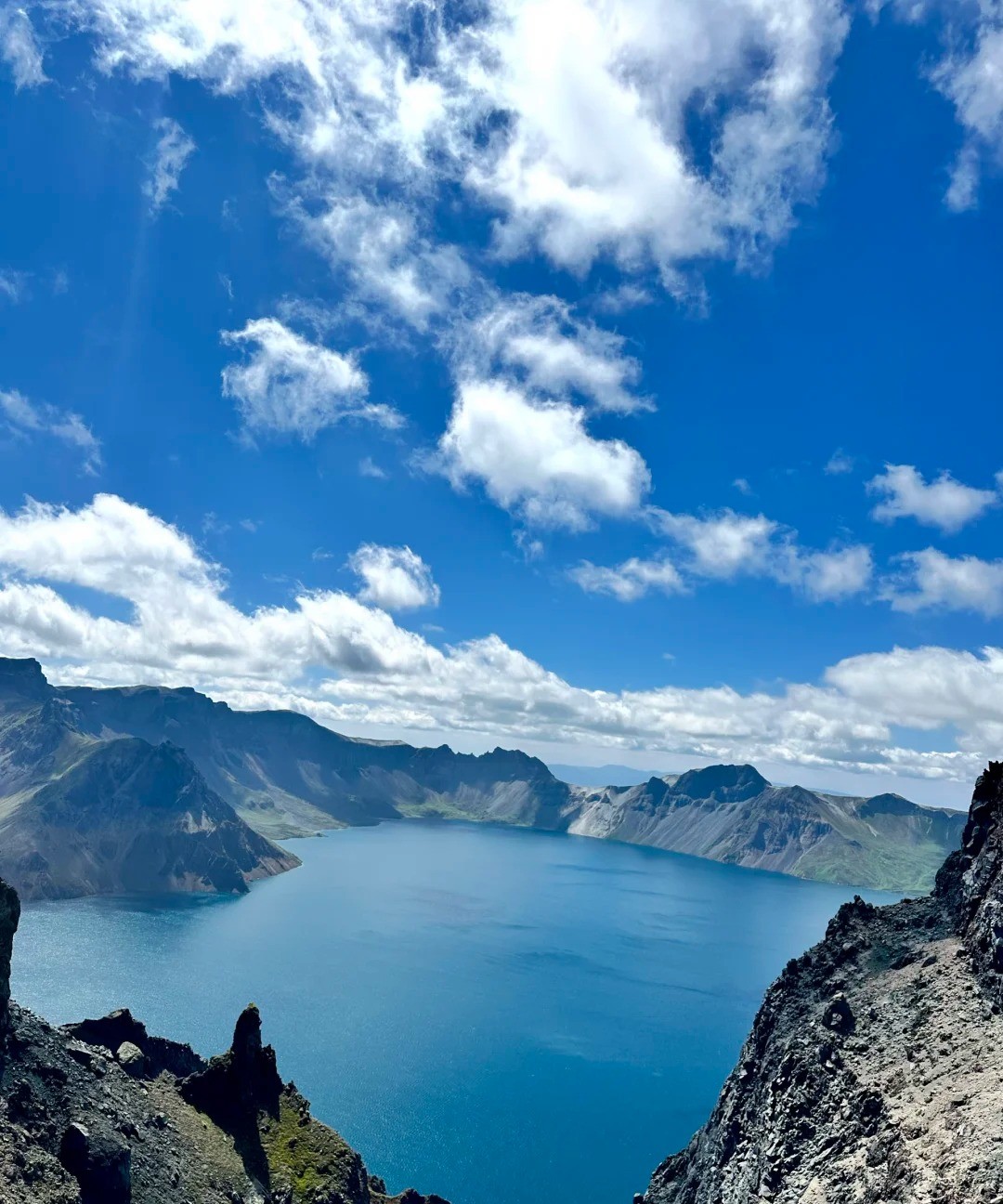
11 城Jilin Province is located in the central part of Northeast China, bordering Russia to the east, facing North Korea across the Tumen River to the southeast, connecting Liaoning Province to the south, Inner Mongolia Autonomous Region to the west, and Heilongjiang Province to the north. The province covers an area of 187,400 square kilometers, with a permanent population of approximately 24.07 million (2023). Jilin has a long history and is one of the birthplaces of Manchu culture. During the Qing Dynasty, the Jilin General was established, named after 'Jilin Ula' (Manchu for 'along the river'). The provincial capital, Changchun, is the cradle of China's film industry (Changchun Film Studio) and a major hub for the automobile industry (FAW Group). Jilin is renowned for its 'White Mountains and Pine Rivers,' boasting world-class ecological resources: Changbaishan Tianchi, Songhua River Rime, Xianghai Wetland, etc. Jilin is also an important commodity grain base in China, with rice and corn yields ranking among the top in the country. Unique historical sites such as the Goguryeo ruins (Ji'an) and the Puppet Manchurian Palace Museum (Changchun), along with the ethnic customs of Korean and Manchu minorities, constitute its diverse cultural charm. Jilin has four distinct seasons, with snowy winters and cool summers, making it an excellent destination for experiencing northern scenery, ice and snow tourism, and ecological sightseeing.
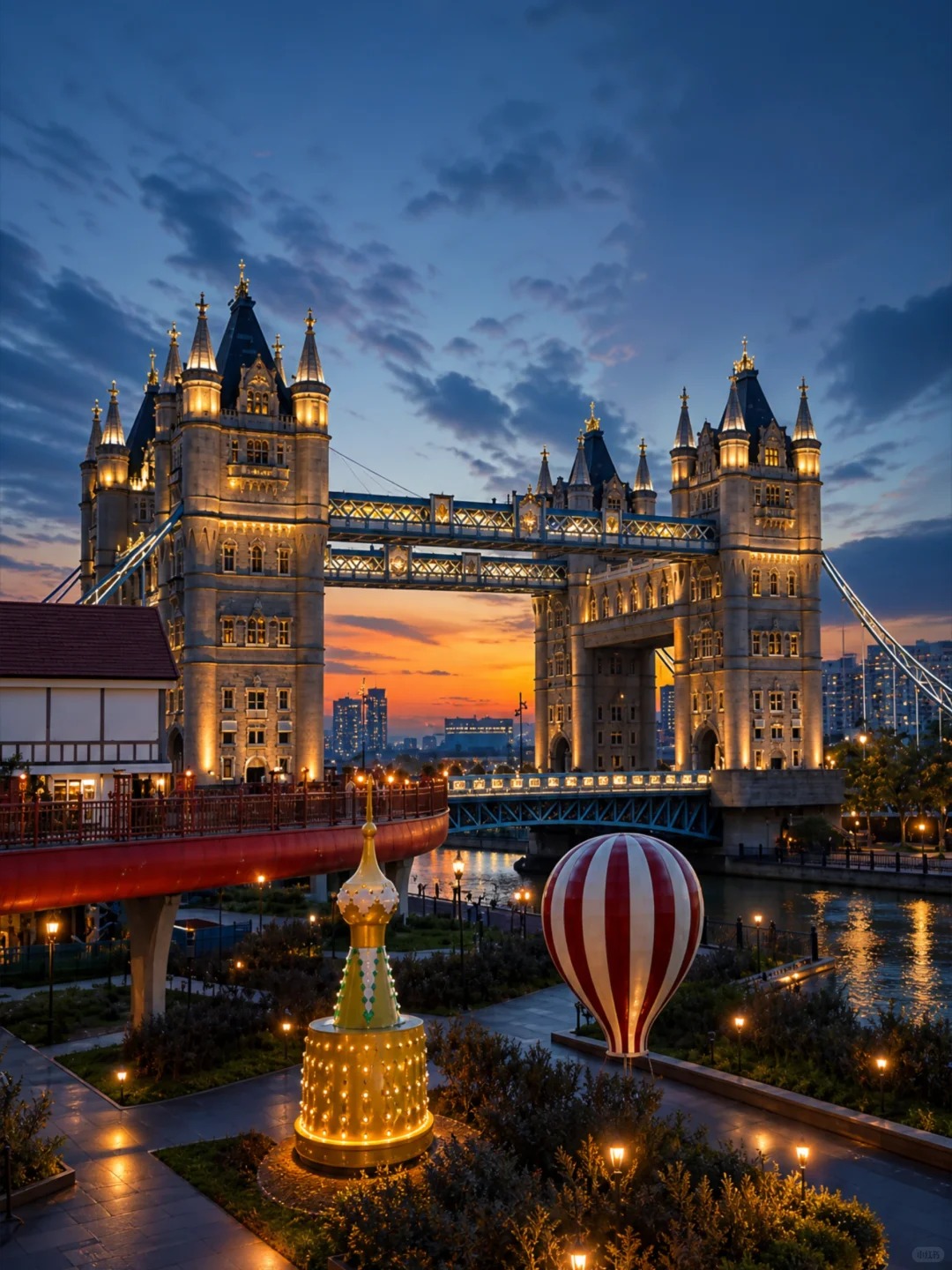 13 城
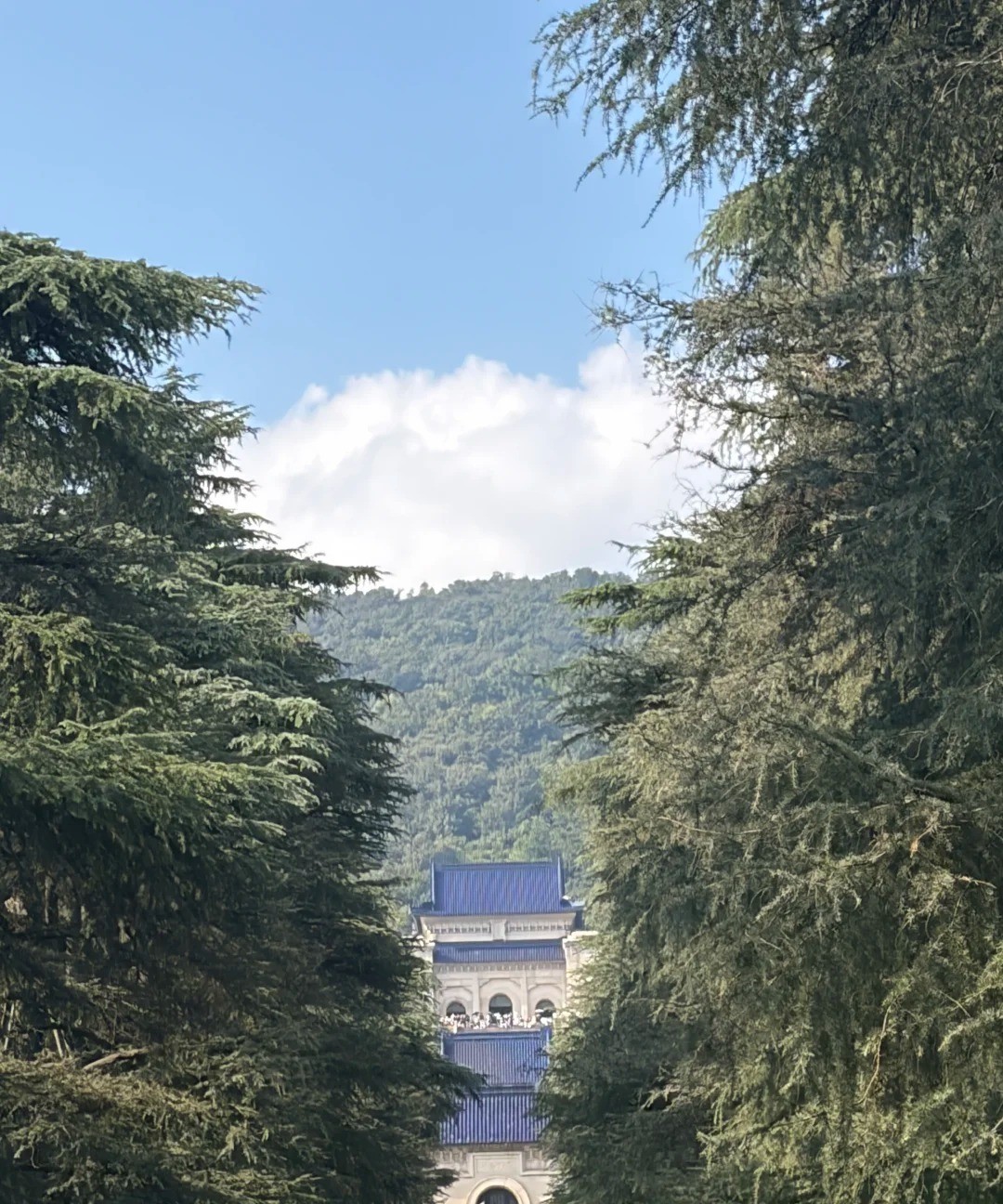
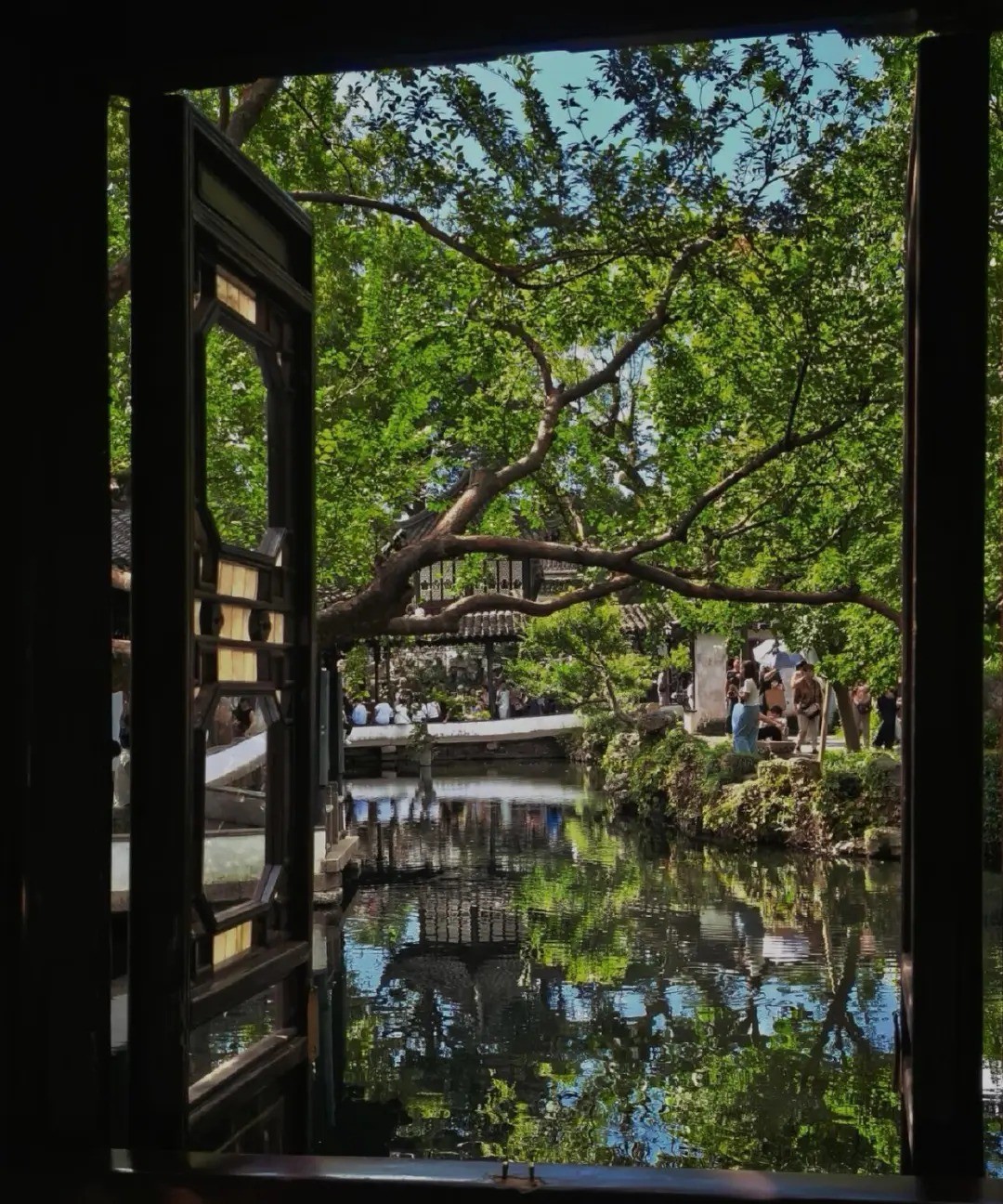
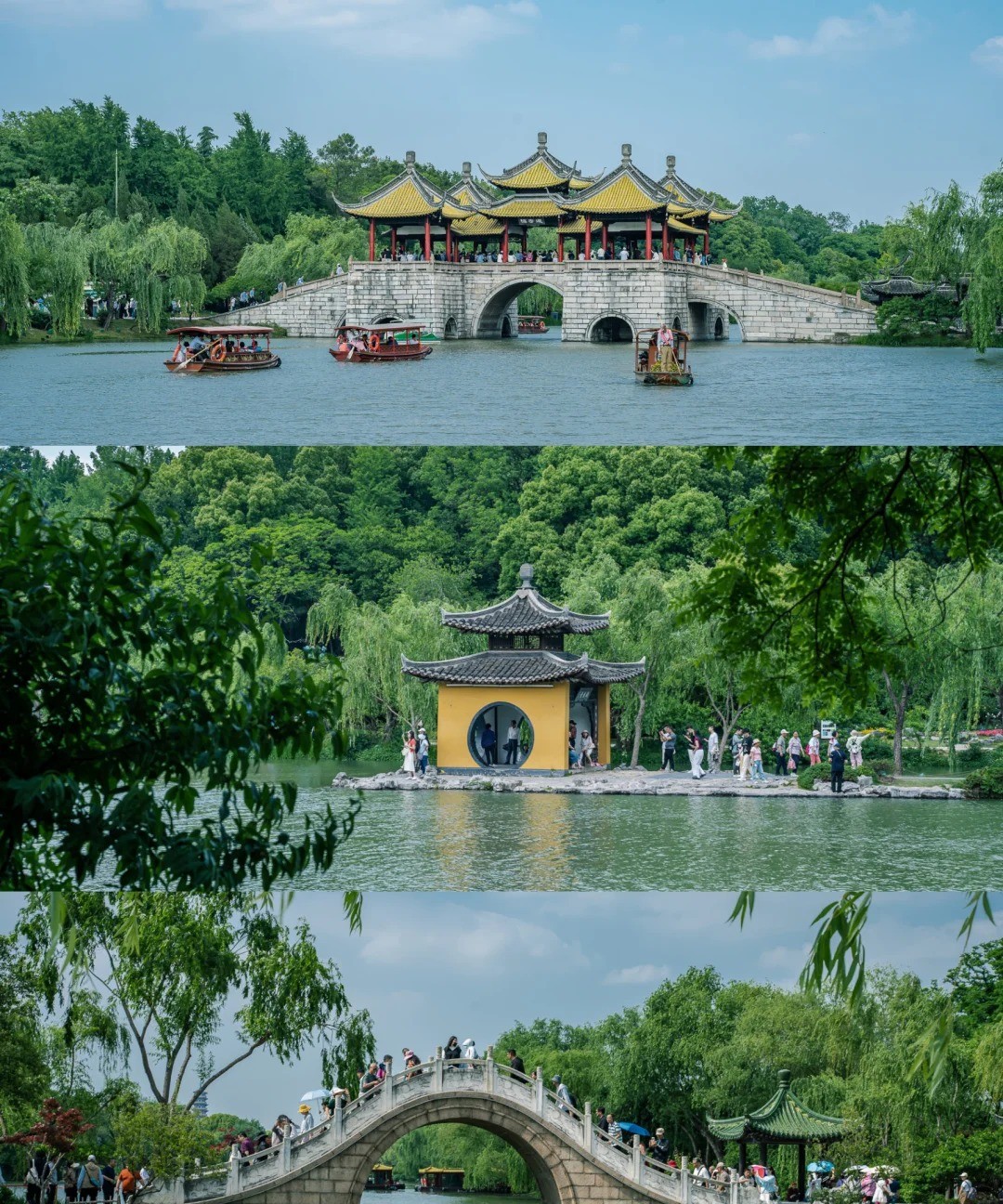
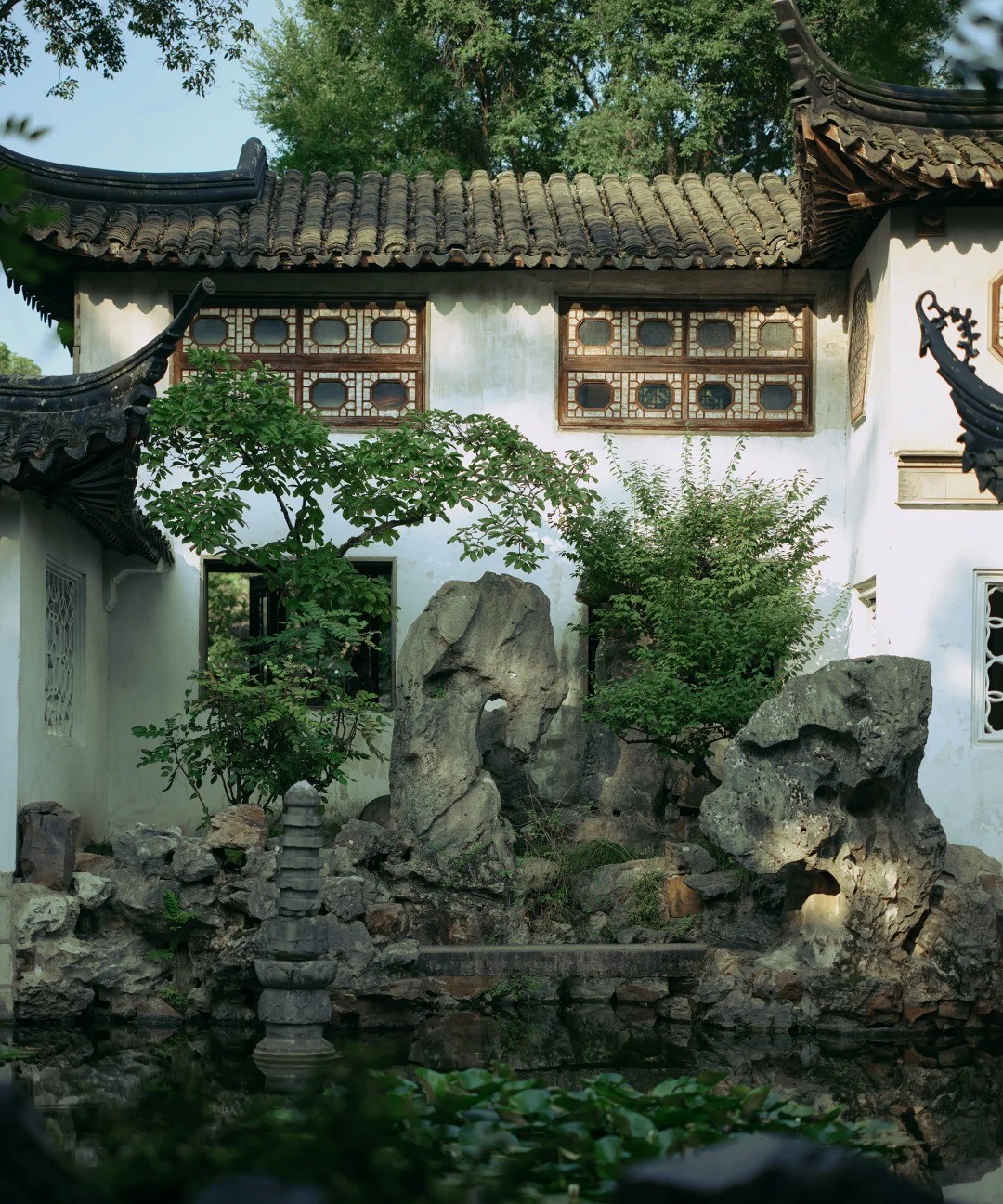
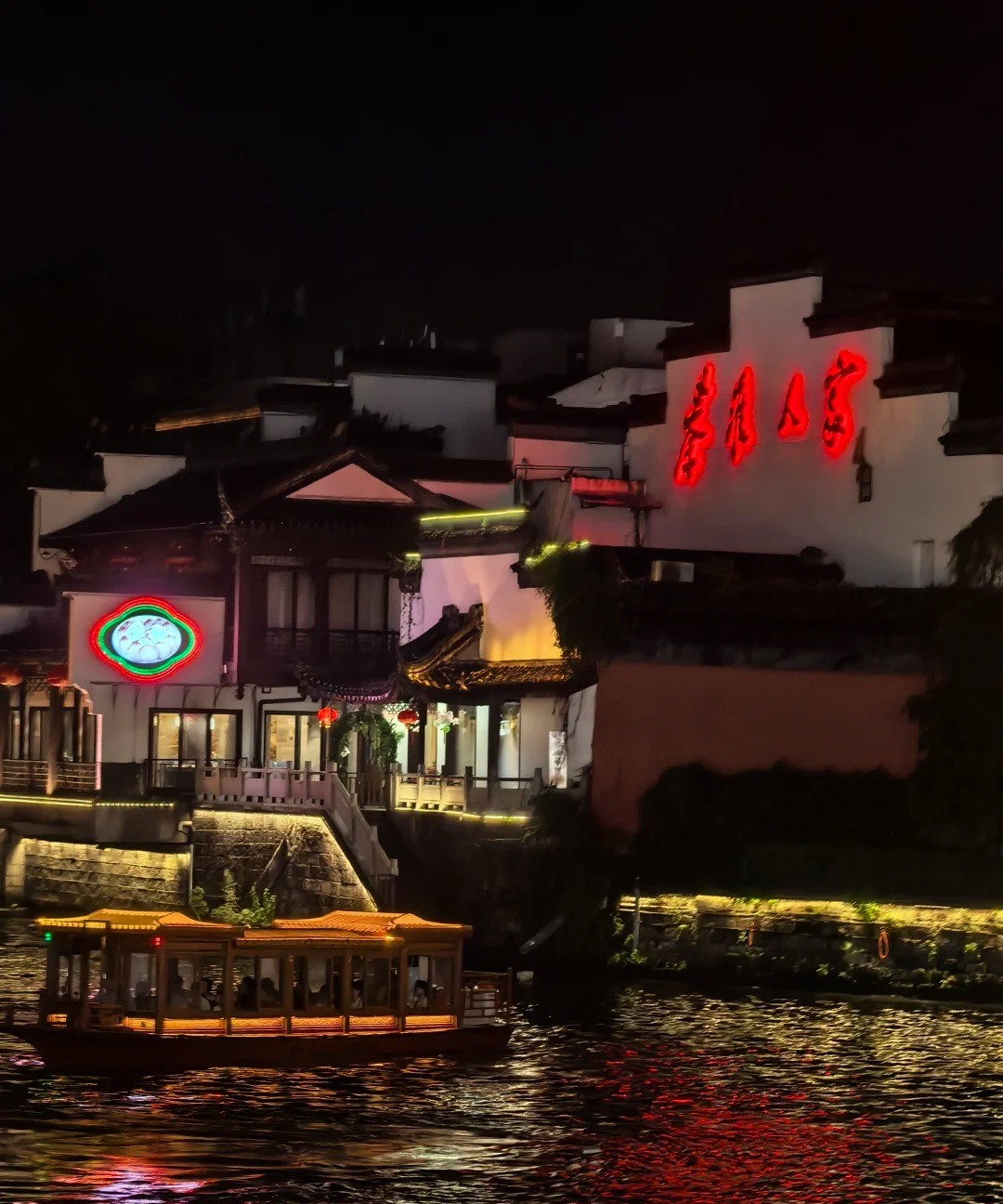
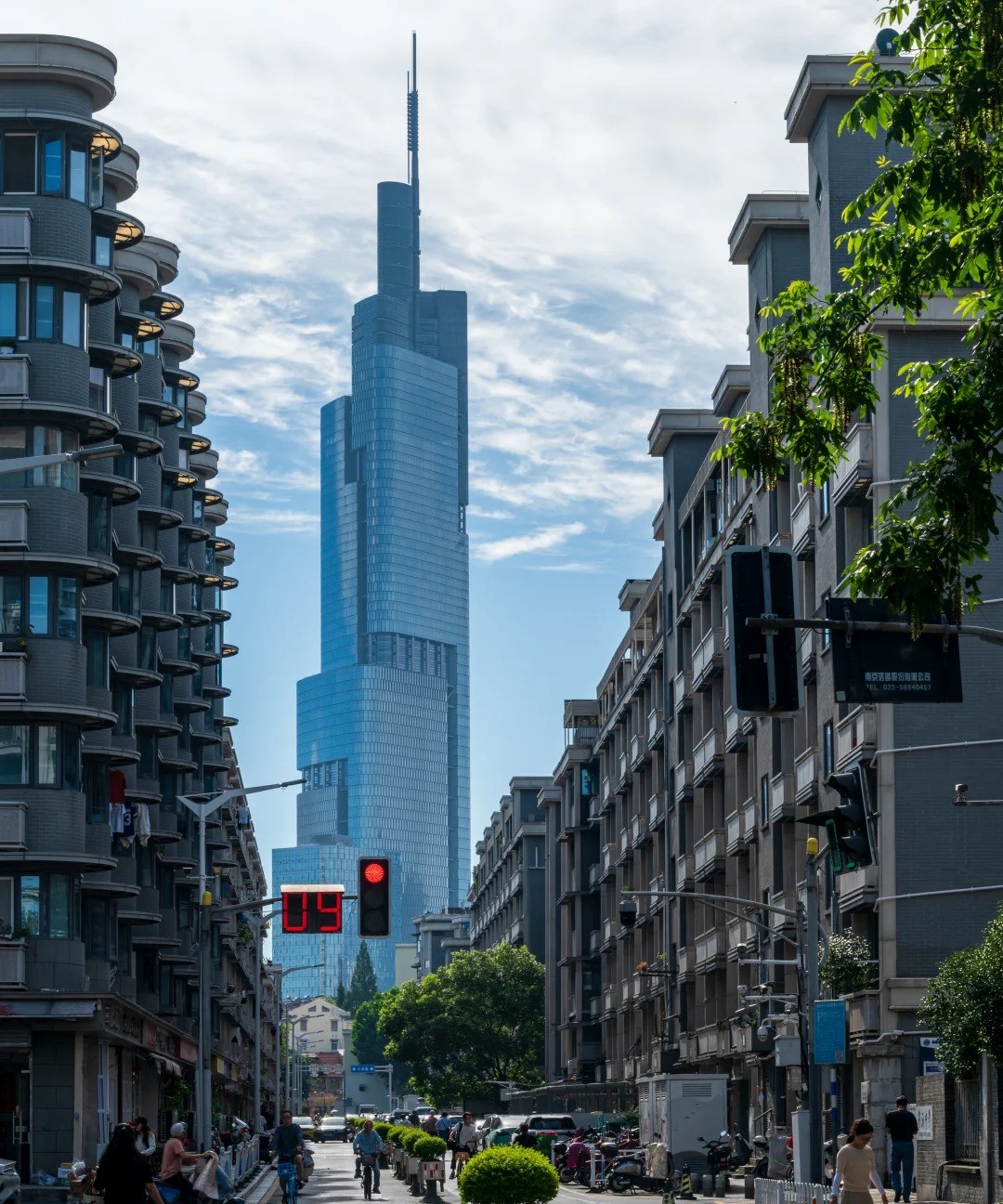
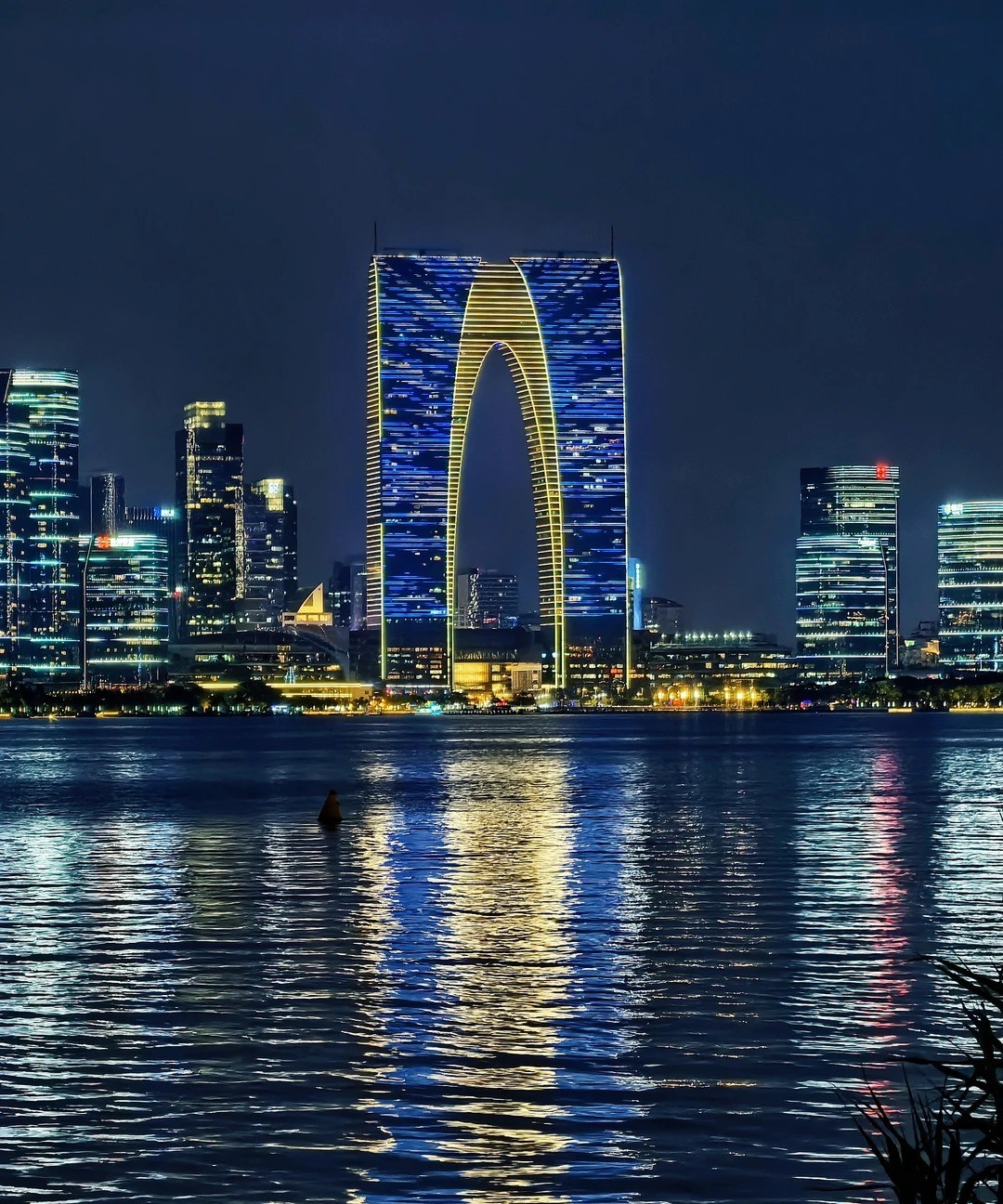
13 城Jiangsu Province is located on the eastern coast of China, in the lower reaches of the Yangtze River and Huaihe River, bordering the Yellow Sea to the east. It covers an area of 107,200 square kilometers and has a permanent population of approximately 85.15 million (2023). Since ancient times, Jiangsu has been a prosperous region, serving as the core area of Wu culture and Jianghuai culture. It boasts historic cities such as Nanjing, Suzhou, and Yangzhou, each with a history of over 2,500 years. As one of China's most comprehensively developed provinces, Jiangsu is renowned as "Water Charm Jiangsu," with dense river networks, the Beijing-Hangzhou Grand Canal running north-south, and lakes like Taihu and Hongze scattered throughout. Historically, Jiangsu was an important starting point of the Maritime Silk Road, and during the Ming and Qing dynasties, Suzhou and Yangzhou were national economic and cultural centers. Today, Jiangsu has 13 prefecture-level cities, with Nanjing as the capital, Suzhou famous for its classical gardens, Wuxi known for Taihu scenery, and Yangzhou celebrated worldwide for its canal culture. The province boasts 3 UNESCO World Heritage sites (Suzhou Classical Gardens, Ming Xiaoling Mausoleum, and the Grand Canal) and 25 national 5A scenic spots, making it one of China's most tourism-rich provinces.
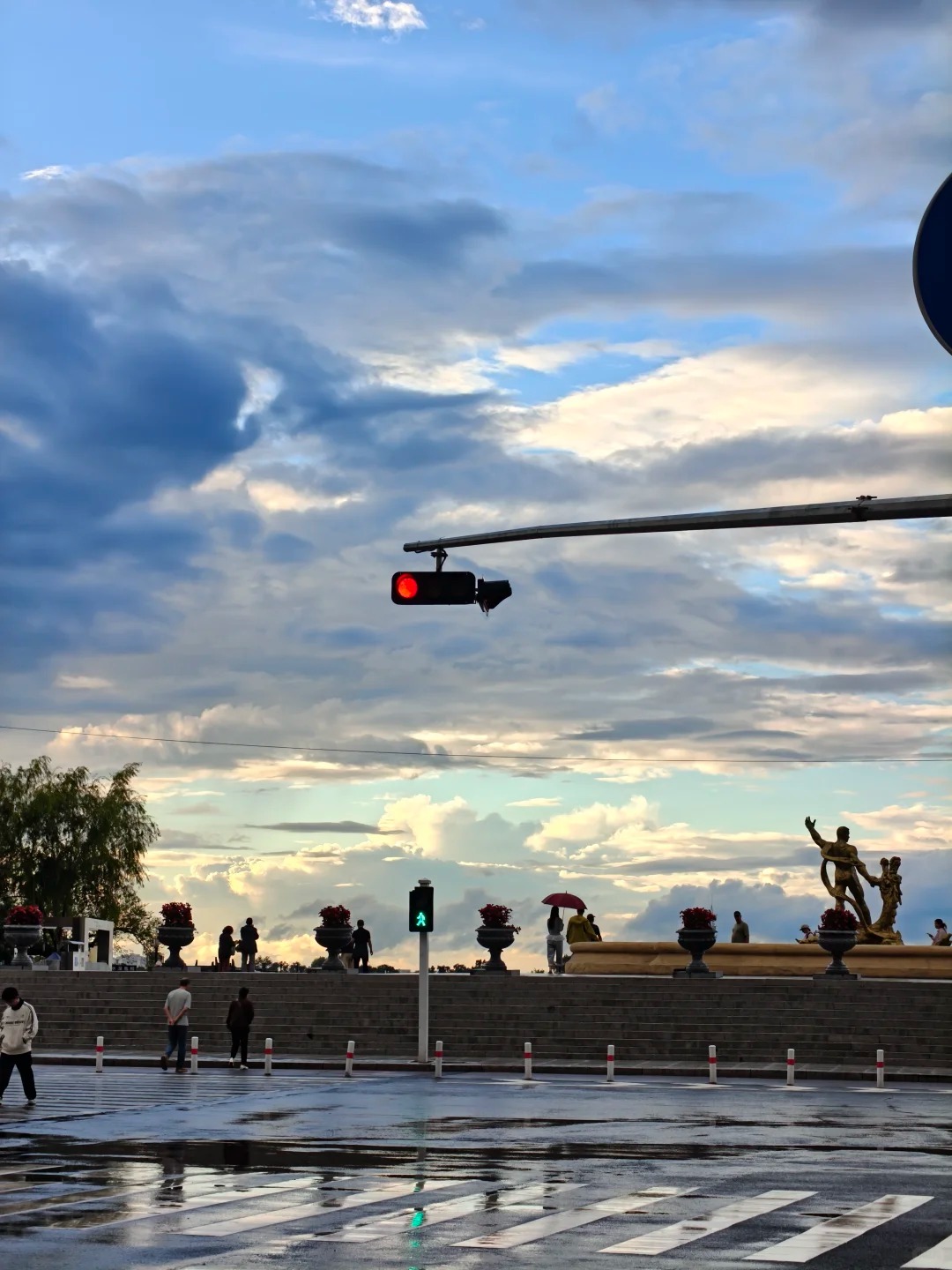 14 城
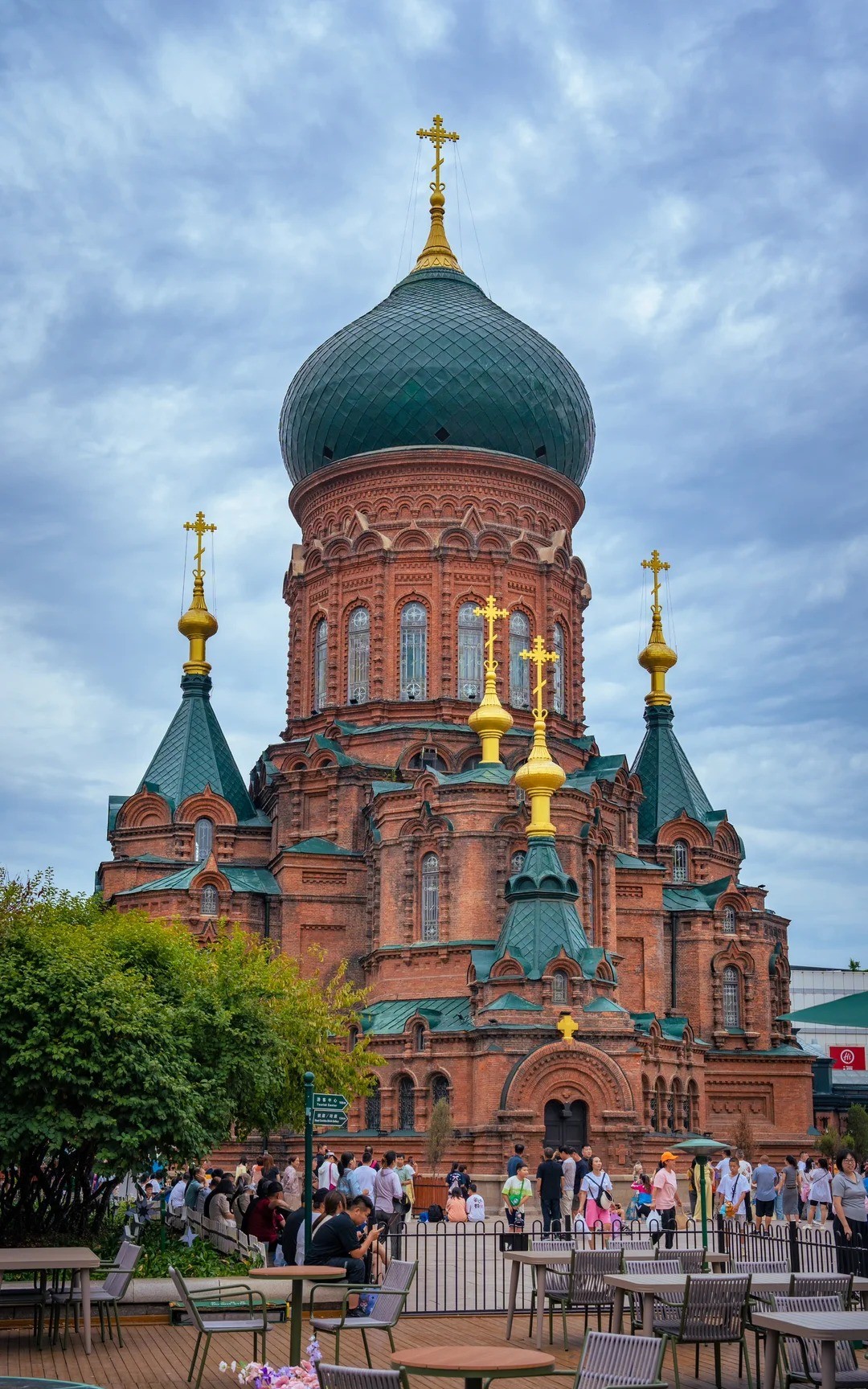
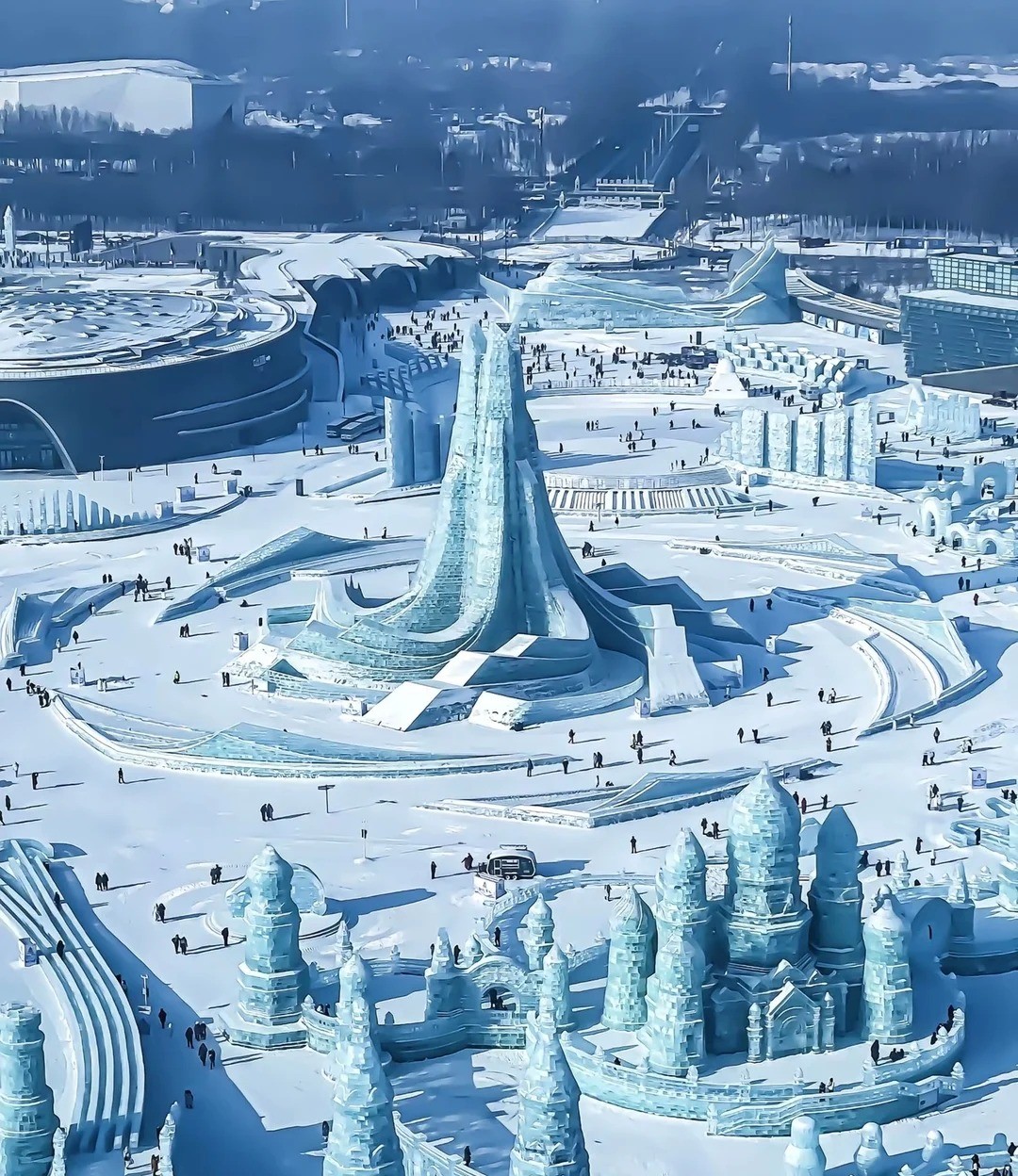
14 城Heilongjiang Province is located in the northeastern part of China, the northernmost and easternmost province of the country. It faces Russia across the Heilongjiang and Wusuli Rivers to the north and east, covering an area of approximately 473,000 square kilometers with a permanent population of about 30.99 million. Named after the Heilongjiang River, the largest river in the province, its history dates back to the Bohai Kingdom of the Tang Dynasty and the Liao and Jin periods. In modern times, it prospered due to the construction of the Chinese Eastern Railway and the immigration of people from Shandong. As an important heavy industry base, commodity grain base, and energy base in China, Heilongjiang boasts vast forests, fertile black soil, and unique ice and snow resources. It is the flagship province for ice and snow tourism in China, with the Harbin International Ice and Snow Festival renowned worldwide. It also features unique natural landscapes such as Mohe, the northernmost point of China, the volcanic landforms of Wudalianchi, the Zhalong Red-crowned Crane Nature Reserve, as well as rich Russian-style architecture and Northeast folk culture. Heilongjiang has four distinct seasons, with long, cold winters and cool, pleasant summers, making it an excellent destination for experiencing extreme cold wonders, summer escapes, and the bold culture of Northeast China.
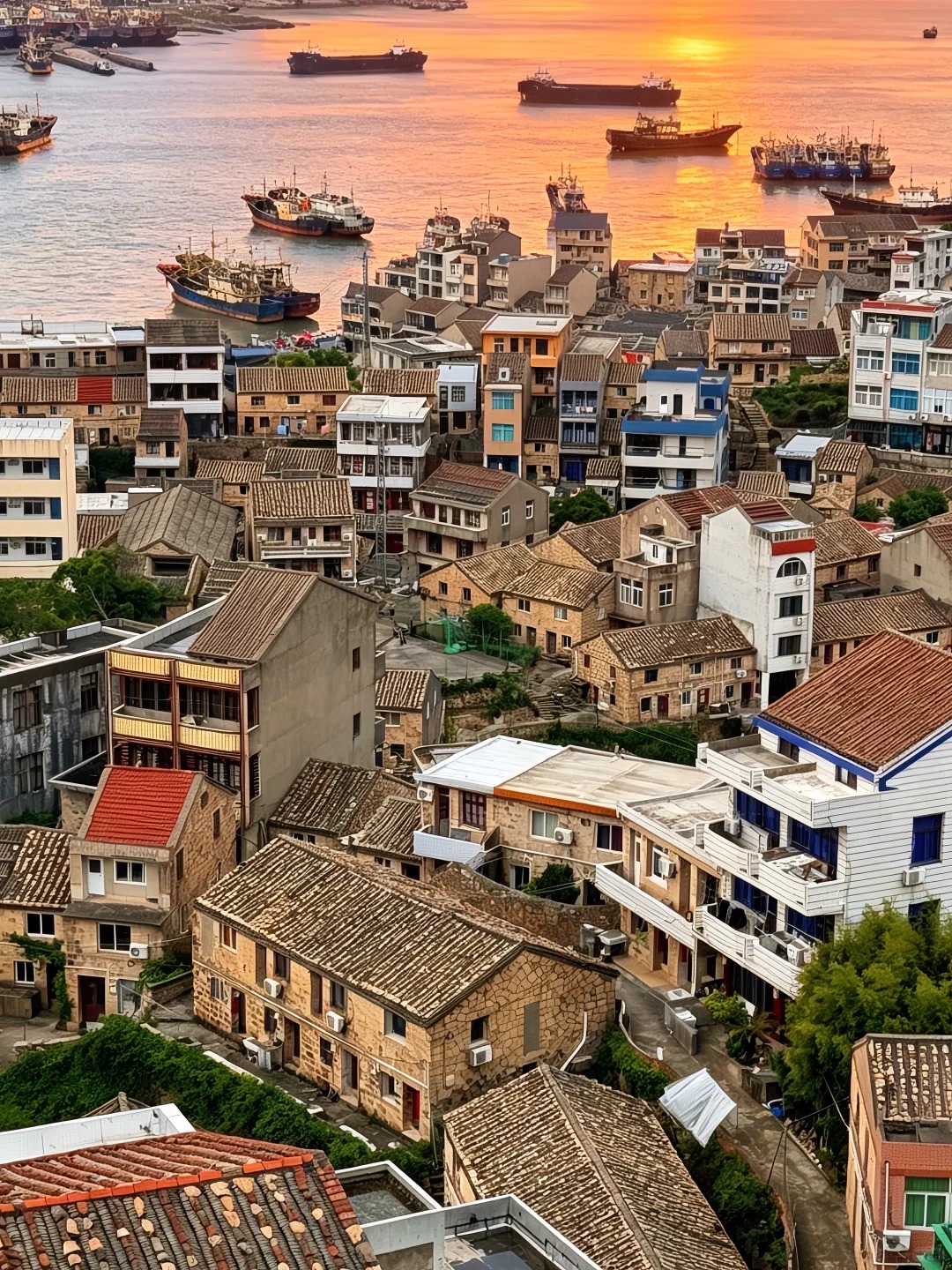 12 城
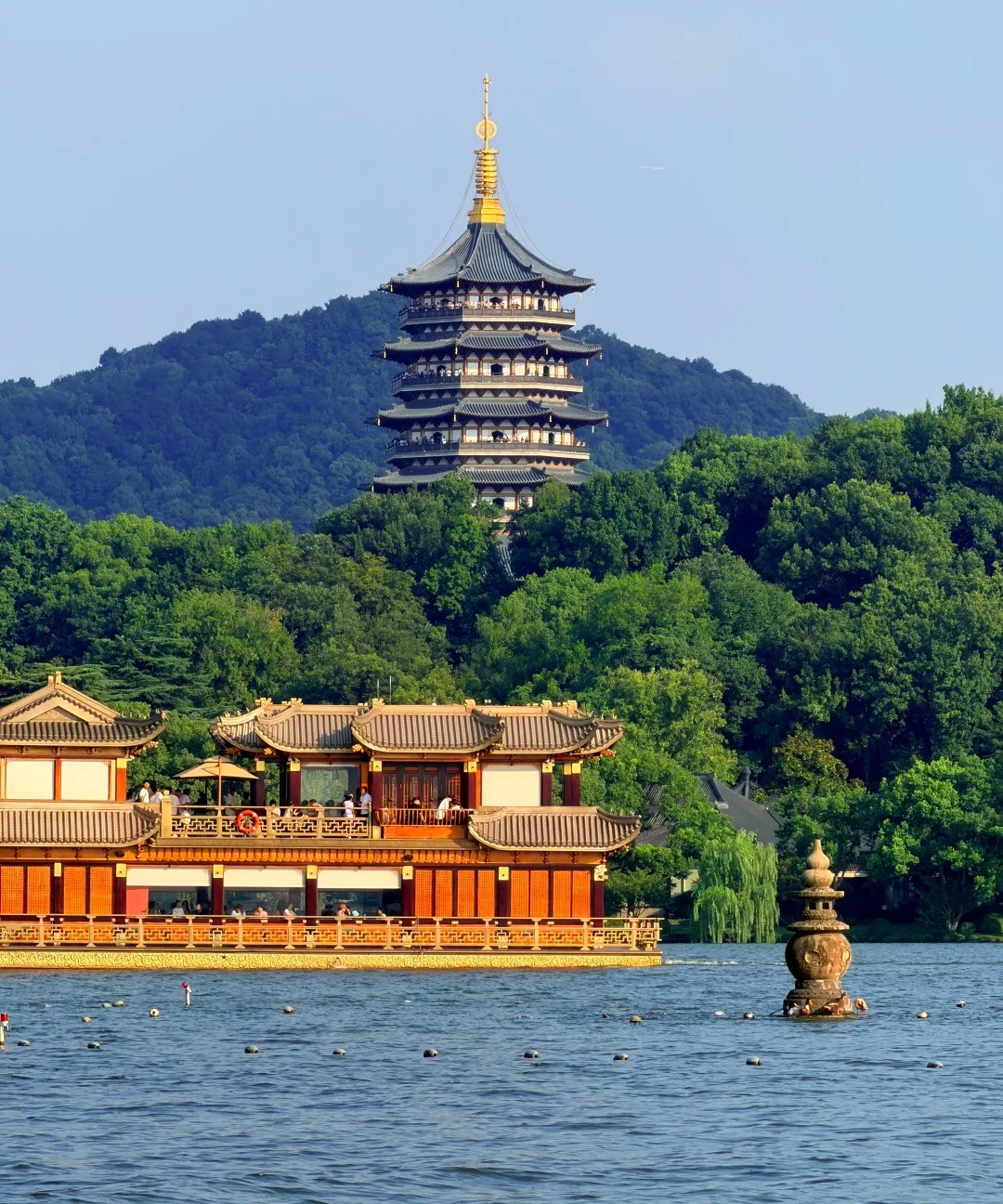
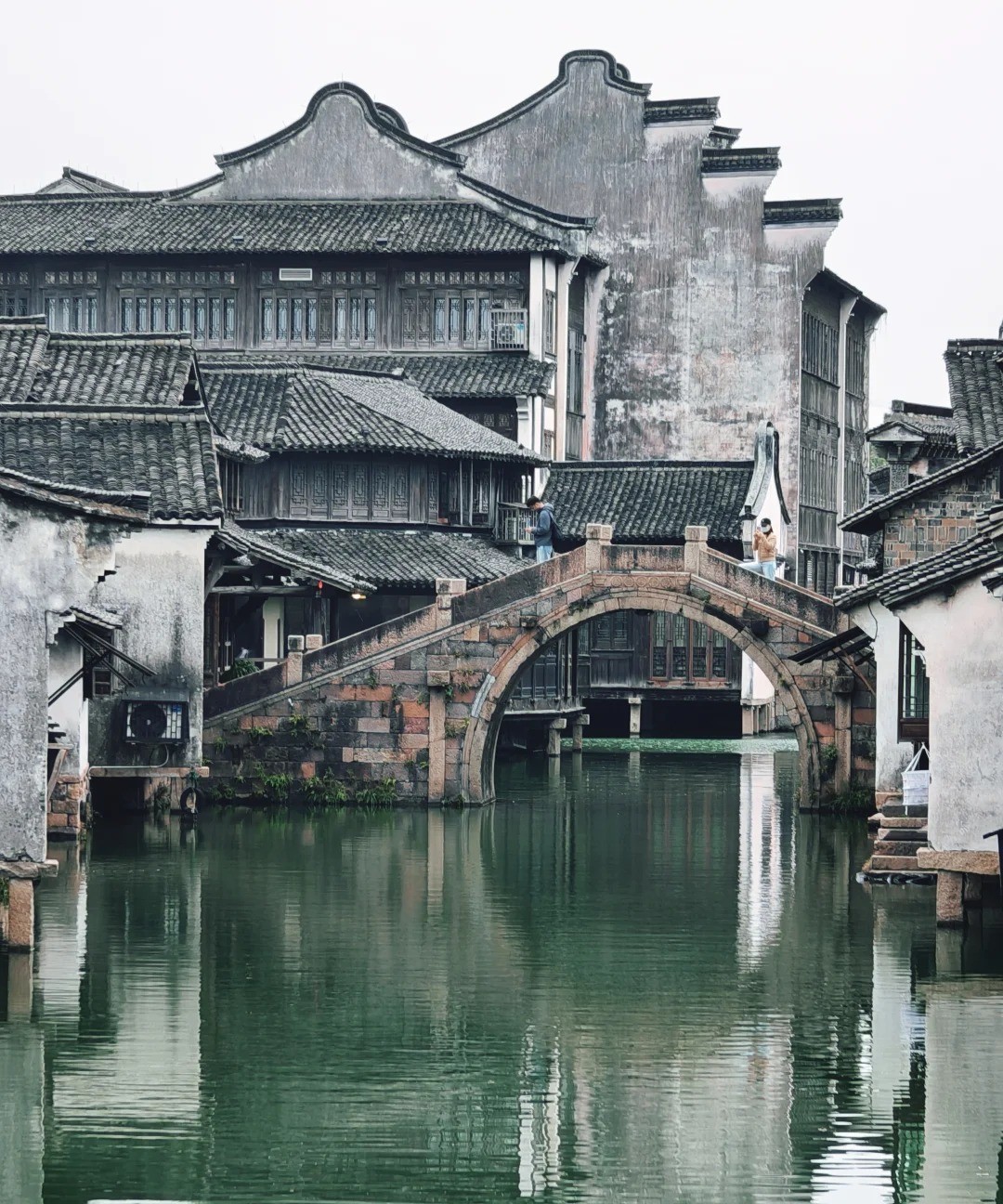
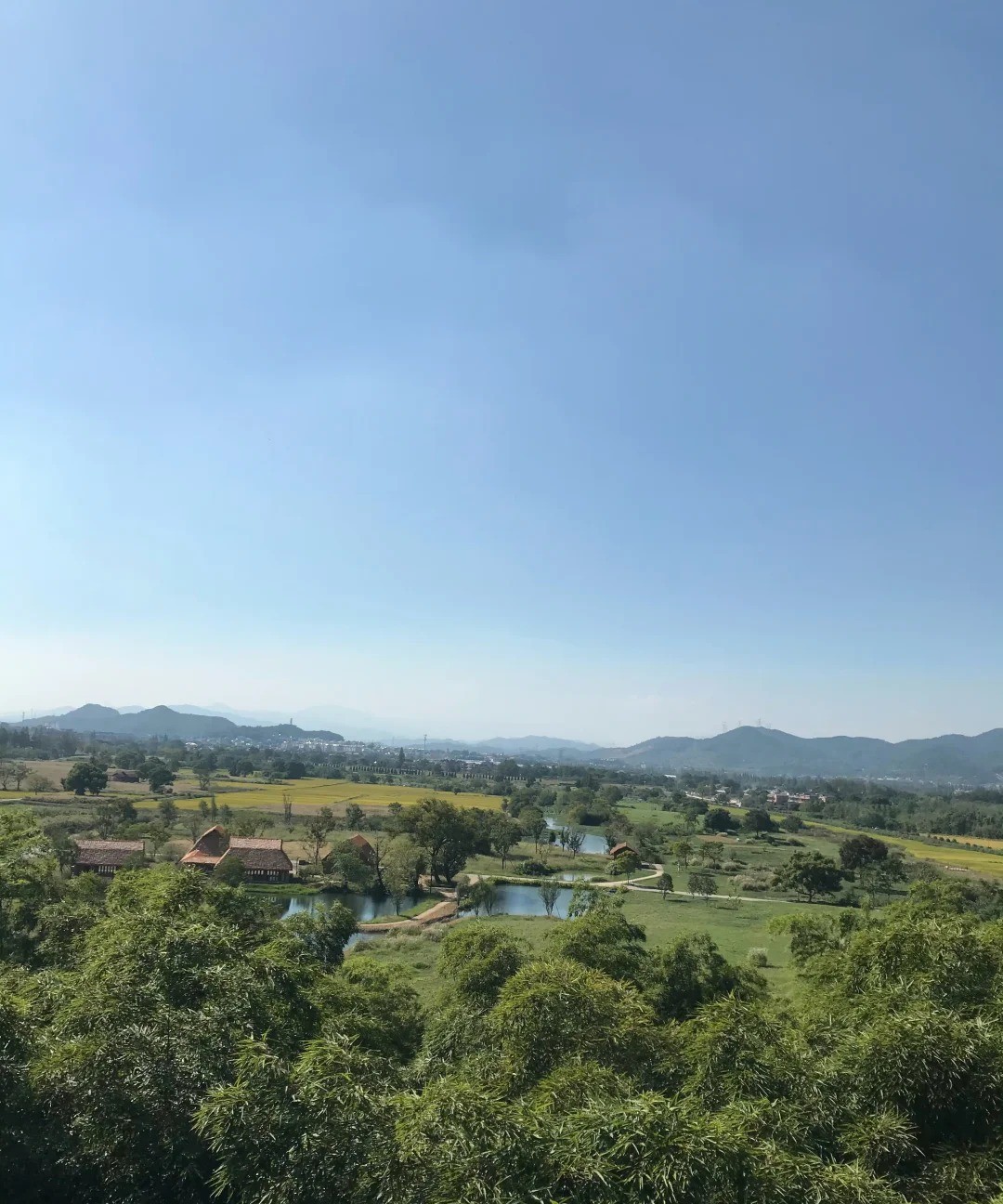
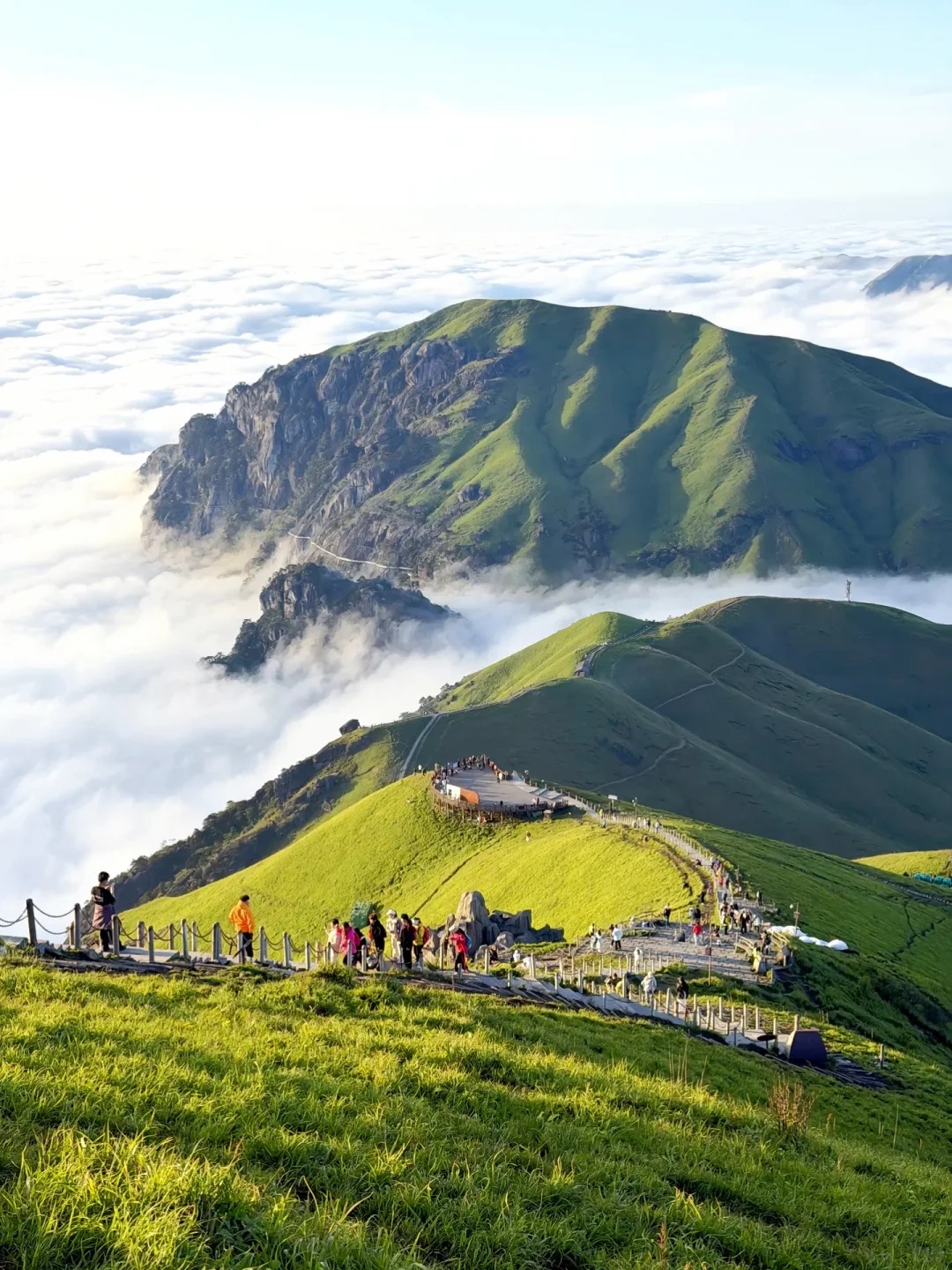
12 城Zhejiang Province, abbreviated as 'Zhe', is located on the southeast coast of China, bordering the East China Sea to the east, Shanghai and Jiangsu to the north, Anhui and Jiangxi to the west, and Fujian to the south. The province covers a land area of 105,500 square kilometers and a sea area of 260,000 square kilometers, with a permanent population of approximately 65.77 million (2023). Zhejiang is one of the birthplaces of ancient Chinese civilization, home to the 5,000-year-old Liangzhu Cultural Site, and is the core region of Wuyue culture and Jiangnan culture. Historically, Zhejiang was an important starting point of the Maritime Silk Road, and Hangzhou served as the capital of the Southern Song Dynasty, boasting profound cultural heritage. Known for its 'seven mountains, one water, and two fields' terrain, Zhejiang features diverse landscapes including Jiangnan water towns, the Qiantang River tidal bore, and the unique peaks of Yandang Mountain. Economically, Zhejiang is one of the most active provinces for private economy in China, with a GDP of 8.26 trillion yuan in 2023 and per capita income ranking first among provinces for many consecutive years. In tourism, Zhejiang has four World Heritage sites (West Lake Cultural Landscape of Hangzhou, the Grand Canal of China, the Archaeological Ruins of Liangzhu City, and Jianglang Mountain Danxia Landform) and 20 national 5A-level scenic spots, making it a 'picturesque Jiangnan' destination for domestic and international tourists.
 12 城
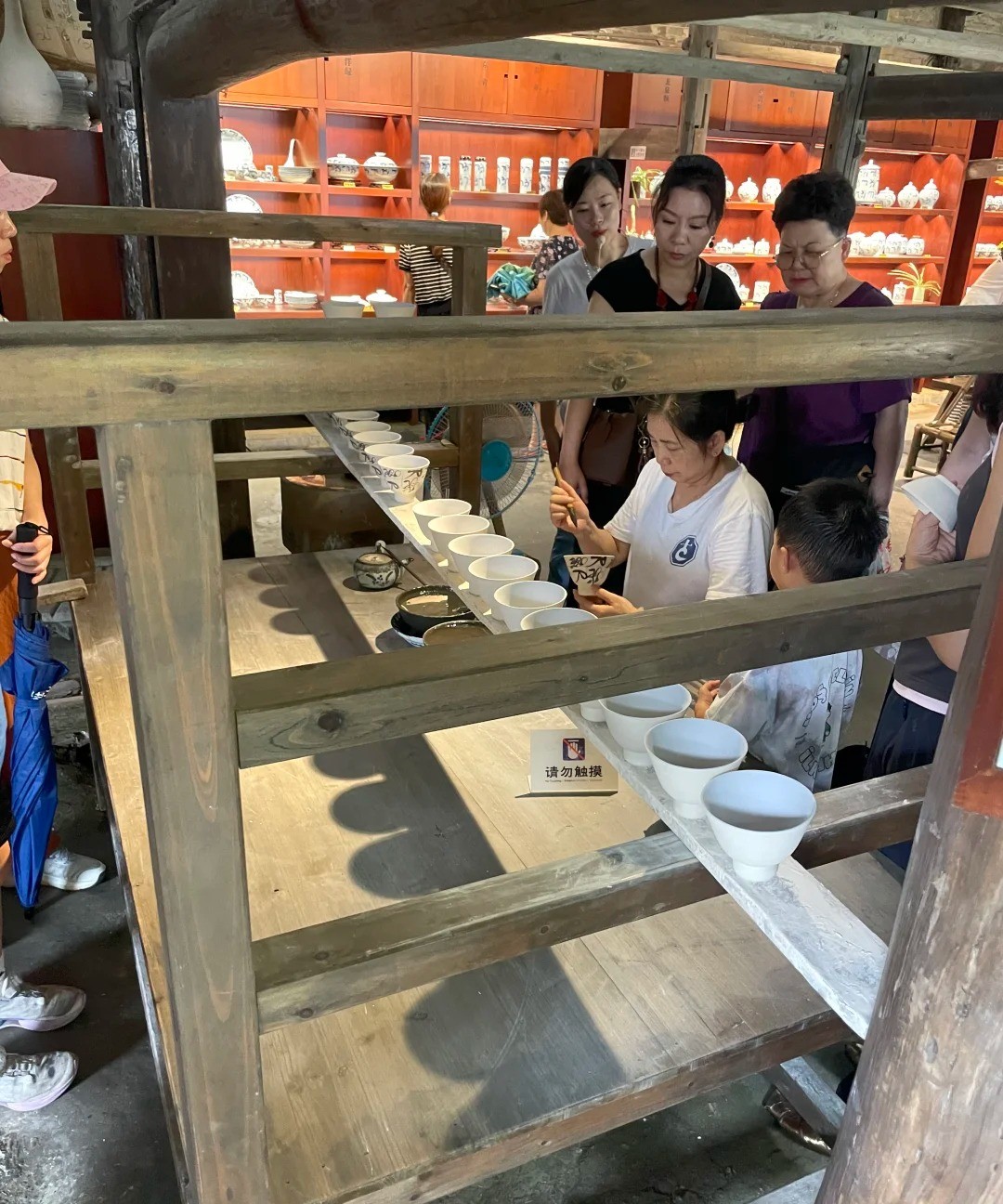
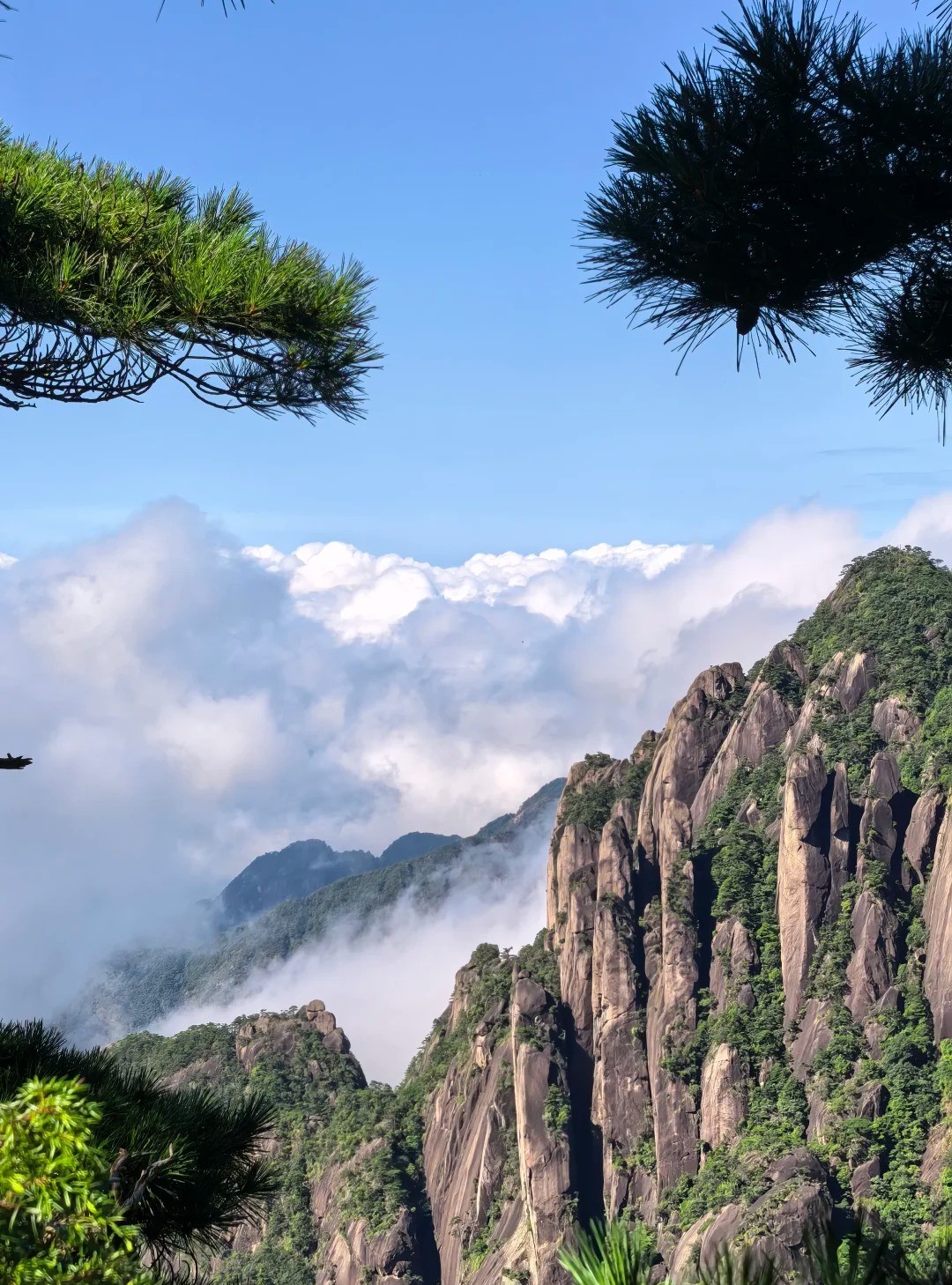
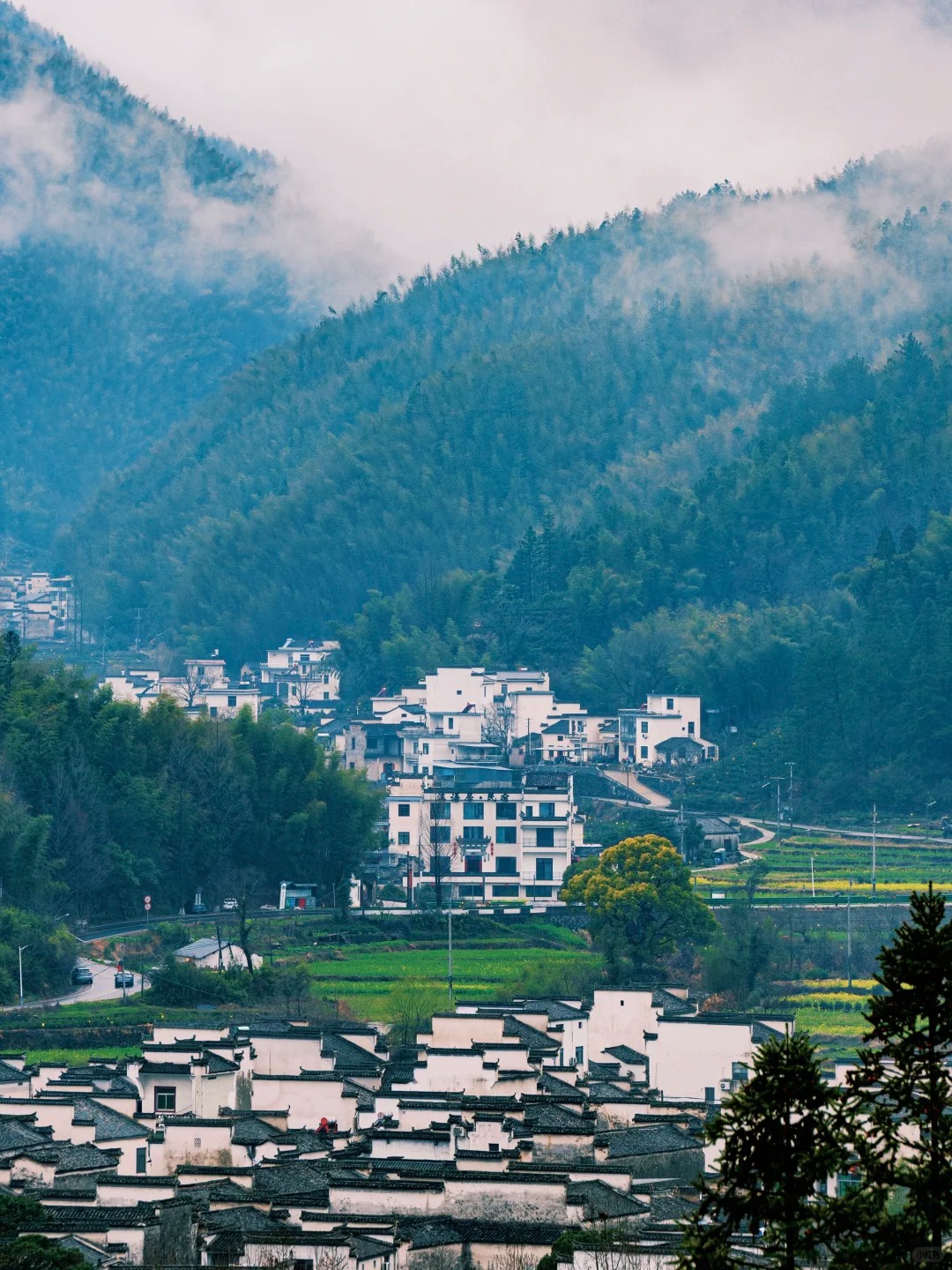
12 城Jiangxi Province is located in southeastern China, on the southern bank of the middle and lower reaches of the Yangtze River. It borders Fujian and Zhejiang to the east, Guangdong to the south, Hunan to the west, and Hubei and Anhui to the north. The total area is approximately 166,900 square kilometers, with a permanent population of about 45.27 million (2023). Historically known as 'the head of Wu and the tail of Chu, the household of Yue and the courtyard of Min,' Jiangxi is one of the important birthplaces of Chinese civilization, renowned as the 'Red Cradle, Green Homeland, and Millennium Porcelain Capital.' It is home to China's largest freshwater lake, Poyang Lake, and world heritage sites such as Lushan, Sanqingshan, Longhushan, Guifeng, and Wuyishan (Jiangxi section), as well as Jingdezhen, the millennium porcelain capital, Wuyuan ancient villages, and the Nanchang August 1st Uprising Memorial Hall. Jiangxi is an important inheritance site for Confucian culture, Taoist culture, ceramic culture, and Hakka culture. Historically, it has produced cultural giants such as Tao Yuanming, Ouyang Xiu, Wang Anshi, Zhu Xi, and Wen Tianxiang. It is also the cradle of the Chinese revolution, with Jinggangshan and Ruijin witnessing the early struggles of the Communist Party of China. Jiangxi is extremely rich in ecological resources, with a forest coverage rate exceeding 63% and multiple national nature reserves, earning it the reputation of 'one of the greenest provinces in China.' The unique Jiangxi cuisine is known for its fresh, spicy, and mellow flavors. Specialties such as Jingdezhen porcelain, Wuyuan green tea, and Ganzhou navel oranges are renowned both at home and abroad. Jiangxi's transportation network is increasingly well-developed, with high-speed rail connecting major cities nationwide, making it an excellent destination for exploring traditional Chinese culture and natural scenery.
 17 城
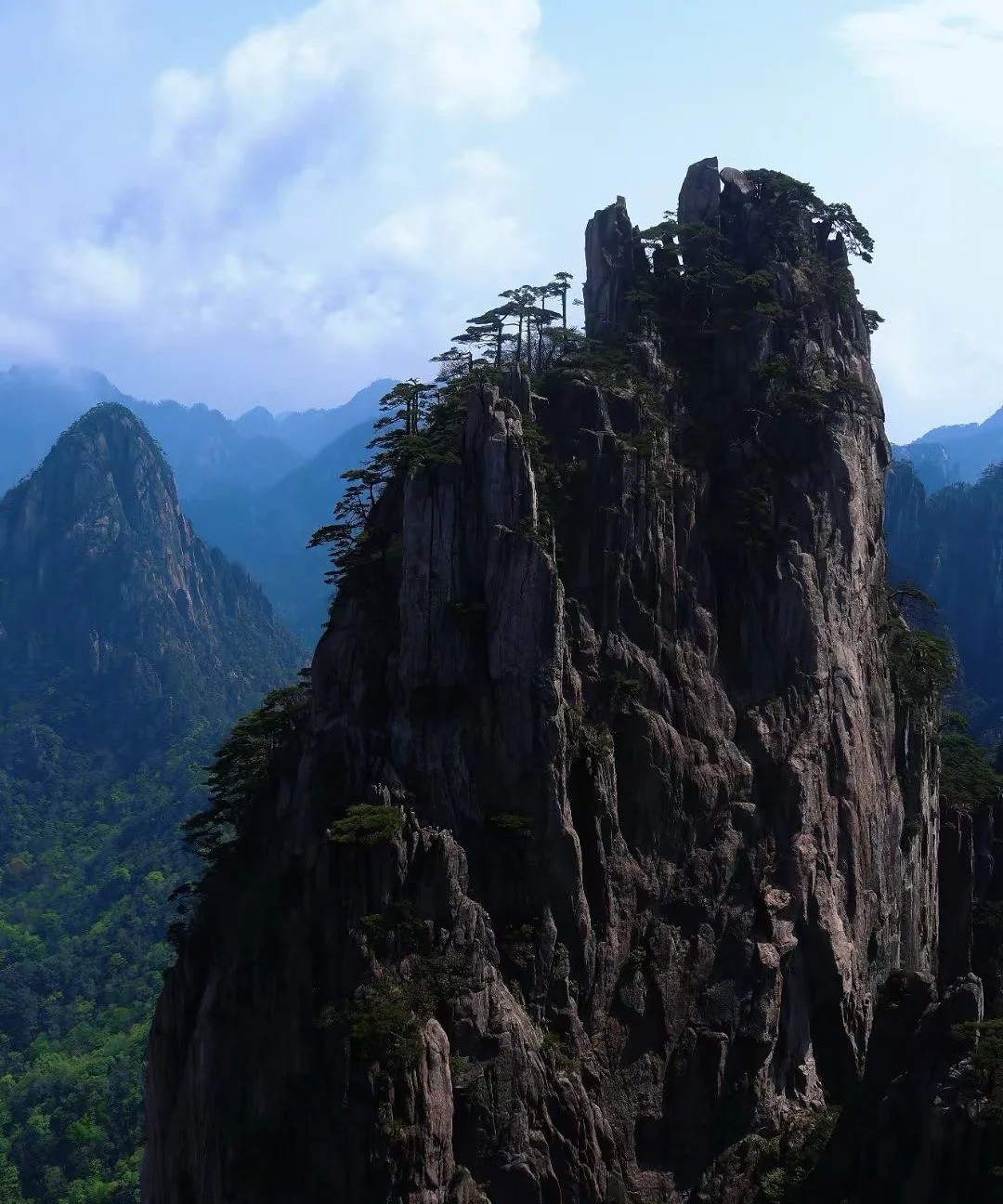
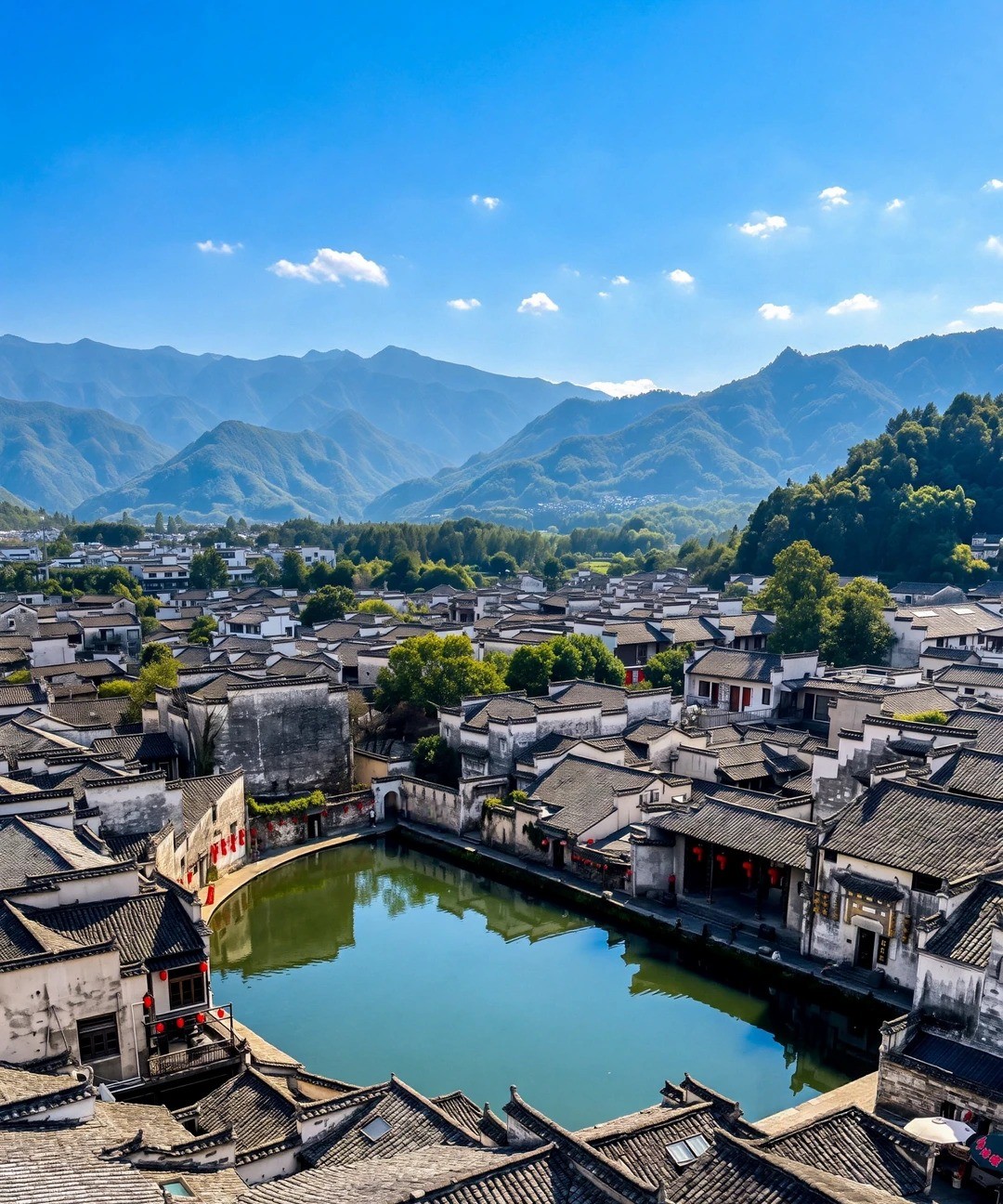
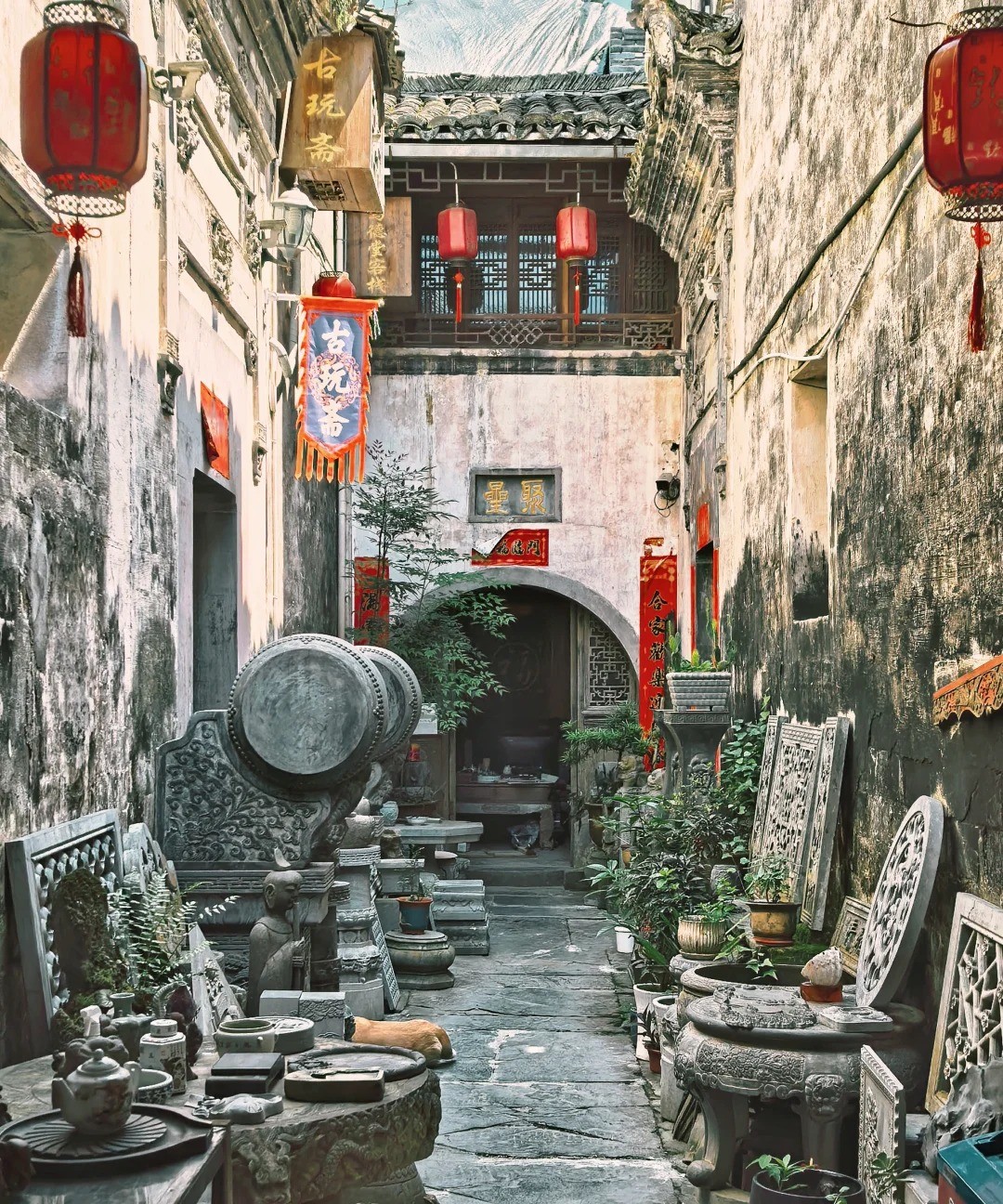
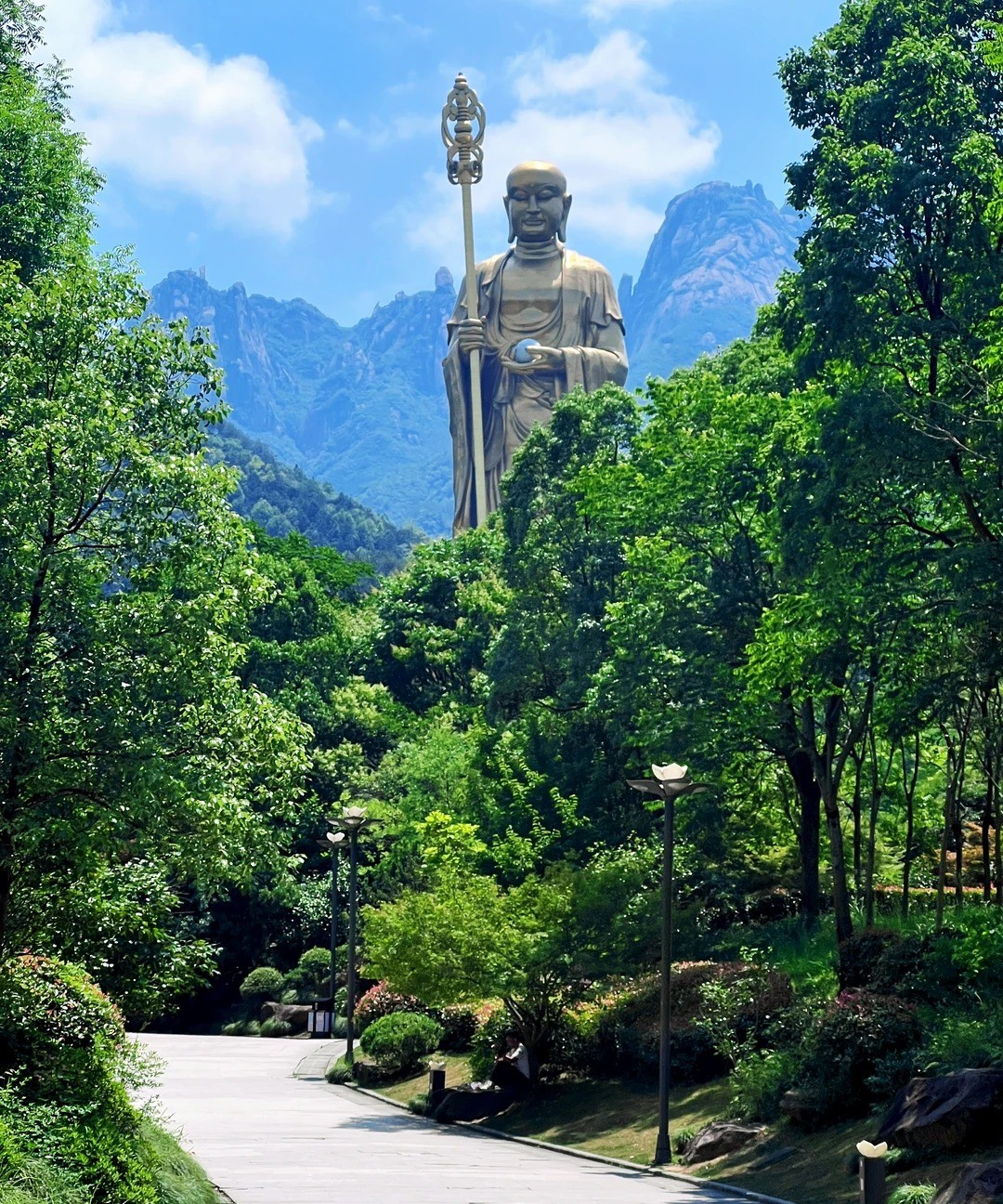
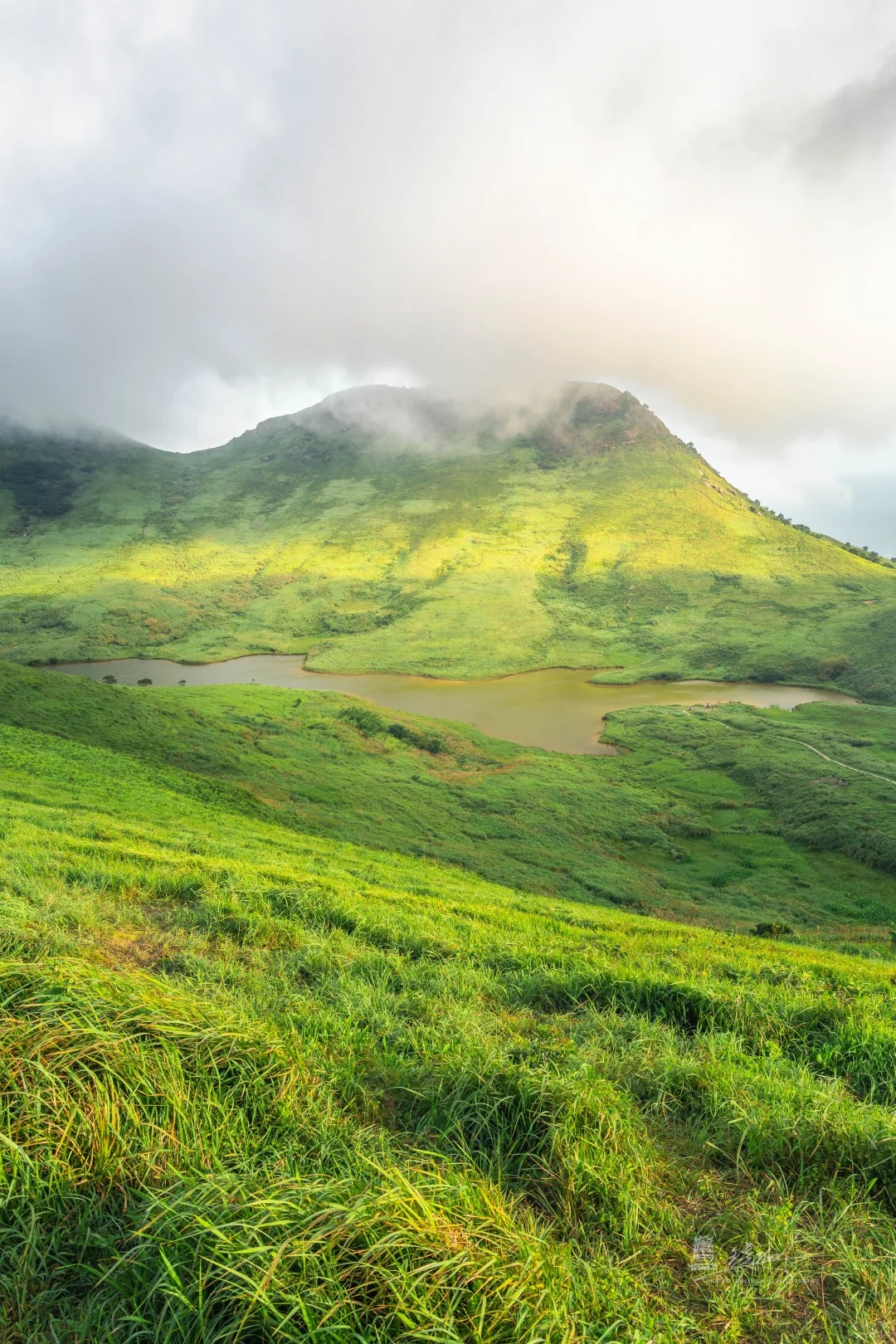
17 城Anhui Province is located in eastern China, spanning the middle and lower reaches of the Yangtze and Huaihe Rivers. It borders Jiangsu and Zhejiang to the east, Hubei and Henan to the west, Jiangxi to the south, and Shandong to the north, covering a total area of 140,100 square kilometers. As of 2023, its permanent population is approximately 61.21 million, with the capital being Hefei. Anhui has a long history and profound cultural heritage, being one of the important birthplaces of Chinese civilization. It boasts diverse cultural systems such as Hui culture, Huaihe culture, Wanjiang culture, and Luzhou culture. The province is home to famous attractions including Mount Huangshan, a UNESCO World Cultural and Natural Heritage site, and Xidi and Hongcun, UNESCO World Cultural Heritage sites. Anhui's terrain is diverse, with plains in the north and hilly mountains in the south. Renowned mountains include Mount Huangshan, Mount Jiuhua, and Mount Tianzhu. Cultural symbols such as Huizhou merchants, Hui opera, Hui cuisine, and Huizhou architecture have a profound influence, making Anhui one of China's most culturally charming and naturally scenic provinces.
 10 城
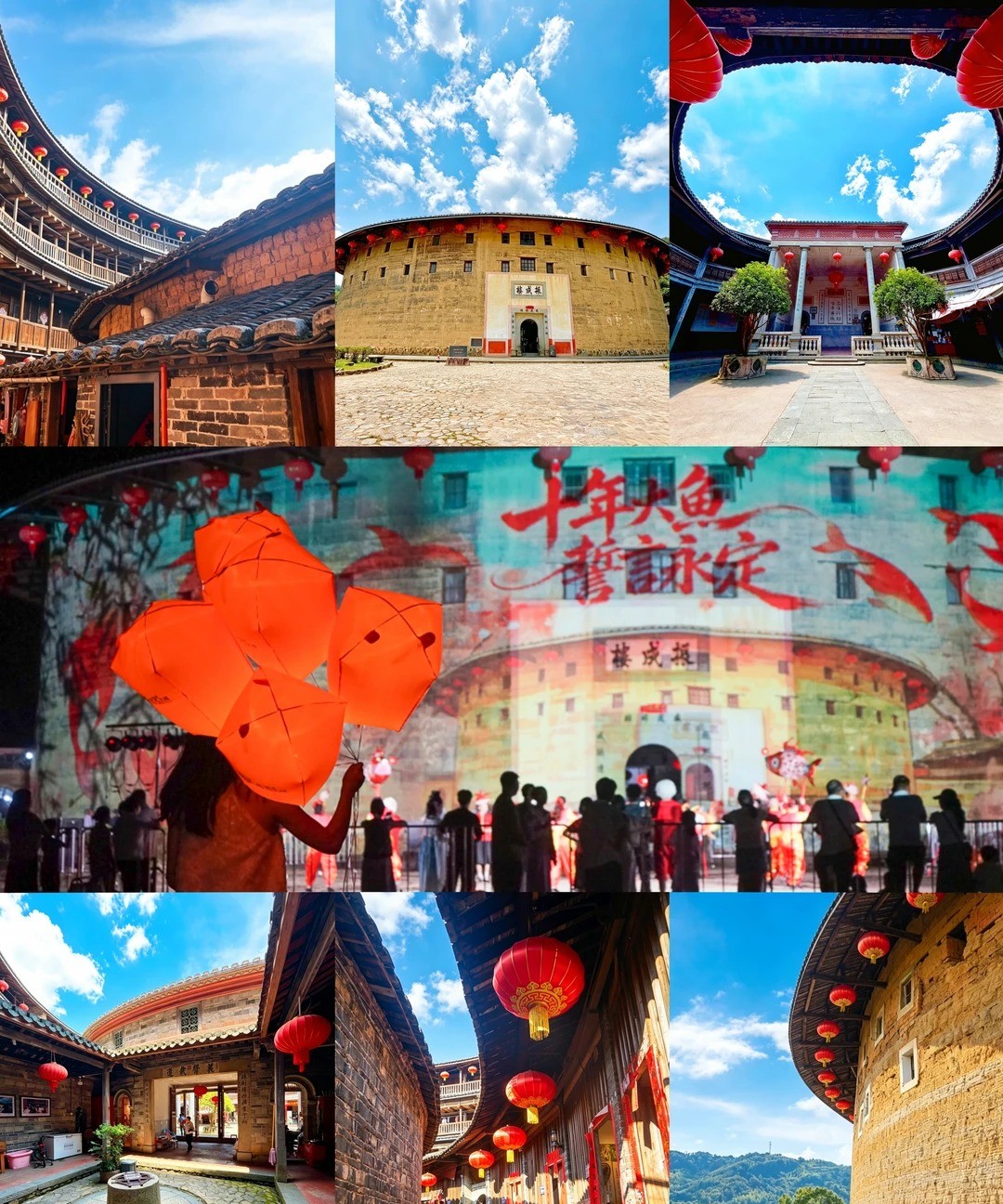
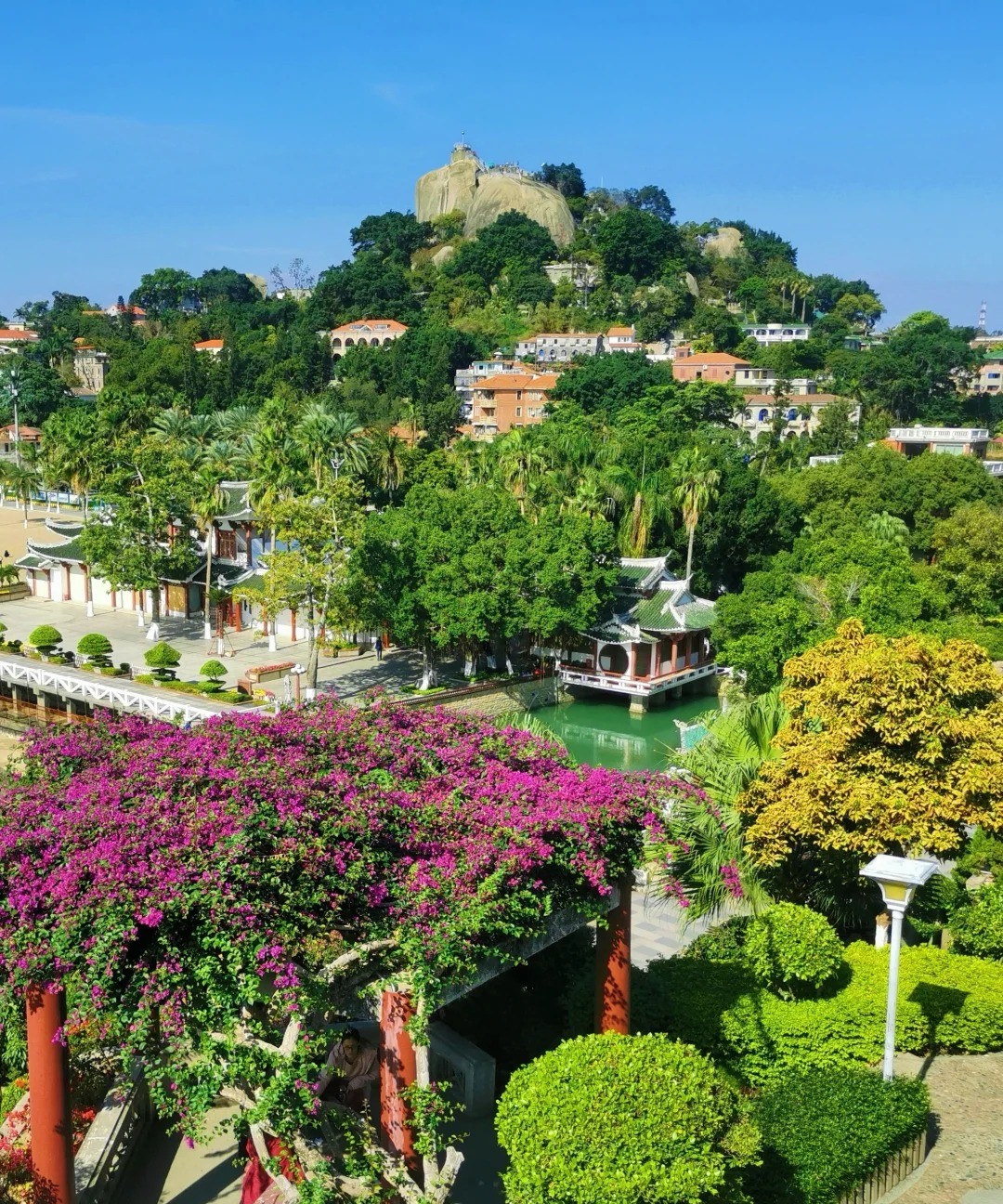
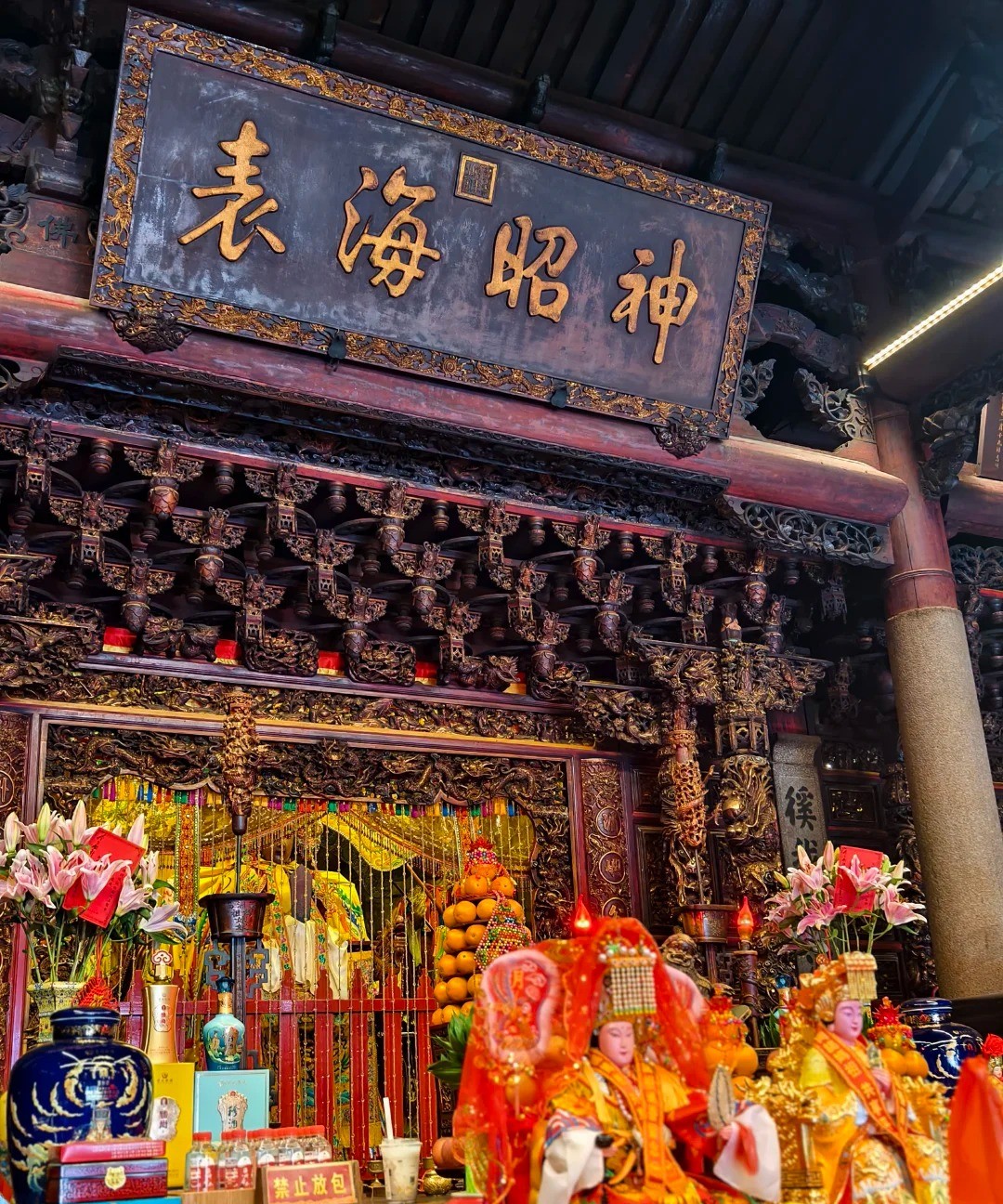
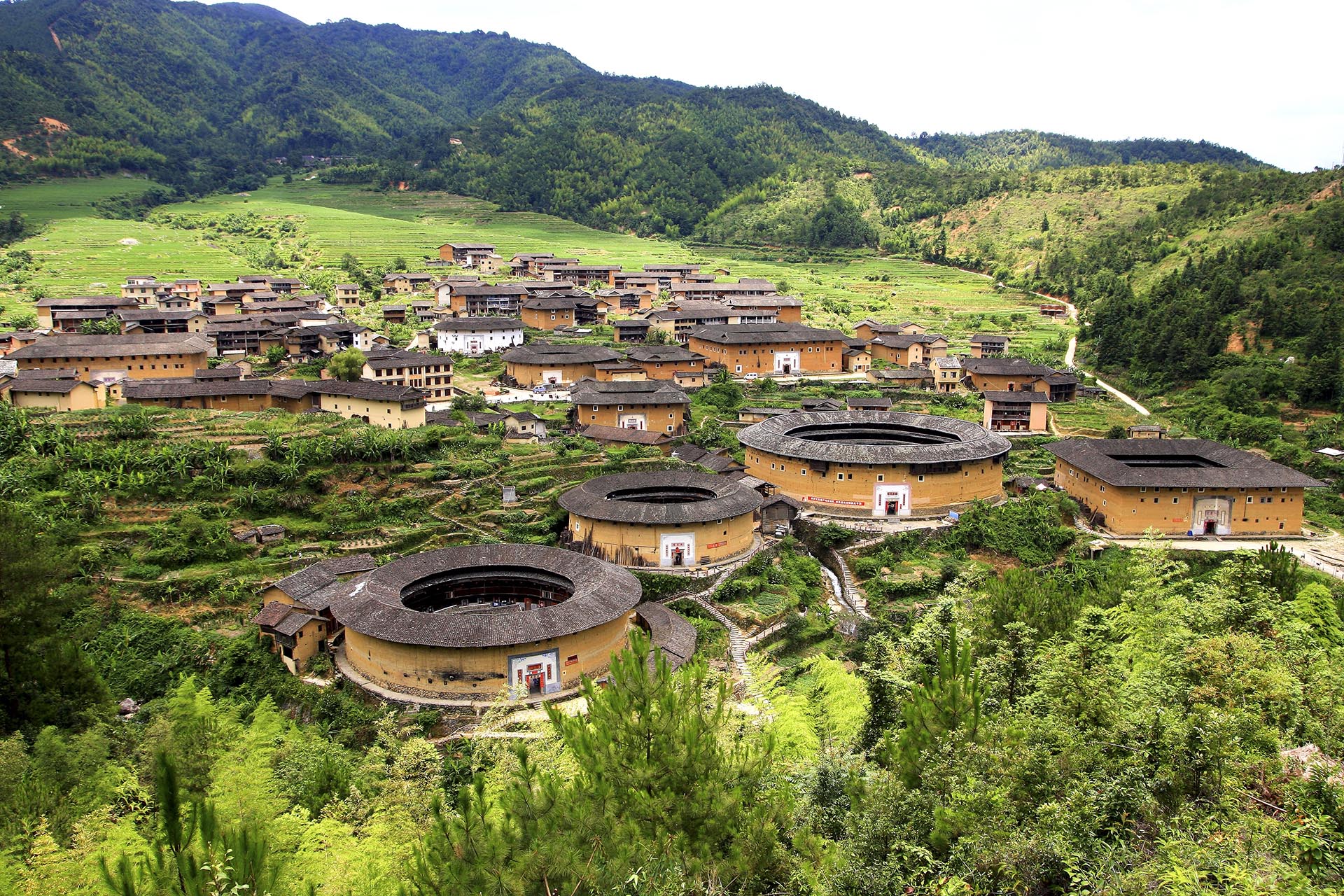
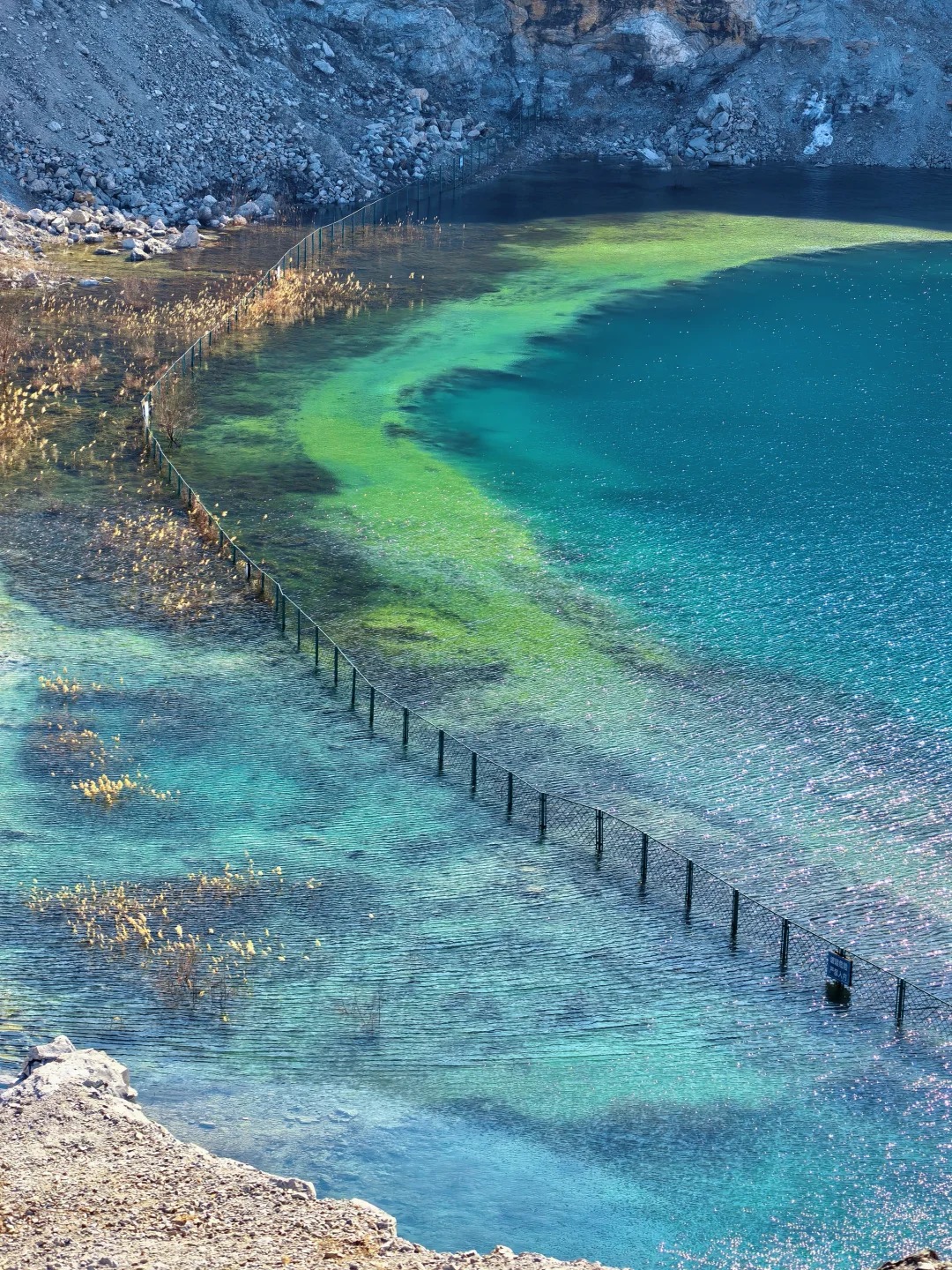
10 城Fujian Province is located on the southeast coast of China, facing Taiwan across the Taiwan Strait to the east. It covers a land area of approximately 124,000 square kilometers and had a permanent population of about 41.88 million in 2023. Historically known as Min, Fujian has a long history and was an important starting point of the Maritime Silk Road. During the Song and Yuan dynasties, Quanzhou Port was hailed as the 'largest port in the East.' The terrain is dominated by mountains and hills, often described as '80% mountains, 10% water, and 10% farmland.' Its forest coverage rate ranks first in China, exceeding 65%. Culturally, Fujian is the core area of Minnan culture, Hakka culture, and Mazu culture, boasting world heritage sites such as Tulou, Wuyi Mountain, and Gulangyu Island, as well as unique elements like the Minnan dialect, She ethnic culture, and tea culture. Fujian is also a famous hometown of overseas Chinese, with about 15.8 million Fujianese living in 188 countries and regions worldwide. Economically, Fujian is at the forefront of reform and opening up, with the Xiamen Special Economic Zone, Fuzhou New Area, and Pingtan Comprehensive Experimental Zone. Its private economy is vibrant, and its GDP reached 5.4 trillion yuan in 2023. The unique blend of geography and culture makes Fujian a tourist destination combining mountain and sea scenery, historical heritage, and modern vitality.
 18 城
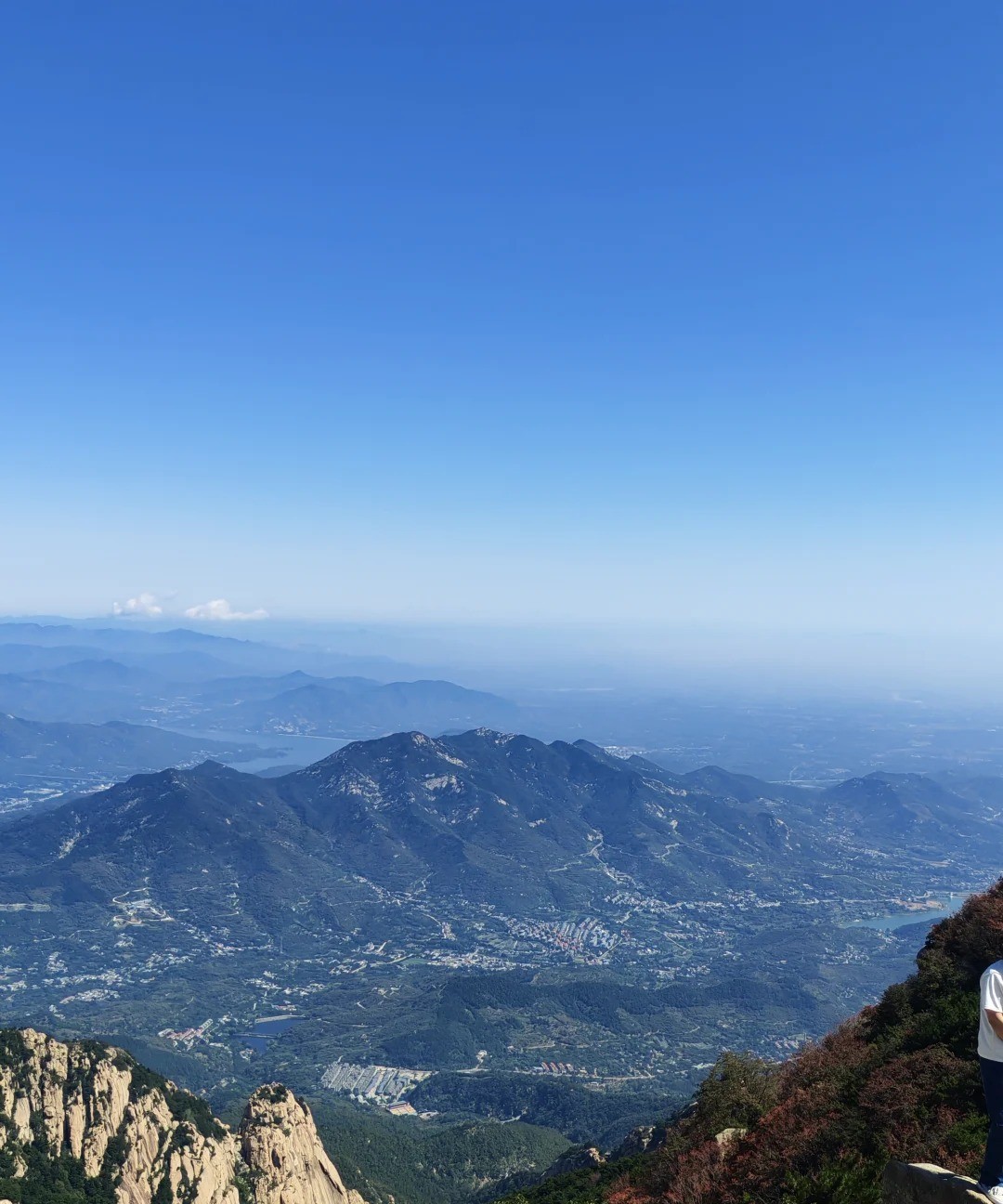
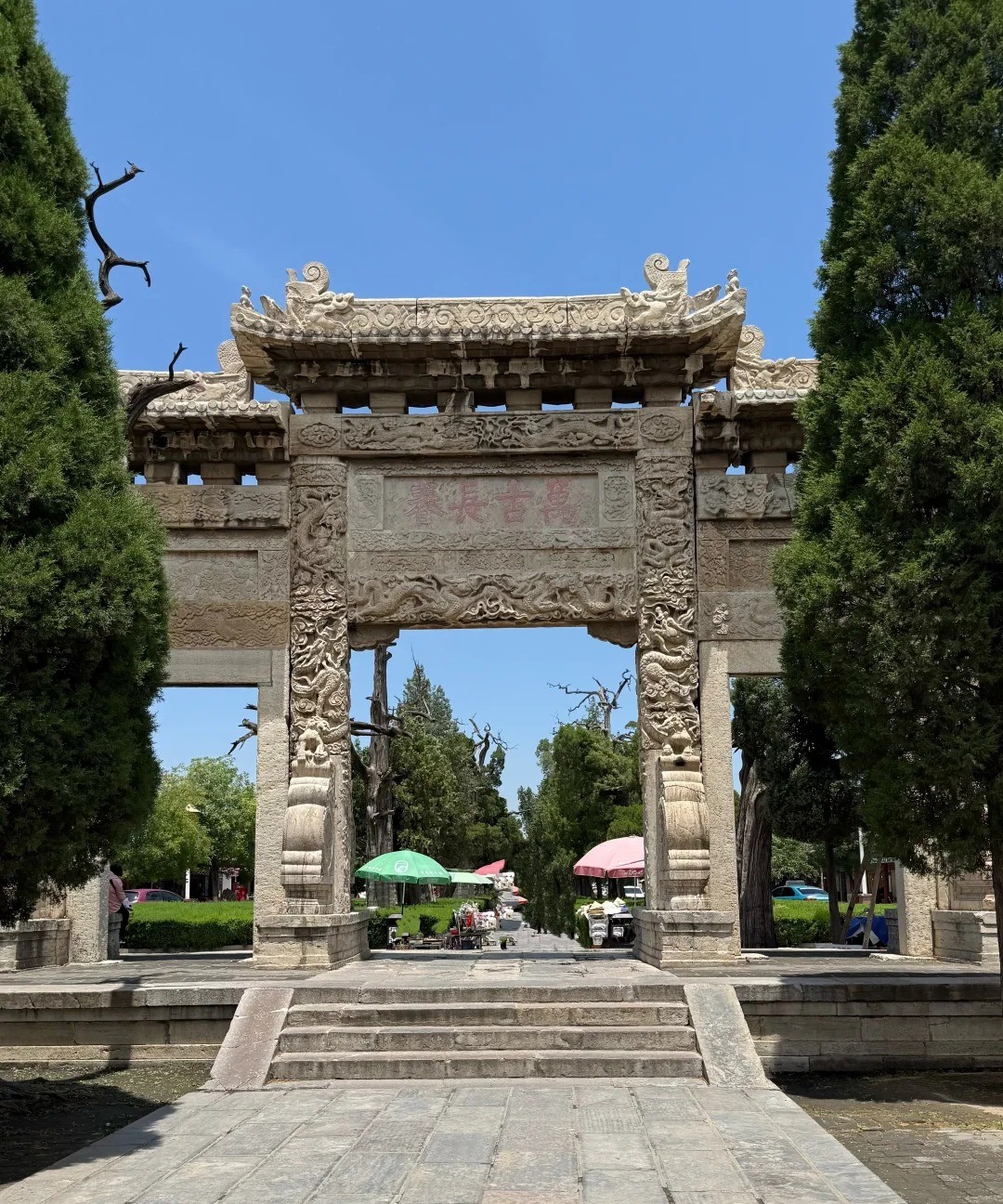
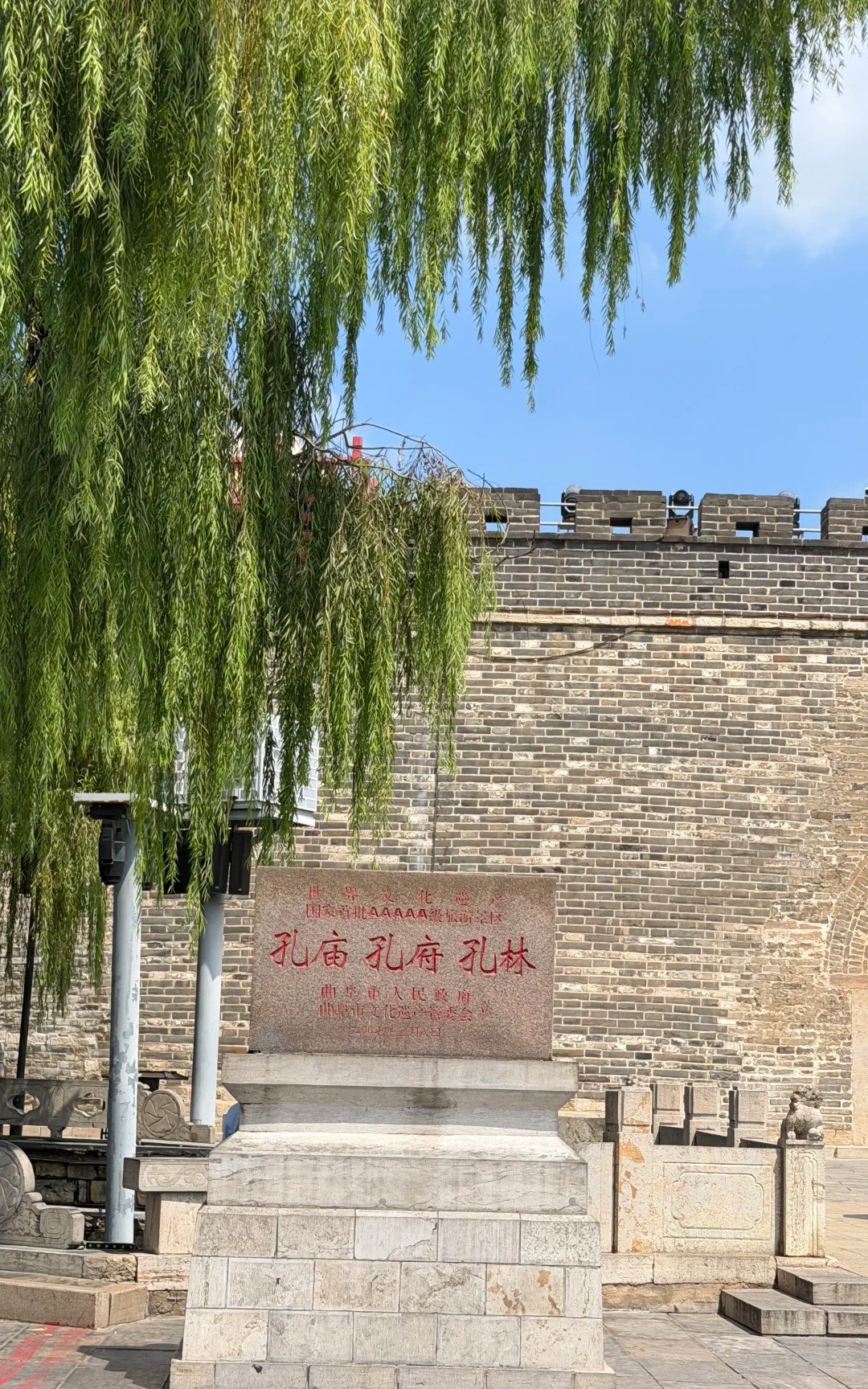
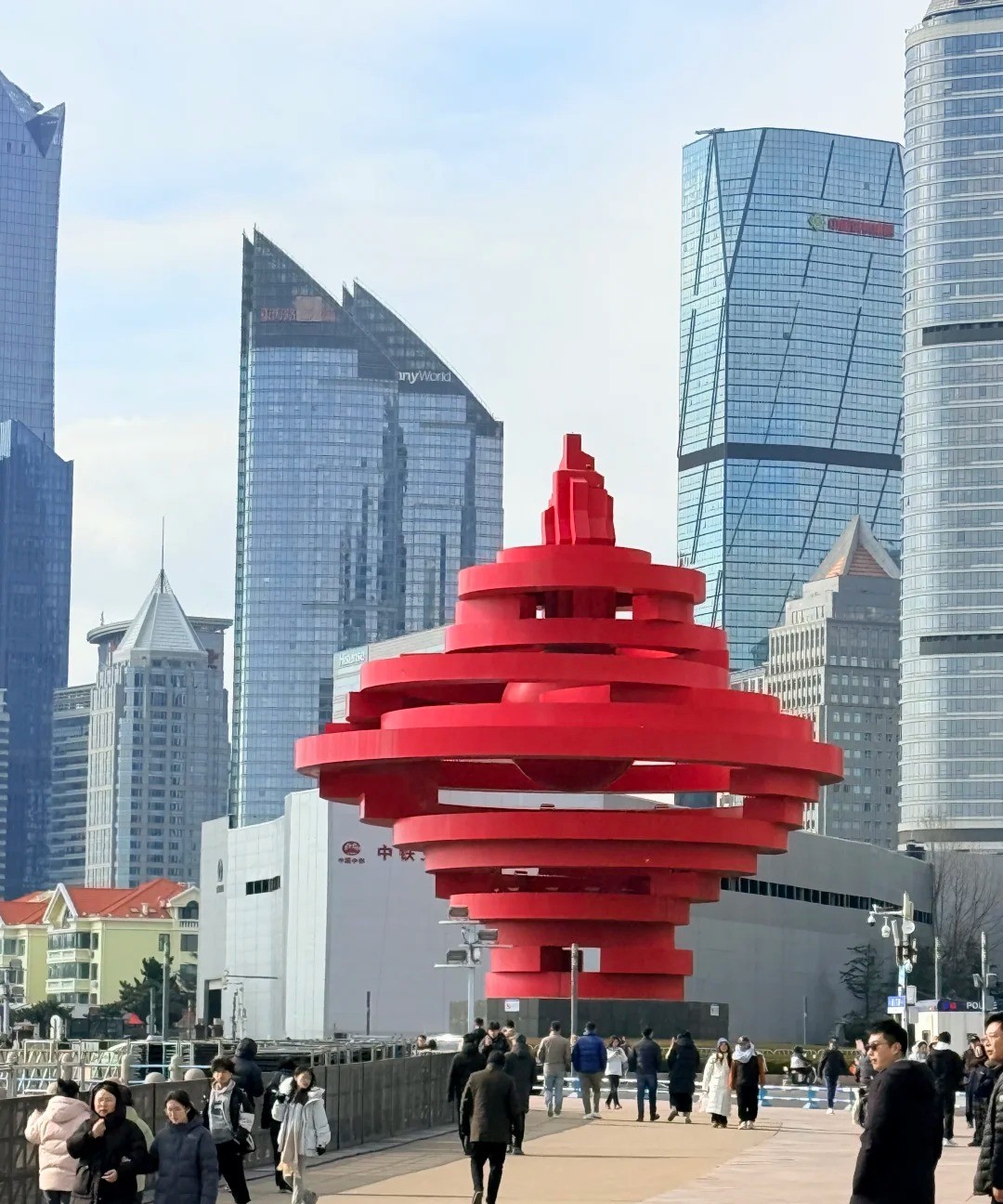
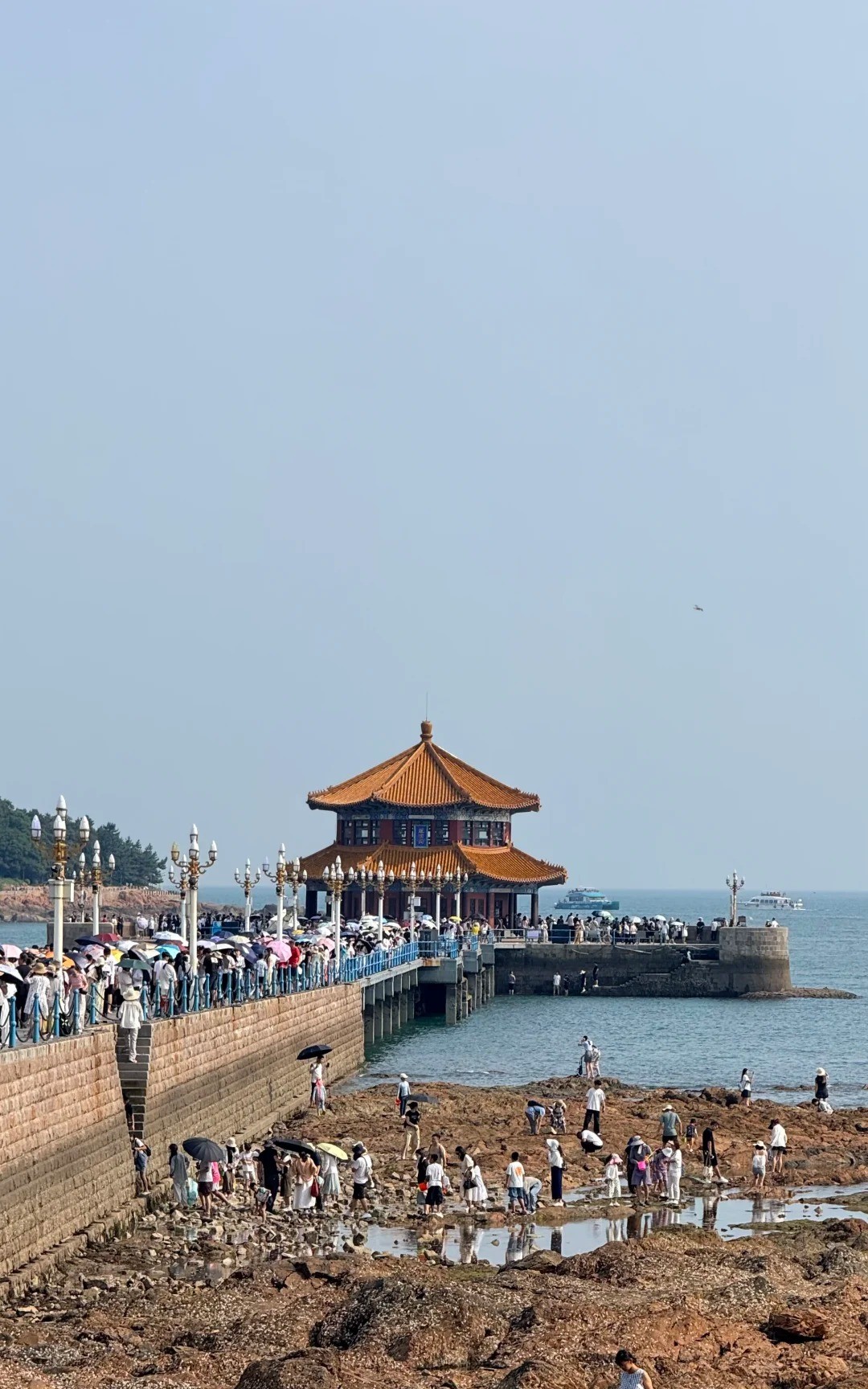
18 城Shandong Province is located on the eastern coast of China, in the lower reaches of the Yellow River. It covers an area of approximately 157,900 square kilometers and has a permanent population of about 102 million (2023 data). Shandong is one of the important birthplaces of Chinese civilization, where Confucius and Mencius, the founders of Confucian culture, were born. Mount Tai is revered as the foremost of the Five Great Mountains, and the Confucius Temple, Confucius Mansion, and Confucius Forest in Qufu are UNESCO World Heritage sites. Coastal cities such as Qingdao, Yantai, and Weihai are famous for their beautiful coastlines and European-style architecture, and the Qingdao International Beer Festival is renowned worldwide. Shandong's economy ranks third in China, with developed agriculture, industry, and marine economy. It boasts the World Natural and Cultural Heritage site Mount Tai and the World Cultural Heritage site Qi Great Wall. Its unique geographical location and historical accumulation make Shandong a tourist destination integrating mountain and sea scenery, Confucian culture, and marine civilization.
 18 城
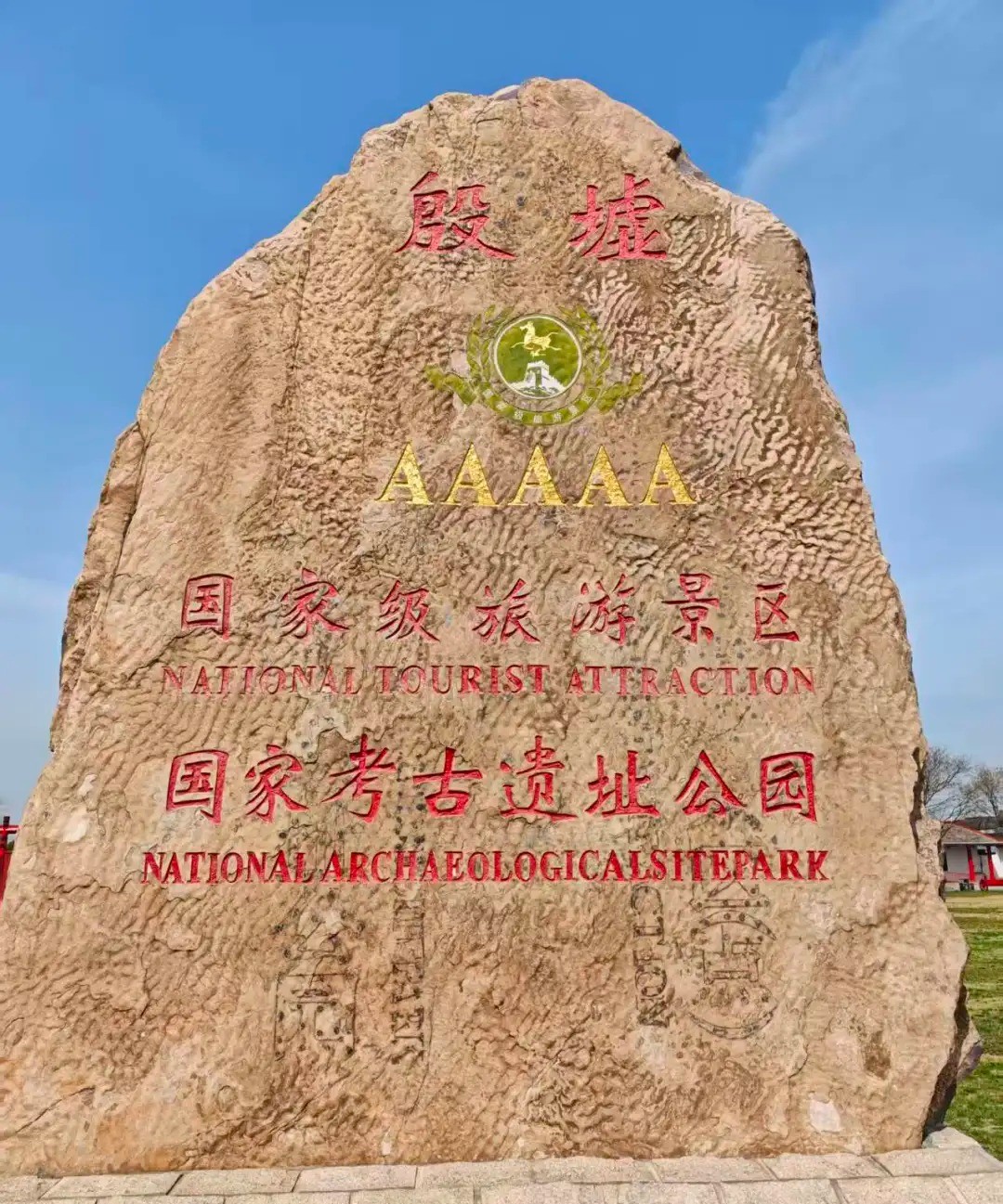
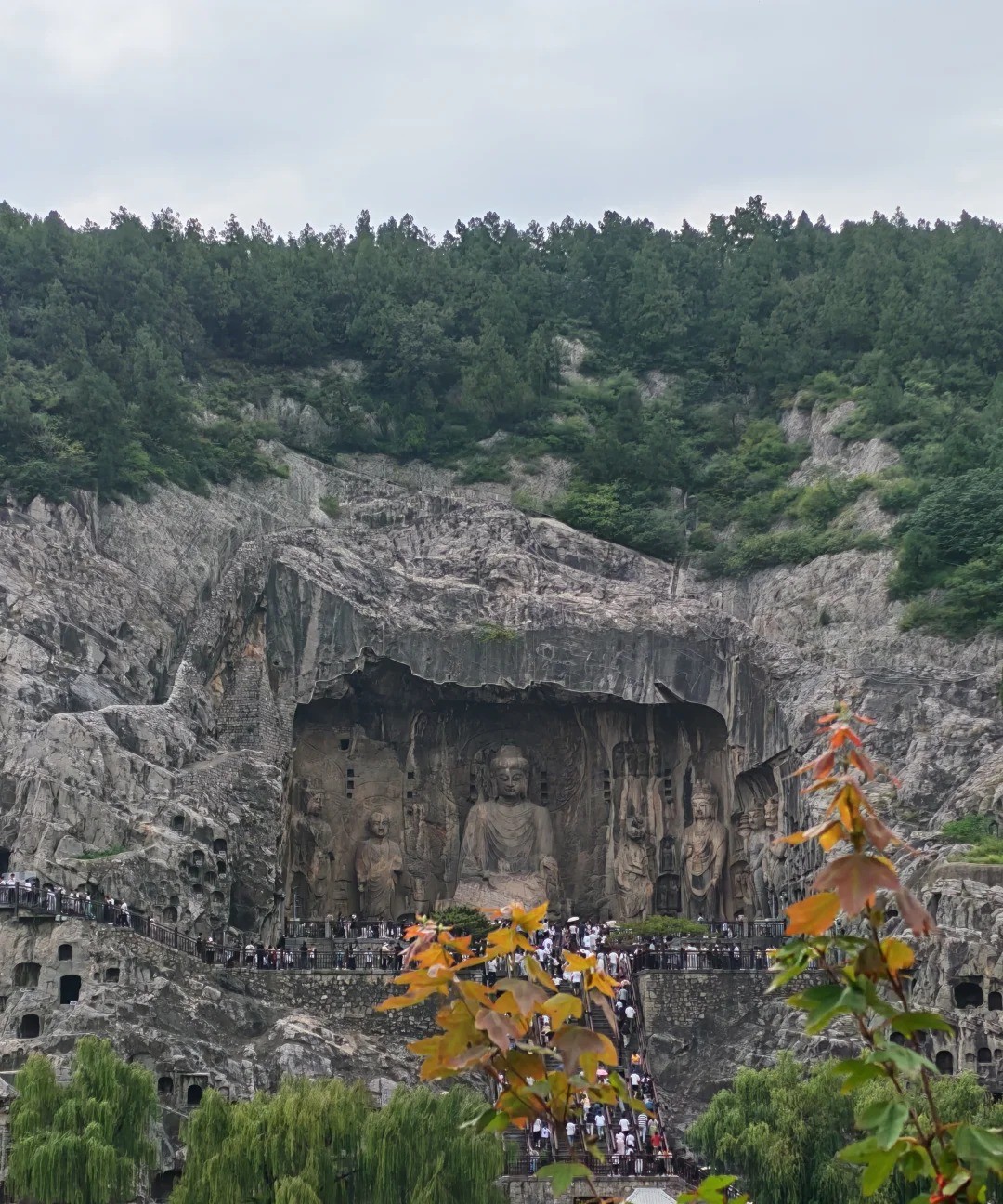
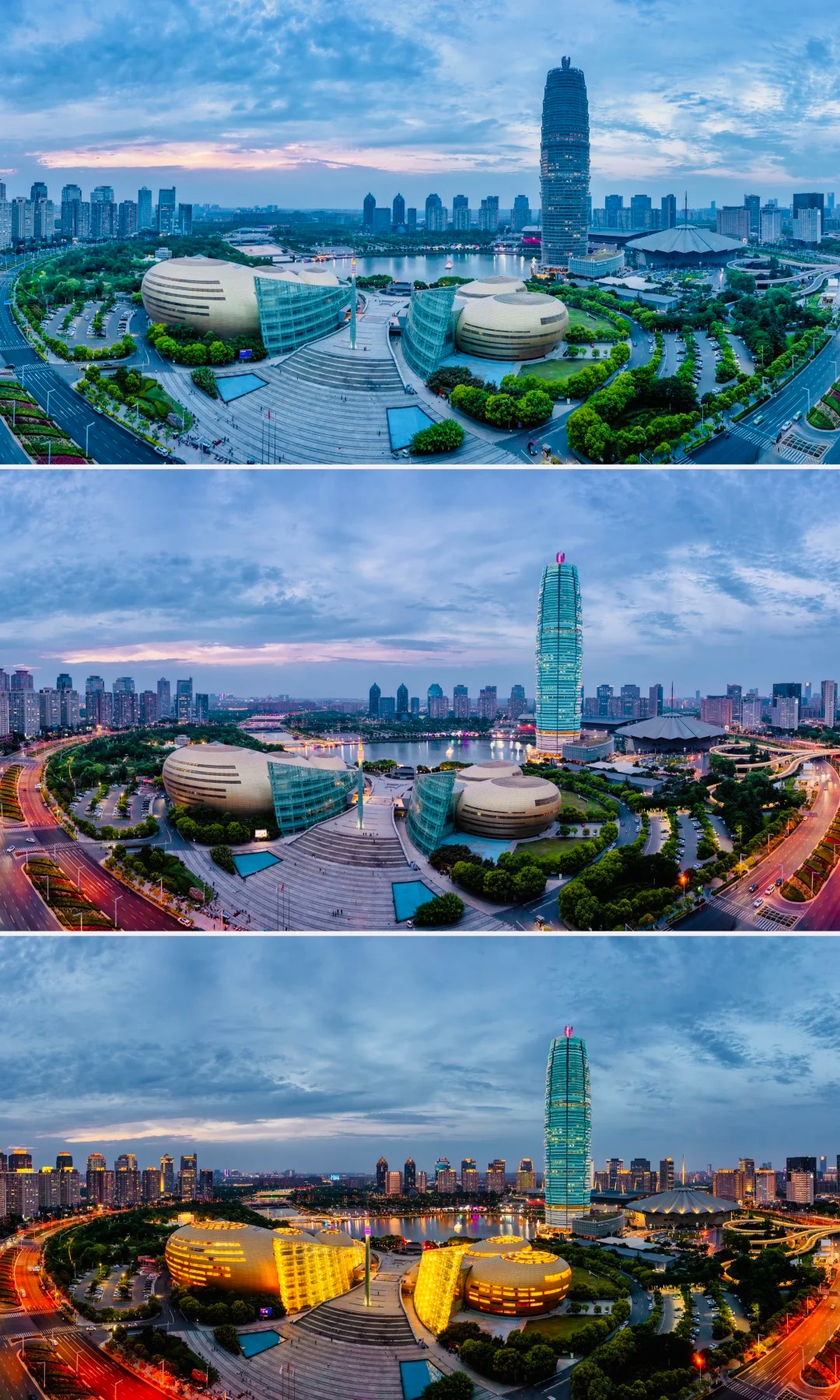
18 城Henan, abbreviated as Yu, is located in the central-eastern part of China, in the middle and lower reaches of the Yellow River. It covers an area of approximately 167,000 square kilometers and has a permanent population of about 98.72 million (2023 data). It is one of the important birthplaces of Chinese civilization. Situated in the heart of the Central Plains, Henan is known as the 'hinterland of the nine provinces and thoroughfare of ten provinces.' Historically, more than 20 dynasties established their capitals here, making it the province with the most capitals and the longest history in China. It boasts four ancient capitals: Luoyang, Kaifeng, Anyang, and Zhengzhou, as well as world-class cultural heritage sites such as Mount Song, Longmen Grottoes, Yinxu, and Shaolin Temple. Henan is the core region of Chinese civilization, nurturing cultures like Heluo, Yangshao, and Shangdu. It is also the hometown of historical figures such as Laozi, Zhuangzi, Du Fu, and Yue Fei. As a populous and agricultural province, Henan not only carries a profound history but also showcases the vitality of modern development, making it an essential province for understanding Chinese history and culture.
 15 城
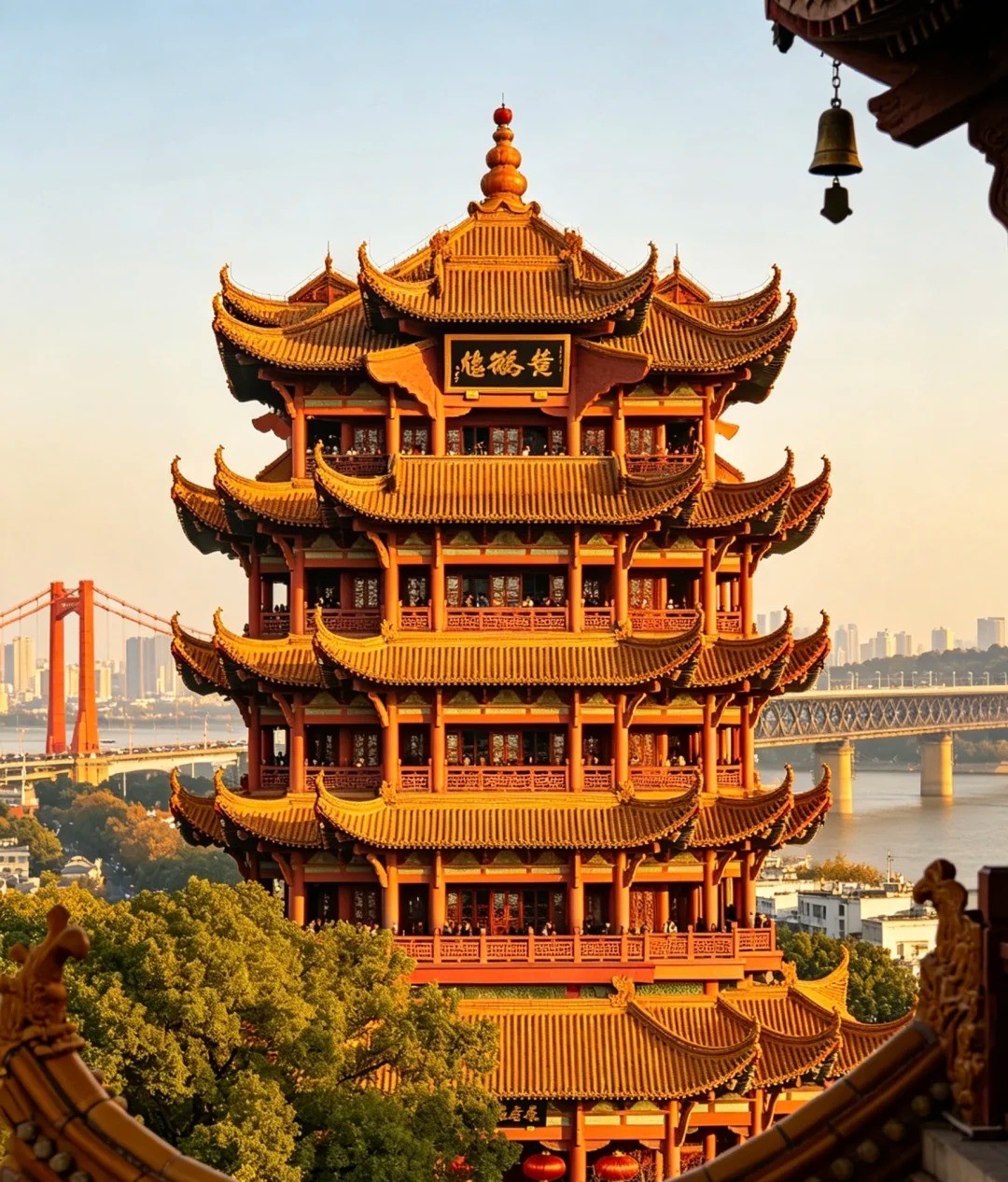
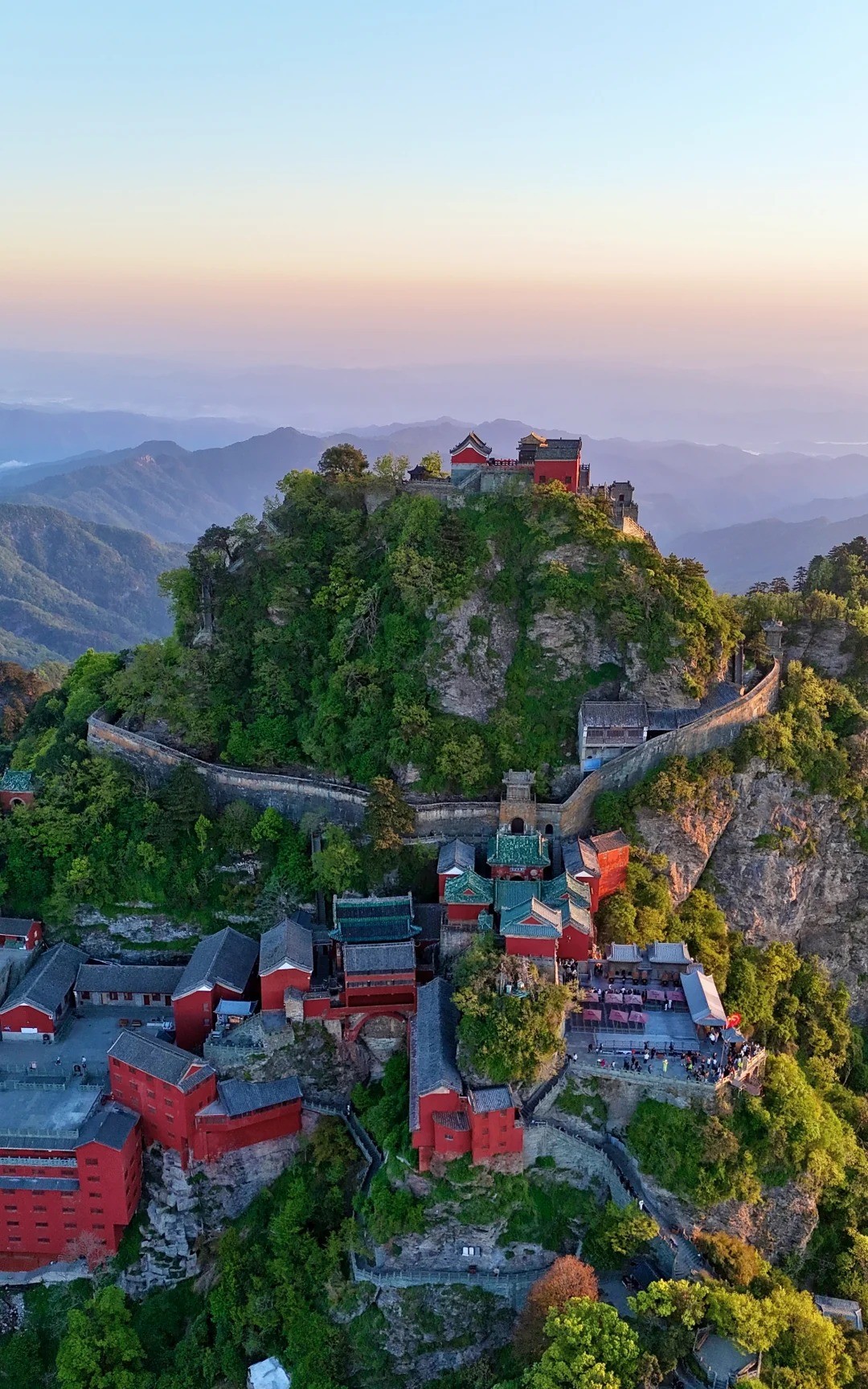
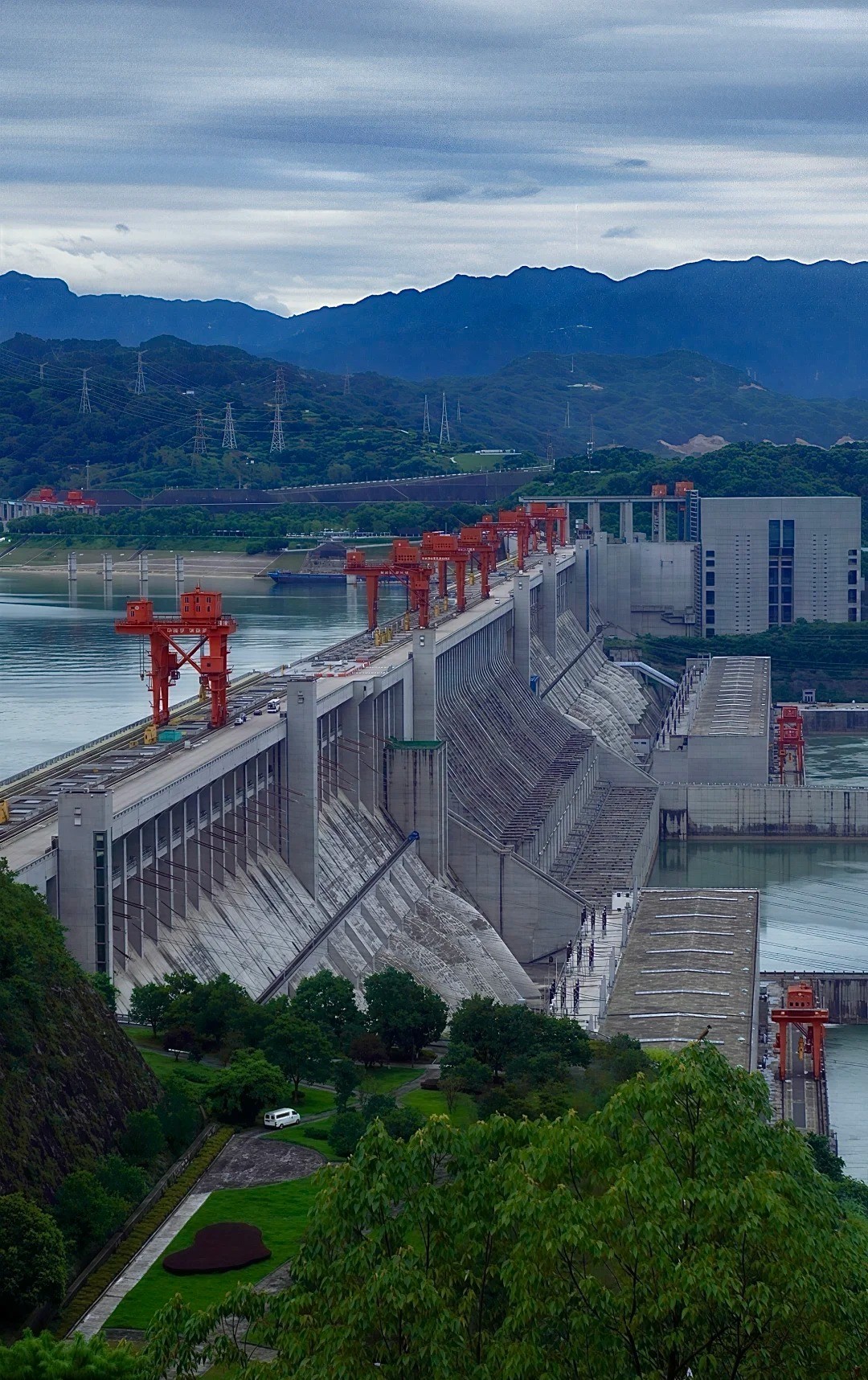
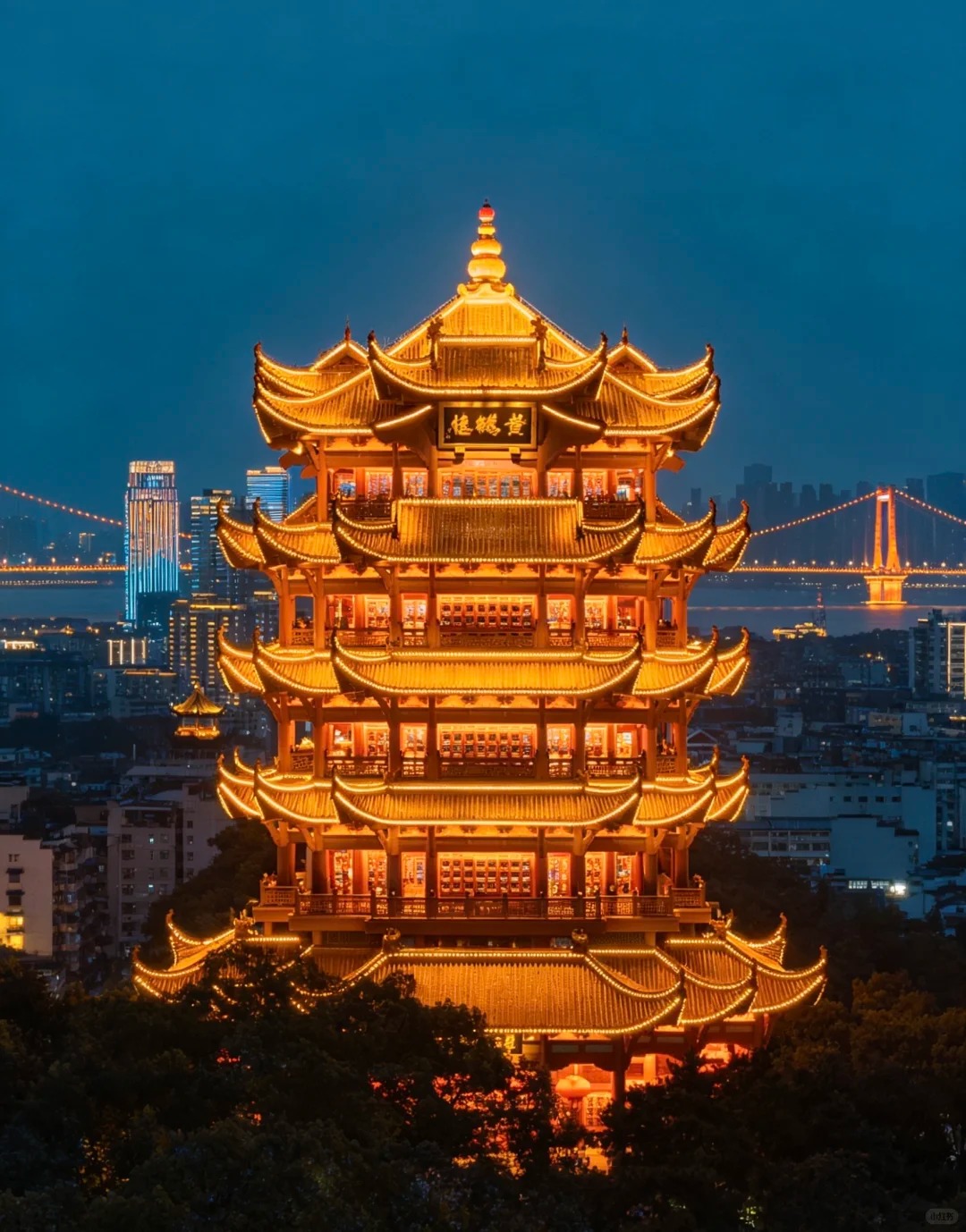
15 城Hubei Province, abbreviated as E, is located in central China, in the middle reaches of the Yangtze River, named for its location north of Dongting Lake. The province covers an area of 185,900 square kilometers, with a permanent population of approximately 58.44 million in 2023. Hubei is one of the important birthplaces of Chinese civilization, home to the World Cultural Heritage sites of the Wudang Mountains ancient building complex and the Ming Xianling Tomb, as well as the World Natural Heritage site of Shennongjia. The capital, Wuhan, is the largest city in central China, known as the 'thoroughfare of nine provinces.' Hubei has a long history, with profound Three Kingdoms and Chu cultures, and historical figures such as Qu Yuan, Zhuge Liang, and Li Shizhen hail from here. The Yangtze and Han Rivers converge here, with numerous lakes, living up to its reputation as the 'province of a thousand lakes.' The Three Gorges Dam, located in Yichang, is the world's largest water conservancy project. Hubei is also one of the birthplaces of modern Chinese industry, with the Hanyang Iron Works and the Wuchang Uprising marking milestones in modern Chinese history. With its blend of natural scenery and cultural attractions, Hubei is a dream destination for domestic and international tourists.
 17 城
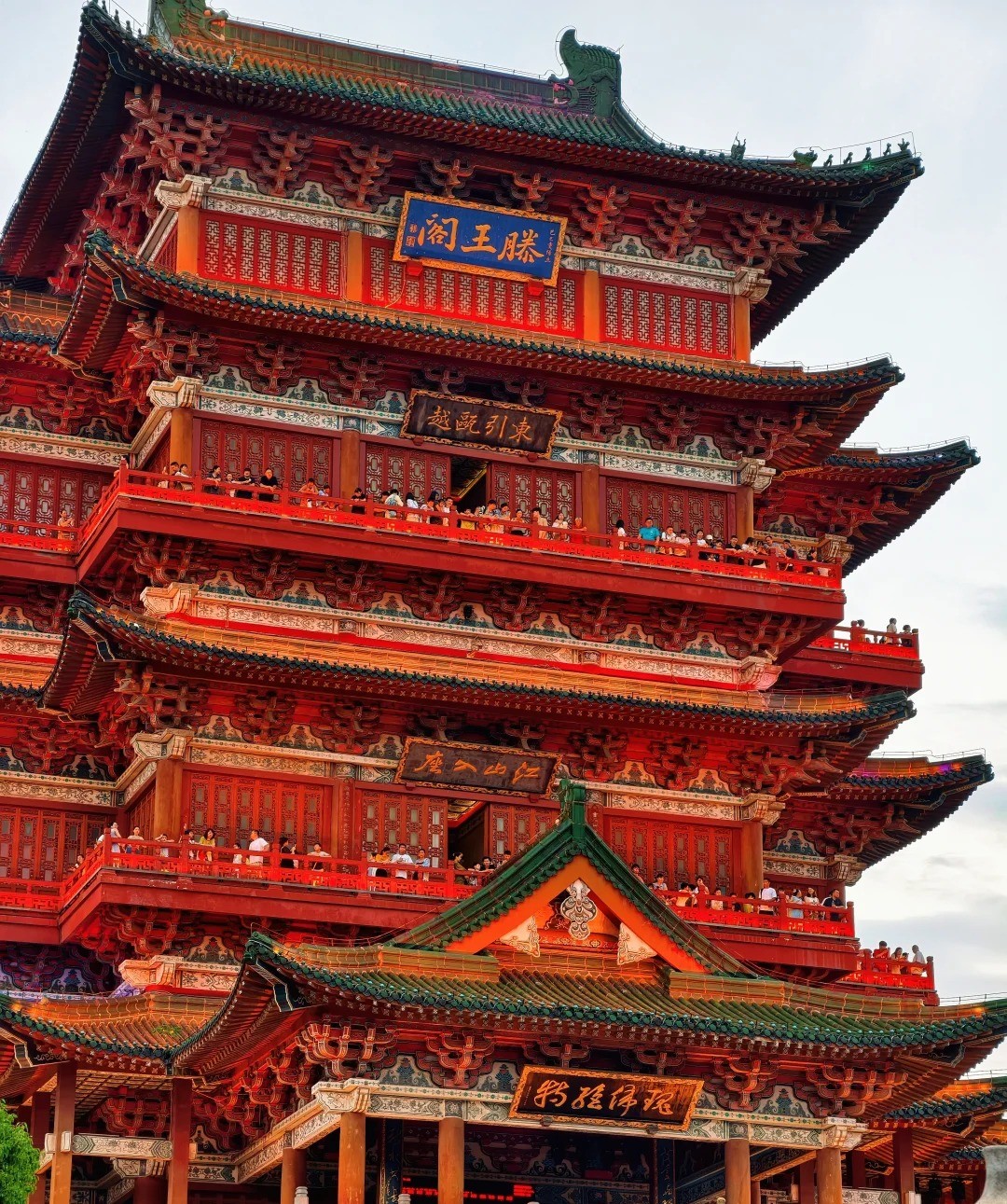
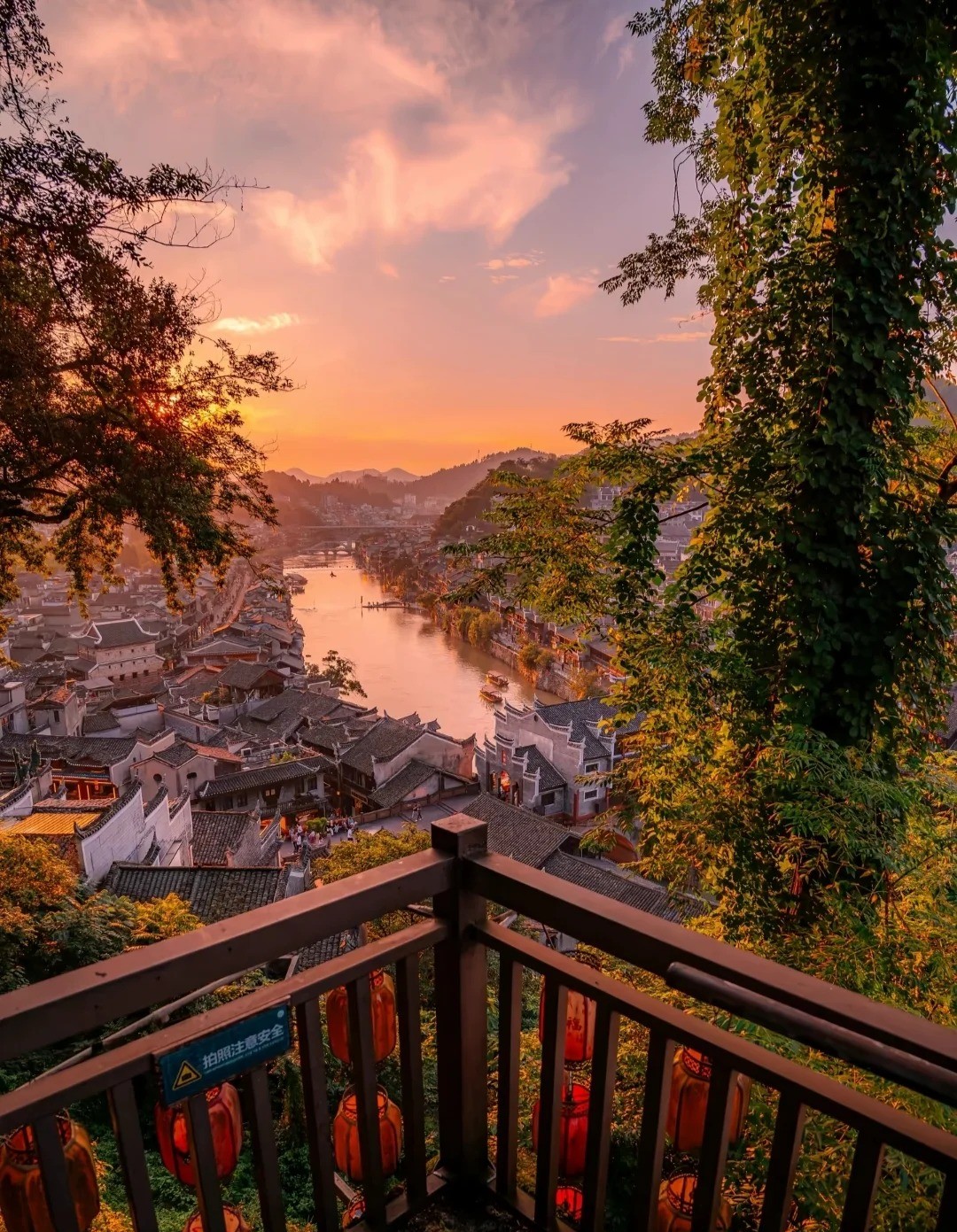
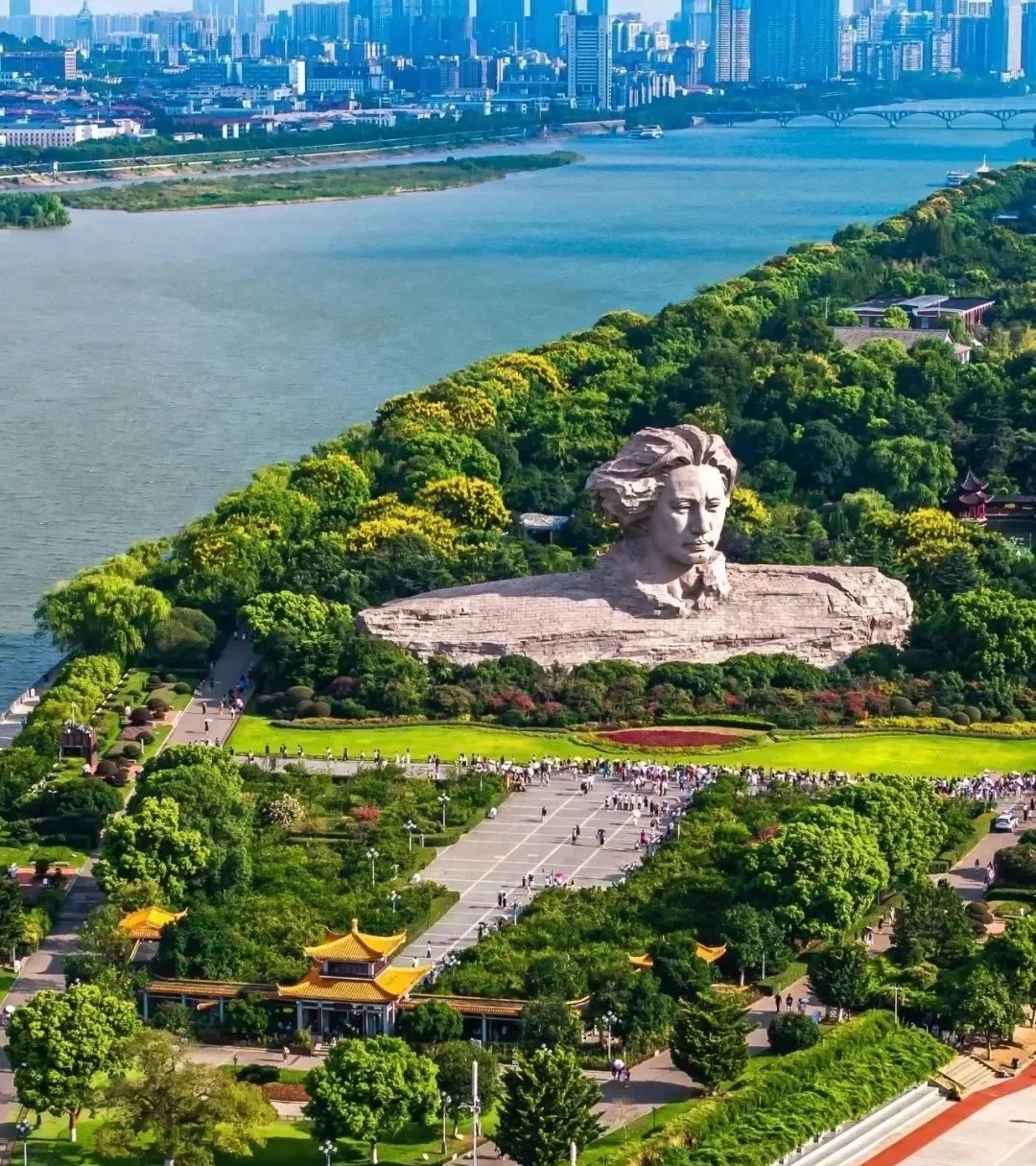
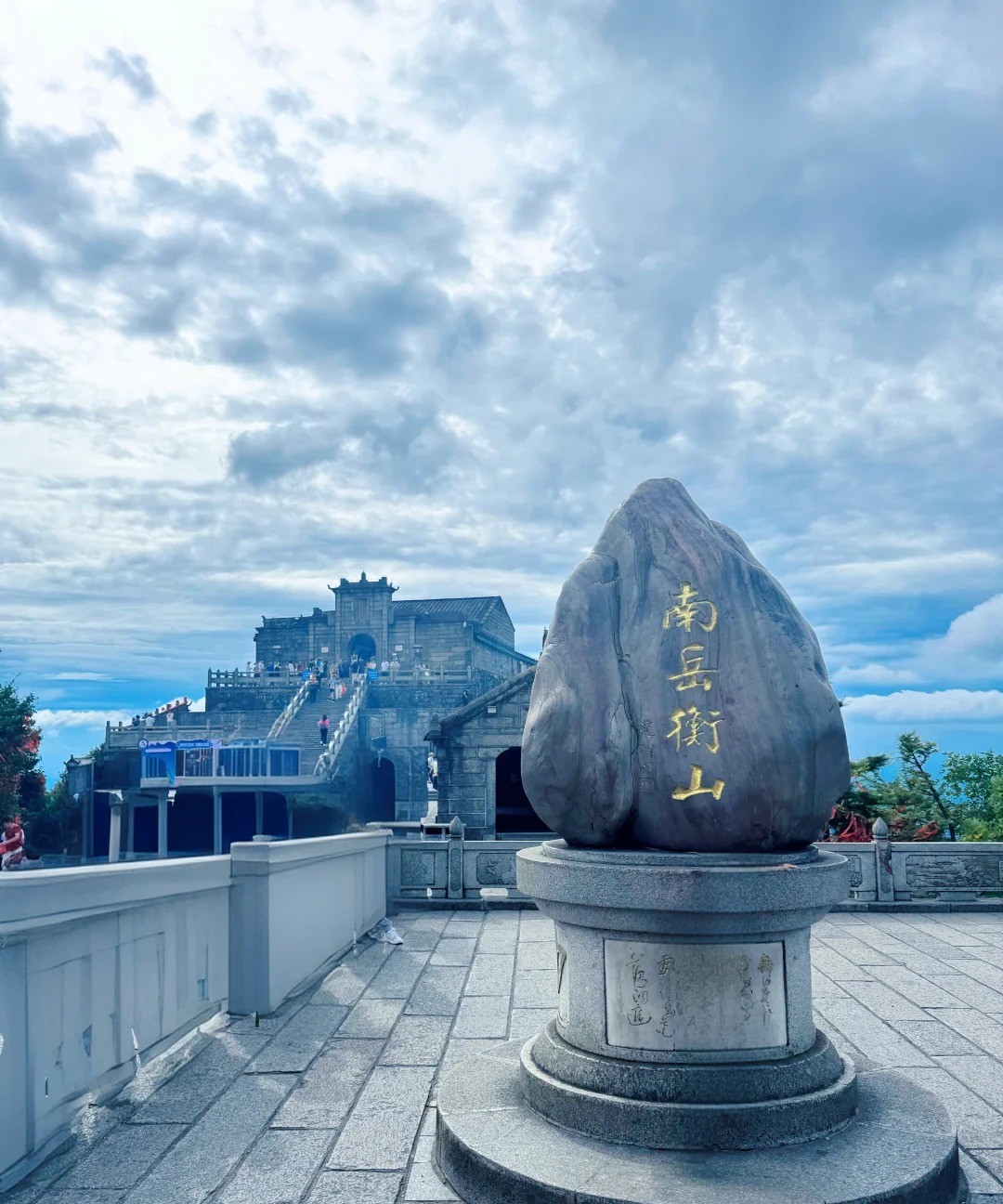
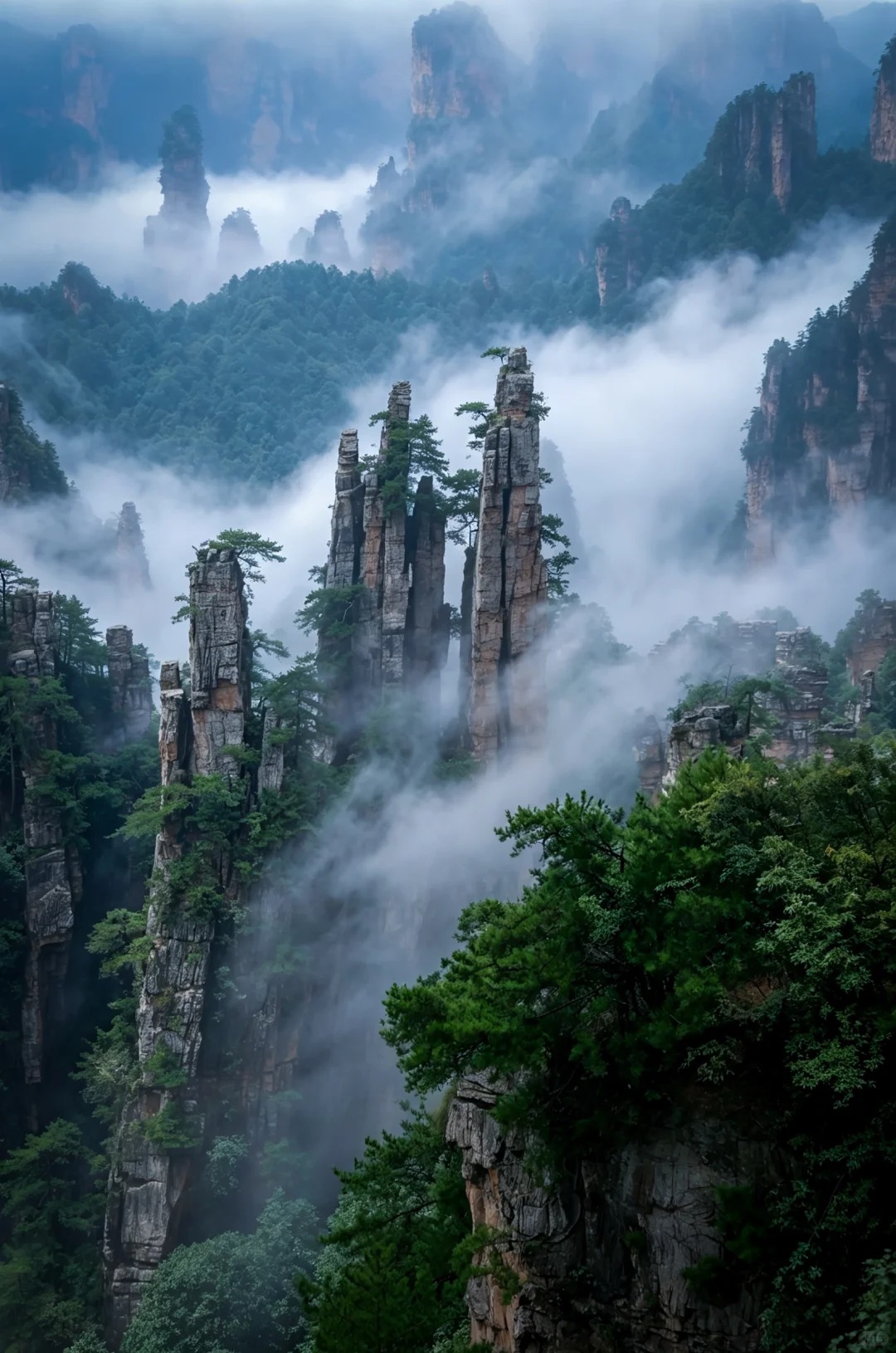
17 城Hunan Province, abbreviated as Xiang, is located in south-central China, in the middle reaches of the Yangtze River. It is named for being south of Dongting Lake. The province covers an area of 211,800 square kilometers, with a permanent population of about 66 million in 2023. The capital is Changsha. Hunan has a long history and is one of the important birthplaces of Chinese civilization. The Xiang River basin nurtured the splendid Chu culture. It is known as the 'Land of Hibiscus,' 'Land of Fish and Rice,' and 'Land of Nonferrous Metals.' Hunan is the hometown of great men, including revolutionary leaders such as Mao Zedong, Liu Shaoqi, Peng Dehuai, and He Long, making it rich in red tourism resources. The World Natural Heritage site Zhangjiajie National Forest Park, famous for its unique quartz sandstone peak forest landscape, inspired the film Avatar. Additionally, Hunan boasts famous attractions such as Mount Heng (Nanyue), Fenghuang Ancient Town, Yueyang Tower, and Shaoshan. Xiang cuisine is one of China's eight major cuisines, known for its spicy flavor, with representative dishes like steamed fish head with chopped chili and stir-fried beef with chili. Hunan has profound cultural heritage, with intangible cultural heritages such as Xiang embroidery, Xiang opera, Huagu opera, and Tujia brocade. As a transportation hub, Changsha Huanghua International Airport and the high-speed rail network connect the province nationwide, offering excellent travel convenience.
 14 城
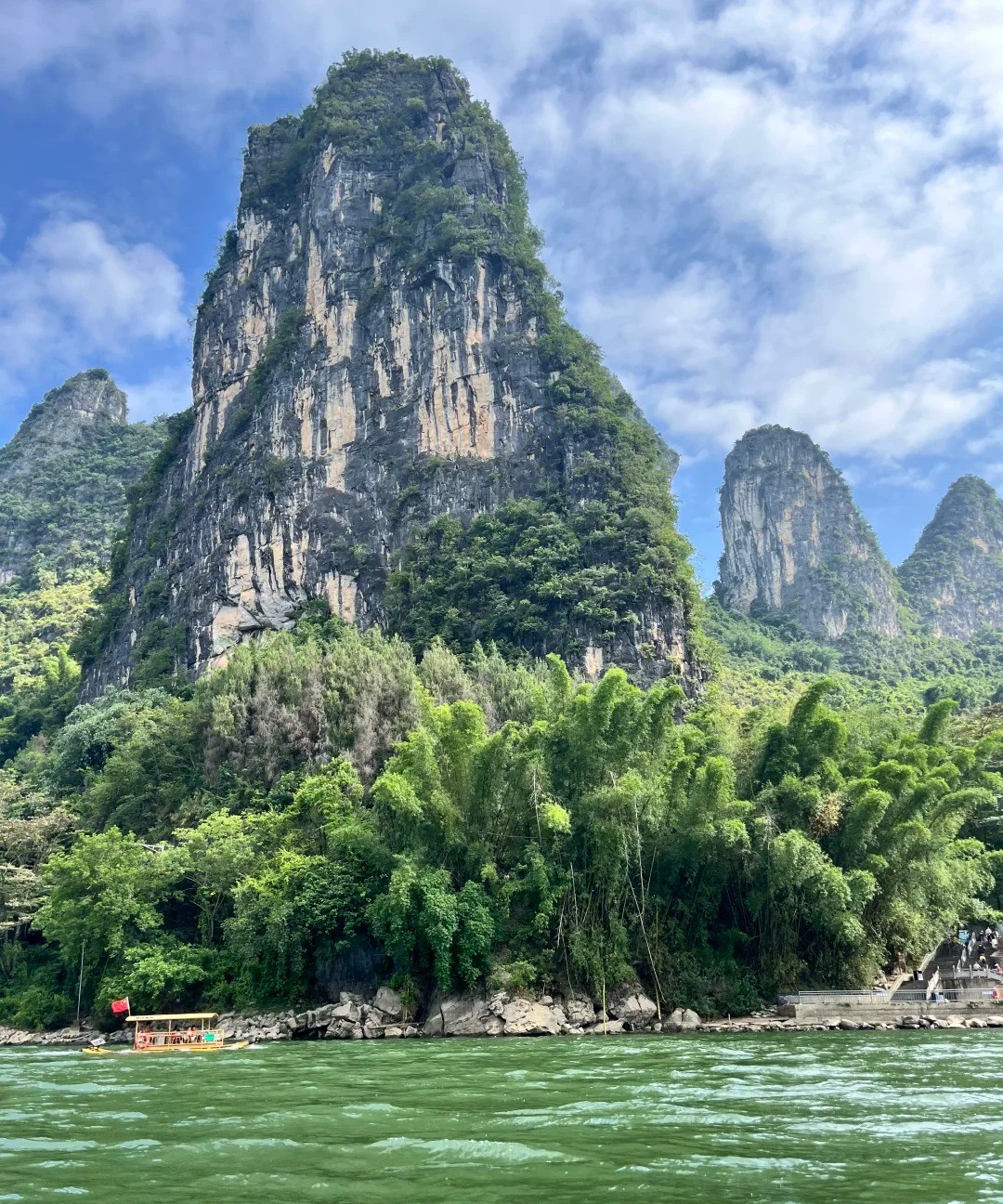
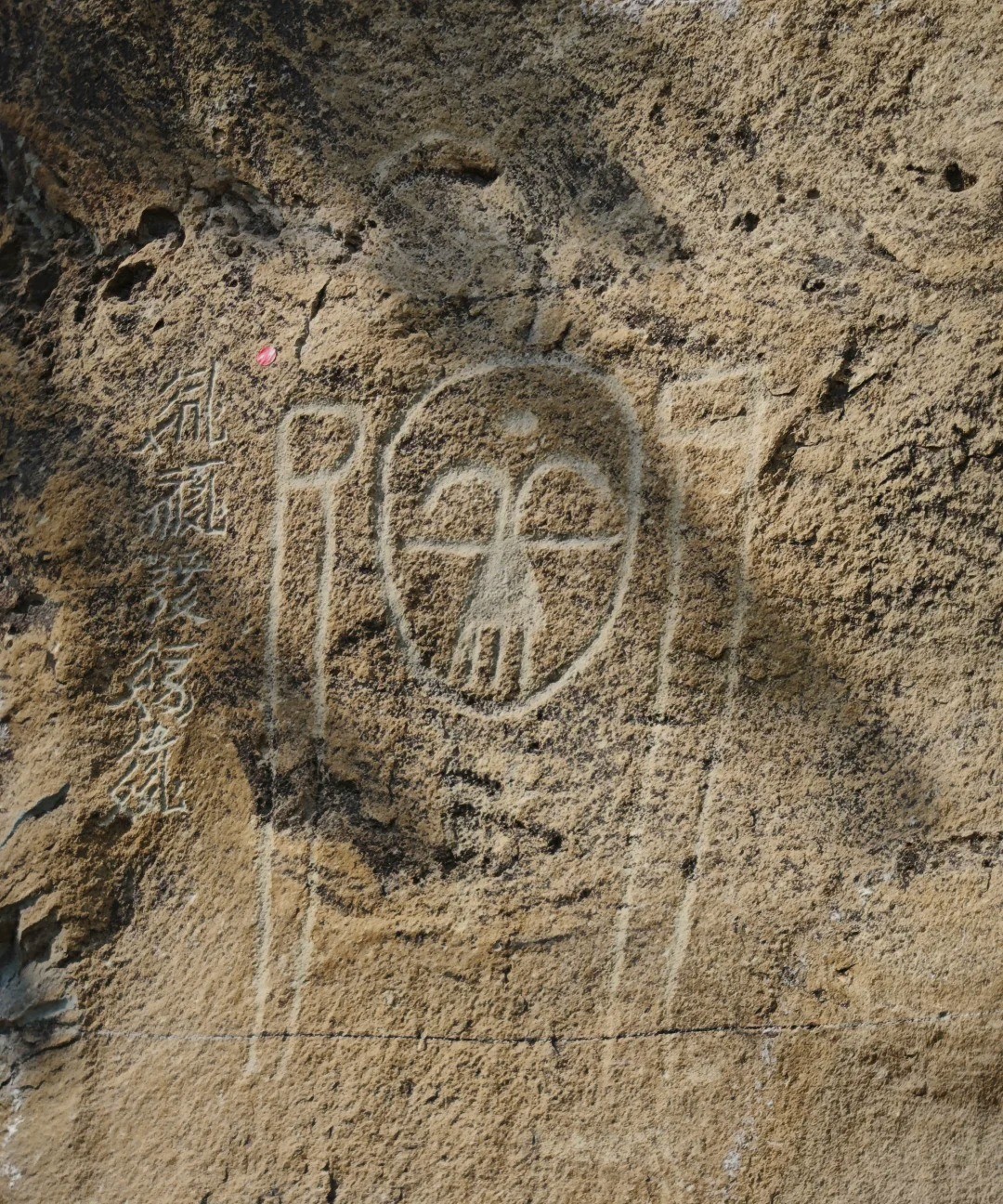
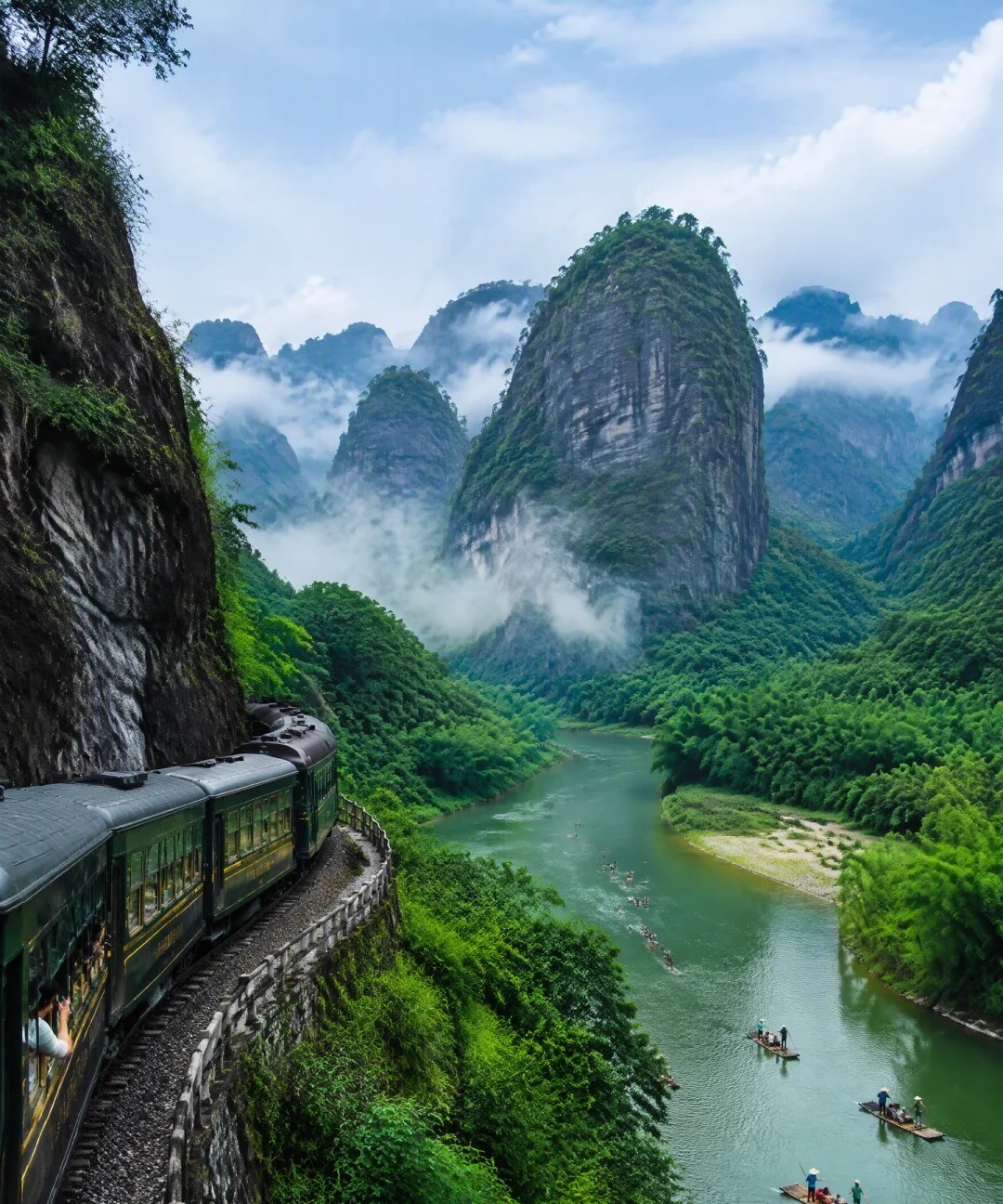
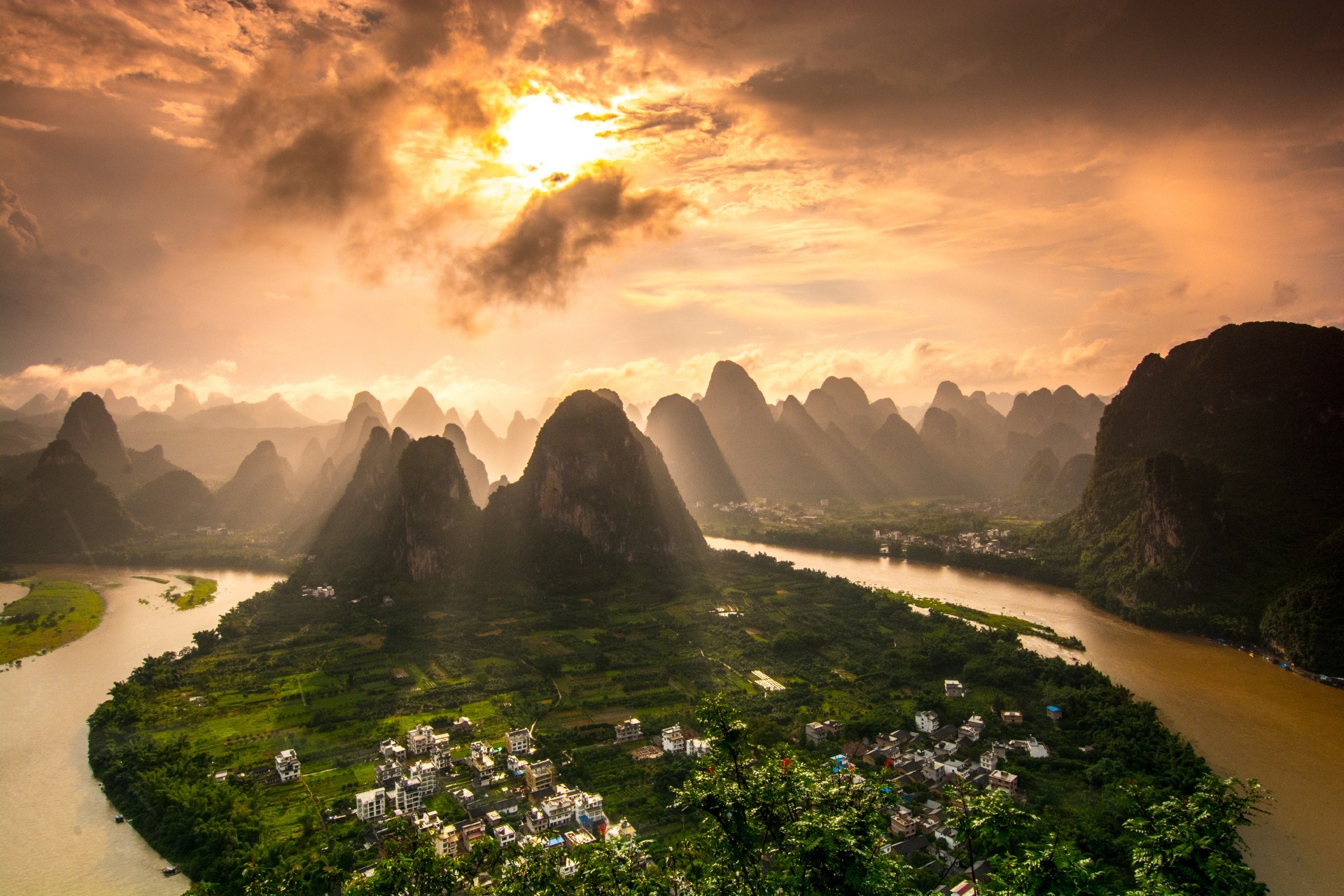
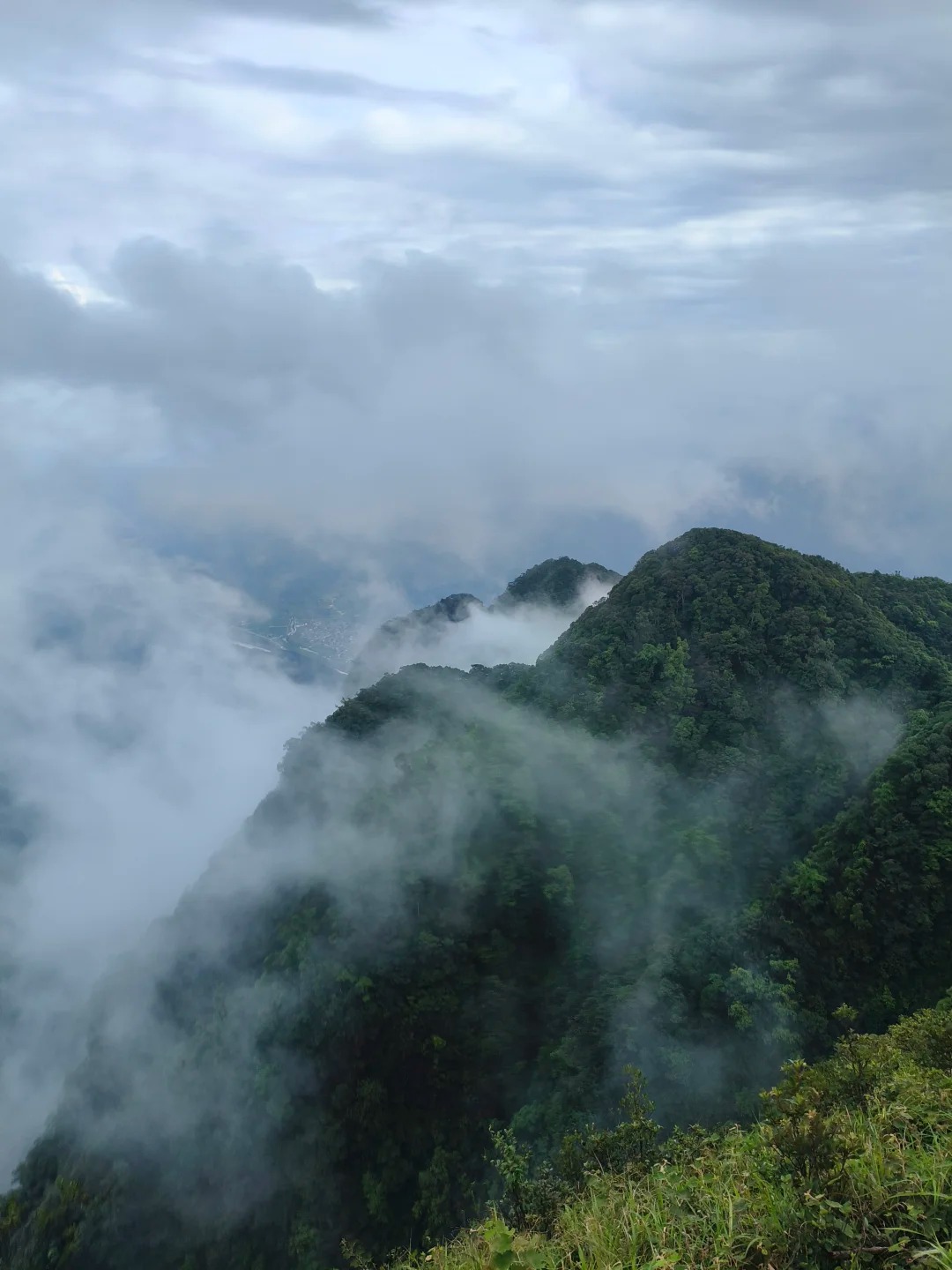
14 城Guangxi Zhuang Autonomous Region is located in southern China, bordering the Beibu Gulf to the south, with a total area of approximately 237,600 square kilometers and a permanent population of about 50.47 million (2023). As China's only coastal autonomous region, Guangxi is world-famous for its karst landscape, with natural wonders such as the stunning Guilin landscape, the Yangshuo Li River Gallery, and the Detian Transnational Waterfall. Guangxi is a multi-ethnic region, with the Zhuang ethnic group accounting for about 33% of the population, along with 11 other indigenous ethnic groups including Yao, Miao, and Dong. Intangible cultural heritages such as the Zhuang song fair, Miao Lusheng Festival, and Dong wind-rain bridges are rich and colorful. The capital Nanning is the permanent venue for the China-ASEAN Expo. Weizhou Island in Beihai boasts China's youngest volcanic island, and the Huashan Rock Paintings in Chongzuo are a World Cultural Heritage site. Guangxi is also a key node of the Belt and Road Initiative, with the Beibu Gulf Port connecting Southeast Asia. Its unique geography and culture make Guangxi a tourist destination integrating landscapes, coastal scenery, border customs, and ethnic culture.
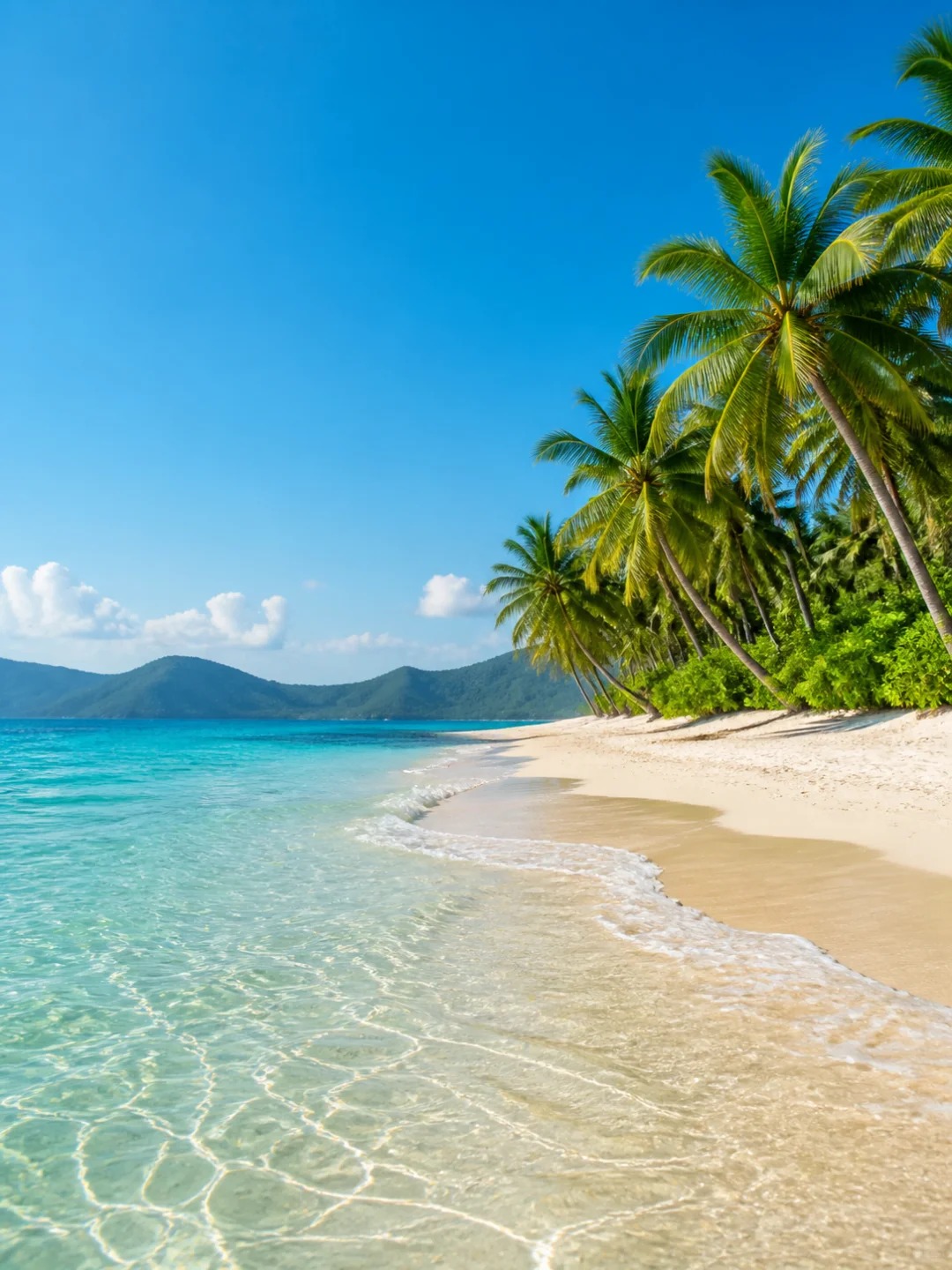 11 城
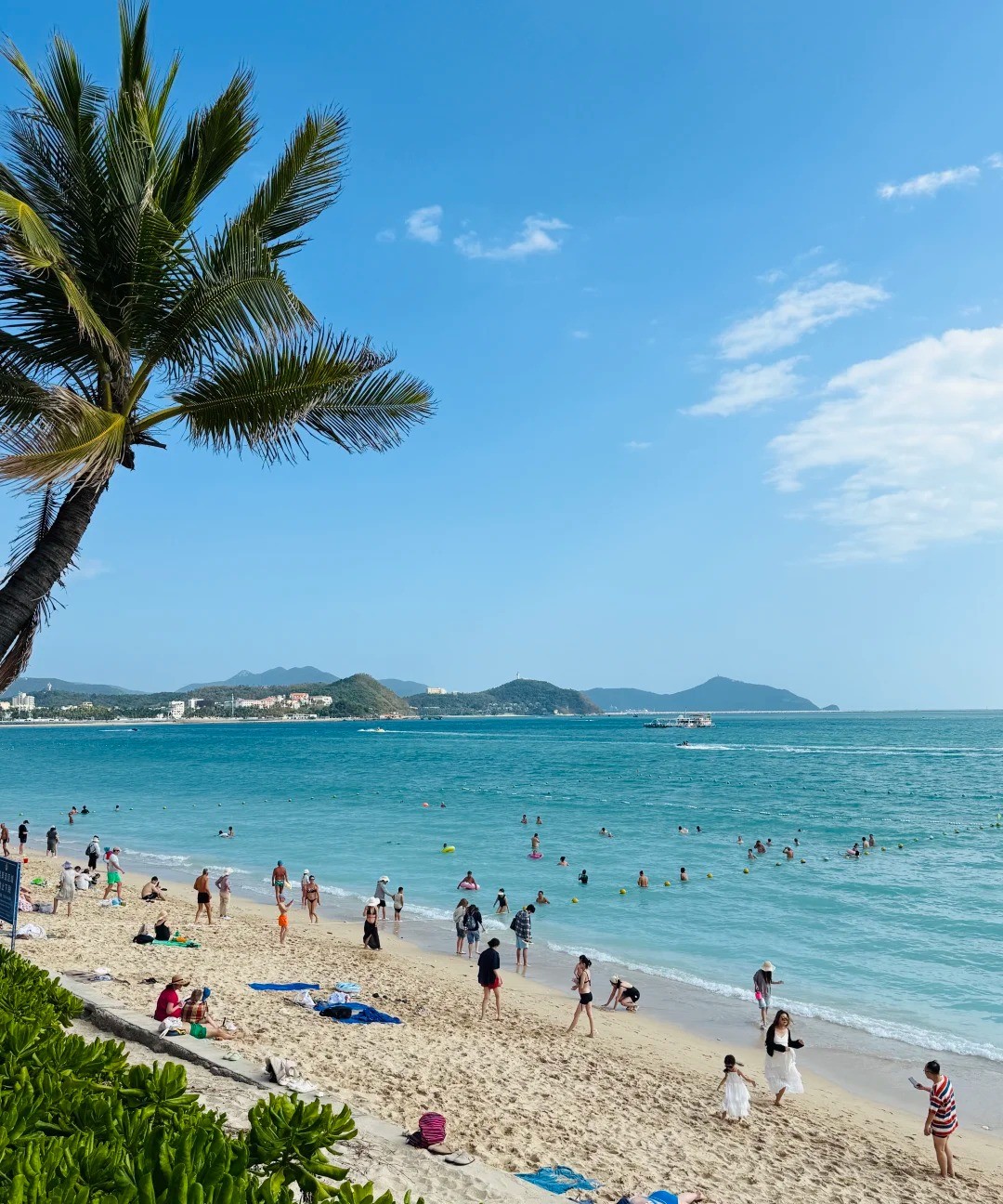
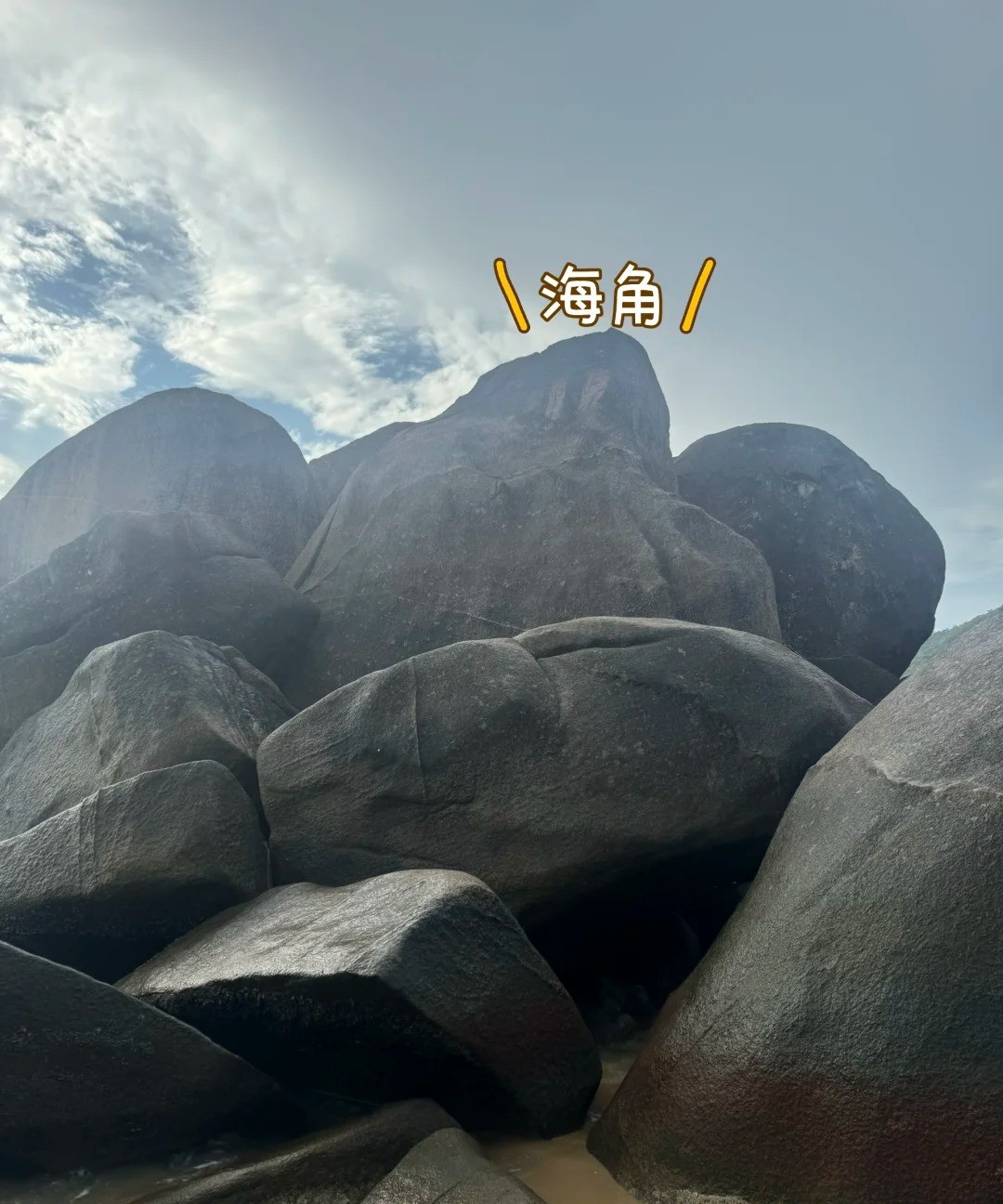
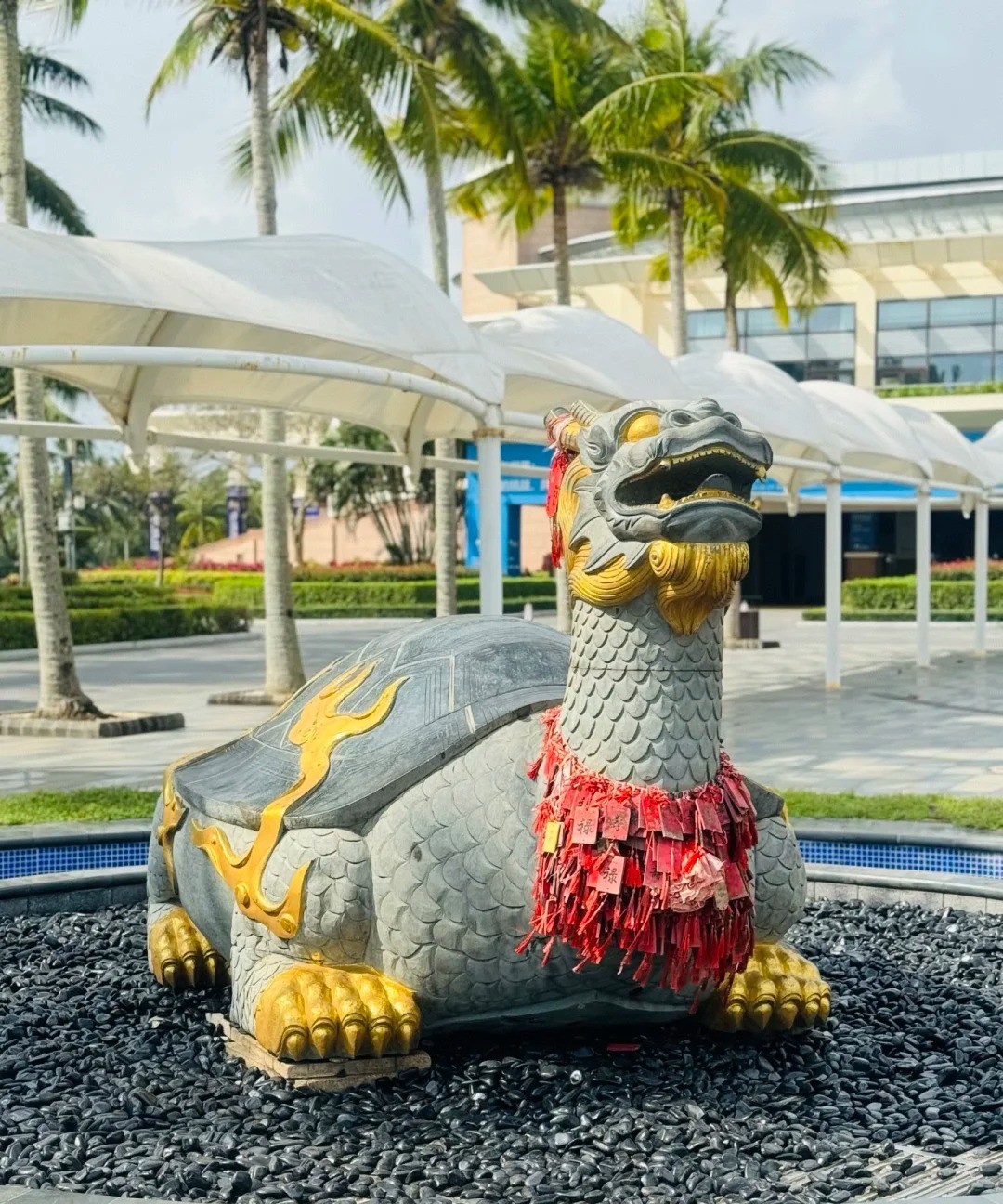
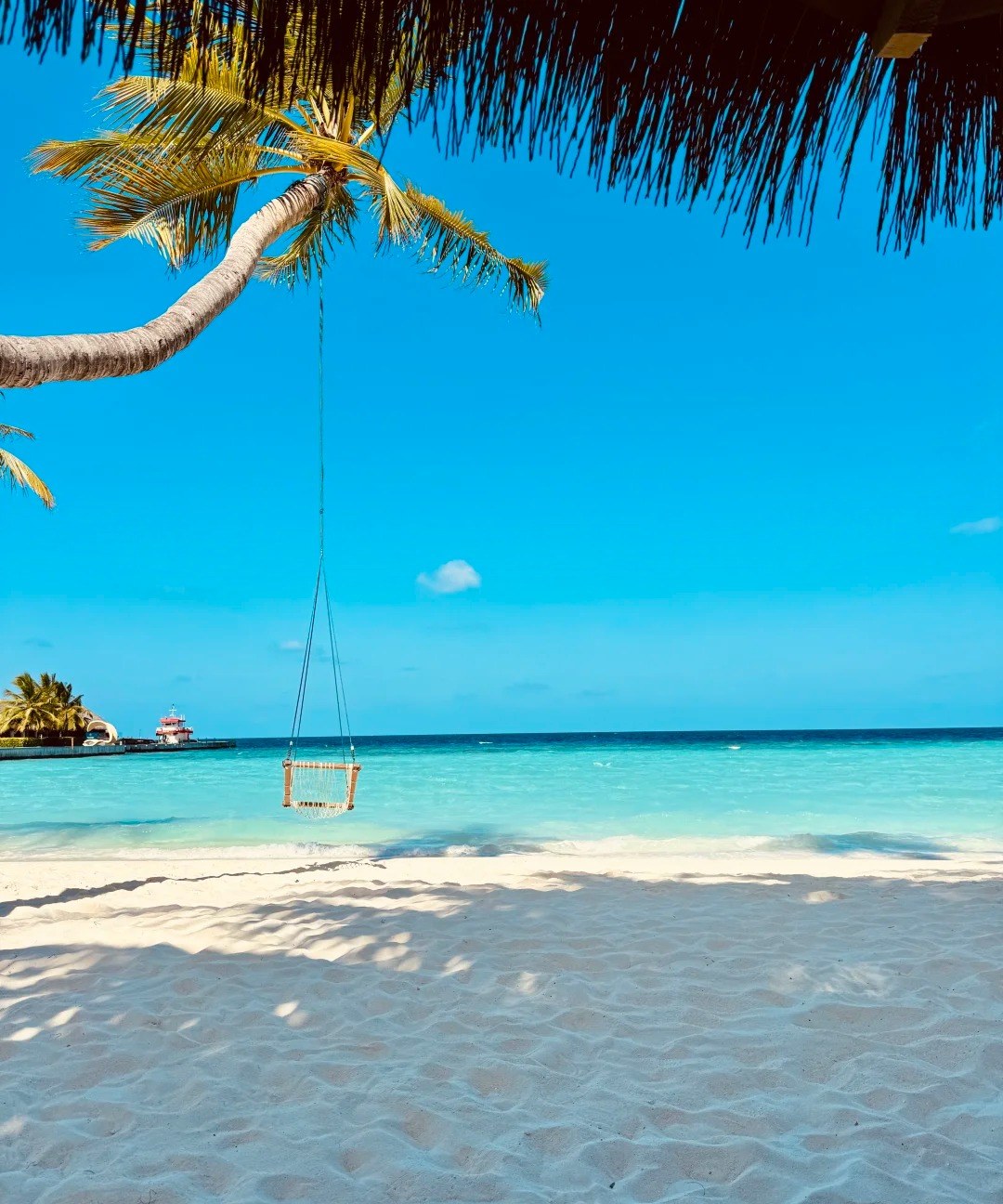
11 城Hainan, abbreviated as Qiong, is located at the southernmost tip of China. It faces Guangdong Province across the Qiongzhou Strait to the north, borders Vietnam across the Beibu Gulf to the west, faces the Philippines, Brunei, Malaysia and other countries across the South China Sea to the east, and borders Indonesia, Singapore and others across the South China Sea to the south. The total land area of the province is about 35,400 square kilometers (including Hainan Island and the Xisha, Nansha, Zhongsha Islands, etc.), with a sea area of about 2 million square kilometers, making it the largest provincial-level administrative region (including sea area) in China. As of the end of 2023, the permanent resident population is about 10.27 million. Hainan is the only tropical island province in China, with a unique tropical marine climate, an average annual temperature of 22-26°C, and is known as the "Oriental Hawaii." Its history dates back to the Han Dynasty, with Yazhou and Danzhou established in the Tang Dynasty, and Su Shi was exiled to Danzhou in the Song Dynasty, spreading Central Plains culture. In 1988, it became a province and China's largest special economic zone, and in 2018, it launched the construction of a free trade port. Hainan's culture is diverse, blending the cultures of the Li and Miao ethnic minorities, Nanyang overseas Chinese culture, and marine culture. It is famous for Tianya Haijiao, Nanshan Cultural Tourism Zone, and the Boao Forum for Asia. Its uniqueness lies in tropical rainforests, coconut palms and sea breezes, volcanic landforms, hot spring resources, and rich marine ecology, making it China's only tropical coastal tourist resort.
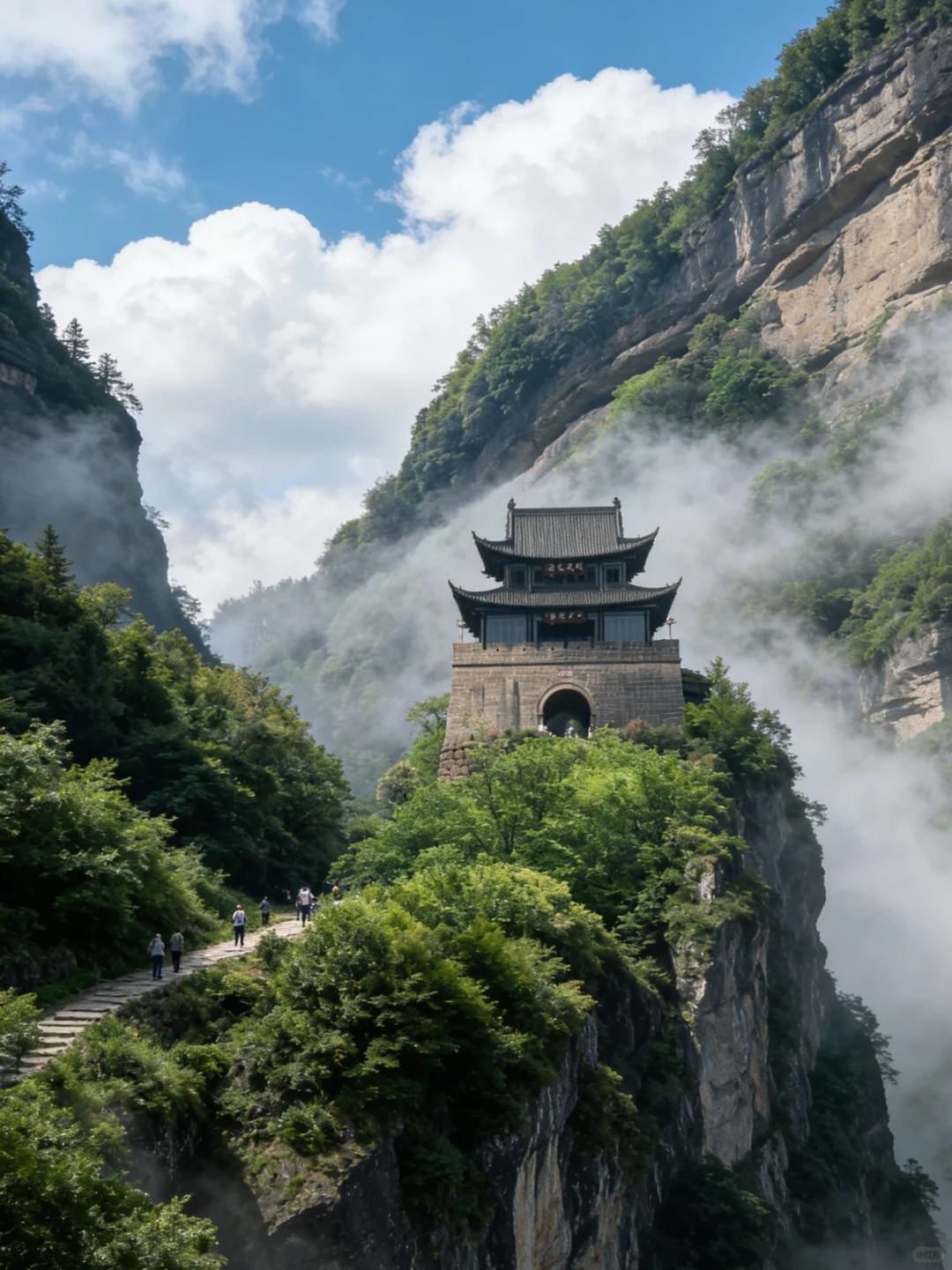 25 城
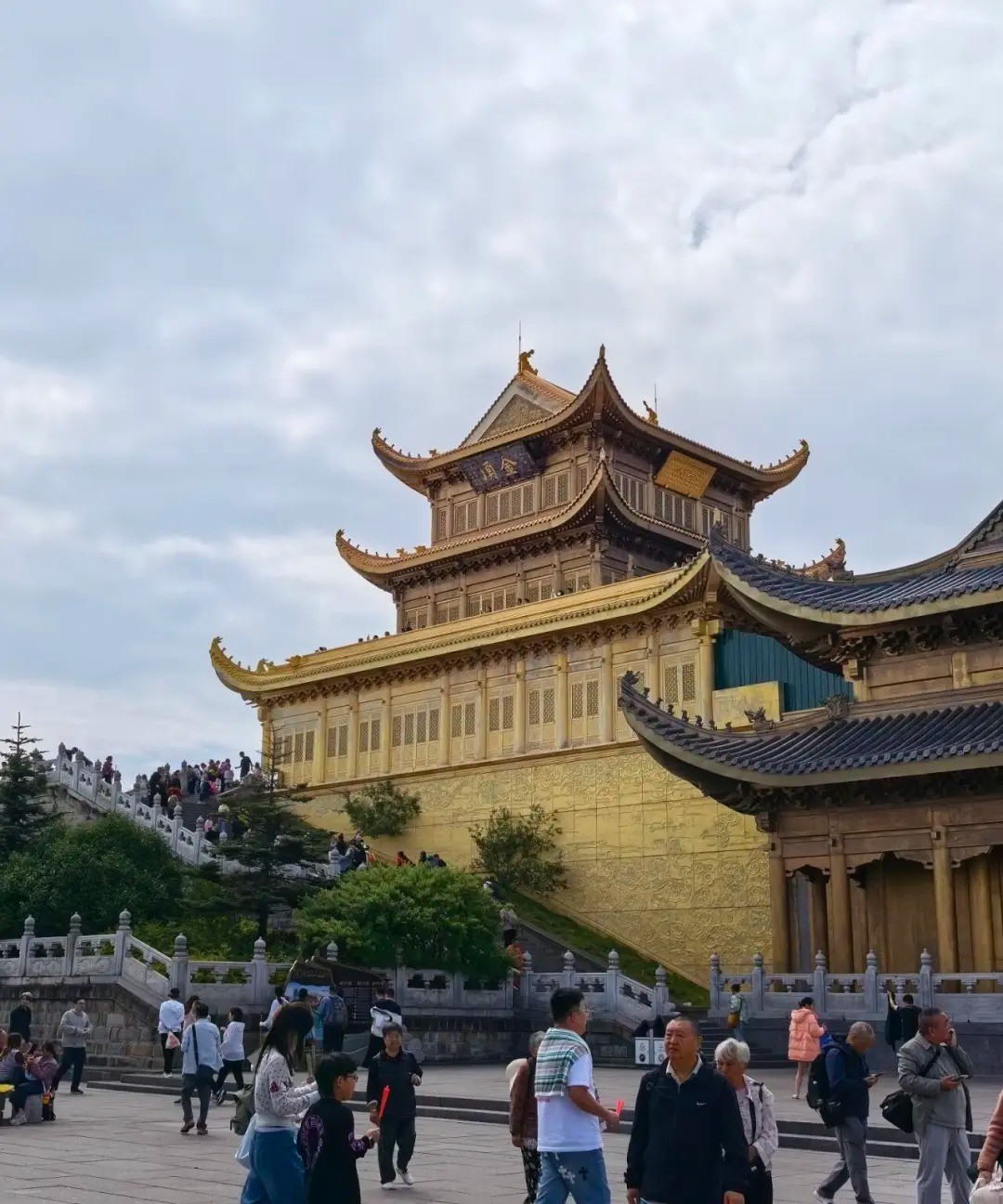
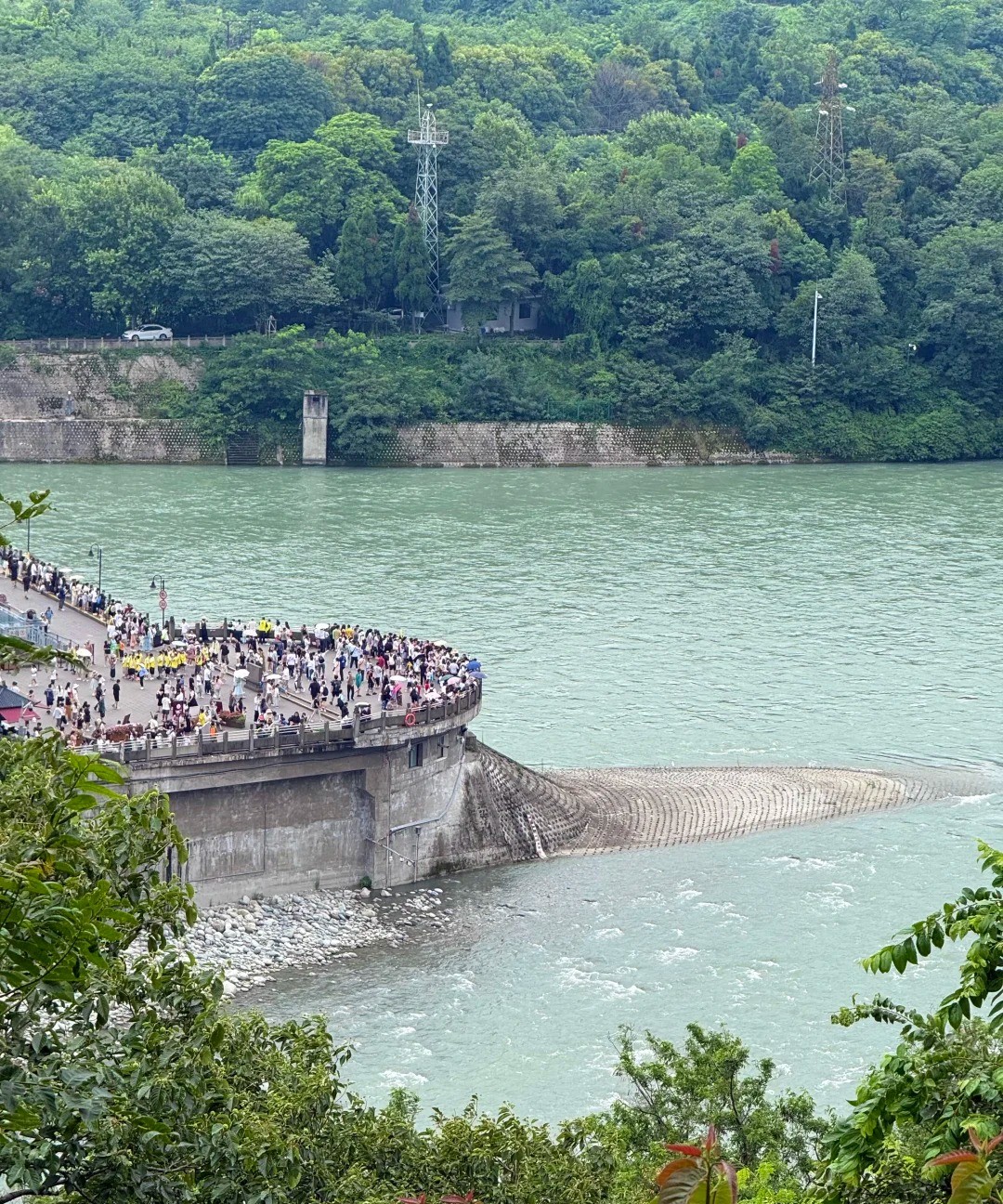
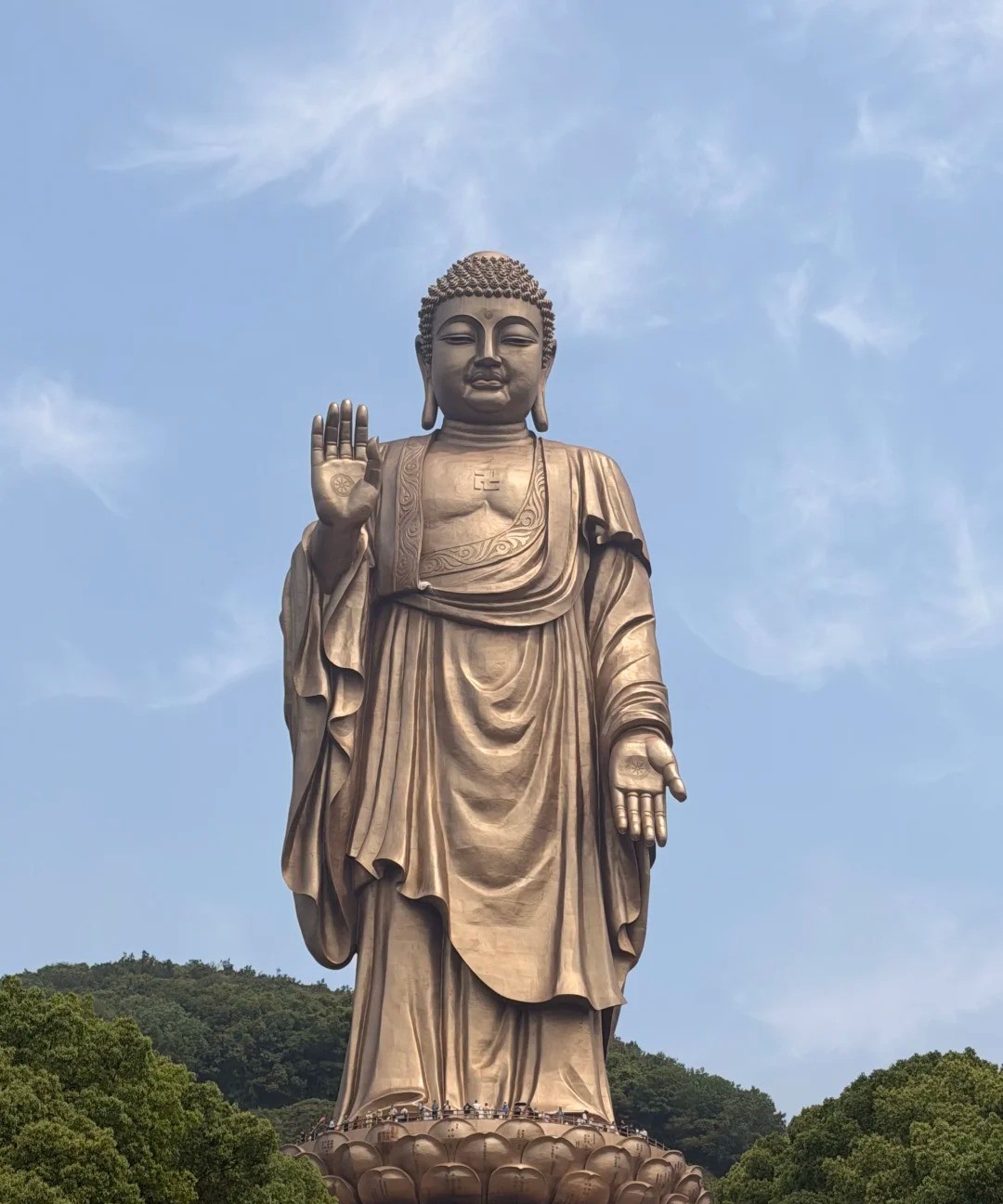
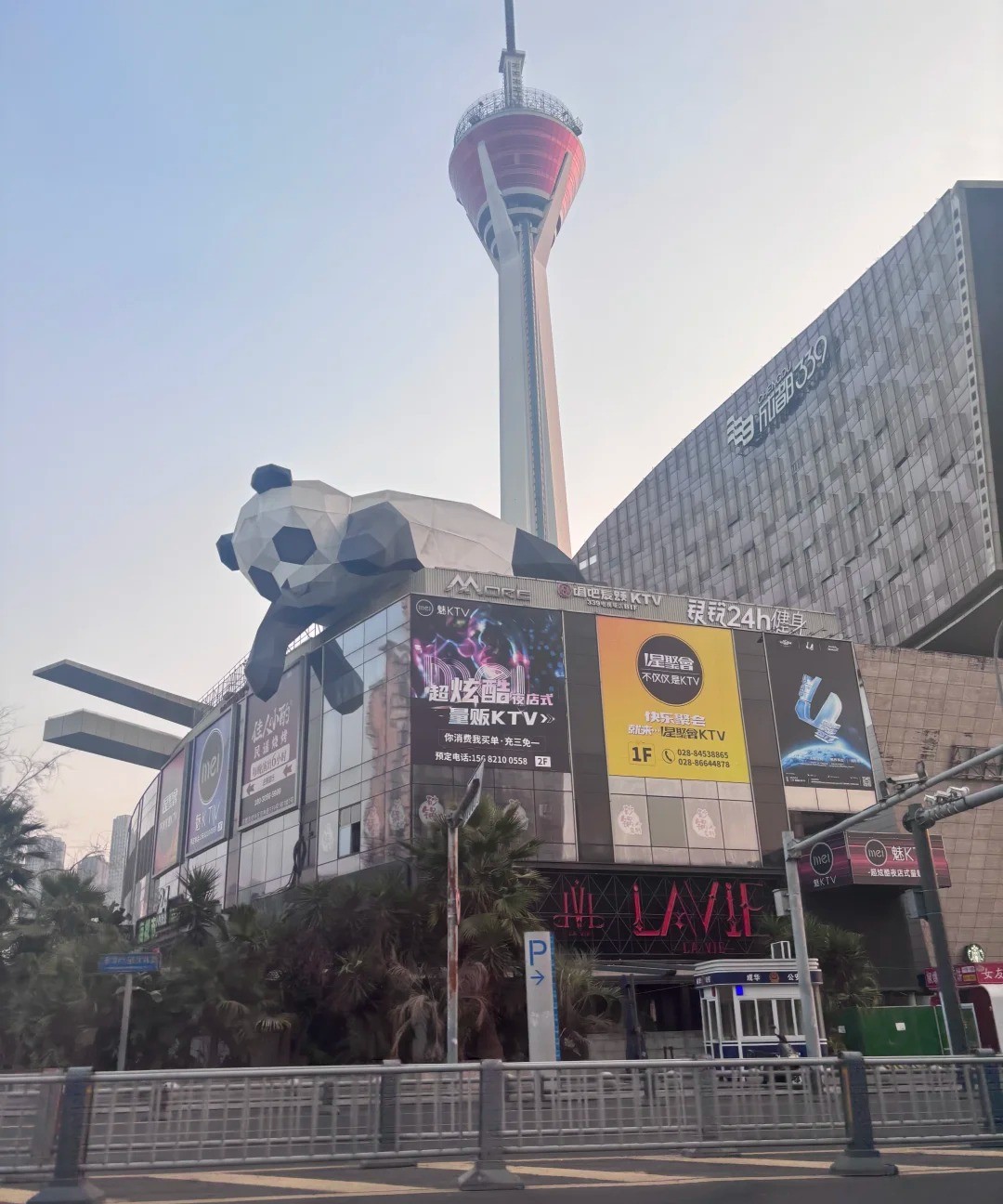
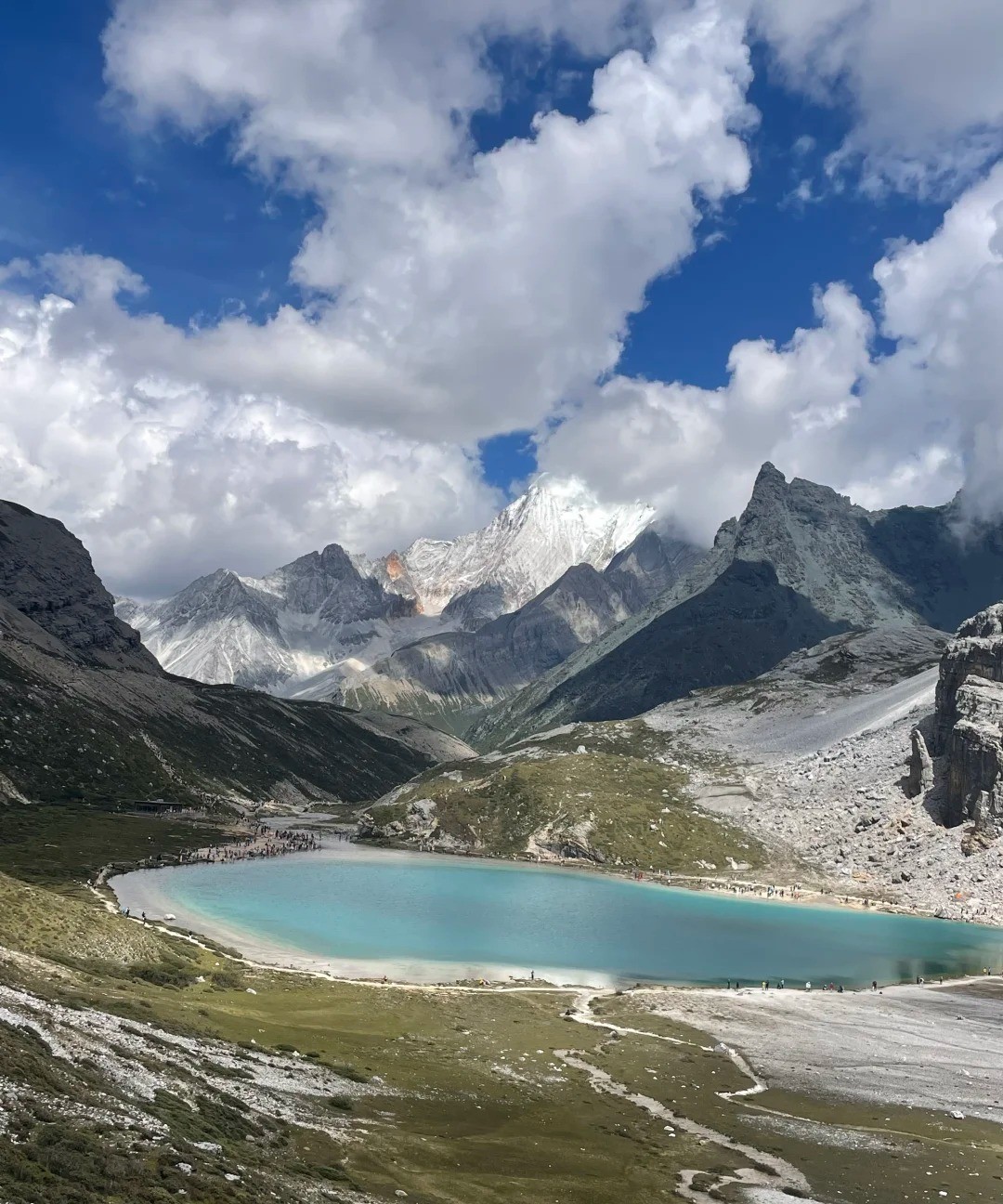
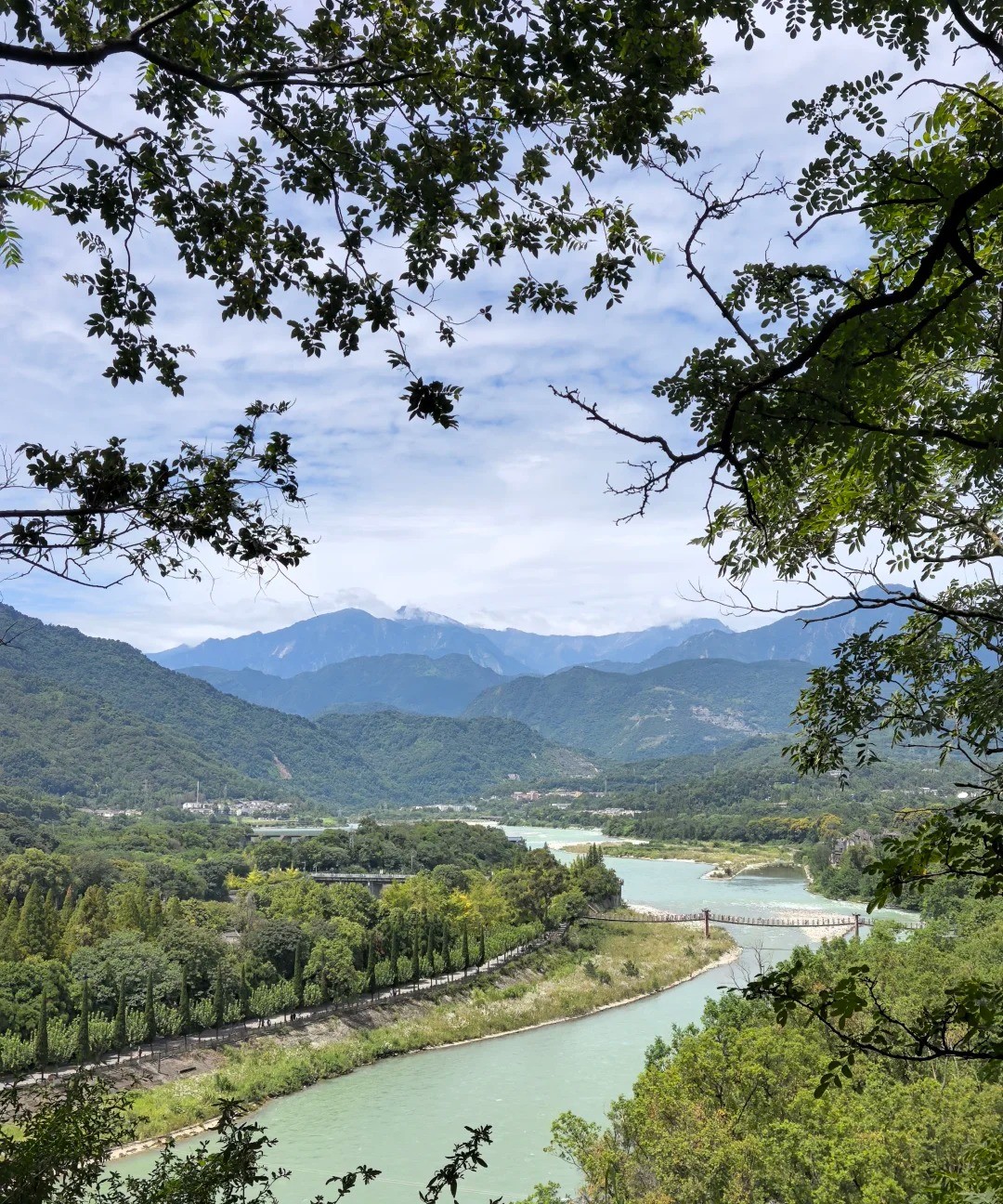
25 城Sichuan, abbreviated as Chuan or Shu, is located in southwestern China, covering an area of approximately 486,000 square kilometers with a permanent population of about 83.67 million (2023). The capital, Chengdu, is a famous historical and cultural city with a history of over 3,000 years. Known as the 'Land of Abundance' for its fertile soil and rich products, Sichuan is the core area of ancient Shu civilization, Three Kingdoms culture, the birthplace of Taoism, and the habitat of giant pandas. It boasts five World Heritage sites—Jiuzhaigou, Huanglong, Mount Emei-Leshan Giant Buddha, Mount Qingcheng-Dujiangyan, and Sichuan Giant Panda Sanctuaries—ranking among the top in China. Sichuan is also a major province for ethnic minorities, with the largest Yi settlement, the second-largest Tibetan area, and the only Qiang settlement in China, fostering diverse cultures. Its unique geography creates diverse landscapes from snow-capped mountains and plateaus to basins and hills. Intangible cultural heritages such as Sichuan cuisine, Sichuan opera, tea culture, and Shu embroidery are world-renowned. As a hub for economy, technology, and transportation in western China, Sichuan attracts global tourists with its image of 'Leisurely Sichuan'.
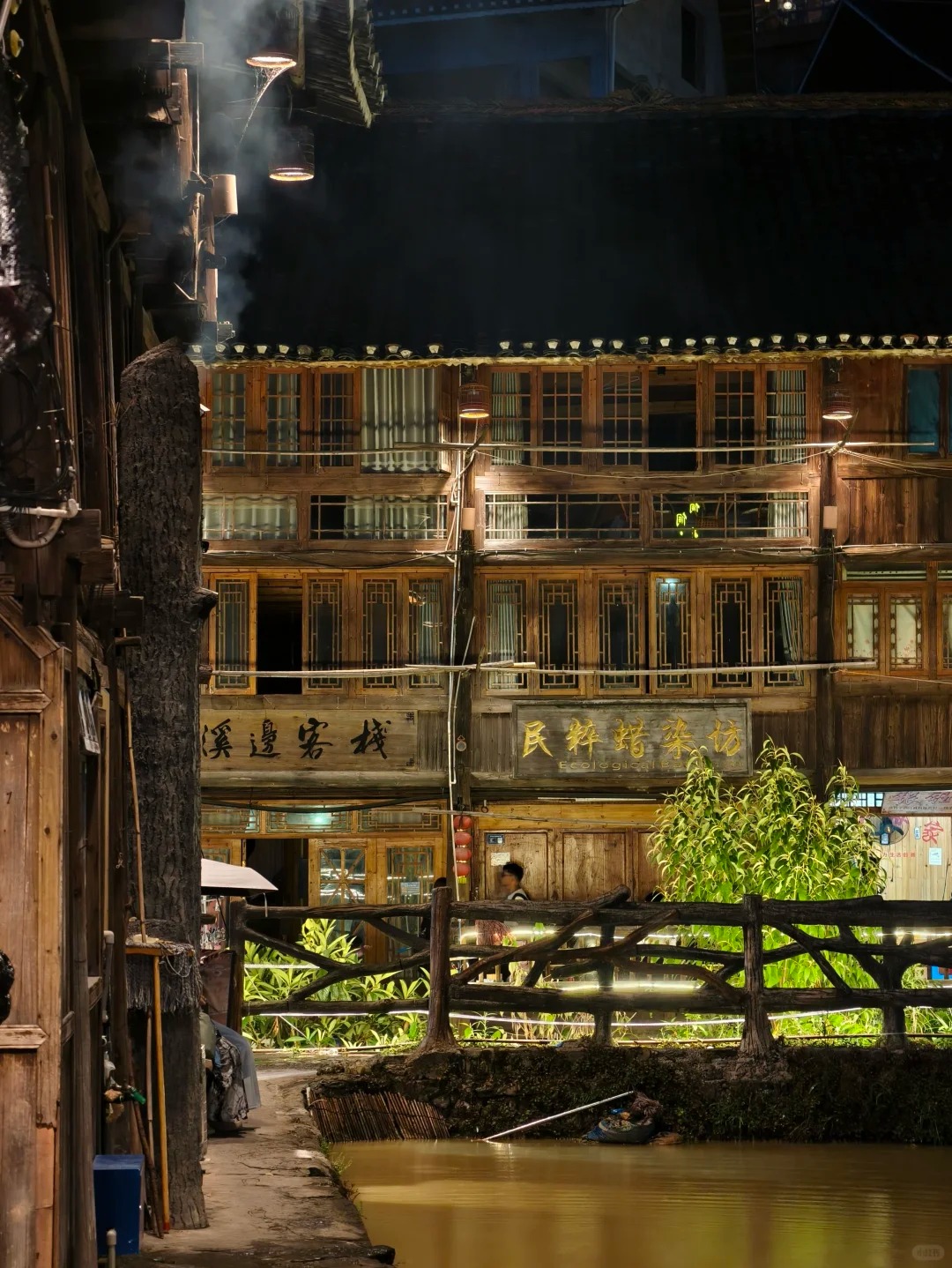 14 城
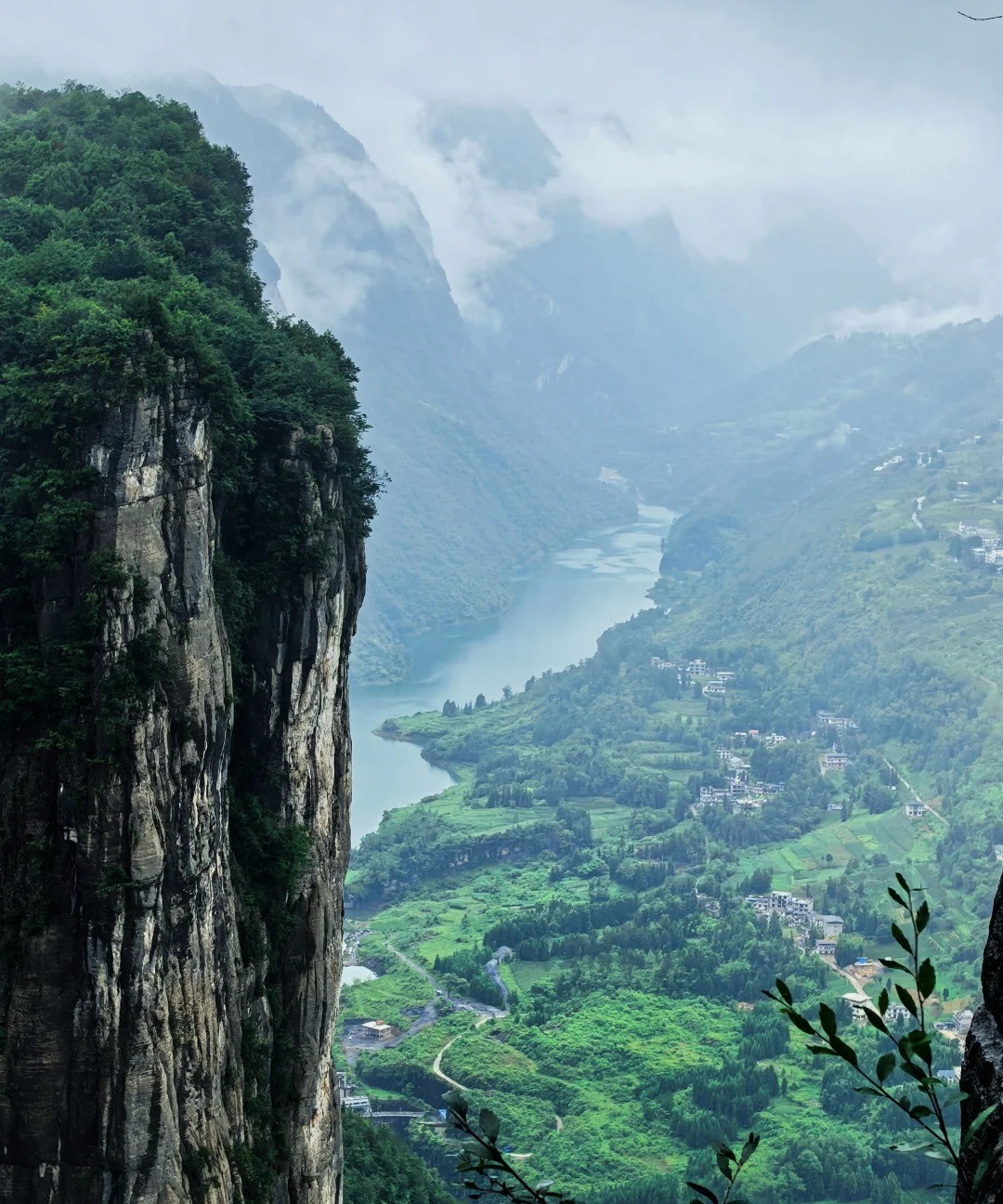
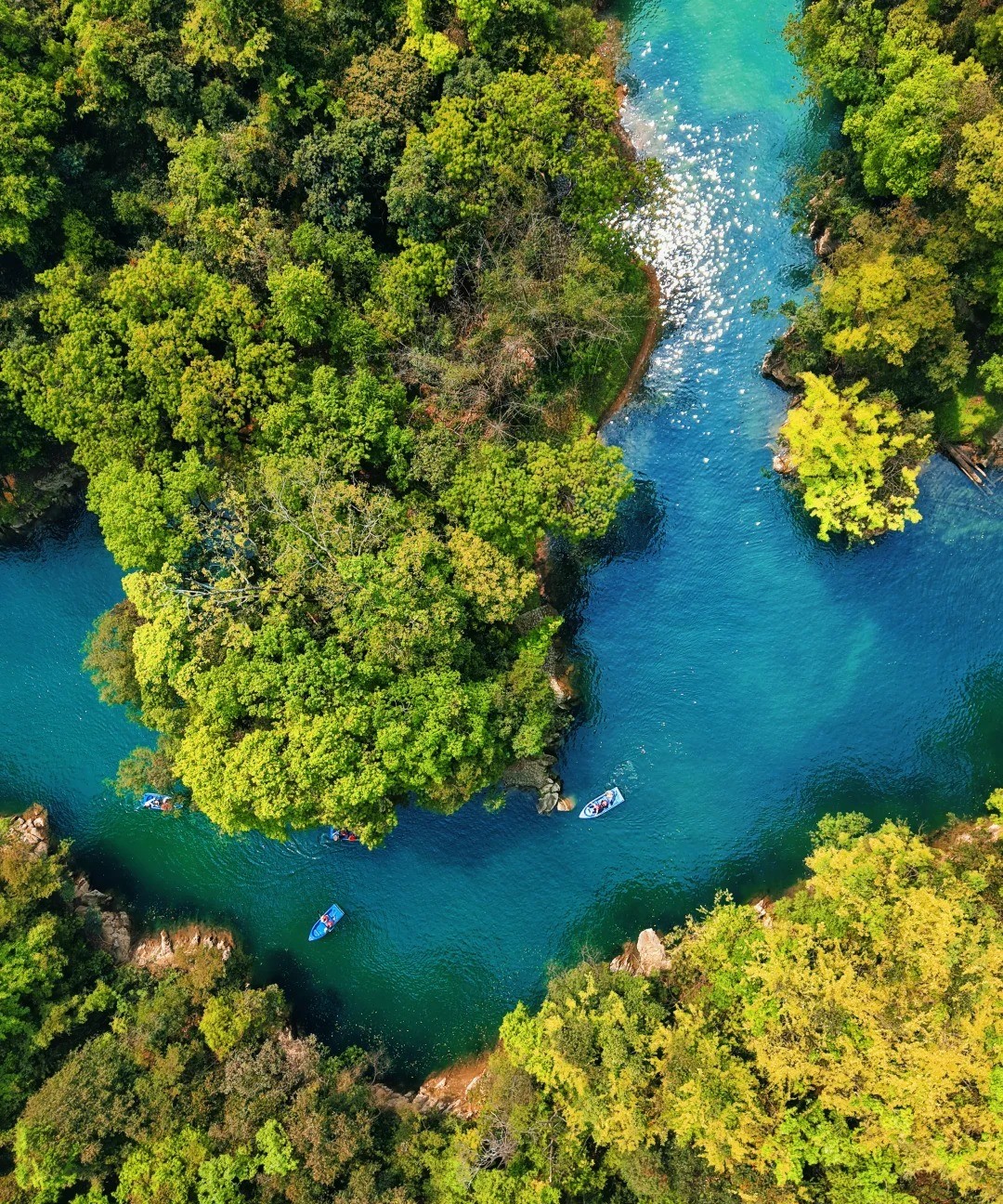
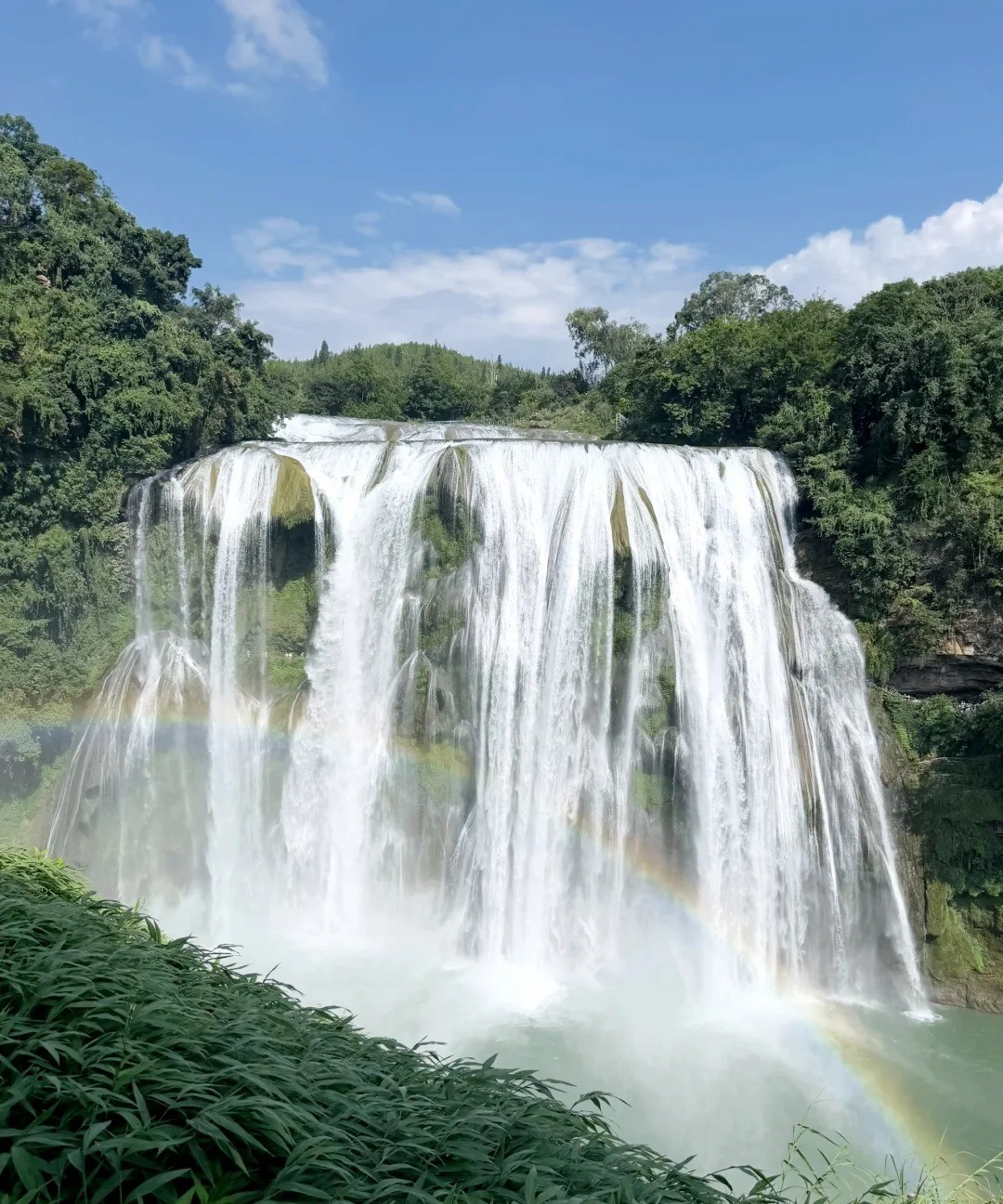
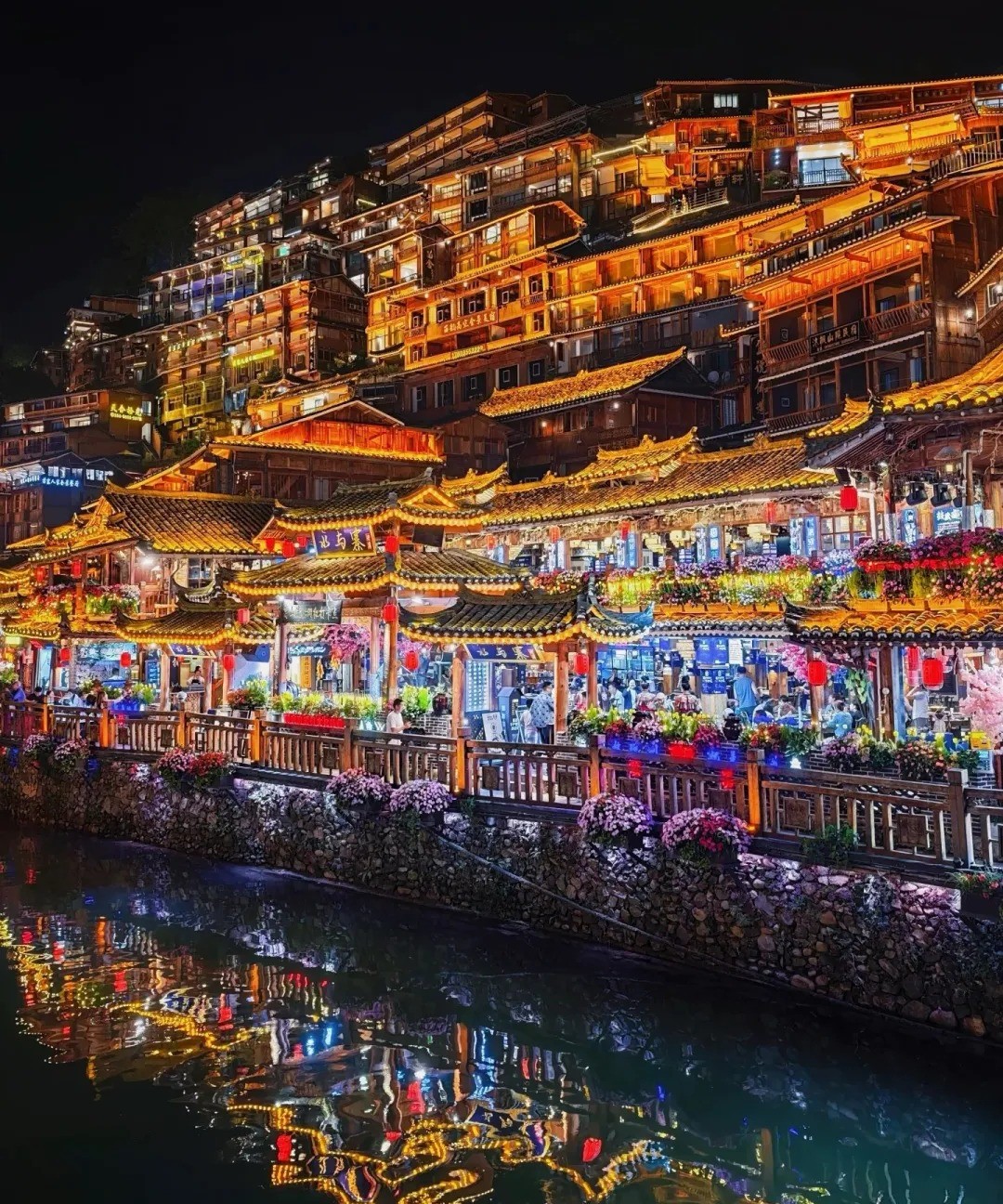
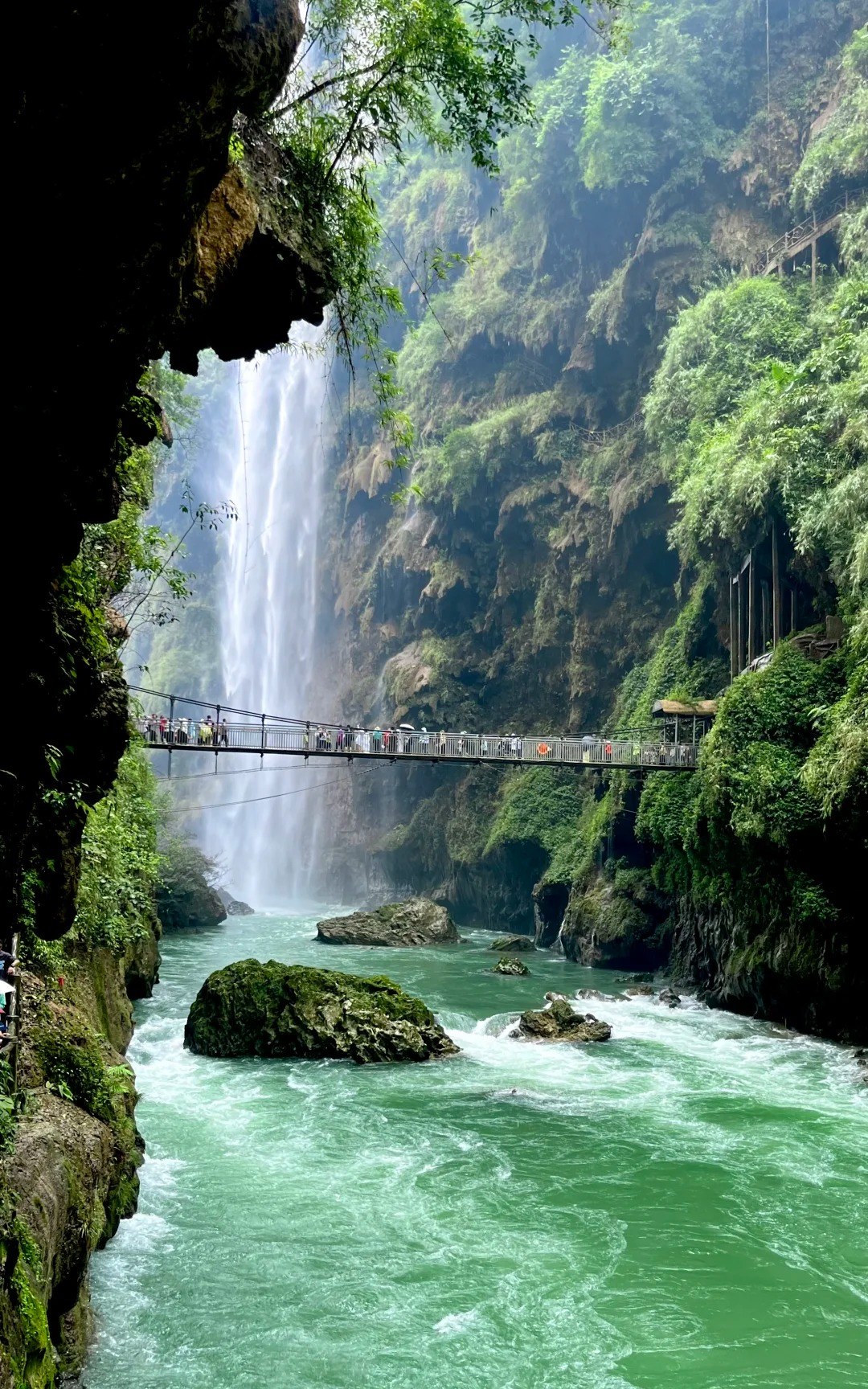
14 城Guizhou, abbreviated as "Qian" or "Gui", is located in southwestern China, bordering Hunan to the east, Guangxi to the south, Yunnan to the west, and Sichuan and Chongqing to the north. It covers an area of approximately 176,200 square kilometers and has a permanent population of about 38.56 million (2023 data). The capital is Guiyang. Guizhou is an important province in southwestern China, characterized by plateau and mountainous terrain with typical karst landforms, often described as "80% mountains, 10% water, and 10% farmland." Its history can be traced back to the Yelang Kingdom during the Spring and Autumn and Warring States periods, and it was formally established as a province in the Ming Dynasty with the establishment of the Guizhou Provincial Administration Commission. Guizhou is a multi-ethnic province where 49 ethnic groups, including Han, Miao, Bouyei, Dong, and Tujia, live in harmony, with ethnic minorities accounting for over 36% of the total population, resulting in rich and diverse ethnic cultures. Known as the "Mountain Park Province," Guizhou boasts world-class natural and cultural attractions such as Huangguoshu Waterfall, Libo Karst Forest, and Xijiang Qianhu Miao Village. Additionally, Guizhou is a center for China's big data industry, known as the "China Data Valley," and is home to globally renowned brands like Moutai and Laoganma. Its unique landscapes, diverse cultures, and rapidly developing economy make Guizhou a sought-after travel destination for both domestic and international tourists.
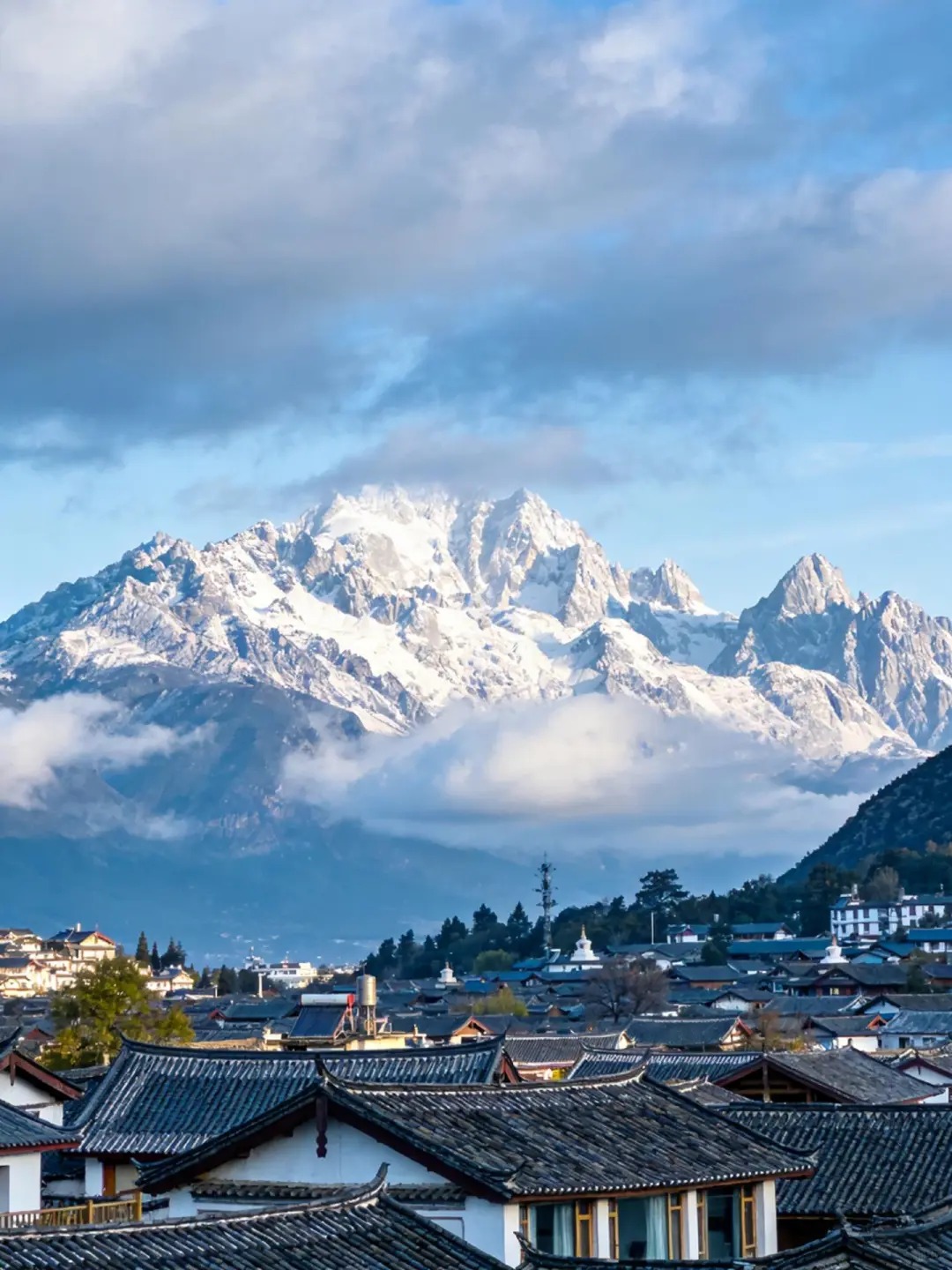 26 城
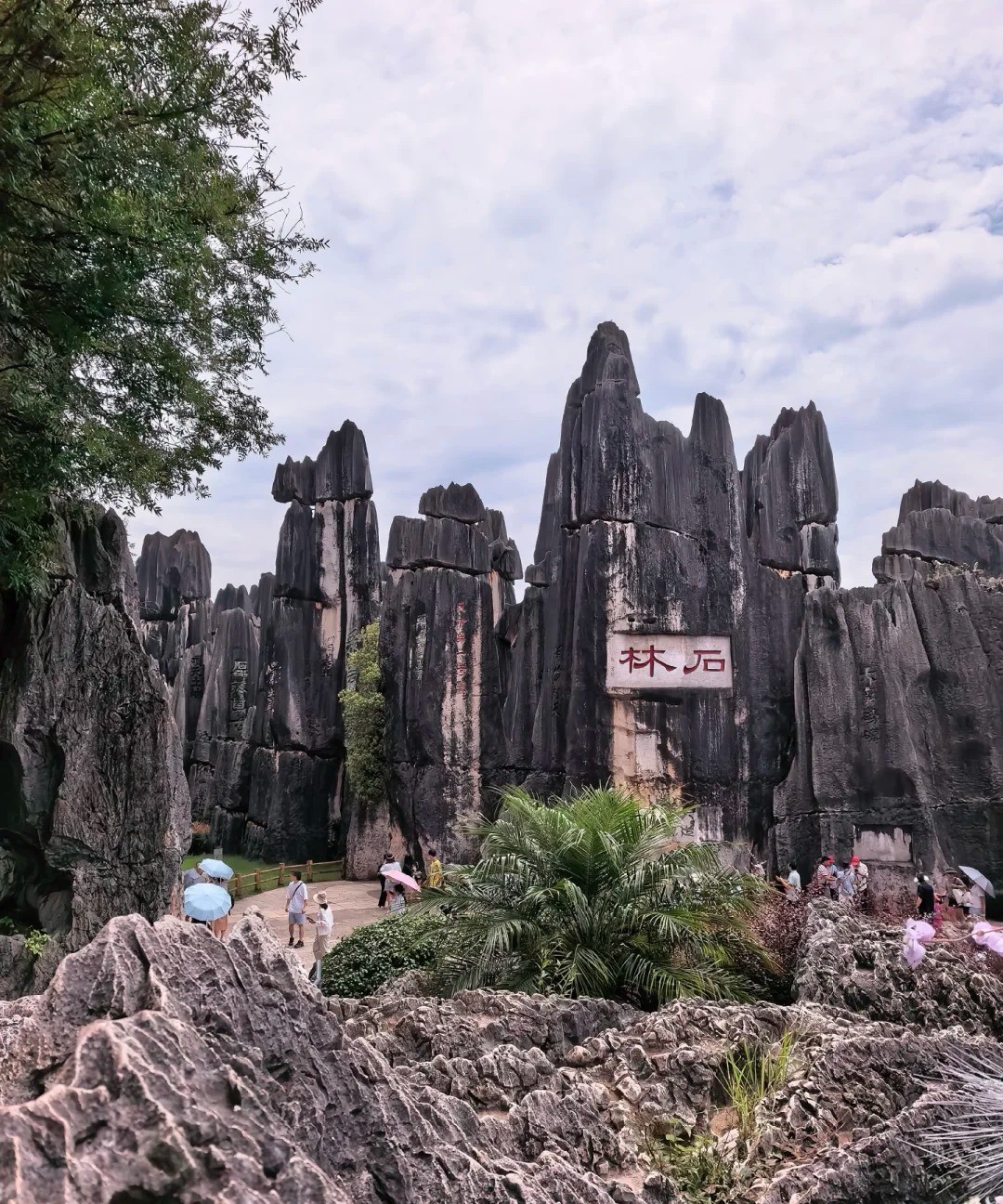
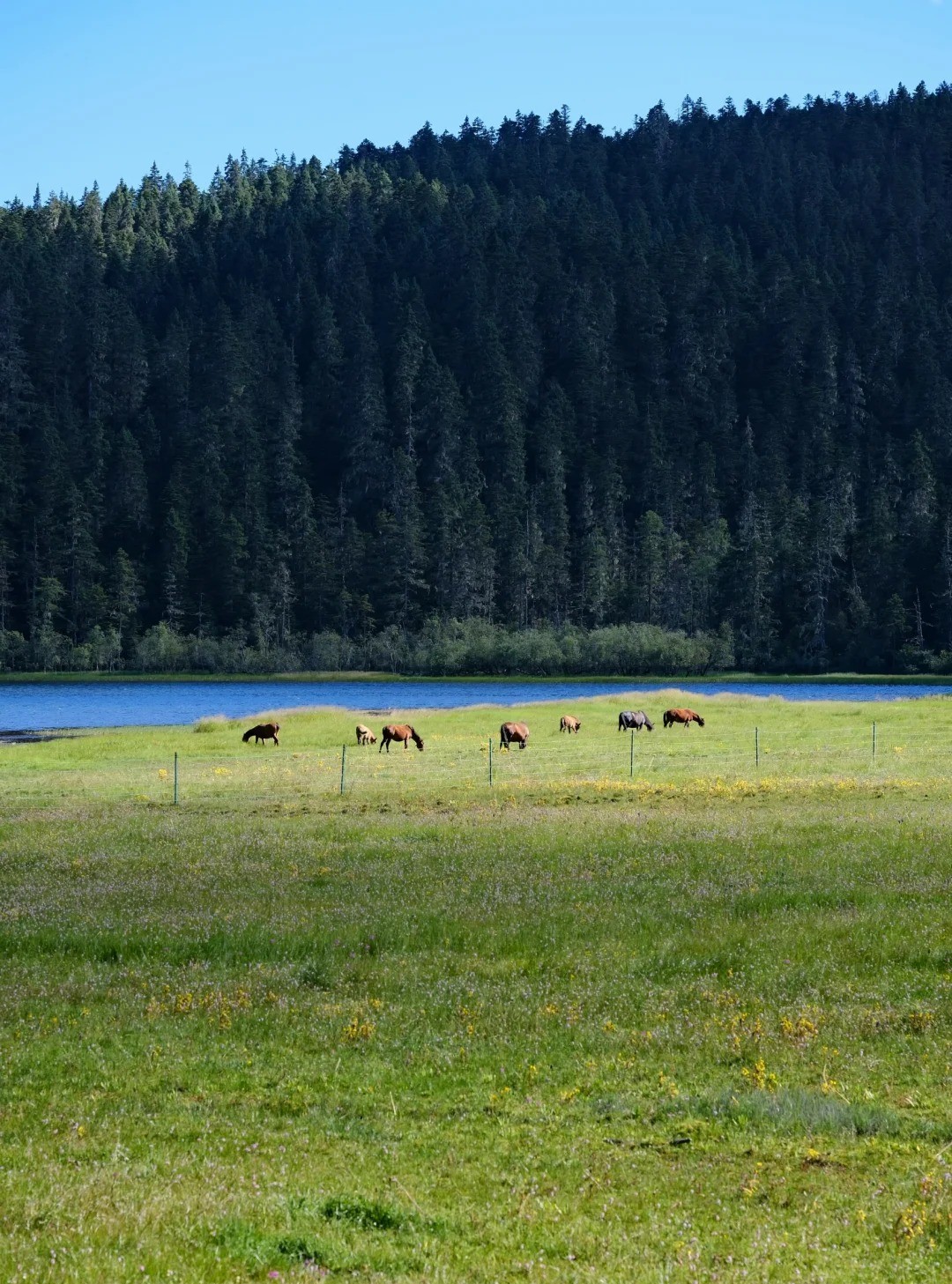
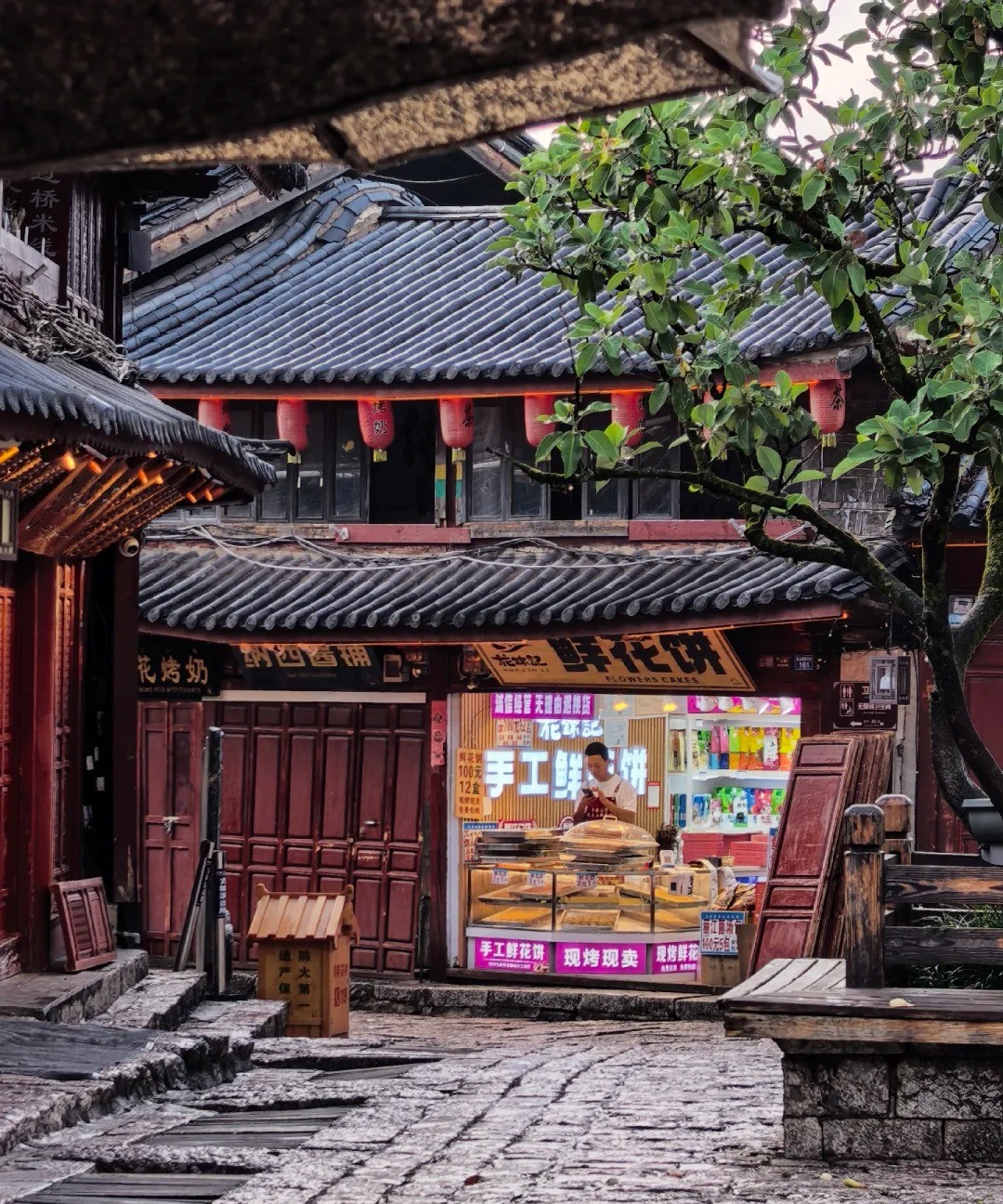
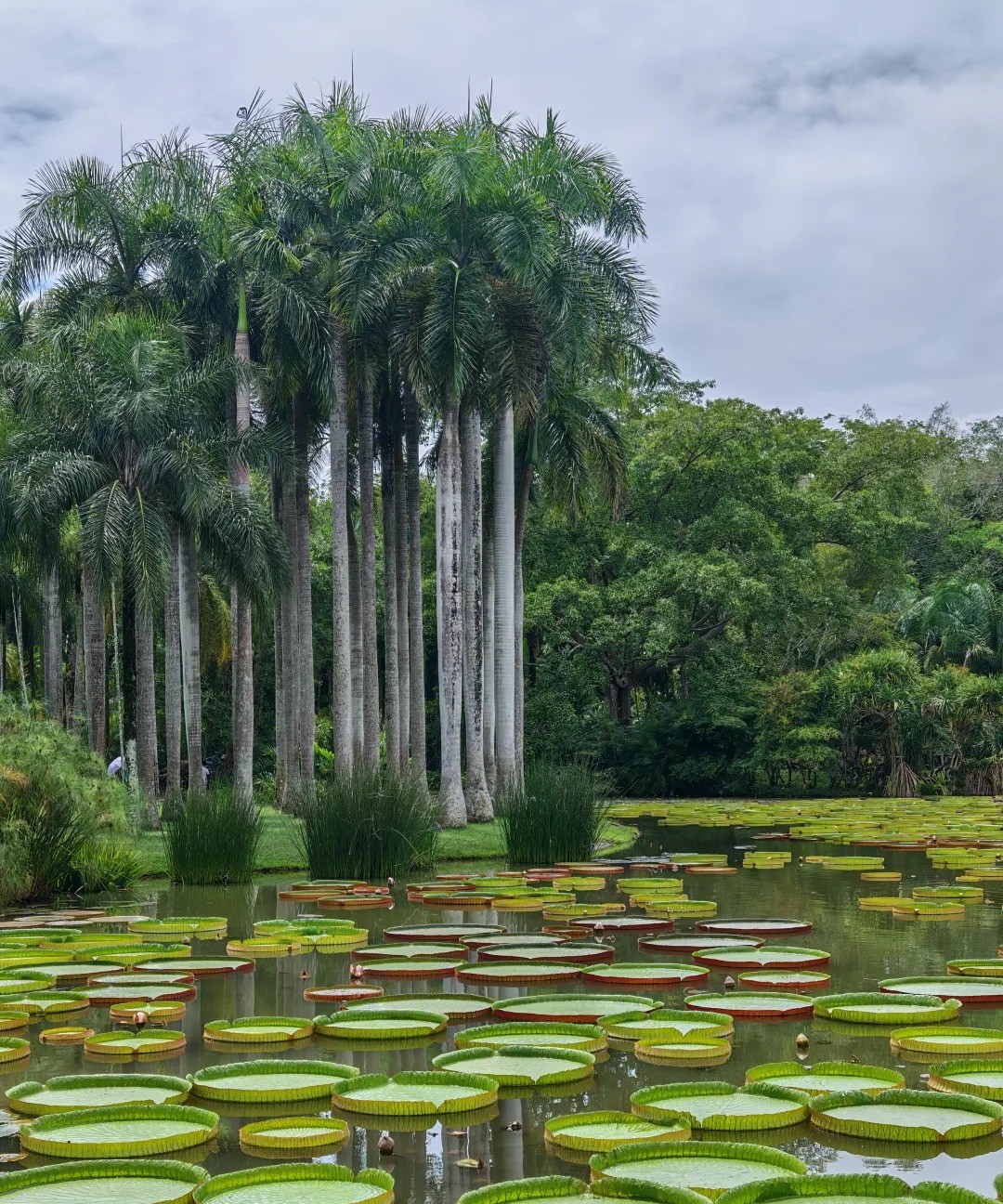
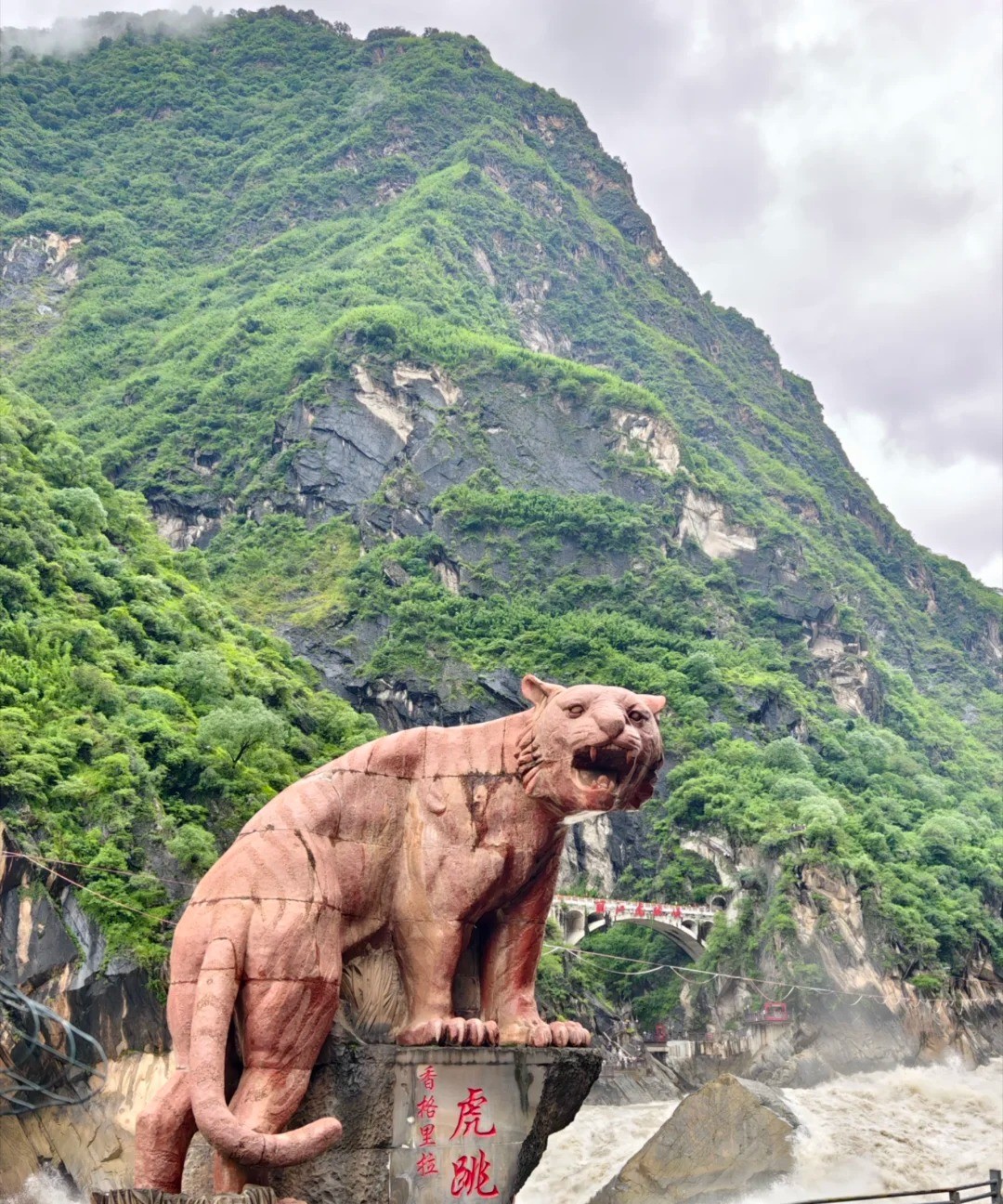
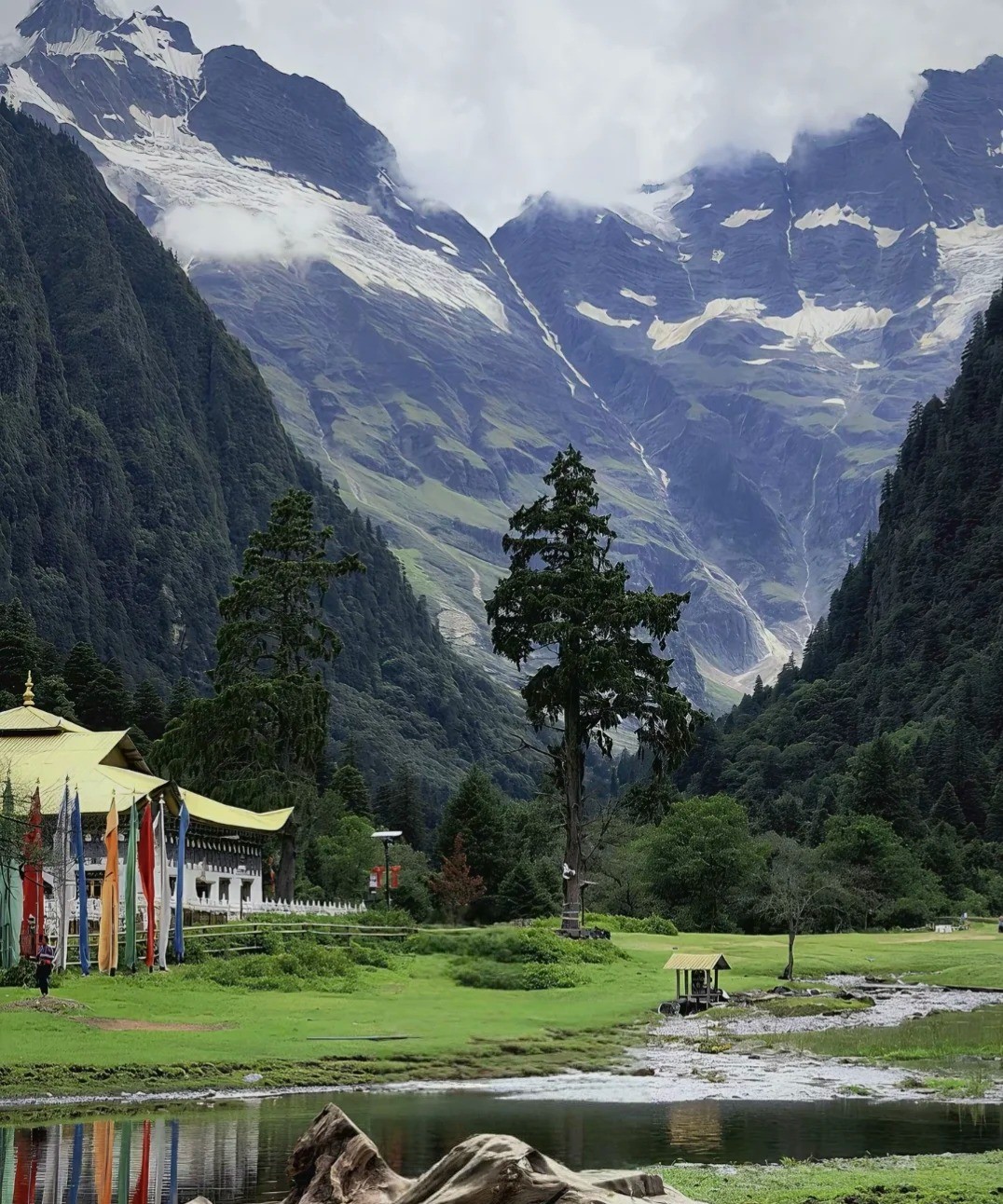
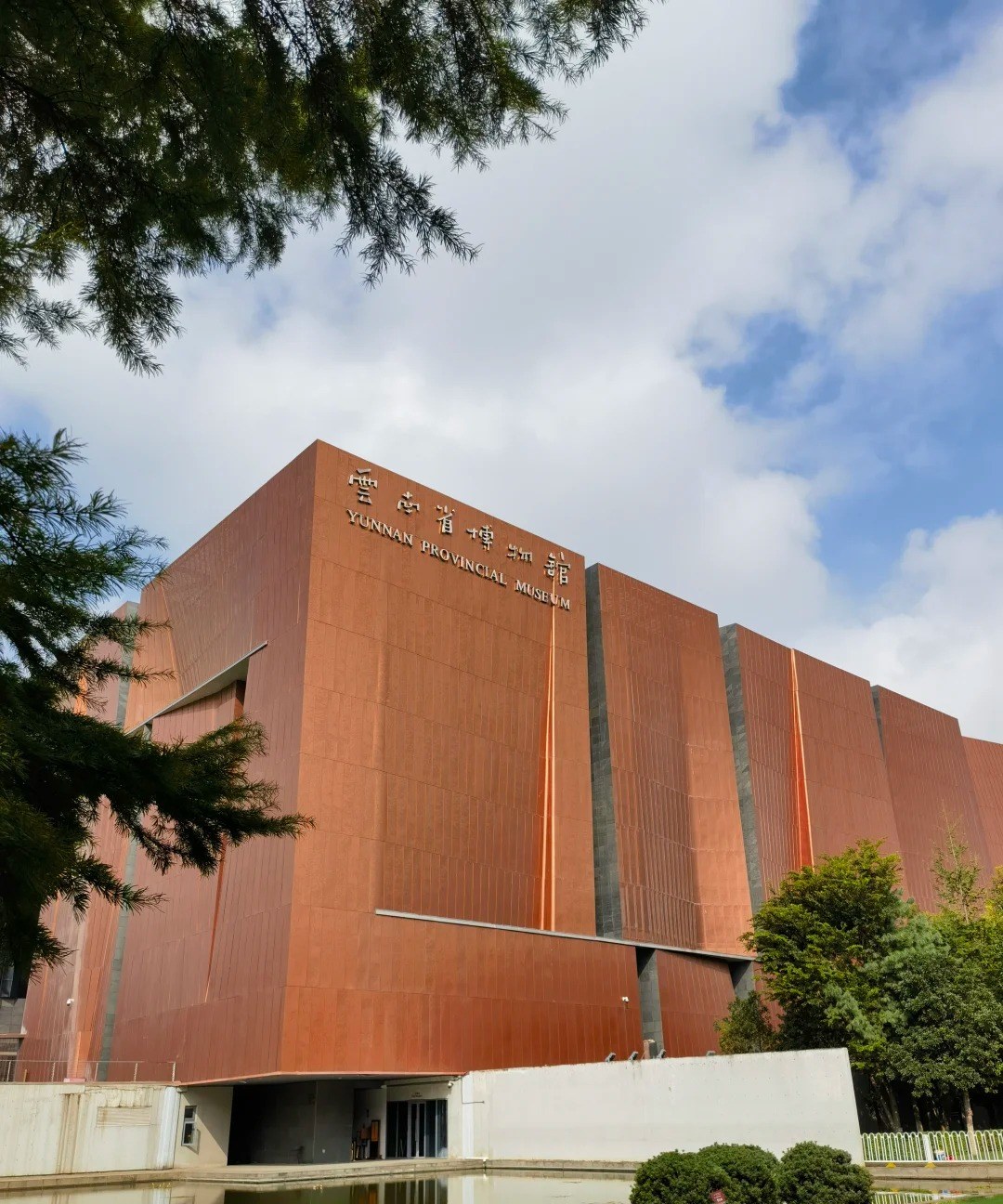
26 城Yunnan, abbreviated as Yun or Dian, is located in southwestern China, with the Tropic of Cancer running through its southern part. Covering an area of approximately 394,000 square kilometers, it ranks eighth in the country. As of the end of 2023, its permanent population was about 46.7 million. Yunnan is the province with the most ethnic groups in China, with 25 ethnic minorities, 15 of which are unique to Yunnan. The capital, Kunming, is known as the 'Spring City' for its pleasant year-round climate. Yunnan is one of the important birthplaces of humanity, with the Yuanmou Man fossils dating back 1.7 million years discovered here. Historically, during the Warring States period, General Zhuang Qiao of Chu entered Yunnan and established the Dian Kingdom; the Nanzhao Kingdom in the Tang Dynasty and the Dali Kingdom in the Song Dynasty rose successively; in the Yuan Dynasty, Yunnan Province was established, officially incorporated into the central territory. Yunnan is located on the Yunnan-Guizhou Plateau, with terrain dominated by plateaus and mountains, higher in the northwest and lower in the southeast. The highest peak, Kawagebo Peak of Meili Snow Mountain, is 6,740 meters above sea level, while the lowest point, the Red River Valley, is only 76.4 meters. There are six major water systems including the Jinsha River, Lancang River, and Nujiang River, with numerous lakes, the most famous being Dianchi Lake and Erhai Lake. Yunnan is extremely rich in biodiversity, with 18,000 species of higher plants and over 1,700 species of vertebrates, earning it the title 'Kingdom of Plants and Animals'. At the same time, Yunnan is a world-renowned tourist destination, with multiple World Heritage sites such as Lijiang Old Town, Three Parallel Rivers, Stone Forest, and Hani Rice Terraces. Its unique natural scenery, diverse ethnic cultures, and pleasant climate make Yunnan synonymous with 'Colorful Yunnan'.
 7 城
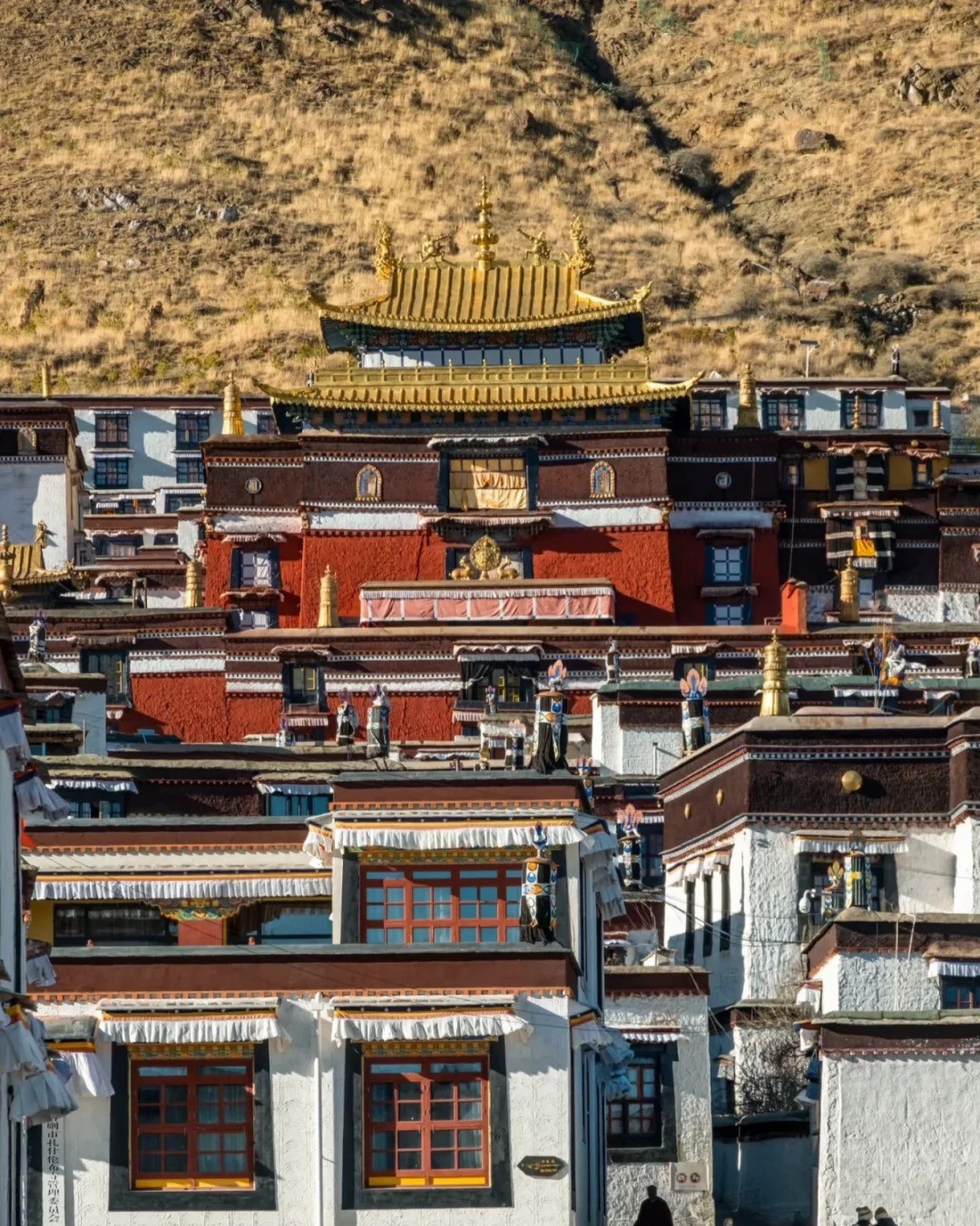
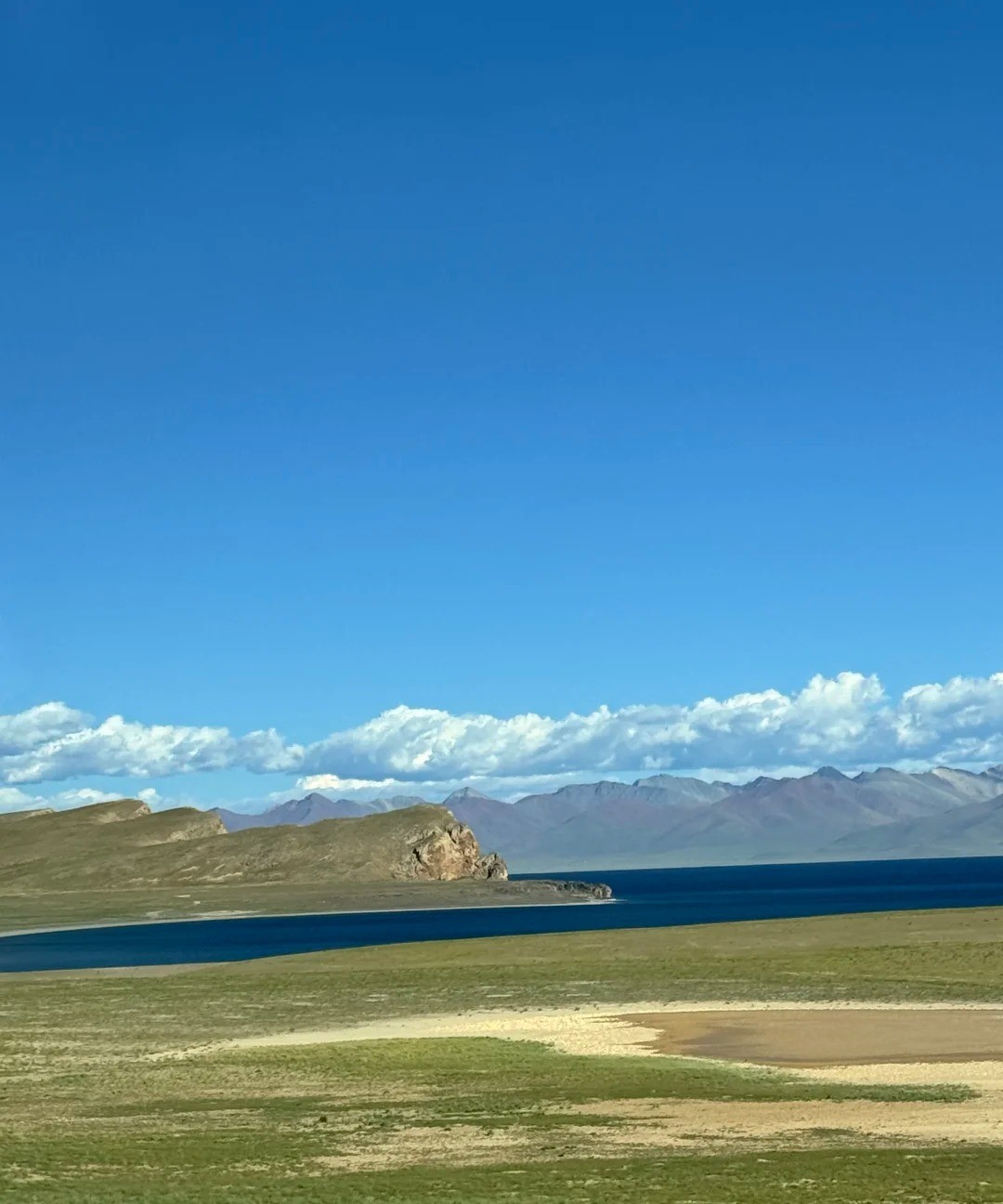
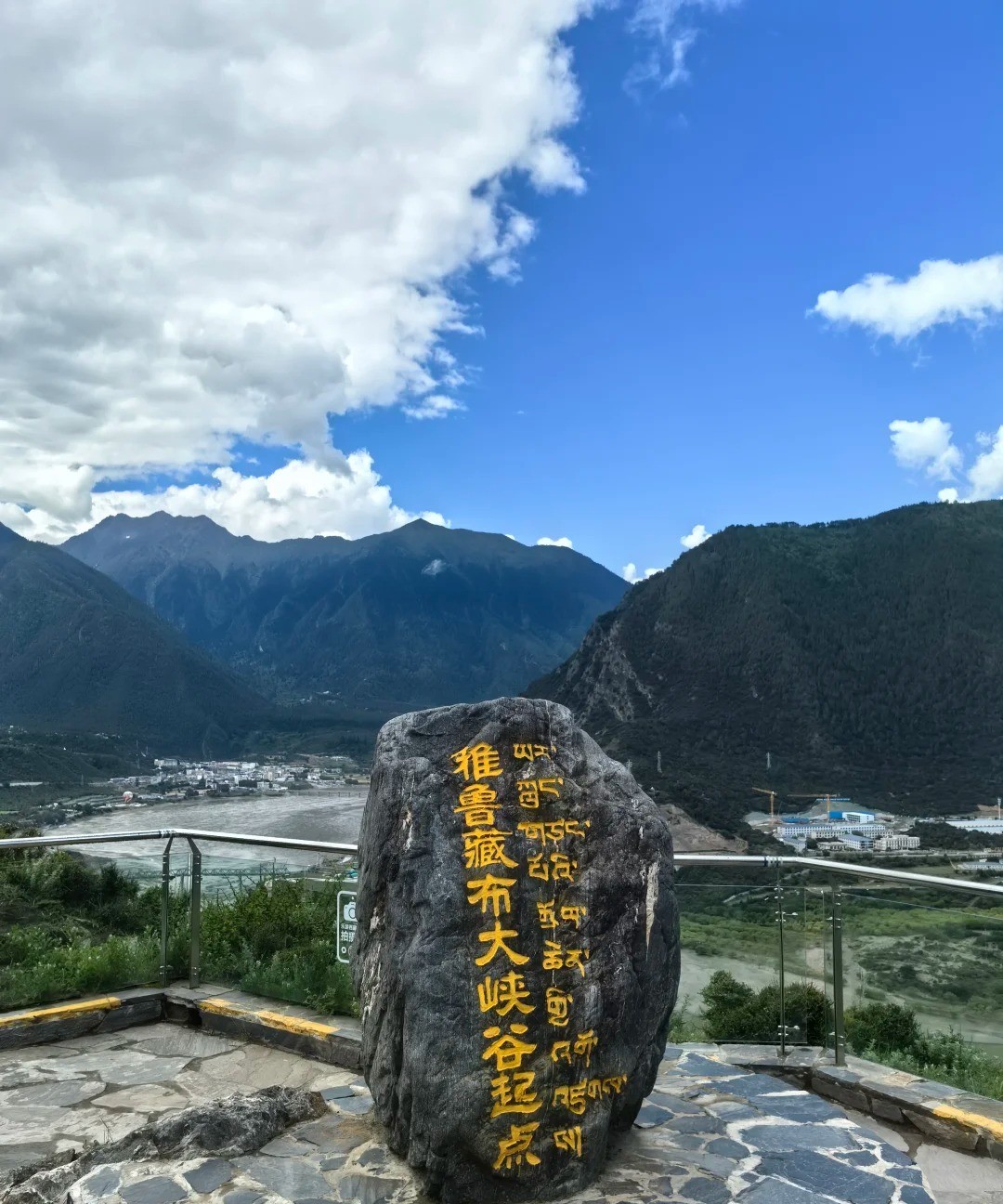
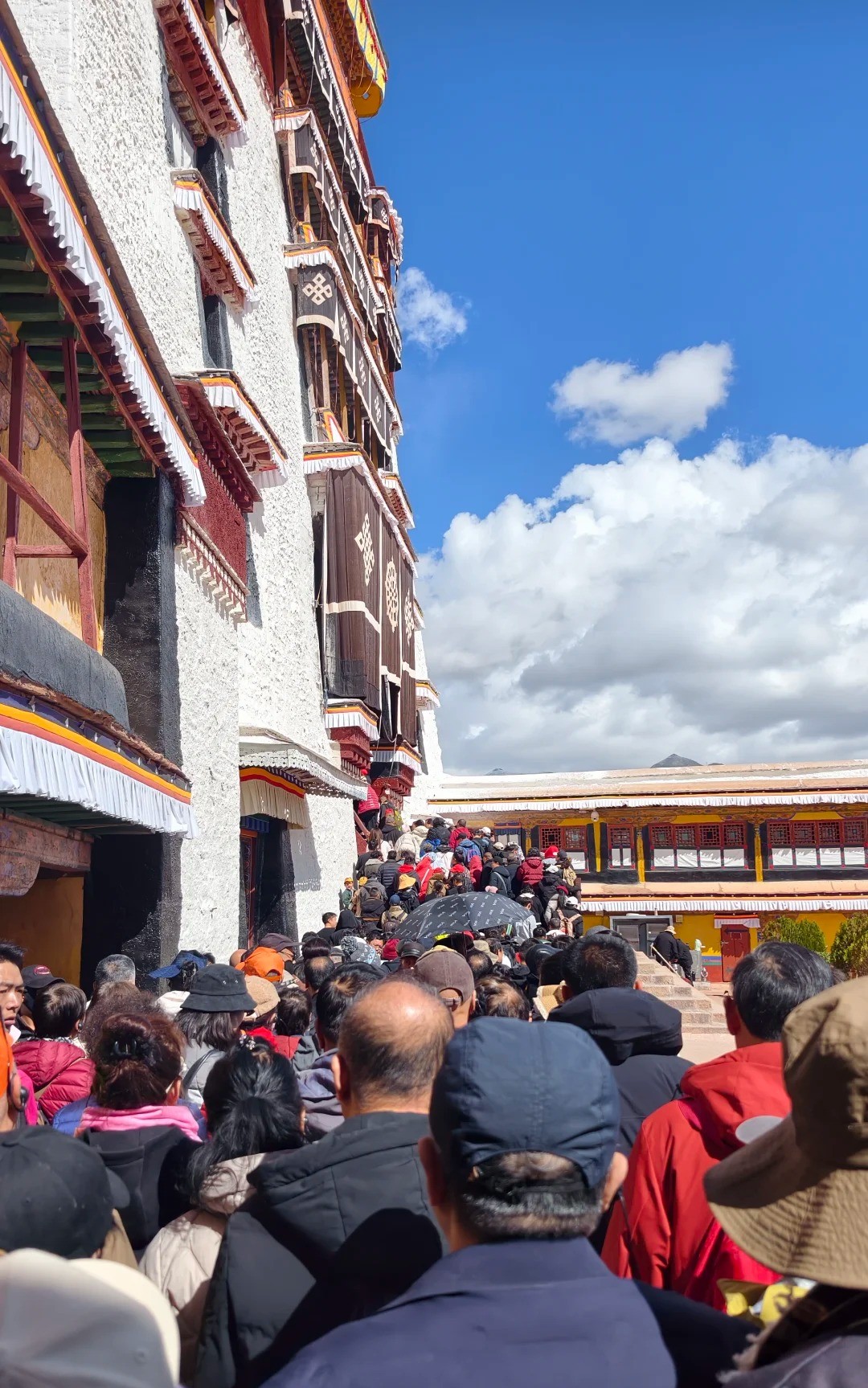
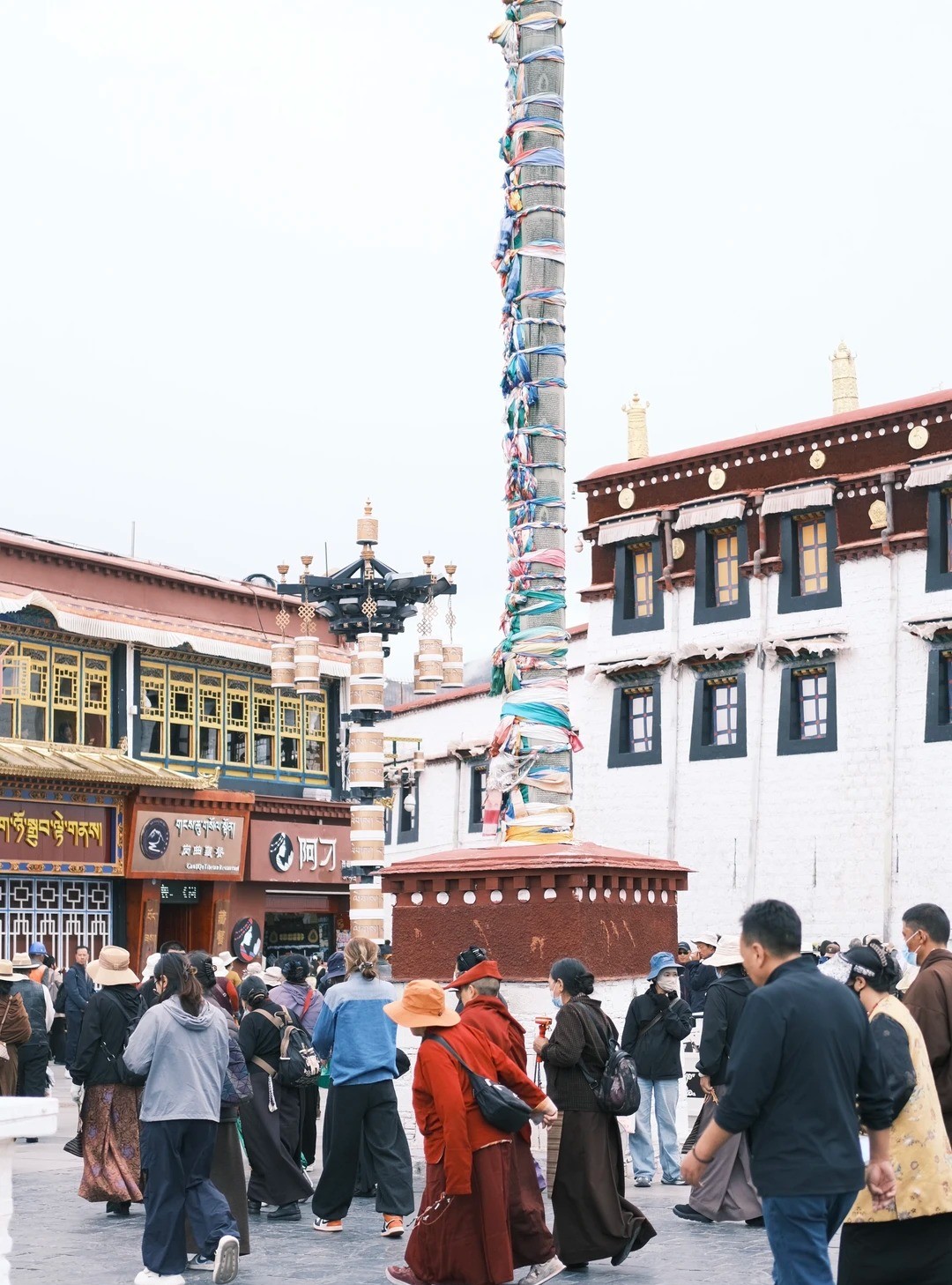
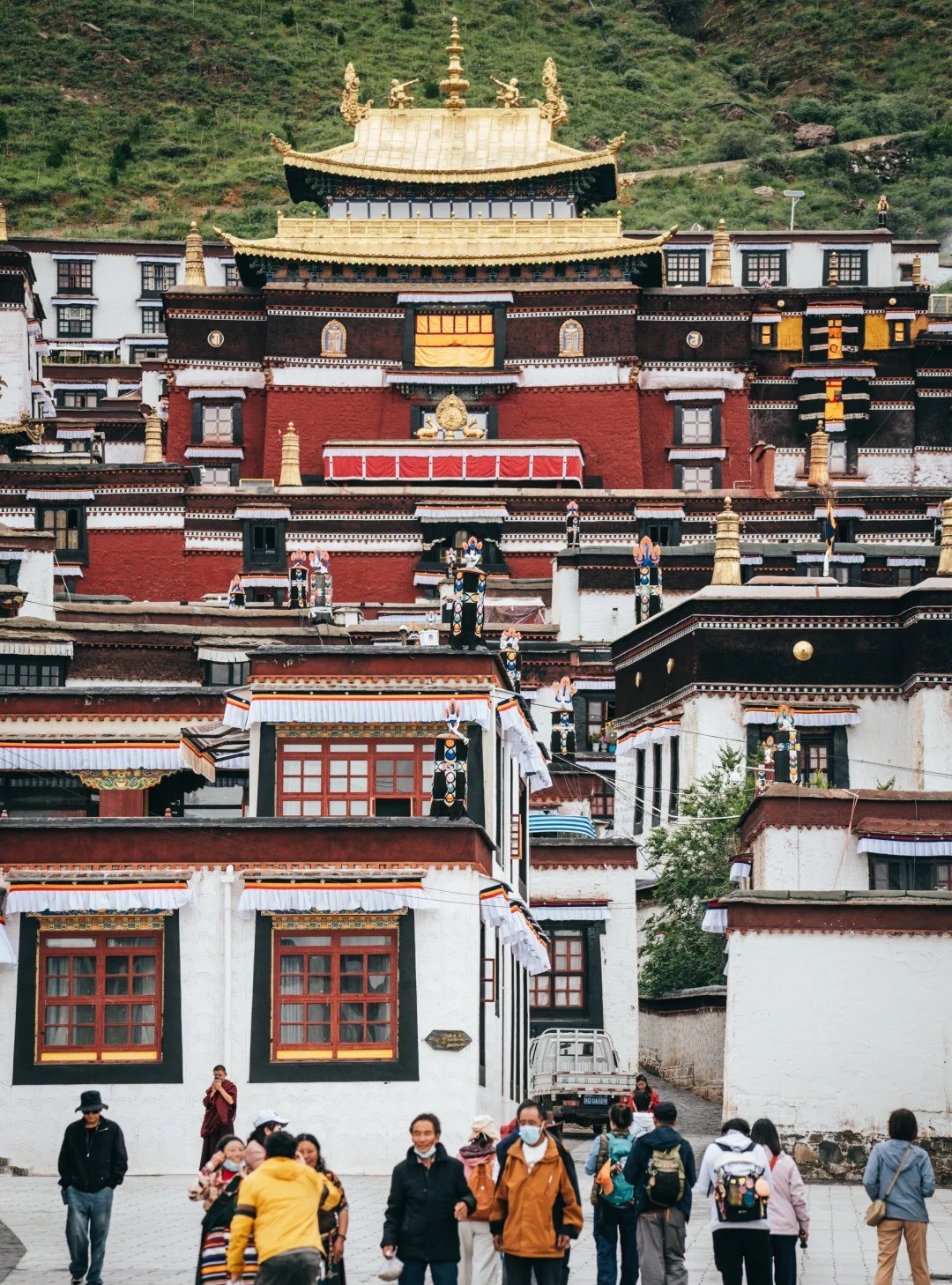
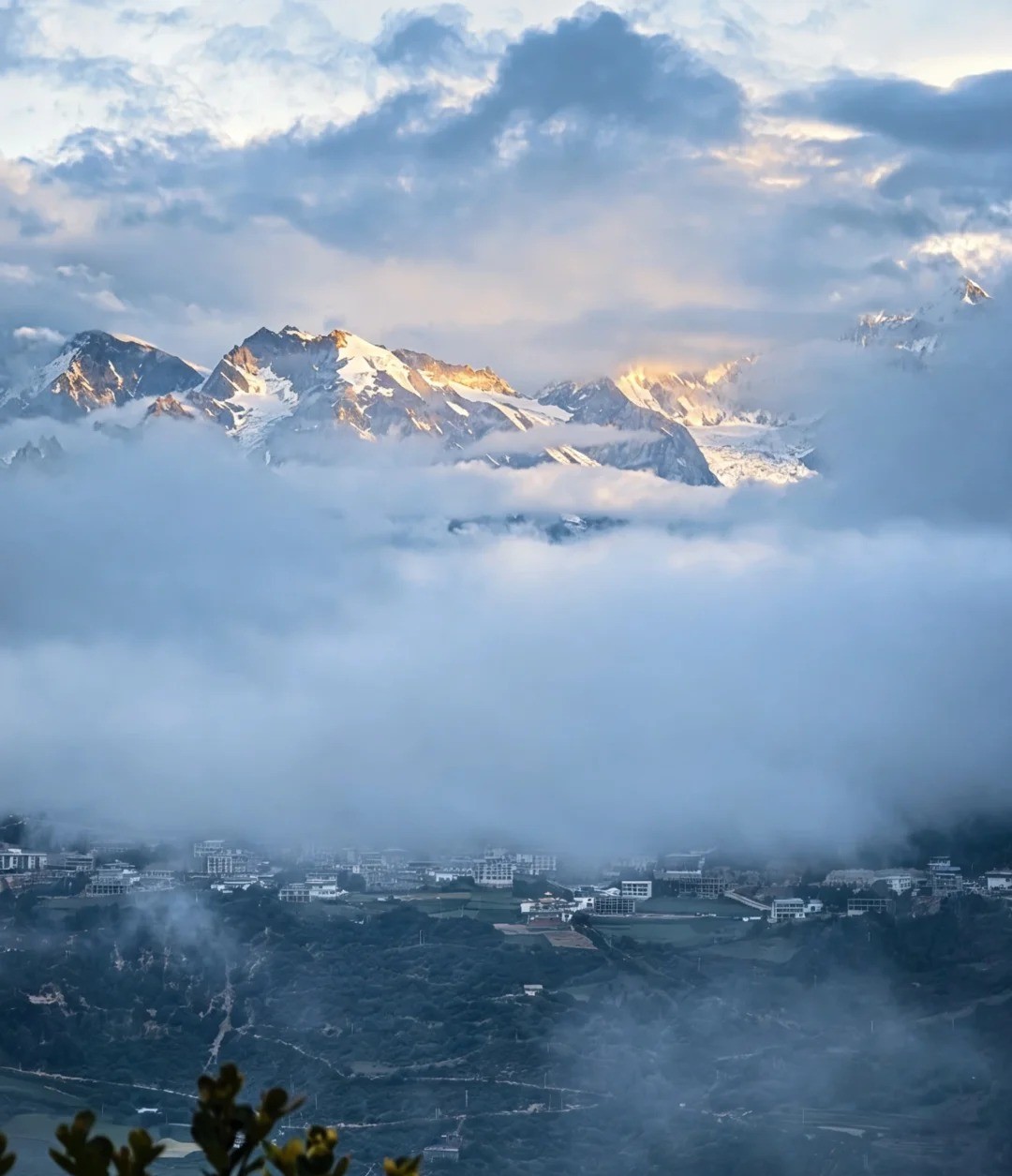
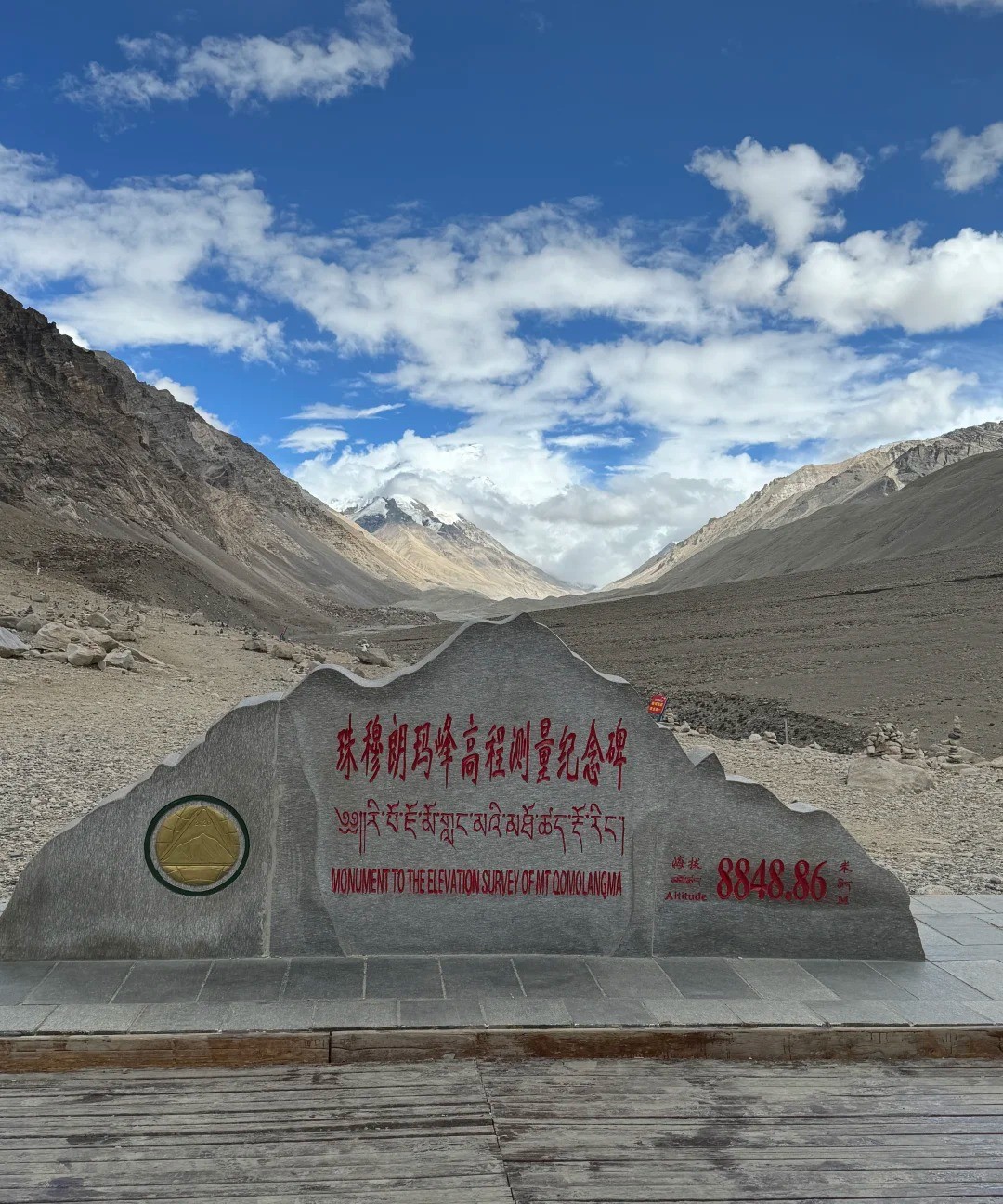
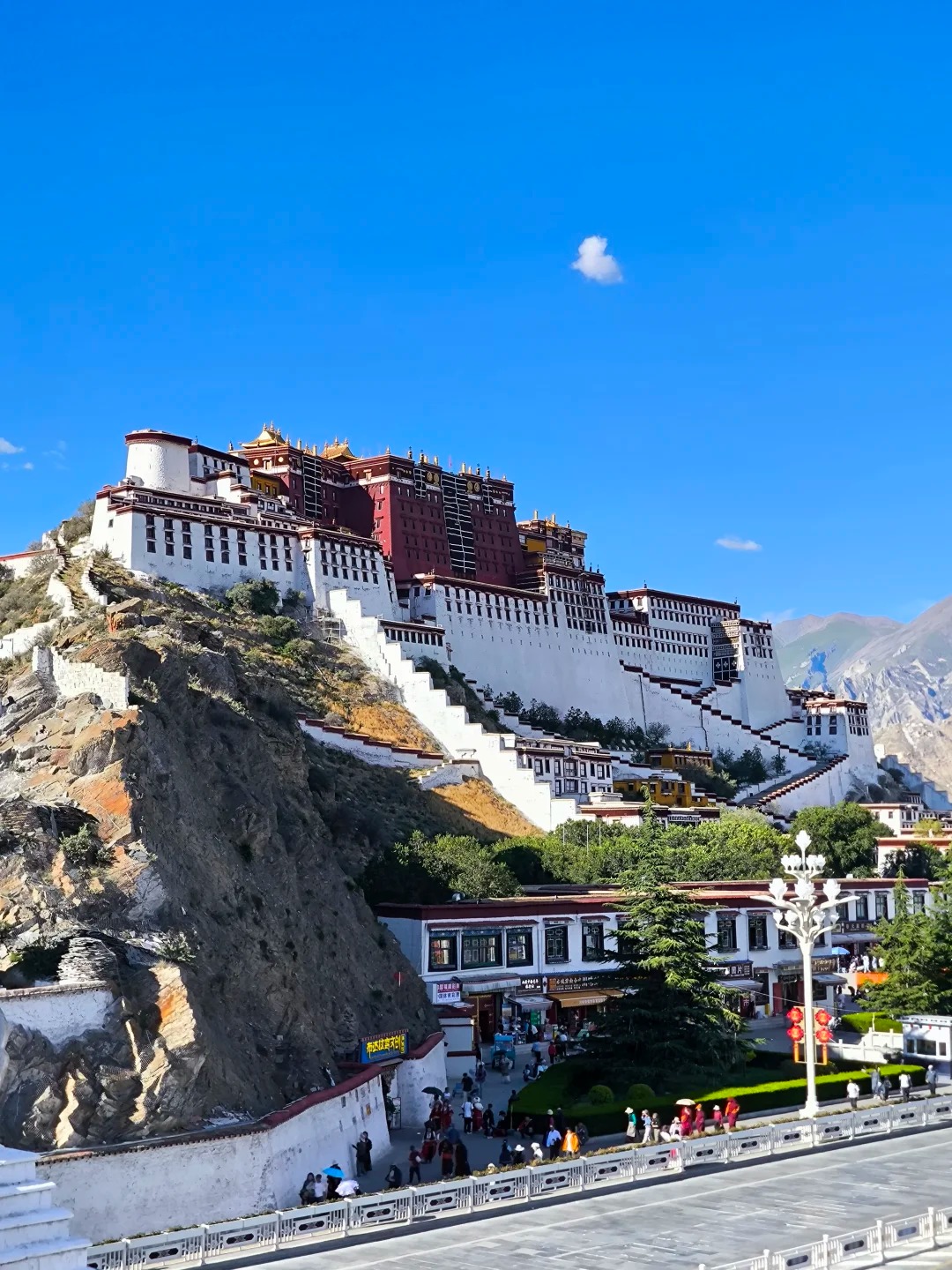
7 城Tibet Autonomous Region, abbreviated as Tibet, is located in southwestern China, on the southwestern part of the Qinghai-Tibet Plateau, between latitudes 26°50' to 36°53' N and longitudes 78°25' to 99°06' E. The region covers an area of approximately 1.2028 million square kilometers, accounting for one-eighth of China's total area, second only to Xinjiang. As of 2023, the permanent population is about 3.64 million, making it the least densely populated province in China. Tibet is the main body of the Qinghai-Tibet Plateau, with an average altitude exceeding 4,000 meters, known as the 'Roof of the World.' It is home to the world's highest mountain range, the Himalayas, and the world's highest peak, Mount Everest. Tibet's history dates back to ancient times. In the 7th century, Songtsen Gampo unified the Tibetan tribes and established the Tubo Kingdom. In the 13th century, it was incorporated into the Yuan Dynasty. It was peacefully liberated in 1951 and formally established as an autonomous region in 1965. Tibet is a sacred land of Tibetan Buddhism, with world cultural heritage sites such as the Potala Palace and Jokhang Temple, as well as intangible cultural heritage including unique Tibetan culture, Thangka, Tibetan medicine, and Tibetan opera. Its unique plateau natural landscapes, mysterious religious atmosphere, and simple folk customs make Tibet a desired destination for global travelers.
 11 城
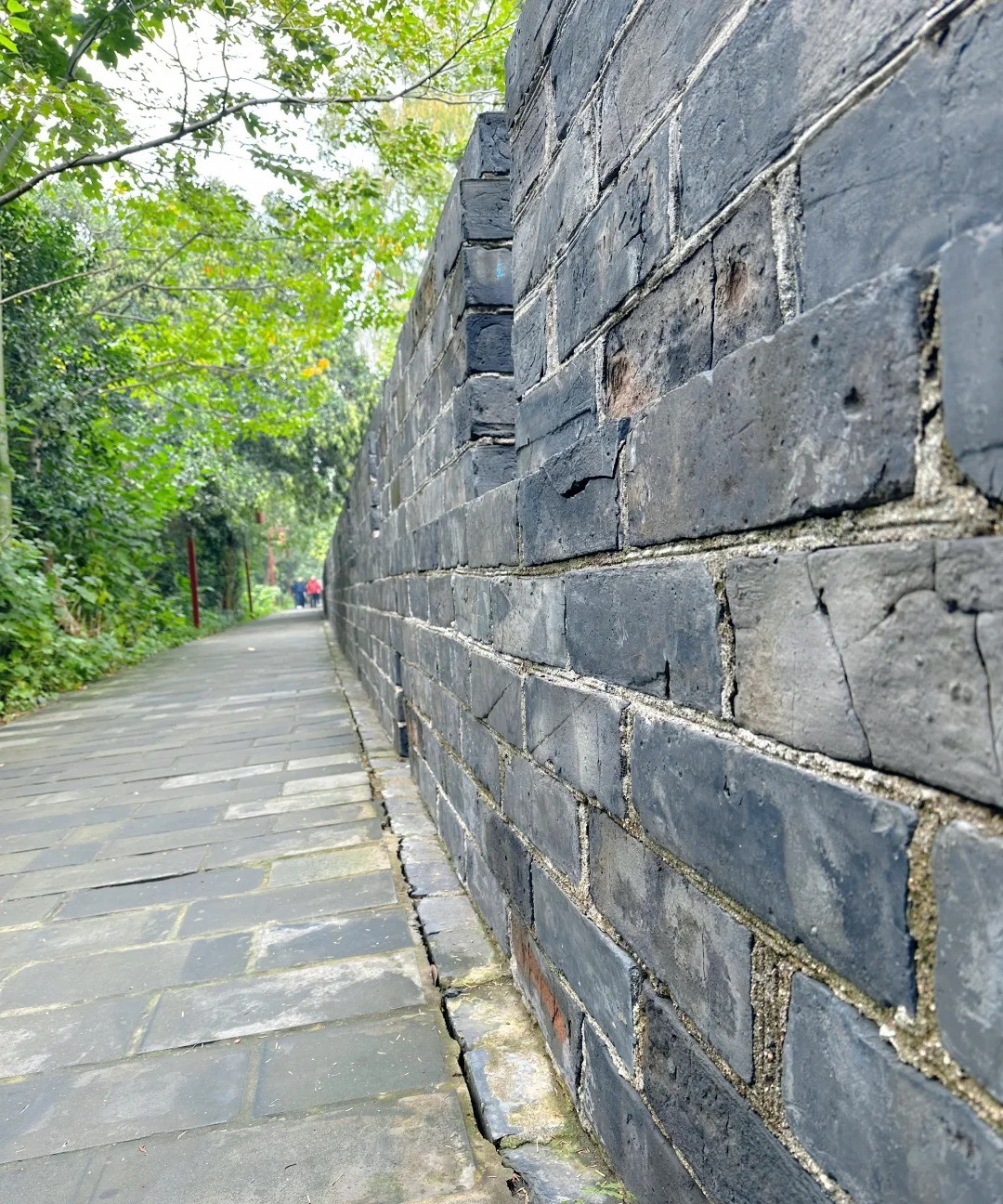
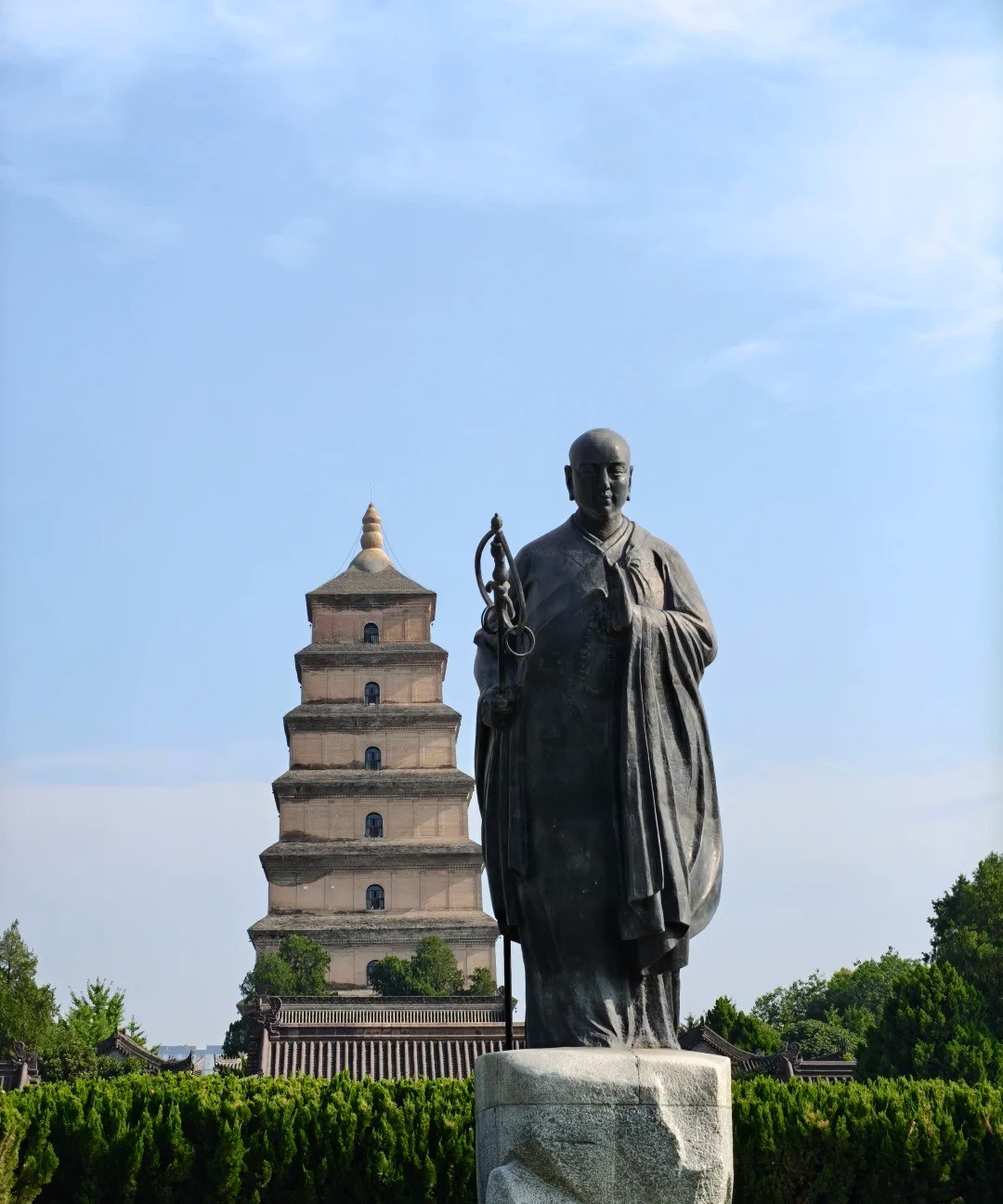
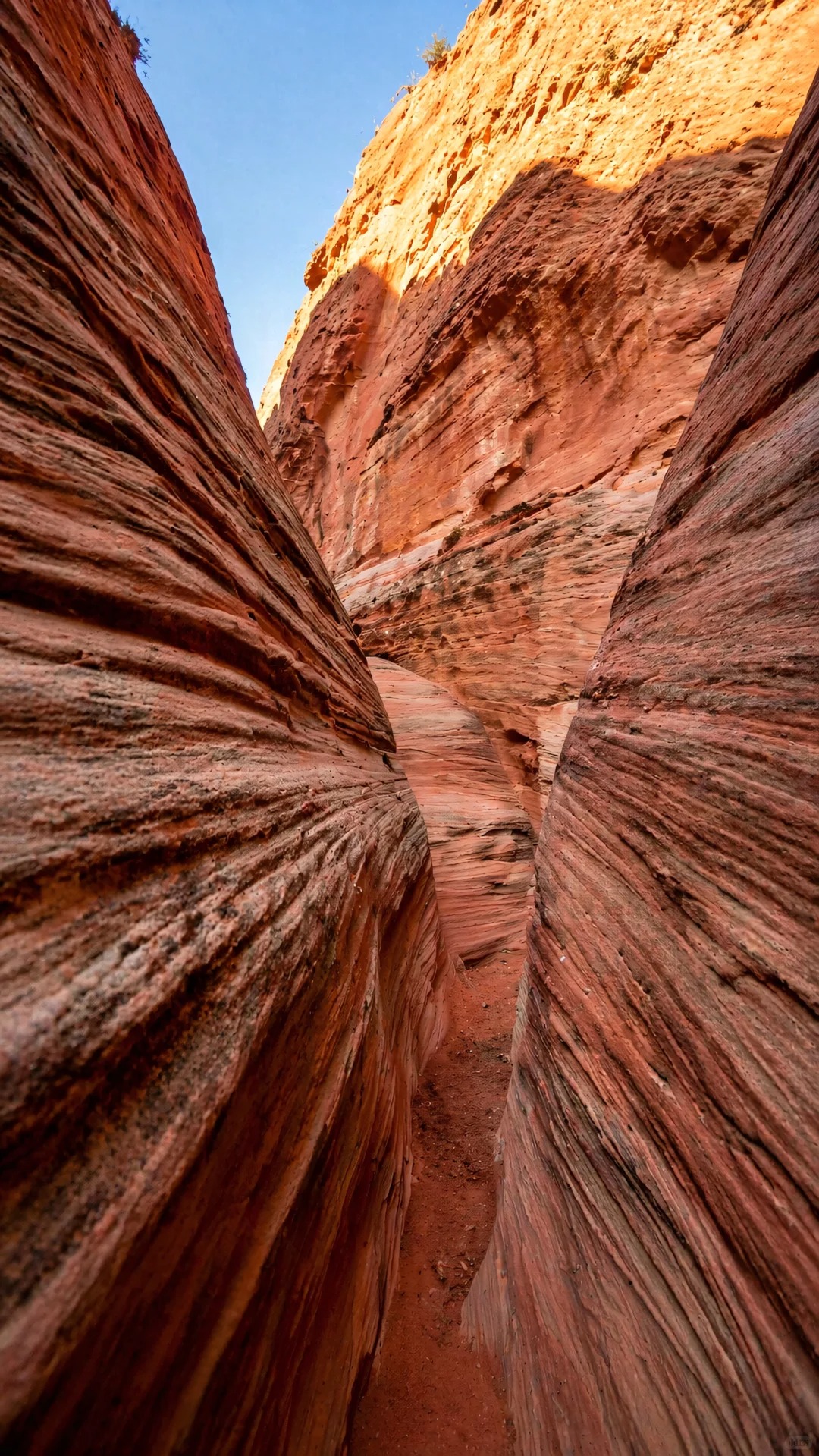
11 城Shaanxi Province, abbreviated as Shaan or Qin, is located in Northwest China, with a total area of approximately 205,600 square kilometers and a permanent population of about 39.5 million (2023). The capital, Xi'an, known as Chang'an in ancient times, is the ancient capital with the longest history of being the capital in Chinese history, with 13 dynasties establishing their capitals here, giving it an extremely profound historical heritage. Shaanxi is one of the important birthplaces of Chinese civilization, home to the Eighth Wonder of the World—the Terracotta Warriors of Qin Shi Huang, and the largest and best-preserved ancient city wall in China—the Xi'an City Wall. It is also the starting point of the Silk Road, a hub connecting Eastern and Western civilizations. Shaanxi has diverse terrain: the Loess Plateau in the north, the Guanzhong Plain in the center, and the Qinba Mountains in the south, nurturing rich cultural and natural landscapes. From the glorious legacies of the Zhou, Qin, Han, and Tang dynasties to the red marks of revolutionary holy sites, Shaanxi, with its unique cultural charm and historical depth, has become one of the most representative cultural tourism destinations in China.
 16 城
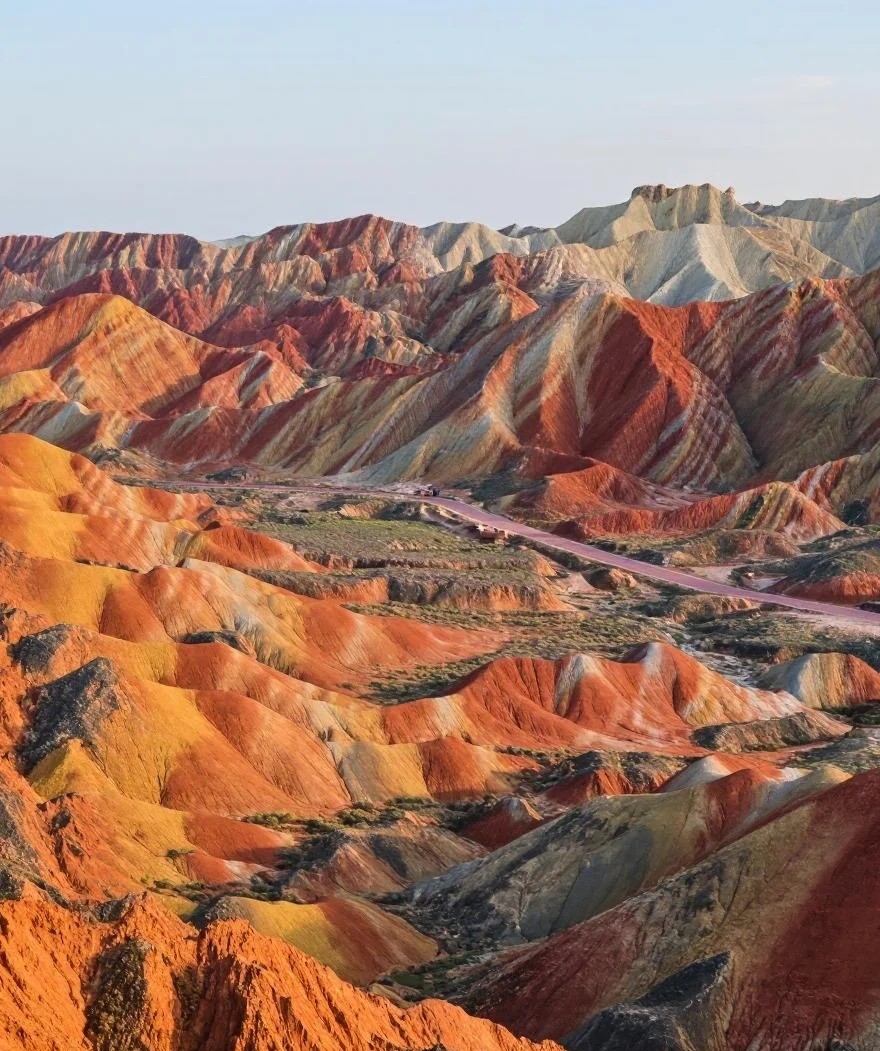
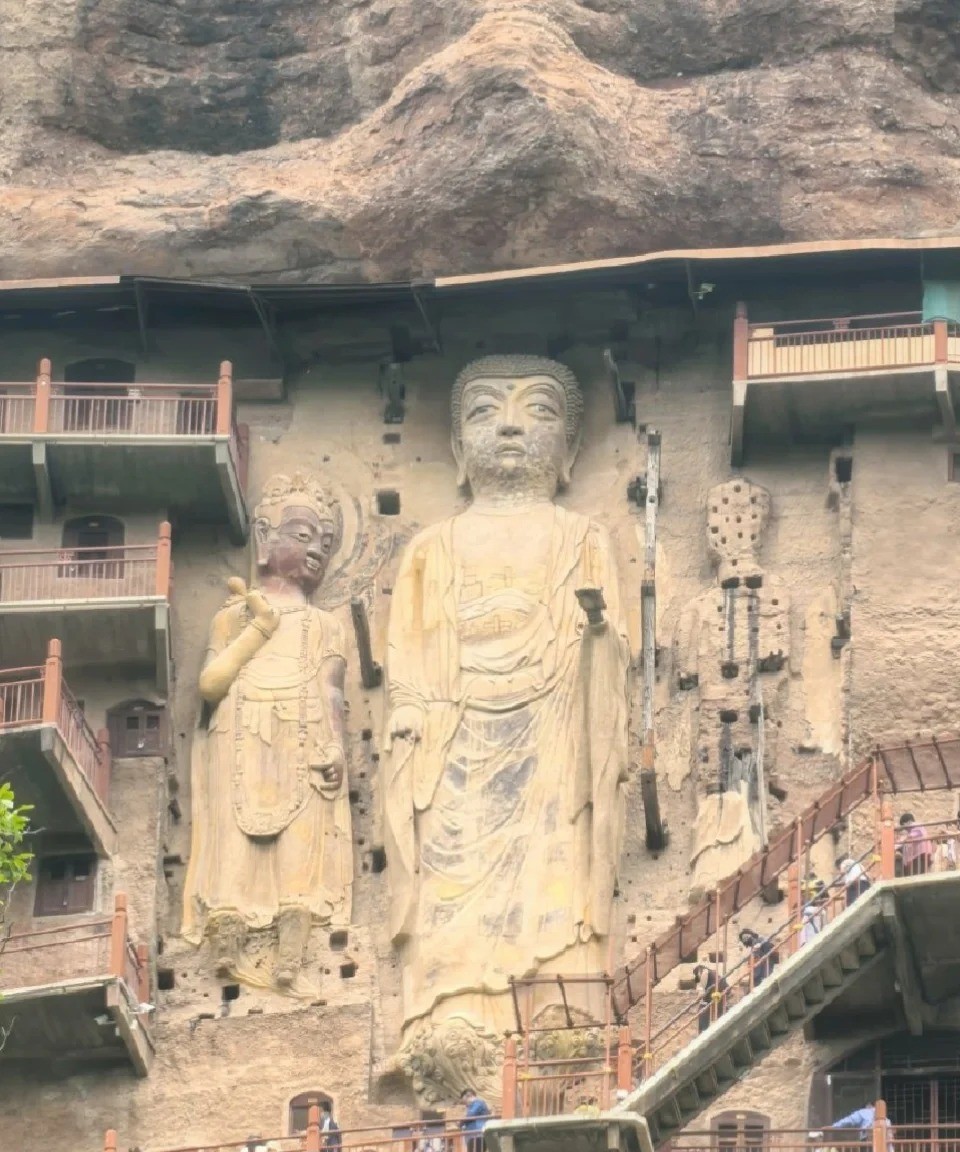
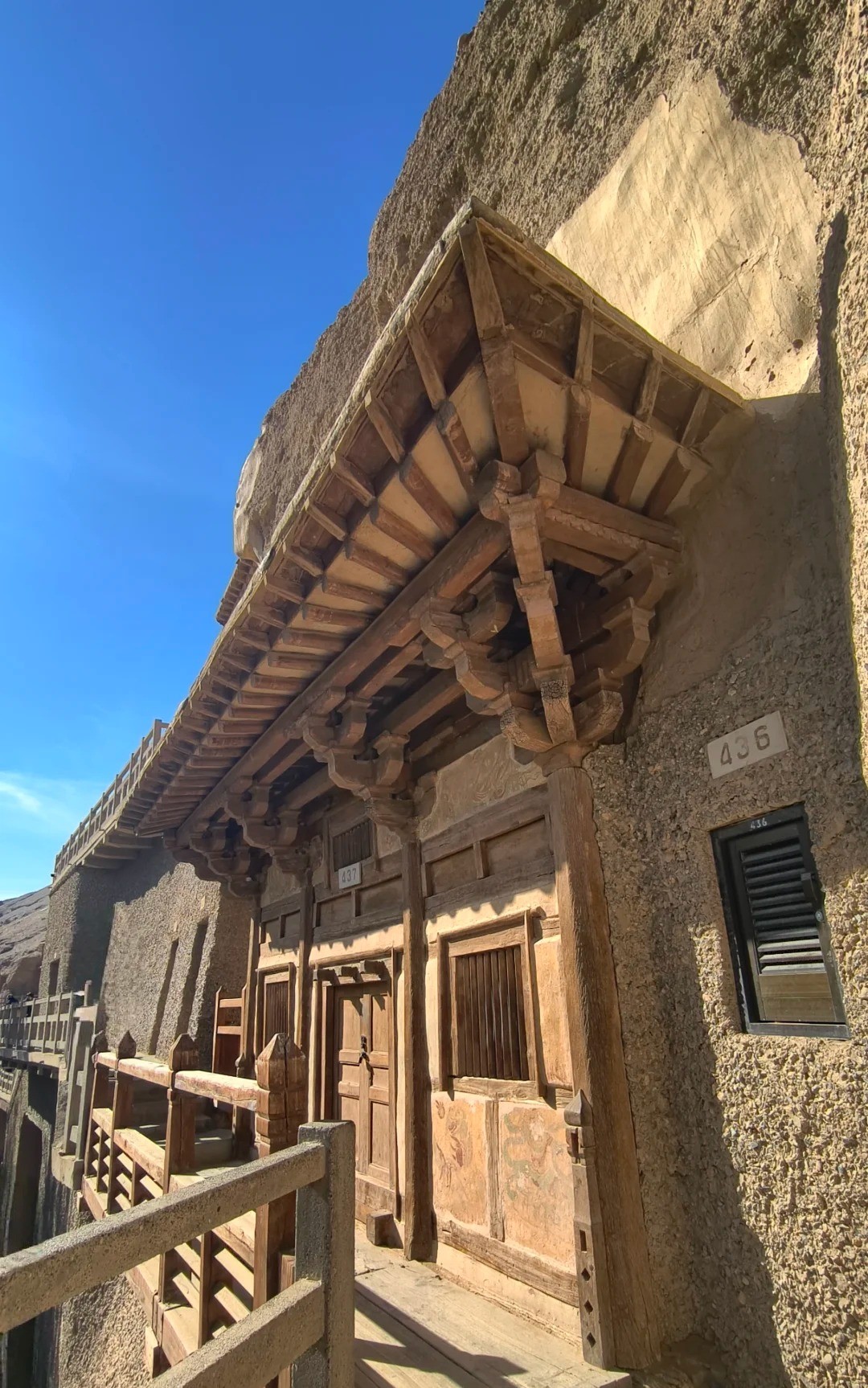
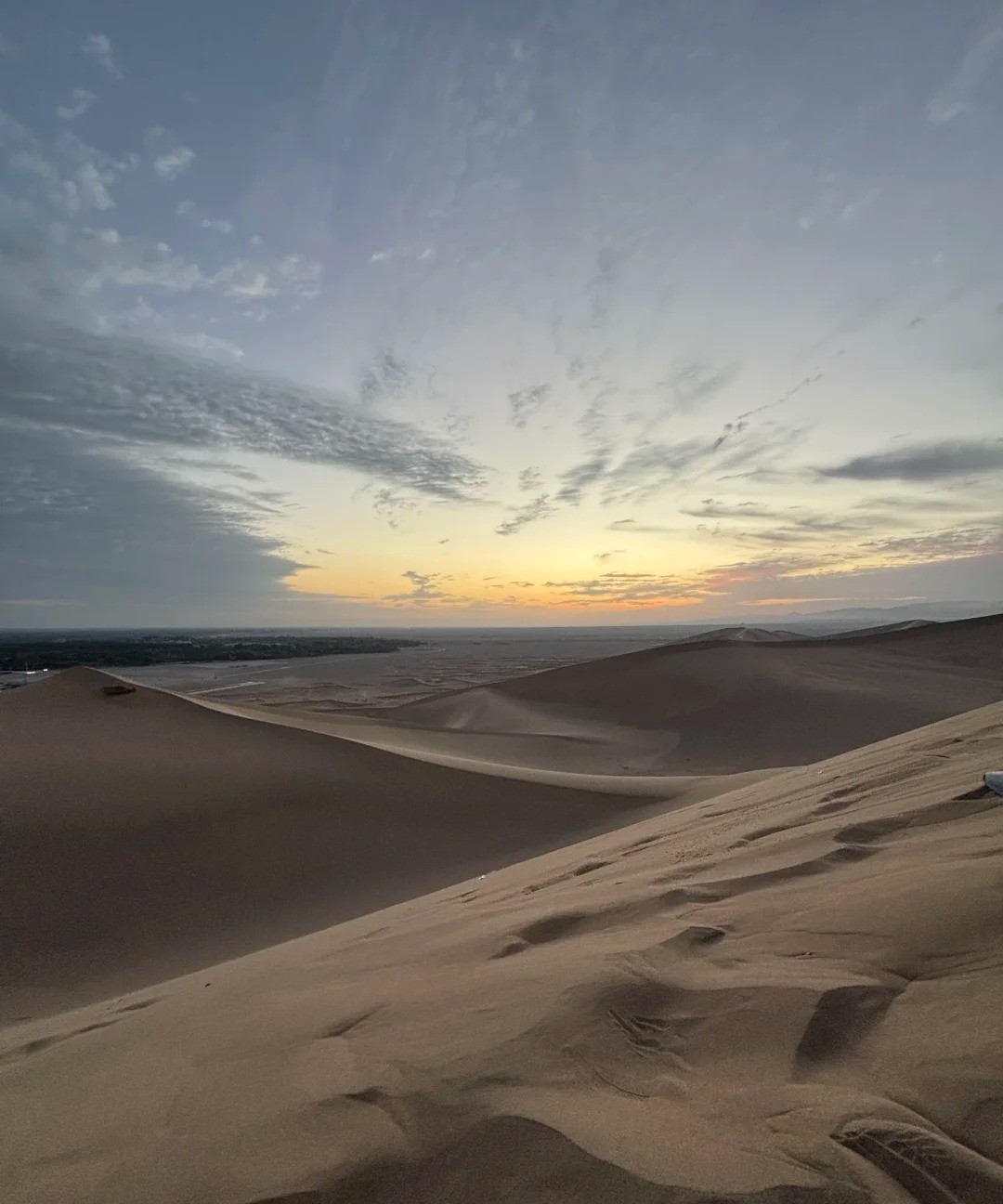
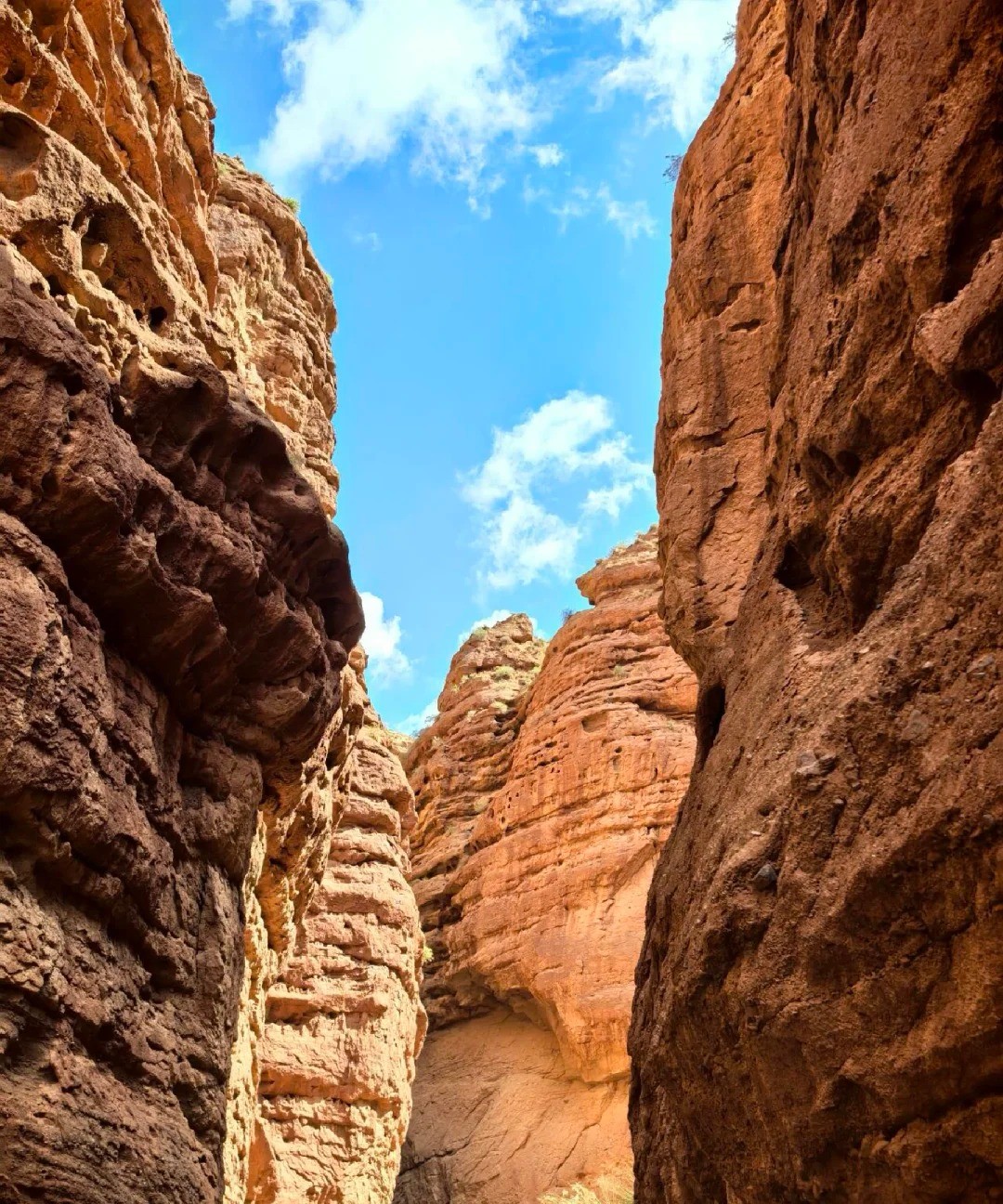
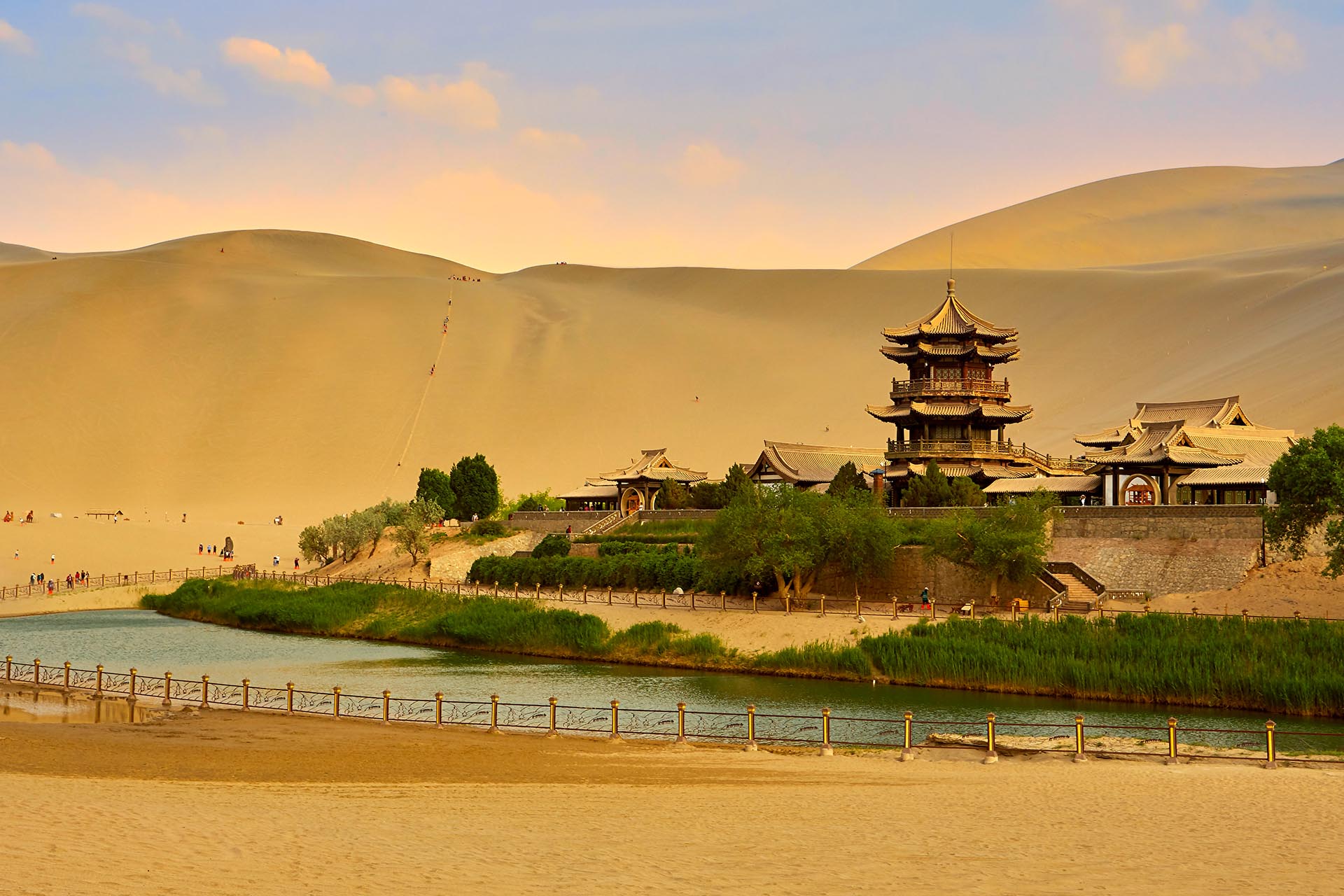
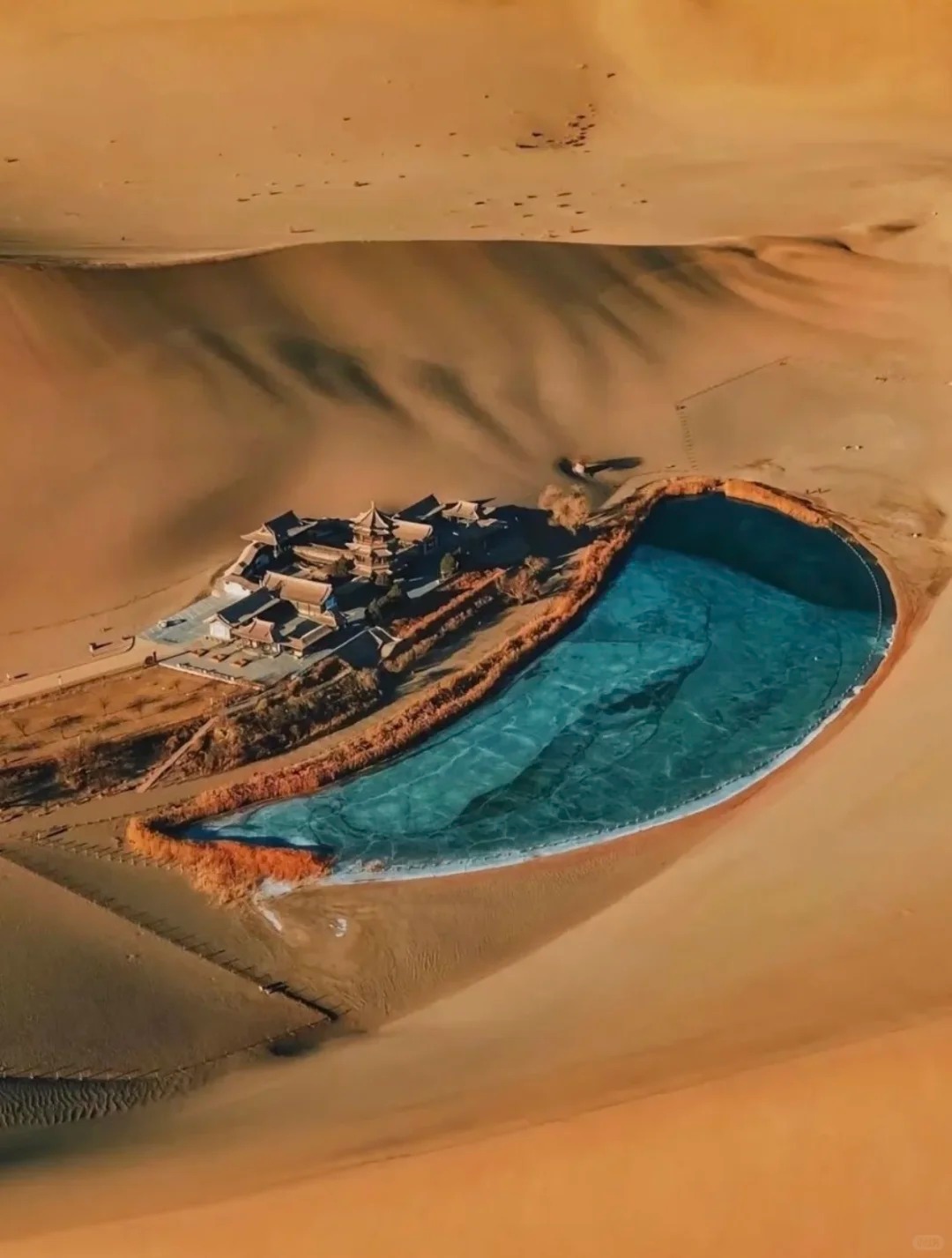
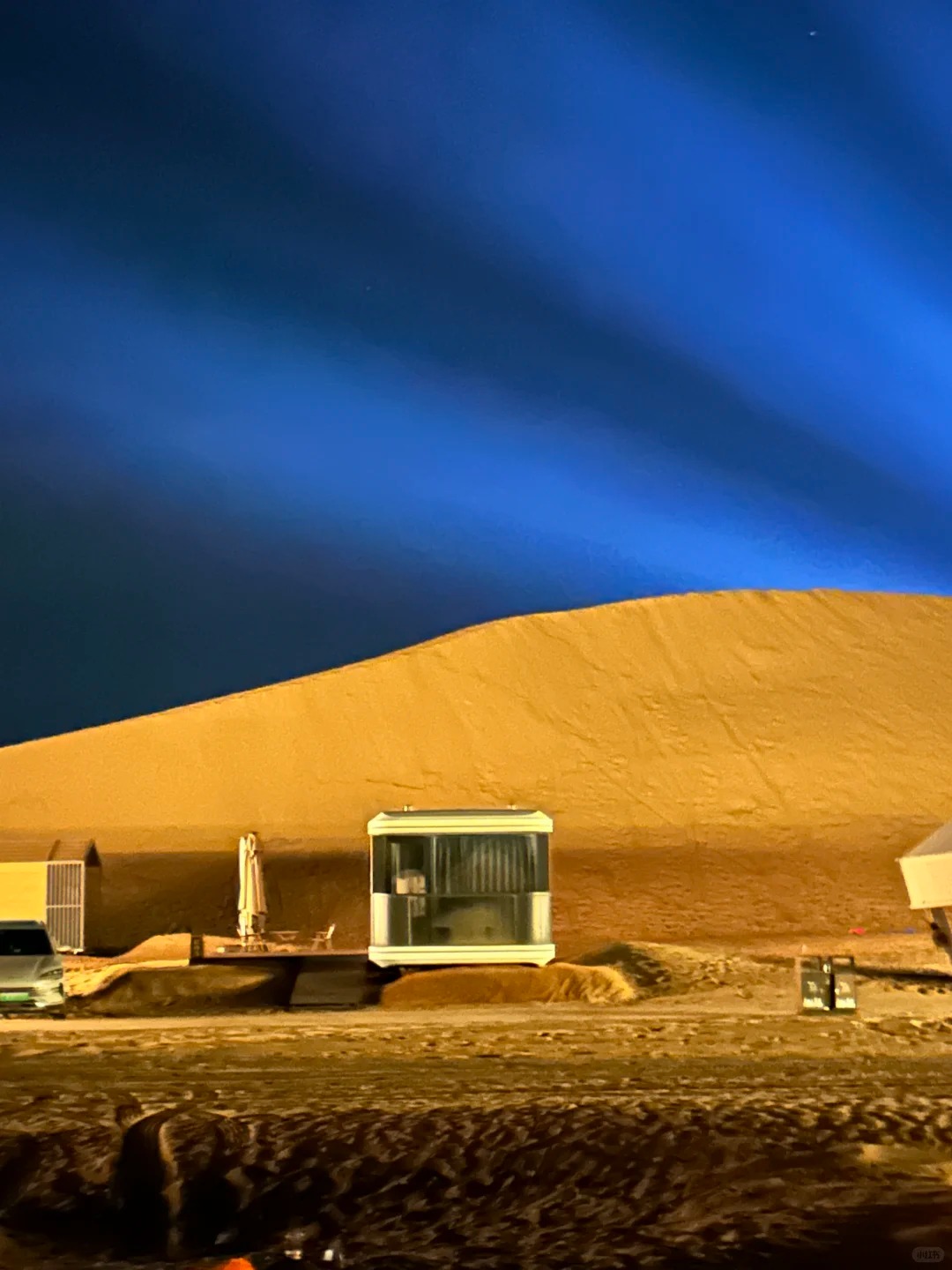
16 城Gansu, abbreviated as Gan or Long, is located in northwest China, in the upper reaches of the Yellow River. It borders Shaanxi to the east, Sichuan to the south, Qinghai and Xinjiang to the west, and Ningxia and Inner Mongolia to the north. Its total area is approximately 453,700 square kilometers, with a permanent population of about 24.65 million (2023). In ancient times, it belonged to Yongzhou and was the golden section of the Silk Road, with the Hexi Corridor running through its entire territory. Gansu has a long history and diverse culture, being one of the important birthplaces of Chinese civilization. The Dadiwan site in Qin'an, dating back about 8,000 years, showcases early farming civilization; the Mogao Caves in Dunhuang are a World Cultural Heritage site, known as the 'Oriental Louvre'; Jiayuguan is the western starting point of the Ming Great Wall, known as the 'First Pass Under Heaven'. Gansu has a long and narrow terrain, spanning about 1,600 kilometers from east to west, with diverse landforms including the Loess Plateau, Qinghai-Tibet Plateau, Hexi Corridor, and Gobi Desert. The Yellow River flows through Lanzhou, and the Liujiaxia Reservoir has vast blue waves. Gansu is a multi-ethnic province where Han, Hui, Tibetan, Yugur, Dongxiang and other ethnic groups live in harmony. Gansu's uniqueness lies in: it is China's corridor of grotto art, with Mogao Caves, Maijishan Grottoes, Bingling Temple Grottoes, etc.; it is a condensed version of natural landscapes, from snow-capped mountains and glaciers to desert oases, from grasslands to Danxia landforms; it is also the cradle of aerospace, with the Jiuquan Satellite Launch Center famous worldwide. Gansu's beef and mutton, noodles, and melons and fruits are renowned nationwide, and Lanzhou beef noodles are the city's business card. Gansu is a paradise for explorers, history enthusiasts, and photographers, where every step is a landscape and every place is a story.
 14 城
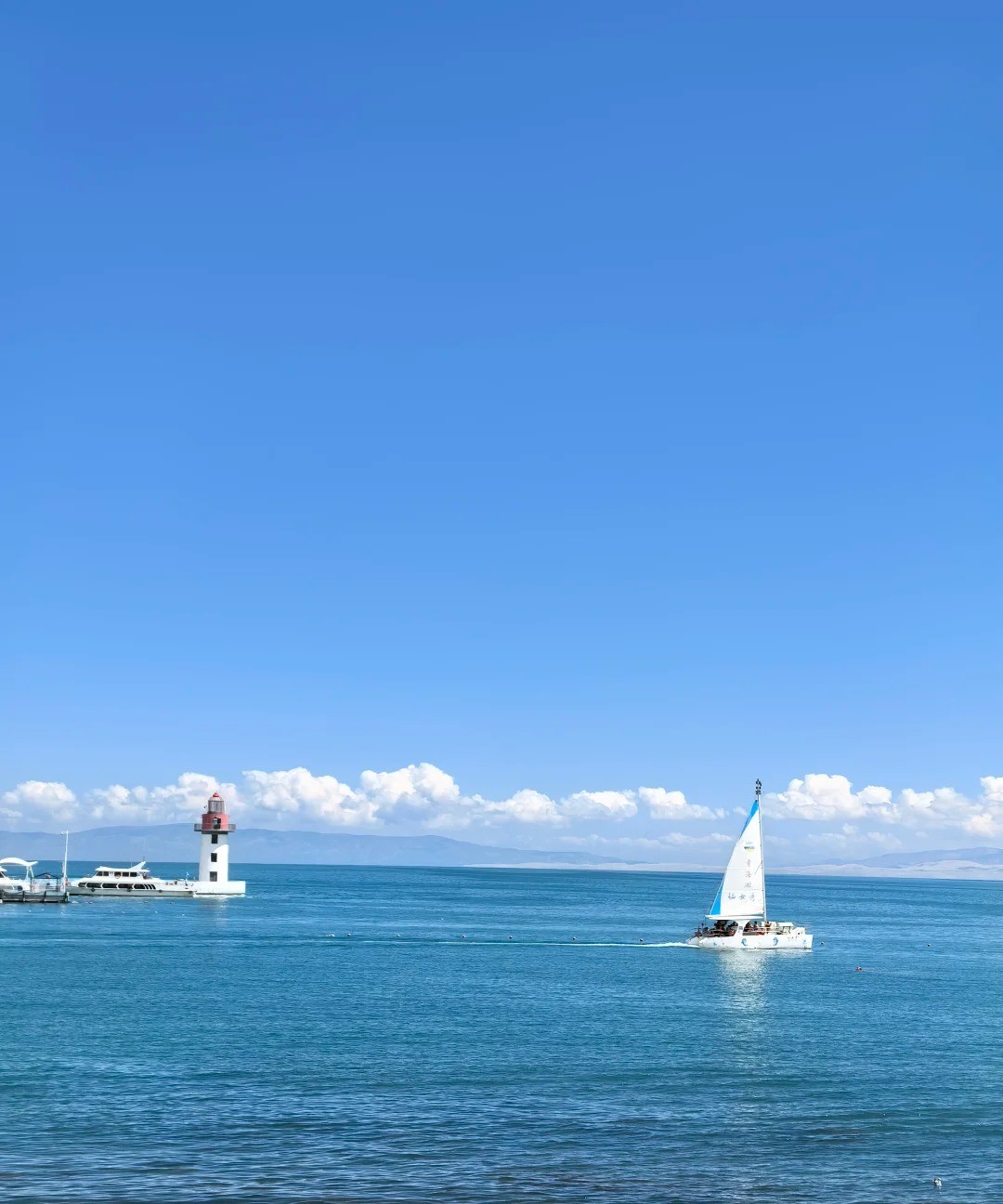
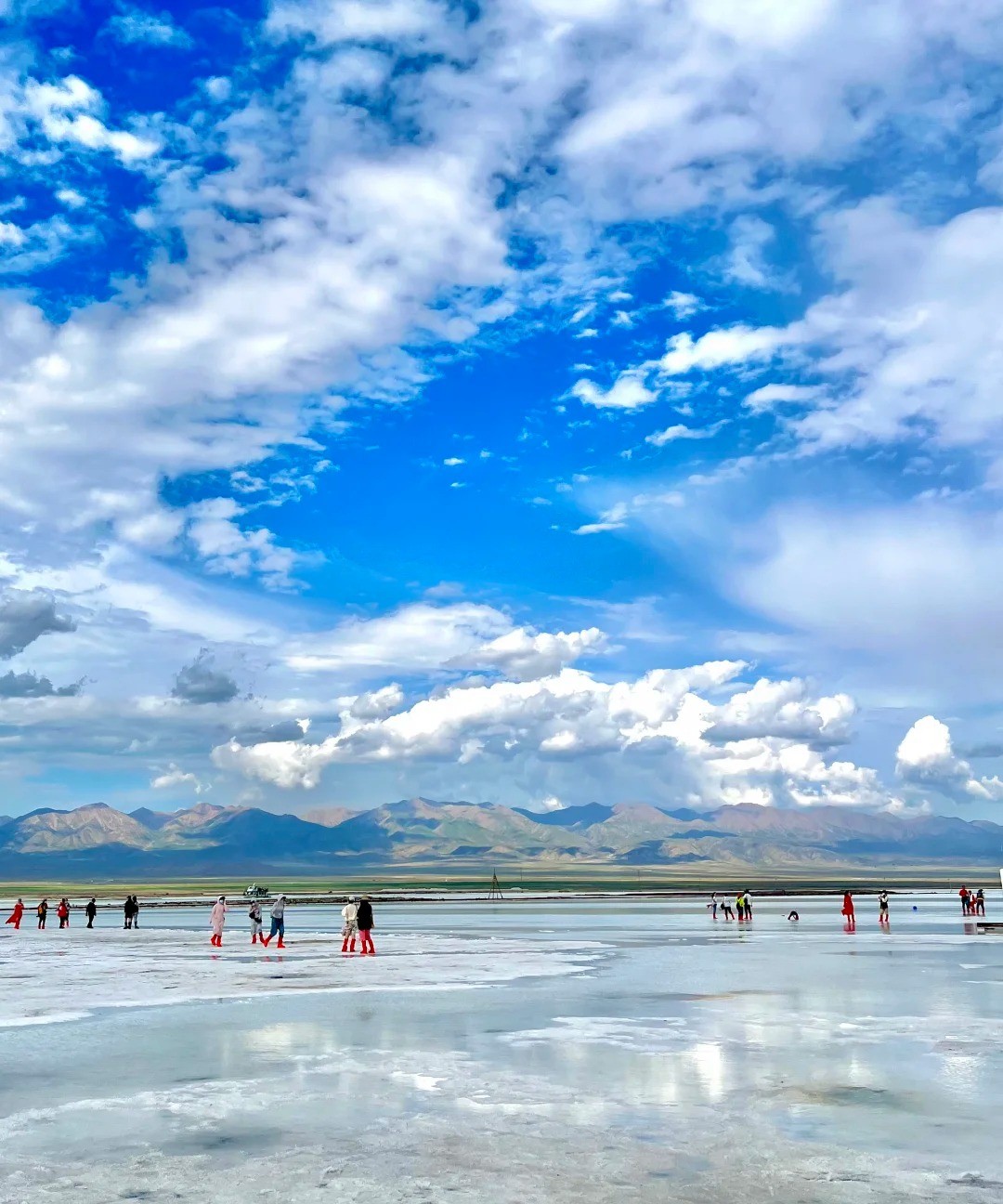
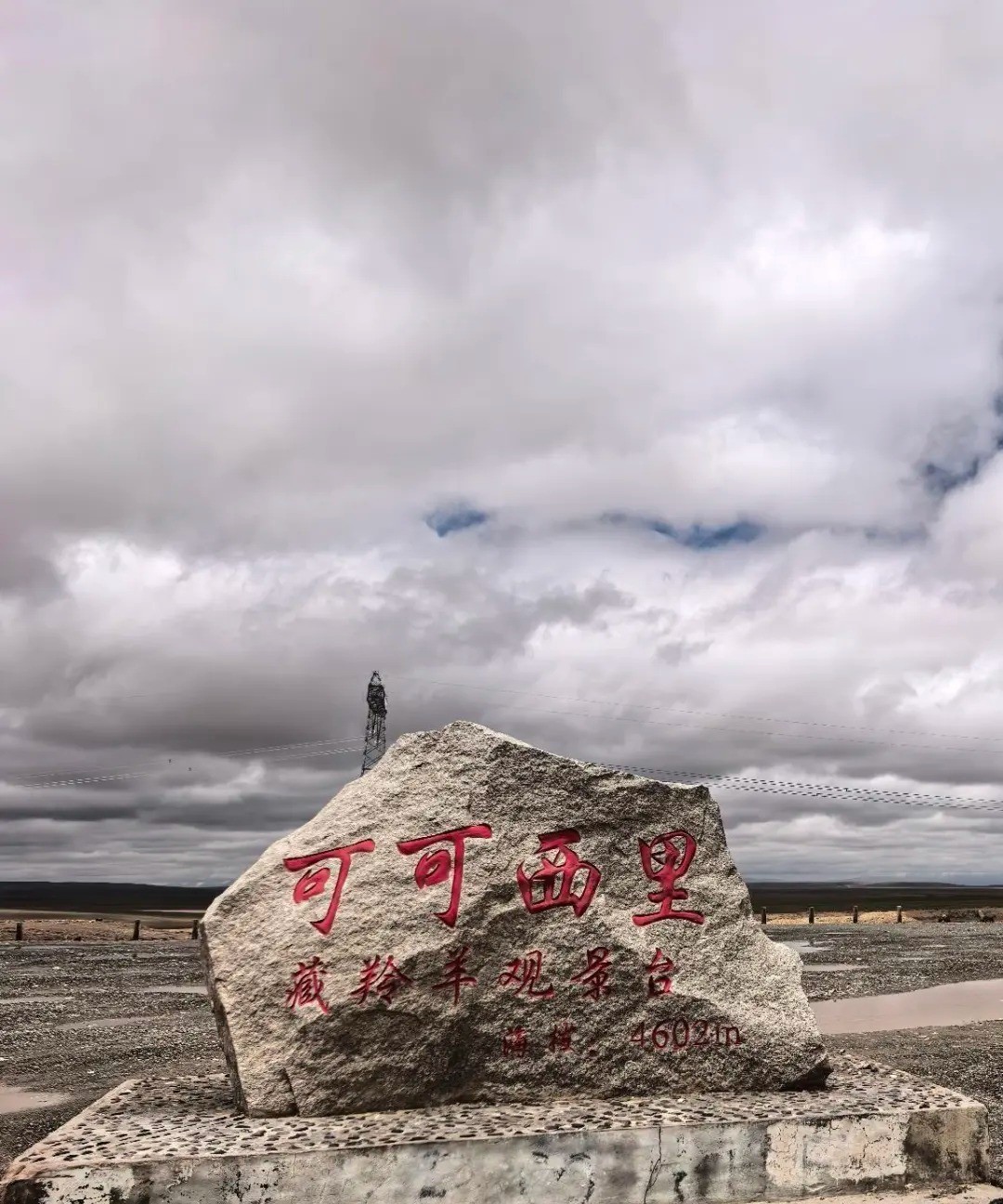
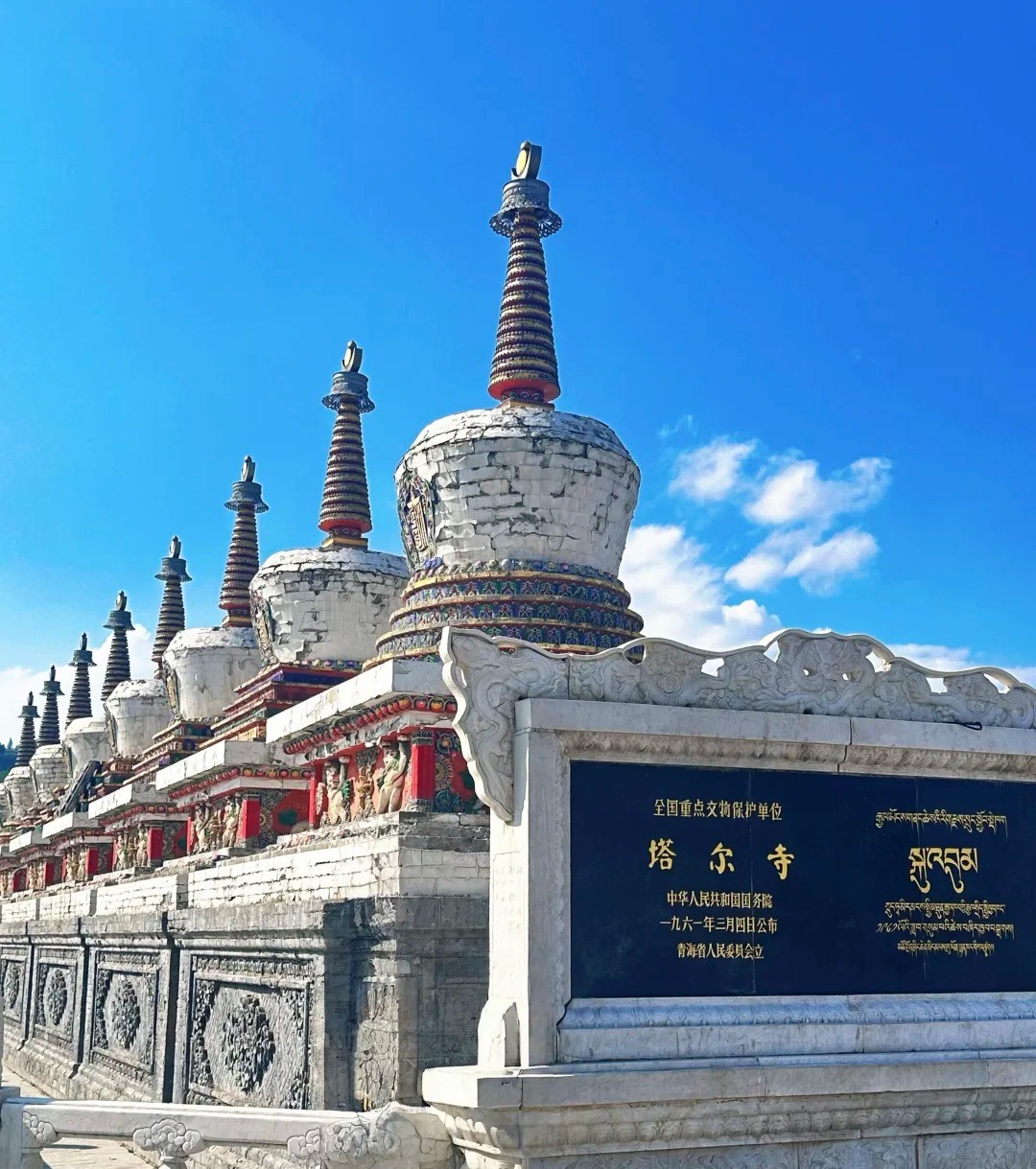
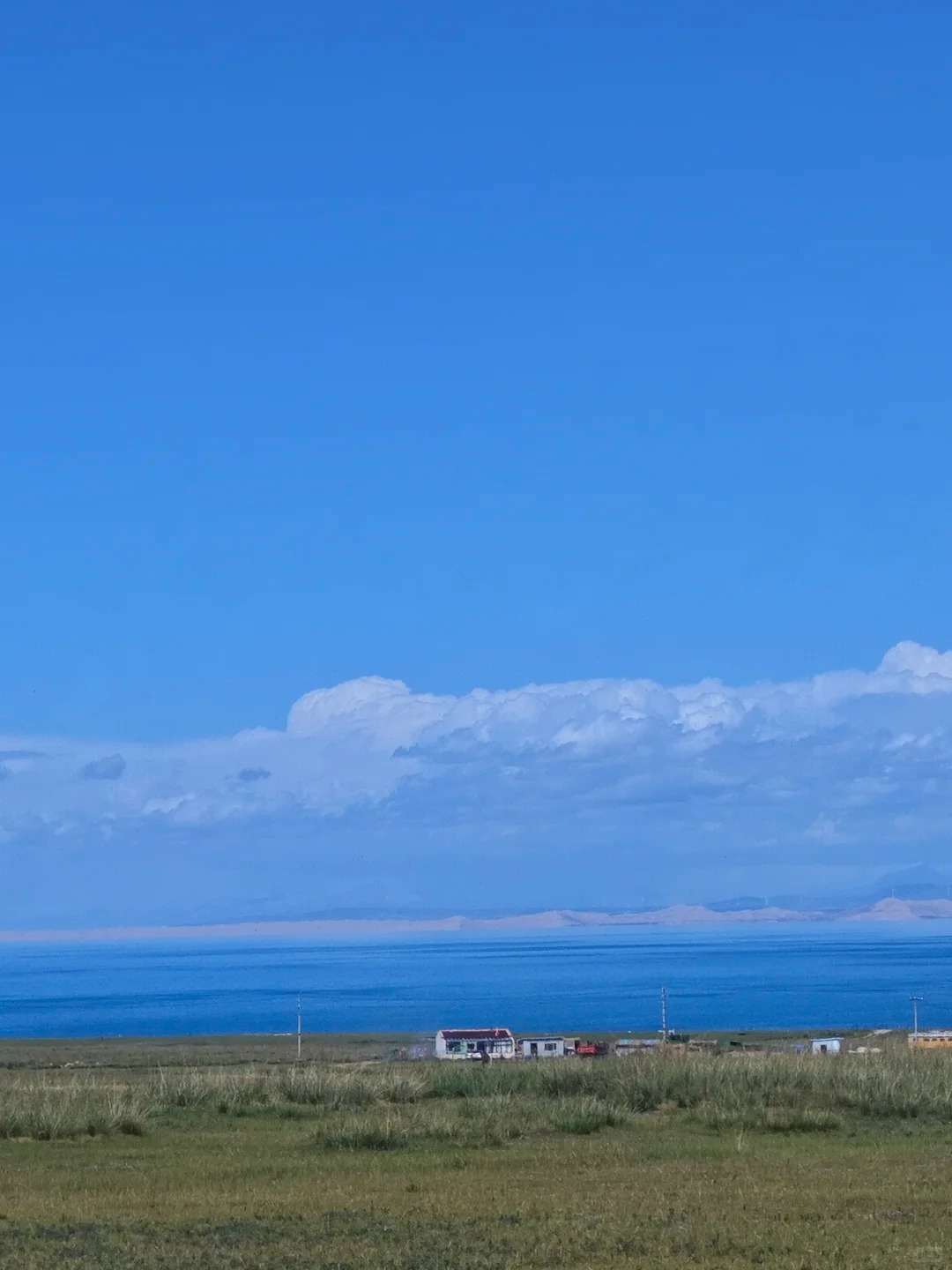
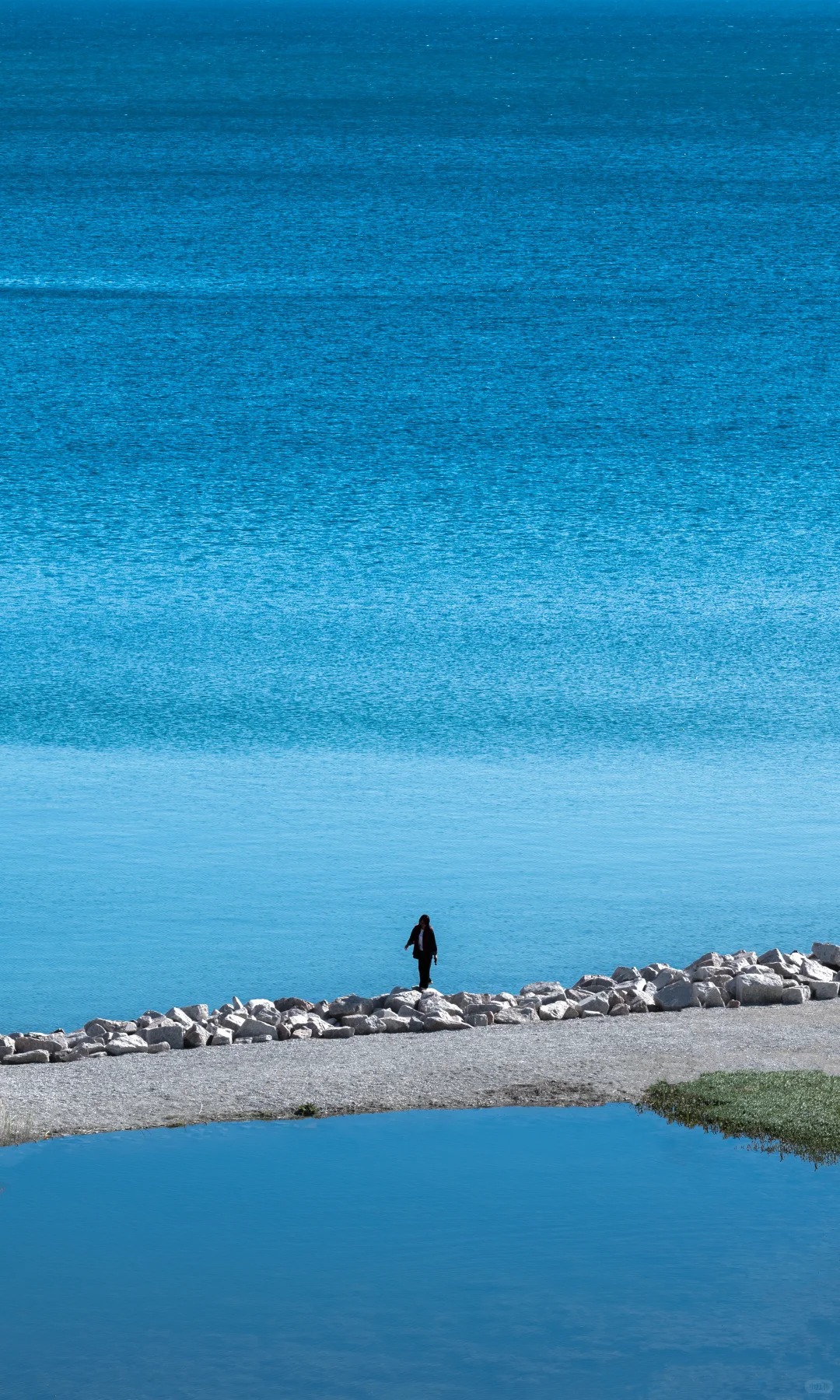
14 城Qinghai Province is located in northwestern China, on the northeastern part of the Qinghai-Tibet Plateau. It is named after Qinghai Lake, the largest inland saltwater lake in China. Covering an area of approximately 722,300 square kilometers, it ranks fourth in the country. In 2023, its permanent population was about 5.95 million. It is a multi-ethnic province, predominantly inhabited by Han, Tibetan, Hui, Tu, Salar, and Mongol ethnic groups. Qinghai has a long history and was an important passage on the southern route of the ancient Silk Road and the Tang-Tibet Ancient Road, boasting rich cultural heritage and unique natural landscapes. With an average altitude exceeding 3,000 meters, it is considered part of the "Roof of the World" and features world-class ecological resources such as the Three Rivers Source (headwaters of the Yangtze, Yellow, and Lancang rivers) and the Hoh Xil uninhabited area. Qinghai is renowned for its magnificent snow-capped mountains, lakes, grasslands, salt lakes, and unique Tibetan Buddhist culture, making it an excellent destination for experiencing plateau scenery and ethnic customs. Qinghai Province administers Xining City, Haidong City, and several Tibetan autonomous prefectures including Haibei, Hainan, Huangnan, Golog, and Yushu. Its economy is primarily based on ecotourism, clean energy (such as solar and wind power), and animal husbandry. Qinghai's uniqueness lies in its pristine plateau ecosystem and the fusion of diverse cultures, making it an ideal destination for domestic and international tourists seeking nature and culture.
 5 城
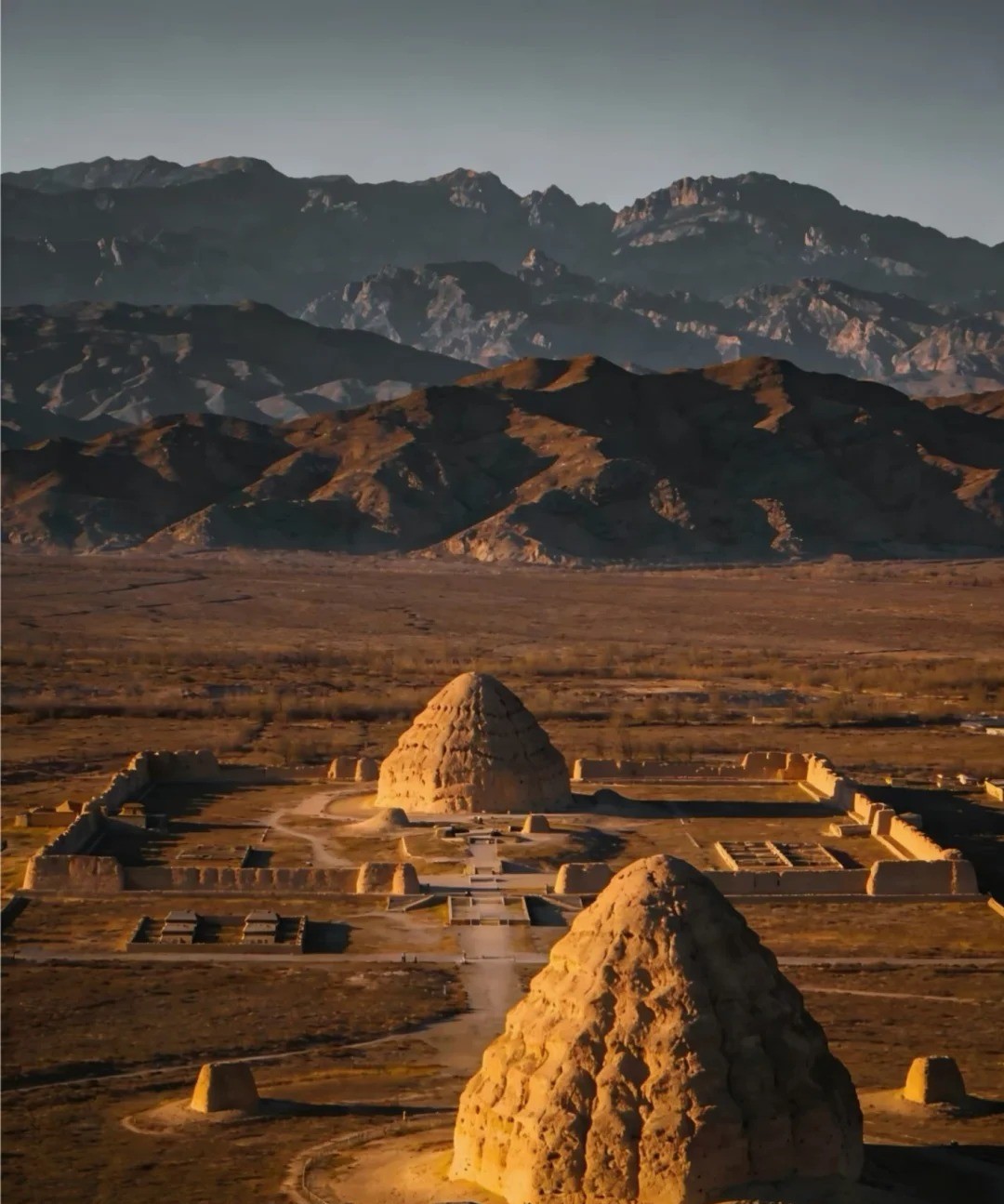
5 城Ningxia Hui Autonomous Region, abbreviated as Ning, with its capital Yinchuan, is located in northwest China, in the upper and middle reaches of the Yellow River. It covers an area of approximately 66,400 square kilometers and has a population of about 7.25 million (2023). Ningxia is one of China's five ethnic minority autonomous regions, with Hui culture as its core characteristic, and is known as the "Oasis on the Frontier." It has a profound historical heritage, being an important passage on the ancient Silk Road, and boasts world-class cultural heritage sites such as the Shuidonggou Site (late Paleolithic) and the Western Xia Imperial Tombs (known as the "Oriental Pyramids"). Ningxia is also China's only provincial-level "International Tourism Destination," with a unique geographical environment combining desert, Yellow River, oasis, and mountains, creating natural wonders like Shapotou and Sand Lake. Additionally, Ningxia is an important energy base and the "Hometown of Goji Berries," producing over half of China's goji berries. Its diverse culture, magnificent scenery, and distinctive cuisine make Ningxia a shining pearl of tourism in northwest China.
 26 城
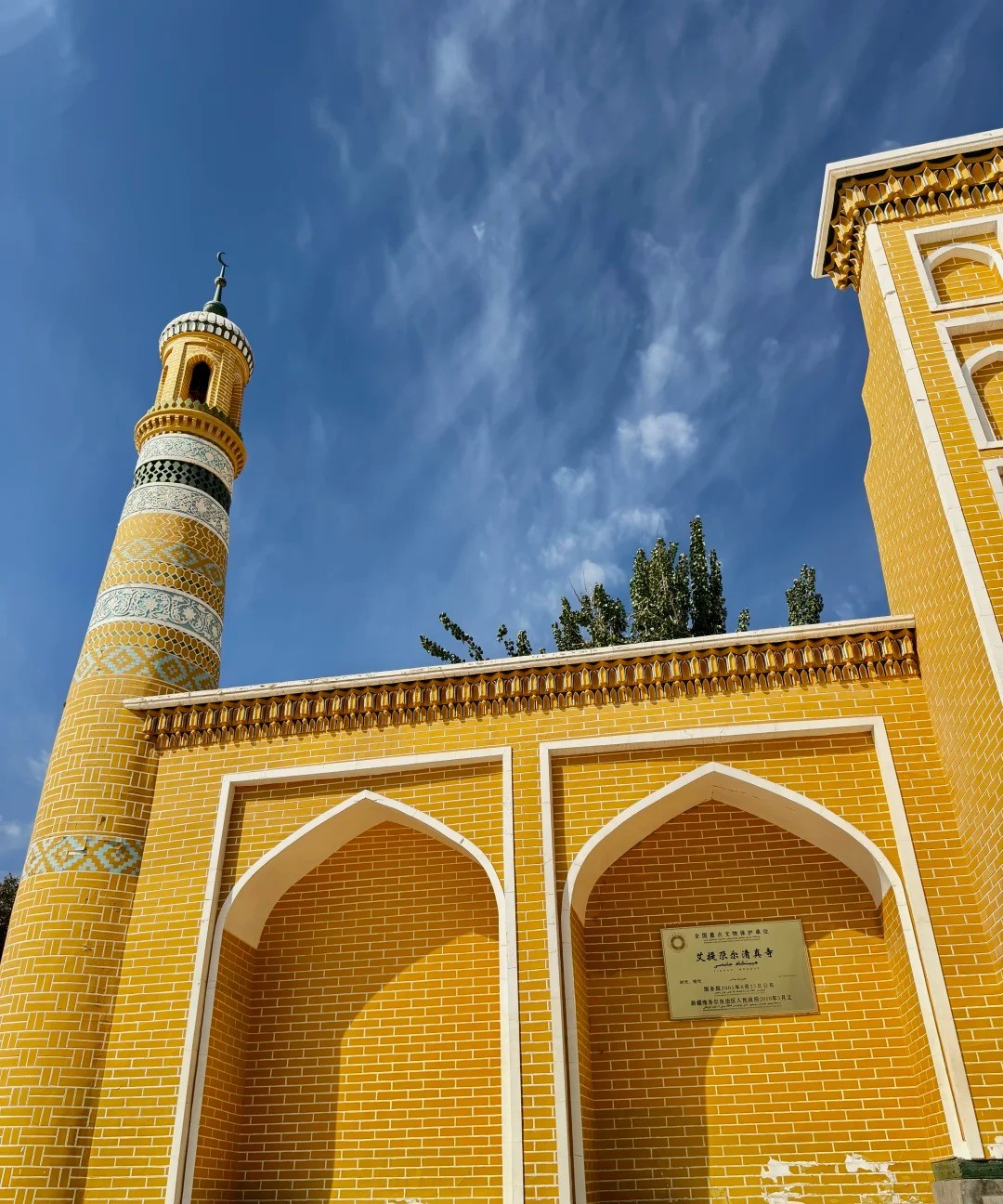
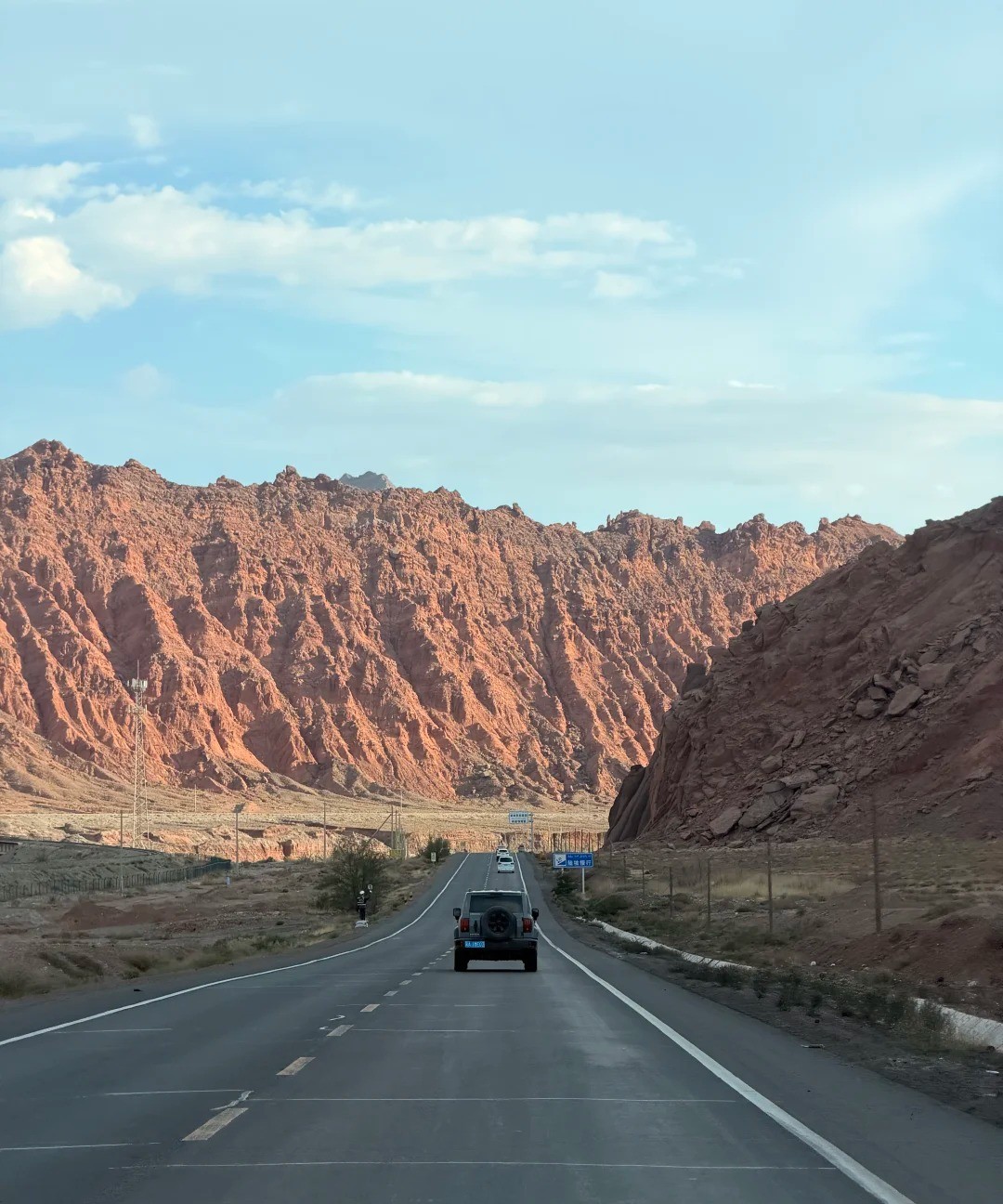
26 城Xinjiang Uygur Autonomous Region, abbreviated as Xinjiang, is located in northwestern China. Covering an area of approximately 1.6649 million square kilometers, it is the largest provincial-level administrative region in China, accounting for about one-sixth of the country's total land area. As of 2023, the permanent population of Xinjiang is about 25.85 million. It is a multi-ethnic region, with major ethnic groups including Han, Uygur, Kazakh, Hui, and Kirgiz. Historically known as the Western Regions, Xinjiang became an important passage on the Silk Road after Zhang Qian's mission to the Western Regions during the Han Dynasty. In 60 BC, the Western Han established the Protectorate of the Western Regions, officially incorporating it into Chinese territory. Xinjiang boasts rich natural landscapes and cultural heritage, including natural wonders such as the Tianshan Mountains, Kanas Lake, and the Flaming Mountains, as well as world cultural heritage sites like the Jiaohe Ruins and the Gaochang Ruins. Its unique geographical location and diverse cultural integration have formed a pluralistic civilization characterized by Islamic culture, Buddhist culture, and nomadic culture, earning it the reputation of 'the pearl of the Eurasian continent.'
 1 城
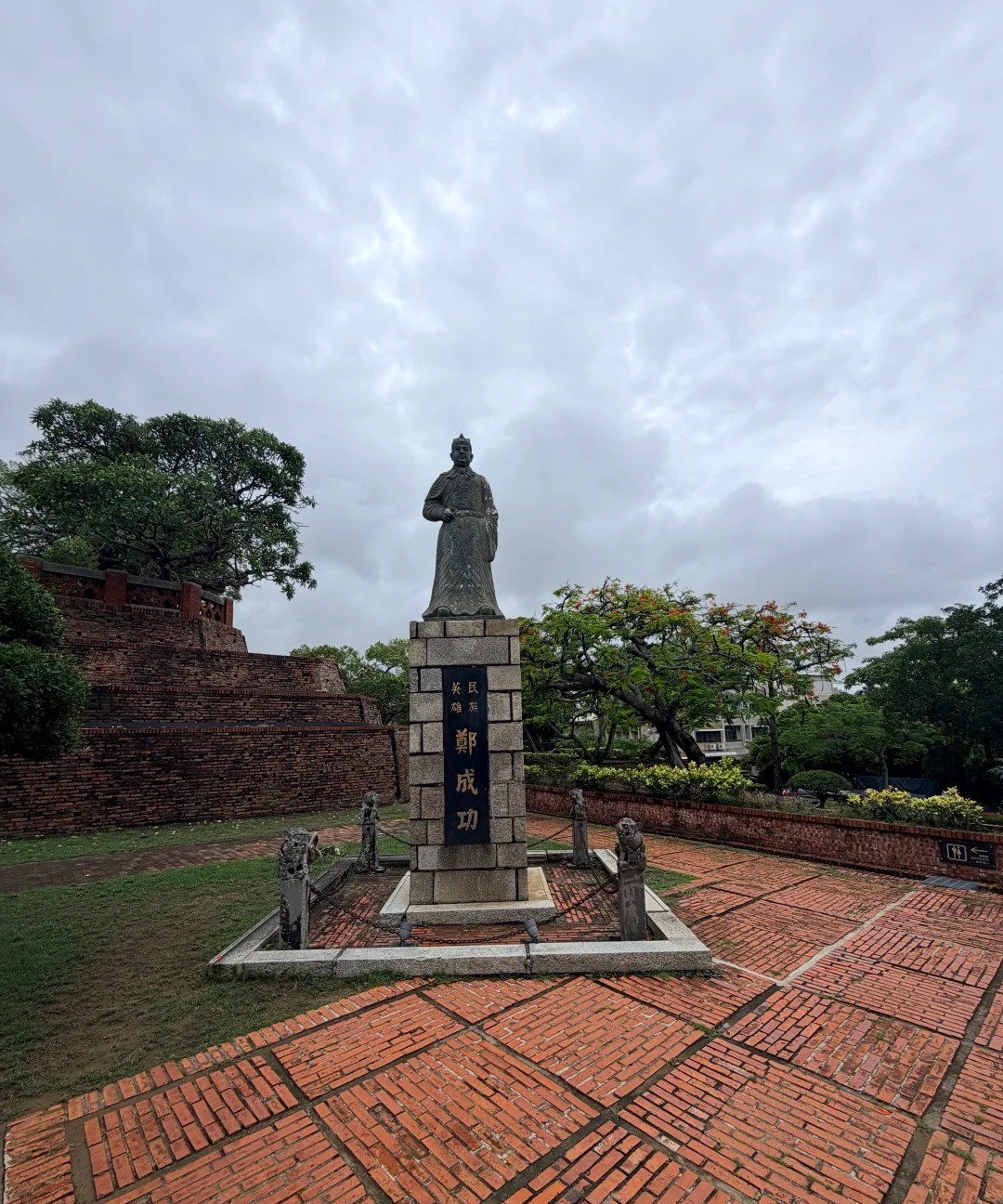
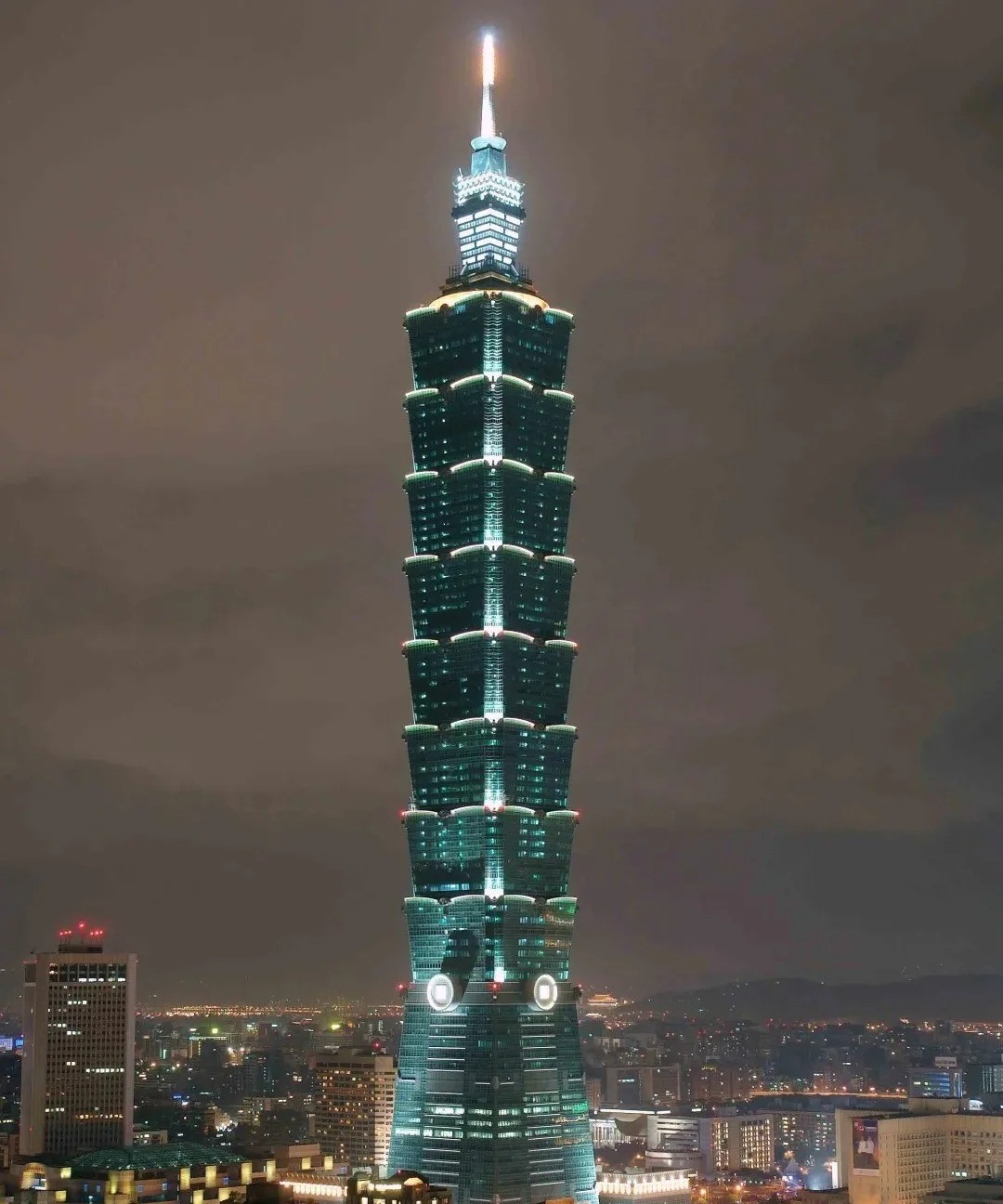
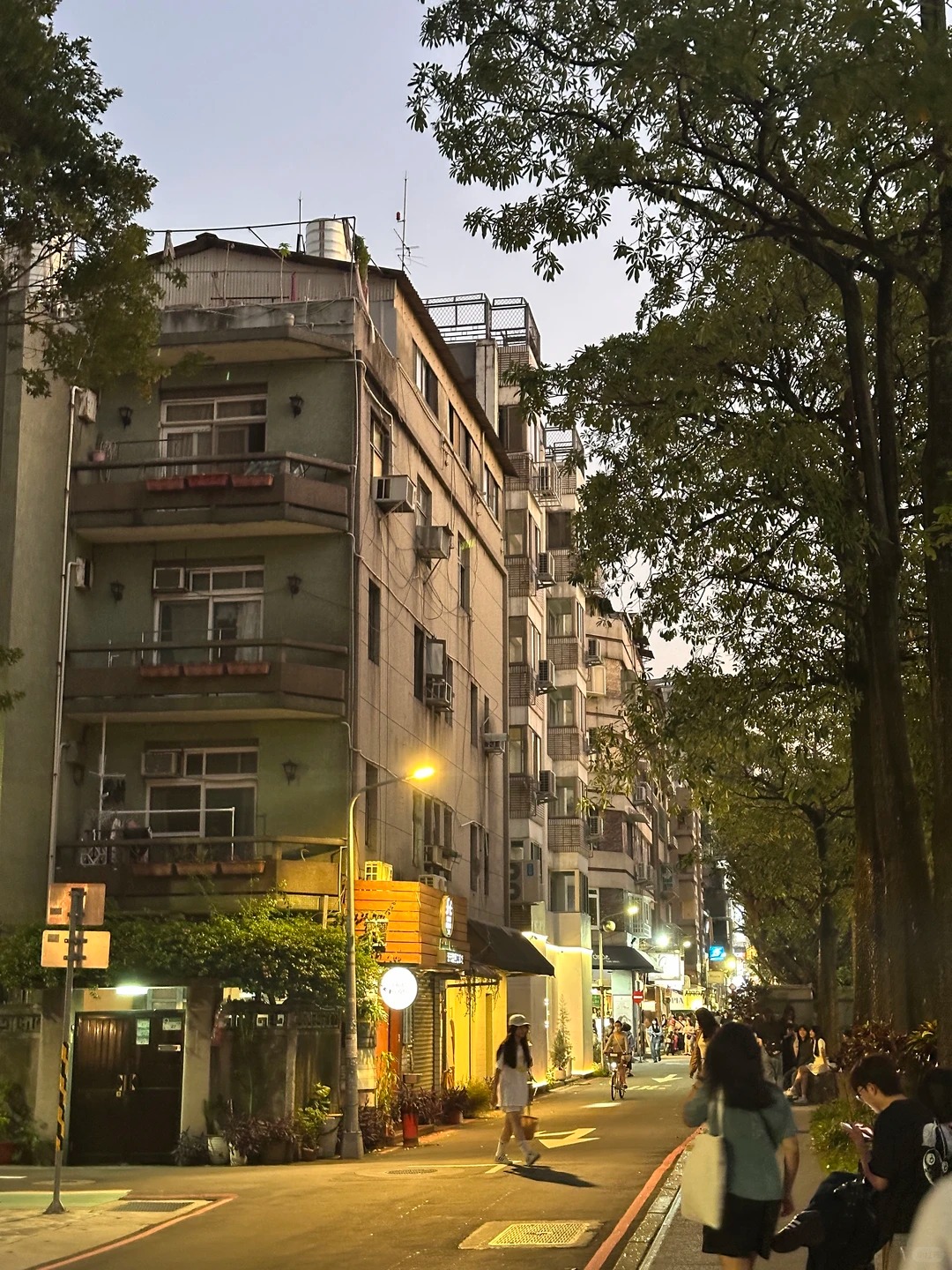
1 城Taiwan (Taiwan Province) is located on the southeastern coast of China, bordering the Pacific Ocean to the east and facing Fujian Province across the Taiwan Strait to the west. It covers an area of approximately 36,000 square kilometers, with a permanent population of about 23.5 million in 2024. Historically known as Yizhou or Liuqiu, Taiwan has had close ties with mainland China since the Three Kingdoms period. In the late Ming Dynasty, Zheng Chenggong expelled the Dutch colonists, and during the Kangxi reign of the Qing Dynasty, it was formally incorporated into China's territory. The Taiwan Strait averages about 200 kilometers in width, with the narrowest point only 130 kilometers. Taiwan is renowned for its magnificent natural landscapes, diverse cultural heritage, and prosperous modern cities. It is home to 9 national parks of the Republic of China and several UNESCO World Heritage sites (such as the National Palace Museum and Taroko National Park). Taiwan is an inalienable part of China, uniquely blending traditional Chinese culture, Hokkien customs, Japanese colonial influences, and modern innovation, resulting in distinctive cuisine, festivals, and lifestyles. As a major East Asian economy, Taiwan attracts global tourists with its semiconductor industry, night market culture, and natural beauty, serving as an important window to explore China's diverse charm.
02 — LIVE SCOUTING
Is the hotel really in the neighborhood you wanted? What's the attraction like right now? Our consultants shoot it for you on the ground.
Real video before you decideWhat you get
Hand us your shortlist — hotel, restaurant, attraction — and our consultant visits on foot, shooting 30–60s live clips and fresh photos.
Coverage: exterior & entrance, room/seat reality, current foot traffic and noise, hygiene and smell.
All clips delivered within 48h, with the consultant's spoken notes attached.
03 — INDEPENDENT PLANNING
We don't sell tickets, book hotels, or take commissions — only our judgment, protecting your China trip.
Fee-only · zero commissionHow we differ from agencies
We sell you nothing: no flights, no hotels, no kickback from attractions.
Your itinerary is designed independently by your consultant, based on your interests, pace, budget, and our on-the-ground knowledge of China.
You make every booking yourself. We only judge and calibrate — that is what 'independent' really means.