免费咨询旅行专家——定制行程、本地贴士、无忧规划。
通常24小时内回复
Tibet
正在探索 · 林芝
INTRODUCTION
Tibet Autonomous Region, abbreviated as Tibet, is located in southwestern China, on the southwestern part of the Qinghai-Tibet Plateau, between latitudes 26°50' to 36°53' N and longitudes 78°25' to 99°06' E. The region covers an area of approximately 1.2028 million square kilometers, accounting for one-eighth of China's total area, second only to Xinjiang. As of 2023, the permanent population is about 3.64 million, making it the least densely populated province in China. Tibet is the main body of the Qinghai-Tibet Plateau, with an average altitude exceeding 4,000 meters, known as the 'Roof of the World.' It is home to the world's highest mountain range, the Himalayas, and the world's highest peak, Mount Everest. Tibet's history dates back to ancient times. In the 7th century, Songtsen Gampo unified the Tibetan tribes and established the Tubo Kingdom. In the 13th century, it was incorporated into the Yuan Dynasty. It was peacefully liberated in 1951 and formally established as an autonomous region in 1965. Tibet is a sacred land of Tibetan Buddhism, with world cultural heritage sites such as the Potala Palace and Jokhang Temple, as well as intangible cultural heritage including unique Tibetan culture, Thangka, Tibetan medicine, and Tibetan opera. Its unique plateau natural landscapes, mysterious religious atmosphere, and simple folk customs make Tibet a desired destination for global travelers.
I. The Sacred Land of the Roof of the World: Lhasa and Surroundings
1. Potala Palace: Located on Maburi Hill in central Lhasa, about 5 km from Lhasa Railway Station. Opening hours: Peak season (May 1-Oct 31) 8:30-17:00, Off-peak (Nov 1-Apr 30) 9:00-16:00. Ticket: Peak season 200 yuan, off-peak 100 yuan. Reservation required one day in advance. Visit the White Palace, Red Palace, and stupas of successive Dalai Lamas; photography prohibited.
2. Jokhang Temple: Located in the center of Lhasa's old town, about 2 km from Potala Palace. Opening hours: 7:00-17:30. Ticket: 85 yuan. Houses the statue of Sakyamuni at age 12, the ultimate pilgrimage destination for Tibetan Buddhists. Barkhor Street surrounds the temple, serving as a kora path and commercial street for buying Tibetan handicrafts.
3. Sera Monastery: Located at the foot of Sera Utse Mountain in northern Lhasa, about 7 km from the city center. Opening hours: 8:00-18:00. Ticket: 50 yuan. The debating courtyard hosts debates daily from 15:00-17:00, lively and great for understanding Tibetan Buddhist philosophy.
4. Norbulingka: Located in western Lhasa, about 3 km from Potala Palace. Opening hours: 9:00-18:00. Ticket: 60 yuan (peak), 30 yuan (off-peak). Summer palace of successive Dalai Lamas, with gardens blending Tibetan and Han elements, featuring palaces, pavilions, and lakes.
II. Sacred Lakes and Holy Mountains: Natural Wonders
1. Namtso Lake: Located between Damxung County (Lhasa) and Baingoin County (Nagqu), about 240 km from Lhasa, 4-5 hours drive. Opening hours: All day. Ticket: Peak season 120 yuan, off-peak 60 yuan. Altitude 4,718 meters, the highest large lake in the world, meaning 'Heavenly Lake' in Tibetan. The lake is mirror-like, with the Nyenchen Tanglha Mountains reflected in the distance. Best season: June-September; lake freezes in winter.
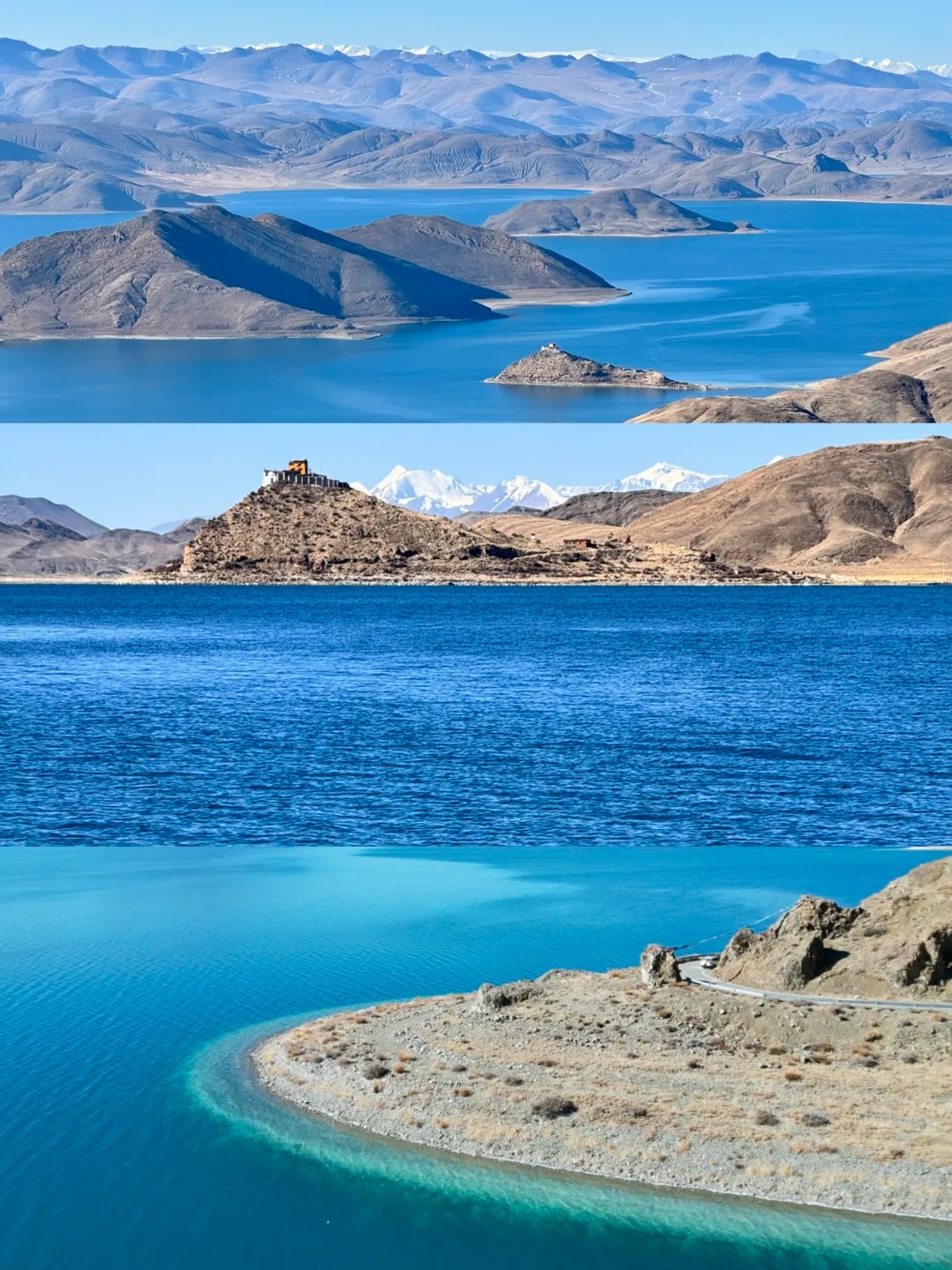
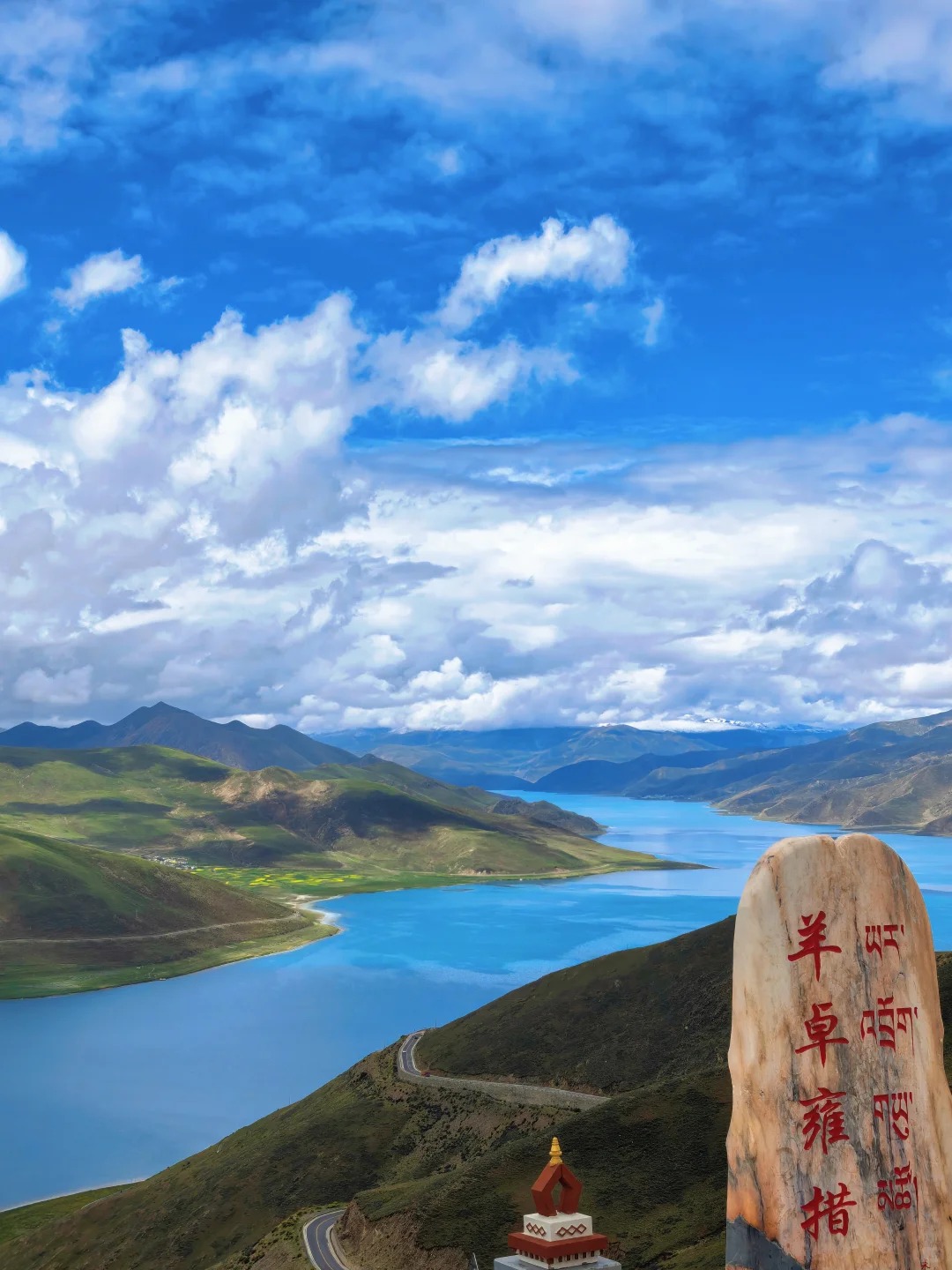
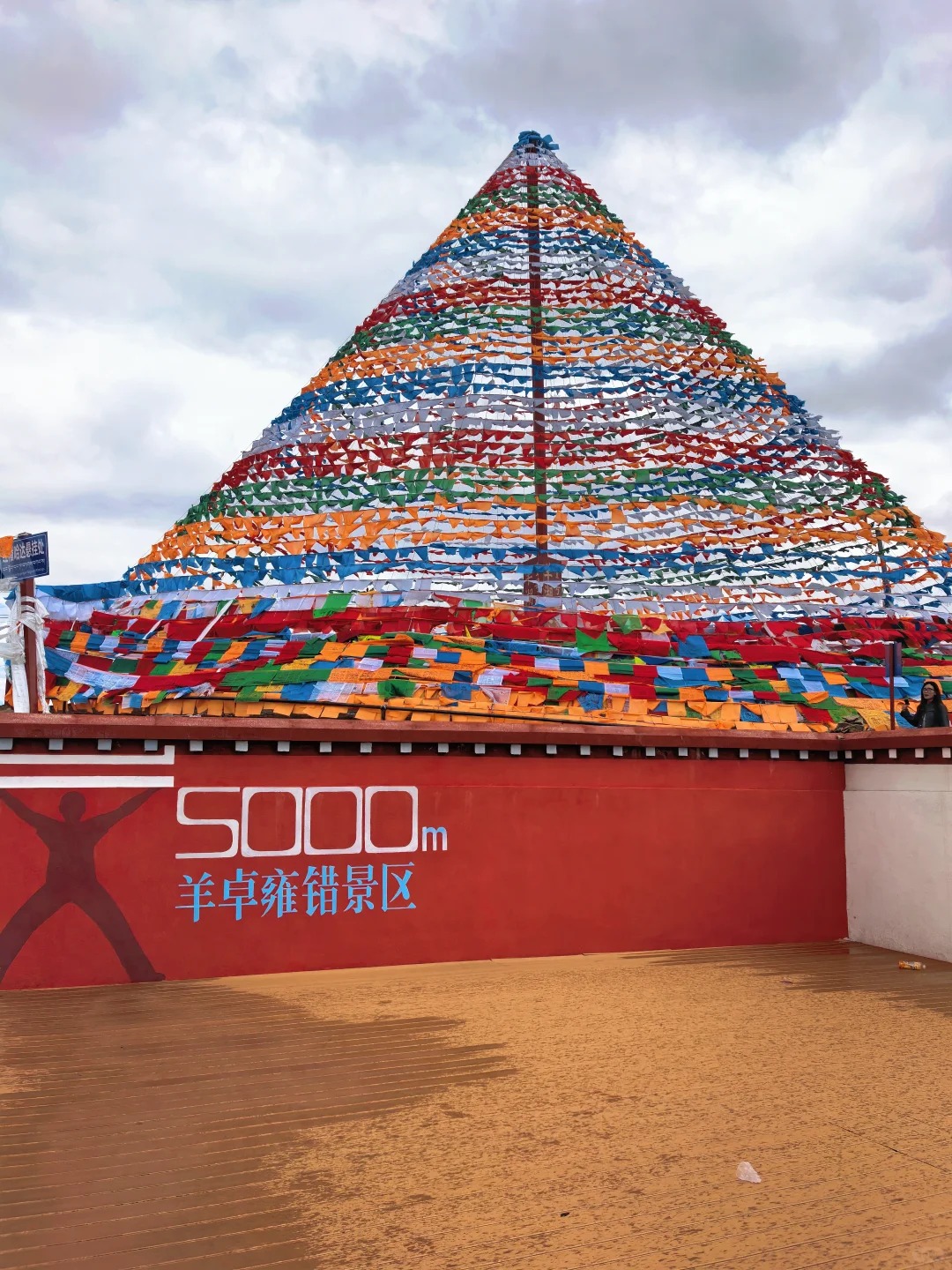
2. Yamdrok Lake: Located in Nagarze County, Shannan, about 110 km from Lhasa, 2.5 hours drive. Opening hours: All day. Ticket: 60 yuan (viewing platform). The lake is gem-blue, shaped like coral branches, the largest inland lake on the northern slope of the Himalayas.
3. Mount Everest Base Camp: Located in Tingri County, Shigatse, about 600 km from Lhasa, 10 hours drive. Opening hours: April-October annually. Ticket: 180 yuan (including eco-bus). Border permit required in advance. View Everest from Rongbuk Monastery viewing platform, experiencing the shock of the world's highest peak.
III. Tibetan Cuisine: Flavors of the Plateau
1. Butter Tea: Daily drink of Tibetans, made from butter, tea, and salt, warming and refreshing. Lhasa's Guangming Gangjiong Sweet Tea House (near Jokhang Temple) is a good place to try butter tea and sweet tea.
2. Tsampa: Roasted barley flour, often mixed with butter tea. Experience at Tibetan restaurants like 'Makye Ame' on Barkhor Street.
3. Yak Meat: Plateau specialty, available as dried meat or stew. Recommended: 'Snowland Restaurant' (Beijing East Road, Lhasa) for yak hotpot.
4. Tibetan Noodles: Made from barley flour, served with yak broth, chewy texture. Lhasa's 'Guangming Gangjiong Sweet Tea House' offers Tibetan noodles for only 7 yuan.
IV. Transportation Guide
1. Air: Lhasa Gonggar International Airport (about 60 km from city center, 1 hour drive) has flights to Beijing, Shanghai, Chengdu, Chongqing, Xi'an, etc. Nyingchi Mainling Airport and Shigatse Peace Airport also have routes.
2. Railway: Qinghai-Tibet Railway (Xining to Lhasa) is 1,956 km long, passing Golmud, Nagqu, etc. Hard seat about 240 yuan, hard sleeper about 520 yuan. Lhasa Station is about 5 km from city center.
3. Highway: National Highway 318 (Sichuan-Tibet line) and 109 (Qinghai-Tibet line) are main roads into Tibet. Self-driving requires caution for altitude sickness and road conditions.
4. Local Transport: Lhasa has buses (1 yuan), taxis (starting 10 yuan), and shared e-bikes. Car rental tours common, about 500-800 yuan per day.
V. Best Time to Visit
The best time to visit Tibet is from May to October, with July-August as peak season, temperatures 10-25°C, more rainfall, but greenest scenery. November to April is off-peak, with low temperatures, some attractions closed, but fewer tourists and lower costs, suitable for experiencing snow-covered landscapes.
VI. Precautions
- Altitude Sickness: Arrive in Lhasa 1-2 days early to acclimatize, avoid strenuous exercise, bring Rhodiola rosea and oxygen bottles. - Sun Protection: Strong UV rays, use SPF50+ sunscreen, wear sunglasses and hats. - Respect Customs: Remove hats when entering temples, do not point at Buddha statues, circumambulate clockwise. - Border Permit: Required for Everest Base Camp and Ngari Prefecture; obtain in advance at home registration or in Lhasa.
SUBREGIONS
TRAVEL GUIDES
GALLERY
REGION
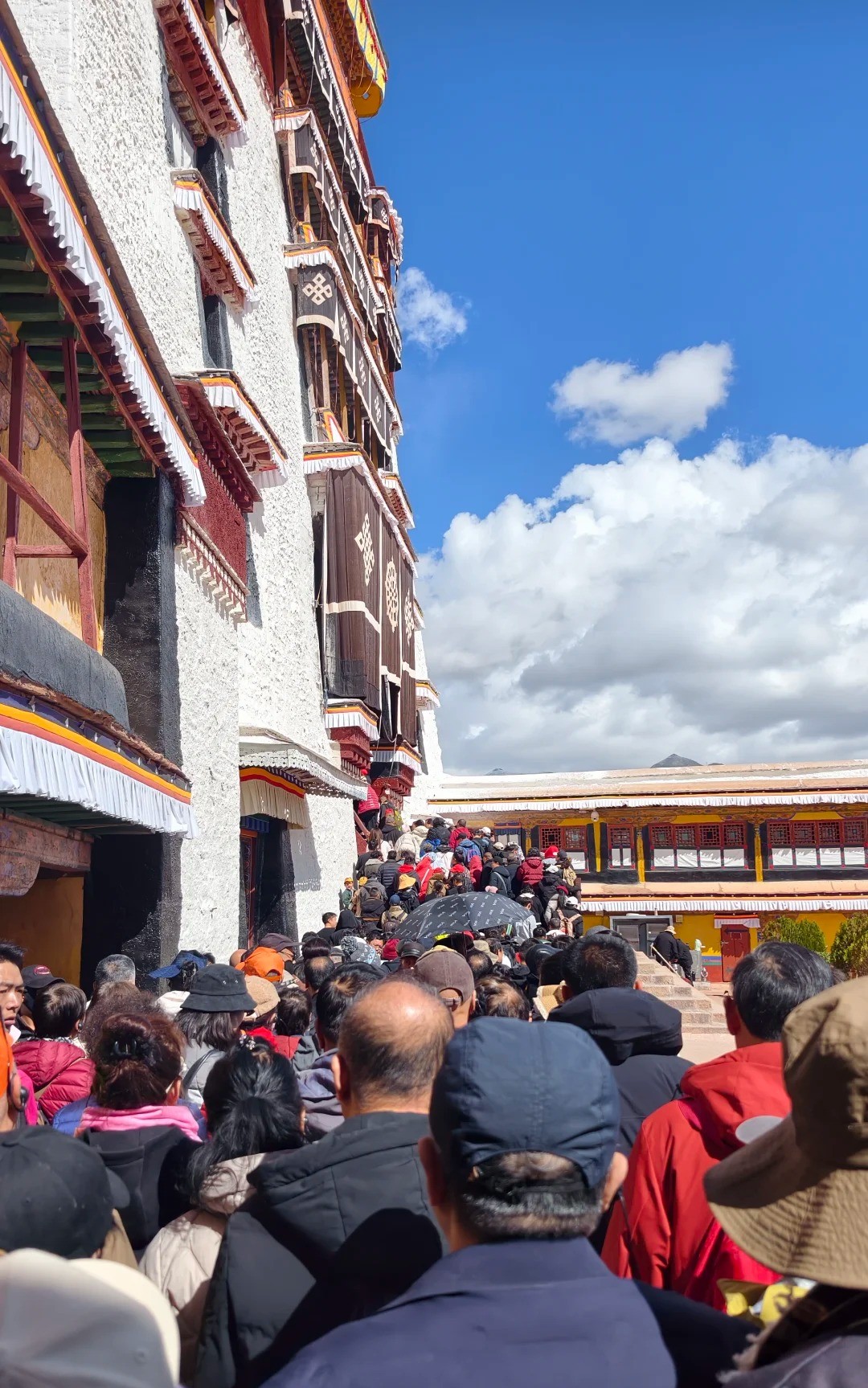
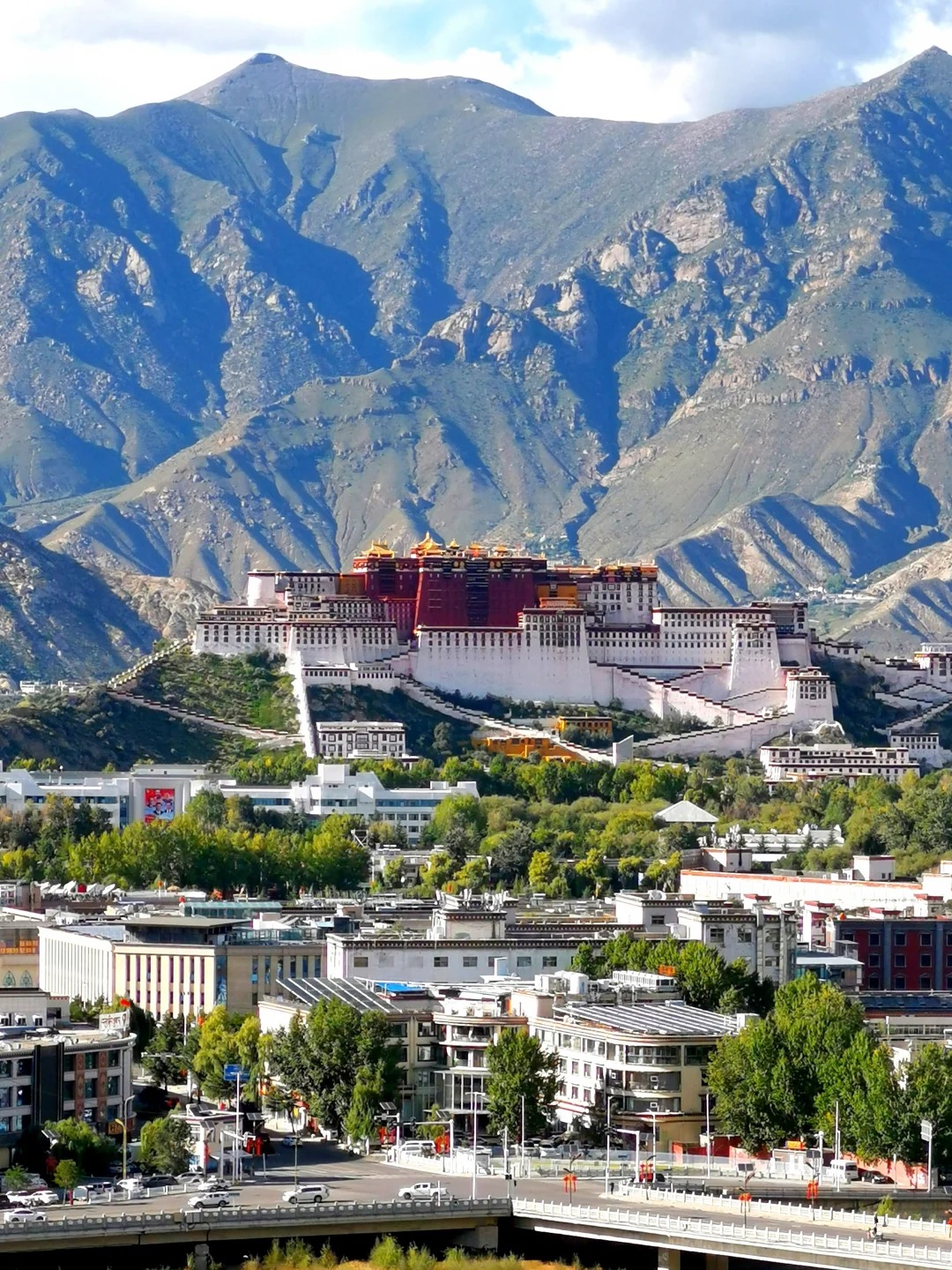
The Potala Palace, a pearl on the roof of the world, is a sacred site of Tibetan Buddhism.…
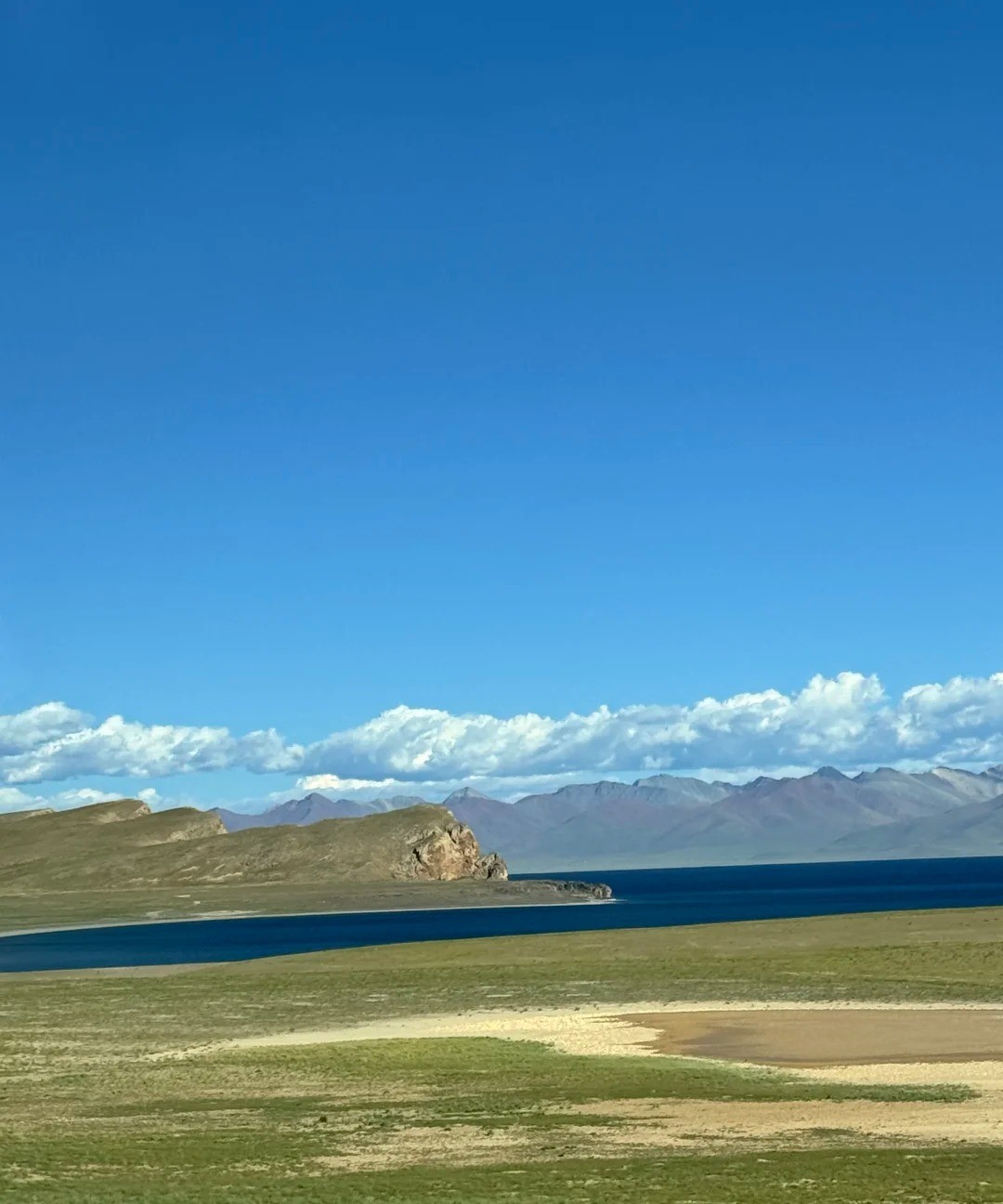
Namtso, meaning 'Heavenly Lake' in Tibetan, is the world's highest saltwater lake and one …
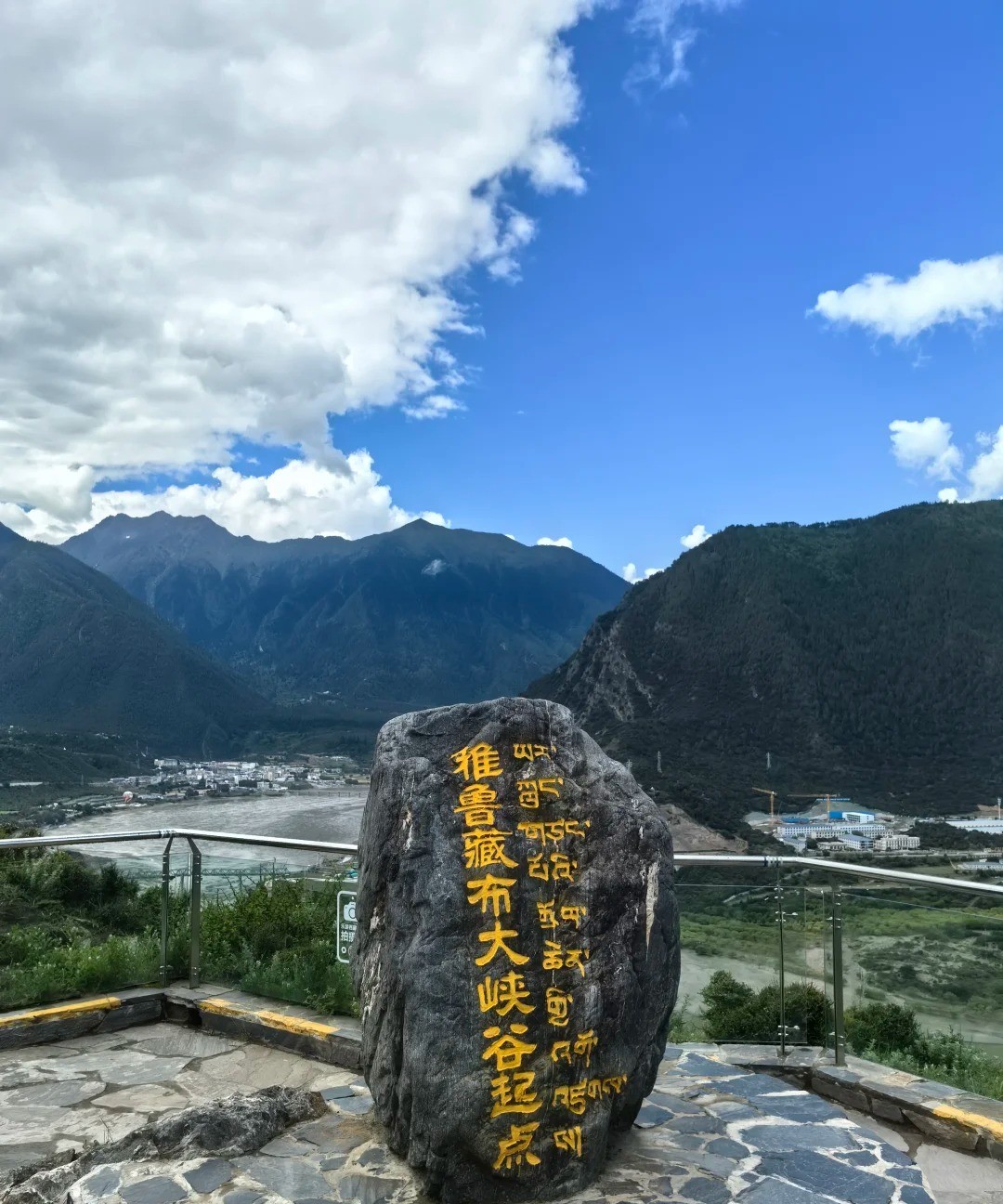
Yarlung Tsangpo Grand Canyon in Tibet is the world's deepest canyon, where the roaring Yar…
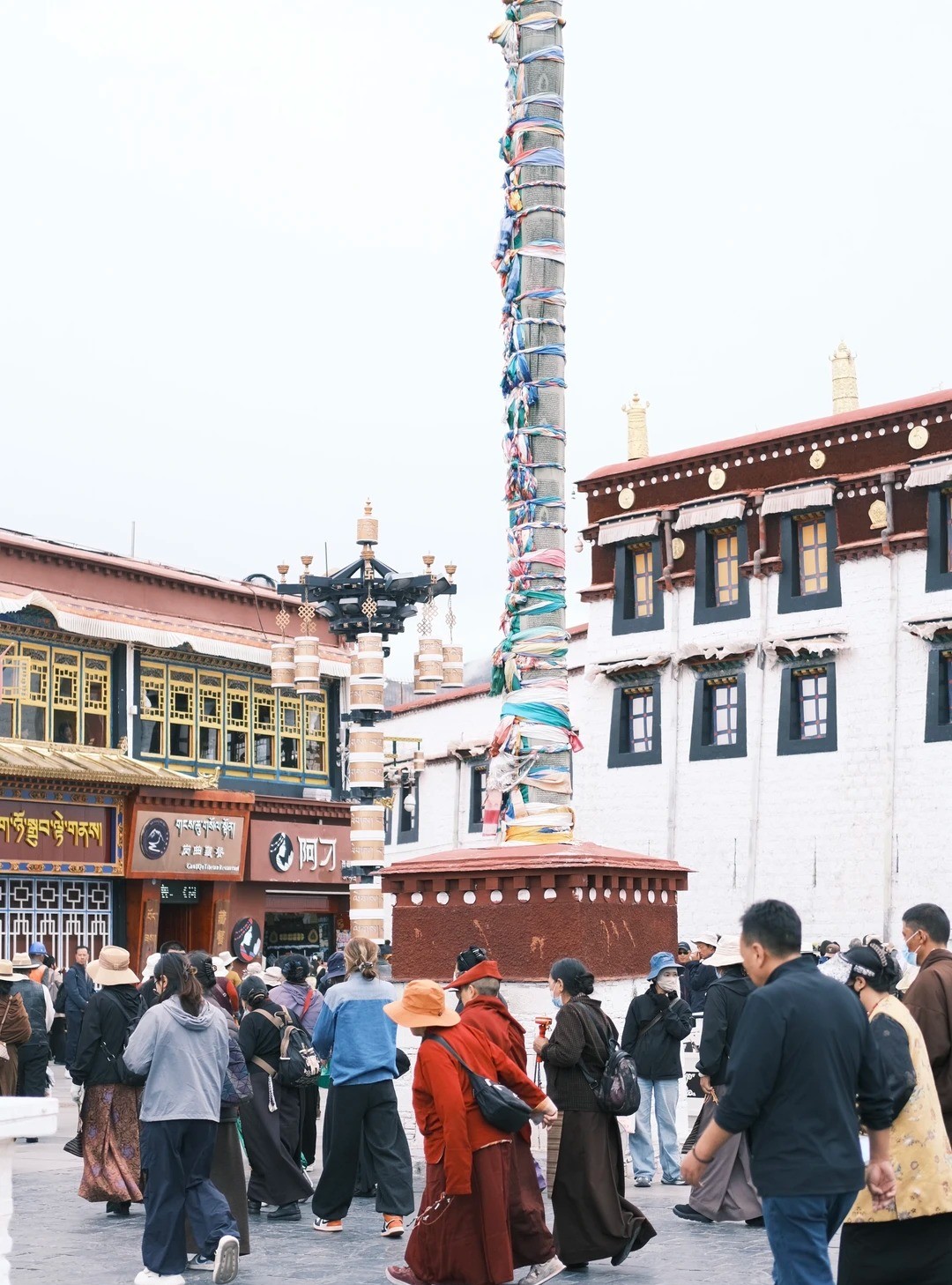
Jokhang Temple, founded in the 7th century, is the most sacred temple in Tibetan Buddhism.…
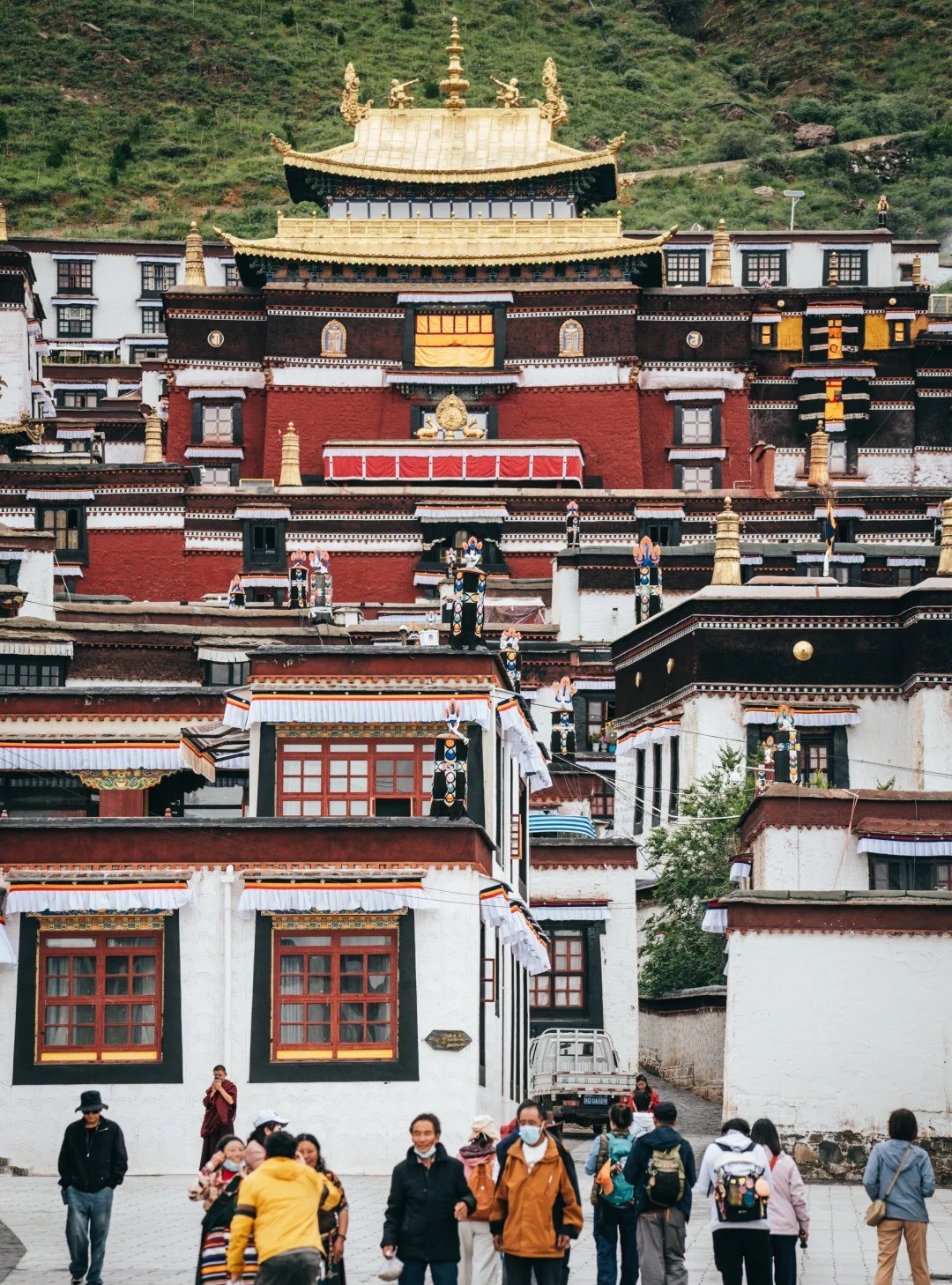
Tashilhunpo Monastery, one of the six great Gelug monasteries, is located in Shigatse, Tib…
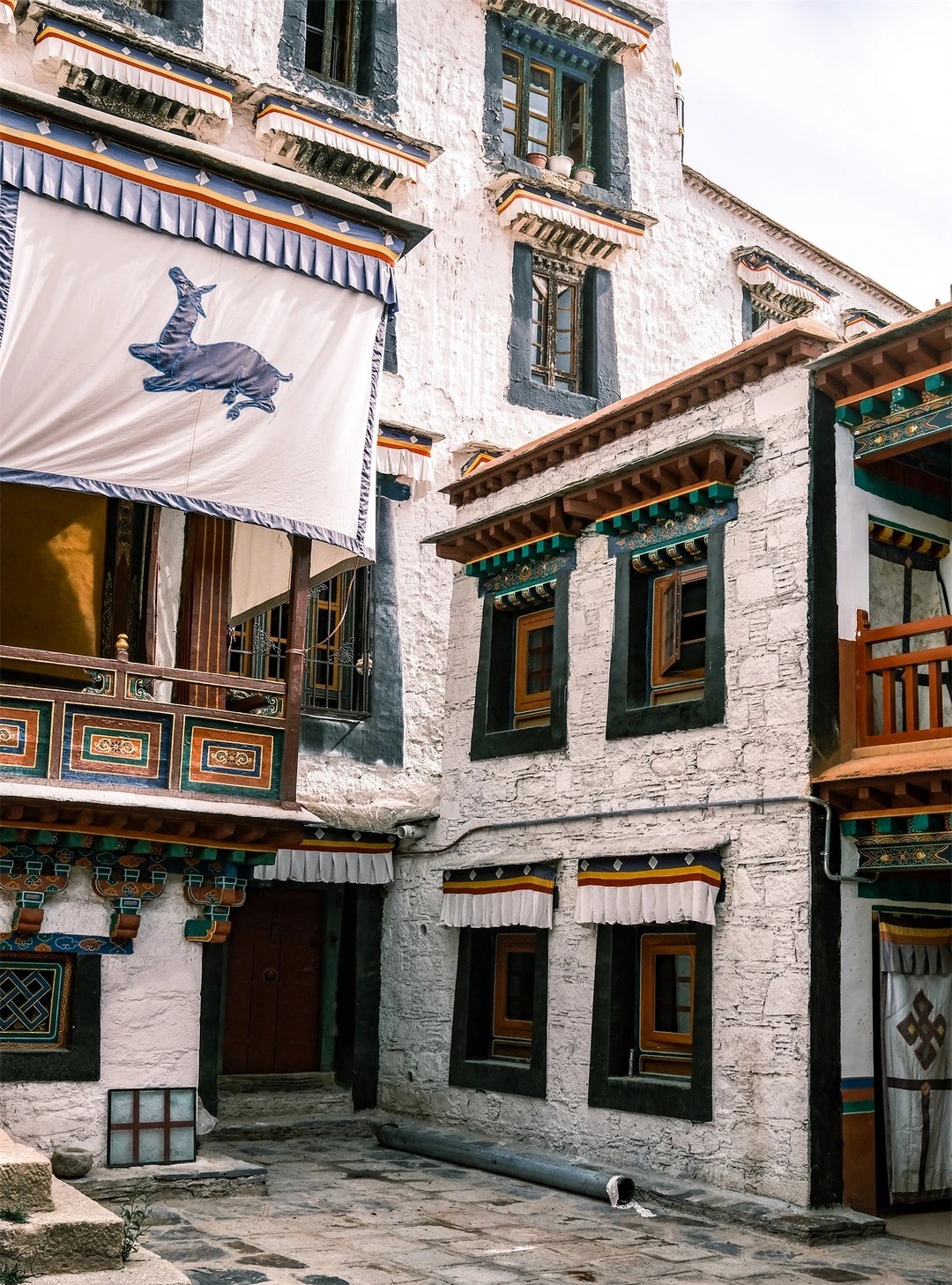
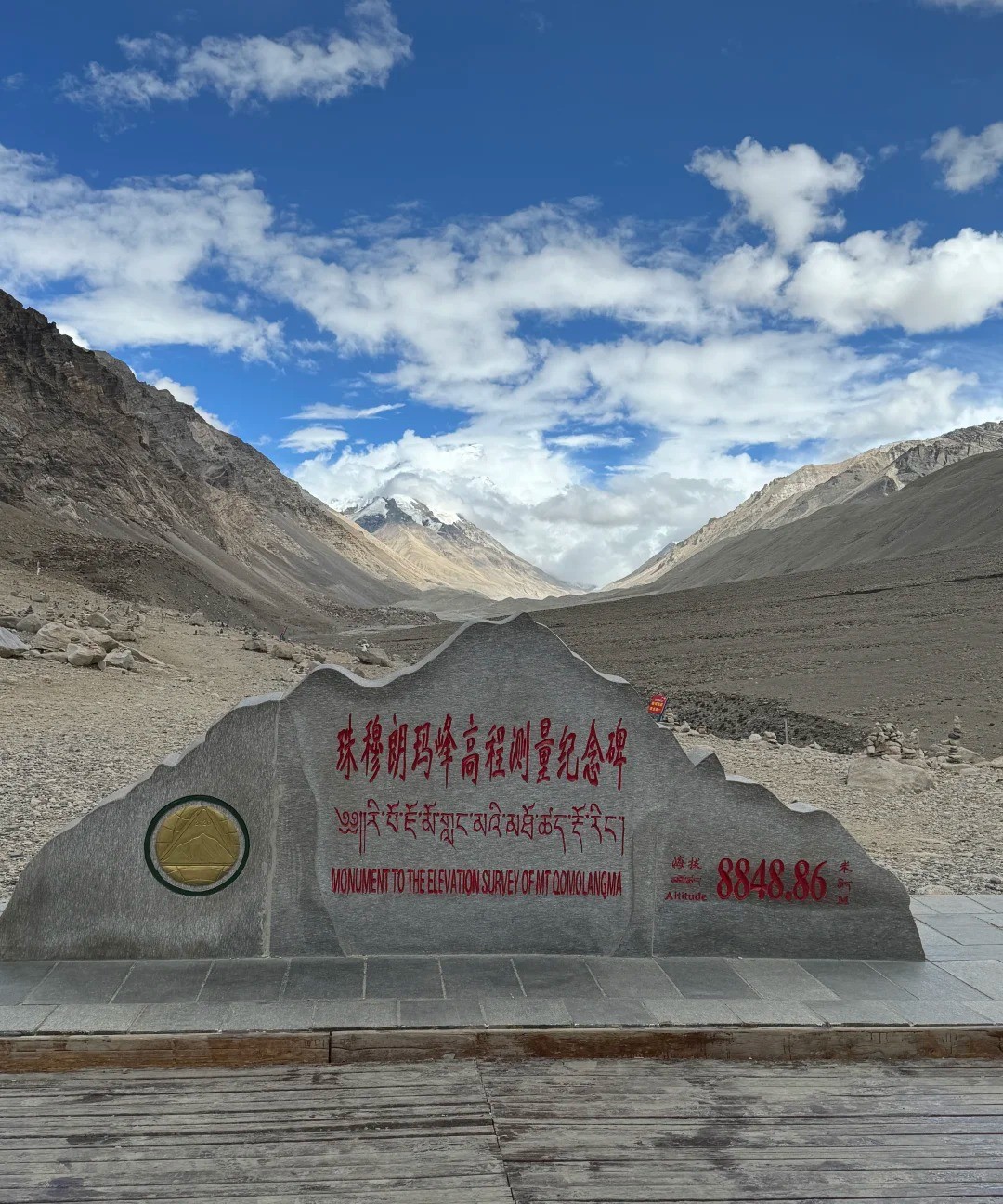
Everest Base Camp, located in Dingri County, Shigatse, Tibet, at an altitude of 5,200 mete…
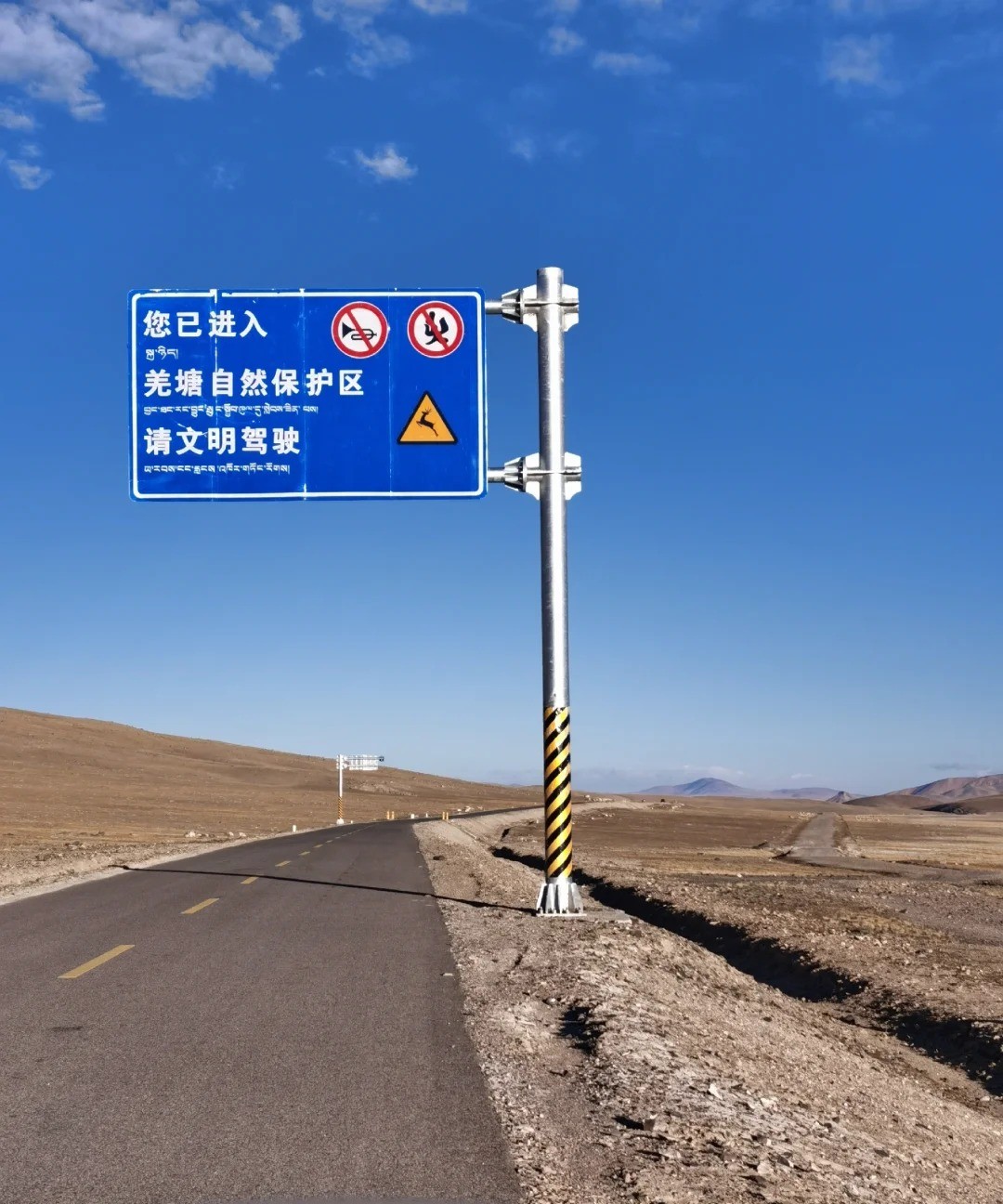
Qiangtang Wilderness, located in Nagqu and Ngari, Tibet, with an average elevation above 5…
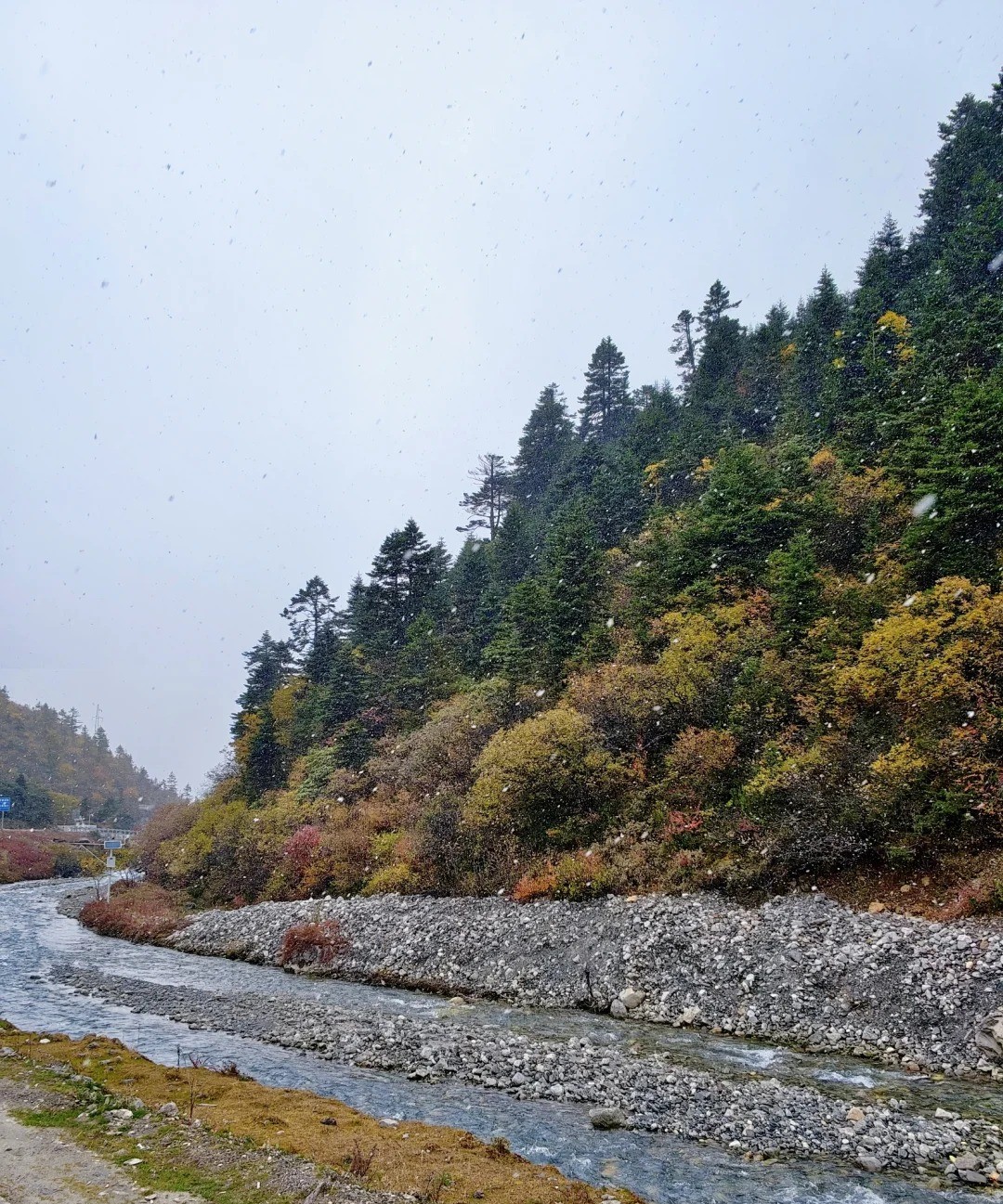
Medog Trek, top of China's ten classic trekking routes, crosses the Yarlung Tsangpo Grand …