Бесплатная консультация с экспертами по путешествиям — индивидуальные маршруты, местные советы, лёгкое планирование.
Обычно отвечаем в течение 24 часов
Treasures recognized by the world
The Forbidden City, Mogao Caves, Temple of Heaven - shared memory of humankind.
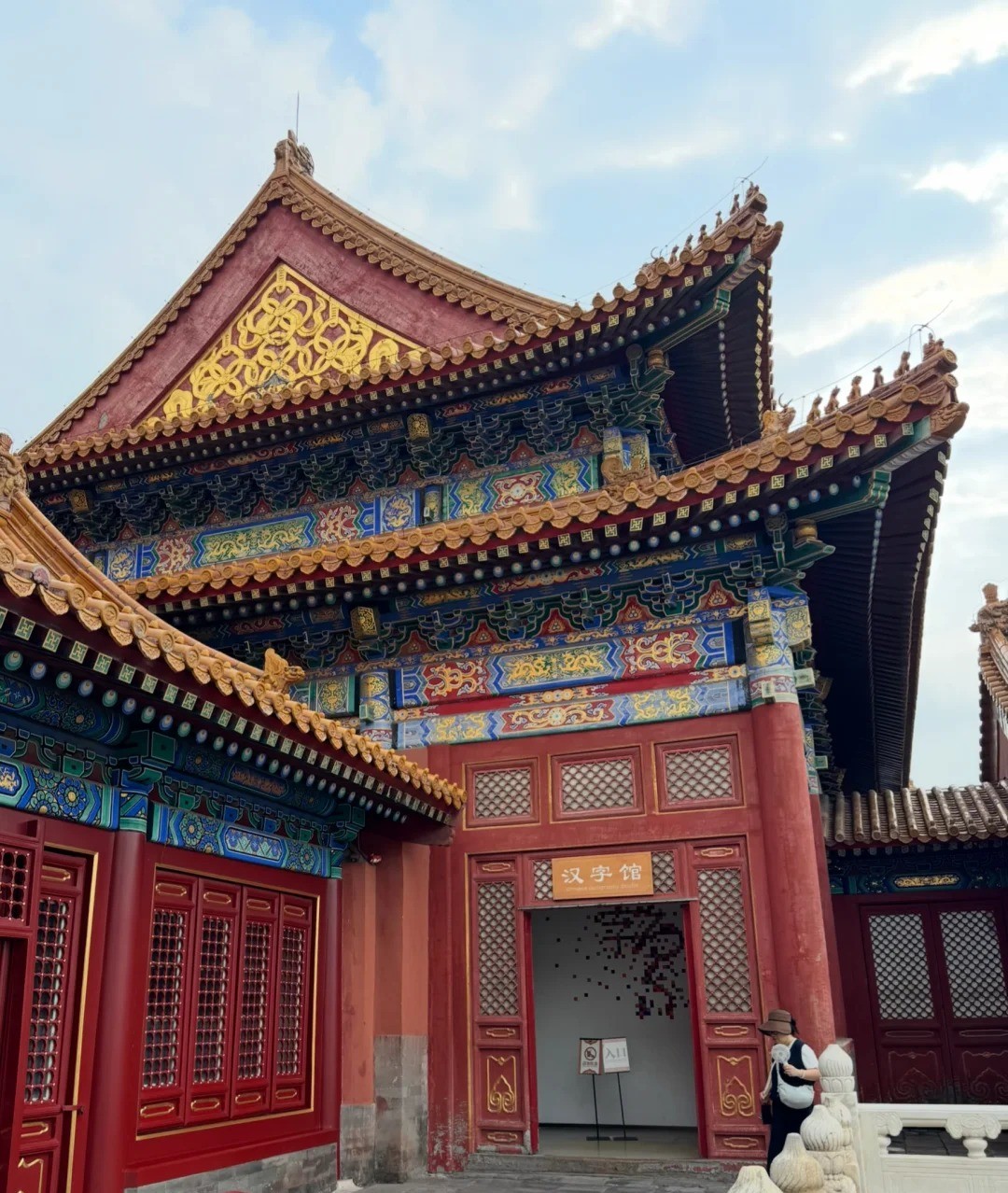
The Forbidden City, a UNESCO World Cultural Heritage site, served as the imperial palace for the Ming and Qing dynasties. As the world's largest wooden palace complex, it houses over a million artifacts, bearing witness to six hundred years of Chinese civilization.
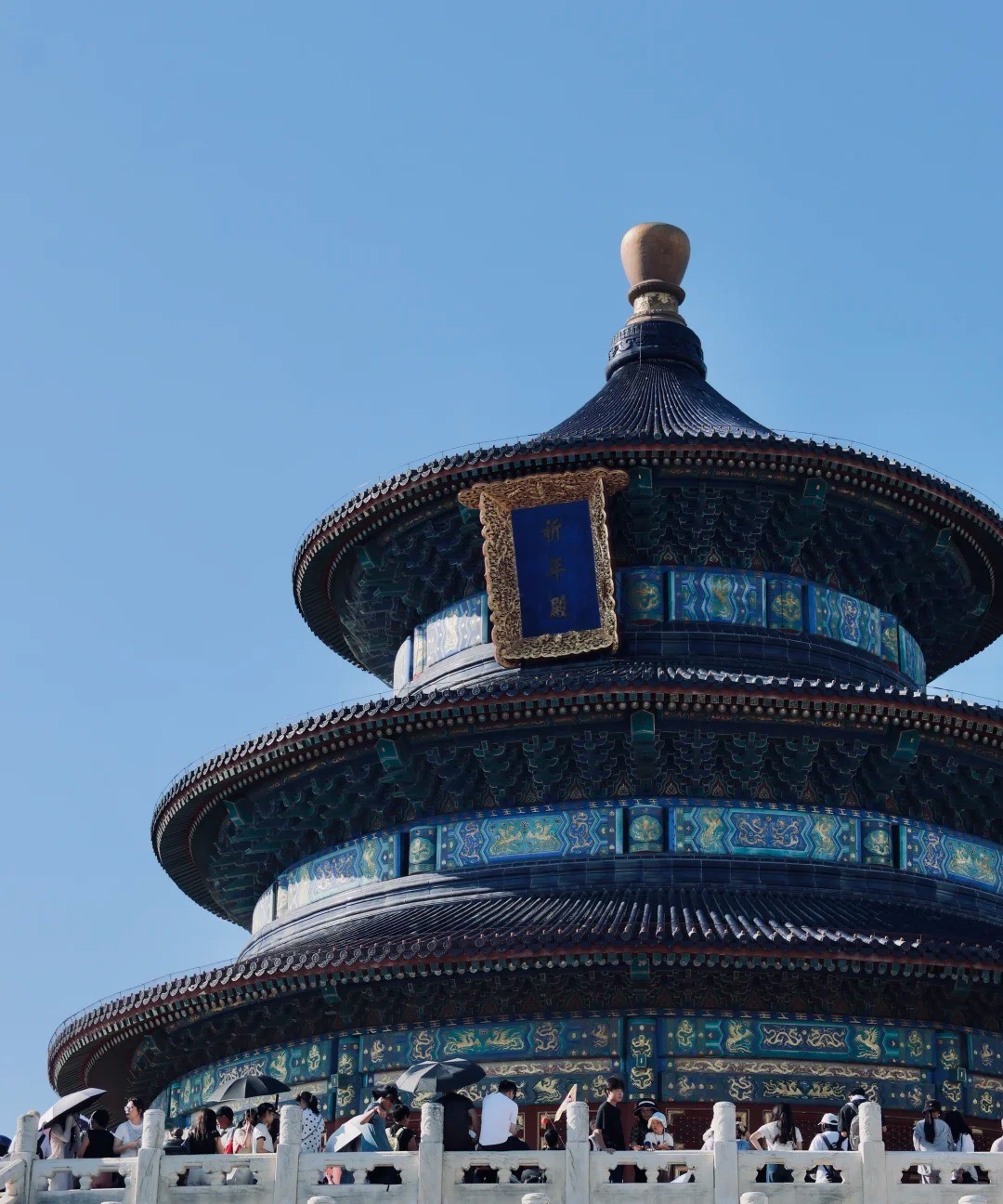
The Temple of Heaven, a UNESCO World Heritage Site, is a royal architectural complex where emperors of the Ming and Qing dynasties performed ceremonies to pray for good harvests and communicate with heaven. Its iconic Hall of Prayer for Good Harvests is a masterpiece of ancient architecture, perfectly embodying the philosophy of harmony between heaven and humanity.
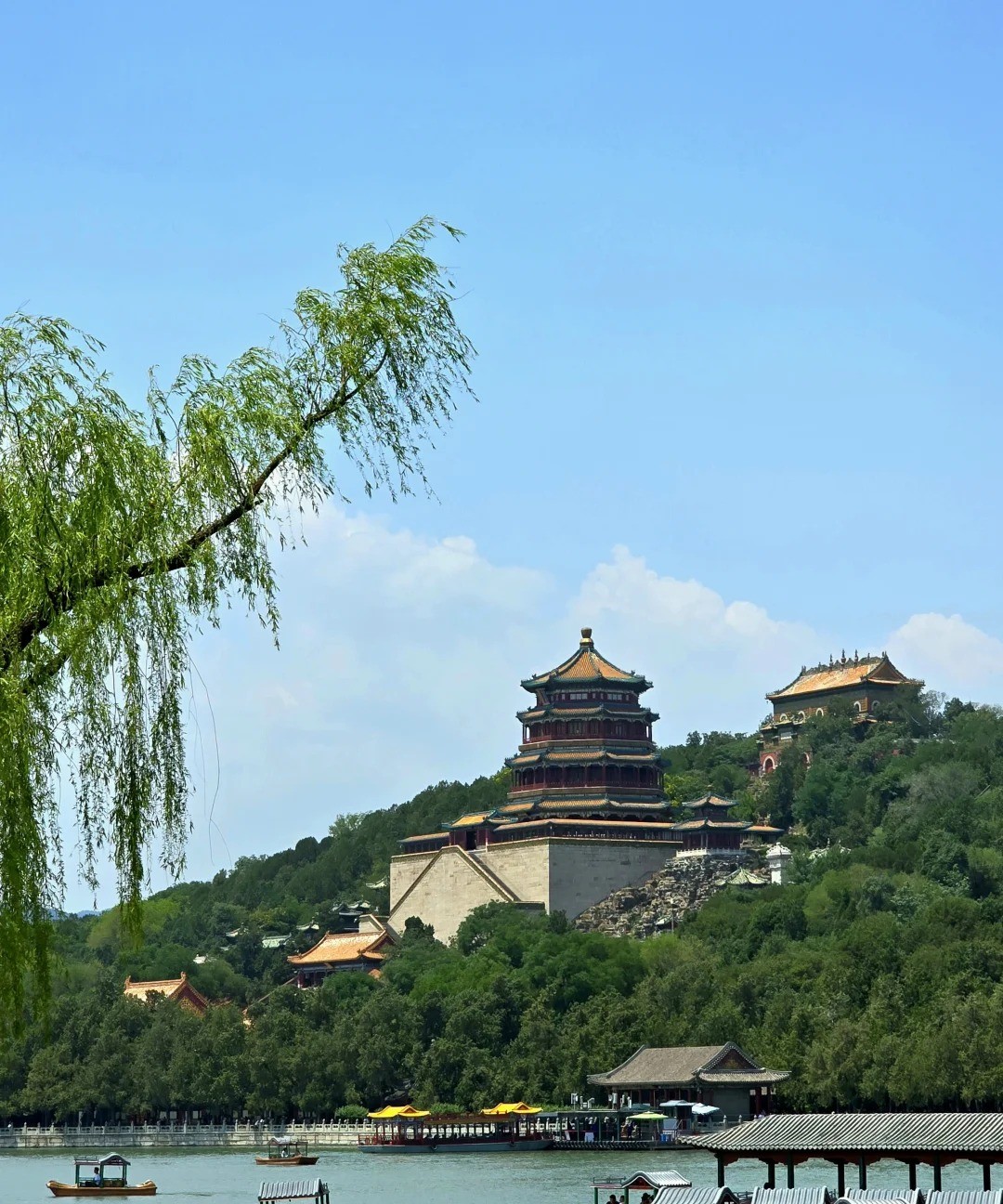
A UNESCO World Heritage Site and the epitome of Qing Dynasty imperial gardens, the Summer Palace features the Longevity Hill and Kunming Lake as its core, and boasts the world's longest gallery, the Long Corridor, showcasing imperial grandeur and Jiangnan charm.
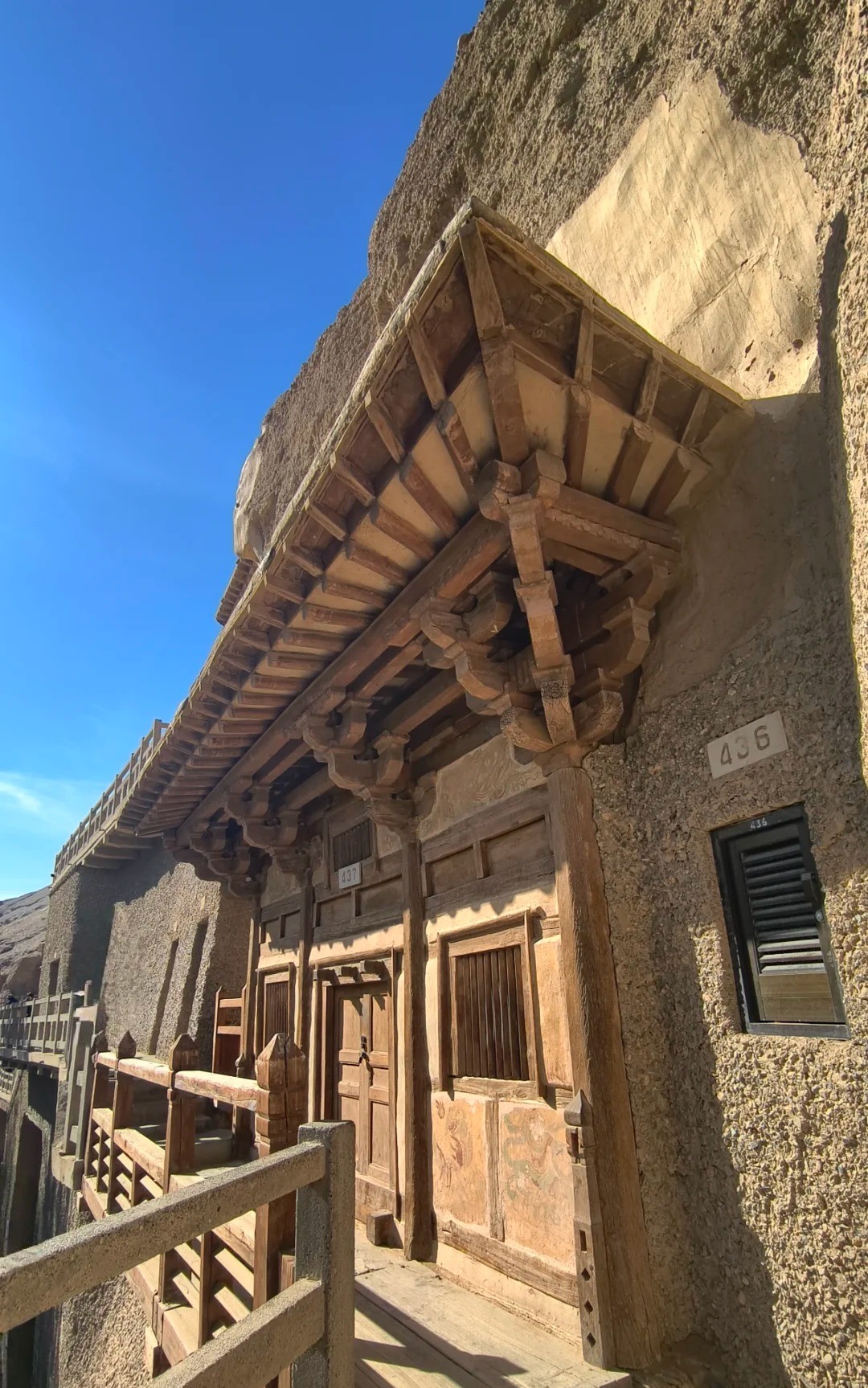
For a thousand years, Dunhuang has been a pearl on the Silk Road. In the Library Cave of the Mogao Caves, flying Apsaras dance across murals while Buddhist statues stand in silent meditation. Every stroke of pigment is a symphony of faith and art.
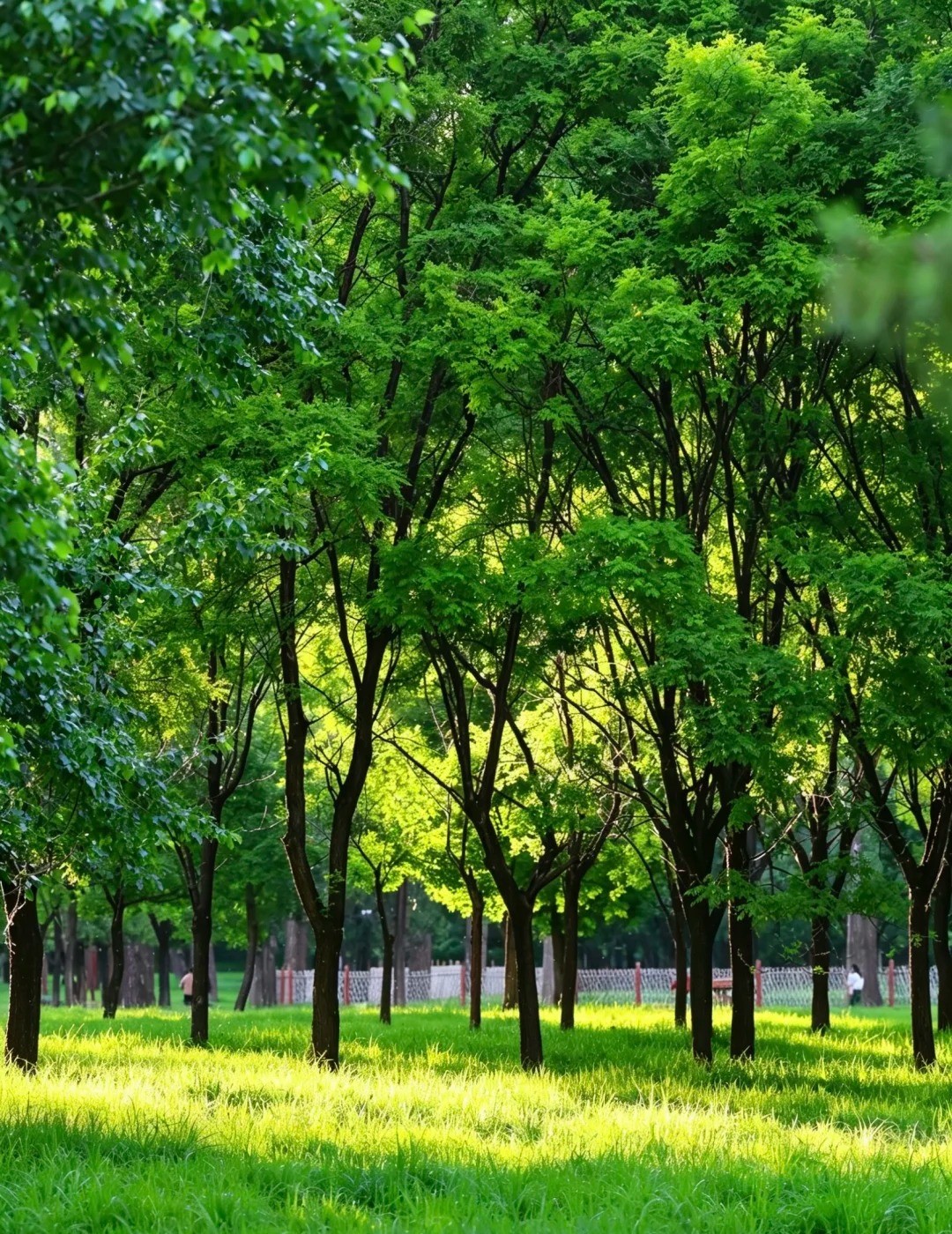
A Qing Dynasty imperial garden and UNESCO World Heritage Site, Chengde Mountain Resort combines the essence of northern and southern Chinese garden art, integrating palaces, lakes, plains, and mountains. With its cool summer climate, it is a perfect summer retreat and a harmonious blend of history and nature.
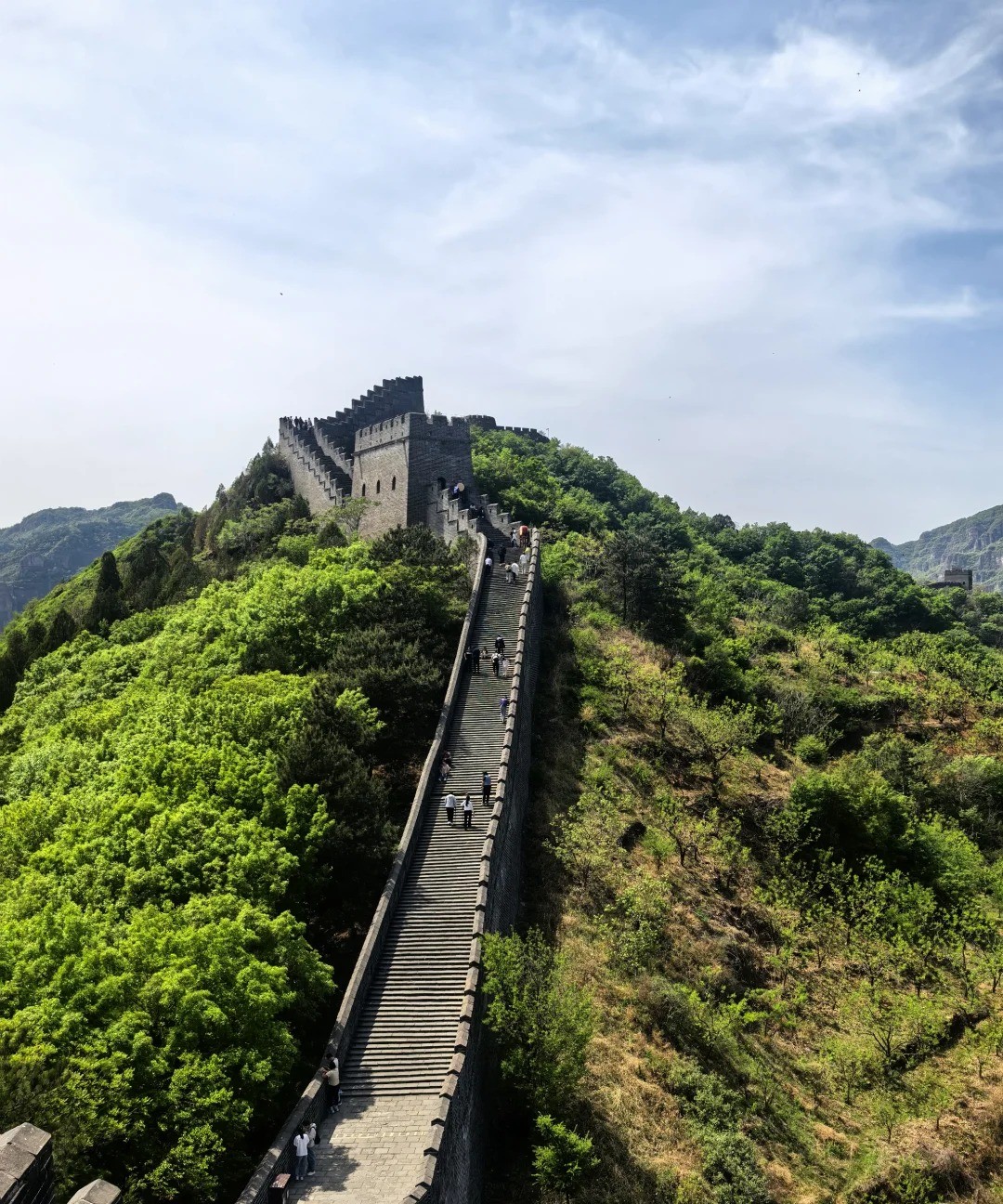
Huangyaguan Great Wall stands majestically in the north of Ji County, renowned for its steepness. It was rebuilt by Qi Jiguang in the Ming Dynasty, integrating beacon towers, enemy towers, and water passes. From the summit, the mountains roll like waves and the Great Wall coils like a dragon, showcasing a thousand years of frontier defense spirit.
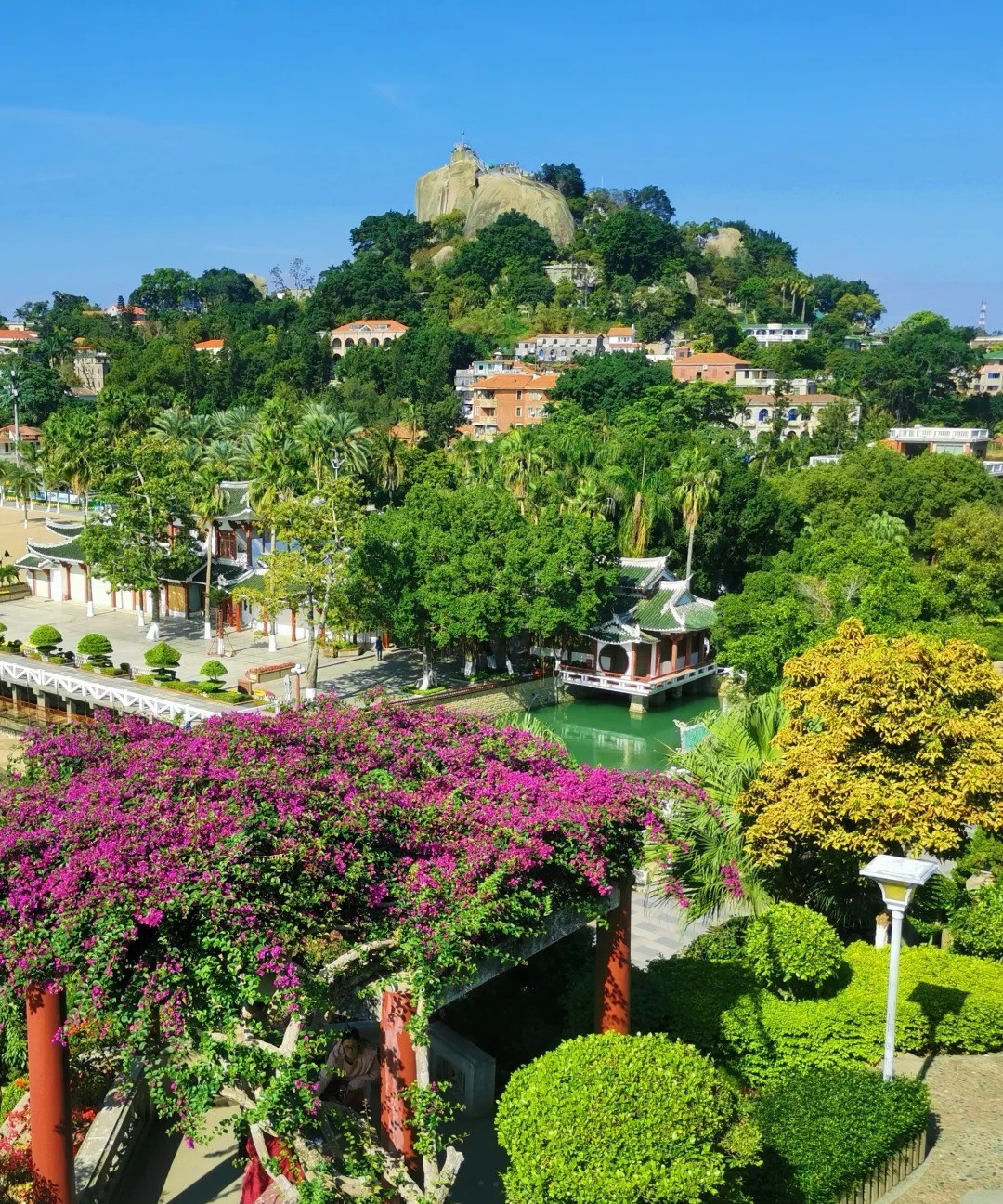
Gulangyu, embraced by the blue sea, is a place where international architecture and piano melodies intertwine. Stroll along the stone-paved lanes, listen to the sound of waves and piano, and admire the old villas that blend Chinese and Western styles. From the top of Sunlight Rock, you can overlook the entire island, while Shuzhuang Garden hides the sea and embraces the mountains. Every corner is a poetic chapter of time.
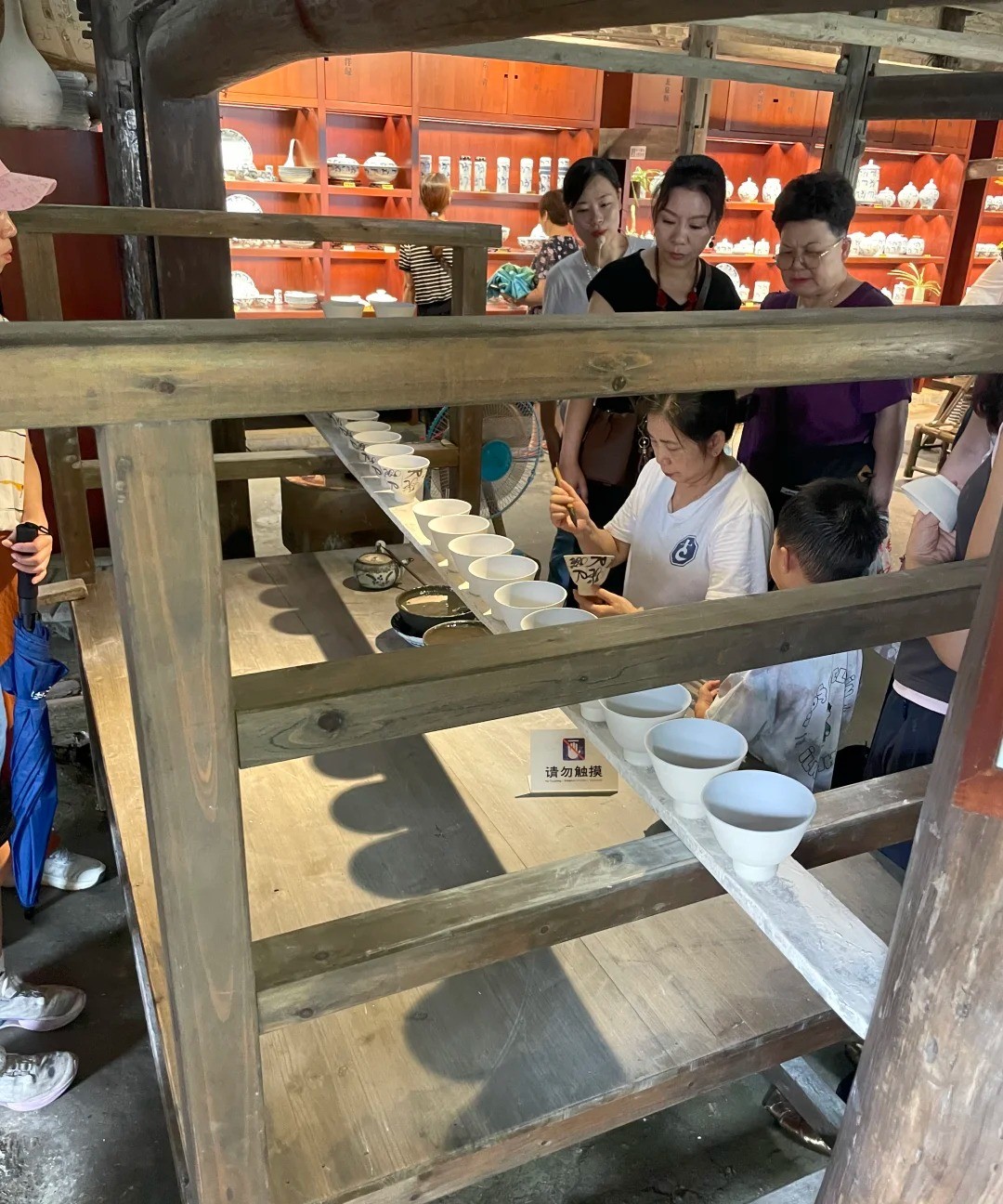
Jingdezhen Ancient Kiln Folk Customs Expo Area is a national 5A scenic spot that showcases the living heritage of the millennium-old porcelain capital. Visitors can explore ancient kiln sites from the Song, Yuan, Ming, and Qing dynasties, watch artisans craft porcelain by hand, and immerse themselves in the charm of ceramic culture.
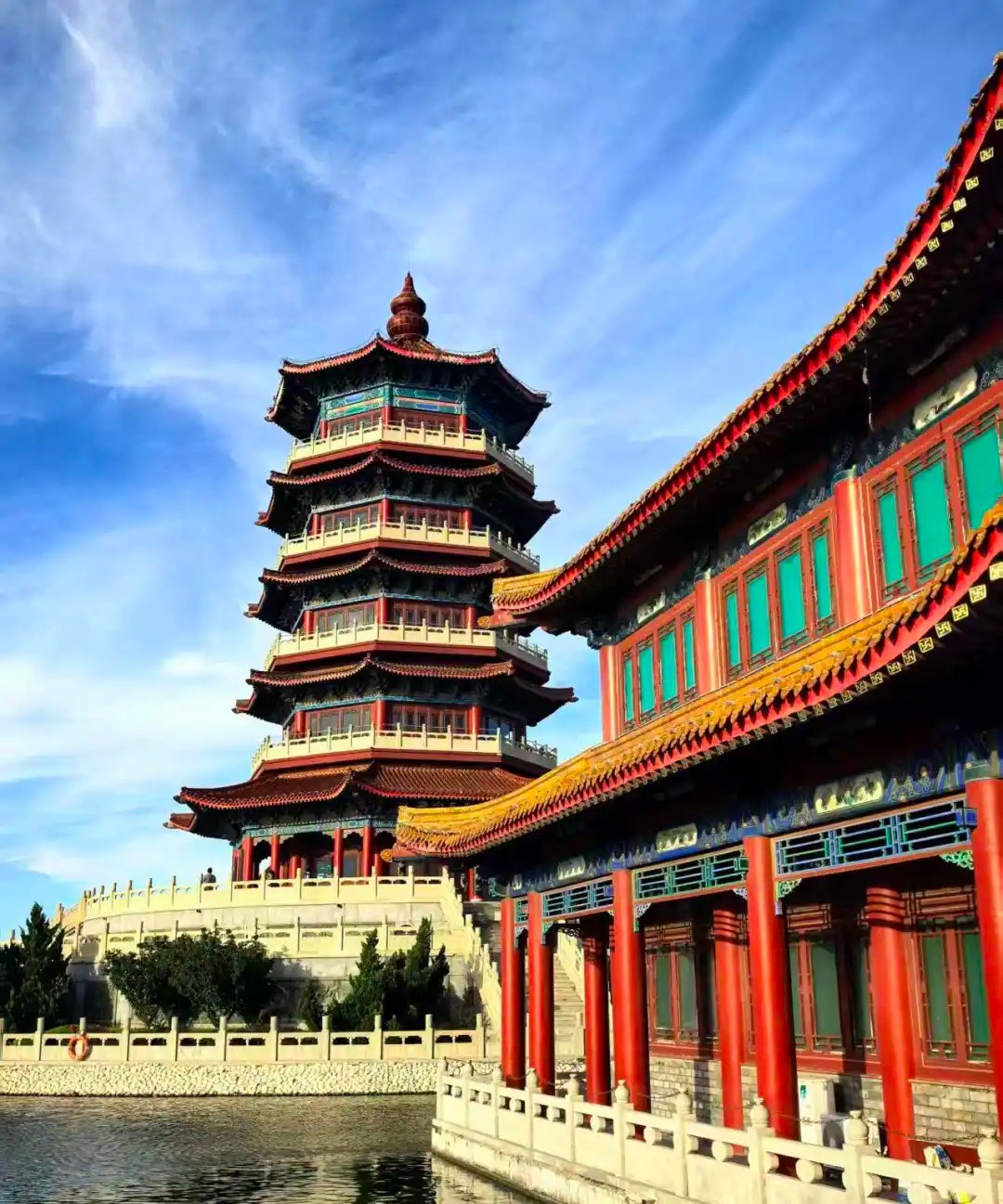
Penglai Pavilion, perched on the cliffs of Danya Mountain, is shrouded in mist and clouds, resembling a fairyland. From the pavilion, visitors can overlook the convergence of the Yellow Sea and the Bohai Sea, where mirages occasionally appear. The ancient architectural complex, set against the blue sea and sky, is enriched by the legend of the Eight Immortals Crossing the Sea, adding a touch of mystery and allure.
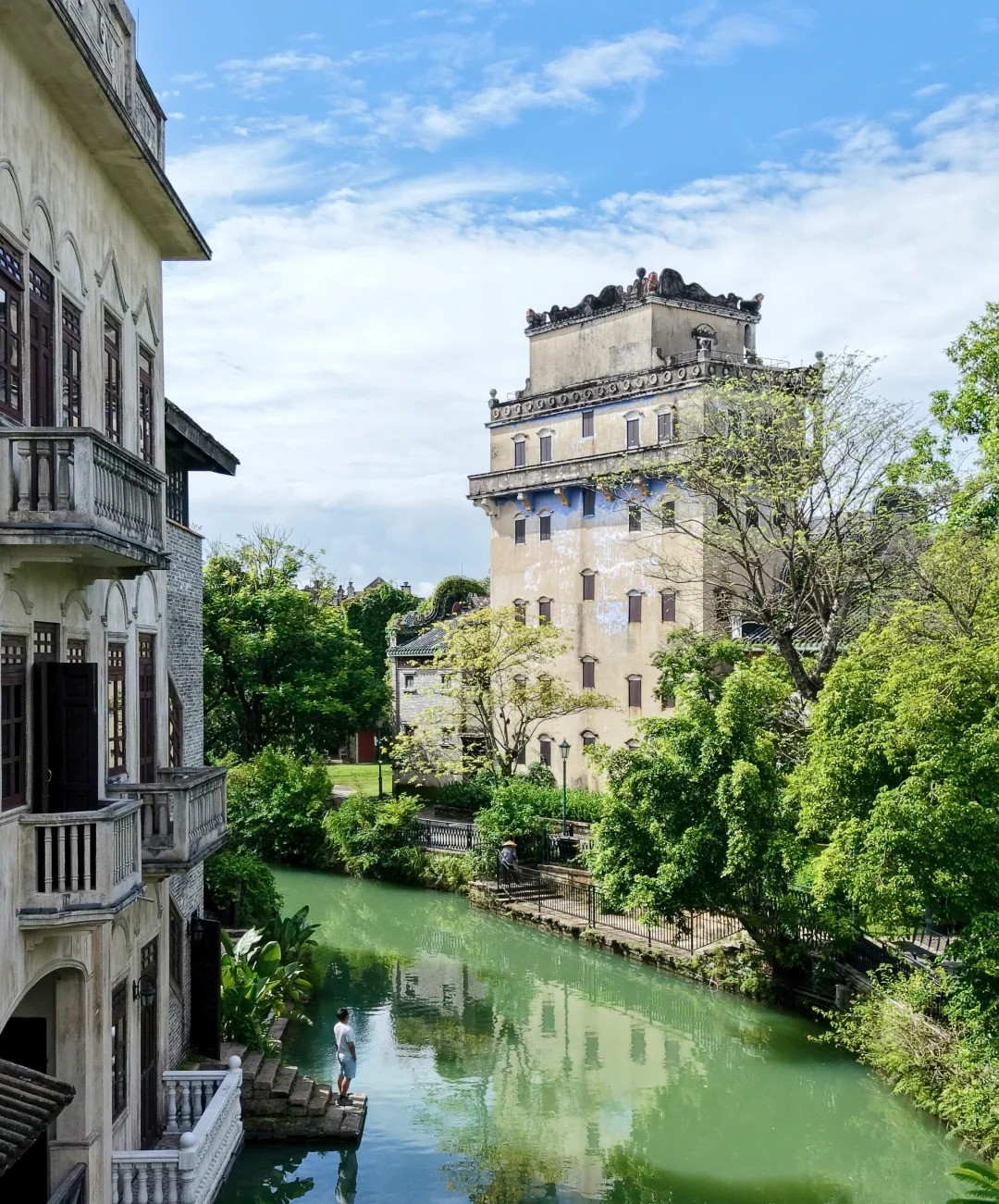
The Kaiping Diaolou and Villages, a fusion of Chinese and Western architectural art, are a unique testament to overseas Chinese culture. These diaolou (watchtowers) served both defensive and residential purposes, scattered across the countryside, and are hailed as 'living fossils of overseas Chinese culture.' In 2007, they were inscribed as a UNESCO World Heritage Site.
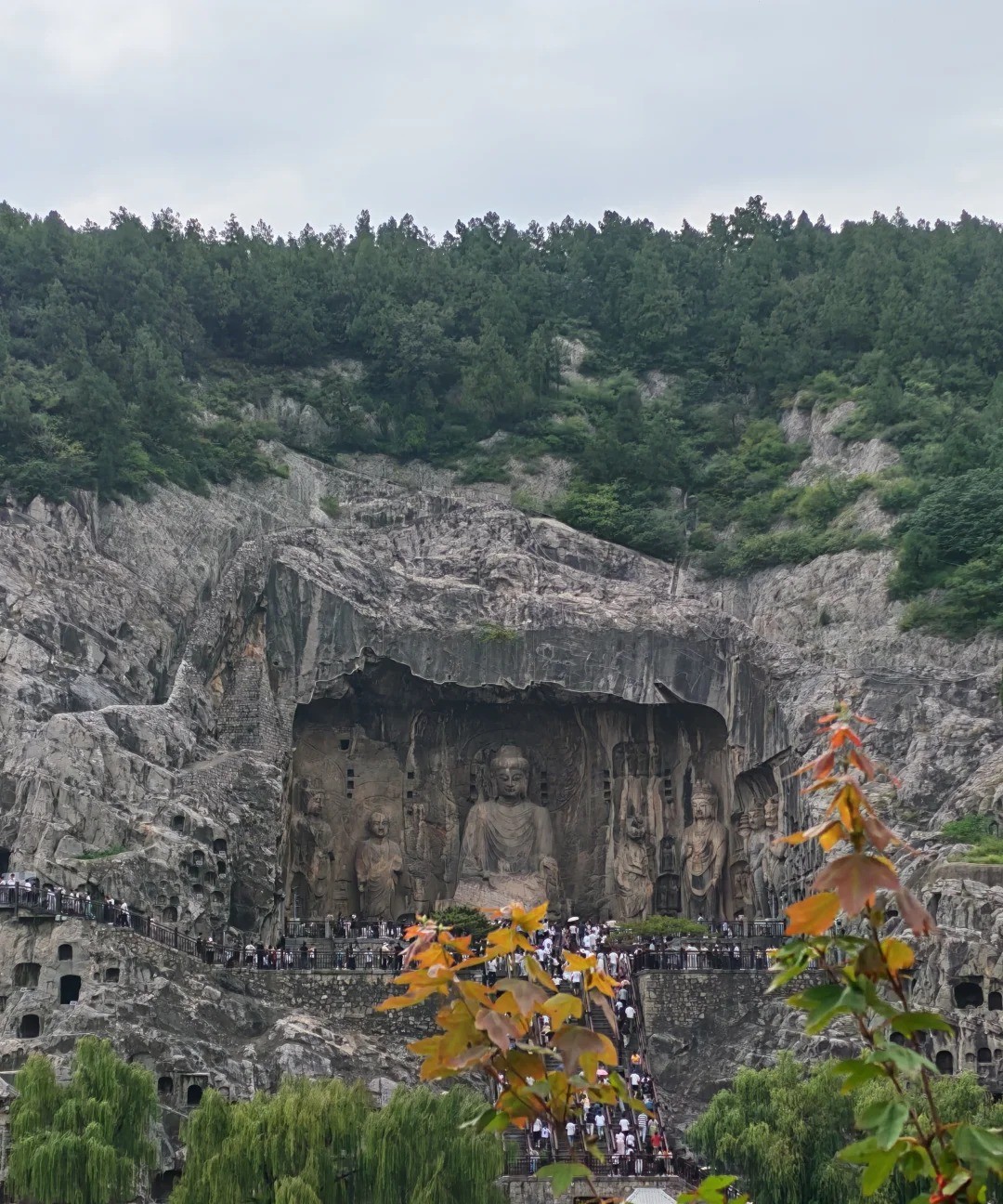
The Longmen Grottoes, a UNESCO World Heritage Site, are located on the banks of the Yi River in Luoyang, Henan Province. Carving began in the Northern Wei Dynasty and continued for over 400 years through the Tang Dynasty, resulting in 2,345 niches and over 100,000 Buddhist statues. Represented by the Vairocana Buddha, they showcase the pinnacle of ancient Chinese stone carving art, blending Buddhist culture with imperial grandeur.
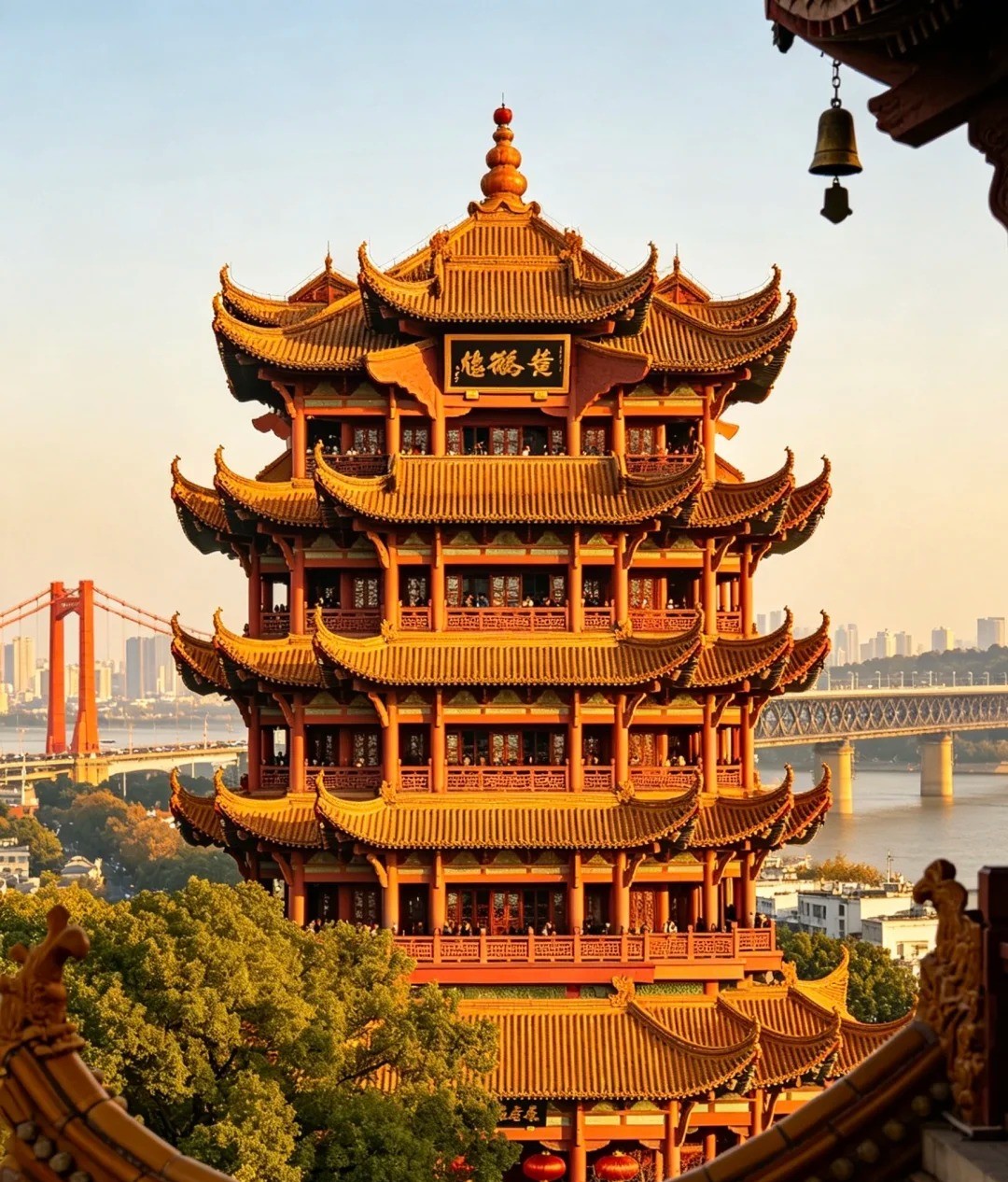
Yellow Crane Tower, one of the three great towers south of the Yangtze River, stands majestically atop Snake Hill in Wuhan. From its heights, visitors can gaze upon the vast Yangtze River and the Han River like a silken ribbon. Throughout history, poets and scholars have left timeless verses here, including the famous tale of Cui Hao's poem and Li Bai's admiration.
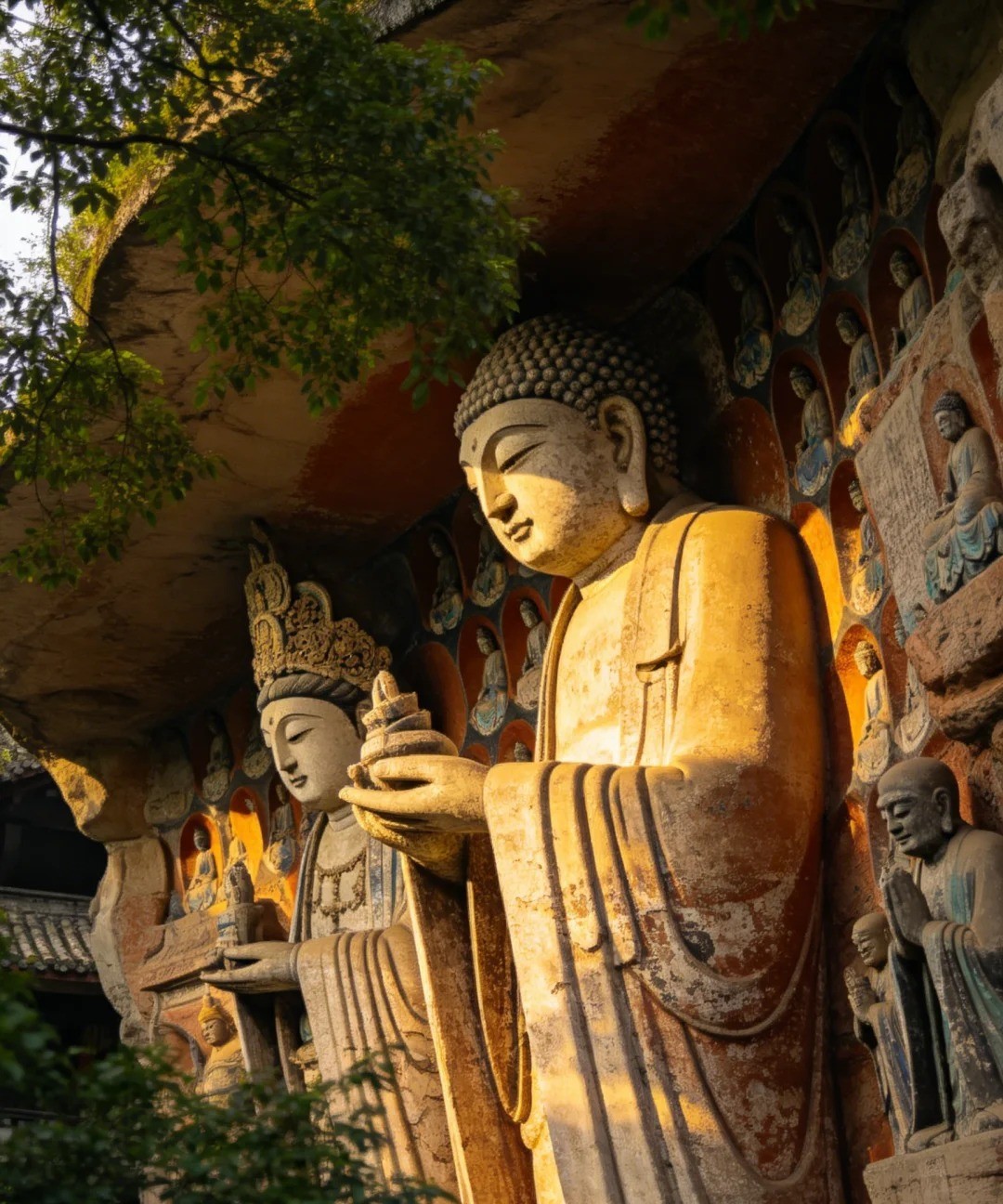
The Dazu Rock Carvings, a UNESCO World Heritage Site located in Dazu District, Chongqing, are renowned for their exquisite Buddhist sculptures that also incorporate Confucian and Taoist elements. Featuring grand scale and exceptional craftsmanship, particularly at Beishan and Baodingshan, they are hailed as the 'Oriental Art Pearl' and represent the pinnacle of Song Dynasty stone carving art.
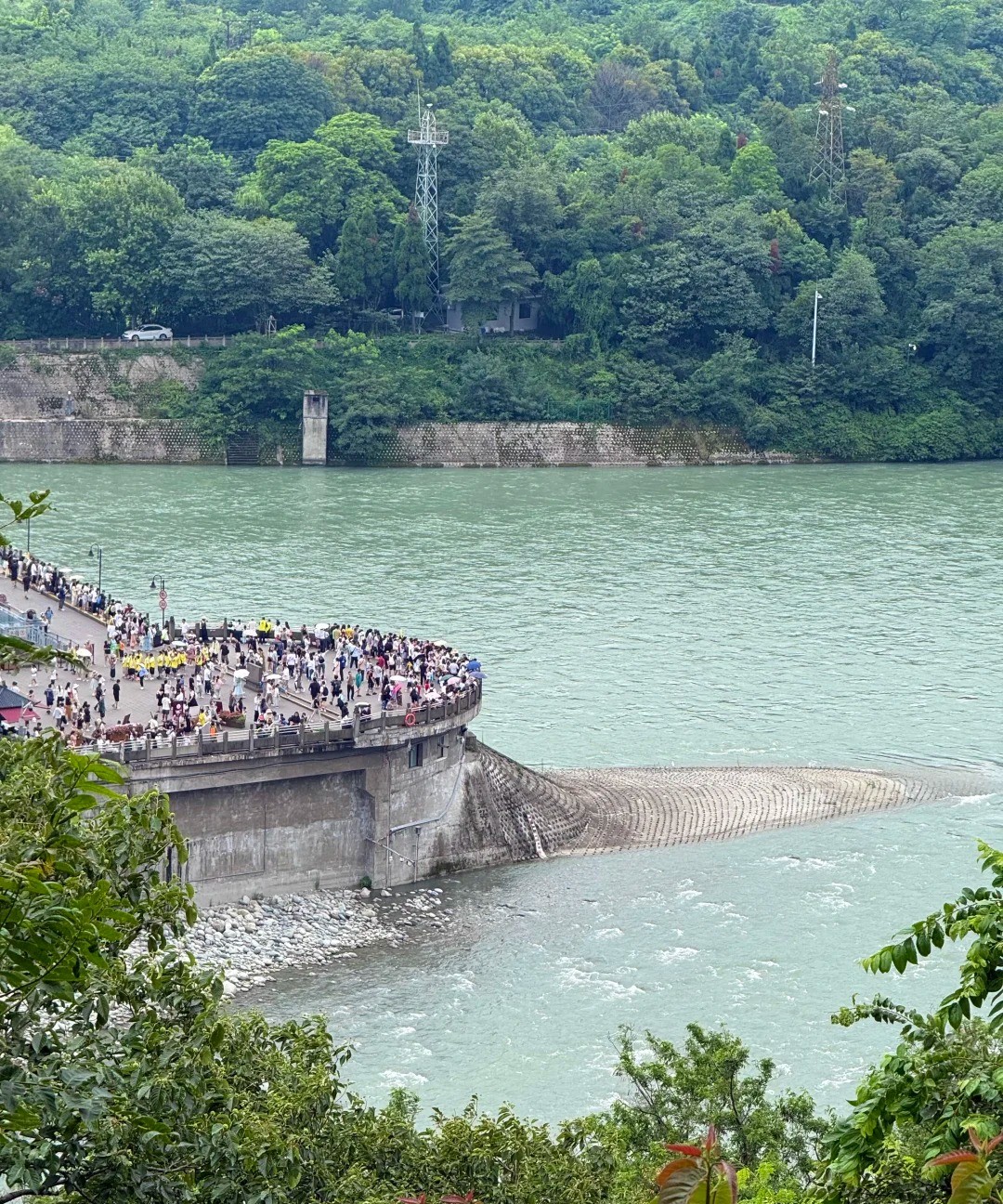
Dujiangyan, a millennium-old water conservancy marvel, is renowned for its dam-free water diversion and gravity-fed irrigation. The Fish Mouth divides the river, the Flying Sand Weir discharges floods, and the Bottle Neck controls flow, cleverly harnessing nature to create the Land of Abundance. Strolling through the site, you can appreciate the wisdom of the ancients and the harmony between humans and nature.
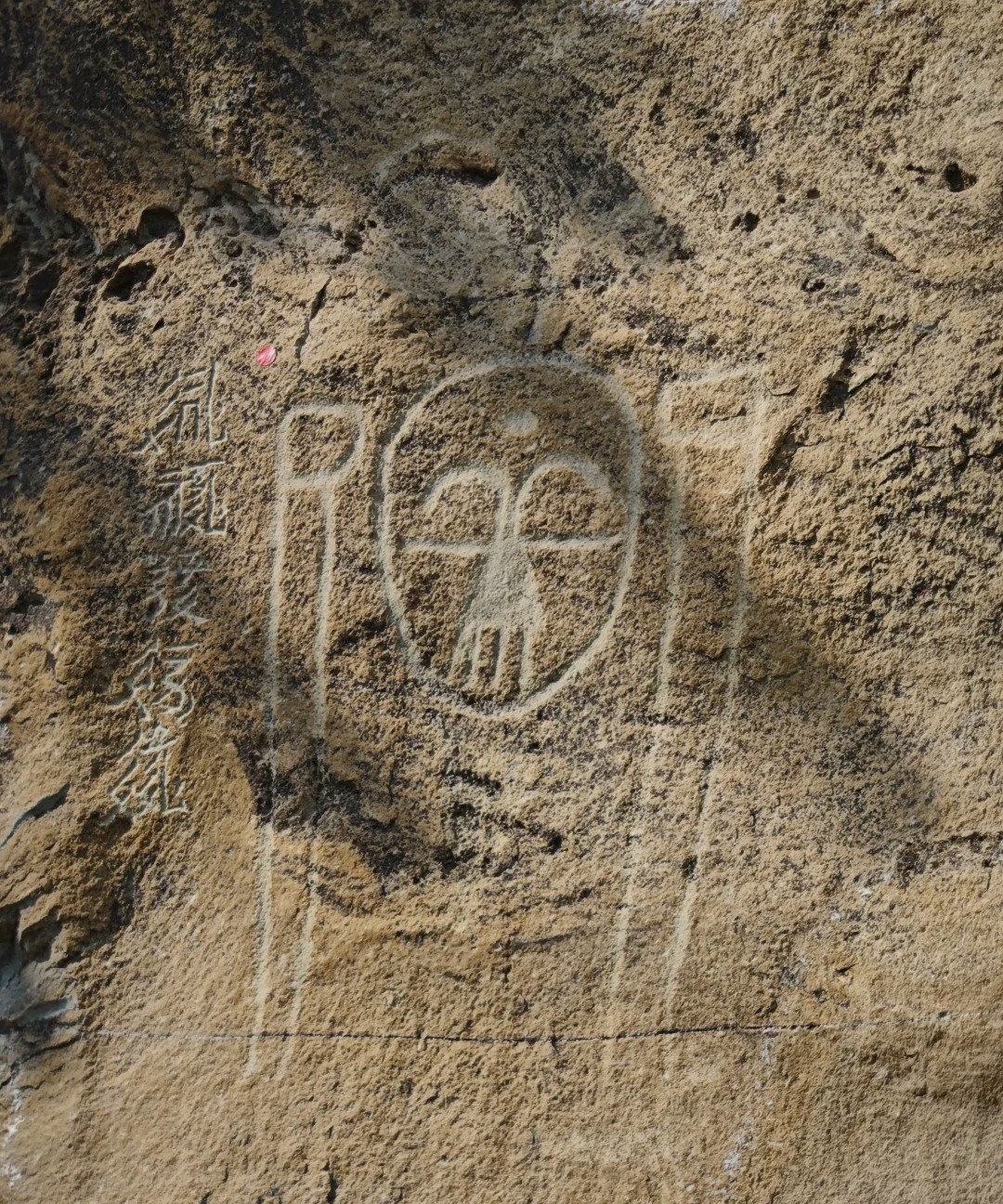
Helan Mountain Rock Art is a silent epic carved by ancient ancestors on stone walls. Thousands of images record hunting, rituals, and stars, revealing the spiritual code of nomadic civilization and the most primitive artistic expression of humanity's childhood.
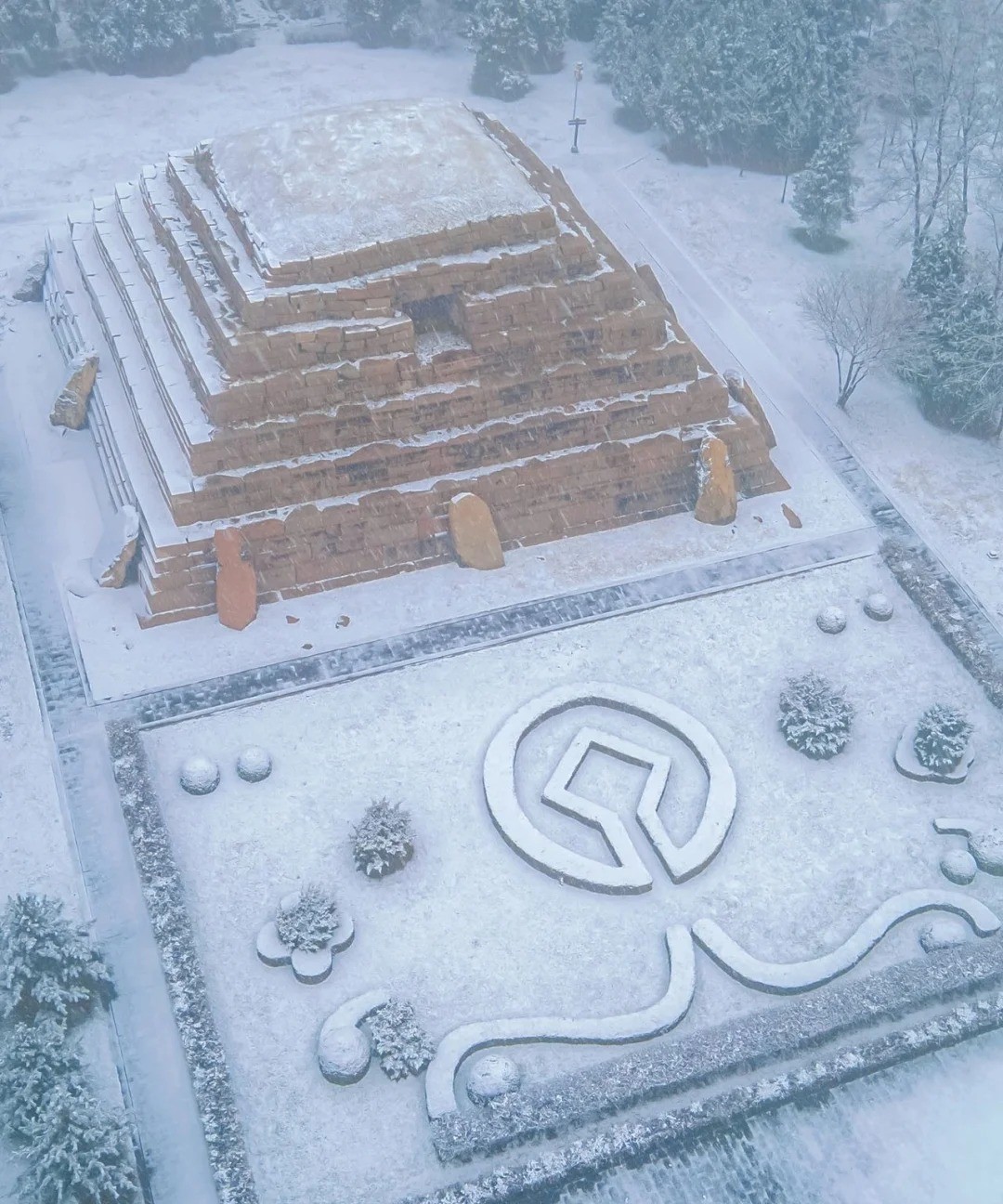
The Goguryeo Heritage Scenic Area, a UNESCO World Heritage Site located in Ji'an, Jilin, preserves the majestic General's Tomb, the Gwanggaeto Stele, and the site of Gungnae Fortress. It is a precious treasure trove for studying the history and culture of the ancient Goguryeo kingdom.
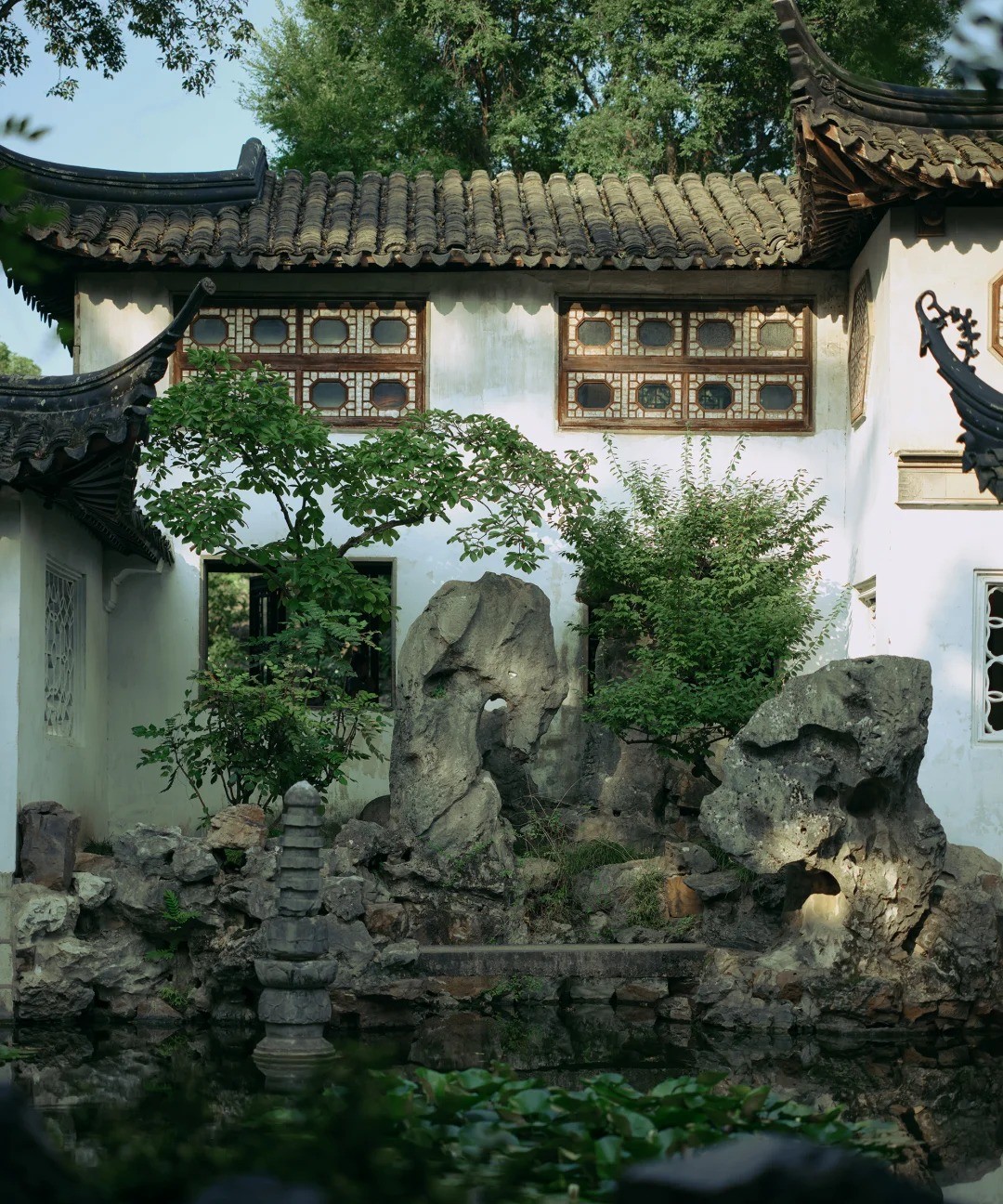
The Lingering Garden in Suzhou, first built during the Wanli reign of the Ming Dynasty, is renowned for its exquisite garden art and rich cultural connotations. As one of the representative works of classical Jiangnan gardens, it was inscribed on the World Heritage List in 1997.
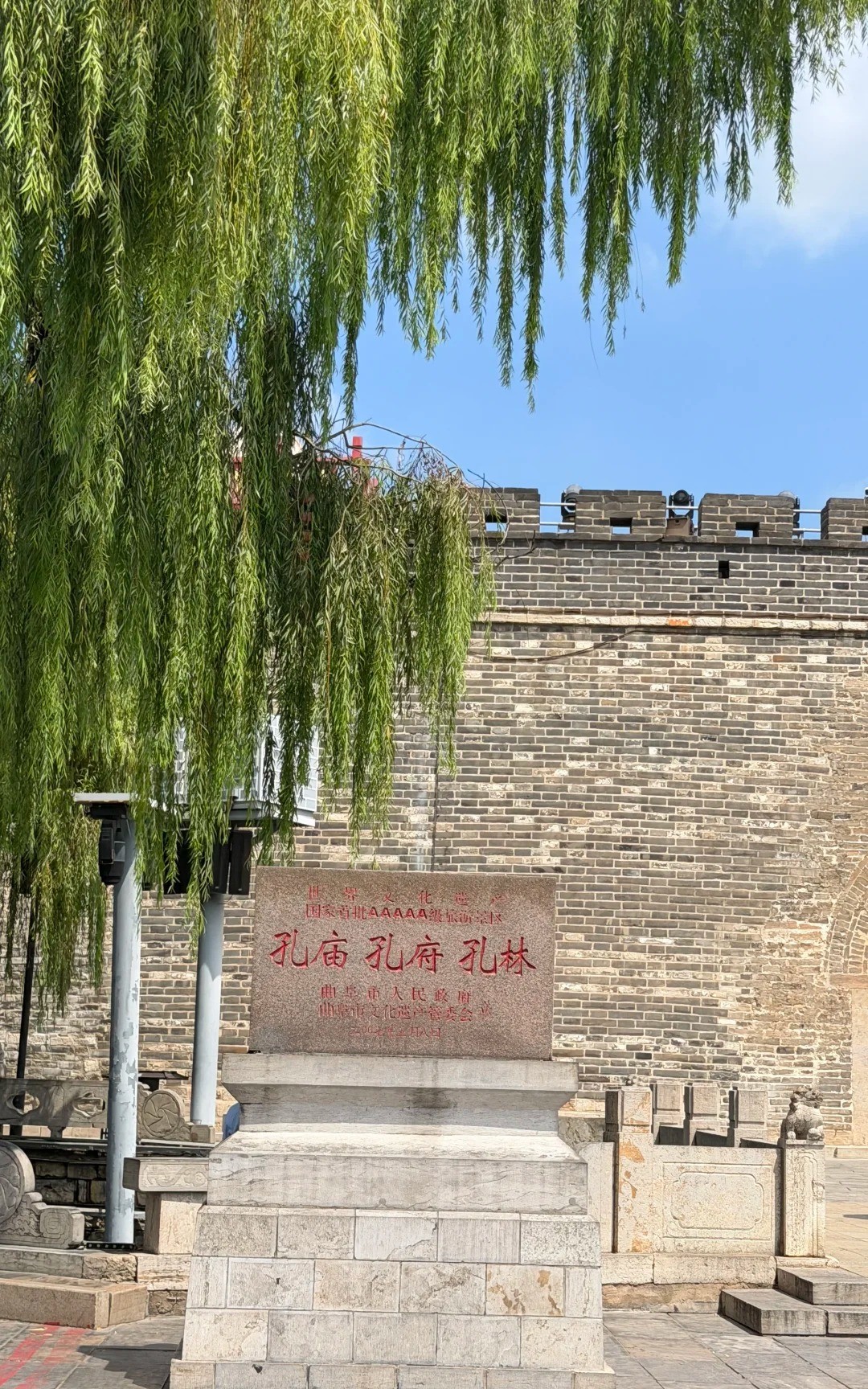
Qufu Confucius Temple is the main temple dedicated to Confucius, first built in 478 BC and expanded over 2,400 years. It is the largest and best-preserved ancient sacrificial architectural complex in China, and together with the Forbidden City in Beijing and the Mountain Resort in Chengde, it is known as one of China's three major ancient architectural complexes.
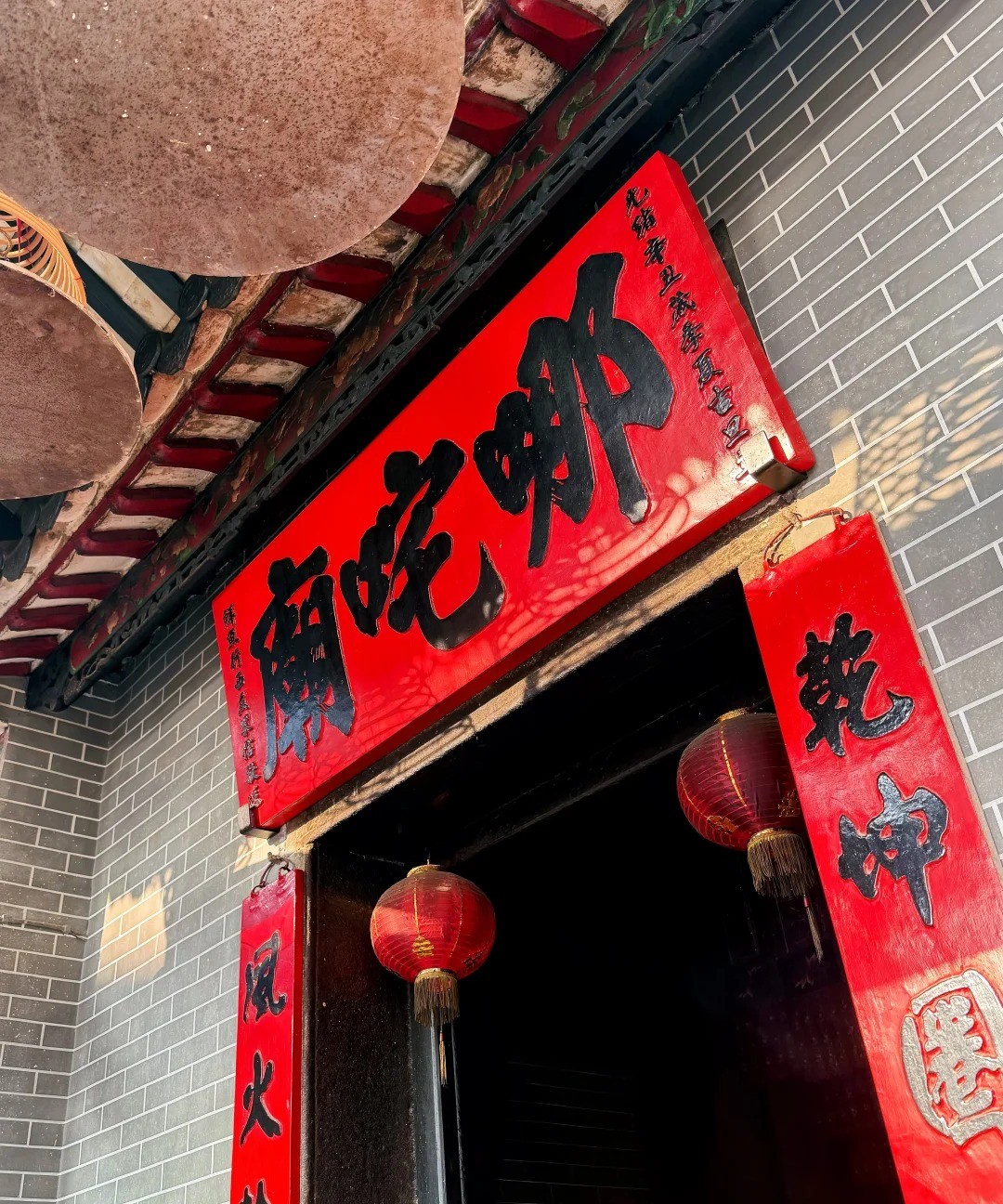
The Historic Centre of Macao is the oldest, largest, and most complete collection of historical buildings in China where Eastern and Western styles coexist. Inscribed on the UNESCO World Heritage List in 2005, it comprises 22 buildings and 8 public squares, serving as an outstanding testimony to cultural exchange between China and the West.
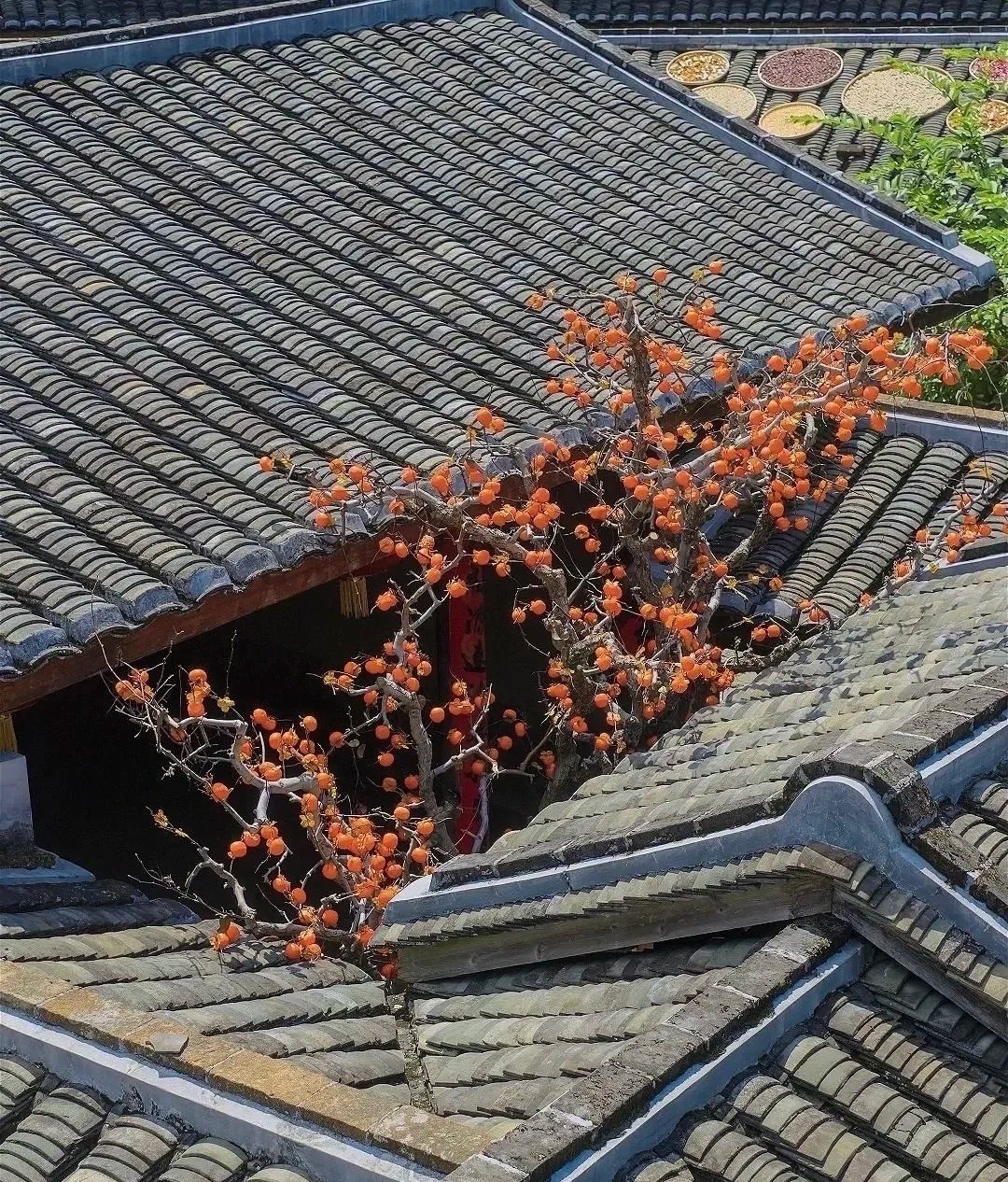
Fujian Tulou are massive earthen residential buildings scattered across the mountainous areas of southwestern Fujian, China. Inscribed on the UNESCO World Heritage List in 2008, they are renowned for their unique defensive design, clan-based communal living, and remarkable construction wisdom that harmonizes with nature.
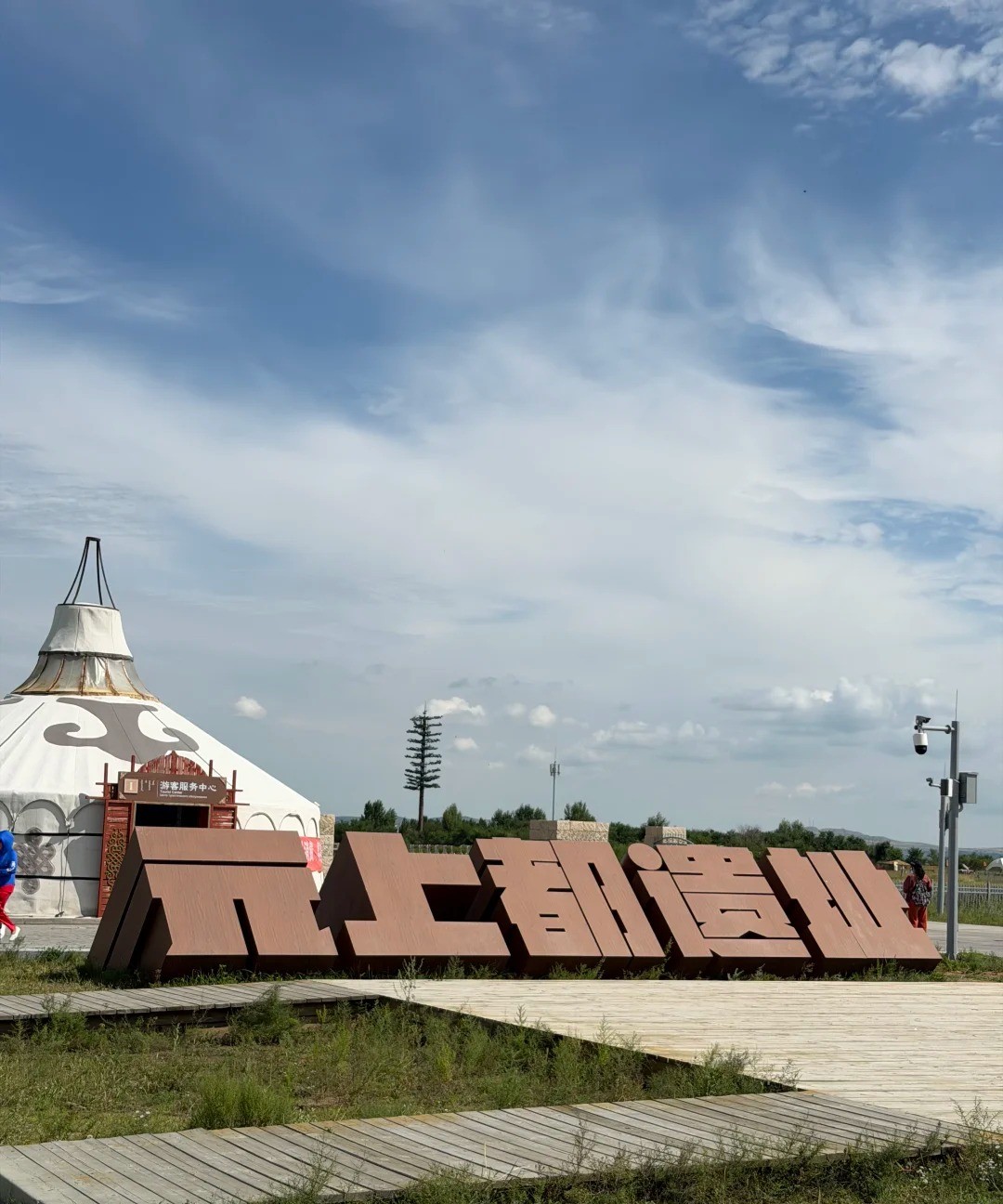
The Xanadu Ruins, located in Zhenglan Banner, Xilingol League, Inner Mongolia, was the founding capital of the Yuan Dynasty, established by Kublai Khan in 1256. It blends Mongolian grassland and Central Plains architectural styles and was inscribed on the World Heritage List in 2012, serving as an important site for studying Yuan Dynasty capital systems and grassland civilization.
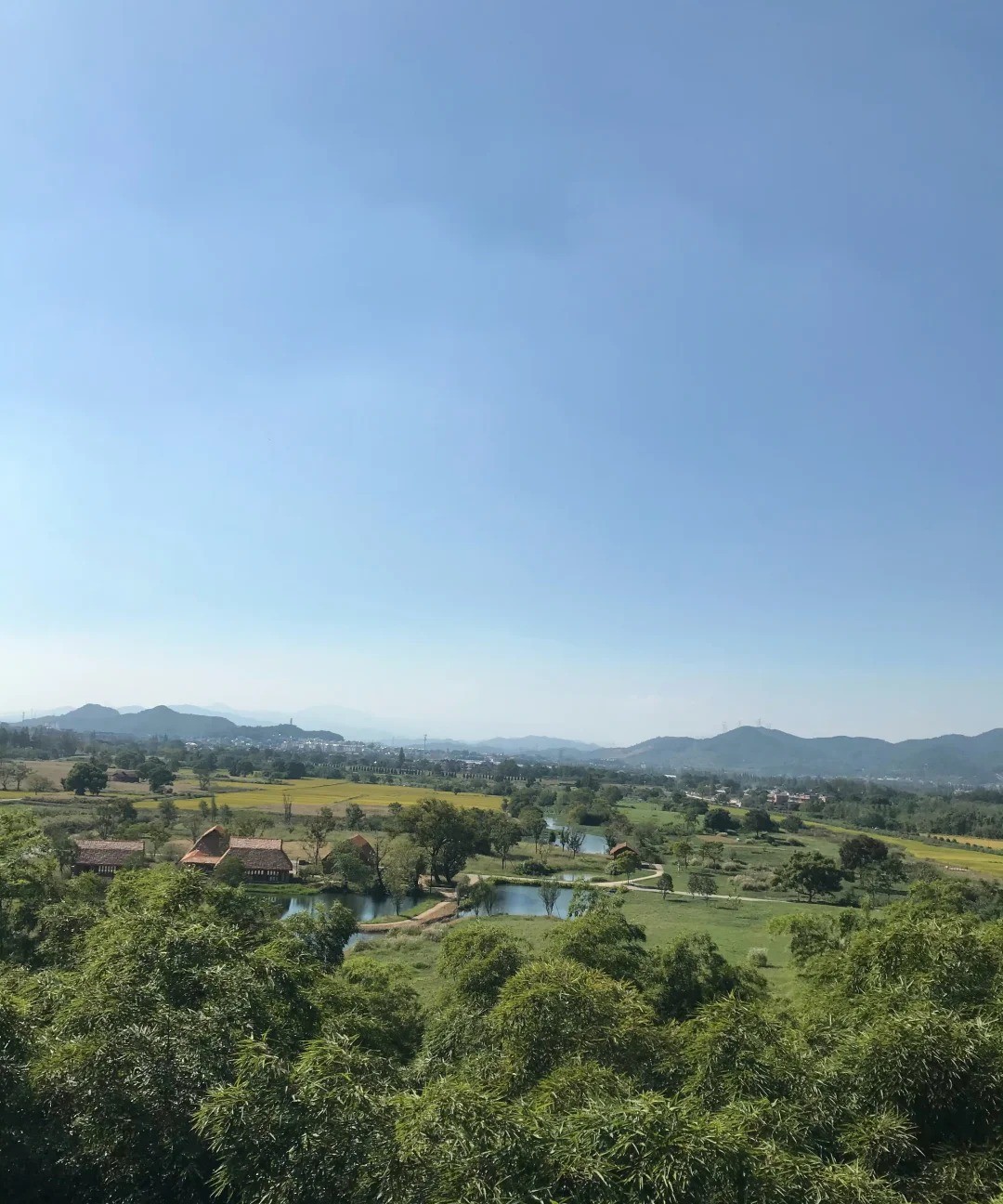
Liangzhu Ancient City Ruins, located in Yuhang District, Hangzhou, Zhejiang Province, is a large late Neolithic settlement site dating back approximately 5,300 to 4,300 years. Inscribed on the World Heritage List in 2019, it features a grand ancient city, a complex water conservancy system, and exquisite jade artifacts, providing evidence of China's 5,000-year civilization.
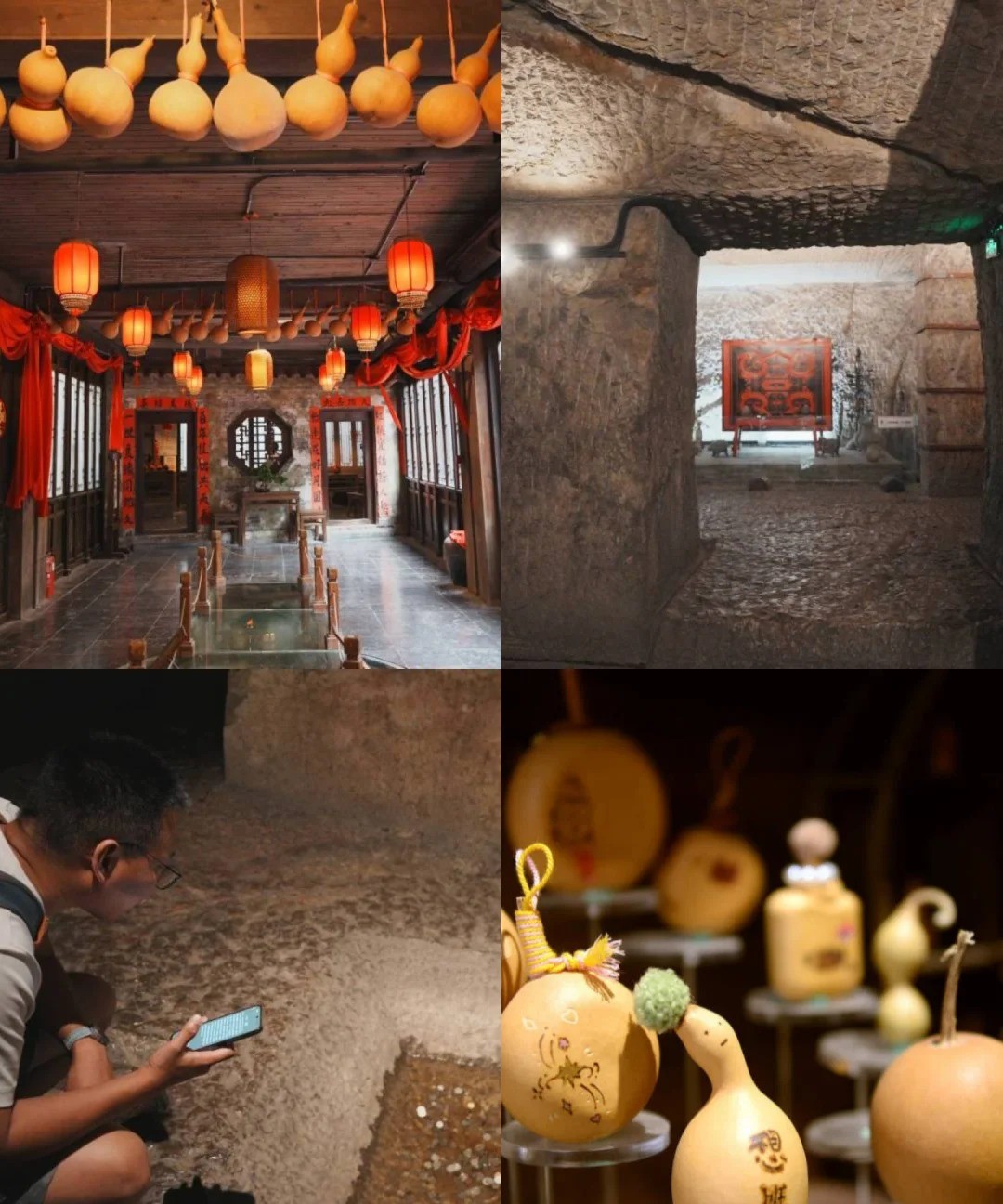
The Grand Canal of China is the world's earliest and longest artificial waterway, stretching about 3,200 kilometers and connecting five major river systems. It was inscribed on the World Heritage List in 2014, showcasing over 2,500 years of history and engineering brilliance.
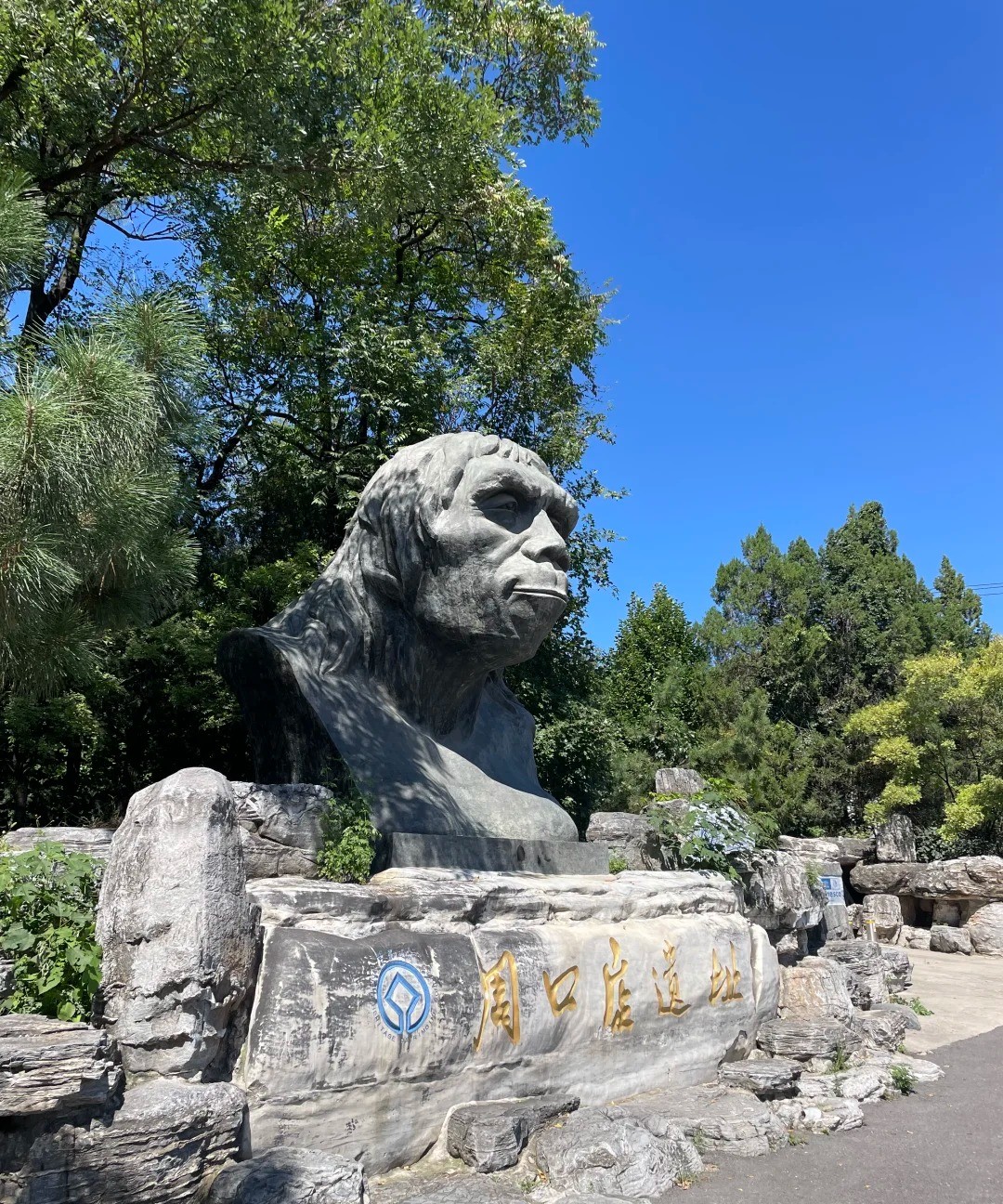
The Zhoukoudian Peking Man Site, located in Fangshan District, Beijing, is a world-renowned discovery site of ancient human fossils. It yielded Peking Man skull fossils dating from approximately 700,000 to 200,000 years ago, providing crucial evidence for the study of human evolution. In 1987, it was inscribed on the UNESCO World Heritage List.
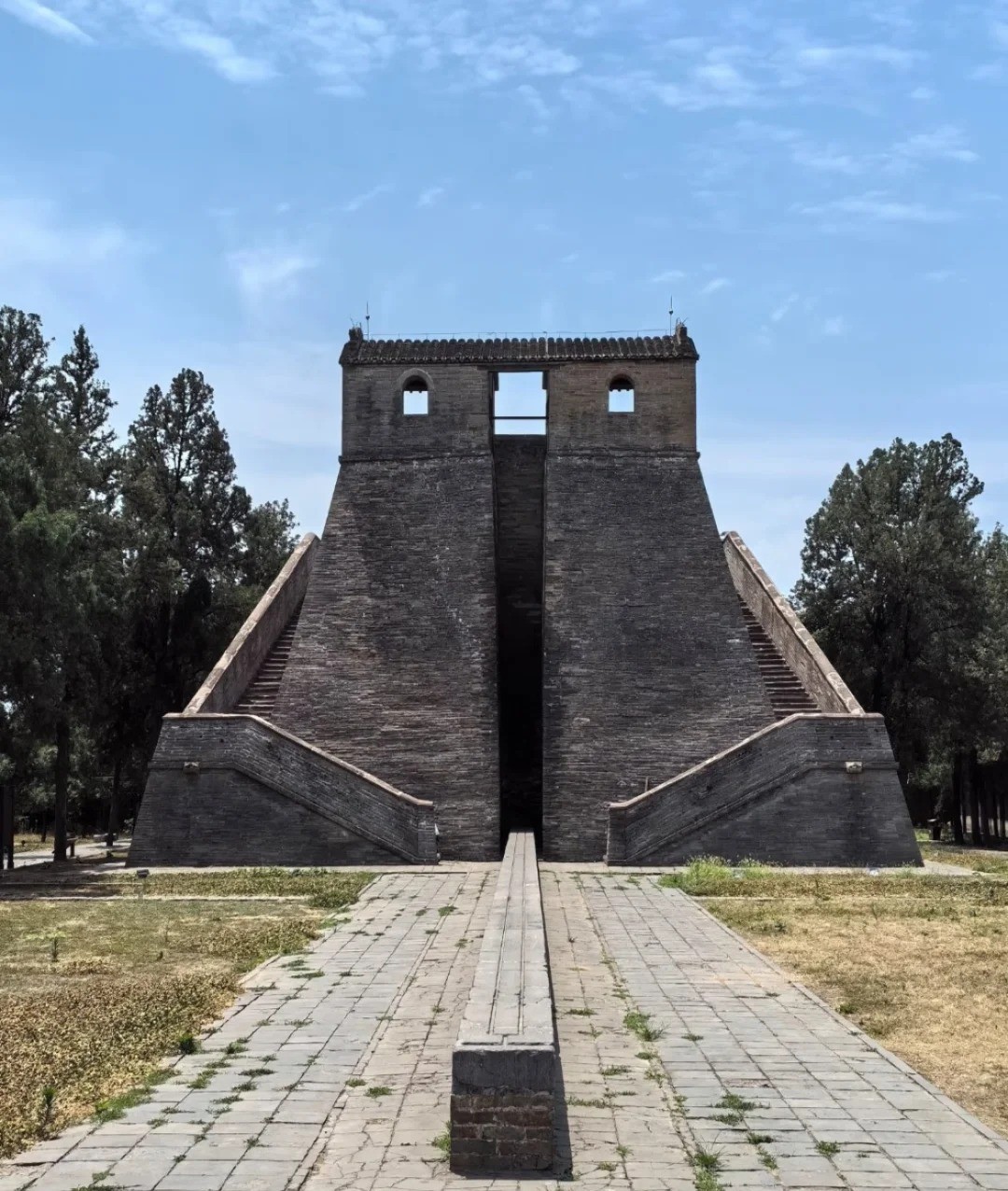
The Songshan Historic Monuments, located in Dengfeng, Henan, comprise 8 sites with 11 buildings, including the Zhougong Sundial, the Dengfeng Observatory, and the Songyue Temple Pagoda. They represent ancient Chinese architecture, astronomy, and Confucian, Buddhist, and Taoist cultures, and were inscribed on the World Heritage List in 2010.
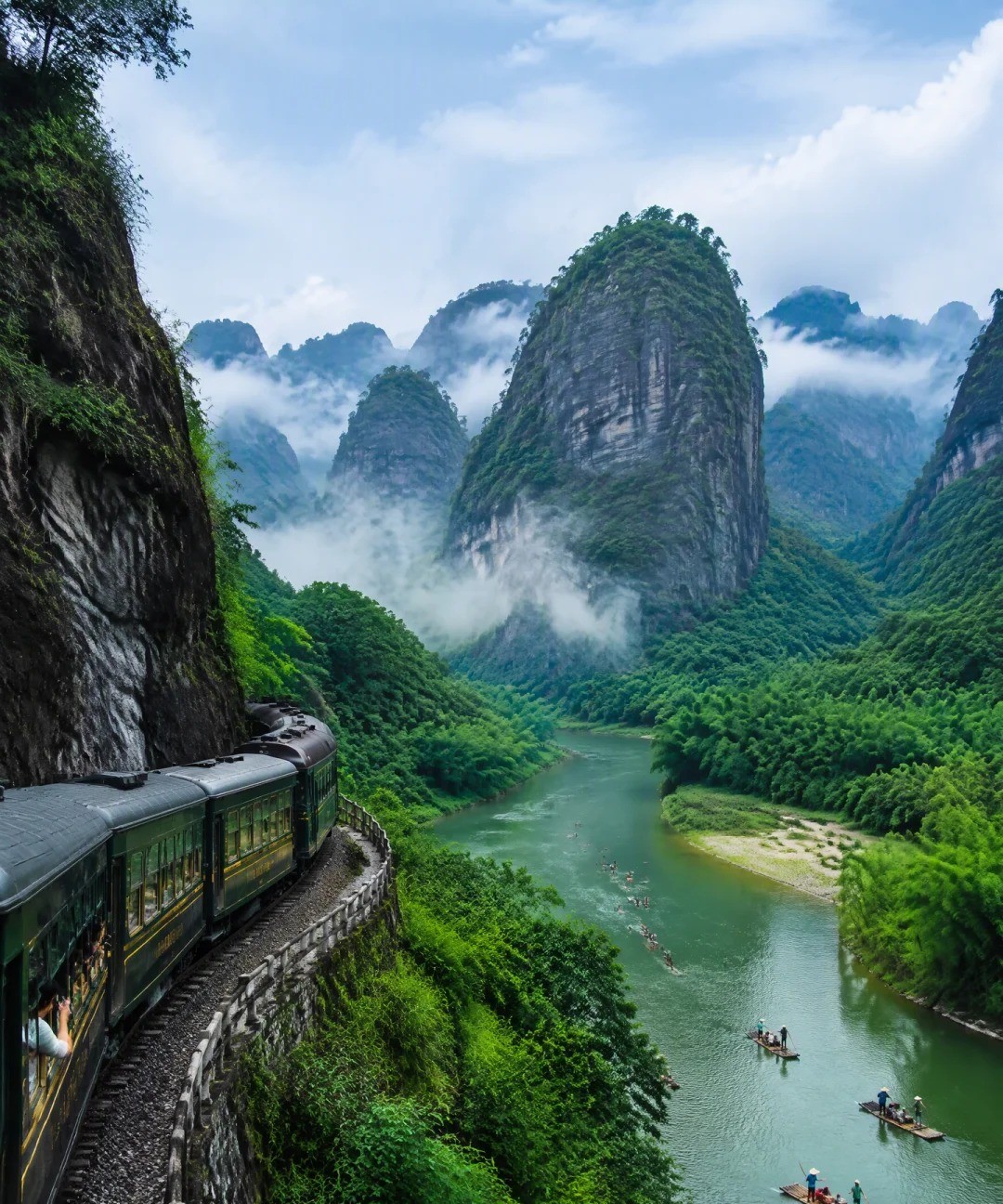
Mount Wuyi, located in Nanping City, Fujian Province, is a UNESCO World Heritage Site for both cultural and natural significance. It is renowned for its Danxia landforms, bamboo rafting on the Nine-Bend River, and as the birthplace of Neo-Confucianism. The area also features the well-preserved ancient Han city ruins and the culture of Wuyi rock tea.
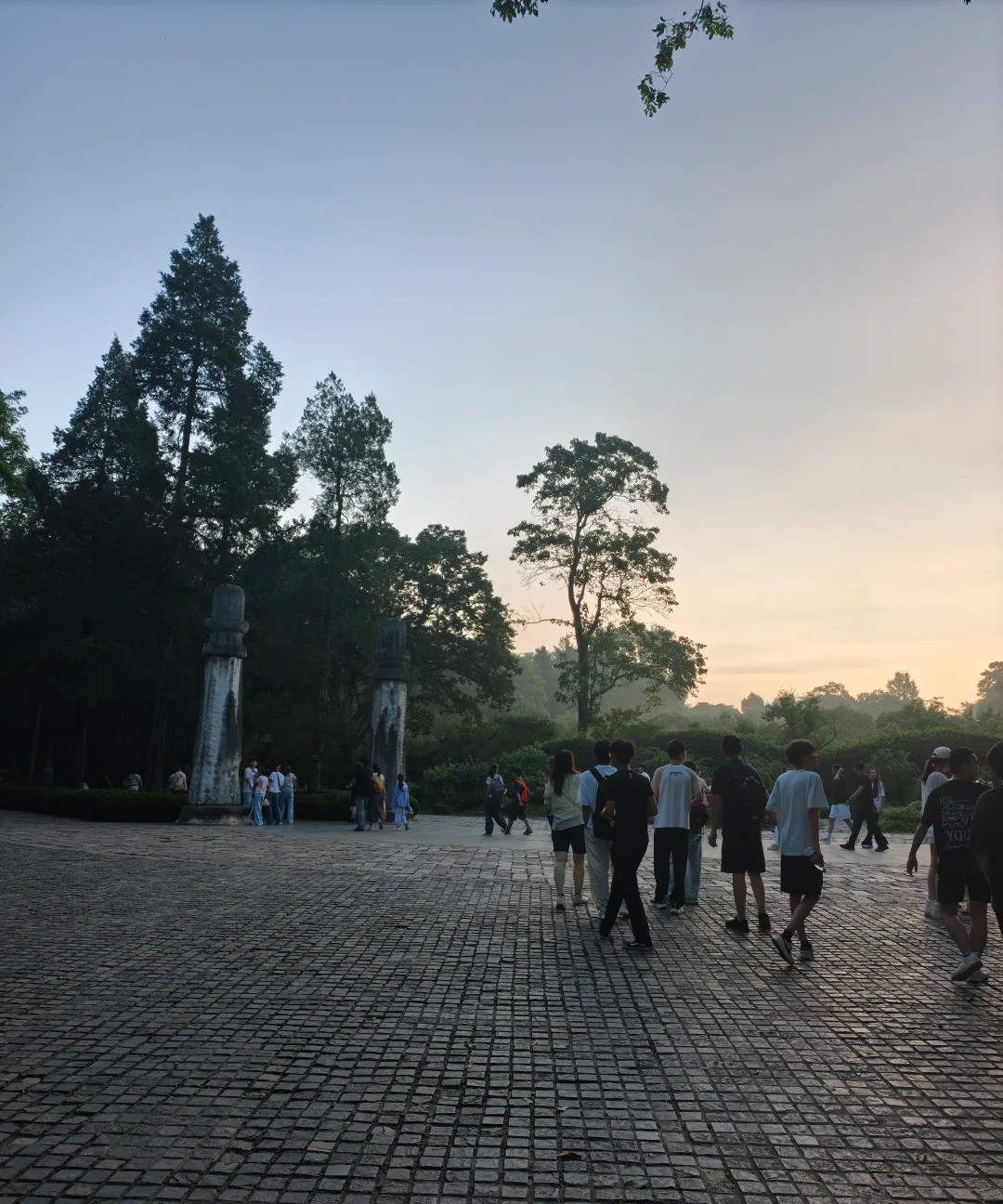
Ming Xiaoling Mausoleum is the joint burial site of Zhu Yuanzhang, the founding emperor of the Ming Dynasty, and his empress Ma. Located at the southern foot of Purple Mountain in Nanjing, it is one of the largest imperial mausoleums in ancient China and was inscribed on the World Heritage List in 2003. Its sacred way stone carvings and architectural layout have profoundly influenced the imperial tombs of the Ming and Qing dynasties.
