01Shenzhen
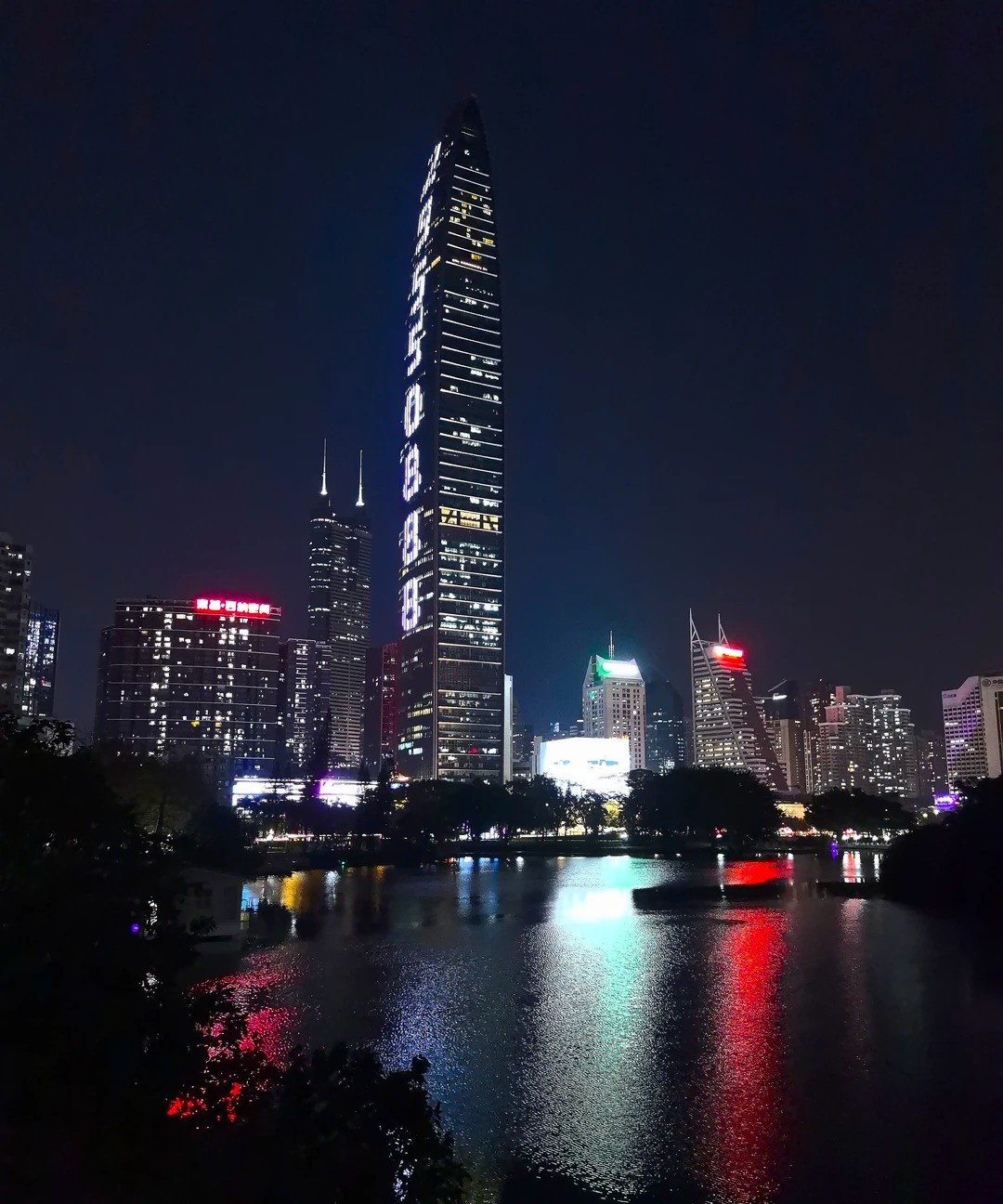
Shenzhen, the site of China's first special economic zone, is a young immigrant city in southern Guangdong that leans on hills and faces the sea, with mountain and sea joined as one. In little more than forty years it has grown from a small frontier town into an international metropolis known around the world, writing openness, innovation and nature together into its foundations. The city covers 1,997.47 square kilometers of land and administers 9 administrative districts plus 1 Dapeng New District, with 74 subdistrict offices in all and a permanent resident population of 18.2485 million. Summers here are long and winters short and the climate is mild, with an annual average temperature of 23.3 degrees Celsius. Climb Lianhuashan, where a 4,000-square-meter plaza with the bronze statue of Deng Xiaoping on the summit looks out over the central district; walk the roughly 13-kilometer shoreline of Shenzhen Bay Park and you can see the migratory birds of Futian's mangroves, an area that has recorded 273 bird species; the OCT district gathers theme parks such as Window of the World, Splendid China Folk Village and Happy Valley; the Nantou Old Town and Dapeng Fortress in the east keep this city's roots of a thousand years, while the 943.7-meter main peak of Wutong Mountain is another fine place to climb. Shenzhen is also a city of immigrants: Yue-style dim sum, Chaoshan flavors, Hakka cuisine and coastal seafood come together here at one table, and in recent years a food map of "Shenzhen-style Yue cuisine" has even been drawn up. From October to March the weather is crisp and dry, the most comfortable travel season in the whole city; as for outside connections, Shenzhen Bao'an International Airport and the Port of Shenzhen reach in all directions, and the city is also linked to Hong Kong by land. In three to four days, taking in mountains and sea, strolling old towns and tasting a hundred flavors, you can touch the vitality and ease of this city.
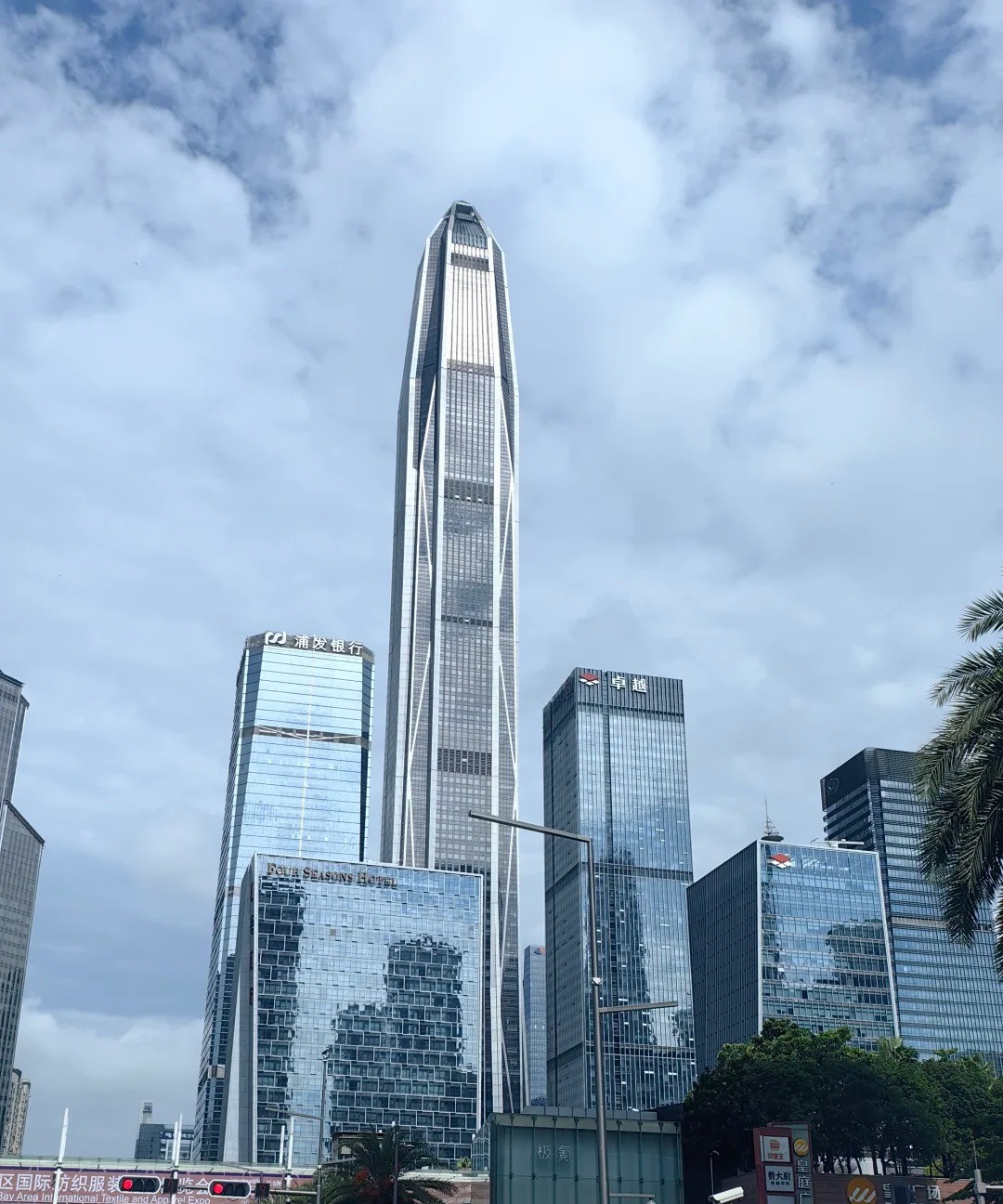
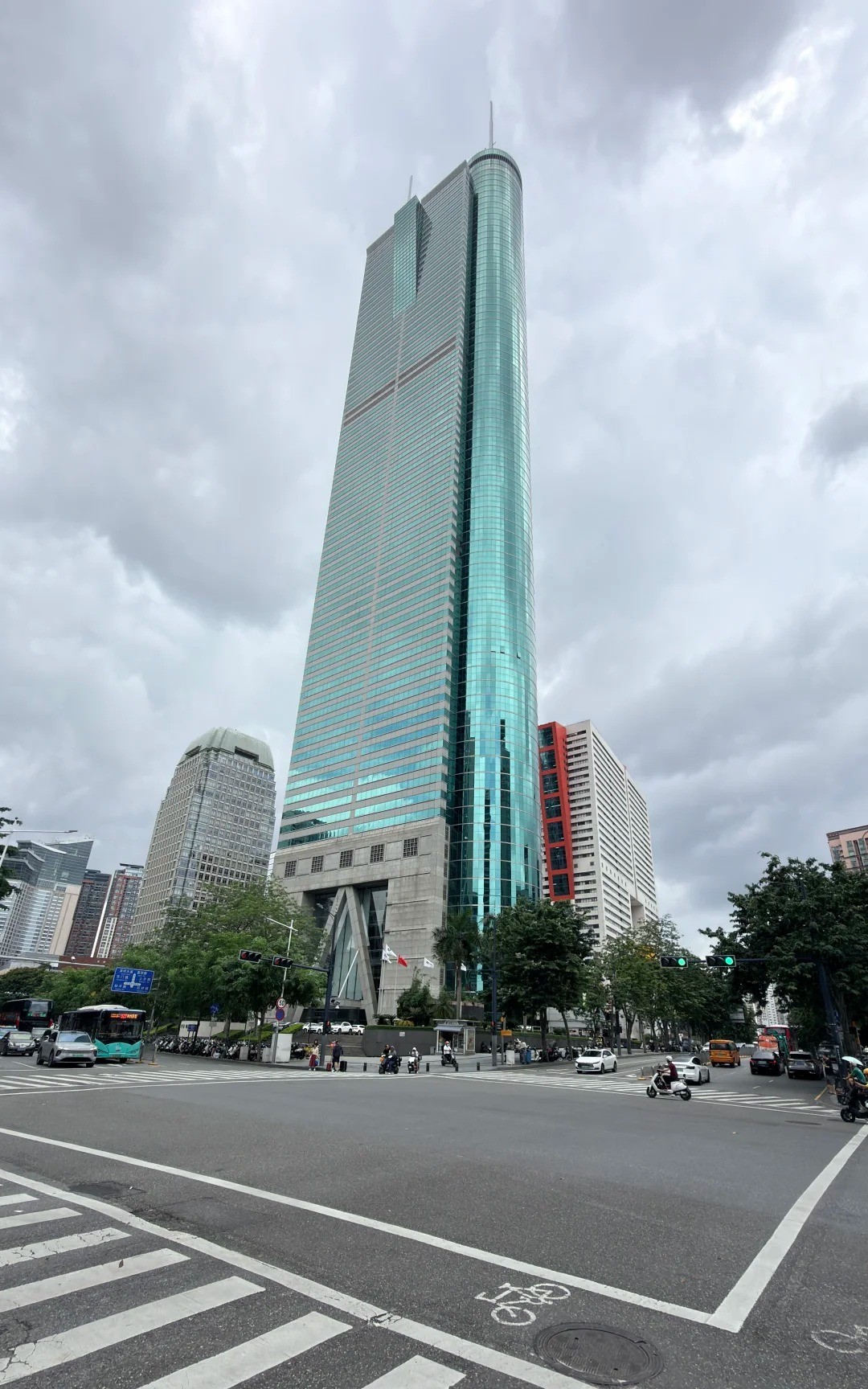
Shenzhen sits in southern Guangdong, on the east bank of the Pearl River Estuary, facing Daya Bay and Dapeng Bay to the east, the Pearl River Estuary and Lingdingyang to the west, looking across the Shenzhen River to Hong Kong to the south and bordering Dongguan and Huizhou to the north. It is a young metropolis that layers mountains, sea and city into one: on one side the central district bristles with high-rises, on the other coast and mountain roll on and on. As the site of China's first special economic zone, Shenzhen has in little more than forty years grown from a small frontier town into an international metropolis, yet it has always kept open coastal greenery within the city, letting travelers switch freely between the rhythm of the city and the breath of nature.
Shenzhen's history reaches back far beyond the four words "special economic zone." As early as the middle and late Neolithic, ancestors lived and multiplied on this land. In the sixth year of the Xianhe era of the Eastern Jin (331 CE), the imperial court established Dongguan Commandery and Bao'an County around Nantou — the beginning of county government in the Shenzhen area. In the twenty-seventh year of the Hongwu era of the Ming (1394 CE), two garrison battalions, Dongguan and Dapeng, were set up within present-day Shenzhen; their garrison towns became the later Nantou Old Town and Dapeng Fortress. In the first year of the Wanli era of the Ming (1573 CE), Xin'an County was split off from Dongguan County, with its seat still at Nantou. For centuries afterward this was a key administrative, military and coastal-defense center on the Lingnan coast, leaving behind the long shared lineage of Shenzhen and Hong Kong.
In modern times the city's administrative set-up changed several times. In 1953 the seat of Bao'an County moved from Nantou to Shenzhen Town. In 1979 Bao'an County was renamed Shenzhen City, and Shenzhen was formally established as a city. On August 26, 1980, the Shenzhen Special Economic Zone was officially created, becoming China's first special economic zone. In 1988 Shenzhen became a city with separate planning status; in 1994 it was upgraded to a sub-provincial city. In 2010 the special economic zone was extended to the whole of Shenzhen. In 2019 the guidelines for supporting Shenzhen in building a pilot demonstration area of socialism with Chinese characteristics were issued, and the city set out on a new journey.
02Shenzhen's first impre…
Shenzhen's first impression for many people is high-rises and speed; come closer and you find it is also a "city within parks." The city has built about 3,406 kilometers of greenways and 1,290 parks of all kinds — grass and shade are never far from your door — and in 2018 it was named a National Forest City. Between mountains and sea, the city's skeleton is strung together by greenways and seaside boardwalks: to the west you can reach Shenzhen Bay to watch migratory birds, to the east you can climb Wutong Mountain and go down to Dapeng Bay, and within the urban area there are green hearts like Lianhuashan. For travelers, these parks and greenways are the most comfortable gateway to understanding the rhythm of life in Shenzhen.
Lianhuashan Park in Futian District is a fine place to look down over Shenzhen's central district. Covering 181 hectares, it takes its name from seven hills that cluster together like a blooming lotus, and it opened to the public in 1997. Follow the trails up to the main peak, where the summit plaza, about 100 meters above sea level, covers 4,000 square meters; at its center stands the bronze statue of Deng Xiaoping, which was selected as one of Shenzhen's Ten Great Historic Buildings. This is also the viewpoint with the best sightlines, taking in the whole high-rise central district at a glance. The park was chosen as one of the Eight Sights of Shenzhen for "Early Spring on Lian Mountain"; in spring there are great drifts of bougainvillea, and the bougainvillea flower show has been held for 24 consecutive editions — a flower occasion familiar to the people of Shenzhen.
Shenzhen Bay Park spreads along Shenzhen Bay, running from Futian's mangroves in the east to Wanghai Road in the west. With a total area of about 128.74 hectares and some 13 kilometers of coastline, it links 14 themed gardens. It is the only dense seaside recreation belt in Shenzhen's central district, with footpaths and cycle paths side by side, so cyclists and walkers alike can feel the sea breeze. The Futian mangroves within the park are a national nature reserve, close by the city's core, and an important stop on the East Asian–Australasian Flyway for migratory birds; each year they draw nearly 100,000 birds to rest, and the area has recorded 273 bird species in all. From autumn and winter into the following spring is just the right season for birdwatching.
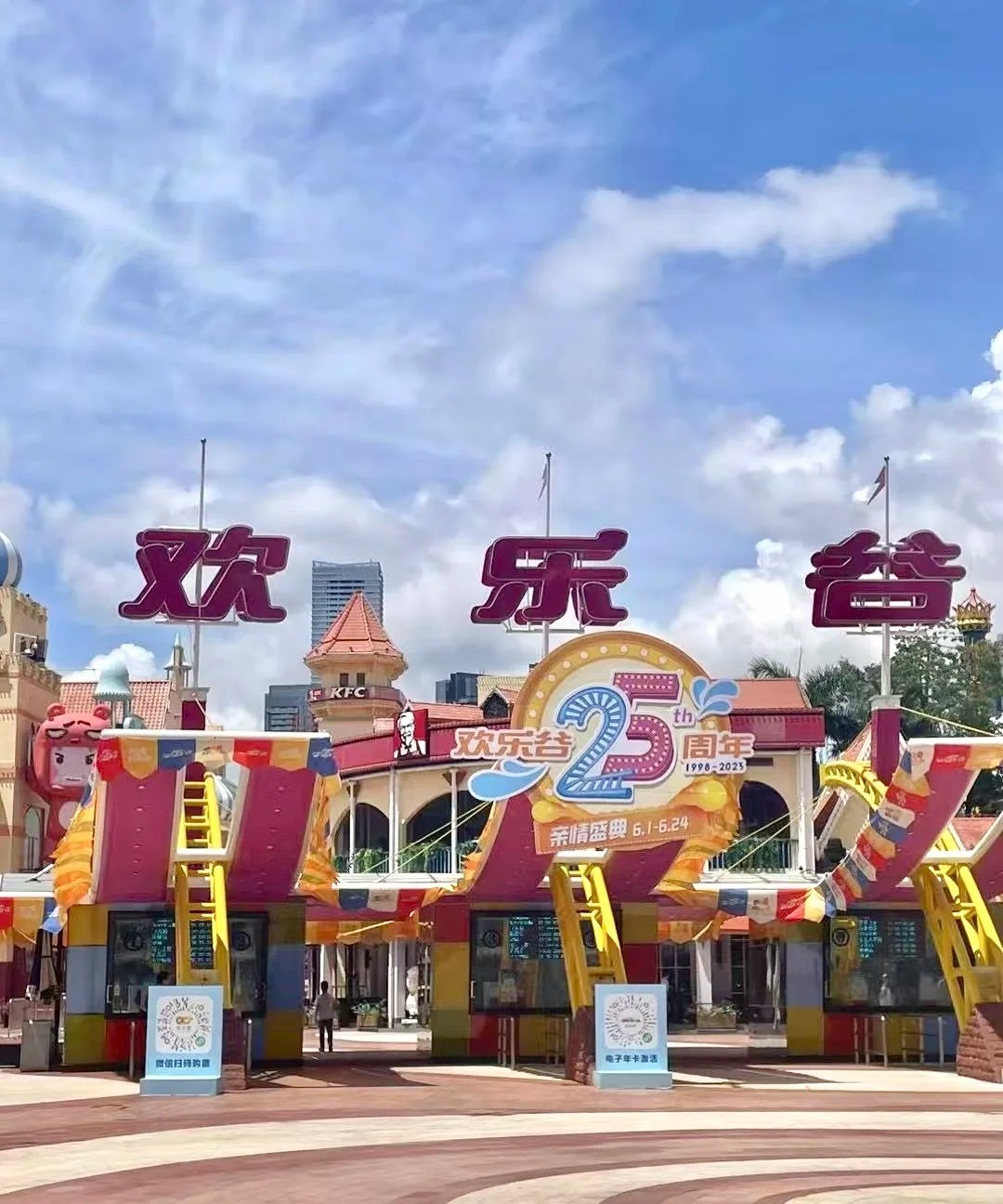
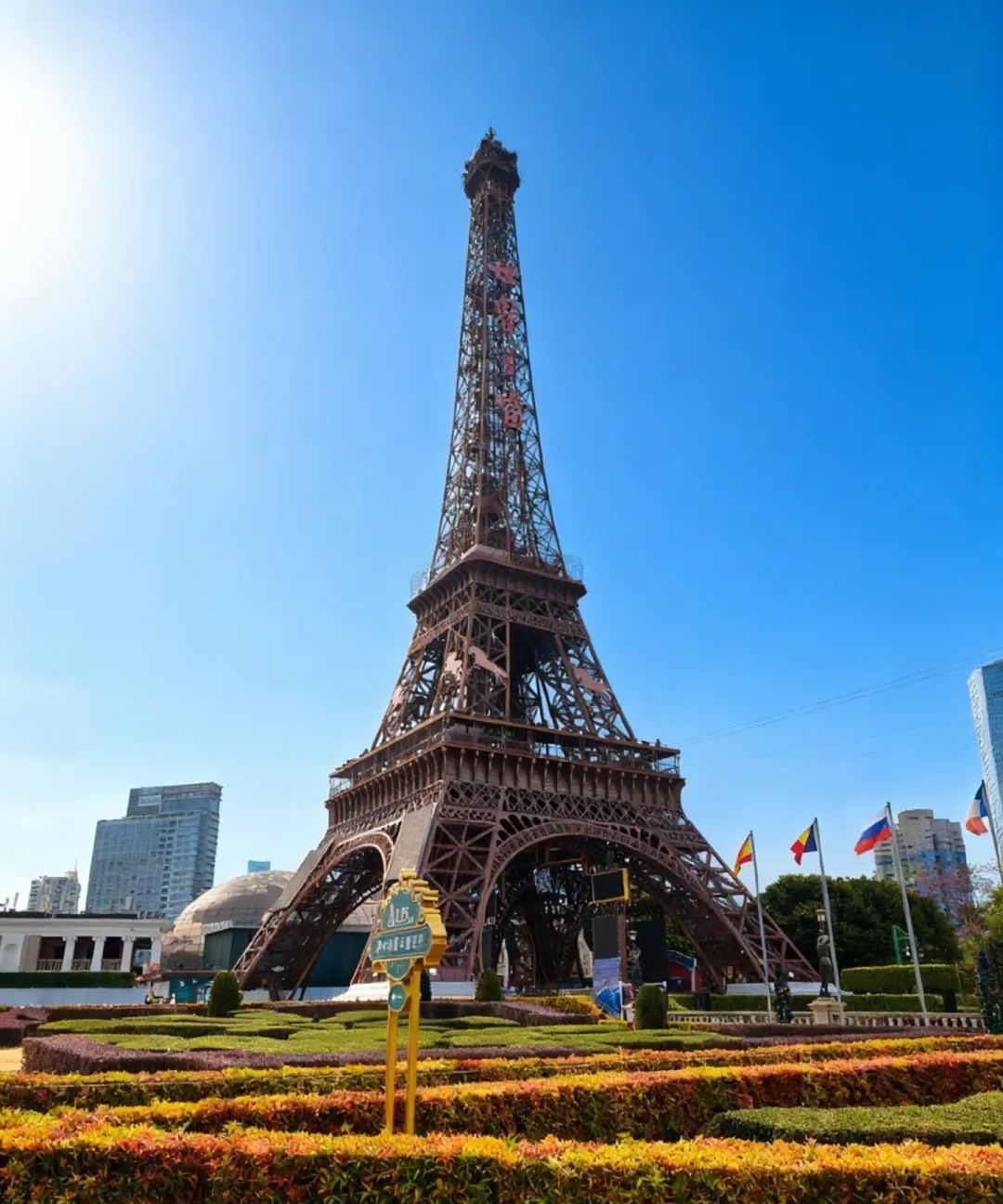
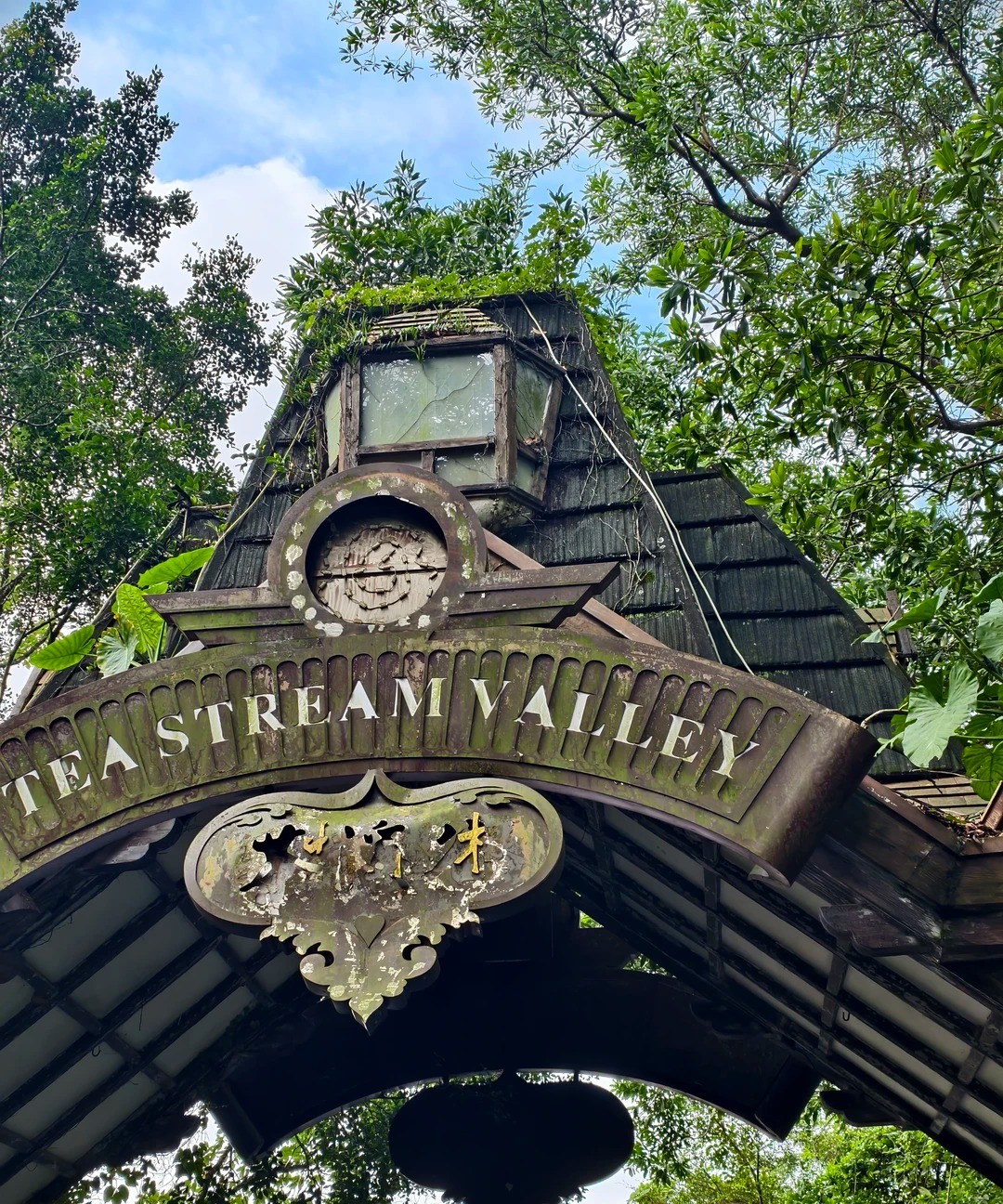
For theme parks, the OCT district on the shore of Shenzhen Bay in Nanshan District is the most concentrated. The whole OCT tourism resort is a national 5A-level tourist attraction, rated in 2007, and it gathers several well-known parks. Window of the World covers 480,000 square meters, compressing famous sights from around the globe into miniature landscapes; Splendid China Folk Village presents the charms of China through miniature versions of 82 scenic and historic sites and through ethnic villages; Happy Valley covers 350,000 square meters and is an amusement park favored by young people; and OCT Harbour, which opened in 2011 and covers about 1.25 million square meters, is an open quarter that combines leisure, commerce and seaside scenery. The parks are not far apart, and you can plan a full day or two here according to your energy and interests.
03To seek out Shenzhen's…
To seek out Shenzhen's urban roots, head to the Nantou Old Town in Nanshan District. This ancient town has nearly 1,700 years of history as a commandery and county seat and was long the administrative, economic, cultural and military center of the Lingnan coast, praised as "the chief city of eastern Yue and the source of Hong Kong and Macao." Within its walls are preserved cultural relic sites and historic buildings such as the Wen Family Ancestral Hall of Lord Xin'guo, the Dongguan Guild Hall, the south gate archway and the Baode Temple; there are 4 municipal-level protected cultural relic sites alone. In 2019 the Nantou Old Town conservation and adaptive-reuse project was launched, and in 2020 the street reopened renewed, with old neighbors and new businesses sharing the same lanes; thus the old town was transformed from an urban village into a model of urban regeneration and became a cultural calling card for Shenzhen.
The east belongs to mountains and sea. The Wutong Mountain Scenic Area covers a total of 42.04 square kilometers and spans three districts — Luohu, Yantian and Longgang; in 2009 it was designated a national-level scenic area. From west to east the area holds three main peaks: Xiaowutong, Doufutou and Dawutong, whose main peak reaches 943.7 meters and is Shenzhen's highest; from the top you can look down over the city and, across the water, gaze at Hong Kong's mountains. Forest covers 88.6% of the mountain, which has been called "the lungs of Shenzhen." Every February and March the azaleas bloom in connected swaths, a high-mountain spectacle rare in Shenzhen; following the ridge trails slowly upward, you have broad mountain-and-sea views the whole way.
Following the coastline east brings you to the seaside strip of Yantian District. The beaches around Dameisha are fairly close to the urban area and are a weekend seaside getaway for residents; OCT East, at Dameisha, is a national 4A-level tourist attraction that links hills and forests, lake valleys and resort facilities into one whole, well suited to slowing down and staying a night. The seaside boardwalks here lean against hills and face the sea, so cyclists and hikers can see the water all along, with sea breeze, reefs and distant container terminals appearing in turn. If you come in summer, early morning and evening are the most comfortable; when the midday sun is strong, it is best to retreat into the shade or turn to indoor venues.
Further east, Dapeng New District shows another face of Shenzhen. Dapeng Fortress, in Pengcheng Community of Dapeng New District, was first built in the twenty-seventh year of the Hongwu era of the Ming (1394 CE). Measuring 345 meters east–west and 285 meters north–south and covering about 110,000 square meters, it is one of the best-preserved Ming–Qing coastal-defense military fortresses in China today. Inside remain Qing-dynasty mansion-style buildings such as Lai Enjue's "Residence of the General Who Displays Might" and Liu Qilong's "General's Residence," testifying to centuries of coastal defense; Shenzhen's alternate name "Pengcheng" (Peng City) comes from here. In 2001 Dapeng Fortress was listed as a Major Historical and Cultural Site Protected at the National Level; in 2003 the Pengcheng Village where it stands was named a China Famous Historical and Cultural Village; and in 2004 it was ranked first among the Eight Sights of Shenzhen.
04If you prefer a leisur…
If you prefer a leisure holiday, the Mission Hills tourism and leisure resort in Longhua District is worth a visit. Rated a national 5A-level tourist attraction in 2011, it nestles among hills and water and is equipped with dining, hotels and sports and entertainment facilities, suited to families with children or groups planning a half-day to full-day outing. Unlike the coastal scenery of the urban area, this stretch feels more open and quiet — another side of Shenzhen's resort-style tourism. Besides sports grounds, the resort also opens play areas for families, where strolling, cycling or sitting on the lawn are all delightful. Before you go, it is worth checking each park's opening arrangements in advance and slowing the pace; if you have time, you can stay a night within the resort.
Shenzhen shows more than one face. The Gankeng Ancient Town cultural tourism area in Longgang District is a national 3A-level tourist attraction that preserves the texture of traditional Hakka architecture, now woven with creative-culture streets and hands-on craft experiences; it is lively on holidays and good for families and photos. In Futian District, the Huaqiangbei pedestrian street area is likewise a 3A-level attraction; as a well-known electronics hub, its component markets and digital-goods shops in every lane give a direct feel for the city's keen commercial instinct. After touring the old town you can drop into a little shop in a nearby lane to rest, while at Huaqiangbei almost anything can be found, from the newest digital devices to the tiniest components — and in this give-and-take you sense the pragmatic commercial character of the city. One ancient and one modern, they are a fitting footnote to Shenzhen's diverse temperament.
As an immigrant city, Shenzhen's flavors blend north and south. In recent years the authorities have drawn up a food map of "Shenzhen-style Yue cuisine," stringing together Yue-style dim sum, Chaoshan dishes, Hakka cuisine and coastal seafood. In the early morning find a steamer of Cantonese dim sum with a pot of tea; at noon try Chaoshan-style braised dishes or claypot congee; in the evening sit by the sea, where steamed or blanched seafood best captures the sweetness of the ocean; and after nightfall duck into the lanes of an urban village, where a bowl of steaming late-night supper is enough to put anyone at ease. Dining here has both the steadiness of old, established names and the liveliness of new creative restaurants, with an extremely broad range of flavors to choose from.
Shenzhen has a subtropical monsoon climate, with long summers and short winters, mild temperatures, ample sunshine and abundant rainfall. The annual average temperature is 23.3 degrees Celsius; the highest temperature on record is 38.7 degrees and the lowest 0.2 degrees; January averages 15.7 degrees and July 29.0 degrees. Annual sunshine averages 1,853.0 hours and annual rainfall 1,932.9 millimeters, with 86% of the year's rain concentrated in the flood season from April to September, and summer lasting 202 days on average. On the whole, winters here are not cold and summers run long, so the city can be visited in any season — though in summer you should take care about sun protection, rain and the effects of typhoons.
05Taking the climate tog…
Taking the climate together, October to March is the most comfortable stretch in Shenzhen: the weather is crisp and dry and the sunshine mild, without the muggy heat of midsummer and with few typhoons or downpours — good for visiting parks, walking the seafront and climbing hills. Summer is hot and rainy, but you can cool off by the sea or in indoor venues; the only catch is that the seafront gets crowded on holidays, so it is best to travel off-peak. Spring often brings the damp "returning south" weather, with visibility good one moment and poor the next; at the turn of summer and autumn typhoons are more active, so watch the weather before setting out and leave your outdoor plans some flexibility for an easier trip. If you come in winter, the temperature difference between morning and evening is a little wider, and a light jacket will do; spring and autumn are best for walking and cycling, and also suited to long hours outdoors.
Shenzhen's external transport links are highly convenient. By air, Shenzhen Bao'an International Airport has flights to numerous cities at home and abroad, with annual passenger throughput reaching 66 million trips; by sea, the Port of Shenzhen is a major global container hub, with annual container throughput surpassing 35 million TEU. Shenzhen is linked to Hong Kong by land and can be reached conveniently through several ports of entry, while high-speed and intercity railways closely tie it to neighboring cities. Getting around the city is mainly by rail transit and bus; for the attractions on the eastern seafront, road pressure is heavier on holidays, so it is advisable to set out early and allow extra time.
Three to four days is a comfortable amount of time for Shenzhen. Give the first day to Futian and Nanshan: in the morning climb Lianhuashan to look down over the central district, in the afternoon go to Shenzhen Bay Park and the Futian mangroves for sea views and birdwatching, and in the evening pick one of the OCT theme parks and enjoy it to the full. On the second day head east: climb Wutong Mountain in the morning, then slow the pace in the afternoon at Yantian's seaside boardwalks and OCT East. On the third day go to Dapeng New District to see Dapeng Fortress and spend an afternoon by the sea. If you have a fourth day, give it to the Nantou Old Town and the city's lanes, to take in this city's everyday life at leisure.
Itineraries can also be freely combined according to interest. If you like cities, focus on Lianhuashan, Shenzhen Bay, OCT and Huaqiangbei to feel Shenzhen's urban pulse; if you lean toward nature, take Wutong Mountain, the Shenzhen Bay mangroves and the mountains and sea of Dapeng New District as your main line; if history interests you, the Nantou Old Town and Dapeng Fortress are most worth studying closely. Food can be woven in along the way — try the several flavors of "Shenzhen-style Yue cuisine" across a few meals. However you arrange things, it is worth leaving your outdoor plans some flexibility and avoiding the harsh midday light and holiday peaks; as for connections, most attractions in the urban area are near rail stations, while the scenic areas in the east and north are better reached by car or by shuttle.
06Another layer of Shenz…
Another layer of Shenzhen's charm hides in the everyday. In the early morning the parks hold joggers and tai chi practitioners; in the afternoon people set out chessboards under the banyan trees; and on the seaside boardwalks at dusk, streams of cyclists and strollers stretch all the way into the lamplight. This city has embedded leisure into its hills, waters and lanes: a single greenway can link several parks, and one stretch of coast lets you walk from wetlands right into the busy heart of town. For travelers, there is no need to rush from sight to sight — wandering and pausing as you please makes it easier to meet the relaxed, warm side of the city.
A few more small tips for getting around. Shenzhen's public transport is well developed, with rail and buses linking the main attractions, and setting up an electronic transit code in advance will make things much easier; for the eastern seafront and Dapeng New District, traffic is concentrated on holidays, so it is best to set out early or return off-peak. When enjoying the sea, mind the tides and safety notices, and for hiking bring sun protection, drinking water and light shoes; summer brings frequent sudden showers, so carrying an umbrella shields you from both sun and rain. As for lodging, the Futian and Nanshan areas are well equipped and convenient, while Longgang, Bao'an and elsewhere are more budget-friendly. Keep the itinerary relaxed and leave some margin for both weather and mood, and the journey will be more at ease.
Shenzhen is not a city that a few labels can sum up. It is young, bustling and quick to move forward, yet it also keeps a place among its hills and sea for moments of slowing down. Watch the city wake in the morning on Lianhuashan, wait for a flight of migratory birds by Shenzhen Bay in the afternoon, tread several hundred years of time on the flagstones of Dapeng Fortress at dusk, and feel the warmth of technology in the neon of Huaqiangbei at night. This city is forever growing; as long as you are willing to stop, it will always leave travelers a memory both distinctive and lasting, and make every backward glance yield a new discovery.