免费咨询旅行专家——定制行程、本地贴士、无忧规划。
通常24小时内回复
Guizhou
正在探索 · 铜仁
INTRODUCTION
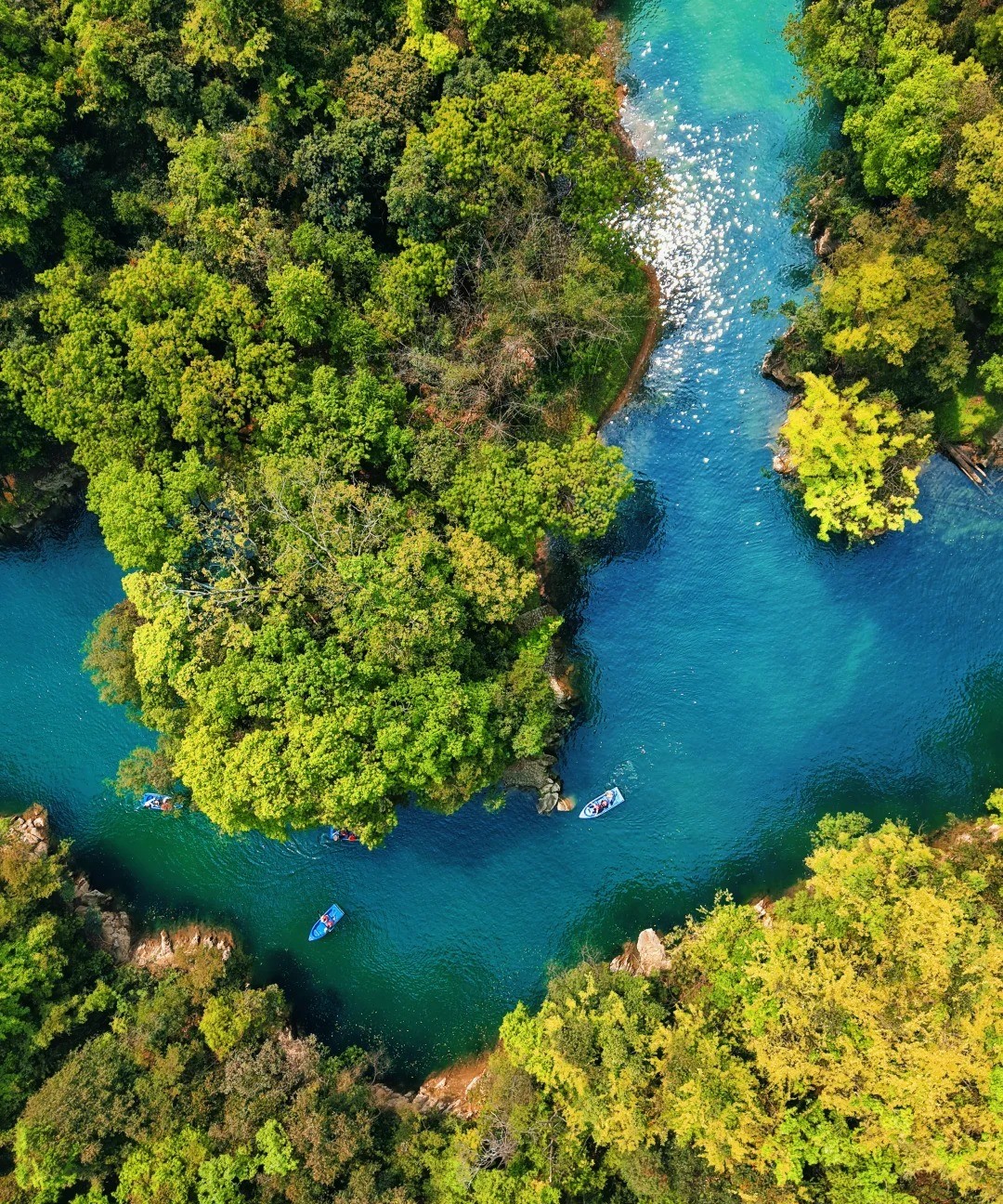
Guizhou, abbreviated as "Qian" or "Gui", is located in southwestern China, bordering Hunan to the east, Guangxi to the south, Yunnan to the west, and Sichuan and Chongqing to the north. It covers an area of approximately 176,200 square kilometers and has a permanent population of about 38.56 million (2023 data). The capital is Guiyang. Guizhou is an important province in southwestern China, characterized by plateau and mountainous terrain with typical karst landforms, often described as "80% mountains, 10% water, and 10% farmland." Its history can be traced back to the Yelang Kingdom during the Spring and Autumn and Warring States periods, and it was formally established as a province in the Ming Dynasty with the establishment of the Guizhou Provincial Administration Commission. Guizhou is a multi-ethnic province where 49 ethnic groups, including Han, Miao, Bouyei, Dong, and Tujia, live in harmony, with ethnic minorities accounting for over 36% of the total population, resulting in rich and diverse ethnic cultures. Known as the "Mountain Park Province," Guizhou boasts world-class natural and cultural attractions such as Huangguoshu Waterfall, Libo Karst Forest, and Xijiang Qianhu Miao Village. Additionally, Guizhou is a center for China's big data industry, known as the "China Data Valley," and is home to globally renowned brands like Moutai and Laoganma. Its unique landscapes, diverse cultures, and rapidly developing economy make Guizhou a sought-after travel destination for both domestic and international tourists.
I. World-Class Natural Wonders
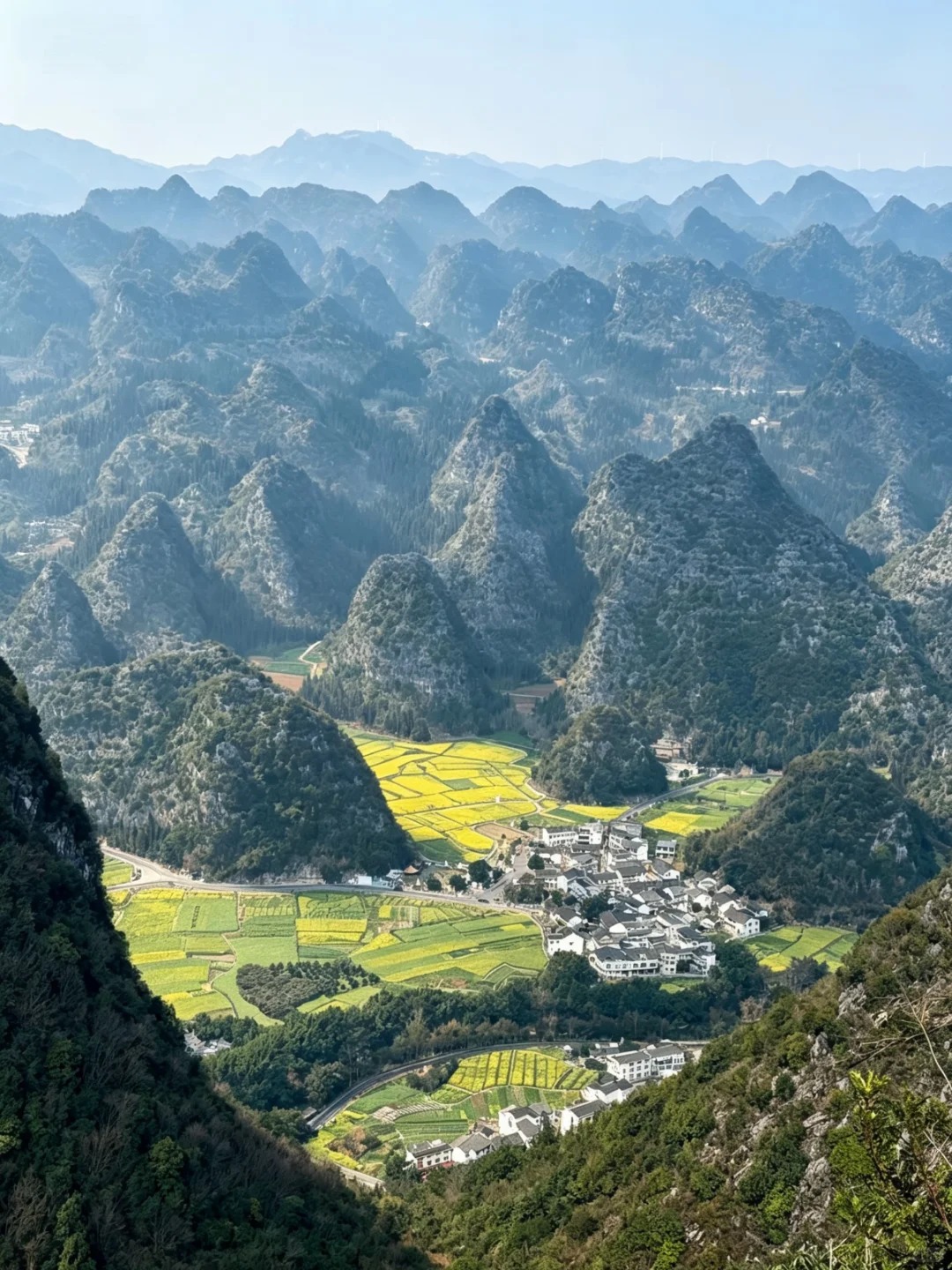
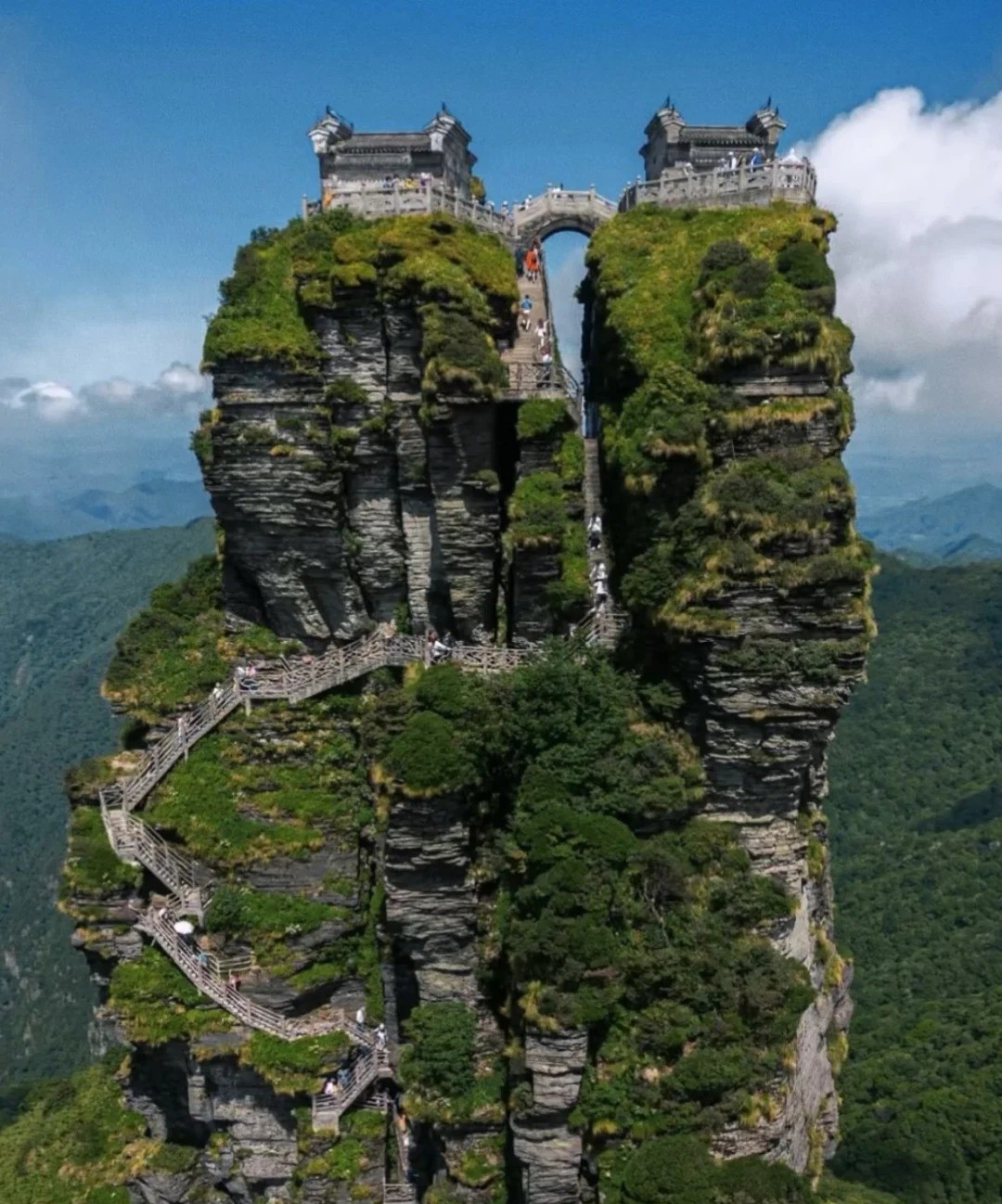
Guizhou's most unique tourism highlight is its karst landscape, with one of the highest numbers of World Natural Heritage sites in China. Huangguoshu Waterfall (Anshun City, about 130 km from Guiyang, approximately 2 hours by car) is the largest waterfall in Asia, 77.8 meters high and 101 meters wide. The best viewing period is June-August during the wet season. Ticket price: 160 yuan. Opening hours: 7:30-18:00. Libo Zhangjiang Scenic Area (Qiannan Prefecture, about 260 km from Guiyang) includes the Big and Small Seven Arch Bridges. The Small Seven Arch Bridge was built in 1835. Ticket price: 130 yuan. Must-visit spots include Wolong Lake and the 68-level Waterfall. Opening hours: 8:00-16:30. Fanjing Mountain (Tongren City, about 280 km from Guiyang) is the main peak of the Wuling Mountains, 2,572 meters above sea level. It was inscribed as a World Natural Heritage site in 2018. Ticket price: 100 yuan. Round-trip cable car: 160 yuan. Hiking takes about 4 hours. Opening hours: 8:00-15:00. Wanfenglin (Xingyi City, about 320 km from Guiyang) is one of China's largest karst peak forests. Ticket price: 70 yuan. Sightseeing bus available. Opening hours: 8:00-18:00.
II. Ethnic Culture Experience
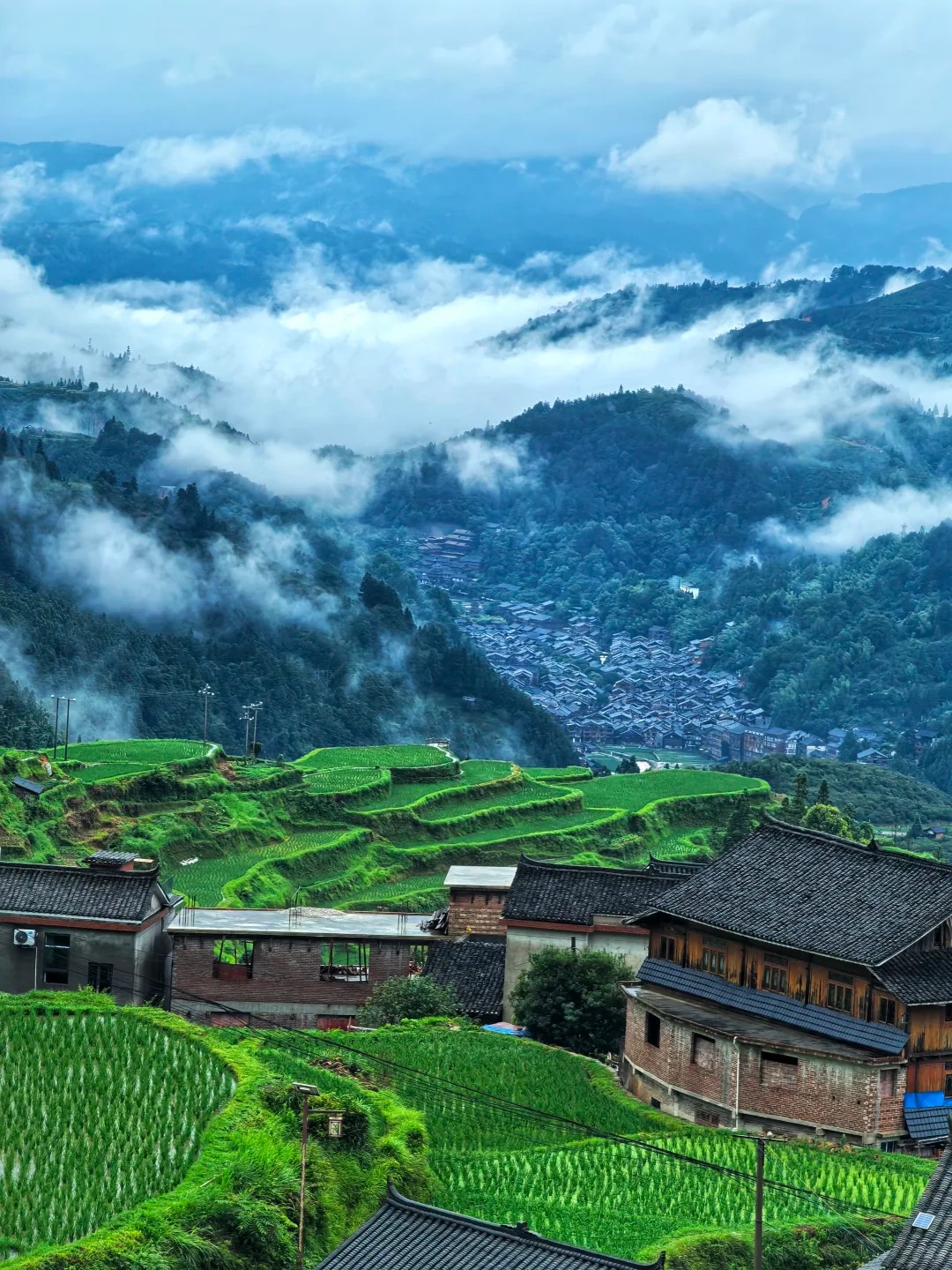
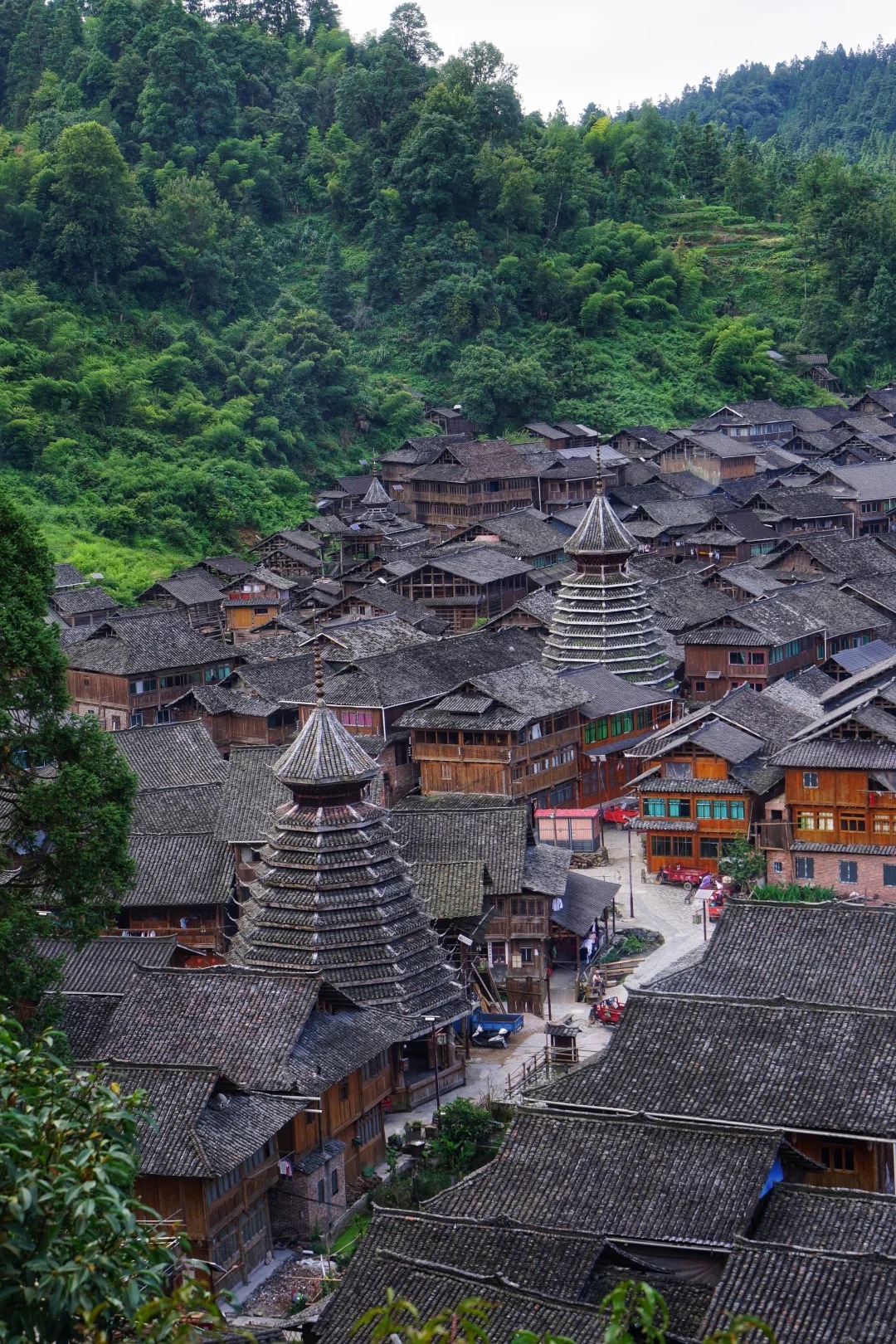
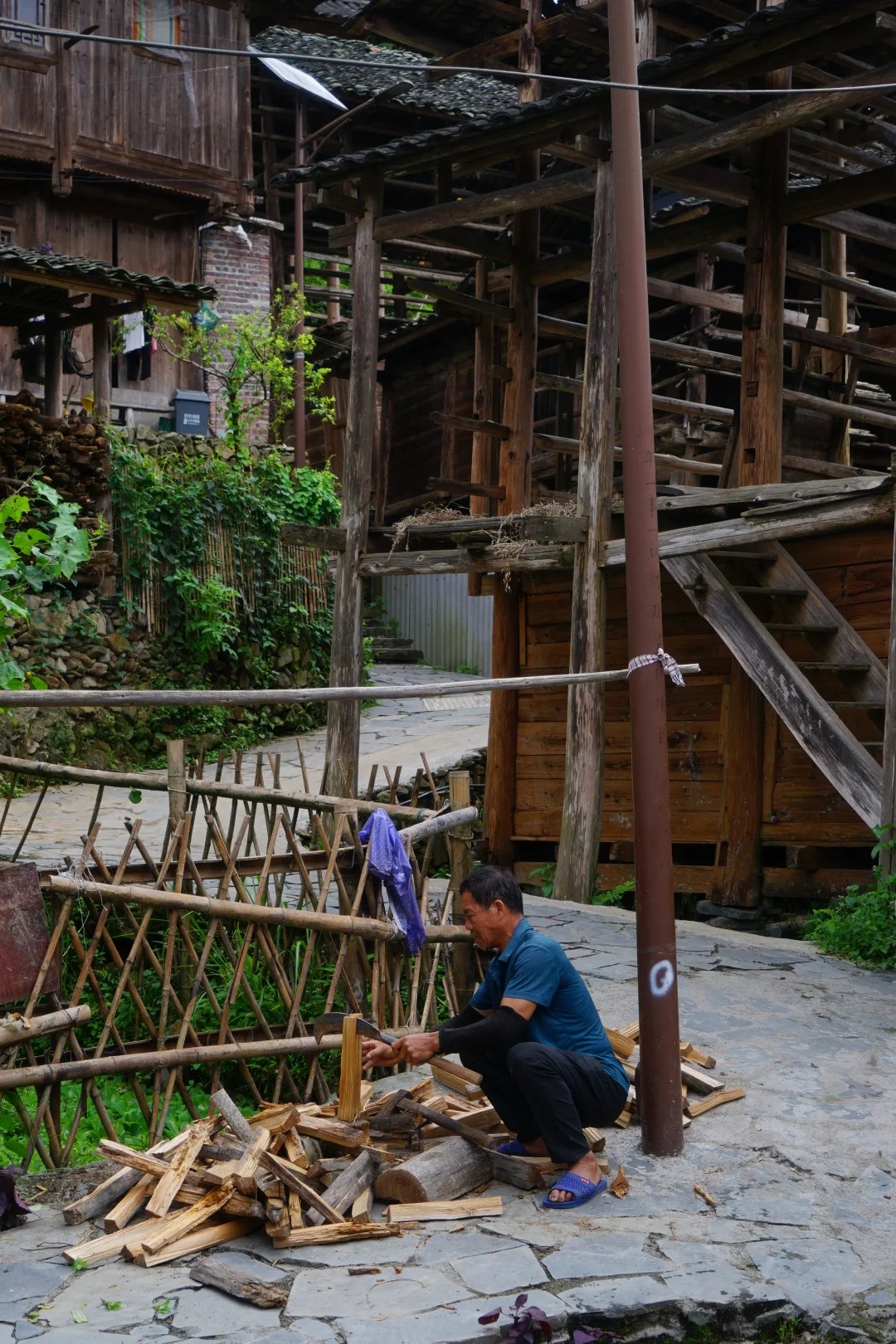
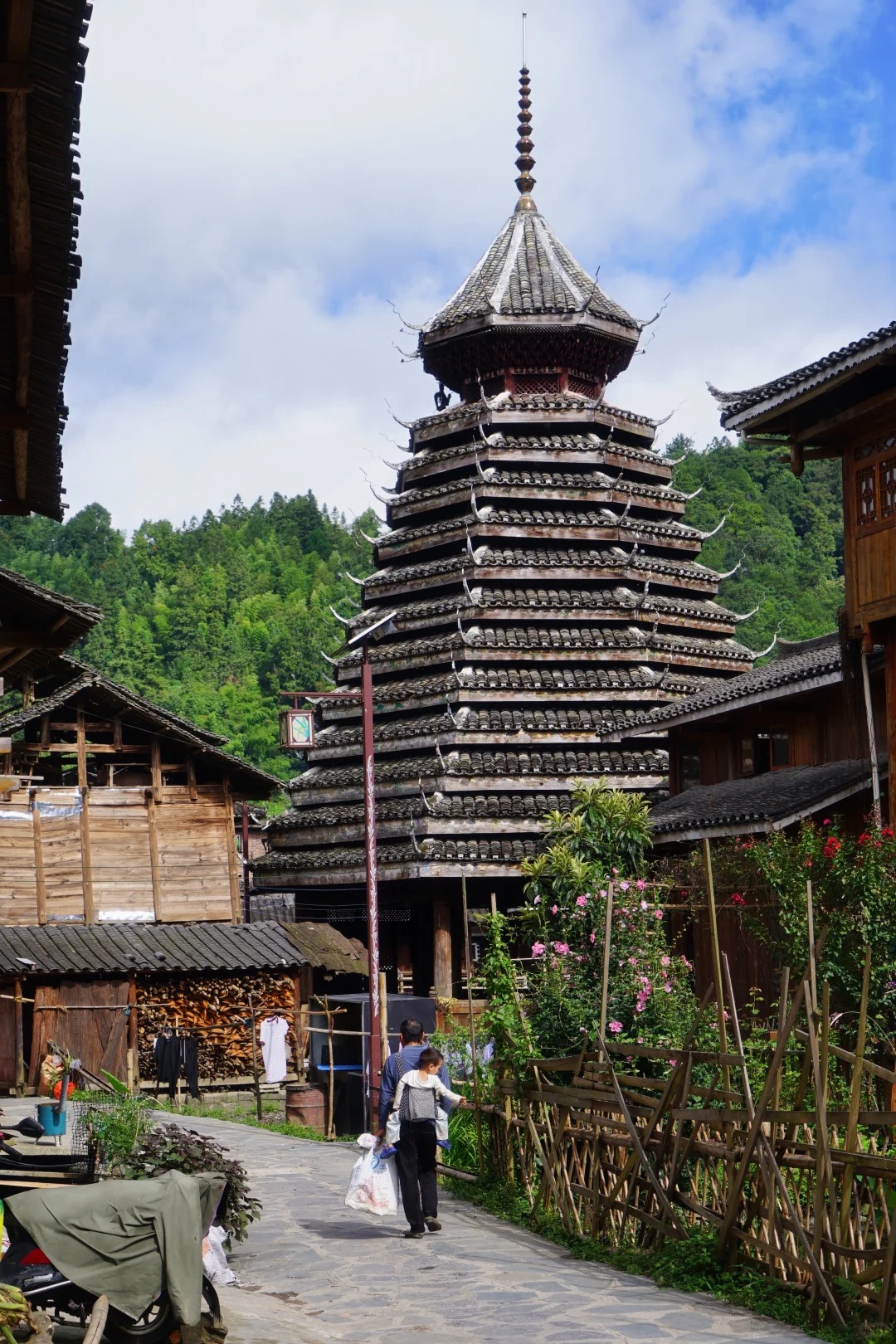
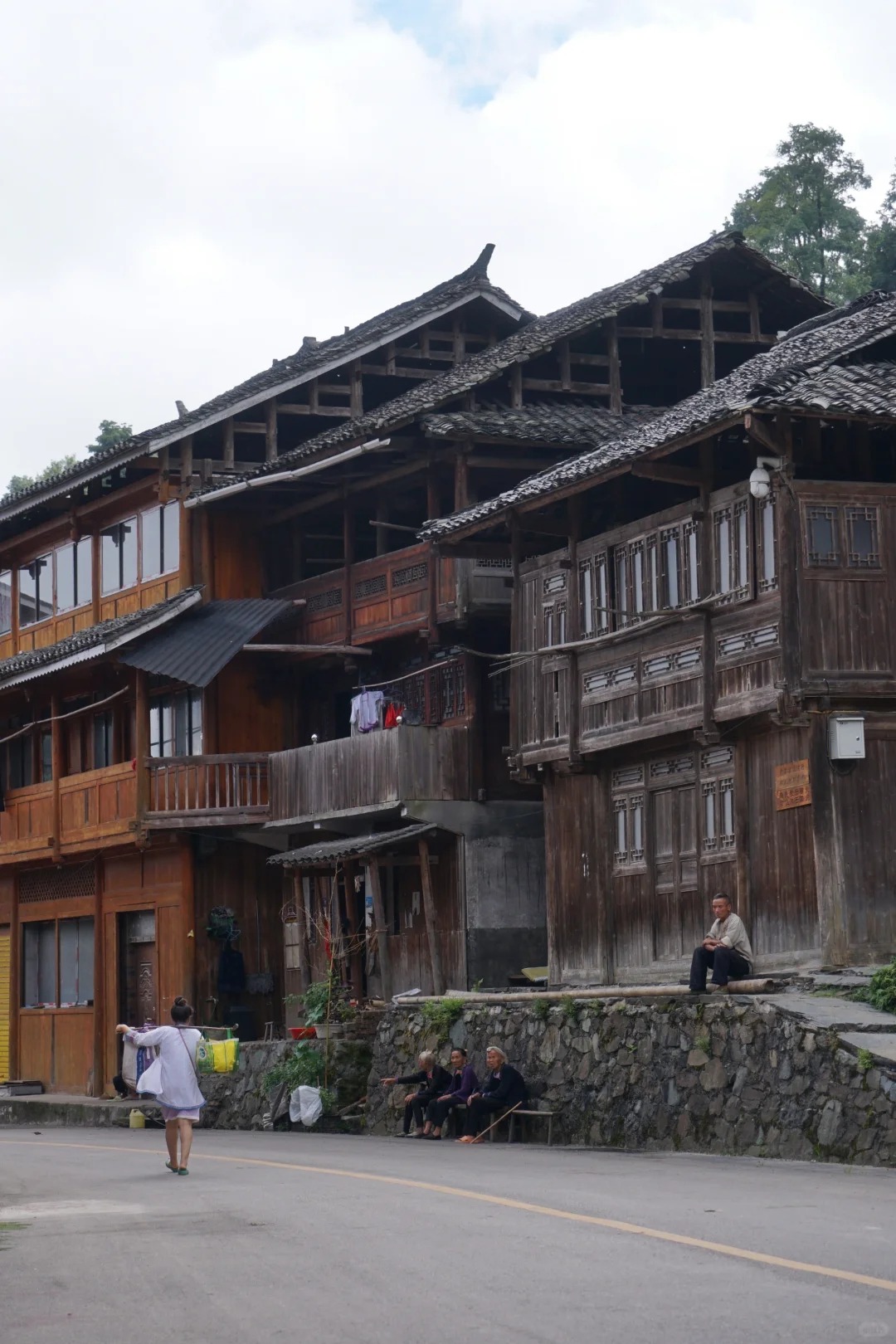
Guizhou is a treasure trove of ethnic minority cultures. Xijiang Qianhu Miao Village (Leishan County, Qiandongnan Prefecture, about 200 km from Guiyang) is the largest Miao village in the world, with over 1,400 households and 6,000 people. Ticket price: 90 yuan. Experience the long-table banquet (about 50 yuan per person). At night, enjoy the view of thousands of lights. Open all day. Zhaoxing Dong Village (Liping County, Qiandongnan Prefecture, about 400 km from Guiyang) is the largest Dong village in China, famous for its drum towers. Ticket price: 80 yuan. Dong Grand Song performances daily at 10:00 and 16:00. Opening hours: 8:00-18:00. Zhenyuan Ancient Town (Qiandongnan Prefecture, about 270 km from Guiyang) has a history of over 2,200 years, with the Wuyang River flowing through it. Qinglong Cave ancient building complex ticket: 60 yuan. The ancient town is free to enter.
III. Food Culture
Guizhou cuisine is known for its sour and spicy flavors. Representative dishes include Sour Fish Soup (Kaili sour soup is the most authentic, about 80 yuan per person), Huajiang Dog Meat (Huajiang Town, Guanling County), and Siwawa (Guiyang Erqi Road Snack Street, about 30 yuan per person). Night markets such as Qingyun Road and Shanxi Road in Guiyang's old city are food hotspots. Moutai (Renhuai City) can be visited at the Maotai Town Liquor Culture City, ticket 60 yuan.
IV. Transportation Guide
Guizhou has formed an airport network of "one trunk and ten branches": Guiyang Longdongbao International Airport (11 km from city center) is accessible by subway and airport bus, with a throughput of over 20 million passengers in 2023. High-speed rail network is developed: Guiyang North Station to Huangguoshu Waterfall (Anshun West Station) takes only 30 minutes, to Libo (Libo Station) about 1.5 hours. Self-driving route recommendation: Guiyang-Huangguoshu-Libo-Xijiang Miao Village-Zhenyuan Ancient Town loop, about 800 km in total.
V. Best Time to Travel
Guizhou is suitable for travel all year round, but the best seasons are spring (March-May) and autumn (September-November), with temperatures of 15-25°C and less rainfall. Summer (June-August) is the rainy season; Huangguoshu Waterfall is spectacular but be cautious of slippery surfaces. Winter (December-February) has fewer tourists; Fanjing Mountain may have snow, but some cable cars may be suspended.
VI. Travel Tips
Recommended itinerary of 5-7 days: Day 1 Guiyang (Qianling Park, Jiaxiu Tower), Day 2 Huangguoshu Waterfall, Day 3 Libo Small Seven Arch Bridge, Day 4 Xijiang Qianhu Miao Village, Day 5 Zhenyuan Ancient Town or Fanjing Mountain. Budget about 3,000-5,000 yuan per person (including transportation, accommodation, tickets, and meals).
SUBREGIONS
Tongren
Guizhou · 城市Bijie
Guizhou · 城市Anshun
Guizhou · 城市Guiyang
Guizhou · 城市Zunyi
Guizhou · 城市Libo
Guizhou · 城市Zhenyuan
Guizhou · 城市Kaili
Guizhou · 城市TRAVEL GUIDES
GALLERY
REGION
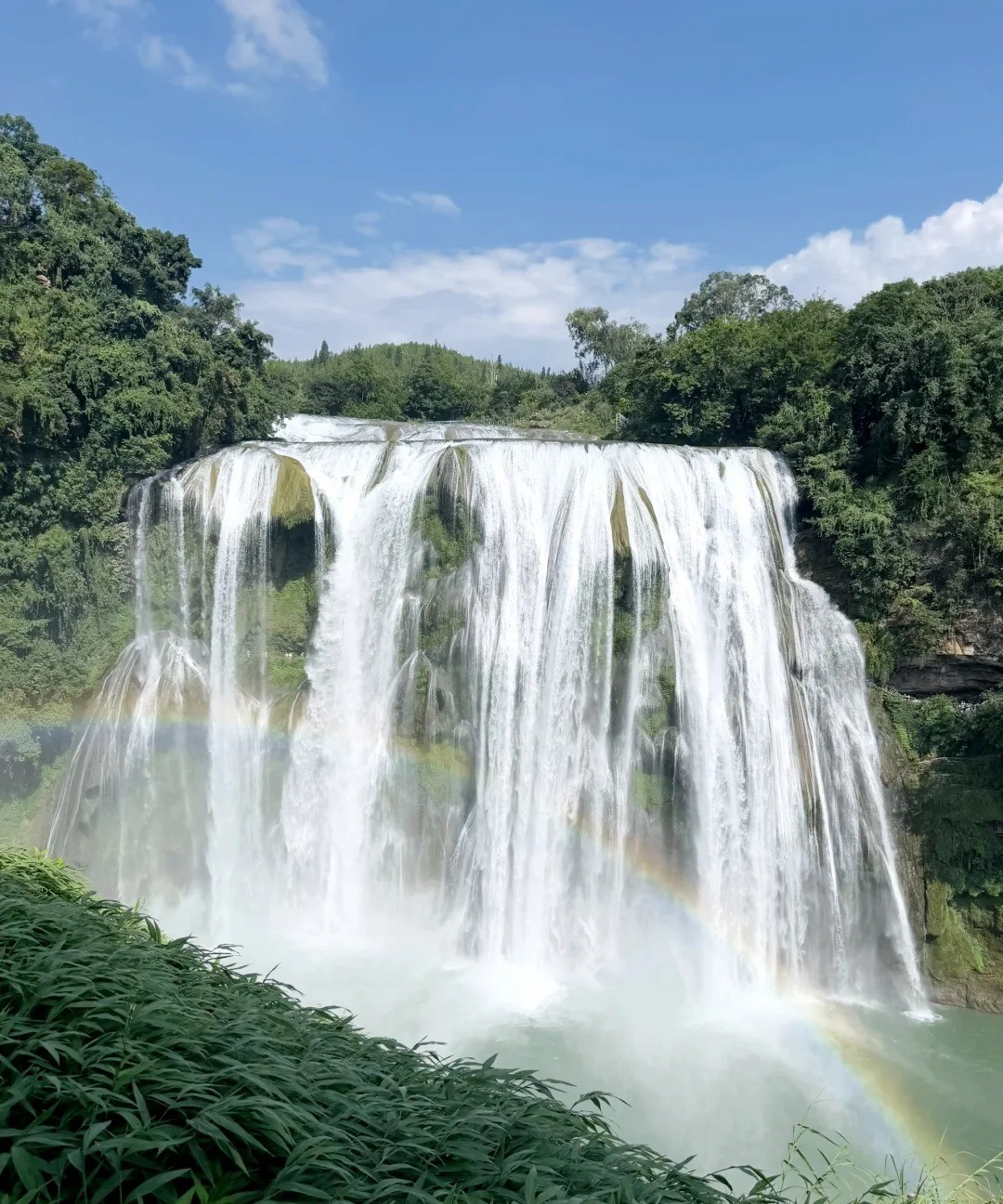
Huangguoshu Waterfall, located in Guizhou, is the largest waterfall in Asia, with majestic…
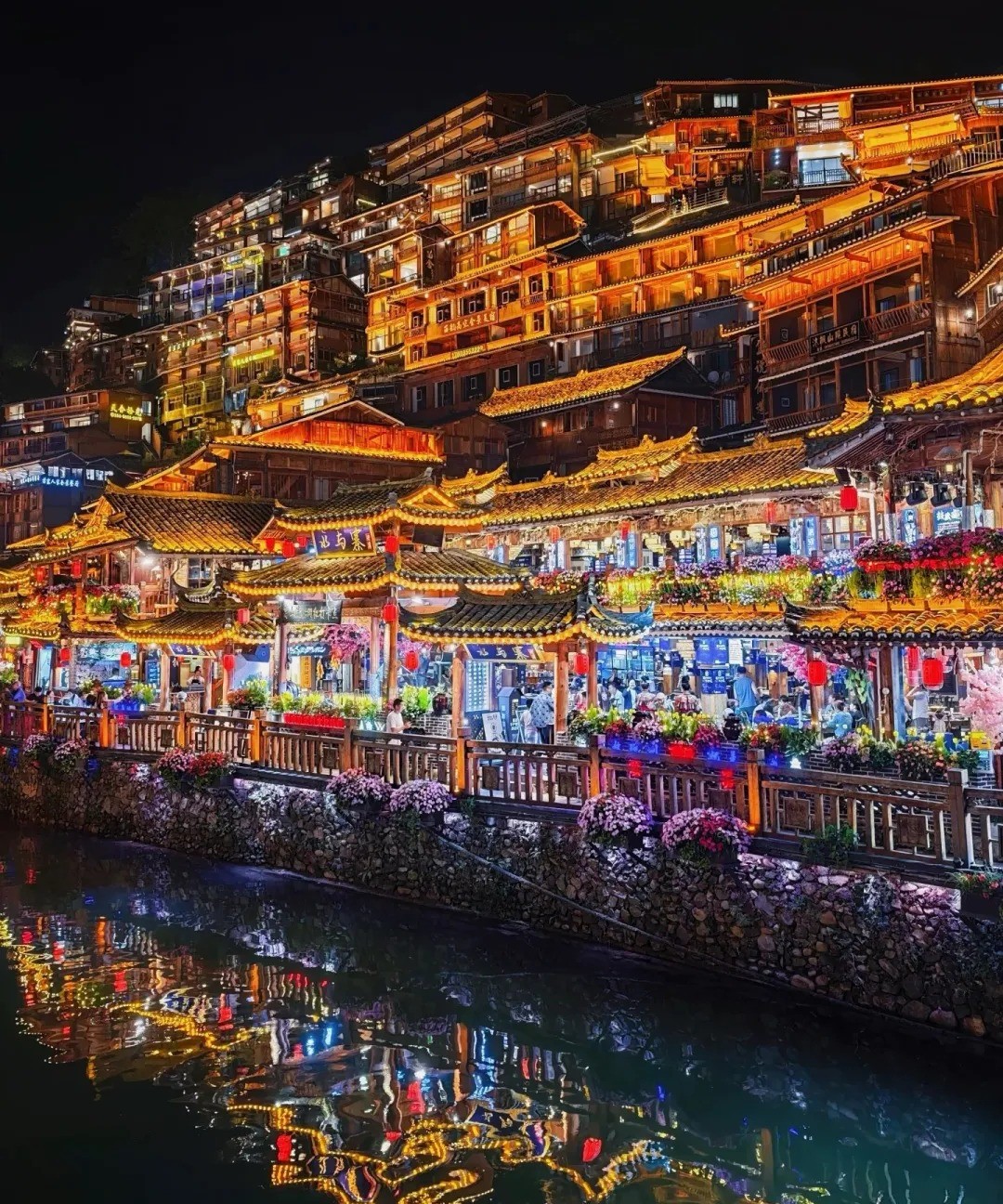
Xijiang Qianhu Miao Village in Qiandongnan, Guizhou, is the largest Miao settlement in Chi…
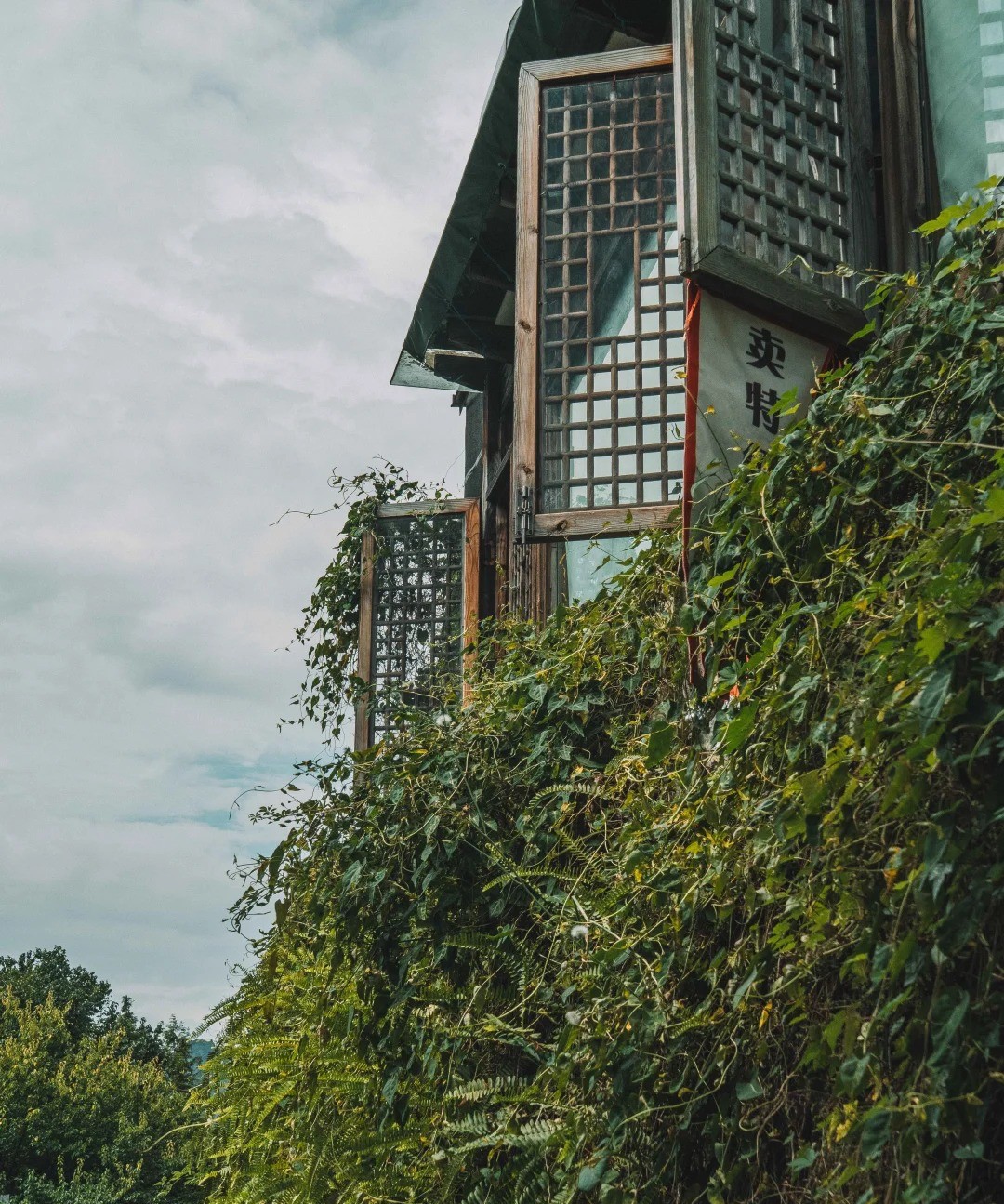
Qingyan Ancient Town, one of the four major ancient towns in Guizhou, was built during the…