
01The Hong Kong Special …
The Hong Kong Special Administrative Region, China, lies on the eastern side of the Pearl River Estuary in southern China, bordered by Shenzhen to the north and opening onto the South China Sea to the south; it is made up of Hong Kong Island, the Kowloon Peninsula, the New Territories, and the outlying islands, with a total area of about 1,106 square kilometres and a population of about 7,500,000. Since its return to the motherland in 1997, Hong Kong has practised “one country, two systems”, and it is both a major global centre for international finance, trade, and shipping and a model of the meeting of Chinese and Western cultures. The glittering night view of Victoria Harbour, the sweeping panorama from Victoria Peak, the skyscrapers of Central, and the street-market bustle of Temple Street form sharp contrasts; yet the outlying islands and country parks close at hand also hide the hiking trails of Lamma Island, the hexagonal rock columns of Sai Kung, and the stilt houses of Tai O. Hong Kong's food is world-famous, from the pineapple bun with butter of a cha chaan teng to egg waffles on the street, and from Michelin restaurants to seafood houses, its many flavours make you linger. Transport is convenient: a single Octopus card works on the MTR, buses, and ferries, while the Ding Ding (tram) and the Star Ferry keep alive the nostalgia of old Hong Kong. Whether you are visiting for the first time or returning, you can find your own rhythm between the bustling and the quiet. Spring is mild and pleasant, autumn and winter are crisp and good for strolling, and summer, though it brings typhoons, is also a good time for water activities. This city has both the pulse of an international metropolis and the warmth of a fishing-village lane, and it is worth slowing down to savour every street corner and every surprise the sea breeze brings.
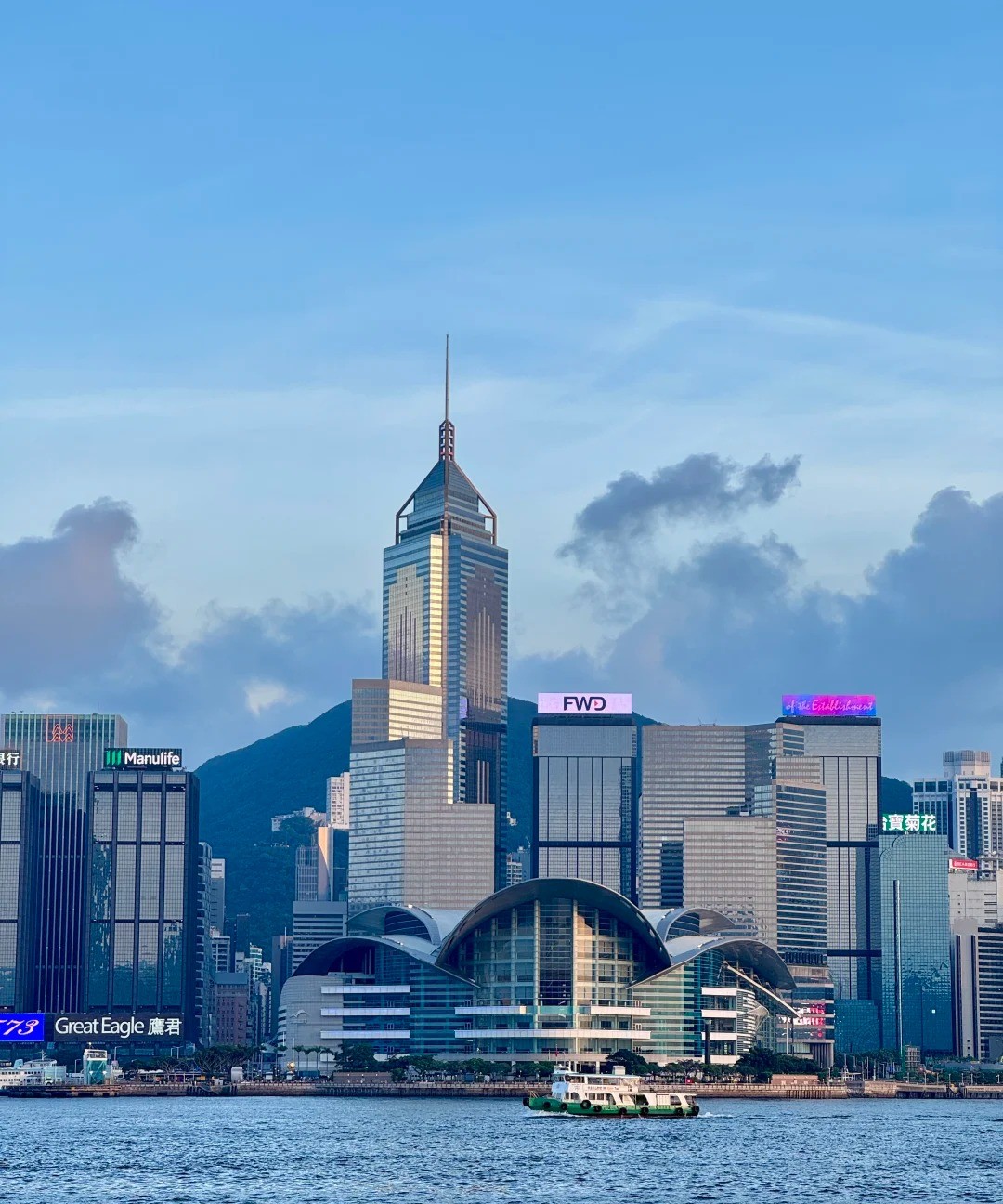
A trip to Hong Kong often begins at Victoria Harbour. In the early morning, the harbour is wrapped in thin mist, and the towers of Central across the water stack up like silhouettes; in the evening it is dyed gold-orange by the setting sun, and the Star Ferry glides slowly across the blue water with a short whistle. This century-old ferry route links Tsim Sha Tsui with Central and Wan Chai, and the fare is only four to five Hong Kong dollars, yet it carries the daily life of countless Hong Kong people. Sitting on a wooden bench, feeling the sea breeze on your face, and watching the lights come on along both shores is the gentlest way to get to know this city. Every night at eight, A Symphony of Lights begins on time, and the Avenue of Stars in Tsim Sha Tsui is the best place to watch; more than forty buildings on both sides of the harbour move with beams and music, lighting up the night sky. The Avenue of Stars also keeps the handprints and bronze statues of film stars such as Bruce Lee and Anita Mui, and fans crouch down to compare their palms with the prints, which has become a distinctive sight on the waterfront. If you want to avoid the crowds, you can stroll along the promenade from Central to Admiralty, or walk from the Tsim Sha Tsui Clock Tower toward Hung Hom, and every step offers a different view of the city.
Victoria Peak is a classic place to look down over Hong Kong. The Peak Tram has been running since 1888 and is still the most ceremonial way to reach the top; its red car climbs the steep slope to a maximum gradient of twenty-seven degrees, while skyscrapers and woods fall away outside the window, and in just a few minutes you rise from the city centre to the summit, more than 500 metres above sea level. From the unobstructed 360-degree view of Sky Terrace, Victoria Harbour, the Kowloon Peninsula, and the outlying islands all lie within sight, and the clarity of day and the brilliance of night each have their own appeal. If you want to avoid the crowded viewing platform, turn onto the Lugard Road walking loop. This gentle mountain path circles Victoria Peak for about 3.5 kilometres, with dense woods on one side and the city panorama opening out on the other, and it is especially moving at dusk. As the mountain breeze passes, Hong Kong spreads out below you like a miniature model, with lights shining from Hung Hom all the way to Quarry Bay, and the outline of Lion Rock faintly visible in the distance. Many locals like to go up at dusk, taking a bottle of water and slowly walking the whole loop, and that experience brings you far closer to Hong Kong than a hurried photo stop.
The West Kowloon Cultural District is the centre of Hong Kong's art life in recent years, and it stands on reclaimed land west of Tsim Sha Tsui in Kowloon. The Hong Kong Palace Museum displays precious artefacts, while M+ focuses on contemporary visual culture, and a standard ticket costs about 120 Hong Kong dollars. The M+ building is itself a sight; its ceramic-tile facade glows softly in the sunlight, and its rooftop garden faces Victoria Harbour, making it a secret spot for watching the sunset. In the evening, young people sit on the steps and chat, picnic mats cover the lawns, and the distant skyline turns into a silhouette in the glow. The waterfront promenade of the cultural district is good for cycling and strolling; if you have enough time, you can rent a bicycle and ride from West Kowloon all the way to Tsim Sha Tsui, passing sculptures, cafes, and temporary exhibitions along the way, so that art and city life connect naturally. The Xiqu Centre and Freespace stage Cantonese opera and experimental theatre from time to time, and after visiting the museums, sitting down to hear a scene from an opera makes for a very authentic Hong Kong-style artistic evening.
02Leave the brilliant Vi…
Leave the brilliant Victoria Harbour and walk into Yau Ma Tei and Temple Street, and another side of Hong Kong unfolds slowly. The Temple Street Night Market is noisy and lively after dark; stalls are piled with curious little objects, fortune tellers hang up their signs, and customers sit in a circle to have their fortunes told. The air carries the burnt aroma of claypot rice and the spiciness of curry fish balls, plastic chairs from the dai pai dong are stacked by the roadside, and diners talk loudly in Cantonese. The food here is not refined, but it is full of grassroots energy. A bowl of claypot rice with smooth chicken, its crust golden and crisp, dressed with soy sauce and mixed through, is the most reassuring comfort late at night. Nearby, the Yau Ma Tei Fruit Market is especially lively in the small hours, as trucks unload box after box of imported fruit and workers hurry to and fro; under the street lamps the scent of fruit fills the air, a footnote to a city that never stops. Walk a few minutes north from Temple Street and you reach the strip around Kom Tong Hall, commonly known as the Jade Market, where small shops selling jade and jadeite stand one after another; old hands shine torches on the jade and murmur about “seed, water, colour, and craft”, local knowledge that visitors find hard to enter but worth watching from the side.
The historic district of Central, meanwhile, tells of Hong Kong's colonial memory and its contemporary innovation. Hollywood Road runs through the Central and Western District, where antique shops, galleries, and cafes stand side by side, and the stone slabs of Pottinger Street still keep the gradient and anti-slip design of over a century ago; rainwater runs down the cracks between the stones, as if time were flowing backwards. Man Mo Temple is thick with incense, and in the curling smoke worshippers shake fortune-telling cylinders to ask about love and marriage; the huge spiral incense coils hanging inside wind down ring by ring, and the hazy smoke has blackened the beams yet made the temple feel all the more solemn. PMQ was revitalised from the former married police quarters and now gathers the studios and shops of local designers, holding markets and exhibitions from time to time. The Central–Mid-Levels Escalator is the longest outdoor covered escalator system in the world, and as you ride slowly upward, old tong lau and new office towers mix on either side; the scene in the film Chungking Express, in which Faye Wong secretly watches Tony Leung, was shot right here. Along the way you can step off at Shelley Street or Staunton Street and slip into the side lanes to look for graffiti and independent coffee shops, and every street holds an unexpected surprise.
If you want to feel the island atmosphere of Hong Kong, Lamma Island is a good choice. A boat ride of about thirty minutes from Pier 4 in Central brings you to Yung Shue Wan. There are no cars on the island, only winding footpaths and tropical plants. The hike from Yung Shue Wan to Sok Kwu Wan takes about two hours and passes Hung Shing Yeh Beach, where white sand is ringed by green trees and the clear water shows its bottom, and in summer visitors often go in for a swim. Along the way you can see the three tall chimneys of the Lamma Power Station, and the abandoned old plant forms a strange contrast with the natural scenery. The tofu pudding shop on Yung Shue Wan Main Street always has a queue at its door, and a bowl of chilled tofu pudding topped with ginger syrup is fresh, sweet, and smooth, the best refuelling stop midway through the hike. The end point, Sok Kwu Wan, is a fishing village in miniature, with seafood restaurants packed along the shore, their signs advertising salt-and-pepper mantis shrimp and steamed scallops with garlic to tempt diners. Sitting at a table by the sea, feeling the sea breeze and watching the fishing boats return, with a plate of clams stir-fried with black beans and chilli and a glass of iced lemon tea, is the Hong Kong style of slow living.
Lantau Island is a world where nature and religion interweave. The Ngong Ping 360 cable car links Tung Chung and Ngong Ping, and the transparent floor of its crystal cabin gives you an unobstructed view of the woods and blue sea below; it runs about 5.7 kilometres, and the twenty-minute journey feels like travelling through a painting. After you arrive at Ngong Ping Village, the Tian Tan Buddha stands tall, its bronze figure facing Beijing in solemn dignity, and its base was modelled on the Temple of Heaven in Beijing, which is how it got its name. The vegetarian meal at Po Lin Monastery is light and tasty, and the mountain-water tofu pudding is as smooth as cream, topped with ginger syrup for a sweetness that warms the heart. On the way back you can make a detour to the Tai O fishing village, a century-old fishing village known as the Venice of the East, where stilt houses are built along the waterways and boat dwellers live among them. Take a small boat through the channels and, with luck, you may see the Chinese white dolphin leap from the water; the wooden walkways of the stilt houses are narrow and long, with salted fish, shrimp paste, and fish maw hung on both sides, and the smell of the sea fills the air. Tai O's salted fish, shrimp paste, and sa weng (fried dough puff) are special souvenirs, and as old women sit at their doors peeling shrimp, time here seems to slow down.
03The Sai Kung Geo Park …
The Sai Kung Geo Park displays the memories of the Earth over hundreds of millions of years. Take a boat from Sai Kung Pier toward the High Island area, where hexagonal rock columns stand along the coast like giant harps, a wonder left by volcanic activity about 140,000,000 years ago. The joints in the rock are distinct and the columns are thick, showing a weave of grey-brown and ochre-red in the sunlight, and some of the columns rise above the sea, setting off the blue water beautifully. Join a local guided tour and a geologist will explain the story of volcanic eruptions, cooling magma, and plate movement, and will also take visitors to the East Dam of the High Island Reservoir to look out at the natural sea stacks of Po Pin Chau. Beyond its geological wonders, the seafood street of Sai Kung Town is equally famous; restaurants by the fishing harbour turn freshly landed fish, shrimp, and crab into fine dishes such as ginger-and-scallion crab and typhoon shelter shrimp, and every bite carries the sweetness of the sea. Sitting on a bench by the pier in the afternoon, watching yachts and fishing boats pass in and out while gulls circle for food, is the leisurely mood that is unique to Sai Kung.
If you love hiking, the Dragon's Back Trail is not to be missed. It starts at To Tei Wan in Shek O, and the path runs along the ridge with the vast blue of the Pacific on one side and layer upon layer of mountains on the other. The whole route takes about two hours, with a moderate rise and fall, golden grass underfoot and a deep blue sky overhead. Standing on Shek O Peak, you look down on the curved beach of Big Wave Bay and the brightly coloured little houses of Shek O, as if you had stepped into a postcard. After coming down, you can relax at Shek O Beach, where the village houses are painted pink, light blue, and lemon yellow, and bougainvillea fills the lanes, giving the place a southern European feel. Many films have been shot here, and Stephen Chow's King of Comedy has several classic scenes; the crooked tree and the Shek O Health Centre are still photo spots for fans today. Big Wave Bay is a paradise for surfers, and when the waves are big in winter, experts gather here; surf shops by the beach rent out boards and also serve simple meals and beer.
Cheung Chau is the holiday backyard of Hong Kong people. A fast boat from Central takes about forty minutes, and there are no cars on the island, only bicycles and your own two feet. Tung Wan Beach has fine sand, and smoke curls from the barbecue sites by the shore; the square in front of the Pak Tai Temple is the main venue of the Bun Festival, and every year on the eighth day of the fourth lunar month, the piaose parade, in which children dressed as figures from history and legend stand on tall frames and are carried through the streets, together with the Bun Scrambling Competition attract countless onlookers, in a scene both lively and solemn. On ordinary days Cheung Chau is quiet and peaceful, with colourful fishing boats moored in the harbour and the smell of fish balls and sticky rice dumplings drifting through the lanes; rent a bicycle and ride around the island, and in less than two hours you can see the whole of it. The sunsets on the island are especially enchanting, as the evening glow reddens the sea and the silhouettes of returning fishing boats make you forget the noise of the city. If you still have the energy, you can walk to Cheung Po Tsai Cave on the west side of the island, said to be a cave where a Qing-dynasty pirate hid his treasure; its entrance is narrow and low, and bending down to squeeze inside is an adventure in itself.
Sham Shui Po is a neighbourhood where the everyday life of ordinary Hong Kong people meets the creativity of the young. The second-hand electronics market on Apliu Street is piled with old cameras, spare parts, and vintage appliances, and treasure hunters bend over to rummage for surprises; the “Pang Tsai” fabric market on Fuk Wing Street is the secret warehouse of tailors and designers, with bolts of cloth heaped into small mountains. In recent years, Tai Nan Street has gained many coffee shops, leather workshops, and independent bookshops, and young owners have turned old shops in the district into creative spaces while keeping the roller shutters and patterned floor tiles. At weekend markets, craftspeople often set up stalls, and a cup of hot milk tea and a piece of handmade pottery bear witness to the rebirth of an old community. The food shops here are famous far and wide too: Hop Yick Tai's rice noodle rolls are smooth and full of rice flavour, dressed with sweet sauce and sesame paste and eaten with a bamboo skewer; Lau Sum Kee's bamboo-pressed noodles are springy and chewy, and with a plate of greens they make an authentic Hong Kong-style afternoon tea. Pei Ho Street Market is loud with voices from early morning, its wet stalls full of local vegetables and live seafood, and the calls of the vendors rise and fall one after another, full of vitality.
04The cha chaan teng (Ho…
The cha chaan teng (Hong Kong-style cafe) is the soul of Hong Kong food. Lan Fong Yuen has branches in both Central and Tsim Sha Tsui, and its silk-stocking milk tea is rich and smooth, with a deep tea flavour and a sweet milky aftertaste; Sing Heung Yuen's tomato soup macaroni is tangy and appetising, the tomatoes cooked down thick and grainy and served with fried egg and luncheon meat, a model of Hong Kong-style comfort food; Kam Wah Cafe's pineapple bun with butter has a crisp crust wrapped around a thick slice of chilled butter, so that the first bite blends hot and cold, sweet and savoury. In the morning, a bowl of satay beef noodles with iced lemon tea makes a fine start: the noodles are smooth and springy, the satay sauce rich with a peanut aroma, and the lemon slices in the iced lemon tea cut through the richness with their tang; a breakfast like this is enough to power a whole day. Street snacks are even more varied: egg waffles are crisp outside and soft inside, grid cake (waffle) is spread with condensed milk and peanut butter, fish balls are bouncy and full of flavour, and there is bowl-cut shark-fin soup (mock), three treasures (stuffed snacks), and stinky tofu... From Wan Chai to Mong Kok, eating your way along is the most vivid map of Hong Kong's flavours. The waiters at a cha chaan teng carry milk tea and take orders at speed through narrow aisles, and that briskness and unspoken understanding is itself a miniature of Hong Kong culture.
Seafood is another highlight of Hong Kong dining. Sai Kung, Lei Yue Mun, and Sok Kwu Wan on Lamma Island are the three great seafood destinations, where you can first choose live seafood in front of the tanks and then have the restaurant cook it to your liking. Salt-and-pepper mantis shrimp has a crisp shell and tender meat, typhoon shelter crab is full of garlic aroma, and clams with black bean sauce are cooked just right; for three hundred to five hundred Hong Kong dollars per person you can eat a rich and satisfying meal. If you want a more down-to-earth taste of the sea, go to Tai O to try salted fish and shrimp paste, or head to Lau Fau Shan for a meal of lively mud crab; with the sea breeze on your face as you eat crab and drink beer, the pleasure is complete. Desserts and coffee culture are just as remarkable. Tai Cheong Bakery's egg tarts have layer upon layer of flaky pastry, with a custard as soft as pudding and a caramel aroma when they come out of the oven; Lau Sum Kee's black sesame soup is ground and cooked fresh, thick and smooth, warming you to the heart. In recent years many speciality coffee shops have appeared in Hong Kong, and both Wellington Street in Central and Tai Nan Street in Sham Shui Po have small shops worth a special trip; a pour-over coffee with a slice of Basque cheesecake is an afternoon choice for many young people.
For accommodation, Tsim Sha Tsui enjoys Victoria Harbour views, with a glittering skyline right outside your hotel window; Central suits business and art travellers, with galleries and bars within walking distance; Mong Kok is convenient for shopping, its streets and lanes full of the bustle of daily life; and Causeway Bay brings together malls and restaurants, making it a base for trendsetters. For budget options, you might consider the local brand “Mini Hotel” or apartments on homestay platforms, all conveniently located. If you want a taste of old Hong Kong, the boutique guesthouses of Wan Chai and the old tong lau (old tenement building) homestays of Yau Ma Tei also have a special charm. Transport is the key to exploring Hong Kong. A single Octopus card covers everything, working on the MTR, buses, ferries, and convenience stores; an adult card carries a fifty Hong Kong dollar deposit and can be topped up as you go. Visitors can buy the “Airport Express Travel Pass”, which includes unlimited MTR rides within three days plus a return trip on the Airport Express, for about three hundred and fifty Hong Kong dollars, which is good value. The Ding Ding (tram) is a sight unique to Hong Kong Island, its white body covered in colourful advertisements as it rattles along the busy streets with its ding-ding bell, and at only three Hong Kong dollars a ride, the front seats on the upper deck give you an open view and a superb way to enjoy the street scene. The Star Ferry and the Peak Tram are bywords for romance, and used together they let you store the most iconic moving scenery of Hong Kong in your memory.
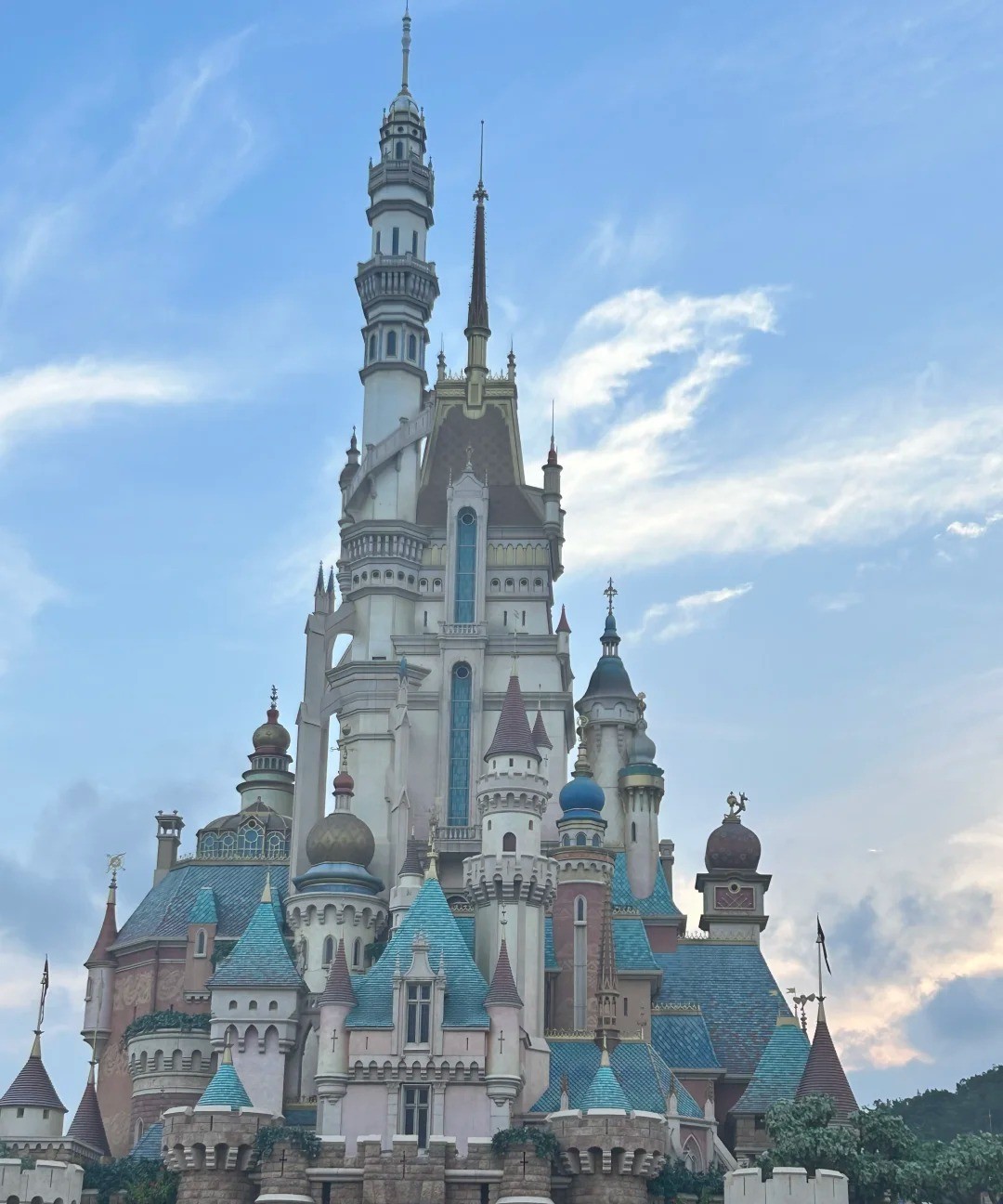
You do not need to cram too much into your itinerary. A classic three-day route could go like this: on the first morning, stroll from the Tsim Sha Tsui waterfront to the Avenue of Stars, take the Star Ferry across the harbour at noon, spend the afternoon on Hollywood Road and at PMQ in Central, and ride the Peak Tram up for the night view in the evening; keep the second day for Hong Kong Disneyland or Ocean Park Hong Kong and let your inner child run free; on the third day, head to Lantau Island, ride Ngong Ping 360 for the mountain and sea views, visit the Tian Tan Buddha, and in the afternoon go to Tai O to take in the stilt houses and the sunset. A five-day in-depth trip is more relaxed: spend the first two days covering Victoria Harbour, Victoria Peak, the West Kowloon Cultural District, and Central; on the third day go to Stanley, Repulse Bay, and the Dragon's Back for a hike, ending the day in the sea breeze; on the fourth day pick one of the outlying islands, Lamma Island or Cheung Chau, to combine hiking with seafood; and on the fifth day go deep into Sham Shui Po and Temple Street, join a milk tea-making class, or watch a Cantonese opera, drawing your journey to a close amid the everyday life of the streets.
05Hong Kong has its own …
Hong Kong has its own charm in every season. Spring is humid and foggy, and the mist and clouds over Victoria Harbour make it look like a fairyland; summer is hot and rainy, but after a typhoon passes the sky is especially clear and the countryside especially green, making it a good time to swim at the beach or escape the heat on an outlying island; autumn is dry and sunny and is the best season for hiking and rambling, when the Dragon's Back and the MacLehose Trail are crowded with people; winter is mild with little rain, and the Christmas lights and New Year flower markets make the city shine even more, when strolling through Temple Street and the night markets is especially pleasant. Whenever you visit, it is wise to carry a light jacket, because indoor air conditioning is always set very high. The details of this city are worth savouring slowly. Herbal tea shops on street corners hang wooden signs for “24-flavours herbal tea”, cha chaan teng waiters tuck order pads under their arms and take orders at speed, red taxis weave through the streets and lanes, and neon signs layer over one another on the walls of buildings, forming a distinctive aesthetic of light pollution. Hong Kong is not only skyscrapers and shopping malls; it also has countless mountain paths, beaches, temples, and markets waiting to be discovered. People often say Hong Kong is a place where land is precious and the pace is fast, but if you slow down, walk through a narrow lane, turn into an old district, or step onto a ferry, you will see its gentler side. From the early morning at Victoria Harbour to late night on Temple Street, from the stilt houses of Tai O to the cloth shops of Sham Shui Po, every place tells the story of the Pearl of the Orient in its truest form.