3. Scenic Area Layout
The layout of Huaguo Mountain Scenic Area is characterized by 'mountains, water, rocks, caves, and temples', mainly divided into five major areas:
1. Mountain Gate Square Area
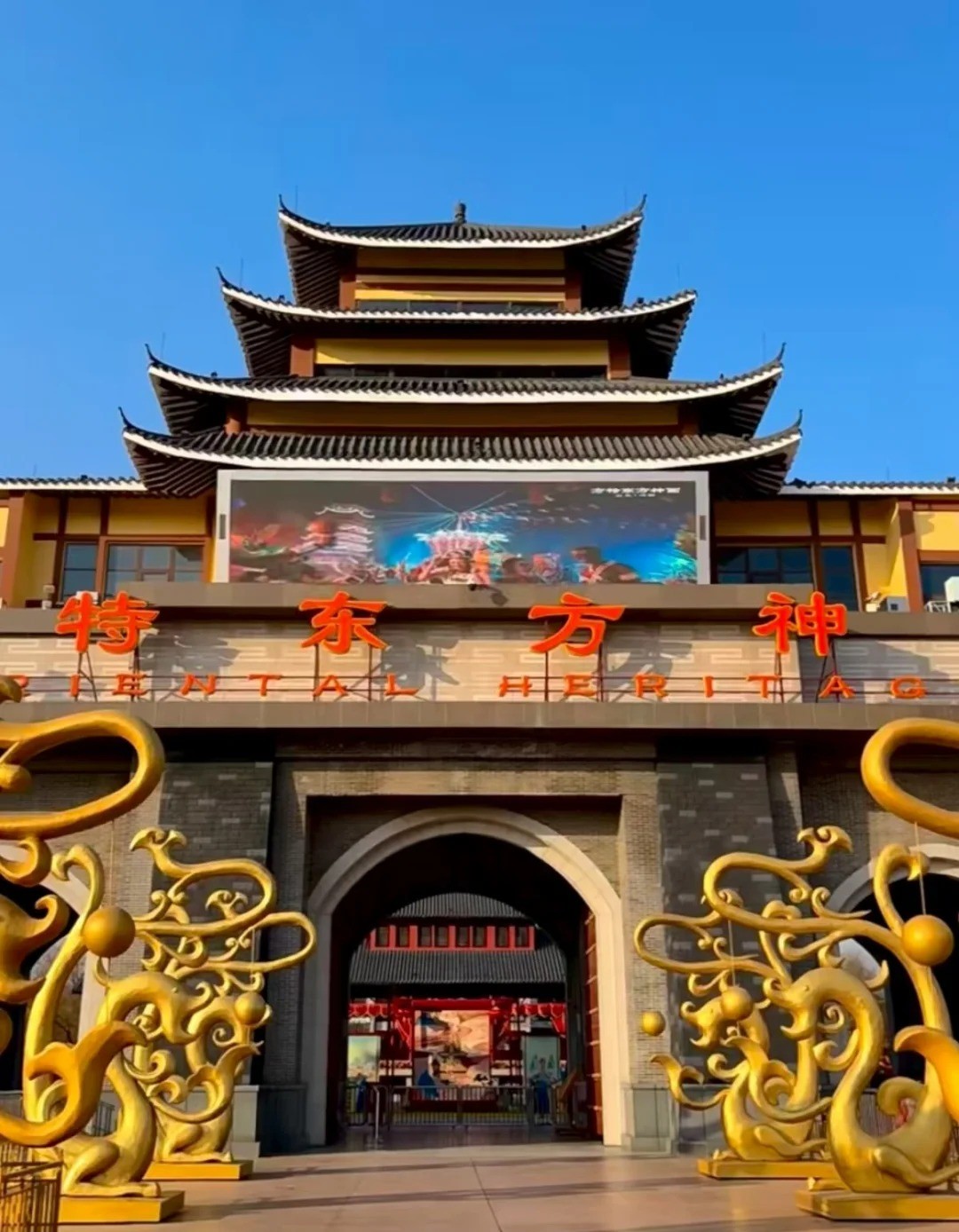
At the entrance of the scenic area, there is a large mountain gate, 12.8 meters high and 25 meters wide, adopting the architectural style of the Ming and Qing dynasties. Above the gate hangs a plaque reading 'Huaguo Mountain', with stone-carved divine monkeys welcoming visitors on both sides. The square covers an area of about 5,000 square meters and can accommodate thousands of tourists.
2. Sanyuan Palace Architectural Complex
Sanyuan Palace is the core ancient architectural complex of Huaguo Mountain. It was first built in the Tang Dynasty, and the existing buildings were rebuilt in the Ming and Qing dynasties. The entire complex faces south, built against the mountain, covering an area of about 12,000 square meters. The main buildings include:
- Mountain Gate Hall: Three bays wide, two bays deep, about 8 meters high, with a pair of stone lions in front.
- Heavenly King Hall: Five bays wide, three bays deep, about 12 meters high, enshrining the statues of the Four Heavenly Kings.
- Mahavira Hall: Seven bays wide, five bays deep, about 18 meters high, the tallest building in the temple. It enshrines a statue of Sakyamuni Buddha, about 6 meters high.
- Sutra Depository: Five bays wide, three bays deep, about 15 meters high, housing thousands of volumes of Buddhist scriptures.
The overall layout of the Sanyuan Palace complex is rigorous, with a symmetrical central axis, reflecting the typical characteristics of Buddhist architecture in the Ming and Qing dynasties.
3. Shuilian Cave Scenic Area
Shuilian Cave is located halfway up Huaguo Mountain, at an altitude of about 400 meters. It is the prototype of Sun Wukong's cave in 'Journey to the West'. The cave entrance is about 8 meters wide, 3 meters high, and 15 meters deep. Spring water drips from the top of the cave all year round, forming a water curtain, hence the name 'Shuilian Cave'. Inside the cave, there are stone tables and stone benches, simulating the scene of Sun Wukong and the monkey tribe gathering. Outside the cave, a waterfall cascades down with a drop of about 20 meters. During the rainy season, the water is powerful and spectacular.
4. Seventy-two Caves Scenic Area
The Seventy-two Caves are a unique natural landscape of Huaguo Mountain, composed of marine erosion caves and weathering caves. These caves vary in size and shape, distributed on the mountain body at altitudes of 200-500 meters. Among them, the famous ones include 'Lotus Cave', 'Chaoyang Cave', and 'Immortal Cave'. According to geologists, these caves were formed about 150 million years ago during the Cretaceous period.
5. Yunti Peak Scenic Area
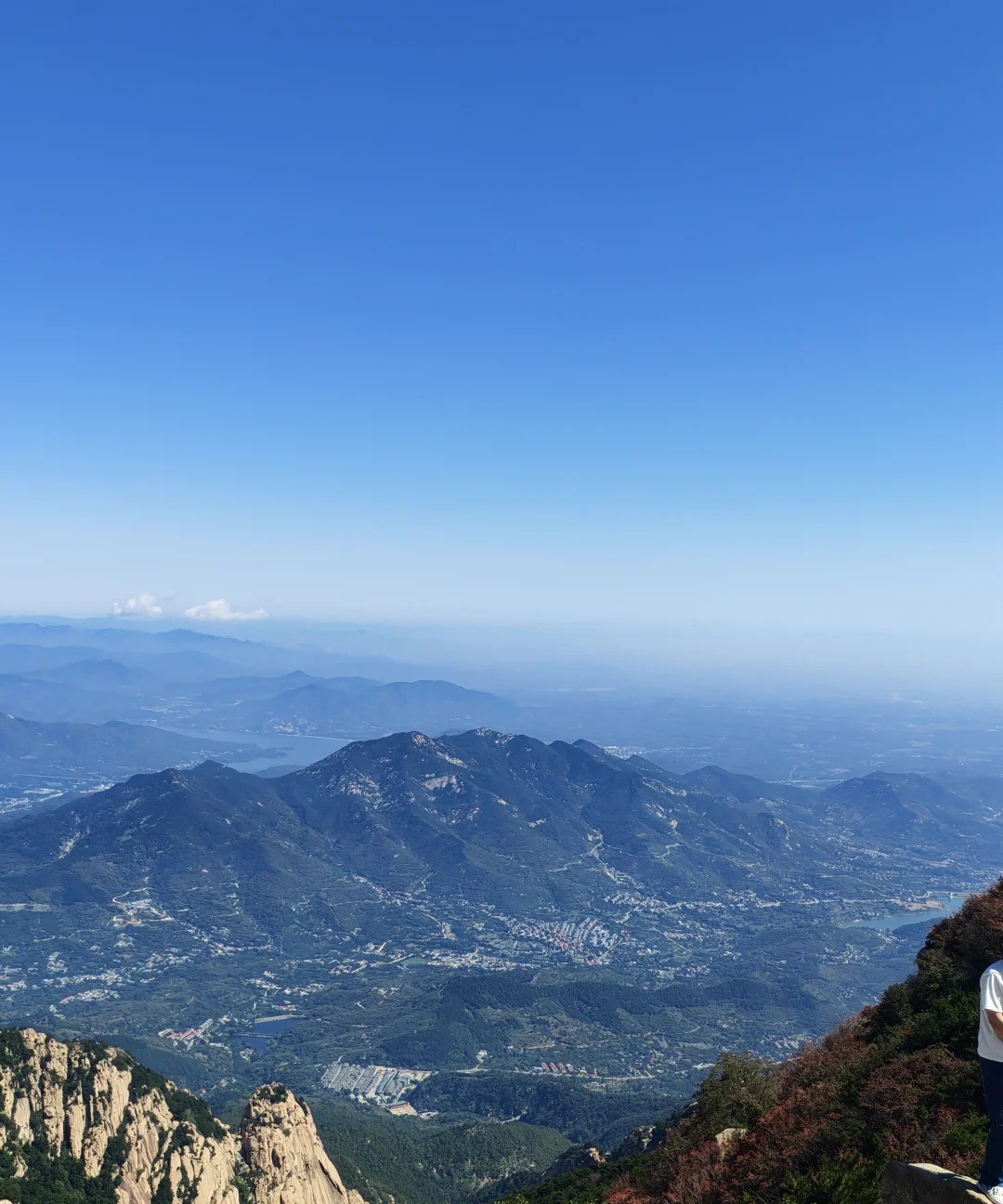
Yunti Peak is the main peak of Huaguo Mountain, with an altitude of 624.4 meters, the highest point in Jiangsu Province. At the top, there is the 'Yingshu Pavilion', a hexagonal stone pavilion about 5 meters high. Standing on the peak, you can overlook the Yellow Sea to the east, Yuntai Mountain to the west, Lianyungang city to the south, and Dasheng Lake to the north. On clear days, the view can reach dozens of kilometers.