Gardening Features: Though Made by Man, It Seems Created by Heaven
Borrowed Scenery: Distant Borrowing of the North Temple Pagoda, Nearby Borrowing of Garden Scenery
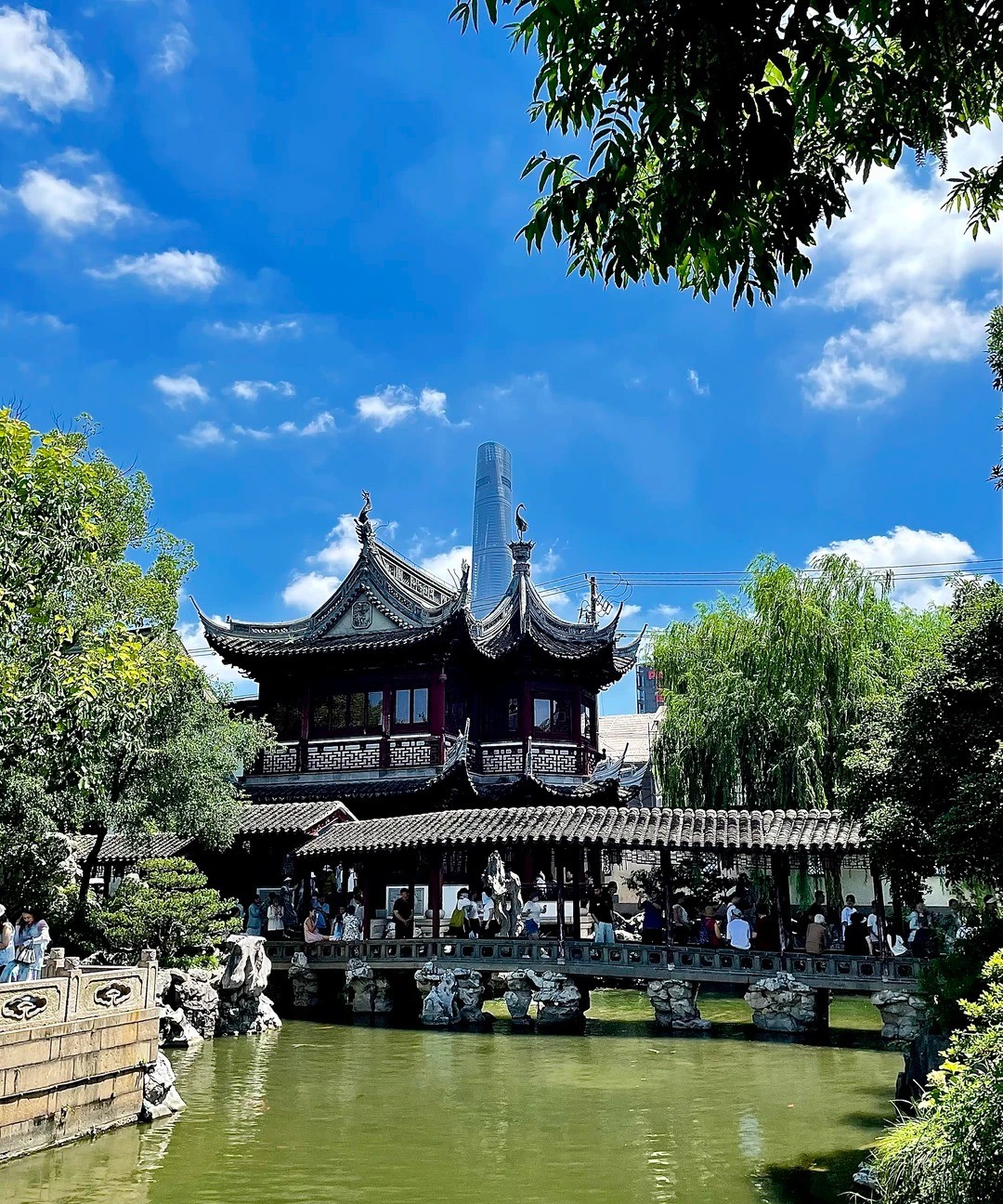
One of the most famous gardening techniques of the Humble Administrator's Garden is "borrowed scenery." From in front of Yuanxiang Hall in the Central Garden, through the water surface and treetops, one can see the silhouette of the North Temple Pagoda outside the garden. This "distant borrowing" technique brings the scenery outside the garden into the garden's view, greatly expanding the sense of space and creating infinite artistic conception from a limited space. This borrowed scenery technique is praised in the "History of Ancient Chinese Architecture" as a "model of borrowed scenery."
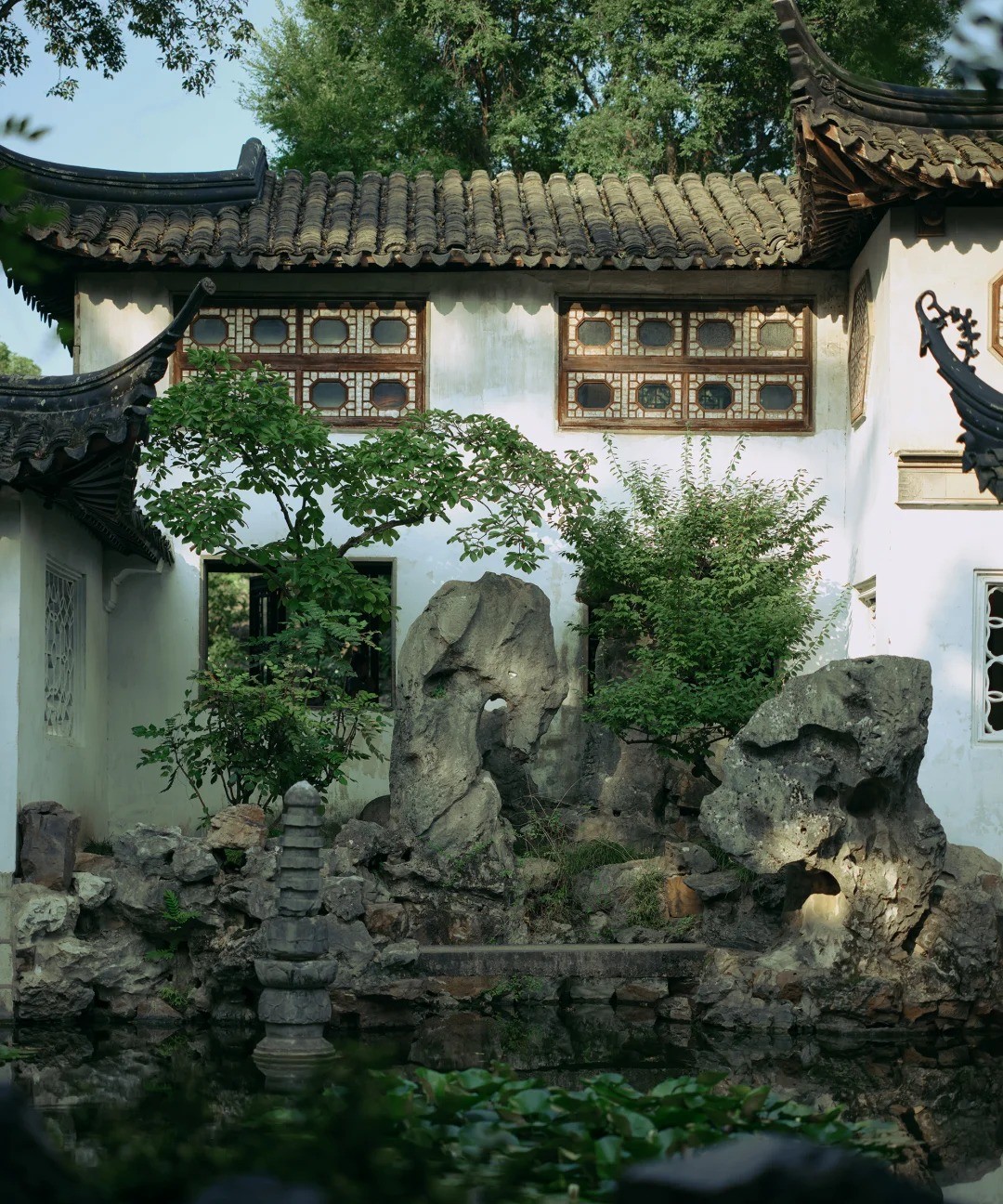
In addition, the garden extensively uses techniques such as "neighboring borrowing," "downward borrowing," and "upward borrowing." For example, borrowing the scenery of neighboring gardens through latticed windows, borrowing the light of the sky and clouds through water reflections, and borrowing distant mountains and nearby waters from high terraces, making the garden scenery rich in layers and ever-changing.
Water as the Core: Water as the Soul, Islands as the Skeleton
The Humble Administrator's Garden centers on water scenery, with water accounting for 3/5 of the total area, the largest among Suzhou classical gardens. The water surface in the Central Garden is irregular in shape, divided by islands, bridges, and corridors into multiple water spaces of varying sizes and forms. Earth was piled in the pond to form islands, creating the pattern of "one pond with three islands," symbolizing the immortal mountains in the sea, reflecting the Chinese classical garden concept of "modeling mountains and waters."
The treatment of water scenery is extremely ingenious: where the water surface is open, the waves glisten and the view is wide; where the water surface is narrow, the winding path leads to seclusion, inviting exploration. The shoreline is winding and varied, with stone outcroppings, revetments, waterside pavilions, or zigzag bridges, rich in variation and never monotonous.
Architecture and Plant Configuration: Architecture as the Eye, Flowers and Trees as the Garment
The architectural layout of the Humble Administrator's Garden is well-proportioned, blending with the mountains, waters, flowers, and trees. The garden has about 40 buildings, including halls, pavilions, kiosks, waterside pavilions, verandas, studios, towers, lofts, boats, and corridors, covering almost all architectural types of Chinese classical gardens. Most buildings are built by the water or nestled among flowers and trees, coexisting harmoniously with the natural environment.
Plant configuration is an important part of the gardening art of the Humble Administrator's Garden. The garden has a rich variety of plants, with scenery in all four seasons: in spring, magnolias, crabapples, and peach blossoms; in summer, lotus, crape myrtle, and pomegranate; in autumn, osmanthus, chrysanthemums, and red maples; in winter, plum blossoms, camellias, and wintersweet. Plants are not only for viewing but also work with architecture and landscapes to create artistic conception. For example, the lotus in front of Yuanxiang Hall symbolizes "emerging from mud unstained," and the plum trees beside Xuexiang Yunwei Pavilion symbolize noble character.
Spatial Treatment: Seeing the Great in the Small, Interplay of Reality and Emptiness
In a limited space, the Humble Administrator's Garden creates an infinite sense of space through clever layout and gardening techniques. The main techniques include:
- Obstructing scenery: At the entrance, rockeries or screen walls are set up to block the view, so visitors cannot see everything at once, creating a "first suppress, then uplift" effect.
- Contrasting scenery: Important scenic spots form visual alignments, such as Yuanxiang Hall and Xuexiang Yunwei Pavilion, Hefeng Simian Pavilion and Xiangzhou, etc., serving as contrasting views for each other.
- Framed scenery: Through door openings, window openings, and corridor columns, specific views are framed. For example, the moon gate of the "Bie You Dong Tian" half-pavilion frames the scenery of the Central Garden.
- Leaking scenery: Through latticed windows and flower walls, scenery is partially visible, adding layers and mystery.