Suzhou Lingering Garden: A Gem of Jiangnan Gardens
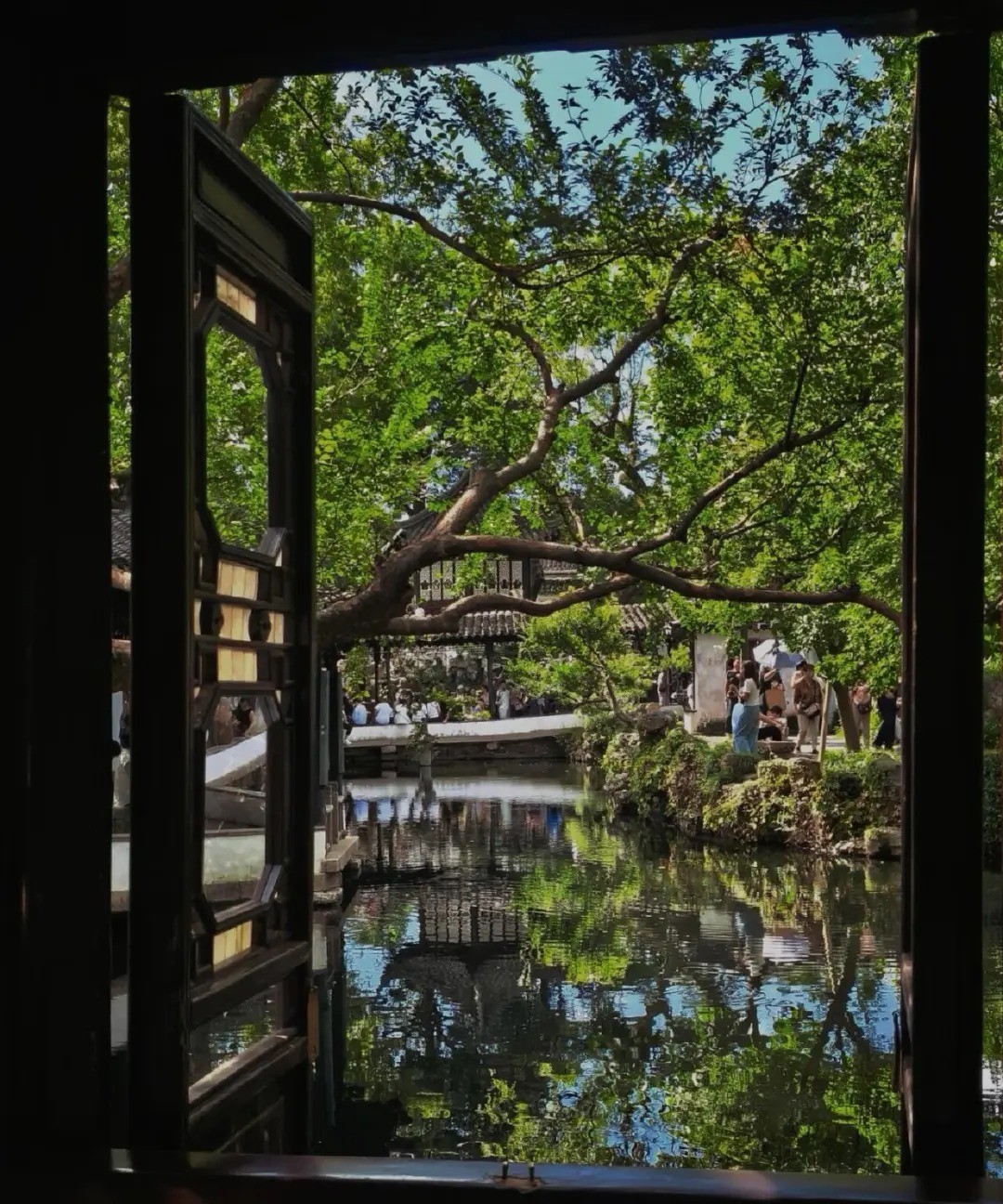
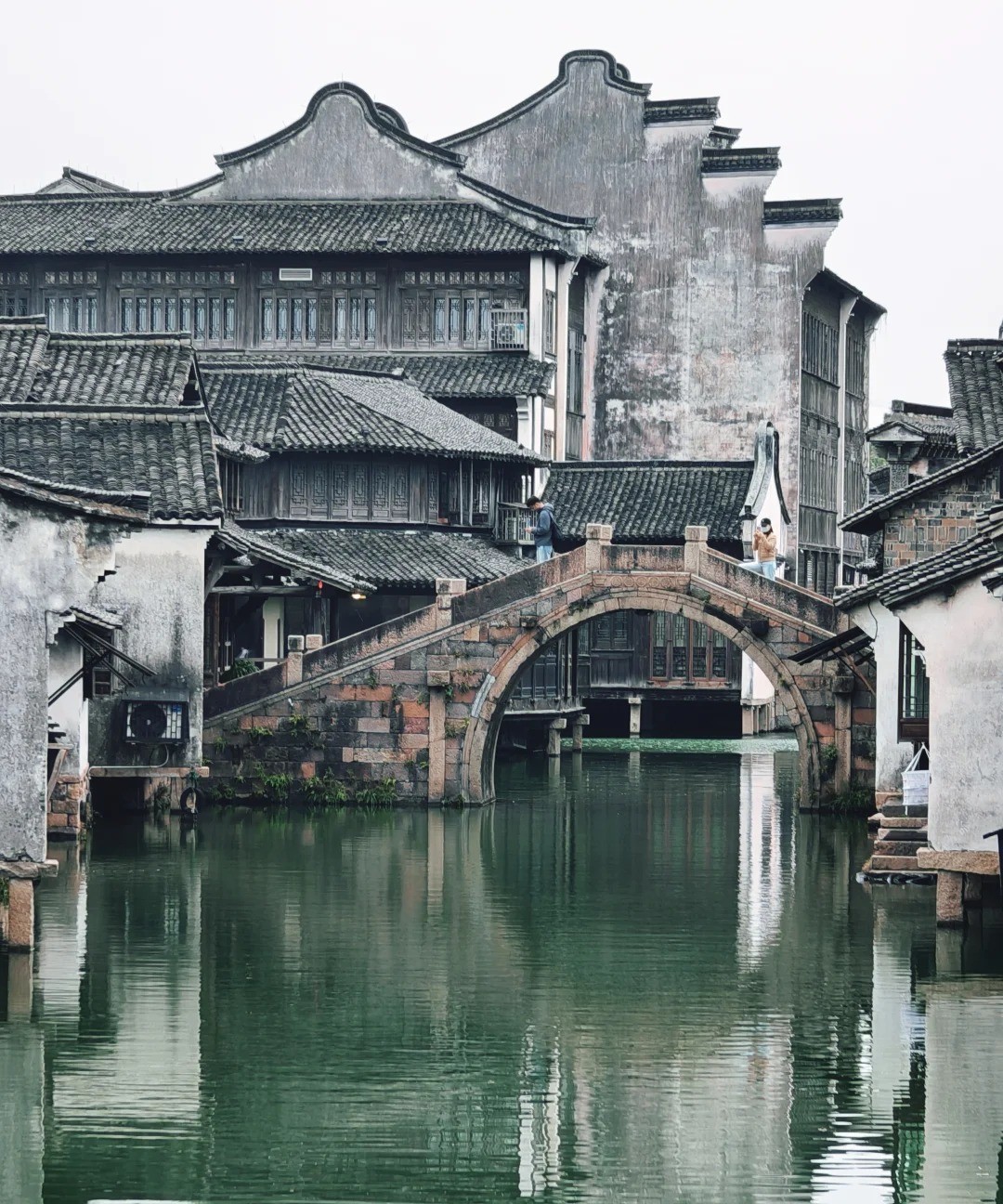
The Lingering Garden, located outside Changmen Gate in Suzhou, Jiangsu Province, is an outstanding representative of classical Chinese private gardens, famous for its superb gardening techniques, rich cultural connotations, and unique spatial layout. As a typical example of Suzhou classical gardens, it was listed as a World Heritage Site in 1997, and together with the Humble Administrator's Garden, the Summer Palace, and the Chengde Mountain Resort, it is known as one of the Four Great Gardens of China. Covering an area of about 2.33 hectares, the garden, though not large, creates an artistic effect of changing scenes with each step and seeing the large within the small through clever layout and landscaping techniques, earning it the reputation of "the finest garden in Wu."
Overview
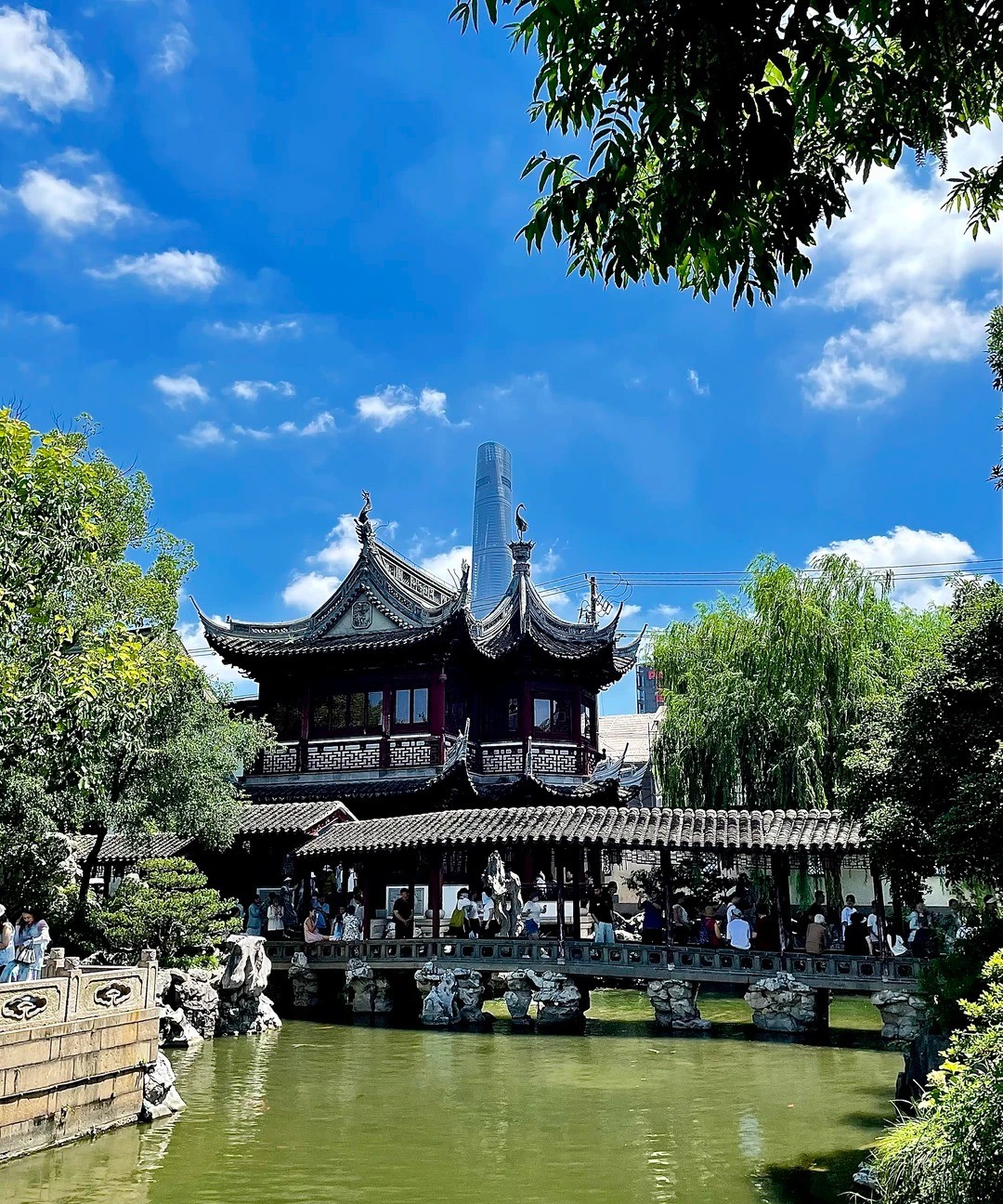
The Lingering Garden is located in the northwest of Suzhou's ancient city. It was first built in the 21st year of the Wanli reign of the Ming Dynasty (1593) as the private garden of Xu Taishi, a minor official, and was then called the "East Garden." During the Qianlong reign of the Qing Dynasty, the garden came into the possession of Liu Shu, who after renovation renamed it "Hanbi Villa," commonly known as "Liu Garden." During the Tongzhi reign, Sheng Kang purchased the garden and renamed it "Lingering Garden," meaning "to linger between heaven and earth." The garden is renowned for its exquisite handling of architectural space, divided into four scenic areas: east, central, west, and north. The central area features landscapes, the east is dominated by architecture, the west offers rustic mountain charm, and the north displays pastoral scenery. Pavilions, towers, winding corridors, rockeries, ponds, ancient trees, and strange stones complement each other, reflecting the aesthetic pursuit of Jiangnan literati gardens in the Ming and Qing dynasties.