III. Architectural Layout and Detailed Introduction of Scenic Areas
The overall layout of Yu Garden uses "water" as the vein and "stone" as the bone. Buildings are constructed along the water, winding and deep. The entire garden can be divided into six major scenic areas: Sansui Hall Scenic Area, Grand Rockery Scenic Area, Wanhua Tower Scenic Area, Dianchun Hall Scenic Area, Yuhua Hall Scenic Area, and Inner Garden Scenic Area.
1. Sansui Hall and Yangshan Hall
Sansui Hall is the main hall of Yu Garden, with a width of five bays and a tall, spacious appearance. The name "Sansui" comes from the "Book of the Later Han: Biography of Cai Mao," symbolizing "three ears of grain," representing harvest and good fortune. In front of the hall stands a pair of stone lions, and the courtyard is spacious, serving as the venue for major events in the garden. Behind Sansui Hall is Yangshan Hall, a two-story pavilion with the lower floor called "Yangshan Hall" and the upper floor called "Juanyu Tower." The name "Yangshan" is taken from the Book of Songs: "The high mountain is looked up to," and from here one can look up at the Grand Rockery, making it an excellent spot for viewing the garden. Juanyu Tower takes its name from the Tang Dynasty poet Wang Bo's line "The pearl curtain rolls up the western mountain rain at dusk," with upturned eaves and a lively, elegant appearance.
2. Grand Rockery: The Peak of Ming Dynasty Rockery Art
The Grand Rockery is the core landscape of Yu Garden and the largest and most complete existing Ming Dynasty yellow stone rockery in the Jiangnan region. It was designed and constructed by the famous Ming Dynasty rockery master Zhang Nanyang, standing about 14 meters high, 60 meters wide, and 40 meters deep. The rockery is entirely made of Wukang yellow stone from Zhejiang, with hard texture and ancient color. The main peak stands prominently, with secondary peaks flanking it, deep valleys, and interconnected caves. There are tunnels, stone bridges, and waterfalls among the rocks. Climbing to the top offers a panoramic view of the entire garden and the old city area. The Grand Rockery not only simulates the grandeur and steepness of natural landscapes but also embodies the Ming Dynasty literati's gardening philosophy of "though made by man, it seems like heaven's creation."
3. Wanhua Tower and Yule Pavilion
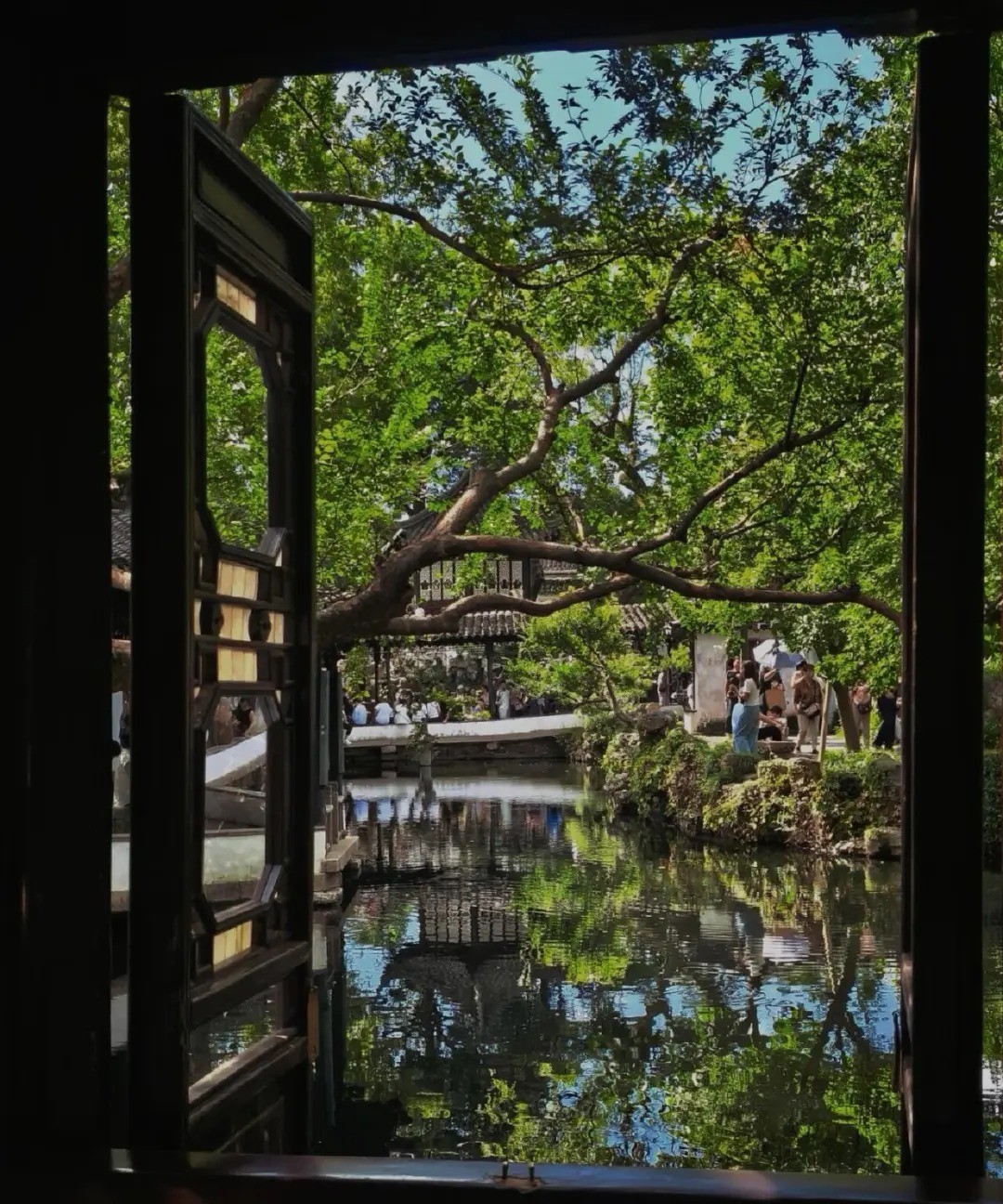
Wanhua Tower is located on the east side of the Grand Rockery. It is a two-story pavilion with the lower floor called "Wanhua Deep Place" and the upper floor called "Wanhua Tower." The courtyard in front of the tower is planted with various flowers and trees: peonies in spring, lotuses in summer, osmanthus in autumn, and wintersweet in winter, blooming all year round. To the west of Wanhua Tower is Yule Pavilion, a waterside pavilion named after Zhuangzi's story of "watching fish at Haoliang." A zigzag bridge connects the pavilion to the pond bank, where koi fish swim in the rippling water. The lattice windows of Yule Pavilion are exquisitely designed, allowing different views of the garden through the grilles, exemplifying the "borrowed scenery" technique of Jiangnan gardens.
4. Dianchun Hall: A Historical Witness to the Small Swords Society
Dianchun Hall is located in the northeast of Yu Garden. It is a five-bay hall named after Su Shi's poem line "Green dots of spring beauty." During the Xianfeng reign of the Qing Dynasty, the Shanghai Small Swords Society uprising used Dianchun Hall as their command post, where leaders such as Liu Lichuan and Chen Alin strategized. Today, Dianchun Hall displays historical relics and pictures of the Small Swords Society uprising, serving as a patriotic education base. In front of the hall is a performance stage with a stone base and a hip-and-gable roof, richly decorated with carvings and paintings, serving as the main venue for opera performances in the garden.
5. Yuhua Hall and the "Exquisite Jade"
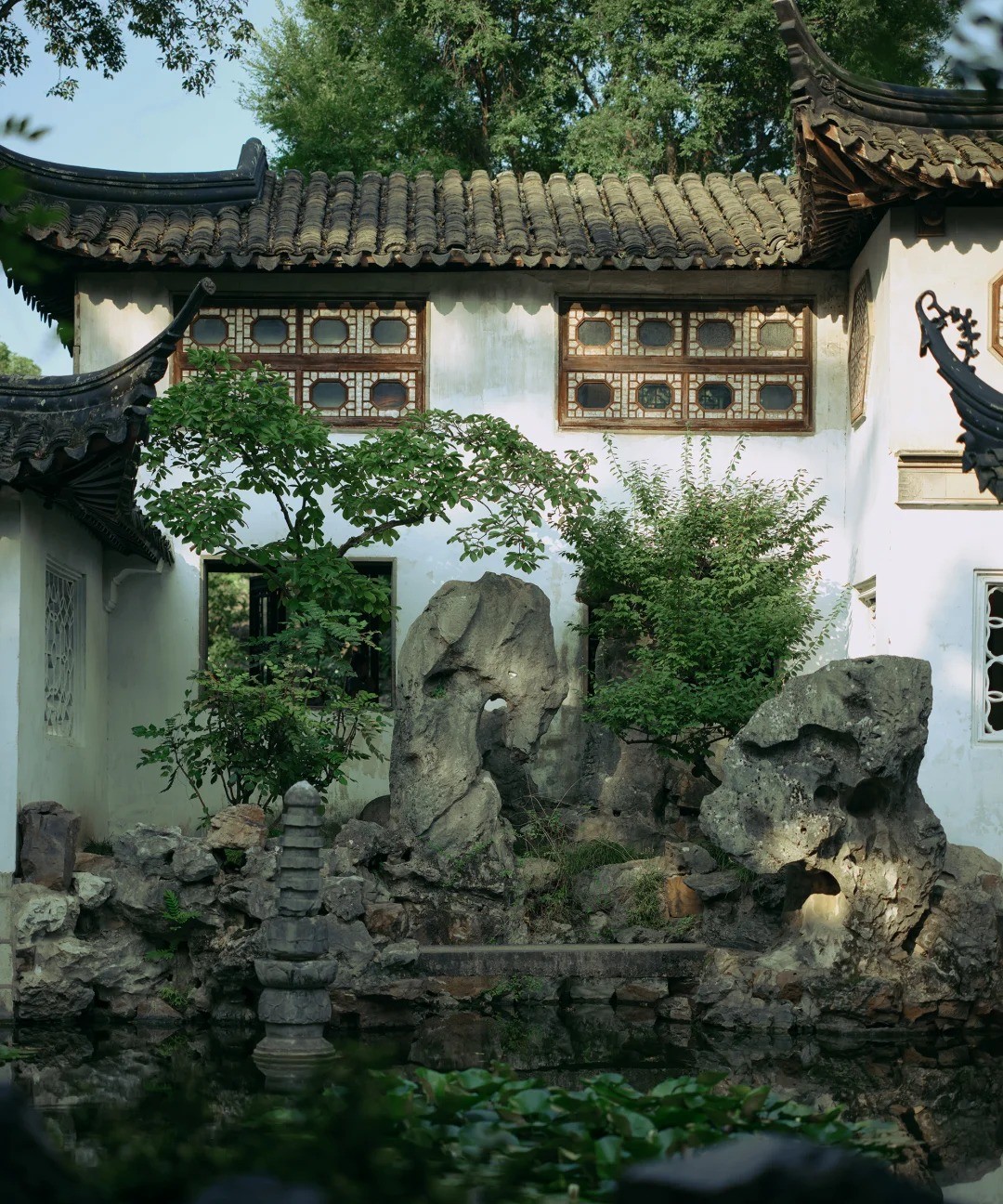
Yuhua Hall is the study building of Yu Garden, with a width of three bays and a front courtyard. The hall is named after Pan Yunduan's alias "Yuhua." In front of Yuhua Hall stands the garden's treasure—the Taihu stone "Exquisite Jade" (Yulinglong). This stone is about 3.3 meters high, 1.5 meters wide, and weighs about 3 tons. It is one of the three famous stones in Jiangnan (the other two are "Guanyun Peak" in Suzhou's Lingering Garden and "Zhouyun Peak" in Hangzhou). Yulinglong is renowned for its four characteristics: "thin, wrinkled, porous, and transparent." The stone has many holes; it is said that if incense is burned at the base, smoke will rise from all the holes, and if water is poured on top, droplets will seep out from each hole. This stone was originally a relic of the Huashigang (imperial tribute stones) in the Song Dynasty and later came into the Pan family's possession, becoming the finishing touch of Yu Garden.
6. Inner Garden: A Garden Within a Garden
The Inner Garden is located in the southeast corner of Yu Garden. It was originally an auxiliary garden of the City God Temple, built during the Kangxi reign of the Qing Dynasty (1709), covering an area of about 0.2 hectares. Although small, the Inner Garden has a compact layout with pavilions, towers, rockeries, and ponds all present. Main buildings include Jingguan Hall, Guantao Tower, Huanyun Tower, and Yanqing Tower. Jingguan Hall is the main hall of the Inner Garden, with a width of three bays and a courtyard enclosed by stone railings, with ancient trees towering in the courtyard. Guantao Tower is three stories high; from the top, one can overlook the Huangpu River, hence the name "Guantao" (Viewing the Waves). The Inner Garden is characterized by "tranquility," contrasting with the "dynamism" of the outer garden, embodying the Jiangnan gardening technique of "seeing the great within the small."