Free consultation with travel experts — custom itineraries, local tips, stress-free planning.
Usually replies within 24 hours
Or leave us a message
5A LevelWaterscapes
Jingpo Lake Scenic Area
Jingpo Lake
Heilongjiang
0 views
Category:Natural Scenery
Jingpo Lake, the largest alpine barrier lake in China, is renowned for its volcanic wonders and the Diaoshuilou Waterfall. With stunning scenery in all seasons, the lake's beauty is complemented by underground forests, making it a perfect destination for eco-tourism and cultural exploration.
INTRODUCTION
About This Attraction
Jingpo Lake: Alpine Barrier Lake and Diaoshuilou Waterfall
Overview: The Magnificent Picture of a Northern Pearl
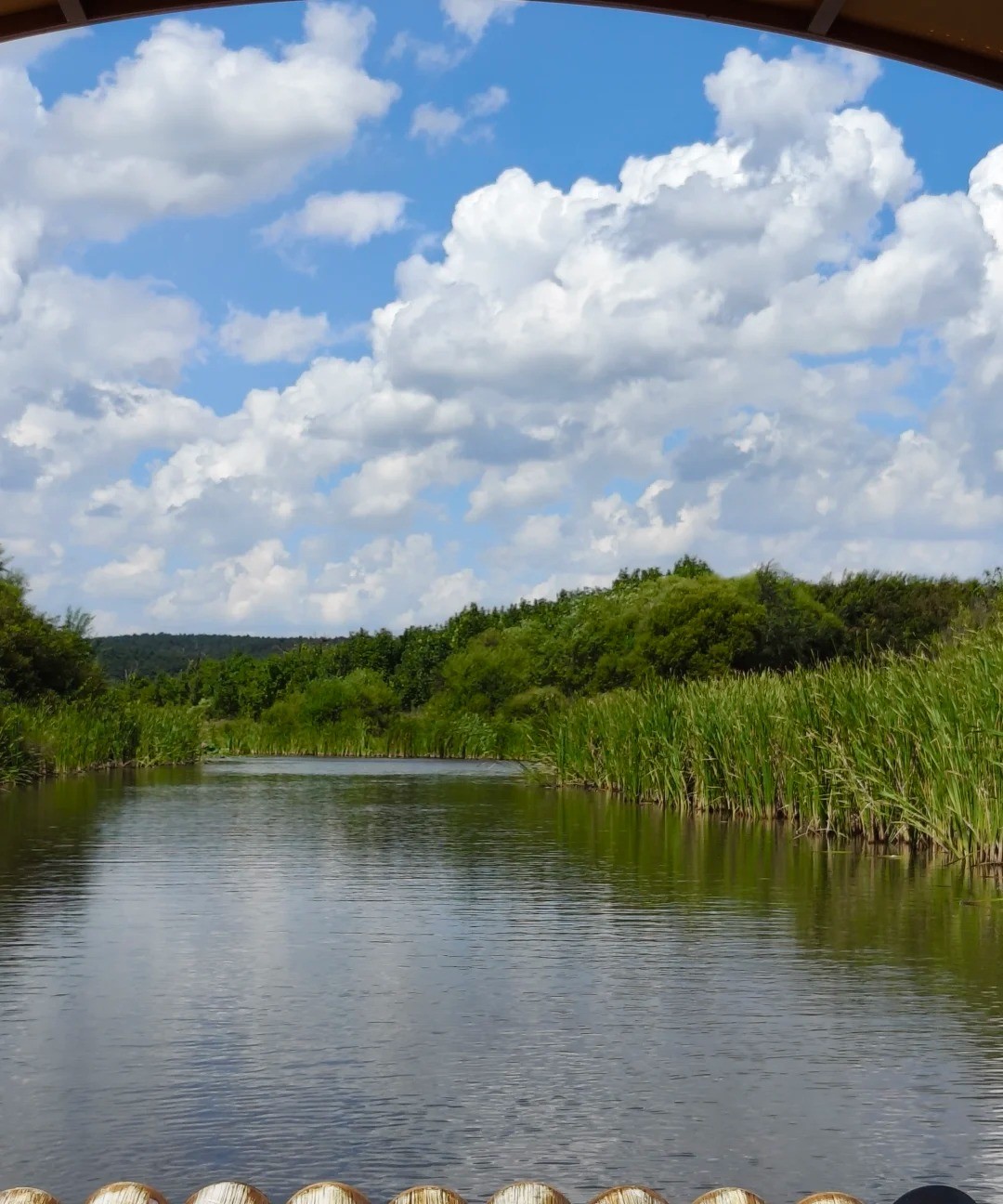
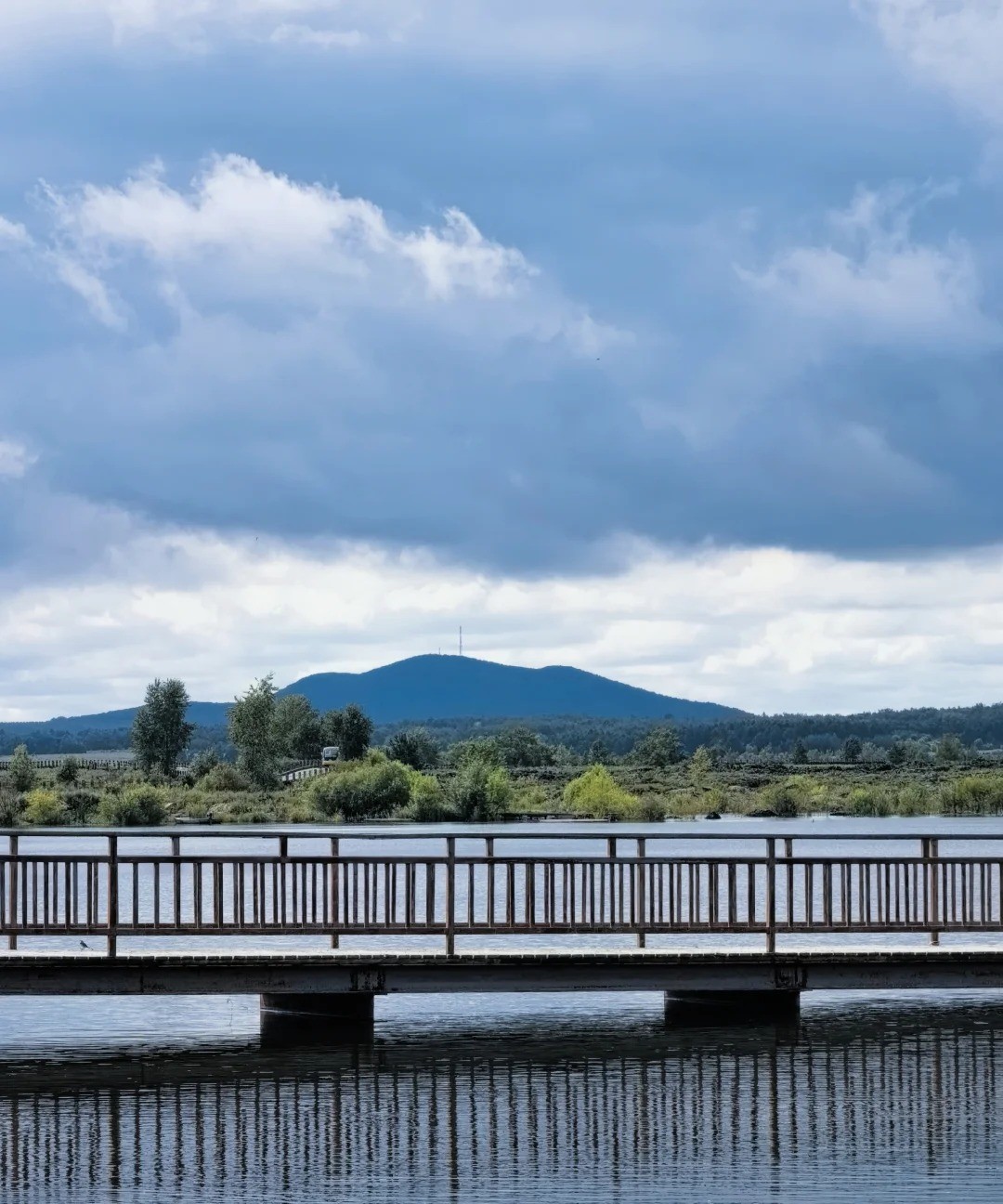
Jingpo Lake, located in Ning'an City, Mudanjiang, Heilongjiang Province, is the largest alpine barrier lake in China and the second largest in the world. It was formed about 10,000 years ago when a volcanic eruption blocked the Mudan River with lava flows, creating this rare natural wonder. The scenic area covers about 1,200 square kilometers, with a water area of about 80 square kilometers. The lake surface is about 350 meters above sea level, and the deepest point reaches 62 meters. The entire scenic area is characterized by lake and mountain scenery, volcanic landforms, primitive forests, and waterfalls, especially the majestic Diaoshuilou Waterfall and the mysterious volcanic crater underground forest.
Jingpo Lake Scenic Area was listed as one of the first national key scenic spots by the State Council in 1982, approved as a UNESCO Global Geopark in 2006, and rated as a national 5A tourist attraction in 2011. Its unique geological relics, rich biodiversity, and profound historical and cultural heritage make it one of the most representative tourism destinations in Northeast China, blending nature and culture.
Basic Data at a Glance
Geographical Location: Southwest of Ning'an City, Mudanjiang, Heilongjiang Province, about 110 km from Mudanjiang city center.
PRACTICAL INFO
Travel Essentials
Opening Hours
Peak season (May 1 - Oct 31): 7:00-17:00; Off season (Nov 1 - Apr 30): 8:00-16:00
Ticket Price
Peak season (May 1 - Oct 31): about ¥100/person; Off season (Nov 1 - Apr 30): about ¥50/person. The underground forest at the crater requires a separate ticket, about ¥50/person.
How to Get There
External Transportation: You can fly to Mudanjiang Hailang International Airport, then take a bus or taxi to Jingpo Lake (about 1.5 hours by car). Alternatively, take a train to Mudanjiang Station or Ning'an Station, then transfer to a direct scenic area shuttle bus. Internal Transportation: The scenic area has sightseeing buses connecting the main attractions in the North, Middle, and South Lakes. You can also choose to take a boat tour of the lake, which takes about 1-2 hours.
Lake Type: Alpine barrier lake (formed by volcanic lava blocking a river).
Formation Period: About 10,000 years ago (early Holocene).
Lake Surface Elevation: About 350 meters.
Water Area: About 80 square kilometers.
Maximum Depth: 62 meters.
Average Depth: About 40 meters.
Shoreline Length: About 120 kilometers.
Main Attractions: Diaoshuilou Waterfall, Volcanic Crater Underground Forest, Dagu Mountain, Xiaogu Mountain, Baishi Lazi, Chengqiang Lazi, Daoshi Mountain, Laogua Lazi (commonly known as the "Eight Great Scenes").
Protection Level: National Scenic Area, National 5A Tourist Attraction, UNESCO Global Geopark.
Historical Evolution: From Ancient Volcanoes to Cultural Wonder
The history of Jingpo Lake is a grand narrative interweaving geological changes and human civilization. Its geological evolution can be traced back to the Quaternary Period of the Cenozoic Era, when frequent volcanic activity caused large amounts of basalt lava to erupt from underground, rushing along the ancient Mudan River channel, and eventually forming a natural lava dam near the present-day Diaoshuilou Waterfall, blocking the upstream valley and creating the lake. This geological process not only shaped the lake itself but also left behind numerous volcanic craters, lava tunnels, underground forests, and other unique landforms.
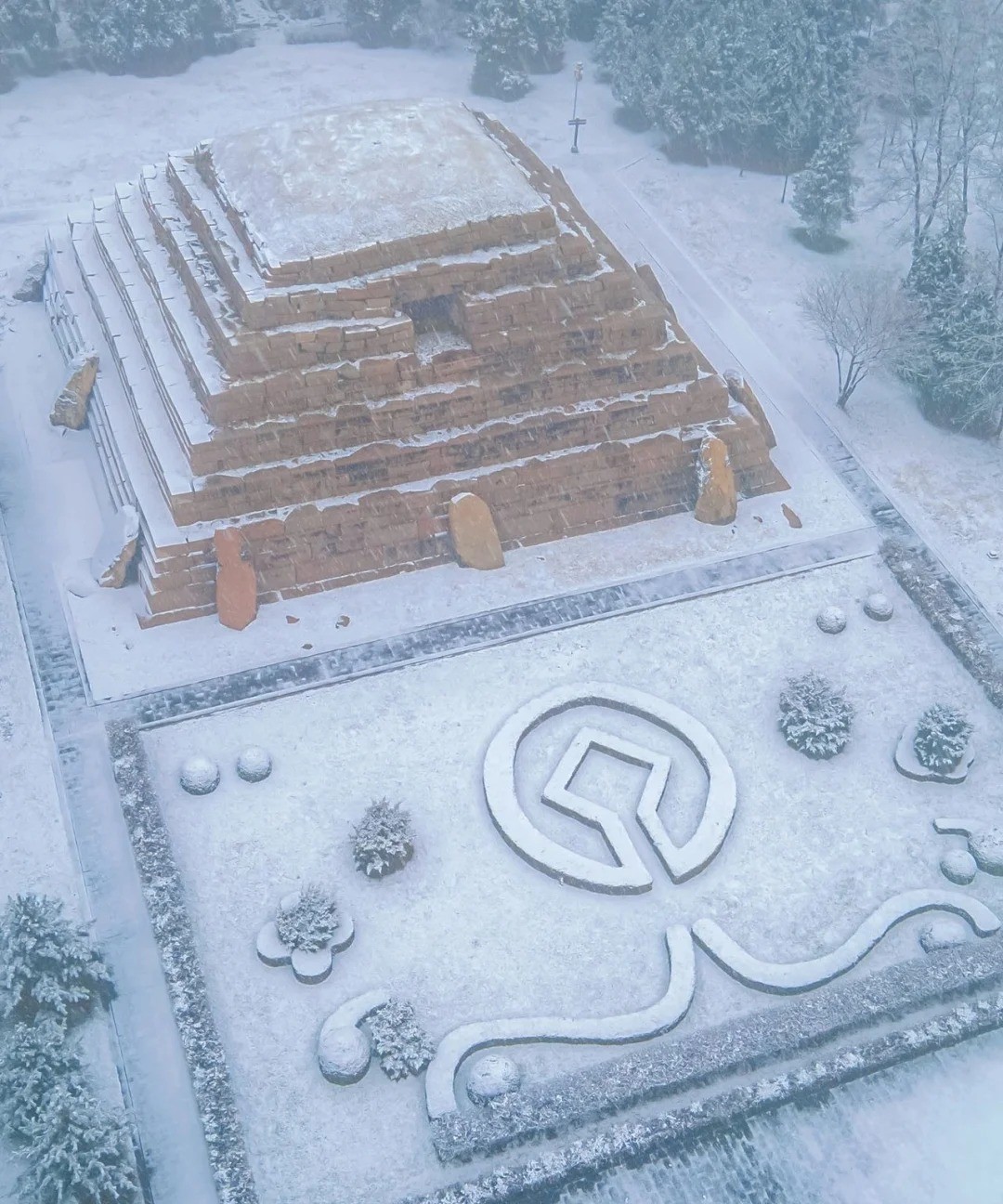
Human activity in the Jingpo Lake area has a long history. As early as the Tang Dynasty, this area was part of the Bohai Kingdom (698-926 AD). The Bohai Kingdom was a minority regime established by the Mohe people in Northeast China during the Tang Dynasty, whose culture was deeply influenced by the Tang Empire. Ancient city ruins from the Bohai Kingdom period are still preserved along the shores of Jingpo Lake, such as the "Chengqiang Lazi" site on the west bank, which was a military fortress during the Bohai Kingdom. Its stone walls, built along the mountain, are about 3-5 meters high and about 2,000 meters in circumference, witnessing the rigorous frontier defense system of a thousand years ago.
During the Liao and Jin Dynasties, the Jingpo Lake area became a habitat for the Jurchen people. The famous Jin Dynasty general Wanyan Aguda once stationed troops here for training. The "Daoshi Mountain" in the lake area is said to be a relic of Taoist activities during the Jin Dynasty. In the Ming and Qing Dynasties, with the development of the Northeast frontier, Jingpo Lake gradually came into the view of the Central Plains. The Ming Dynasty's "Ming Yitong Zhi" already recorded the name "Jingpo Lake," saying it was "named for its clear water like a mirror." In the Qing Dynasty, Jingpo Lake was listed as an important landscape of the "Ningguta" area. Exiled literati often wrote poems praising its beauty, such as the Qing poet Zhang Jinyan, who composed a poem titled "Jingpo Lake" depicting the harmony of lake and mountain scenery.
In modern times, the tourism value of Jingpo Lake has been gradually discovered. In the 1930s, with the construction of the Middle East Railway, Jingpo Lake began to attract explorers and scholars from home and abroad for investigation. After the founding of New China, Jingpo Lake was officially designated as a scenic area, and infrastructure such as transportation and accommodation was gradually improved. In the 1970s, the Jingpo Lake Power Station was built, utilizing the water energy of the Diaoshuilou Waterfall, becoming one of the important water conservancy projects in Heilongjiang Province. Today, Jingpo Lake has developed from a primitive natural lake into a comprehensive tourist destination integrating sightseeing, leisure, scientific research, and education.
Scenic Area Layout: A Three-Dimensional Picture of Mountains and Water
The Jingpo Lake Scenic Area is elongated in shape, with the lake extending from southwest to northeast, about 45 kilometers long, about 6 kilometers at its widest, and only about 0.5 kilometers at its narrowest. The layout centers on the lake, spreading along the shores and surrounding mountains, mainly divided into three major areas: North Lake, Middle Lake, and South Lake, each with its own characteristics.
North Lake Area: The Majestic Symphony of Waterfall and Lava
The North Lake is the entrance area of Jingpo Lake and the most concentrated area for tourists. Its core landscape is the Diaoshuilou Waterfall, located at the northern end of the lake, where the Mudan River exits. The waterfall is about 40-70 meters wide (varying with the season) and drops about 20-25 meters. During the high-water season, the waterfall cascades like a silver river, its roar heard for miles, with mist spreading and often creating rainbows under sunlight. In winter, it forms an ice waterfall over 20 meters high, crystal clear and spectacular. Below the waterfall is the Black Dragon Pool, tens of meters deep, with emerald green water and unfathomable depth. The pool is surrounded by black basalt lava terraces, covered with pores and flow lines, recording the history of volcanic eruptions.
The North Lake area also includes the Jingpo Lake Geopark Museum, which displays a large number of volcanic rock specimens, fossils, and geological models, detailing the formation process of Jingpo Lake. In addition, the Yaoshi Ancient Temple is located on the cliff east of the waterfall. It is a Buddhist temple originally built in the Tang Dynasty, with the existing buildings rebuilt in the Qing Dynasty, enshrining the Medicine Buddha, and the incense is flourishing.
Middle Lake Area: A Tranquil Corridor of Lake and Mountain Scenery
The Middle Lake is the main body of Jingpo Lake, with a wide lake surface and green mountains on both sides. Main attractions include:
Dagu Mountain: Located on the west side of the lake, it is a volcanic rock island about 150 meters above the lake surface, covering an area of about 0.5 square kilometers. The island is densely vegetated, mainly with Korean pine and white birch. Climbing to the top offers a panoramic view of the lake.
Xiaogu Mountain: Facing Dagu Mountain across the water, it resembles a lying ox, covering an area of about 0.1 square kilometers. A viewing pavilion is built on the island, making it an ideal spot for photography enthusiasts.
Baishi Lazi: Located on the east bank of the lake, it is a cliff made of white granite, about 80 meters high and 200 meters long, standing out against the blue water.
Chengqiang Lazi: Located on the west bank, it is the site of the ancient city ruins of the Bohai Kingdom. The stone walls wind along the mountain ridge, with a residual height of 3-5 meters and a circumference of about 2,000 meters, providing important physical evidence for studying the frontier history of Northeast China in the Tang Dynasty.
South Lake Area: Exploring the Secret Realm of Volcanoes and Forests
The South Lake is the upstream area of Jingpo Lake, known for its volcanic crater underground forest and primitive forest landscapes. The core attraction is the Volcanic Crater Underground Forest, located in the Zhangguangcai Mountains about 50 kilometers southwest of the lake. Here, seven volcanic craters of varying sizes are distributed, with diameters of about 100-500 meters and depths of about 50-200 meters. The inner walls of the craters are steep, and the bottoms are covered with thick humus soil, growing precious tree species such as Korean pine, Amur linden, and Manchurian ash, many over a hundred years old, forming a rare "underground forest" wonder. Visitors can walk down to the bottom of the craters along the boardwalk to experience the deep tranquility surrounded by primitive forests.
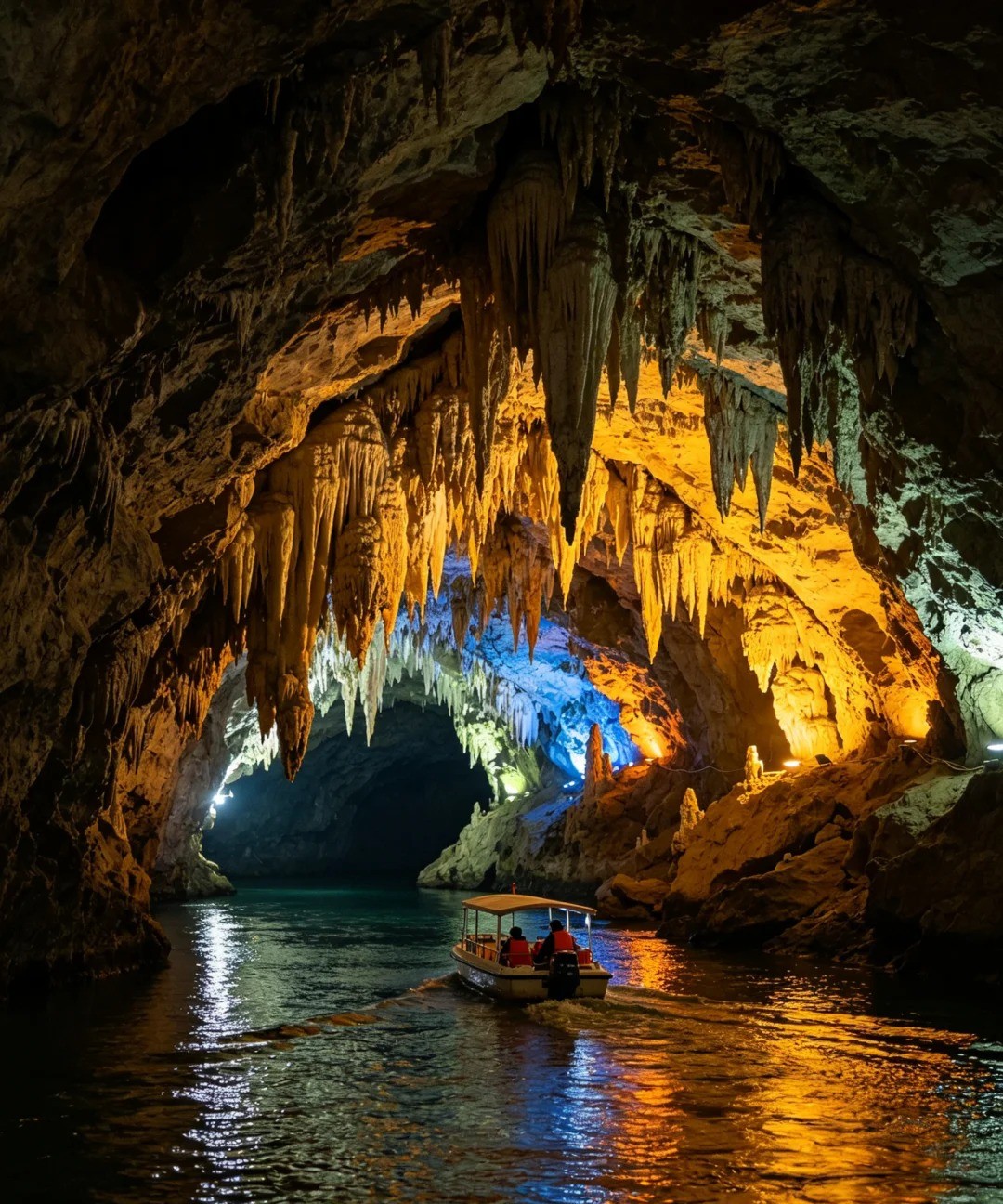
The South Lake area also includes attractions such as Yuanyang Pool and Lava Tunnels. Lava tunnels are tubular cavities formed when the surface of a lava flow cools and solidifies while the interior lava continues to flow. They can be several kilometers long, with stalactite-like lava formations inside, and are important geological relics for studying volcanic activity.
Natural Features: Perfect Integration of Volcanic Landforms and Ecosystems
The natural features of Jingpo Lake are concentrated in its unique volcanic landforms and rich ecosystems. As a UNESCO Global Geopark, its geological relics have high scientific research and ornamental value.
Diversity of Volcanic Landforms
The volcanic activity in the Jingpo Lake area has undergone multiple eruptions, forming various types of volcanic landforms:
Lava Terraces: Represented by the basalt terraces around the Diaoshuilou Waterfall, covering an area of tens of square kilometers, with flat surfaces covered with pores and shrinkage cracks, products of lava flow cooling and contraction.
Volcanic Craters: The seven craters in the South Lake area are well-preserved, with the largest, "No. 3 Crater," about 500 meters in diameter and 200 meters deep, with a dense forest at the bottom, forming the "underground forest" wonder.
Lava Tunnels: Several have been discovered, ranging from hundreds of meters to several kilometers in length, with smooth inner walls showing traces of lava flow.
Barrier Lake: Jingpo Lake itself is a typical volcanic barrier lake, and its formation process is a classic case of interaction between volcanic landforms and hydrological systems.
Hydrological Characteristics of Diaoshuilou Waterfall
The Diaoshuilou Waterfall is the core hydrological landscape of Jingpo Lake. Its water source comes from the upper reaches of the Mudan River, with an average annual flow of about 120 cubic meters per second, and can exceed 300 cubic meters per second during the high-water season. The width and drop of the waterfall vary significantly with the seasons: during the spring snowmelt and summer rainy season, the water volume is abundant, and the waterfall can reach 70 meters in width, with magnificent momentum; in winter, the water volume decreases, and the width narrows to about 40 meters, but the ice waterfall landscape is unique. The Black Dragon Pool below the waterfall is about 60 meters deep, and the water temperature remains at a low 4-8°C year-round, making it chilling even in midsummer.
Biodiversity
The Jingpo Lake area has a temperate monsoon climate, with vegetation mainly composed of coniferous and broad-leaved mixed forests, and a forest coverage rate of over 80%. Main tree species include Korean pine, larch, white birch, Amur linden, and Manchurian ash, among which the Korean pine forest is a typical primitive forest community in Northeast China. Wildlife resources are abundant, with common mammals such as roe deer, wild boar, black bear, and fox, as well as birds such as mandarin ducks, red-crowned cranes, and herons. The fish in the lake are mainly Jingpo Lake crucian carp, carp, and whitefish, with the Jingpo Lake crucian carp being famous for its delicious meat.
Cultural Significance: A Symphony of Nature and Humanity
Jingpo Lake is not only a natural wonder but also carries profound historical and cultural connotations. Its cultural significance is reflected in the following aspects:
Historical Witness of Ancient Civilizations
The ancient city ruins of the Bohai Kingdom along the shores of Jingpo Lake are important physical materials for studying the politics, military, and culture of Northeast China in the Tang Dynasty. The Chengqiang Lazi site, as a military fortress of the Bohai Kingdom, reflects the high level of the Tang Dynasty's frontier defense system in its stone wall construction techniques. In addition, religious buildings such as Daoshi Mountain and Yaoshi Ancient Temple in the lake area reflect the spread and integration of Buddhism and Taoism in Northeast China.
Source of Inspiration for Literature and Art
Since the Qing Dynasty, Jingpo Lake has been a subject of poetry by literati. Qing poets such as Zhang Jinyan and Wu Zhaoqian have left poems praising Jingpo Lake. In modern times, Jingpo Lake has become a filming location for photography, painting, and film and television creation. Its magnificent waterfall, tranquil lake, and mysterious volcanic craters provide endless creative inspiration for artists.
A Model of Ecological Protection
During the development of Jingpo Lake Scenic Area, the principle of ecological priority has always been adhered to. Industrial pollution is prohibited in the scenic area, tourist capacity is strictly controlled, and a comprehensive ecological monitoring system has been established. Core areas such as the Volcanic Crater Underground Forest are under closed management, allowing tourists to visit only along designated boardwalks, maximizing the protection of the original ecology. The ecological protection model of Jingpo Lake provides a useful reference for the management of other nature reserves in China.
Visitor Information: Practical Guide
Best Time to Visit
Summer (June-August): The climate is cool, with average temperatures of 20-25°C, making it the best season for summer retreat and viewing the waterfall. At this time, the Diaoshuilou Waterfall is at its fullest and most majestic.
Autumn (September-October): The forests are dyed in colorful hues, and the lake and mountain scenery complement the red leaves, making it the golden season for photography.
Winter (December-February): The ice waterfall wonder and snow scenery are breathtaking, and winter activities such as ice fishing and snowmobiling are available.
Spring (April-May): Ice and snow melt, and everything revives, but temperatures are lower and there are fewer tourists.
Transportation
External Transportation: You can fly to Mudanjiang Hailang International Airport, then take a bus or taxi to Jingpo Lake (about 1.5 hours by car). Alternatively, take a train to Mudanjiang Station or Ning'an Station, then transfer to a direct scenic area shuttle bus.
Internal Transportation: The scenic area has sightseeing buses connecting the main attractions in the North, Middle, and South Lakes. You can also choose to take a boat tour of the lake, which takes about 1-2 hours.
Tickets and Opening Hours
Ticket Price: Peak season (May 1 - October 31) is about 100 yuan/person, and off-peak season (November 1 - April 30) is about 50 yuan/person. The Volcanic Crater Underground Forest requires a separate ticket of about 50 yuan/person.
Opening Hours: Peak season 7:00-17:00, off-peak season 8:00-16:00.
Tour Suggestions
Recommended Route: North Lake entrance → Diaoshuilou Waterfall → Yaoshi Ancient Temple → boat tour (Dagu Mountain, Xiaogu Mountain, Baishi Lazi) → Chengqiang Lazi ruins → South Lake Volcanic Crater Underground Forest (requires half a day).
Notes: Some sections of the scenic area have steep slopes, so it is recommended to wear comfortable sports shoes. In summer, beware of mosquitoes; in winter, keep warm. The boardwalk in the Volcanic Crater Underground Forest is slippery, so pay attention to safety.
Accommodation Recommendations: There are several hotels and guesthouses in the scenic area, such as Jingpo Lake Hotel and Jingpo Lake International Hotel, to meet different budget needs.
Jingpo Lake, a northern pearl carved by volcanoes and rivers, showcases the wonders of nature and the profound accumulation of human civilization through its magnificent waterfall, deep lake, mysterious volcanic craters, and rich cultural relics. Whether you are a geology enthusiast, a photography buff, or a traveler seeking peace of mind, you can find your own touch of emotion here.
Travel Tips
Recommended Route: North Lake entrance → Diaoshuilou Waterfall → Yaoshi Ancient Temple → boat tour (Dagu Mountain, Xiaogu Mountain, Baishi Lazi) → Chengqiang Lazi ruins → South Lake Volcanic Crater Underground Forest (requires half a day). Notes: Some sections of the scenic area have steep slopes, so it is recommended to wear comfortable sports shoes. In summer, beware of mosquitoes; in winter, keep warm. The boardwalk in the Volcanic Crater Underground Forest is slippery, so pay attention to safety. Accommodation Recommendations: There are several hotels and guesthouses in the scenic area, such as Jingpo Lake Hotel and Jingpo Lake International Hotel, to meet different budget needs. Jingpo Lake, a northern pearl carved by volcanoes and rivers, showcases the wonders of nature and the profound accumulation of human civilization through its magnificent waterfall, deep lake, mysterious volcanic craters, and rich cultural relics. Whether you are a geology enthusiast, a photography buff, or a traveler seeking peace of mind, you can find your own touch of emotion here.