V. Cultural Significance: Living Heritage of Nomadic Civilization
1. Mongolian Nomadic Culture
The Hulunbuir grassland is the core area of Mongolian nomadic culture. Mongolian herders still maintain the traditional lifestyle of "moving with water and grass," conducting seasonal migrations. In spring, they graze in low-lying areas; in summer, they move to high mountain pastures; in autumn, they return to river valleys; and in winter, they choose sheltered and sunny spots. This nomadic way of life is not only an adaptation to the natural environment but also a sustainable ecological wisdom.
2. Naadam Festival
Naadam is the grandest traditional festival of the Mongols, meaning "entertainment, games." Every July-August, the Naadam Festival is held on the grassland, featuring horse racing, wrestling (Bokh), and archery (the "Three Manly Arts"). In addition, there are Mongolian chess, song and dance performances, and material exchange activities. In 2006, Naadam was listed in the first batch of national intangible cultural heritage.
3. Yurts and Dwelling Culture
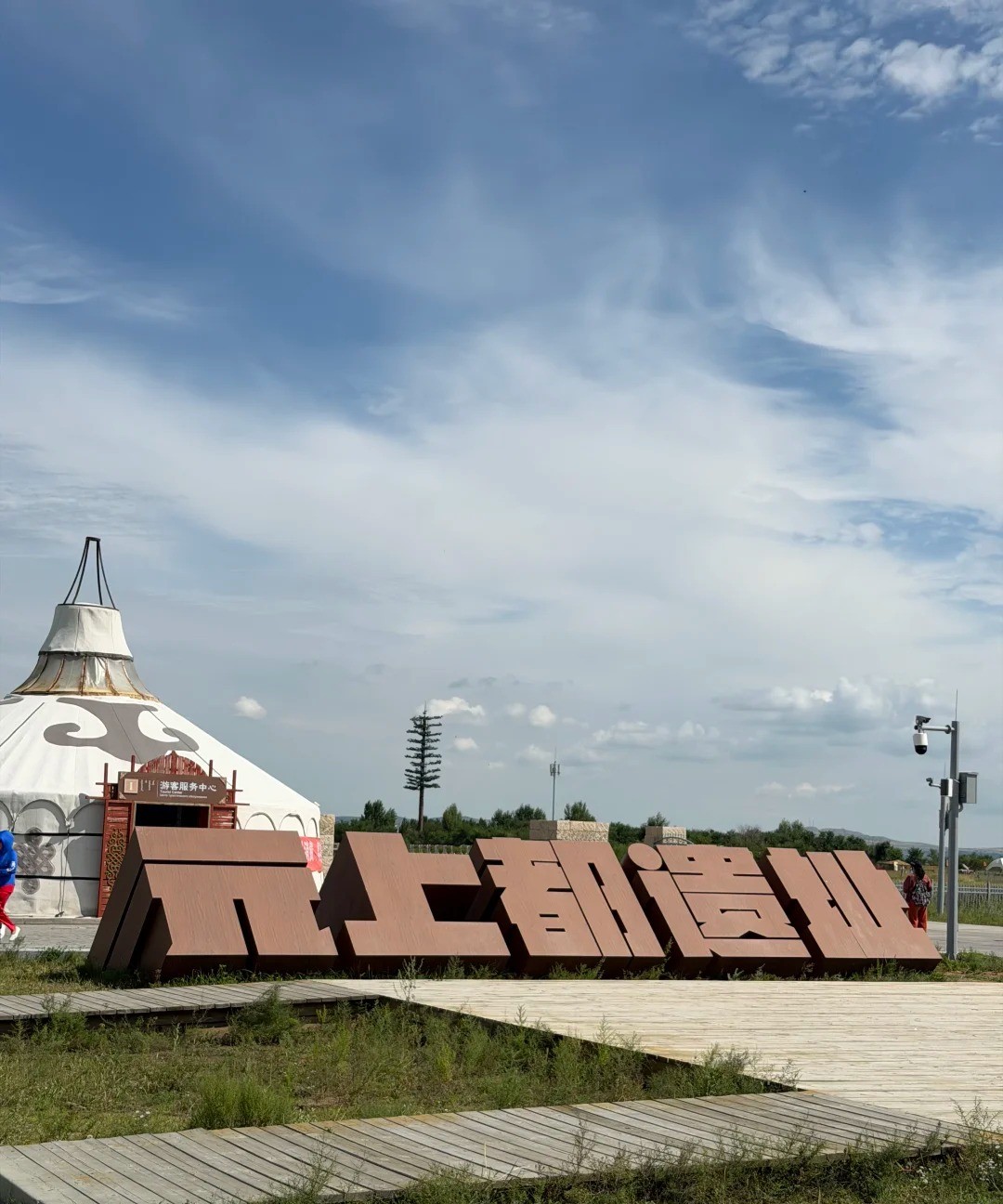
The yurt is the traditional dwelling of nomadic peoples, composed of a wooden frame (khana), a roof ring (tono), and felt. The diameter is generally 4-6 meters, and the height is about 3-4 meters. The interior layout is particular: the center is the stove, above is the shrine, the right side is the male host's seat, and the left side is the female host's seat. Yurts are easy to assemble and disassemble, facilitating migration, reflecting the wisdom of nomadic peoples.
4. Food Culture
The traditional diet on the grassland mainly consists of dairy products and meat. Representative foods include: hand-grabbed mutton (mutton boiled in water), roast whole lamb, milk tea (brick tea with milk and salt), milk curd, milk skin, and butter. Among them, hand-grabbed mutton is the highest hospitality of the Mongols, using free-range lamb from the grassland, which is tender and without gamey taste.
5. Religious Beliefs
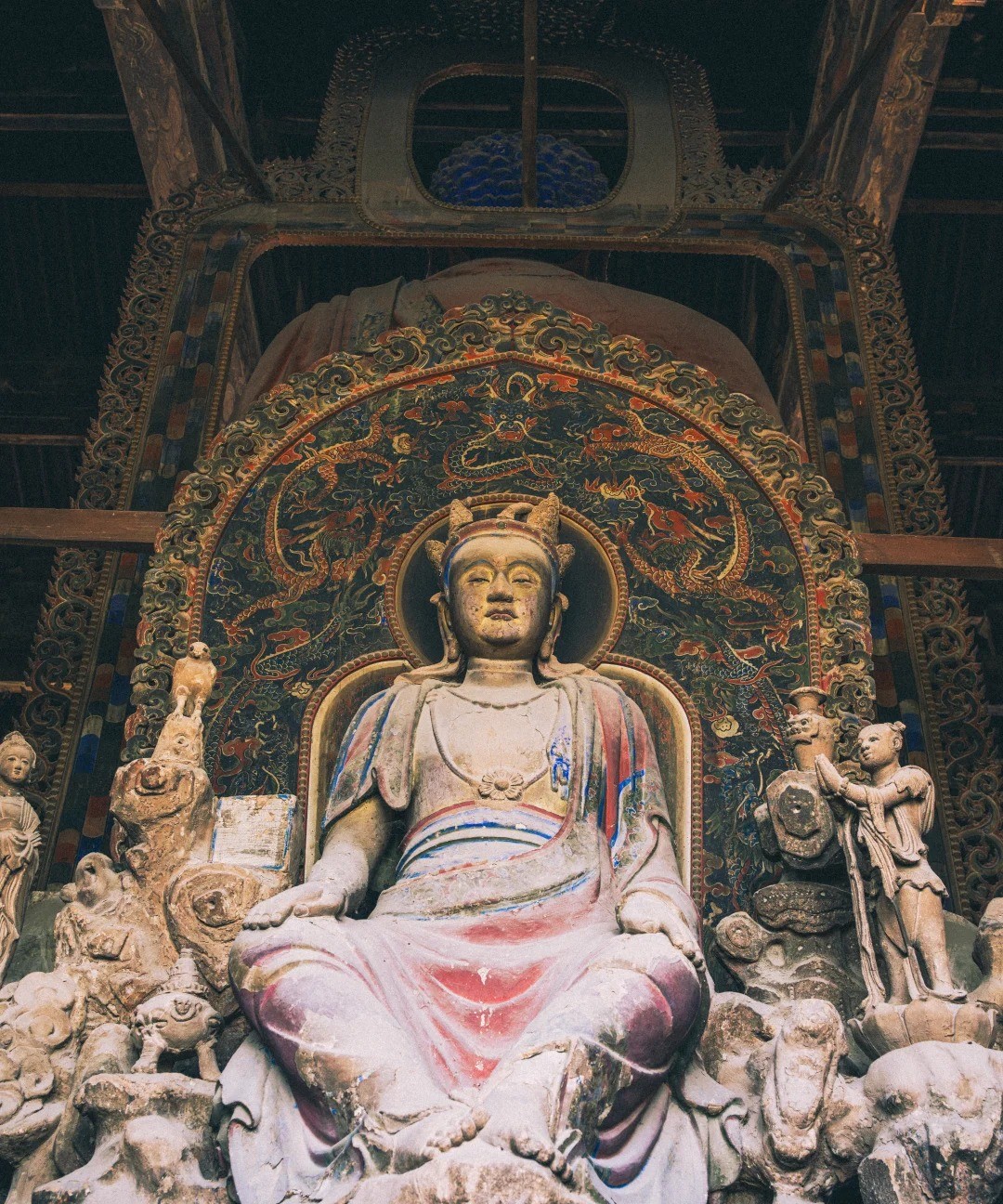
The Mongols traditionally believe in shamanism, worshipping nature, ancestors, and Genghis Khan. Tibetan Buddhism (Lamaism) was introduced to the grassland in the Qing Dynasty, and some herders still follow it. Oboos (stone piles) are common on the grassland, serving as places to worship mountain and road gods. Every May in the lunar calendar, herders hold oboo worship ceremonies to pray for favorable weather and the safety of people and livestock.
6. Intangible Cultural Heritage
The Hulunbuir region has several national intangible cultural heritage items, such as Mongolian long-tune folk songs, throat singing, morin khuur music, Mongolian clothing, and Barag wedding customs. Among them, Mongolian long-tune folk songs are known as the "heavenly sound of the grassland" and were listed by UNESCO as a "Masterpiece of the Oral and Intangible Heritage of Humanity" in 2005.