Free consultation with travel experts — custom itineraries, local tips, stress-free planning.
Usually replies within 24 hours
Or leave us a message
5A LevelMountains and Canyons
Qianshan Mountain
Qianshan Mountain
Liaoning · Anshan
0 views
Category:Natural Scenery
Qianshan Mountain, the foremost mountain in eastern Liaoning, is renowned for its unique peaks, strange rocks, ancient pines, and temples. From the summit, the peaks resemble lotus flowers, with rolling seas of clouds, offering scenic beauty in all seasons, earning it the reputation of the 'Pearl of Northeast China'.
INTRODUCTION
About This Attraction
Qianshan Mountain: A Sacred Realm of Buddhism and Taoism in the Pearl of Northeast
Qianshan Mountain, historically known as Jicui Mountain or Qianding Mountain, is located 17 kilometers southeast of Anshan City, Liaoning Province. It is named 'Qianshan' (Thousand Mountains) because there are nearly a thousand peaks in total. As a branch of the Changbai Mountains, Qianshan covers an area of about 125 square kilometers, with its highest peak, Xianrentai, reaching an altitude of 708.5 meters. It integrates mountain scenery, ancient temples, strange pines, odd rocks, and pear blossoms, and is known as the 'Pearl of Northeast China'. It is also one of the three major mountains in Northeast China, along with Changbai Mountain and Yiwulü Mountain. Qianshan is not only a national scenic area but also a rare religious sanctuary in northern China where Buddhism and Taoism have coexisted harmoniously for a long time. The integration of religious architecture and natural landscape is exemplary.
I. Overview: Basic Data of Qianshan
Geographical Location: 17 km southeast of Anshan City, Liaoning Province, at coordinates 40°58′—41°04′N, 123°03′—123°11′E.
Total Area: 125 square kilometers, with the core scenic area covering 44 square kilometers.
PRACTICAL INFO
Travel Essentials
Opening Hours
Open year-round. Summer (Apr 1 - Oct 31): 6:00-18:00; Winter (Nov 1 - Mar 31): 7:00-17:00
Ticket Price
Peak season (Apr 1 - Oct 31): 80 yuan/person; Off-peak season (Nov 1 - Mar 31): 60 yuan/person. Students, seniors, and other special groups enjoy half-price discounts.
How to Get There
External Transportation: There are tourist shuttle buses (No. 8 and No. 88) from Anshan city to Qianshan. From Anshan Railway Station, it takes about 40 minutes to reach the main gate of Qianshan. Internal Transportation: There are sightseeing buses in the scenic area that run between major attractions, with a fare of 10 yuan per ride. You can also choose to walk, which takes about 4-6 hours for the entire route.
Number of Peaks: 999 named peaks, hence the name 'Qianshan' (Thousand Mountains).
Main Scenic Areas: Northern Area (core), Central Area (Wufo Peak), Southern Area (Xianrentai), Western Area (Dafo Temple).
Religious Buildings: Over 20 existing ancient temples, including 2 national key cultural relics protection units (Longquan Temple and Da'an Temple), and multiple provincial-level protection units.
Vegetation Coverage: Over 95%, with more than 10,000 ancient pines over a hundred years old.
Climate Type: Temperate monsoon climate, with an annual average temperature of 8.6°C, cool summers, and unique winter snow scenes.
II. Historical Evolution: From Han-Tang Ancient Temples to Buddhist-Taoist Harmony
1. Introduction of Buddhism and Early Development (Han-Tang)
The religious history of Qianshan can be traced back to the Han Dynasty. According to the 'Records of Liaodong', monks built huts for meditation here as early as the end of the Han Dynasty. By the Tang Dynasty, with the spread of Buddhism in Northeast China, formal temple buildings began to appear in Qianshan. During the Zhenguan period of the Tang Dynasty (627-649 AD), Emperor Taizong Li Shimin, during his eastern expedition against Goguryeo, stayed at Qianshan and ordered the construction of 'Longquan Temple', the earliest temple with clear records in Qianshan. Since then, Qianshan gradually became one of the Buddhist centers in the Liaodong region.
2. Prosperity during the Liao and Jin Dynasties (Liao-Jin)
During the Liao and Jin Dynasties, Buddhism in Qianshan reached its peak. The Liao Dynasty, which revered Buddhism, built temples on a large scale in Qianshan. The existing Da'an Temple and Zuyue Temple were both first built in the Liao Dynasty. The Jin Dynasty continued the prosperity of Buddhism and began to show traces of Taoist activities. During the Dading period of Emperor Shizong of Jin (1161-1189), Taoists built a small Taoist shrine in the northern part of Qianshan, the predecessor of 'Wuliang Guan', marking the formal entry of Taoism into Qianshan. During this period, Qianshan formed the initial pattern of religious architecture with 'five temples, eight nunneries, nine palaces, and twelve Taoist temples'.
3. Buddhist-Taoist Integration in the Ming and Qing Dynasties (Ming-Qing)
The Ming Dynasty was a crucial period for the formation of the Buddhist-Taoist pattern in Qianshan. During the Hongwu period (1368-1398), the imperial court established the 'Senggangsi' (Monk Affairs Office) in Qianshan to manage Buddhist affairs. During the Wanli period (1573-1620), disciples of the Longmen sect of Quanzhen Taoism expanded Wuliang Guan on a large scale, making it the largest Taoist temple in Northeast China. Meanwhile, Buddhist temples such as Longquan Temple and Da'an Temple were also renovated and expanded. By the Qing Dynasty, Qianshan had formed a unique pattern of 'Taoism in the south, Buddhism in the north': the southern area centered on Wuliang Guan as the Taoist architectural complex, and the northern area centered on Longquan Temple and Da'an Temple as the Buddhist architectural complex. The two religions coexisted harmoniously without interference, and there were even rare cases where monks and Taoists jointly managed the same peak.
4. Modern Protection and Opening (20th Century to Present)
In the early 20th century, Qianshan declined due to wars. In 1957, Qianshan was listed as a key cultural relics protection unit of Liaoning Province. In 1982, Qianshan was announced by the State Council as one of the first batch of national scenic areas. In 2002, Qianshan was rated as a national AAAA tourist area. In 2017, Longquan Temple and Da'an Temple in the core scenic area were included in the list of national key cultural relics protection units. Today, Qianshan has become a comprehensive scenic area integrating natural sightseeing, religious pilgrimage, and historical and cultural research.
III. Architectural Layout and Scenic Area Distribution
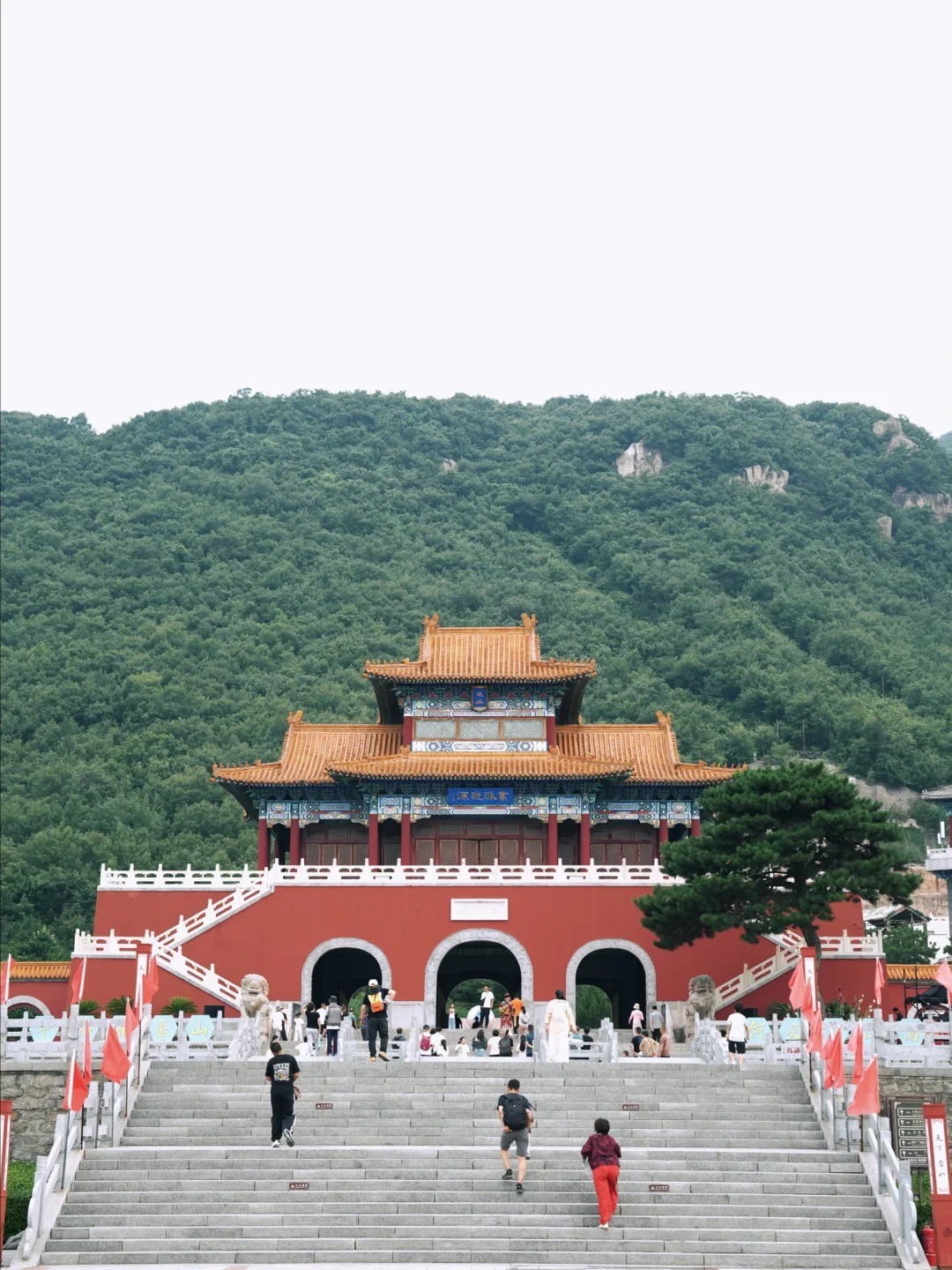
The religious buildings of Qianshan are built according to the mountain terrain, cleverly utilizing the natural topography, forming a unique landscape of 'temples in the mountains, mountains in the temples'. The entire scenic area can be divided into four major regions:
1. Northern Scenic Area: Buddhist Ancient Temple Group
The northern area is the core of Qianshan, concentrating the most famous Buddhist temples.
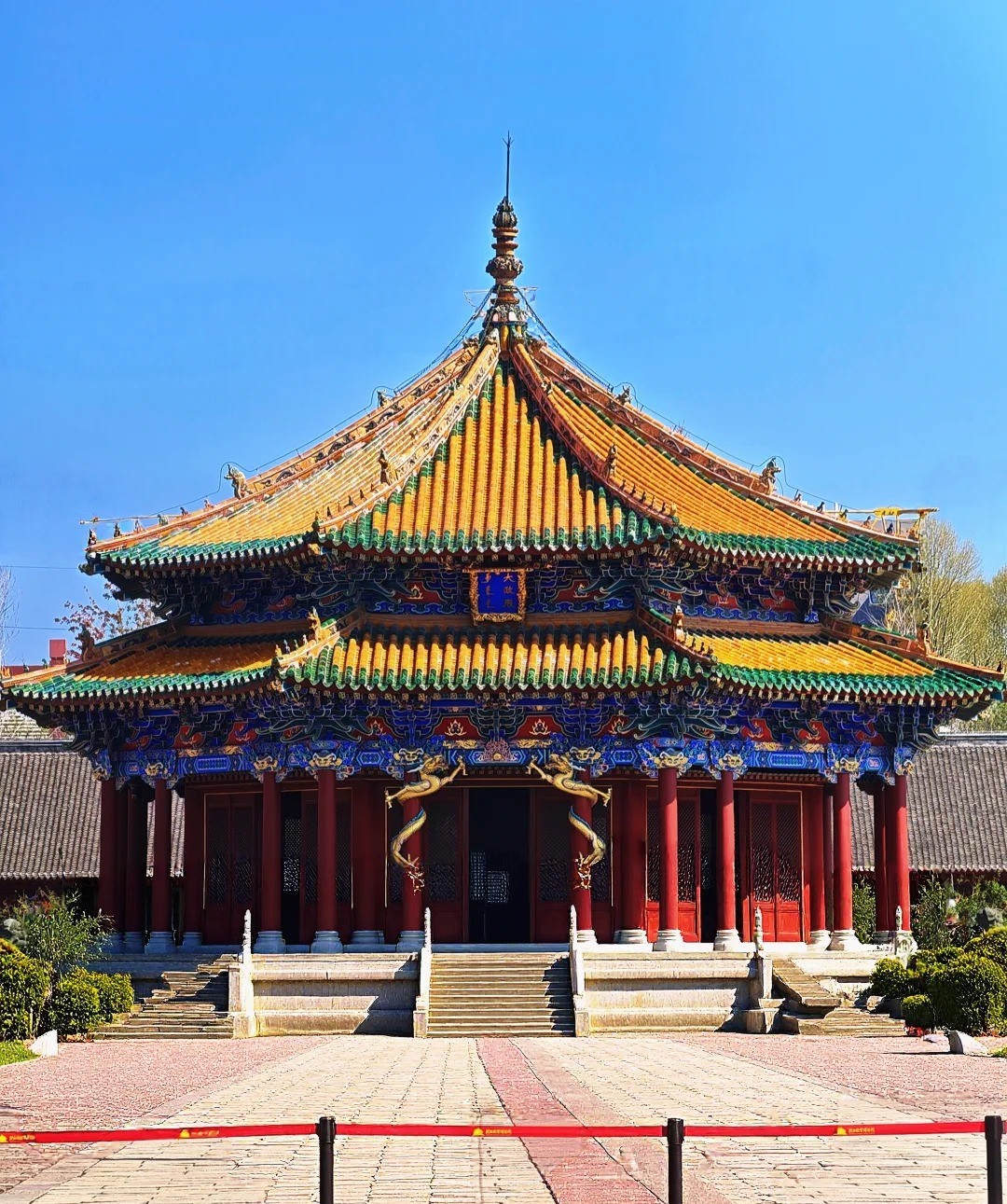
Longquan Temple: Located in the northern valley of Qianshan, first built in the Tang Dynasty, with existing buildings from the Ming and Qing Dynasties. The temple faces south, built against the mountain, covering an area of about 12,000 square meters. Main buildings include the Hall of Heavenly Kings, the Great Hall, and the Sutra Depository. The Great Hall is five bays wide (about 18 meters) and three bays deep (about 12 meters), with a single-eave hip roof, enshrining Sakyamuni Buddha and the Eighteen Arhats. The temple houses a Ming Dynasty bronze bell, 1.5 meters high, 1.2 meters in diameter, weighing about 1,500 kilograms.
Da'an Temple: Located deep in the northern valley, first built in the Liao Dynasty, with existing buildings rebuilt in the Qing Dynasty. The temple covers an area of about 8,000 square meters, with a strict layout, along the central axis: the Mountain Gate, Hall of Heavenly Kings, Great Hall, and Rear Hall. The Great Hall is three bays wide (about 12 meters) and three bays deep (about 10 meters), with a flush gable roof, enshrining the Three Buddhas. Outside the temple stands a 'Tang pine', about 1,300 years old, about 25 meters high, with a diameter at breast height of 1.5 meters.
Zuyue Temple: Located in the northern valley, first built in the Liao Dynasty, with existing buildings rebuilt in the Ming Dynasty. The temple is small but exquisitely laid out, with main buildings including the Mountain Gate, Weituo Hall, and Great Hall. The temple preserves Ming Dynasty murals depicting Buddhist stories, with vivid colors and smooth lines.
2. Southern Scenic Area: Taoist Temple Group
The southern area is centered on Wuliang Guan, the largest Taoist architectural complex in Northeast China.
Wuliang Guan: Located in the southern valley, first built in the Ming Dynasty and expanded in the Qing Dynasty. The temple covers an area of about 15,000 square meters, divided into upper, middle, and lower courtyards according to the terrain. Main buildings include the Laojun Hall, Sanguan Hall, Cihang Hall, and Yuhuang Pavilion. The Laojun Hall is five bays wide (about 18 meters) and three bays deep (about 12 meters), with a hip-gable roof, enshrining the statue of Taishang Laojun. The temple preserves Qing Dynasty Taoist murals and several steles.
Pu'an Guan: Located above Wuliang Guan, first built in the Qing Dynasty, it is one of the highest Taoist temples in Qianshan. The temple is small, with only one courtyard, and the main hall enshrines Guan Sheng Di Jun. In front of the temple is the 'Yixiantian' (Thread of Sky) landscape, where two cliffs face each other, allowing only one person to pass, a famous dangerous path in Qianshan.
3. Central Scenic Area: Wufo Peak and Tianwaitian
The central area is centered on Wufo Peak, one of the highest points in Qianshan.
Wufo Peak: At an altitude of 554.1 meters, it is named after five stone Buddhas on the summit. The five stone Buddhas, carved in the Ming Dynasty, are about 2 meters high, sitting facing west, overlooking the mountains. Climbing to the top offers a panoramic view of Qianshan and is the best spot to watch the sunrise.
Tianwaitian: Located below Wufo Peak, it is a naturally formed huge rock platform covering about 200 square meters. Standing on the platform, you have a wide view and can see the Anshan urban area in the distance.
4. Western Scenic Area: Dafo Temple and the Natural Maitreya Buddha
The western area is centered on the Natural Maitreya Buddha, an important discovery in recent years.
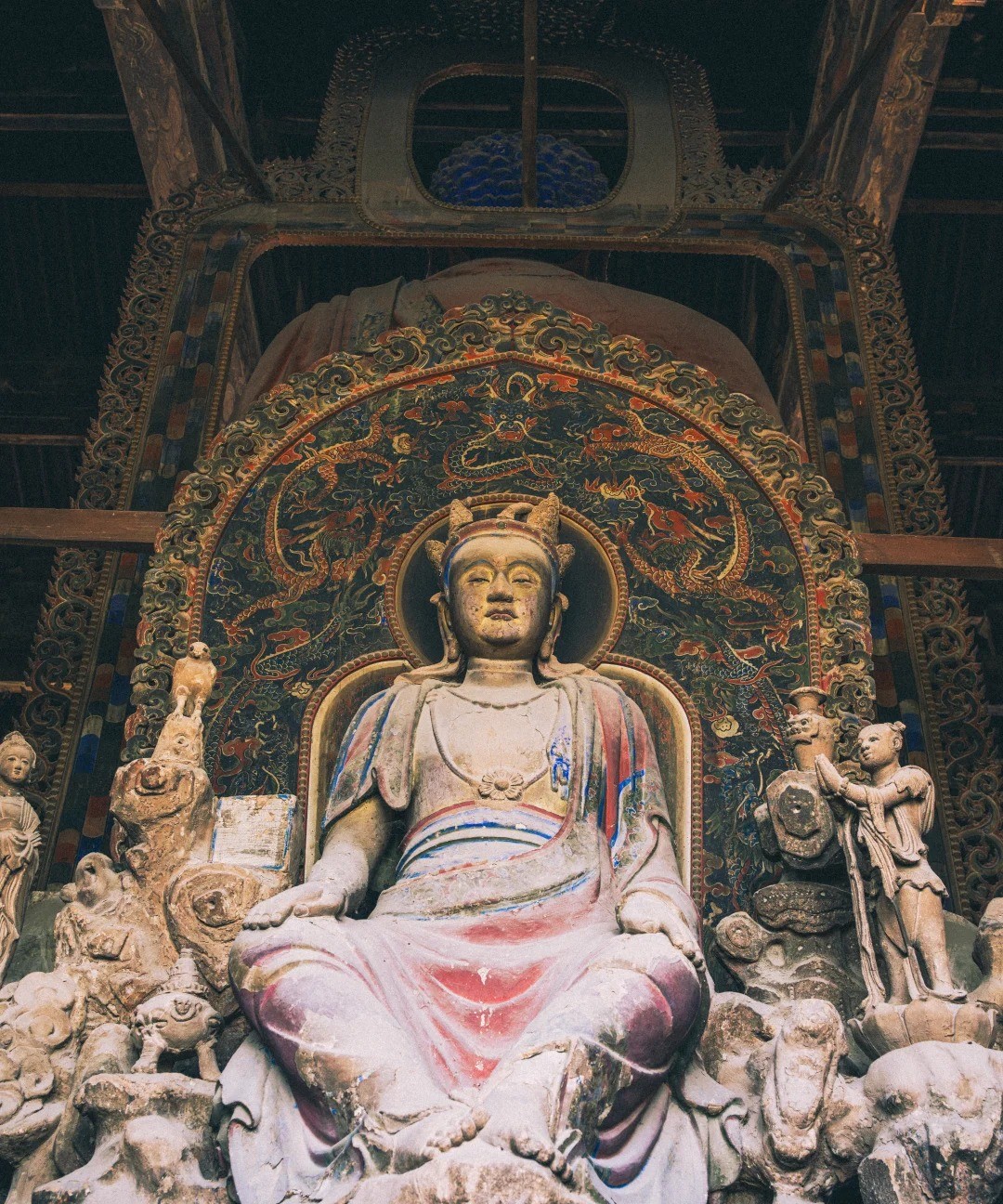
Natural Maitreya Buddha: Located in the western part of Qianshan, it is a naturally formed giant stone Buddha. The Buddha is about 70 meters high and 46 meters wide, with well-proportioned head, body, and limbs, resembling a seated Maitreya Buddha. After its discovery in 1993, it became a new landmark of Qianshan. Below the Buddha, the 'Dafo Temple' was built, enshrining Sakyamuni Buddha and Maitreya Buddha.
IV. Architectural and Natural Features
1. Architectural Features: A Model of Mountain Religious Architecture in Northeast China
The religious architecture of Qianshan has distinct northeastern mountain characteristics:
Built according to the terrain, with a staggered layout: All buildings are constructed along the mountain, layer by layer, blending with the mountain. For example, the Great Hall of Longquan Temple is built on three terraces, each with a height difference of about 3 meters, creating a visual effect of 'hall on terrace, terrace in mountain'.
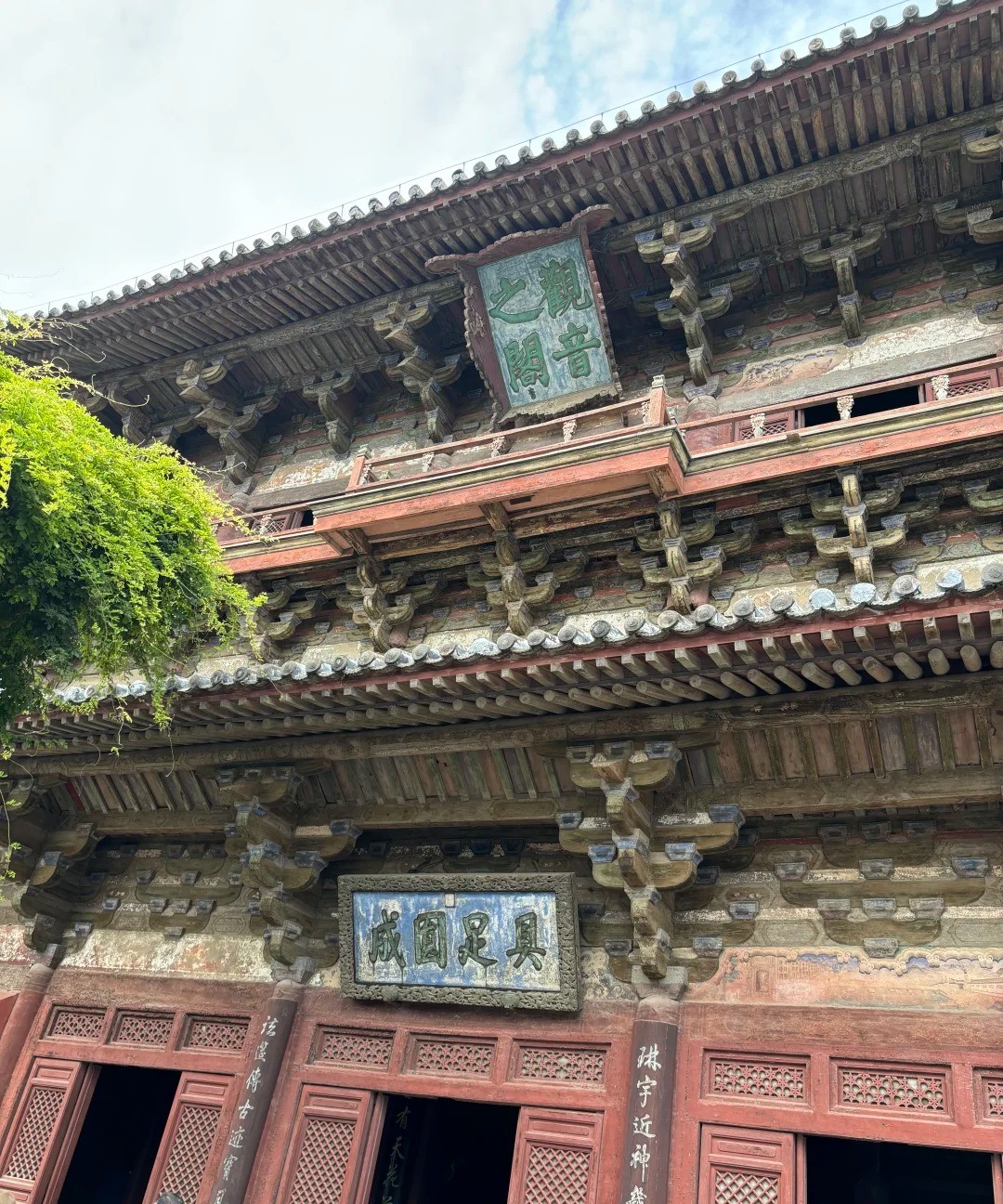
Mainly wooden structures, supplemented by brick and stone: The main halls use wooden structures with thick beams and simple bracket sets, reflecting the architectural style of the Ming and Qing Dynasties in Northeast China. Walls are mostly made of blue bricks, and roofs are covered with gray tiles, harmonizing with the mountain color.
Buddhist-Taoist integration, unique layout: Qianshan is one of the few religious mountains where Buddhism and Taoism coexist for a long time. Buddhist temples mostly adopt a symmetrical layout along the central axis, while Taoist temples are more flexible, freely arranged according to the terrain. The two religious architectures coexist harmoniously without conflict.
Exquisite decoration, well-preserved: The temples preserve a large number of murals, paintings, steles, and statues from the Ming and Qing Dynasties. For example, the Ming Dynasty murals in Longquan Temple depict Buddhist stories with colors still vivid; the Qing Dynasty Taoist murals in Wuliang Guan have smooth lines and lively figures.
2. Natural Features: Strange Pines, Odd Rocks, Pear Blossoms, and Sea of Clouds
The natural landscape of Qianshan is famous for its 'four wonders': strange pines, odd rocks, pear blossoms, and sea of clouds.
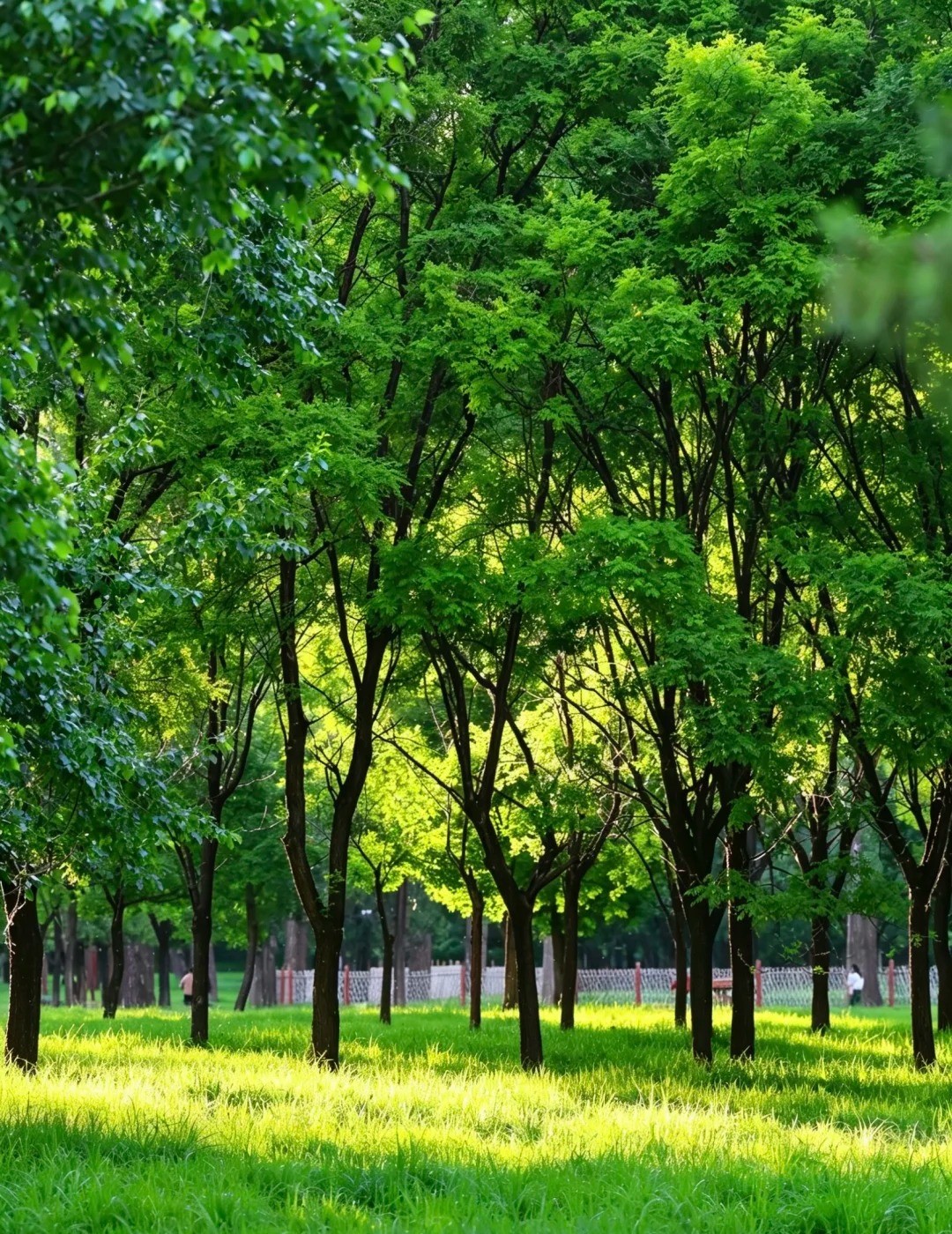
Strange Pines: Qianshan has more than 10,000 ancient pines over a hundred years old, with various shapes. Famous ones include 'Panlong Pine', 'Tanhai Pine', and 'Yingke Pine'. Among them, the 'Panlong Pine' in Longquan Temple is about 500 years old, with a twisted trunk like a dragon and lush branches.
Odd Rocks: Qianshan is rich in granite, which has formed various strange rock formations through weathering. Famous ones include 'Jiabian Rock', 'Yixiantian', and 'Yingwu Rock'. Among them, 'Jiabian Rock' near Wuliang Guan is a narrow passage between two rocks, allowing only one person to pass sideways, a famous dangerous path in Qianshan.
Pear Blossoms: Qianshan is known as the 'Pear Blossom Valley'. From late April to early May each year, pear blossoms bloom all over the mountains, like snow and jade, with a fragrant aroma. The pear blossoms in Qianshan have a history of several hundred years and are a famous flower-viewing destination in Northeast China.
Sea of Clouds: Due to the high altitude, after summer rains, a sea of clouds often appears. Standing on Xianrentai or Wufo Peak, you can see the sea of clouds rolling, with peaks appearing and disappearing, like a fairyland.
V. Cultural Significance: A Sacred Realm of Buddhism and Taoism and a Cultural Symbol of Northeast China
1. Harmonious Coexistence of Buddhism and Taoism
Qianshan is a rare religious sanctuary in northern China where Buddhism and Taoism have coexisted harmoniously for a long time. Since the Ming Dynasty, Qianshan has formed a pattern of 'Taoism in the south, Buddhism in the north', with Buddhist temples and Taoist temples only a few miles apart. Monks and Taoists live in harmony and even jointly manage the same peak. This phenomenon of Buddhist-Taoist integration has unique research value in the history of Chinese religion. The religious architecture and activities in Qianshan reflect the integration and symbiosis of diverse religious cultures in Northeast China during the Ming and Qing Dynasties.
2. A Cultural Symbol of Northeast China
Qianshan is not only a religious sanctuary but also a cultural symbol of Northeast China. Since the Tang Dynasty, Qianshan has attracted countless literati, emperors, and generals to visit. Emperors Kangxi and Qianlong of the Qing Dynasty visited Qianshan multiple times and left imperial poems. In modern times, Qianshan has become an important tourist destination in Northeast China, attracting millions of visitors each year. The natural scenery and religious culture of Qianshan have become an important part of the cultural identity of Northeast China.
3. A Model of Integration of Architecture and Nature
The integration of religious architecture and natural landscape in Qianshan is a model of ancient Chinese mountain architecture. The temple buildings are built according to the terrain, blending with the mountain, ancient pines, and odd rocks, reflecting the philosophical idea of 'harmony between heaven and man'. This architectural concept has important reference value for the study of ancient Chinese mountain architecture and religious architecture.
VI. Visitor Information
1. Opening Hours
Open all year round. Summer (April 1 - October 31): 6:00 - 18:00; Winter (November 1 - March 31): 7:00 - 17:00.
2. Ticket Prices
Peak season (April 1 - October 31): 80 yuan/person; Off-season (November 1 - March 31): 60 yuan/person. Students, seniors, and other special groups can enjoy half-price discounts.
3. Transportation
External Transportation: There are tourist shuttle buses (No. 8 and No. 88) from Anshan city to Qianshan. From Anshan Railway Station, it takes about 40 minutes to reach the main gate of Qianshan.
Internal Transportation: There are sightseeing buses in the scenic area that run between major attractions, with a fare of 10 yuan per ride. You can also choose to walk, which takes about 4-6 hours for the entire route.
4. Recommended Tour Routes
One-Day Tour: Main Gate → Longquan Temple → Da'an Temple → Wuliang Guan → Wufo Peak → Natural Maitreya Buddha → Return to Main Gate. The entire route takes about 6 hours.
Two-Day Tour: Day 1: Visit the northern area (Longquan Temple, Da'an Temple, Zuyue Temple), stay overnight in Qianshan; Day 2: Visit the southern area (Wuliang Guan, Pu'an Guan) and the central area (Wufo Peak, Tianwaitian), return in the afternoon.
5. Notes
The mountain paths in Qianshan are steep, so it is recommended to wear comfortable sports shoes.
Use sunscreen in summer and keep warm in winter.
Protect cultural relics and historic sites; do not carve on buildings.
Respect religious customs; keep quiet when entering temples.
Qianshan, this northeastern mountain integrating natural scenery and Buddhist-Taoist culture, attracts countless tourists and scholars with its unique charm of thousands of peaks, ancient temples, and harmonious coexistence of Buddhism and Taoism. Whether exploring historical relics or experiencing the beauty of nature, Qianshan will bring you an unforgettable experience. As the ancients said: 'Thousands of mountains and rivers are not as good as one scene of Qianshan.' The beauty of Qianshan is worth experiencing in person.
Travel Tips
The mountain paths in Qianshan are steep, so it is recommended to wear comfortable sports shoes. Use sunscreen in summer and keep warm in winter. Protect cultural relics and historic sites; do not carve on buildings. Respect religious customs; keep quiet when entering temples. Qianshan, this northeastern mountain integrating natural scenery and Buddhist-Taoist culture, attracts countless tourists and scholars with its unique charm of thousands of peaks, ancient temples, and harmonious coexistence of Buddhism and Taoism. Whether exploring historical relics or experiencing the beauty of nature, Qianshan will bring you an unforgettable experience. As the ancients said: 'Thousands of mountains and rivers are not as good as one scene of Qianshan.' The beauty of Qianshan is worth experiencing in person.