Ming Xiaoling Mausoleum: A Model of Ming Dynasty Imperial Tombs
Overview
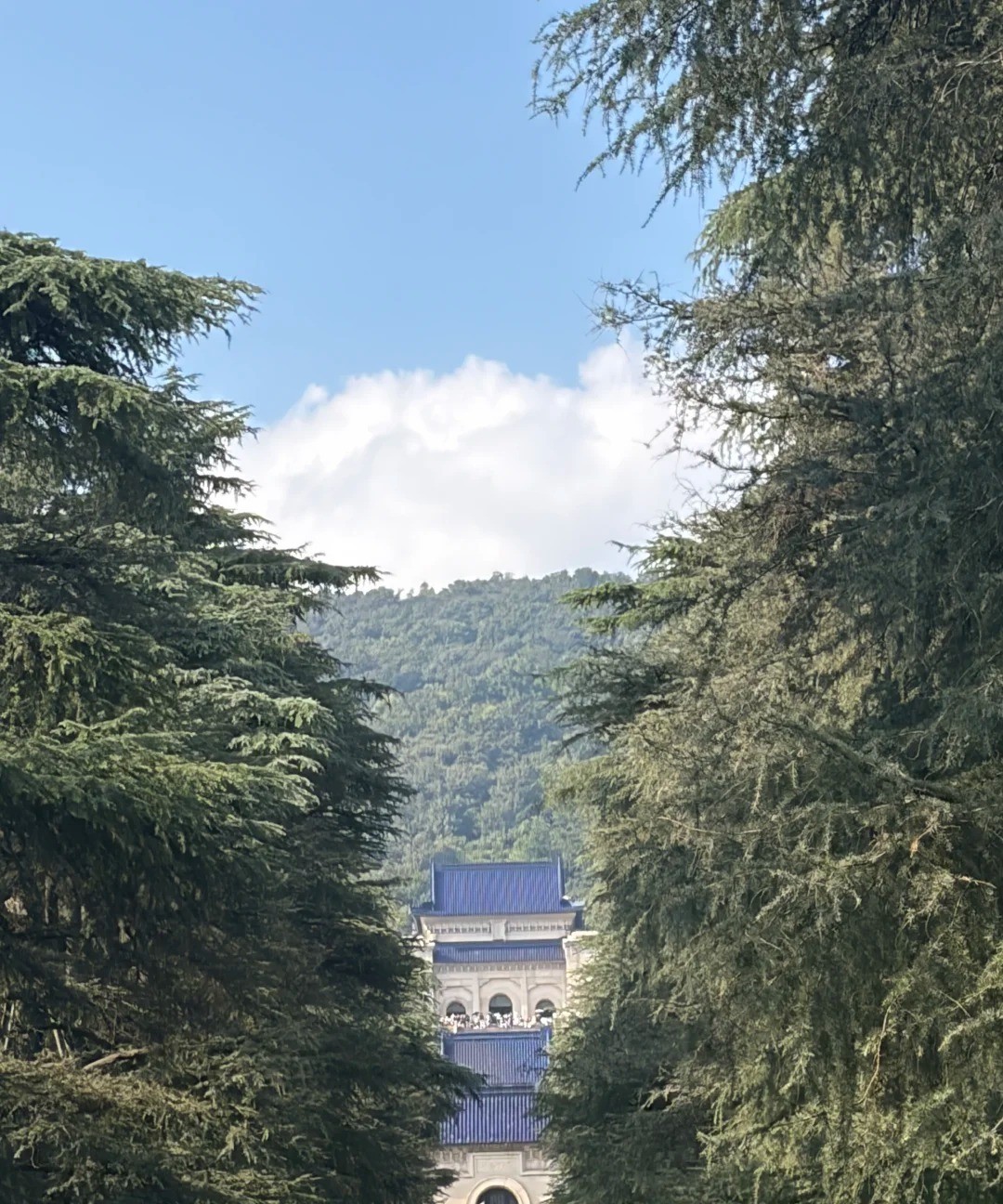
Ming Xiaoling Mausoleum is located at the southern foot of Purple Mountain in Xuanwu District, Nanjing, Jiangsu Province, under the Duyu Peak of Dlongfu. It is the joint burial site of Emperor Taizu Zhu Yuanzhang and Empress Xiaoci Gao, Ma. Construction began in the 14th year of Hongwu (1381) and was completed in the 3rd year of Yongle (1405), taking 25 years and employing over 100,000 military laborers. Covering an area of over 1.7 million square meters, it is one of the largest existing imperial mausoleums in China. Its layout set the standard for imperial tombs of the Ming and Qing dynasties over 500 years, earning it the title 'The First Imperial Tomb of the Ming and Qing Dynasties.' In 1961, it was listed as one of the first batch of National Key Cultural Relics Protection Units by the State Council. In 2003, as an extension of the 'Imperial Tombs of the Ming and Qing Dynasties,' it was inscribed on the World Heritage List under heritage number 1004-003.
Historical Evolution
The construction of Ming Xiaoling began in the 14th year of Hongwu (1381). Zhu Yuanzhang ordered Liu Ji, Xu Da, and others to select the site, ultimately choosing Duyu Peak. The following year, Empress Ma passed away and was buried first. Because Empress Ma's posthumous title was 'Xiaoci' (Filial and Kind), the tomb was named 'Xiaoling' (Filial Tomb). In the 31st year of Hongwu (1398), Zhu Yuanzhang died and was buried with Empress Ma. The tomb complex underwent multiple repairs during the Ming Dynasty, with the addition of the Shengong Shengde Stele Pavilion during the Yongle period. After the Qing army entered the pass, Ming Xiaoling was protected, and Emperors Kangxi and Qianlong personally paid homage during their southern tours. During the Taiping Rebellion, the above-ground buildings were severely damaged, leaving only brick and stone structures. During the Republic of China period, the Nationalist government carried out partial repairs. After the founding of New China, multiple large-scale renovations were conducted, restoring the sacred way stone carvings, Fangcheng Minglou, and other main structures.