Free consultation with travel experts — custom itineraries, local tips, stress-free planning.
Usually replies within 24 hours
Or leave us a message
4A LevelNature
Coloane Island
Coloane Island
Macao
0 views
Category:Natural Scenery
Coloane Island, known as Macau's back garden, blends fishing village charm with Portuguese architecture. Stroll along the black sand beach, visit St. Francis Xavier Church, and savor Lord Stow's egg tarts while enjoying a slow-paced escape from the city's hustle and bustle.
INTRODUCTION
About This Attraction
Coloane Island: Macau's Natural Oasis and Beach Retreat
Coloane Island, located at the southernmost tip of the Macau Special Administrative Region, is the area with the most intact natural ecology and the lowest population density among the three main regions of Macau Peninsula, Taipa Island, and Coloane Island. Compared to the bustling Macau Peninsula and the casino clusters of Taipa, Coloane Island, with its stretches of black sand beach, winding walking trails, rustic fishing villages, and rich biodiversity, constitutes Macau's precious "urban green lung" and "back garden." It is not only the preferred destination for local residents to escape the hustle and bustle and get close to nature, but also an excellent window for tourists to experience Macau's diverse facets—from gaming and entertainment to ecological leisure.
I. Overview: Basic Data at a Glance
Geographical Location: The southernmost tip of the Macau SAR, bordered by the sea on the east, south, and west, and connected to Taipa Island to the north (via the Cotai Strip formed by the Cotai reclamation).
Area: Approximately 7.6 square kilometers, accounting for about 23% of Macau's total area.
Highest Point: Alto de Coloane (about 172 meters above sea level), the highest peak in Macau.
PRACTICAL INFO
Travel Essentials
Opening Hours
Open all day (recommended to confirm before your visit)
Ticket Price
Free (subject to official announcements)
How to Get There
Bus: From Macau Peninsula or Taipa, take buses 15, 21A, 25, 26A, 50, or N3 directly to Coloane town or Hac Sa Beach. The journey takes about 30-60 minutes. Taxi: From Macau Peninsula, the fare is about 100-150 MOP; from Taipa, about 50-80 MOP. Walking/Cycling: Within Coloane Island, it is recommended to explore on foot or by renting a bicycle (rental points are available at Hac Sa Beach and Coloane Village) to deeply experience the nature and village scenery.
Main Beaches: Hac Sa Beach (about 1350 meters long), Cheoc Van Beach (about 400 meters long).
Core Villages: Coloane Village (also known as "Ká-Hó Village" and "Coloane Village" are the two main settlements, with Coloane Village being the administrative and tourism core).
Ecological Positioning: Macau's largest natural ecological reserve, possessing about 80% of Macau's green space and native vegetation.
II. Historical Evolution: From Fishing Village to Ecological Barrier
1. Ancient Period: An Isolated Fishing Village of Xiangshan County
Historically, Coloane Island was under the jurisdiction of Xiangshan County (now Zhongshan City) in Guangdong Province. According to the "History of Ming," as early as the Ming Dynasty, Coloane Island (then called "Ká-Hó" or "Coloane") was already a seasonal stopover and supply point for fishermen. The island's residents lived by fishing, salt drying, and collecting oysters and shellfish, forming several small settlements. Due to its remote location and inconvenient transportation, Coloane Island maintained a relatively closed fishing village social form during the Ming and Qing dynasties, unaffected by the intense development of Macau Peninsula's early port opening.
2. Modern Changes: Colonial Rule and Land Reclamation
In the mid-19th century, the Portuguese gradually extended their influence to Taipa and Coloane. After the signing of the Sino-Portuguese Treaty of Friendship and Commerce in 1887, the Portuguese formally implemented colonial rule over Coloane Island. In the early 20th century, Coloane Island became a focus due to pirate problems—in the "Coloane Incident" of 1910, Portuguese troops bombarded Coloane Village under the pretext of suppressing bandits, causing numerous civilian casualties. Subsequently, the Portuguese strengthened their control over Coloane and began building infrastructure such as roads and piers.
From the 1960s, the Macau government began large-scale afforestation on Coloane to improve soil erosion and create ecological landscapes. In the 1990s, with the construction of Macau International Airport and the start of the Cotai reclamation project, the sea area between Coloane and Taipa was gradually filled, forming today's Cotai Strip. This project transformed Coloane from a geographical "island" into a peninsula connected to the mainland, but its core areas' ecology and village appearance were deliberately preserved, making it an "ecological island" amid Macau's urban expansion.
3. Post-Handover: Ecological Conservation and Tourism Development
After Macau's return to China in 1999, the SAR government positioned Coloane Island as a "natural ecology and leisure tourism area." In the early 2000s, Hac Sa Beach and surrounding areas were designated as protected areas, strictly prohibiting large-scale commercial development. After 2010, with the improvement of the "Coloane Walking Trail System" and the advancement of the "Coloane Village Revitalization Plan," Coloane Island gradually became the core destination for Macau residents' weekend hiking, cycling, barbecues, and family leisure. In 2023, the Macau Government Tourism Office listed Coloane Island as a "Macau Ecotourism Demonstration Point," emphasizing its tourism philosophy of "green, low-carbon, slow living."
III. Scenic Layout: The Weave of Nature and Culture
1. Hac Sa Beach: Macau's Longest Natural Beach
Hac Sa Beach, located in the southeastern part of Coloane Island, is one of Macau's most famous natural landscapes. The beach is about 1350 meters long and 50 to 80 meters wide, named for its unique black sand. This black sand is mainly composed of dark minerals (such as magnetite and ilmenite) rich in the ocean, deposited after long-term wave erosion and washing, formed tens of thousands of years ago by geological movements.
Beach Facilities: Changing rooms, showers, barbecue areas, children's playground, and parking lots are available. Behind the beach, "Hac Sa Park" covers about 1.5 hectares and includes a swimming pool, tennis courts, and a camping area.
Ecological Value: Hac Sa Beach is an important nesting site for sea turtles in Macau (mainly green turtles and hawksbill turtles). From May to August each year, the Municipal Affairs Bureau sets up temporary protection zones to monitor and protect turtle nests.
Scenic Features: The beach is backed by dense pine and casuarina forests, creating a striking color contrast of "blue sea, black sand, green forest." At sunset, the afterglow falls on the black sand, presenting a unique visual effect of interwoven gold and black.
2. Cheoc Van Beach: A Tranquil Haven
Cheoc Van Beach, located in the southwestern part of Coloane Island, is smaller, about 400 meters long, but is renowned for its clear water, fine sand, and peaceful environment. The beach is surrounded by mountains on three sides, forming a natural haven with gentle waves, suitable for swimming and snorkeling. Next to Cheoc Van Beach are "Cheoc Van Hotel" and "Cheoc Van Swimming Pool," making it one of the few places in Macau offering seaside accommodation.
3. Coloane Walking Trail System: An Ecological Corridor Through Mountains and Sea
Coloane Island has Macau's most comprehensive walking trail network, with a total length exceeding 20 kilometers, divided into multiple routes of varying difficulty and themes:
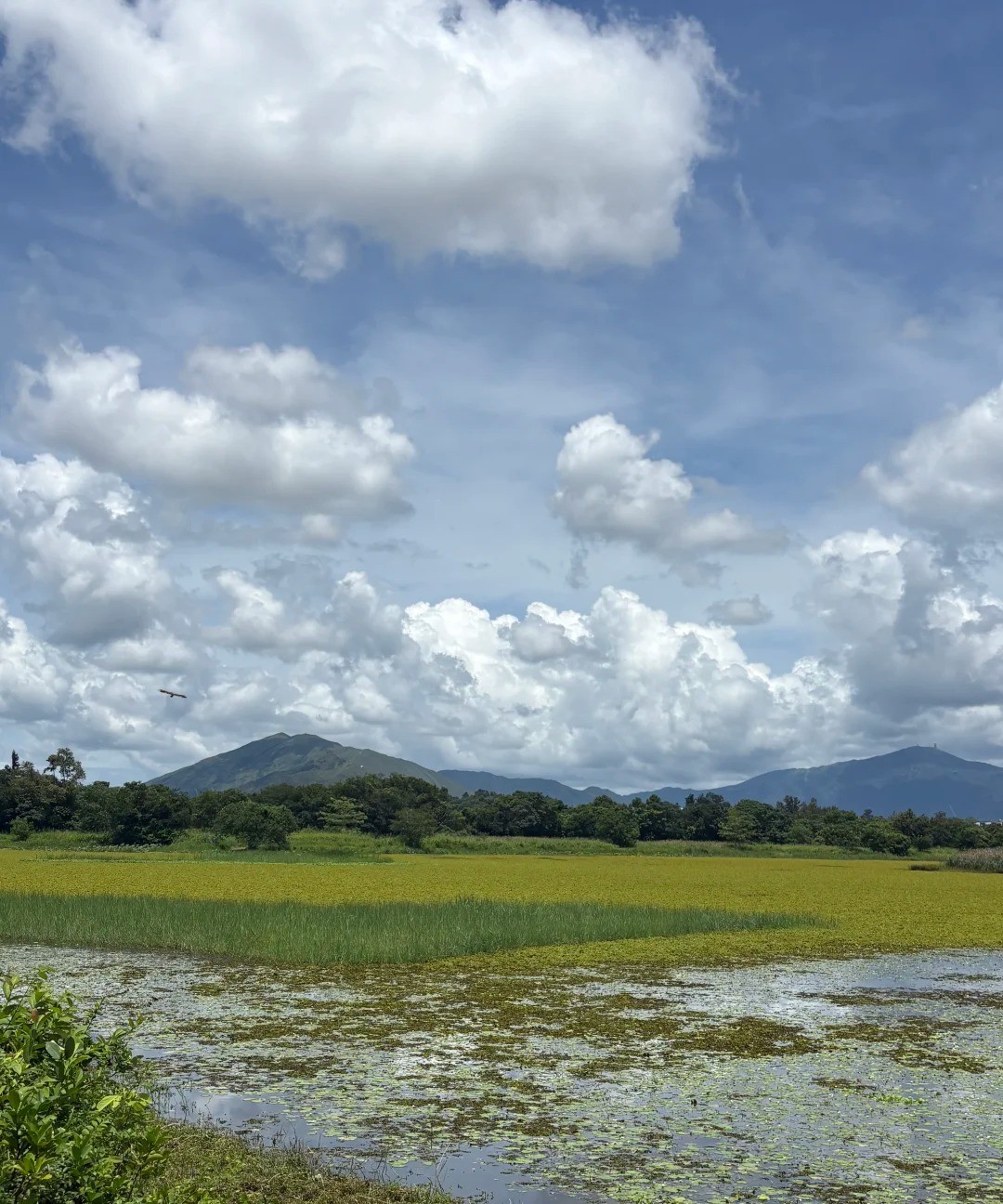
Hac Sa Reservoir Walking Trail: About 2.5 kilometers long, circling Hac Sa Reservoir, with gentle slopes, suitable for families and beginners. Along the way, you can enjoy reservoir scenery, wetland plants, and birds (such as egrets and night herons).
Coloane Walking Trail (Main Trail): About 8 kilometers long, extending from Hac Sa Beach to Coloane Village, crossing the ridge of Alto de Coloane. Along the way, there are several viewing platforms overlooking Hac Sa Beach, Cheoc Van, Cotai, and Zhuhai's Hengqin. The highest point is about 172 meters above sea level, the highest point in Macau.
Ká-Hó Walking Trail: About 3 kilometers long, starting from Ká-Hó Village, passing by Ká-Hó Lighthouse (built in 1930, one of the oldest lighthouses in Macau) and Ká-Hó Our Lady Village (originally a leprosarium, now a historic building complex).
Long Chao Kok Walking Trail: About 1.5 kilometers long, built along the coastline, renowned for its strange rocks and magnificent sea views. It passes by "Dragon Claw Rock" (a giant granite rock shaped like a dragon's claw) and the "Listening to the Sea Pavilion" viewing pavilion.
4. Coloane Village: A Living Museum of Fishing Village Style
Coloane Village is the core settlement of Coloane Island, still retaining a rich fishing village atmosphere. The village's streets are narrow and winding, flanked by low-rise colorful houses, traditional grocery stores, seafood restaurants, and souvenir shops. Main attractions include:
Coloane Pier: Built in the late 19th century, it was once an important passenger and cargo pier between Macau, Zhuhai, and Hong Kong. Although it is no longer in use, the pier building and surrounding fishing boats remain a popular spot for photography enthusiasts.
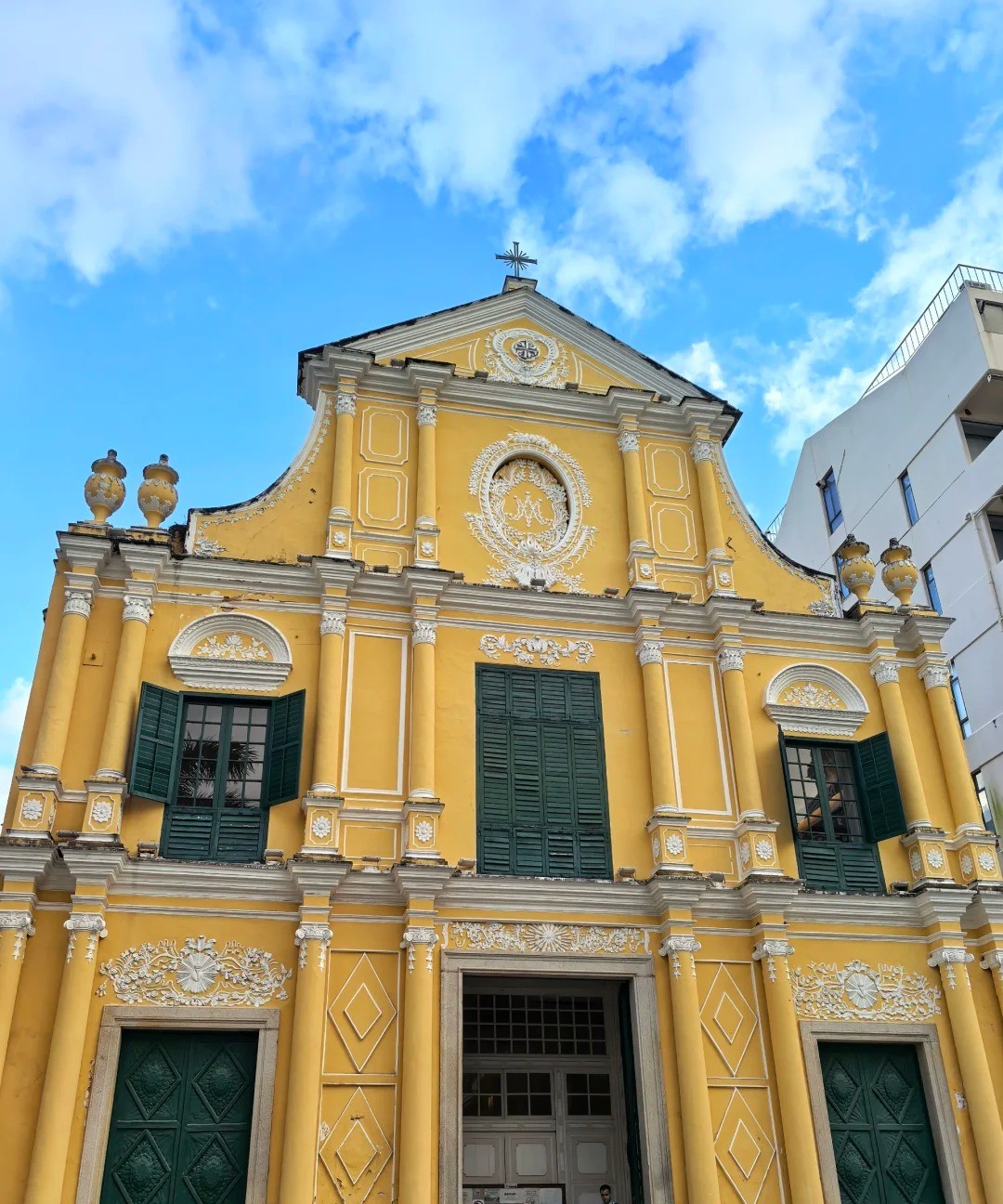
St. Francis Xavier Church: Built in 1928, a Baroque-style building with a light yellow exterior and white carvings. The small square in front of the church is paved with Portuguese-style cobblestones and is a landmark of Coloane Village.
Lord Stow's Bakery: Located in Coloane Village, it is one of the founding shops of Macau's Portuguese egg tarts (opened in 1989). Its egg tarts are famous for their crispy puff pastry and rich egg custard filling, attracting long queues of tourists daily.
Coloane Library: Built in 1911, originally the Coloane Municipal Council, later converted into a library. The building is in Portuguese style, with green and white exterior walls and arched doors and windows, highly distinctive.
5. Ká-Hó Village: A Hidden Ecological Village
Ká-Hó Village, located in the northeastern part of Coloane Island, is more remote and tranquil than Coloane Village. The village retains many traditional houses and farmland, and is one of the few places in Macau where people still engage in farming and fishing. Near Ká-Hó Village are "Ká-Hó Reservoir" and "Ká-Hó Hill," excellent spots for hiking and birdwatching. The "Ká-Hó Our Lady Village" in the village was originally a leprosarium built in the late 19th century, now listed in Macau's heritage list, with some buildings converted into exhibition spaces telling the history of leprosy prevention in Macau.
IV. Natural Features: Biodiversity and Geological Wonders
1. Vegetation and Ecosystems
Coloane Island is the area in Macau with the most intact native vegetation, with a forest coverage rate exceeding 70%. The main vegetation types include:
Evergreen Broadleaf Forests: Dominated by native species such as camphor trees, banyan trees, Sterculia lanceolata, and Sapium discolor, with rich understory shrubs and herbs.
Coastal Forests: Dominated by salt-tolerant plants such as casuarina, pandanus, and beach naupaka, forming natural windbreaks and sand stabilizers.
Wetlands and Mangroves: Around the "Coloane Wetland" in the northwest and Hac Sa Reservoir, the largest mangrove community in Macau (mainly Kandelia obovata and Aegiceras corniculatum) is distributed, serving as an important stopover for migratory birds.
2. Animal Resources
Coloane Island is the main habitat for wildlife in Macau. According to the Municipal Affairs Bureau, more than 150 bird species have been recorded on the island, including the black-faced spoonbill (globally endangered), white-bellied sea eagle, and greater coucal. Mammals are mainly red-bellied squirrels, masked palm civets, and wild boars. Reptile and amphibian species are also rich, such as the Macau endemic "Macau lizard" (scientific name: Plestiodon chinensis subspecies) and "Macau frog."
3. Geology and Landforms
The geological foundation of Coloane Island is mainly granite, formed during the Yanshan movement from the Jurassic to Cretaceous periods. The island has many low mountains and hills, with the highest peak, Alto de Coloane, at 172 meters, the highest point in Macau. The coastline is winding, with many headlands, bays, and sea cliffs. The "wave-cut platform" and "sea cave" in the Long Chao Kok area are typical sea erosion landforms, showcasing the long-term erosion of granite by waves. The black sand of Hac Sa Beach originates from dark minerals in the nearby mountains, transported into the sea by rivers, then repeatedly washed and sorted by waves to accumulate.
V. Cultural Significance: Fishing Village Memories and Ecological Awakening
1. Living Heritage of Fishing Village Culture
Coloane Village and Ká-Hó Village are the only settlements in Macau that still retain traditional fishing village lifestyles. The residents here have lived for generations by fishing, drying fish, and making shrimp paste and oyster sauce. The "Coloane Fish Market Festival" on the eighth day of the fourth lunar month and the "Chongyang Sea Worship" on the ninth day of the ninth lunar month are the most distinctive folk festivals on Coloane Island, showcasing fishermen's reverence and gratitude to the sea. The "Coloane Fisheries Museum" (near Coloane Pier) houses a large collection of fishing boat models, fishing gear, and fishermen's daily necessities, serving as an important window into Macau's fishing history.
2. Pioneer in Ecological Conservation
Coloane Island's ability to maintain relatively intact natural ecology amid Macau's rapid urban expansion is due to the long-term consensus of Macau society on ecological protection. In the 1990s, the Macau government planned to develop large residential and entertainment projects on Coloane Island, but they were halted due to strong opposition from environmental groups and residents. In 2004, the Macau government officially designated about 80% of Coloane Island's land as "ecological protection areas" and "green zones," prohibiting any form of commercial development. This decision made Coloane Island a core component of Macau's "urban ecological security pattern" and provided a reference for ecological protection in other cities of the Guangdong-Hong Kong-Macau Greater Bay Area.
3. Integration of Diverse Cultures
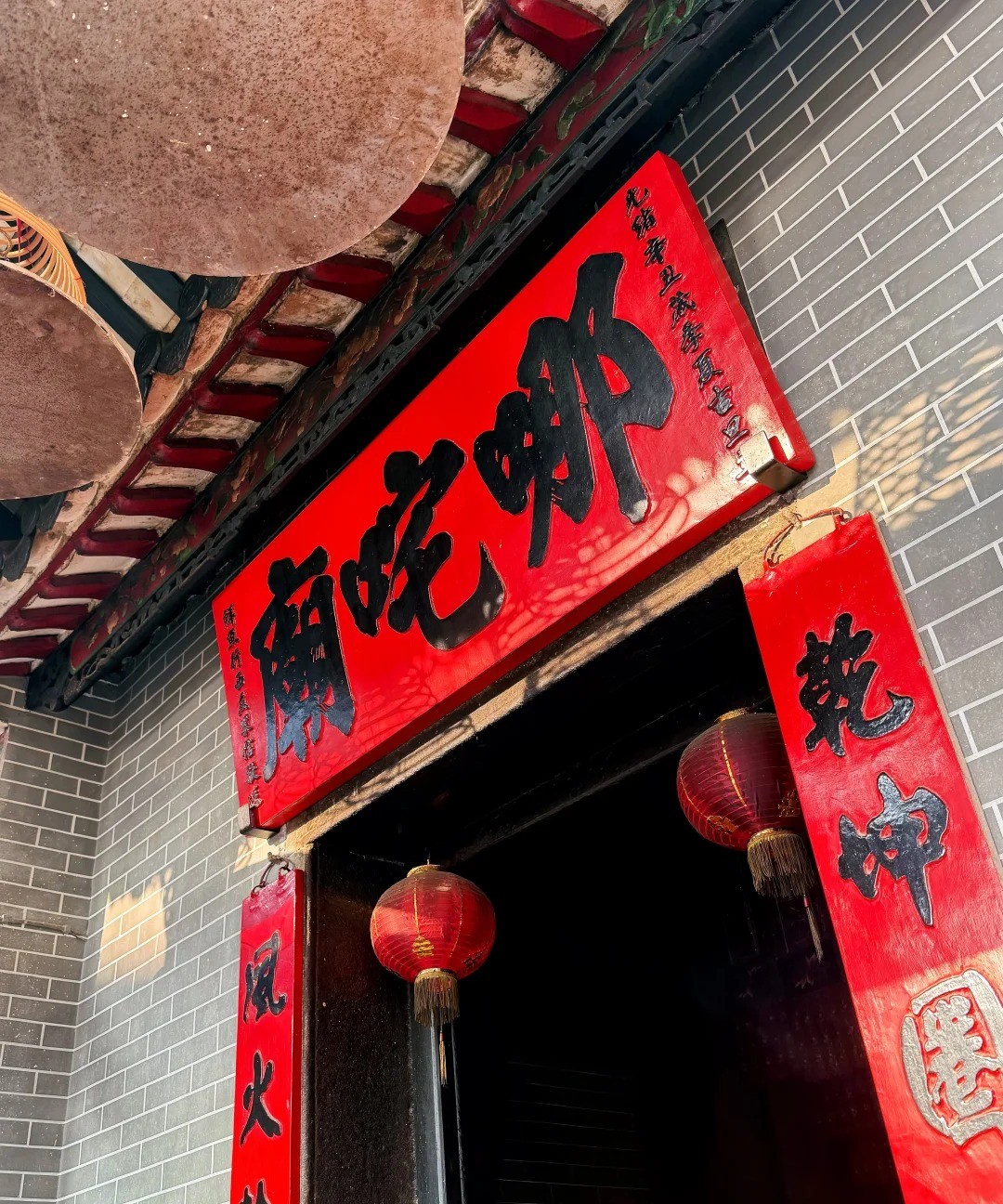
Although Coloane Island is mainly characterized by fishing village culture, it also bears traces of the Portuguese colonial period. Buildings such as St. Francis Xavier Church, Coloane Library, and Ká-Hó Lighthouse reflect the fusion of Chinese and Western architectural styles. In addition, the "Portuguese-style cobblestone roads" and "Portuguese blue-and-white tile" decorations in Coloane Village coexist with Chinese temples (such as the "Tin Hau Temple" in Coloane Village, built in 1763) and traditional houses, forming a unique cultural landscape.
VI. Visitor Information: Practical Guide
1. Best Time to Visit
Suitable Year-Round: Macau has a subtropical maritime climate, with mild and dry winters (December to February) and hot and rainy summers (June to September). Coloane Island can be visited all year round, but spring and autumn (March to May, October to November) are the most comfortable.
Special Periods: Summer (June to August) is suitable for beach activities, but be mindful of sun protection and typhoon warnings; winter (December to February) is suitable for hiking, with temperatures around 15-20°C, feeling cool.
2. Transportation
Bus: From Macau Peninsula or Taipa, take buses 15, 21A, 25, 26A, 50, or N3 directly to Coloane town or Hac Sa Beach. The journey takes about 30-60 minutes.
Taxi: From Macau Peninsula, the fare is about 100-150 MOP; from Taipa, about 50-80 MOP.
Walking/Cycling: Within Coloane Island, it is recommended to explore on foot or by renting a bicycle (rental points are available at Hac Sa Beach and Coloane Village) to deeply experience the nature and village scenery.
3. Recommended Itineraries
Half-Day Tour (about 4 hours): Coloane Village (St. Francis Xavier Church, Lord Stow's Bakery, Coloane Pier) → Hac Sa Beach (swimming, barbecue) → Hac Sa Reservoir Walking Trail (easy hike).
Full-Day Tour (about 8 hours): Coloane Village → Long Chao Kok Walking Trail (sea view hike) → Cheoc Van Beach (lunch, swimming) → Ká-Hó Village (Ká-Hó Lighthouse, Ká-Hó Our Lady Village) → Hac Sa Beach (sunset viewing).
In-Depth Tour (2 days 1 night): It is recommended to stay at Cheoc Van Hotel or the camping area in Hac Sa Park. On the first day, hike the main Coloane Walking Trail (about 8 kilometers in total); on the second day, explore Ká-Hó Village and the wetlands, experiencing fishing village life.
4. Important Notes
Environmental Tips: Coloane Island is an ecologically sensitive area. Please do not pick plants, catch animals, or litter. Trash bins are provided along beaches and trails; please help maintain the environment.
Safety Tips: Hac Sa Beach and Cheoc Van Beach have lifeguards (open in summer); please swim only in guarded areas. When hiking, wear non-slip shoes, carry enough drinking water, and be aware of weather changes.
Dining Recommendations: There are several seafood restaurants in Coloane Village, featuring "Portuguese seafood rice," "bacalhau balls," and "roast suckling pig." Lord Stow's egg tarts are best eaten fresh on the spot.
Opening Hours: Hac Sa Beach and Cheoc Van Beach are open all day (free); Coloane Walking Trails are open all day; Coloane Library is open Tuesday to Sunday from 10:00 to 18:00 (closed on Mondays); Ká-Hó Our Lady Village is open daily from 9:00 to 17:00.
Coloane Island, the natural oasis at the southernmost tip of Macau, with its black sand and blue sea, mountain trails, and fishing village charm, provides a rare tranquility and purity for this city known for gambling and urban splendor. Whether strolling on the soft sand of Hac Sa Beach, walking through the forest paths of Alto de Coloane, or savoring a freshly baked Portuguese egg tart on the cobblestone streets of Coloane Village, you can feel the vitality of Macau's other side—a slow-living philosophy that coexists with nature and dialogues with history. Here, there is no casino noise, no oppressive high-rises, only sea breeze, birdsong, and the slow flow of time.
Travel Tips
Environmental Tips: Coloane Island is an ecologically sensitive area. Please do not pick plants, catch animals, or litter. Trash bins are provided along beaches and trails; please help maintain the environment. Safety Tips: Hac Sa Beach and Cheoc Van Beach have lifeguards (open in summer); please swim only in guarded areas. When hiking, wear non-slip shoes, carry enough drinking water, and be aware of weather changes. Dining Recommendations: There are several seafood restaurants in Coloane Village, featuring "Portuguese seafood rice," "bacalhau balls," and "roast suckling pig." Lord Stow's egg tarts are best eaten fresh on the spot. Opening Hours: Hac Sa Beach and Cheoc Van Beach are open all day (free); Coloane Walking Trails are open all day; Coloane Library is open Tuesday to Sunday from 10:00 to 18:00 (closed on Mondays); Ká-Hó Our Lady Village is open daily from 9:00 to 17:00. Coloane Island, the natural oasis at the southernmost tip of Macau, with its black sand and blue sea, mountain trails, and fishing village charm, provides a rare tranquility and purity for this city known for gambling and urban splendor. Whether strolling on the soft sand of Hac Sa Beach, walking through the forest paths of Alto de Coloane, or savoring a freshly baked Portuguese egg tart on the cobblestone streets of Coloane Village, you can feel the vitality of Macau's other side—a slow-living philosophy that coexists with nature and dialogues with history. Here, there is no casino noise, no oppressive high-rises, only sea breeze, birdsong, and the slow flow of time.